Monthly Archives: December 2025

Happy New Year!

Well, cheerio 2025, it was nice knowing you, but it’s time to move on to 2026 – I must admit, I’m both glad and sad to see it go.

2025 was the year I took time off from writing books (writing two at the same time in 2024-5 required some time away). This doesn’t mean that I took a year off writing: I wrote several pieces for BBC Countryfile Magazine, including one about Plough Monday and Plough Pudding which will appear in the January 2026 edition of the magazine. There was the County Foods series for Country Life too, of course.
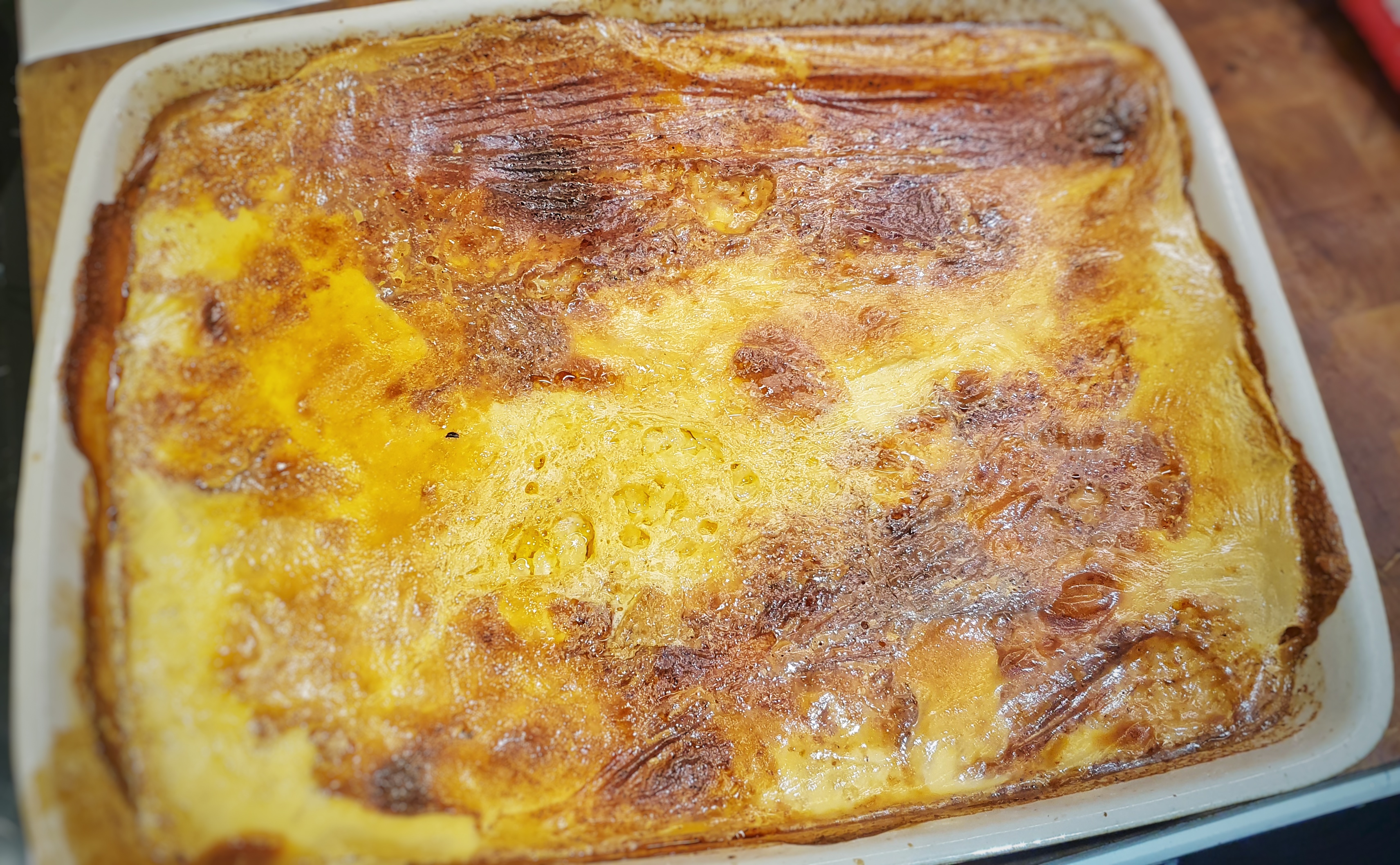
My New Year’s pudding this year was a good old rice pudding – with an excellent skin!

I worked with the Museum of Royal Worcester on another project about historic ices and the ways in which they were prepared and served. The previous project ‘Dr Wall’s Dinner’ won the Food on Display award at the inaugural British Library Food Season Awards 2025. I will be teaming up with Paul Crane (who you might remember appeared on the podcast in 2025) to give a talk about the history of sugar and the effect sugar production had on the porcelain manufactory at Worcester porcelain. This talk takes place online in March and will be free to attend. Keep a lookout on the Events page – I’ll update it when I know more details.

I made my first live television appearance in November on Sky News to talk about the history of mince pies – very scary, but I must admit, I did enjoy it!

A clip of my appearance on Sky News talking about mince pies.

I also contributed to the Channel 5 series Royal Births, Marriages and Deaths talking about the death of Henry I and his surfeit of lampreys – the episode will be shown in January or February 2026, so keep a lookout for it.

The podcasts have continued to go from strength to strength, and I really pushed hard in this last season (the ninth) of The British Food History Podcast to produce a really varied set of topics. Looking back on the data, the three most popular episodes were: Bronze Age Food & Foodways with Chris Wakefield & Rachel Ballantyne, Special Postbag Edition #6 and Shakespearean Food & Drink with Sam Bilton.


This year also saw the launch of the secret podcast for monthly subscribers.


If you like the blogs and podcast I produce, please consider treating me to a virtual coffee or pint, or even a £3 monthly subscription, where you will receive access to the secret podcast, a monthly newsletter and other premium content: follow this link for more information.


There was ‘Season B’ of A is for Apple: An Encyclopaedia of Food & Drink, too of course, which I co-host with Sam Bilton and Alessandra Pino, which is really gaining popularity now, so if you haven’t checked it out before, please do.
Perhaps the most exciting thing to happen this year was the very first Serve it Forth Food History Festival in October. It was an online event organised by Sam Bilton, Thomas Ntinas, Alessandra Pino and me. It was a fantastic day, and I’m so glad to have seen so many readers of the blog and listeners to the podcasts there. We all organised our own sessions and I was very lucky to have food writer and broadcaster Tom Parker Bowles as a guest. There was also a mini Christmas special looking at the darker side of Christmas and how food plays a role. The four of us are meeting up soon to discuss what will be happening for the next event.

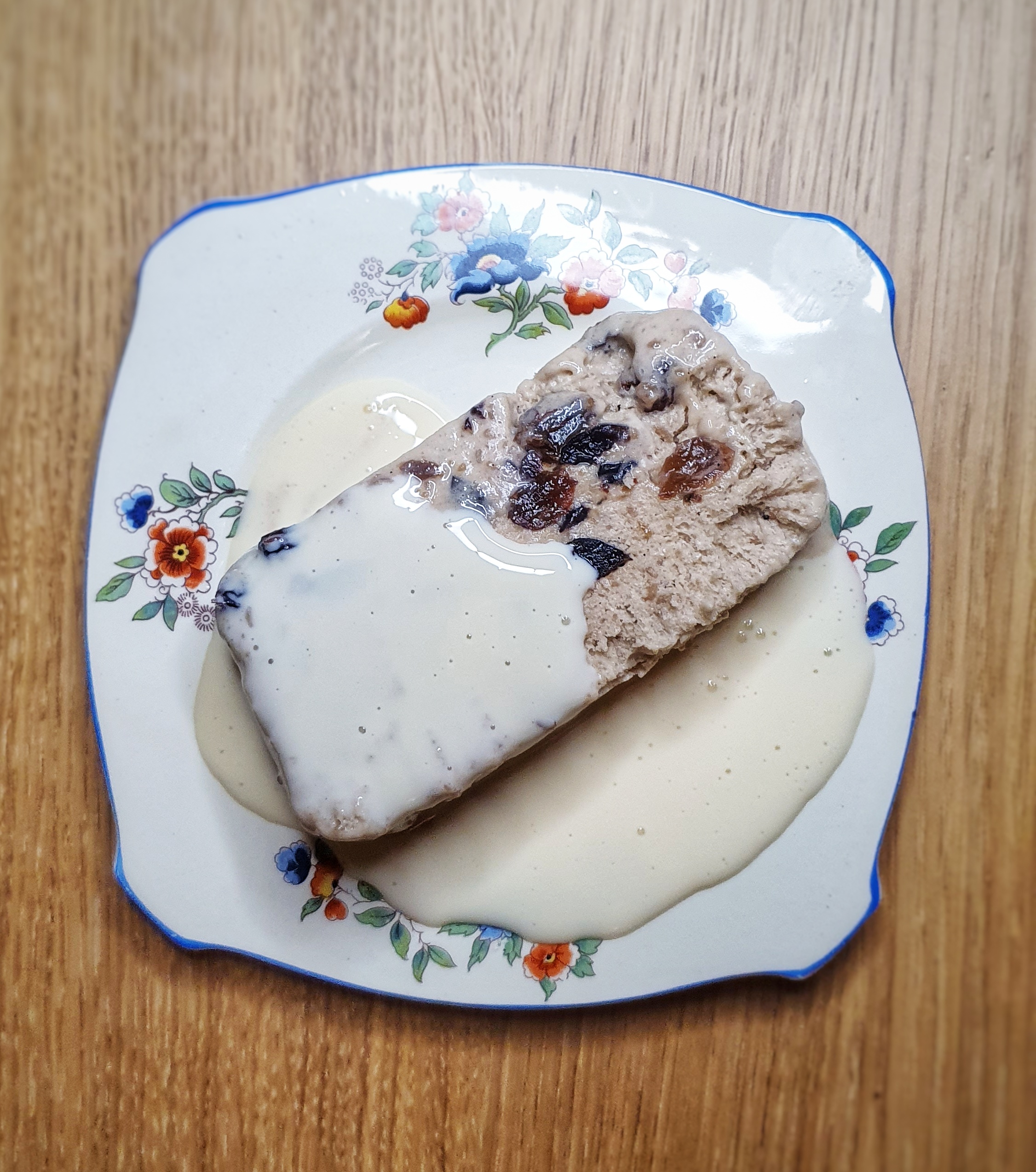
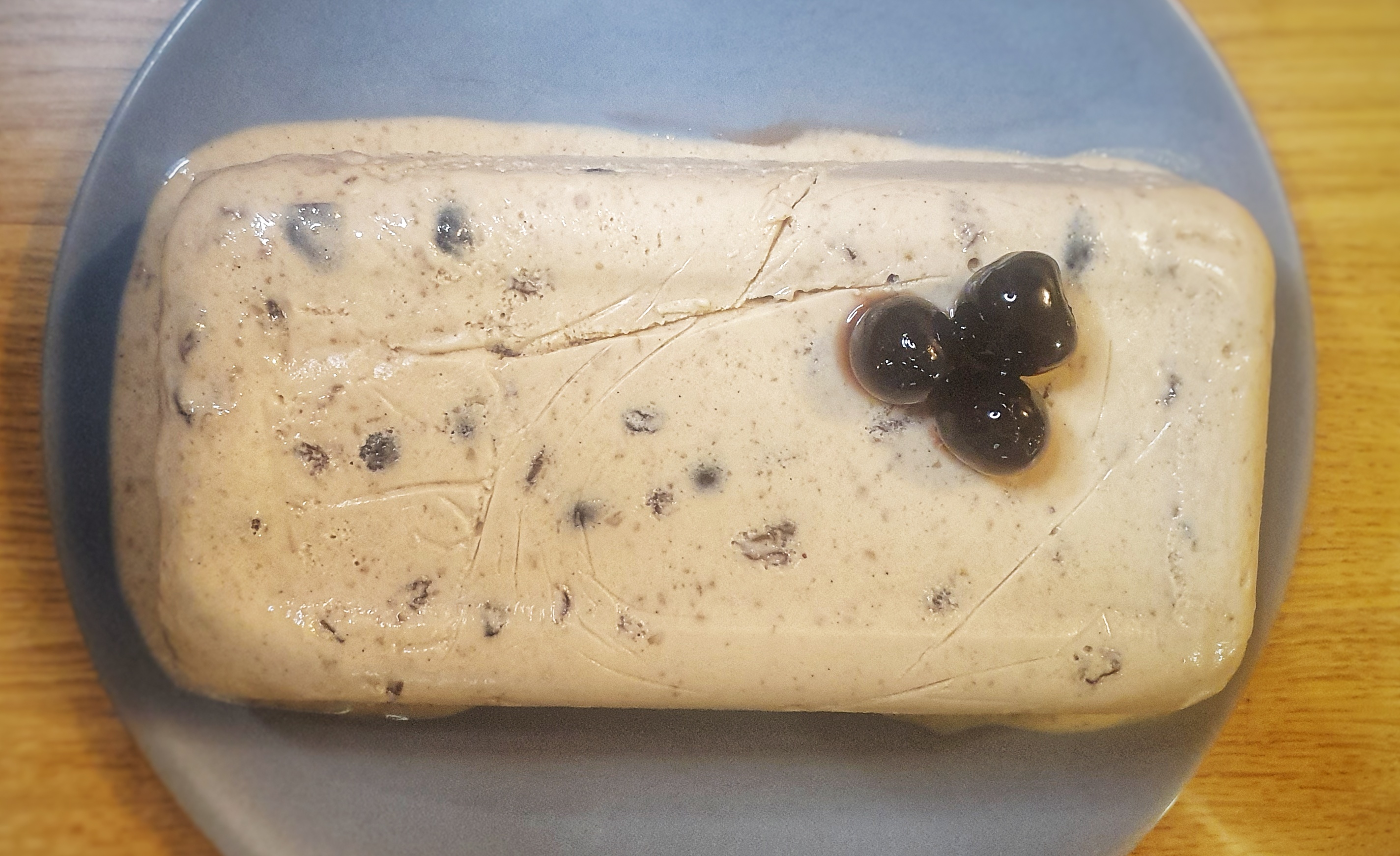
White pudding ice cream served with early modern black pudding

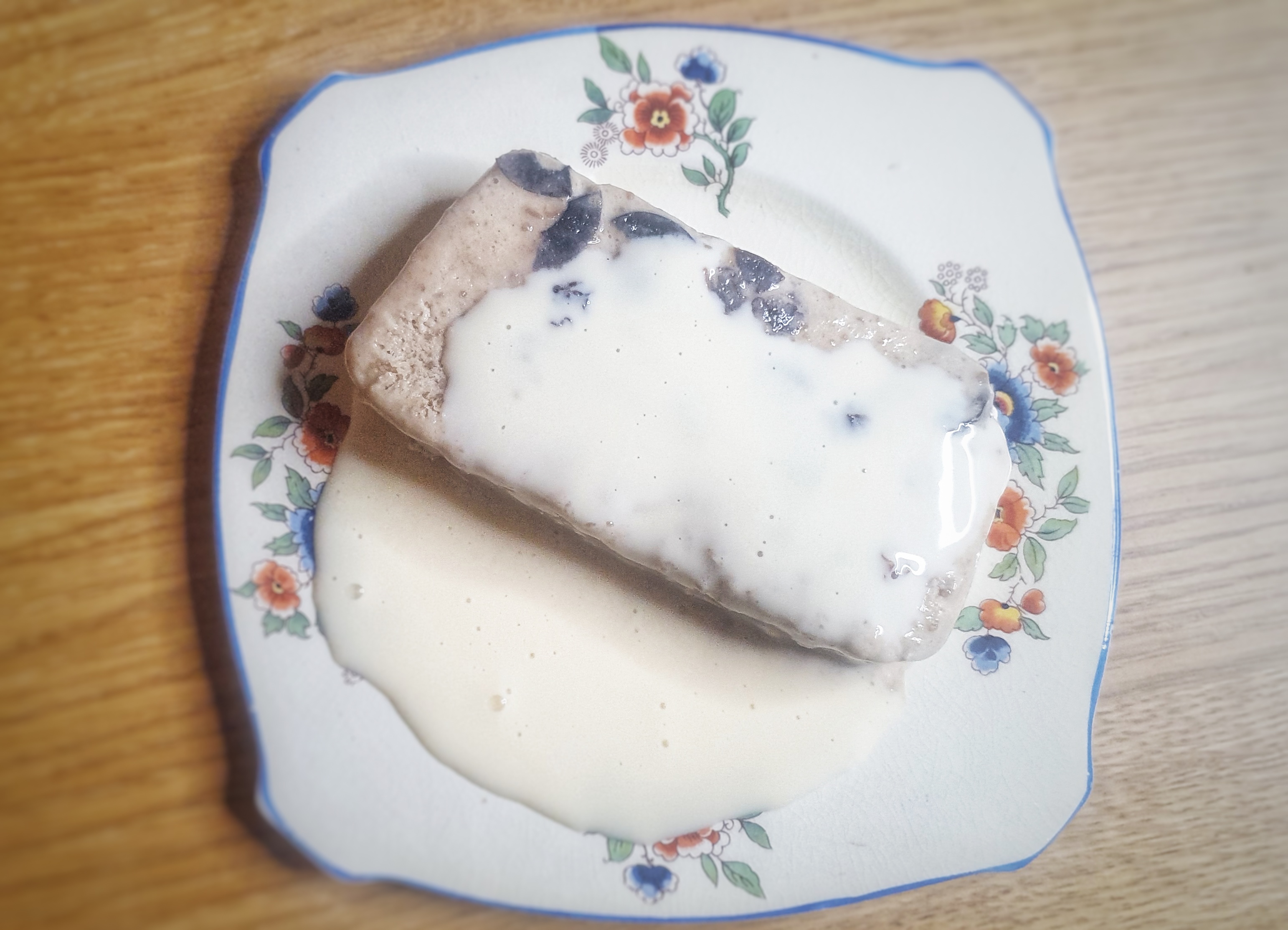
The blog saw lots and lots of puddings this year: early modern black pudding, Gervase Markham’s white pudding, junket, Bakewell tart and a fancy Nesselrode pudding for Christmas. Sticking with frozen desserts, I also went somewhat experimental and made white pudding ice cream and blood ice cream, both of which were delicious!

I finally wrote up my recipe for Cumbrian Tatie Pot (informed by the episode of the podcast about black and white pudding). Another recipe I had been meaning to publish for you for ages was one for scones (not one in fact, but four) along with a post about their history. Other recipes included saffron buns, Yorkshire teacakes, lambswool and turkey & hazelnut soup.
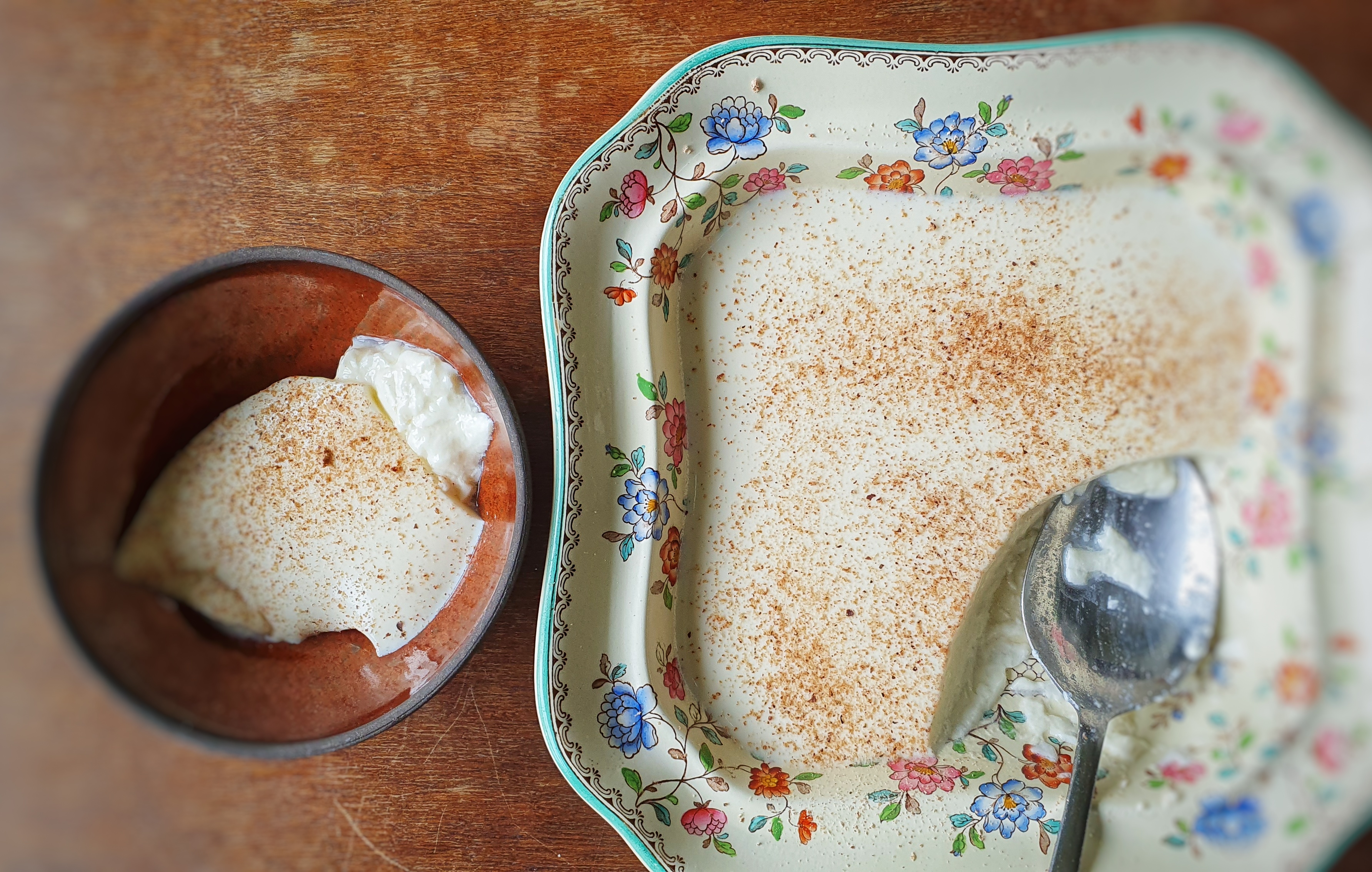
Junket

Of course, I would be doing none of these things if it wasn’t for all of you fantastic people who read, cook, listen, watch and interact with me, so thank you all for your support, it really does mean a lot.

What about the coming year? Well I have already organised interviews for season 10 of The British Food History Podcast, A is for Apple will certainly be returning, and I will be beginning a brand new book in 2026 – I shall tell you about it as things develop.

Have a great 2026!

Neil x
Leave a comment

Filed under Blogs, food, General, history, Uncategorized

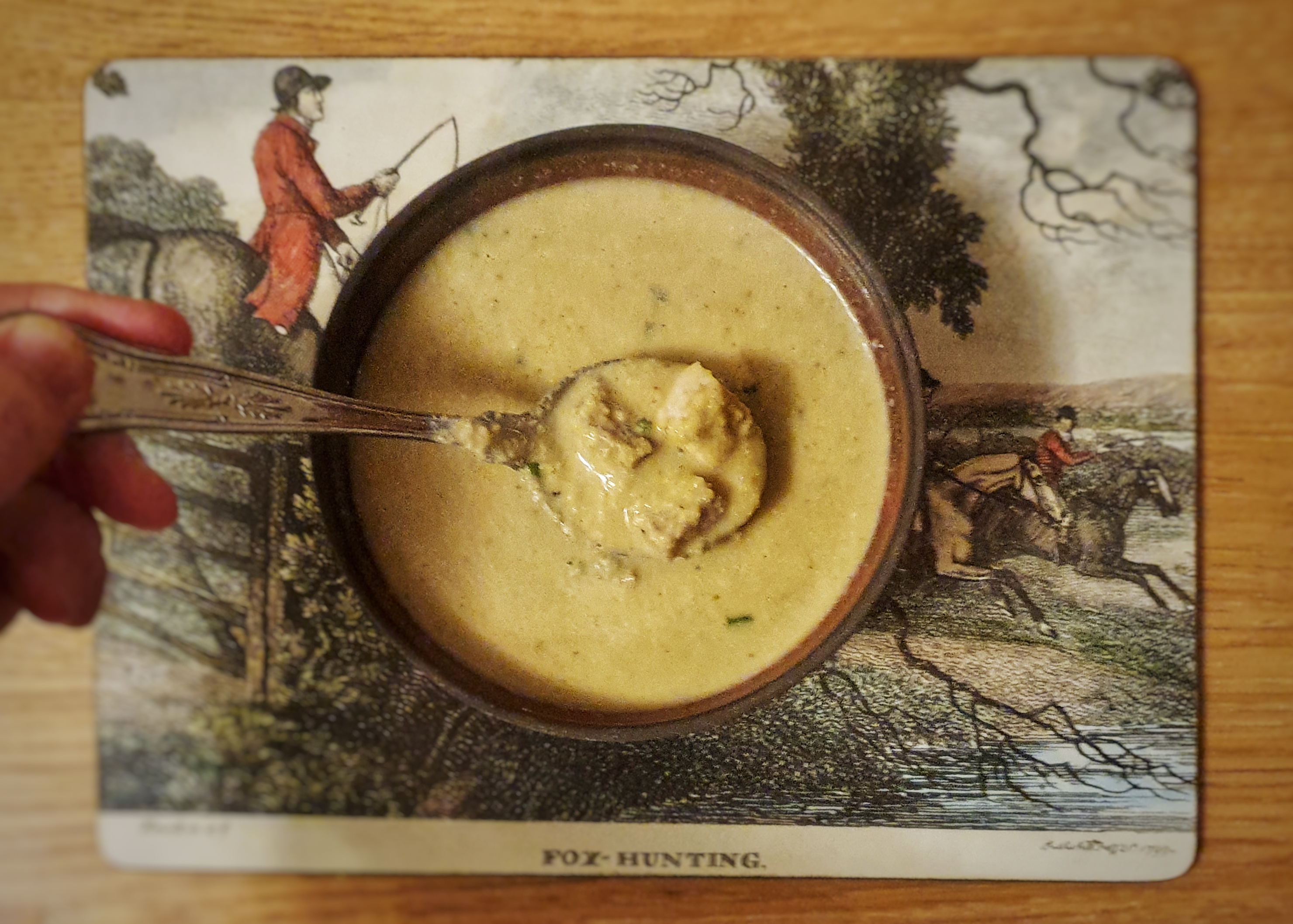
To Make Turkey and Hazelnut Soup (& Turkey Stock)

If you are not loving your leftovers at Christmastime, then you are missing a trick: it doesn’t have to be all dry turkey and cranberry sandwiches for the next week.

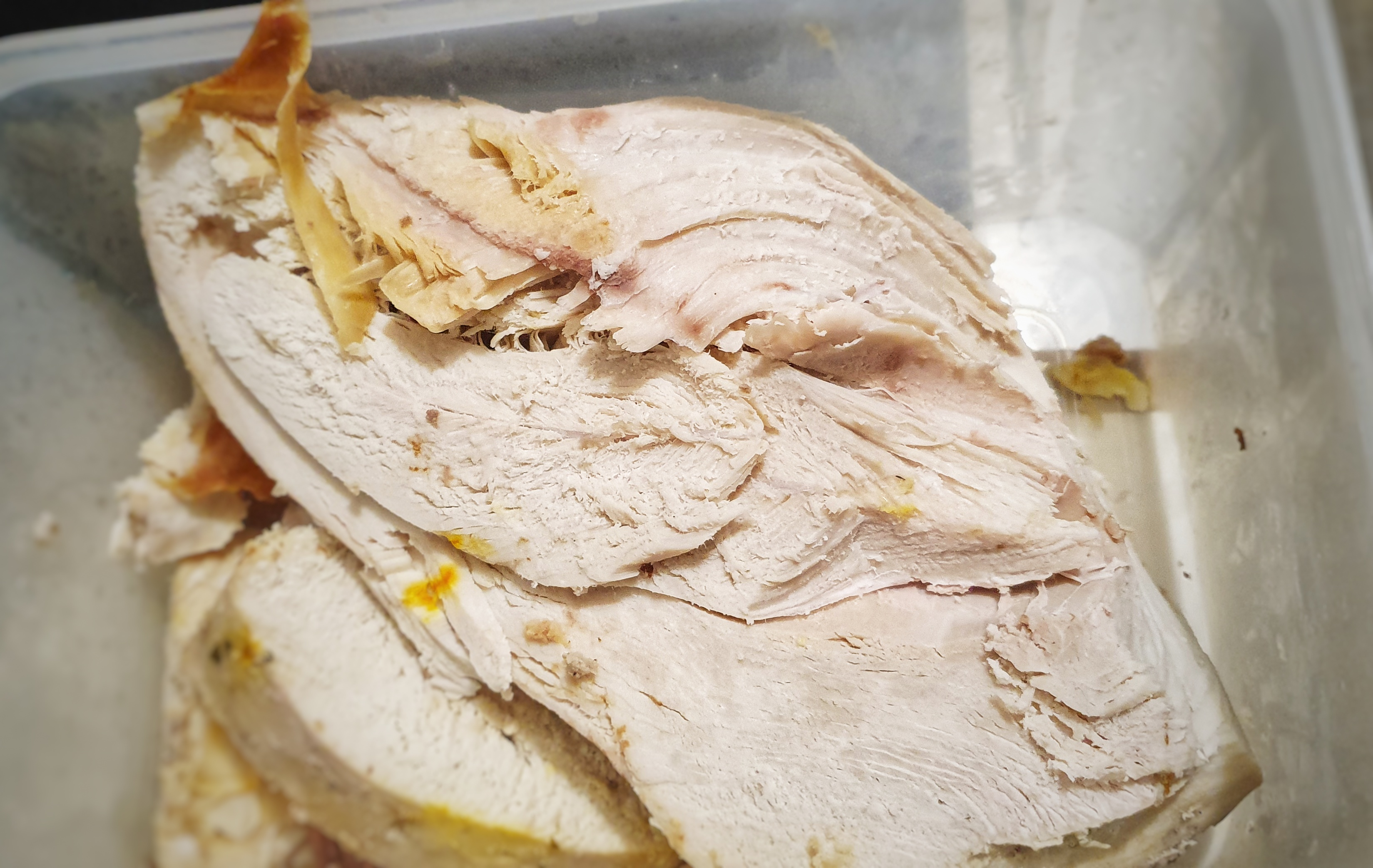
This is a really great recipe adapted from Jane Grigson’s English Food. I’ve made a few tweaks, and I have provided you with a method for making turkey stock. This recipe would work with leftover chicken, or even pheasant and partridge, or a mix of them.

Because it’s a leftovers dish, don’t worry if you don’t have all of the ingredients, though I would say it’s important to have at least three of the basic soup veg and one herb (fresh or dried). It doesn’t even matter if you don’t have any hazelnuts: almonds would work just as well, or you could miss them out entirely. Also, if there are any leftover boiled or steamed vegetables, or roast potatoes, you can pop them in before everything gets blitzed.


If you like the blogs and podcast I produce, please consider treating me to a virtual coffee or pint, or even a £3 monthly subscription: follow this link for more information.


This recipe makes many servings.

For the soup

2 to 3 tbs of fat: this could be butter, leftover fat from the roast potatoes or skimmed from the roast turkey juices

Basic soup veg, peeled, trimmed and diced, such as 2 carrots, 2 onions, 3 cloves garlic, white part of one or two leeks (keep the green parts for the stock), 3 sticks of celery

Herbs: 4 bay leaves, a small bunch of thyme or a tsp of mixed, dried herbs

1 tsp celery salt

1 bunch tarragon leaves, chopped

1 bunch parsley, chopped

1 medium potato, peeled and diced

1.5-2 L turkey stock

Salt and pepper

2 handfuls diced turkey breast (or whatever you have left)

100 g roast hazelnuts, roughly chopped

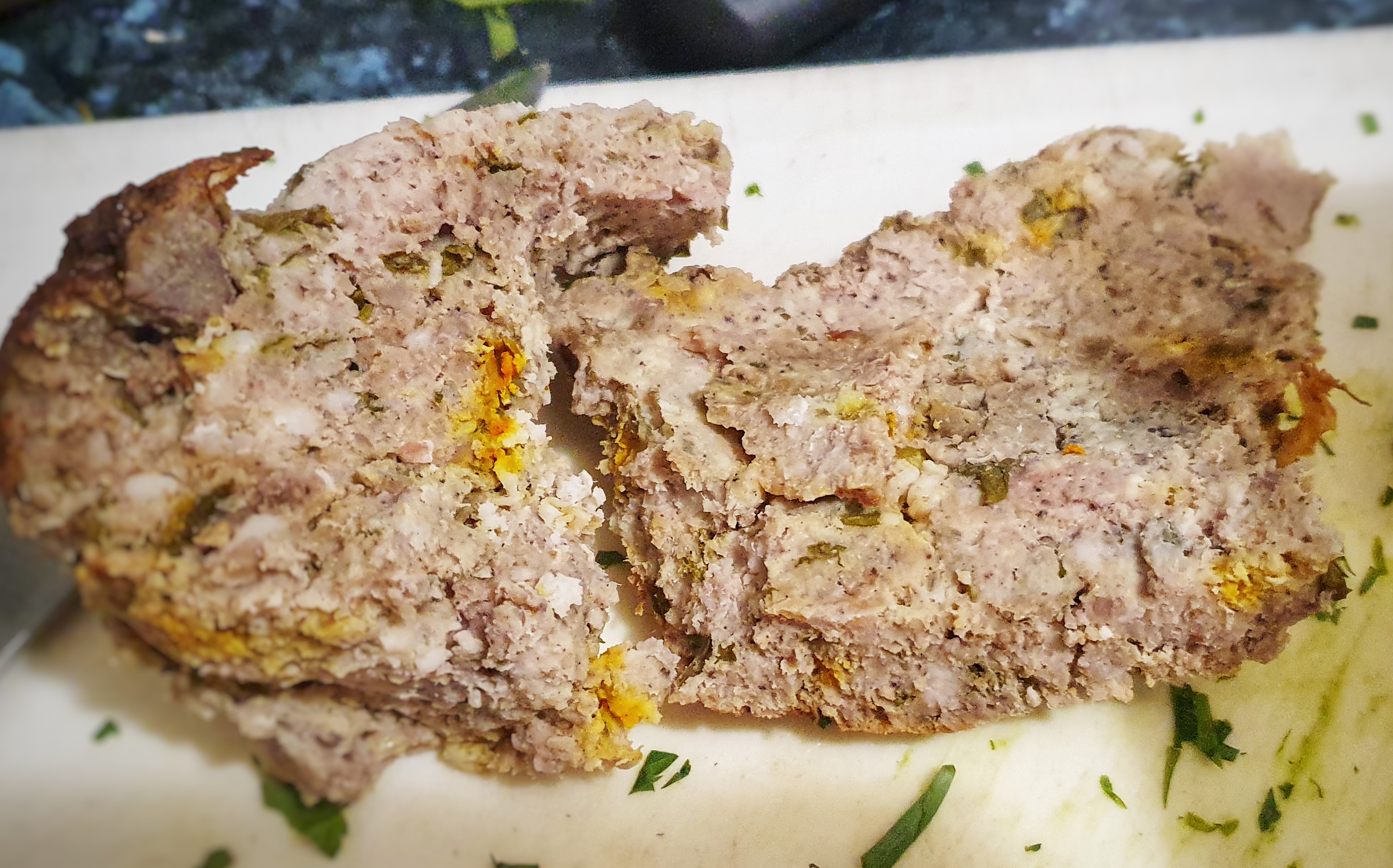
Leftover stuffing, cut into approx. 1 cm dice

150 ml cream

Heat the fat in a stockpot or large saucepan and add the diced soup veg and herbs, plus the celery salt. Stir and fry on a medium heat until things begin to turn golden brown. Add half of the parsley and tarragon plus the potato and continue to cook for another 7 or 8 minutes.

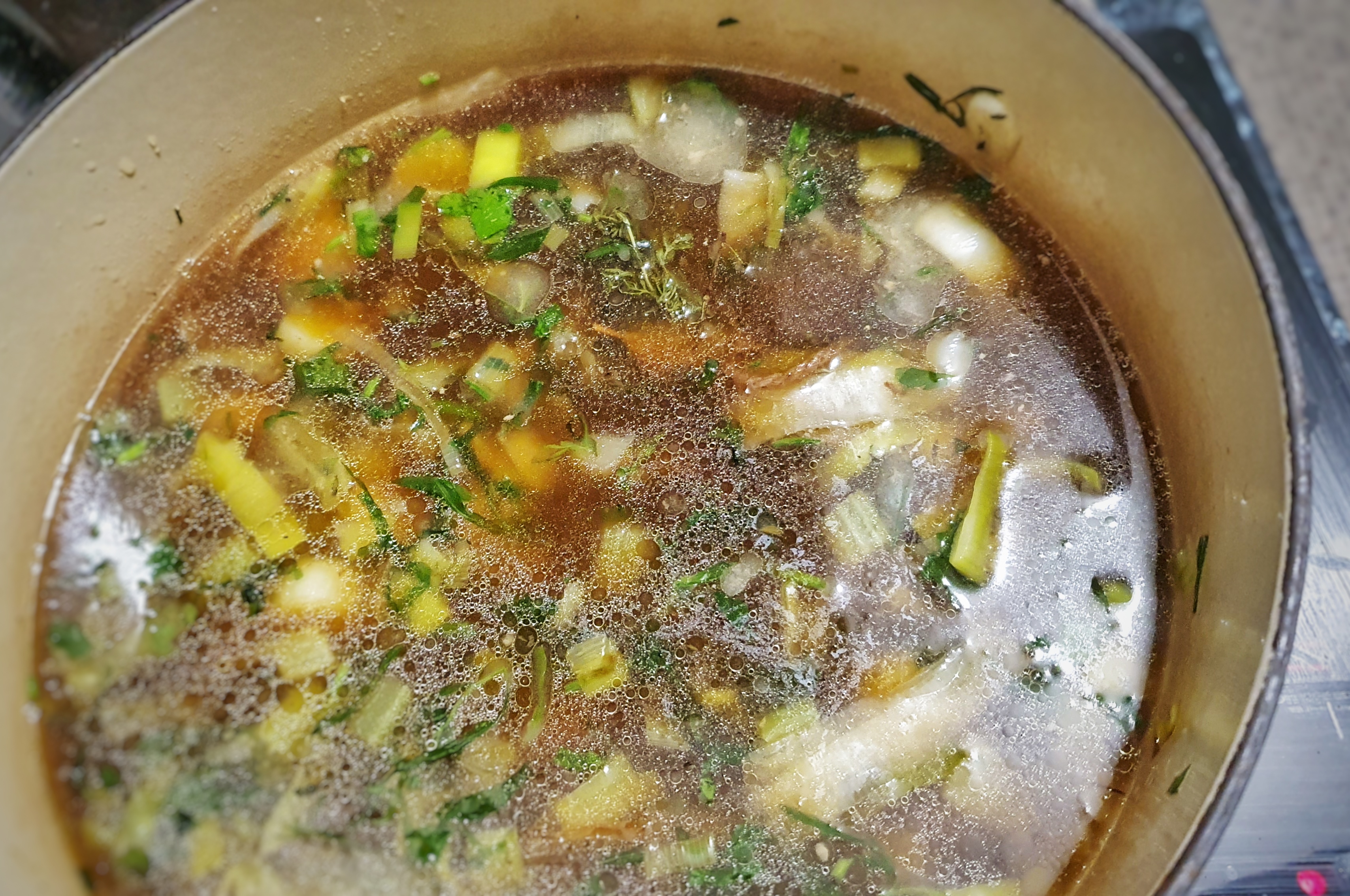
Pour in the turkey stock and bring the whole lot to a lively simmer, then turn it down to gently bubble until the vegetables are nice and soft, about 15 minutes.

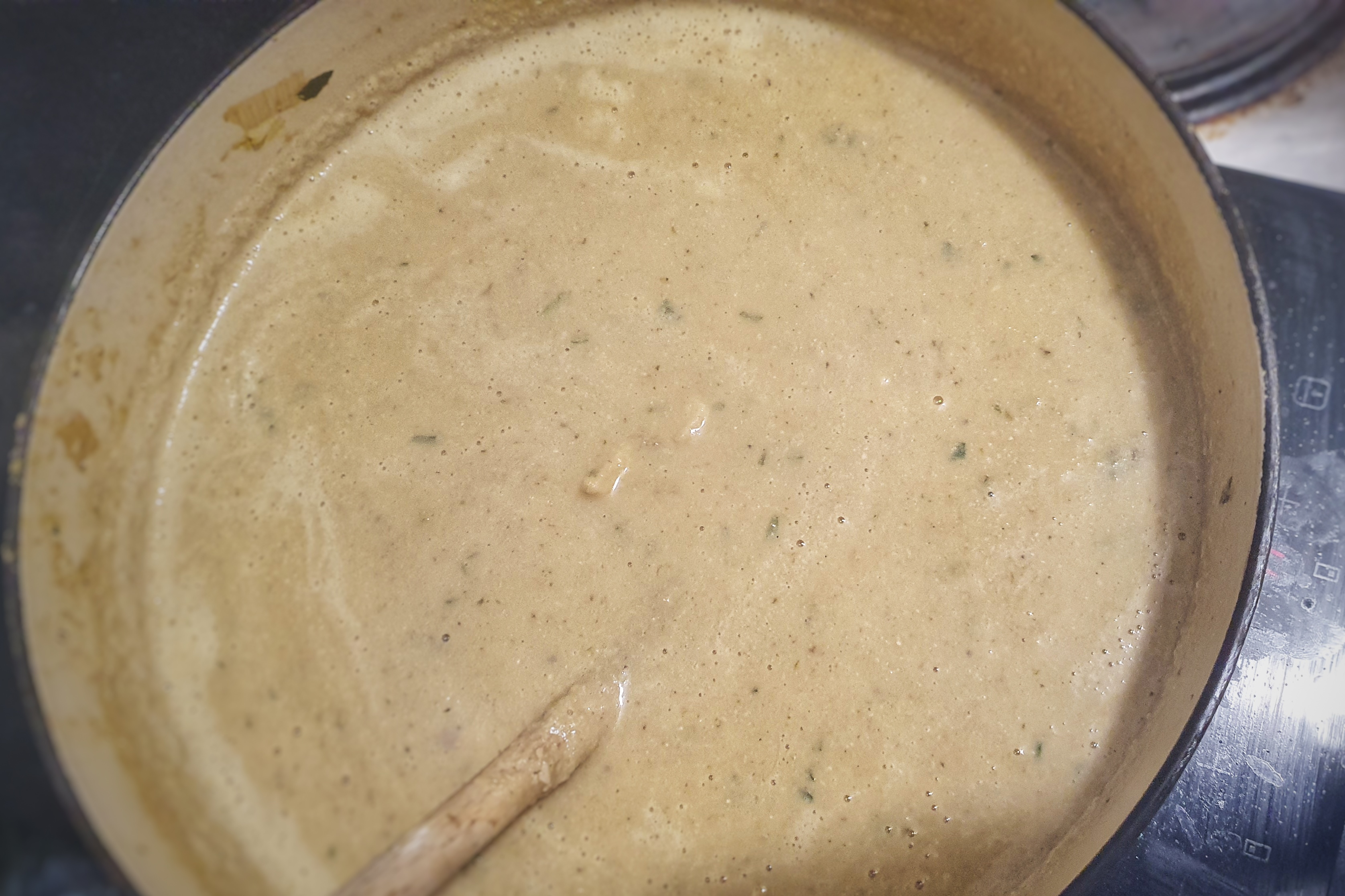
Taste, and season with salt and pepper at this point, then add the diced turkey and the hazelnuts. Simmer for a further 7 or 8 minutes, then allow to cool slightly before blitzing the soup in batches in your blender or food processor. Be careful here! Don’t overfill your blender, especially if the soup is still quite hot.

Return to a clean pan, bring back to a simmer, add the cream and the rest of the parsley and tarragon, as well as the diced leftover stuffing. Taste and season with more celery salt and pepper. Serve immediately.

For the stock

I keep vegetable trimmings and peelings in bags in my freezer for stock-making sessions such as these; you can, of course, use regular stock vegetables: celery, onions, carrots, leeks, etc.

This secret to getting a good colour to your jellied stock is to brown the carcass and vegetables very well.

Makes around 2 litres of jellied stock

2 tbs of fat or oil

The roast turkey carcass, broken into pieces – don’t be too thorough with removing the meat, leave some on.

Vegetable trimmings and peelings (avoid brassicas) or a mixture of stock vegetables: 2 carrots, 2 celery sticks, the green part of a leek or two, a couple of onions, a few smashed garlic cloves.

Aromatic herbs, e.g. 3 or 4 bay leaves, a small bunch of thyme and/or rosemary, parsley stalks

Aromatic spices, e.g. 1 tsp black peppercorns, 6 cloves, 1 tsp allspice berries, 2 blades of mace

1 tsp salt

Any leftover turkey juices or turkey gravy

Cool water to cover

Heat the fat or oil in a stockpot or pressure cooker and add the turkey carcass, the vegetables, the herbs, the spices as well as the salt. Stir and fry until both the turkey and vegetables are starting to turn a good, golden brown.

Add any leftover gravy and top up with water so that it barely covers the turkey and vegetables.

If cooking in a stockpot: bring slowly to a simmer, turn the heat over and let it cook very gently for two hours.

If cooking in a pressure cooker: bring to a simmer, when high pressure is reached, reduce the heat and cook for 25 minutes before turning off the heat and allowing the stock to depressurise.

If cooking in a slow cooker: transfer everything to your slow cooker (careful!) and cook on a high setting for 1 hour and then a medium setting for 2 more hours.

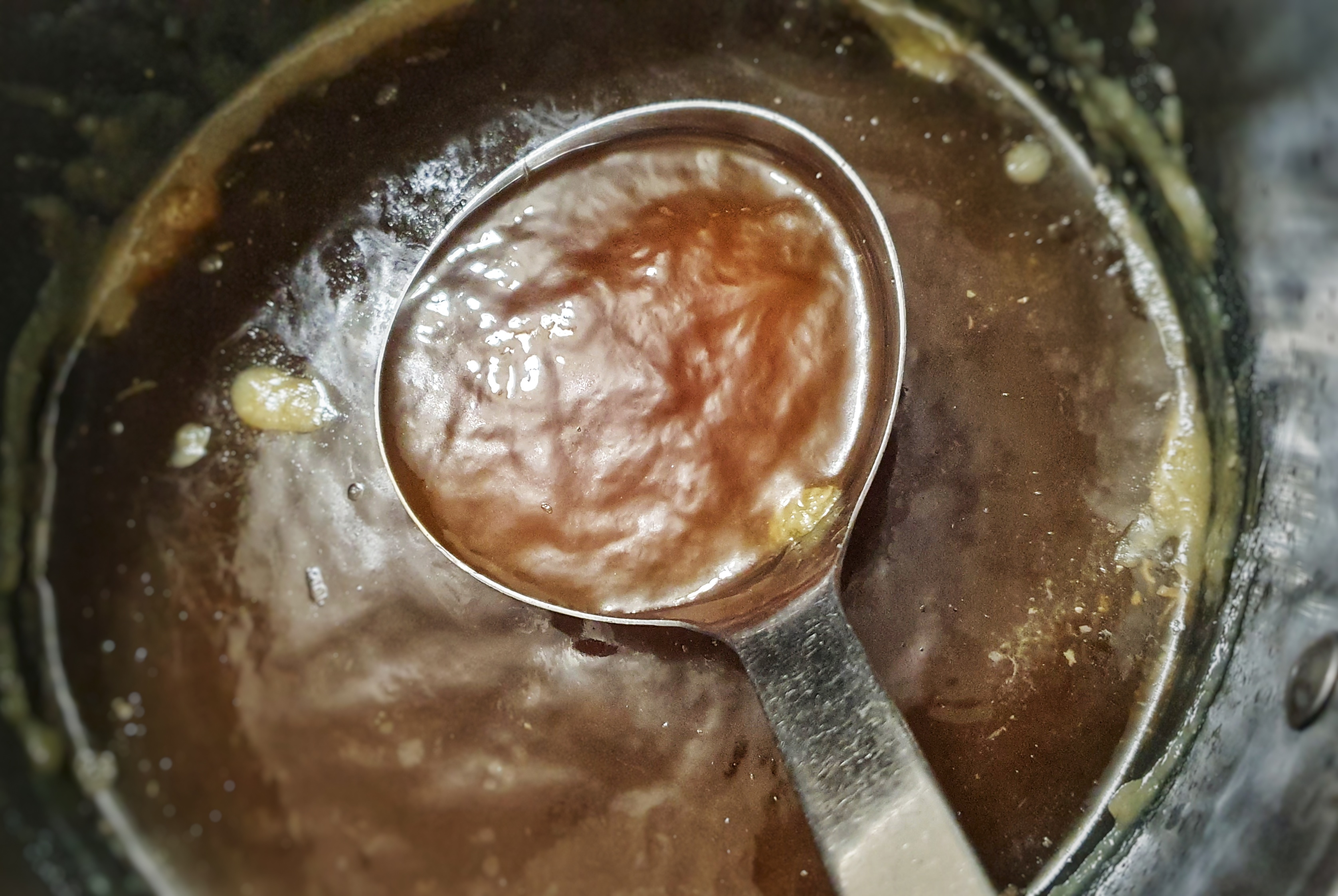
When the stock is ready, pass the whole thing through a strainer, pressing down on the cooked mush with the back of the ladle: we want as much flavour as possible. Let the stock cool down and then refrigerate. Skim away the fat before using.

Tip: If you need the stock straight away, you can skim the fat with a spoon, but a quicker method is to throw in a couple of handfuls of ice cubes. The fats immediately freeze to the exterior of the cubes, and can be lifted out before the ice has had the chance to melt.

1 Comment

Filed under Britain, Christmas, food, General, Meat, Recipes, Soups

Lambswool

Merry Christmas everyone!

It’s time for my annual Yuletide boozy drink post. This year: lambswool, a drink very much associated with the Wassail on Twelfth Night (the night before Epiphany, 6 January, and the last day of Christmastide). It has been drunk since at least Tudor times – I cannot find any descriptions prior to the late 16th century. It’s a type of mulled ale, and this description by Robert Herrick in his poem Twelfth Night: Or King and Queen (1648) is a very good one:

Next crowne the lowle full
with gentle lamb’s wool;
Adde sugar, nutmeg and ginger;
with a store of ale too;
and thus ye must doe
to make the wassaille a swinger.[1]

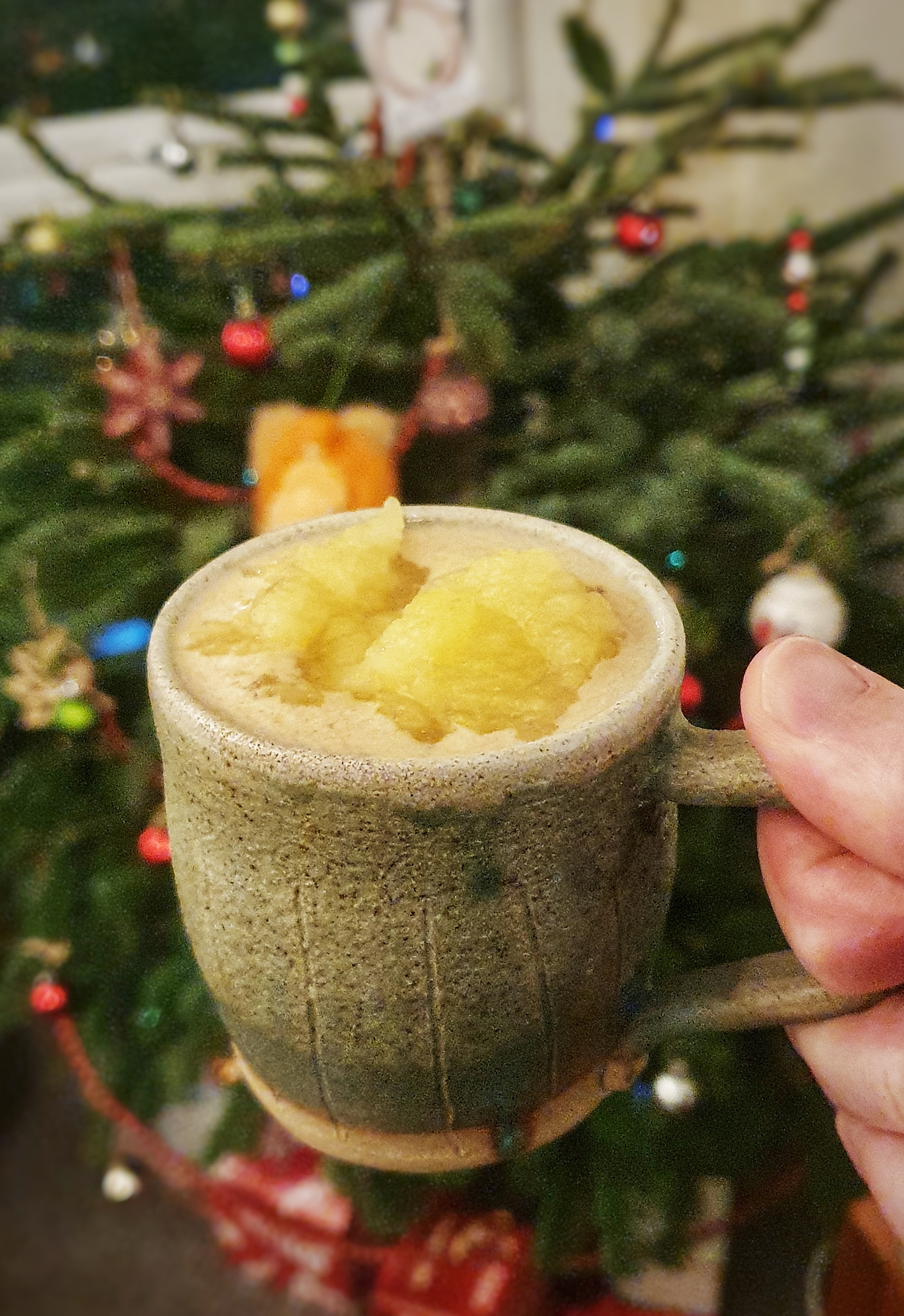
What Henrick doesn’t tell us is that there is cooked apple floating on the top which break apart, hence the name lambswool. These apples are, in the early modern period, generally roasted crab apples, so very sour in flavour, though in later recipes such as the lambswool described by Peter Brears in Traditional Food in Yorkshire, made in Otley, West Yorkshire in 1901, dessert apples are used. They were cored and cooked and floated in the drink, then fished out and eaten separately.[2] Spiced cakes and mince pies were also eaten.[3]

Have a fantastic Christmas – all TWELVE days of it!

Many drinks were laced with rum or brandy and often enriched with eggs, cream or both,[4] such as this one here for ‘Royal Lamb’s Wool’, dated 1633: ‘Boil three pints of ale; – beat six eggs, the whites and yolks together; set both to the fire in a pewter pot; add roasted apples, sugar, beaten nutmegs, cloves and ginger; and, being well brewed, drink it while hot.’[5] Before the lambswool was poured into the Wassail cup sliced of well-toasted bread sat at the bottom. With the apple floating on top, this was basically a full meal. Nice and full, it was then passed around, everyone taking a sup from the communal bowl. I prefer to ladle it into separate glasses or mugs – and I am sure my guests would be pleased with this decision.

Lambswool drinking was not restricted to Twelfth Night, or even Christmastide, as this entry from Samuel Pepys’ diary dated the 9th of November 1666 informs us: ‘Being come home [from an evening of dancing], we to cards, till two in the morning, and drinking lamb’s-wool. So to bed.’[6]


If you like the blogs and podcast I produce, please consider treating me to a virtual coffee or pint, or even a £3 monthly subscription: follow this link for more information.


Recipe

I have to admit, I was unsure about the lambswool, but it was delicious. I think that it should come back, and it is certainly much, much nicer than bought mulled wine. Recipes don’t necessarily specify the type of sugar, but I think light brown sugar really complements the maltiness of the beer well.

A note on the beer: trendy IPAs and other craft beers are far too hoppy for this recipe – I think there’s a flavour clash, so make sure you go for a low-hop traditional brown ale. I used Old Speckled Hen (which is available to buy gluten-free, by the way). The best – and, dare I say it – most authentic choice would be an unhopped ale, but I have never come across one! Add cream and eggs if you think it matches your own tastes: I have to admit that as an eating/drinking experience, the creamy texture worked better with the pureed apple than the version without.

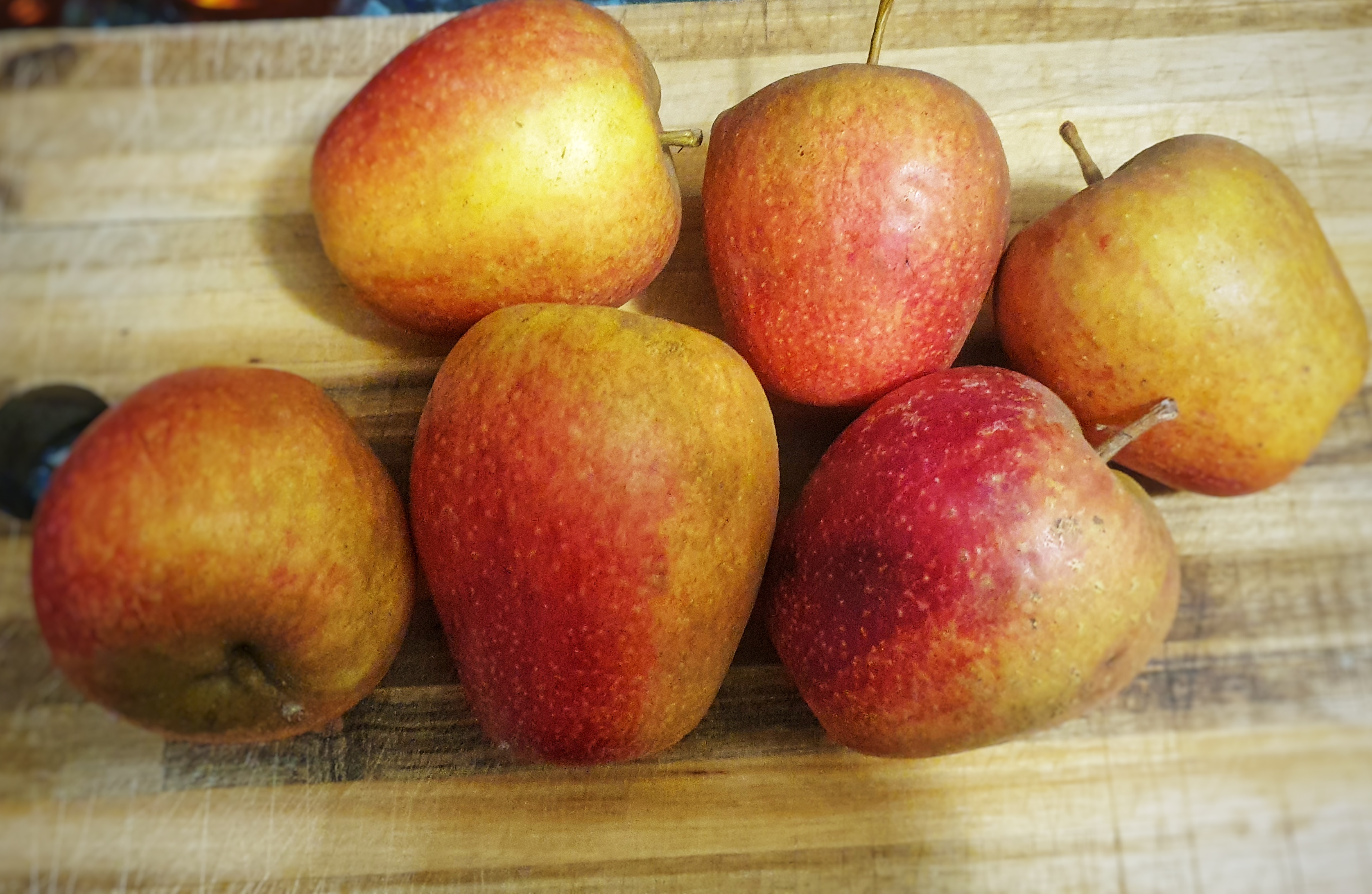
I used dessert apples for the wool, but you can use crap apples if you want to be true to the early modern period, or Bramley’s Seedlings, which do have the benefit of breaking down to a nice fluff. I discovered that it’s very difficult to get your apples to float on top, but this is not of great importance. Sam Bilton has an ingenious way of getting her apple puree to float though, and that is to fold a whipped egg white into the cooked apple puree.[7]

Makes 6 to 8 servings

6 small to medium-sized dessert apples

Caster sugar to taste (optional)

2 x 500 ml bottles of brown ale

120 – 140 g soft dark brown sugar

2 cinnamon sticks

8 cloves

1 tsp ground ginger

120 ml dark rum or brandy

4 eggs (optional)

300 ml cream (any kind will do; optional)

To serve: freshly-grated nutmeg

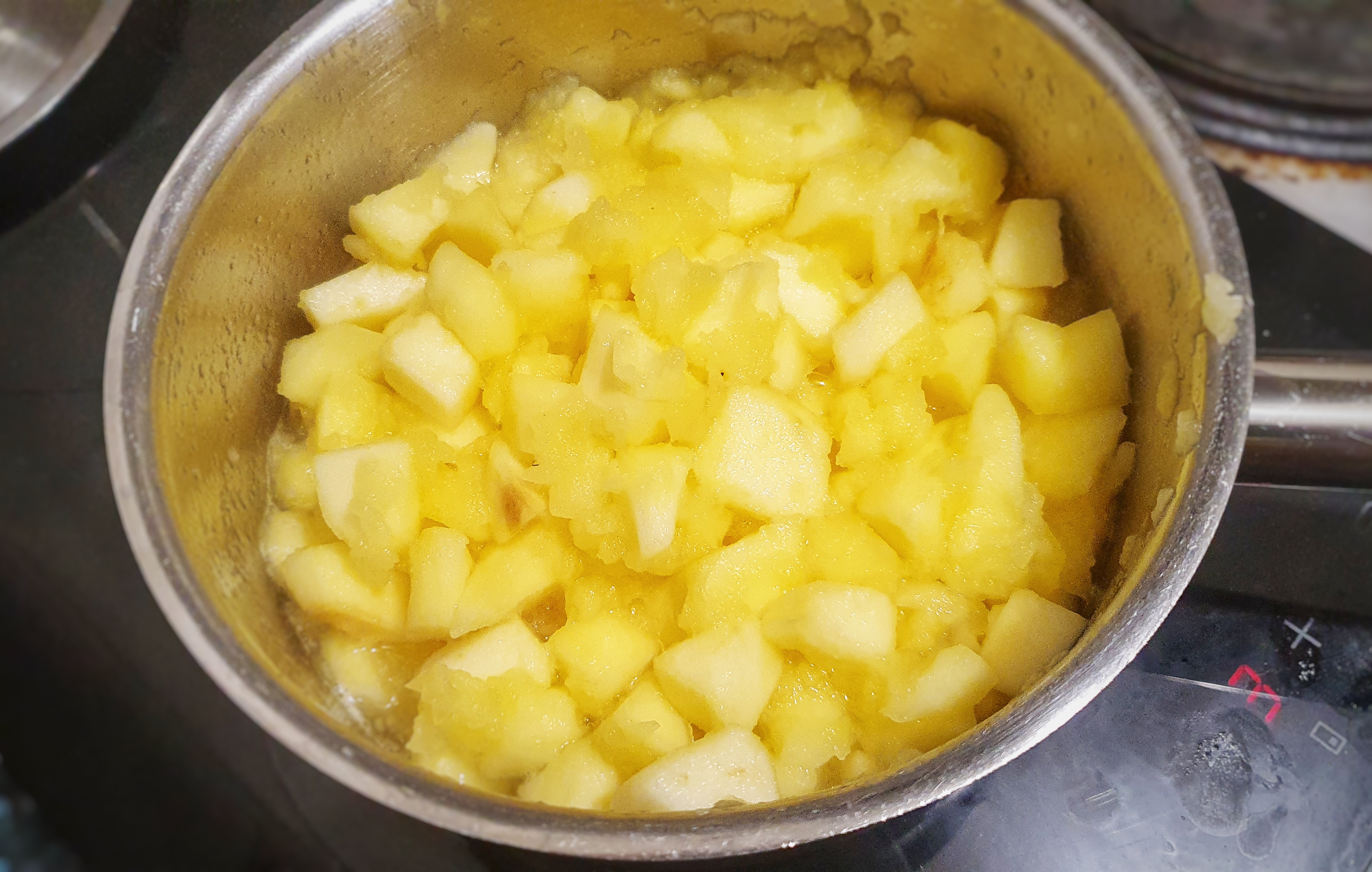
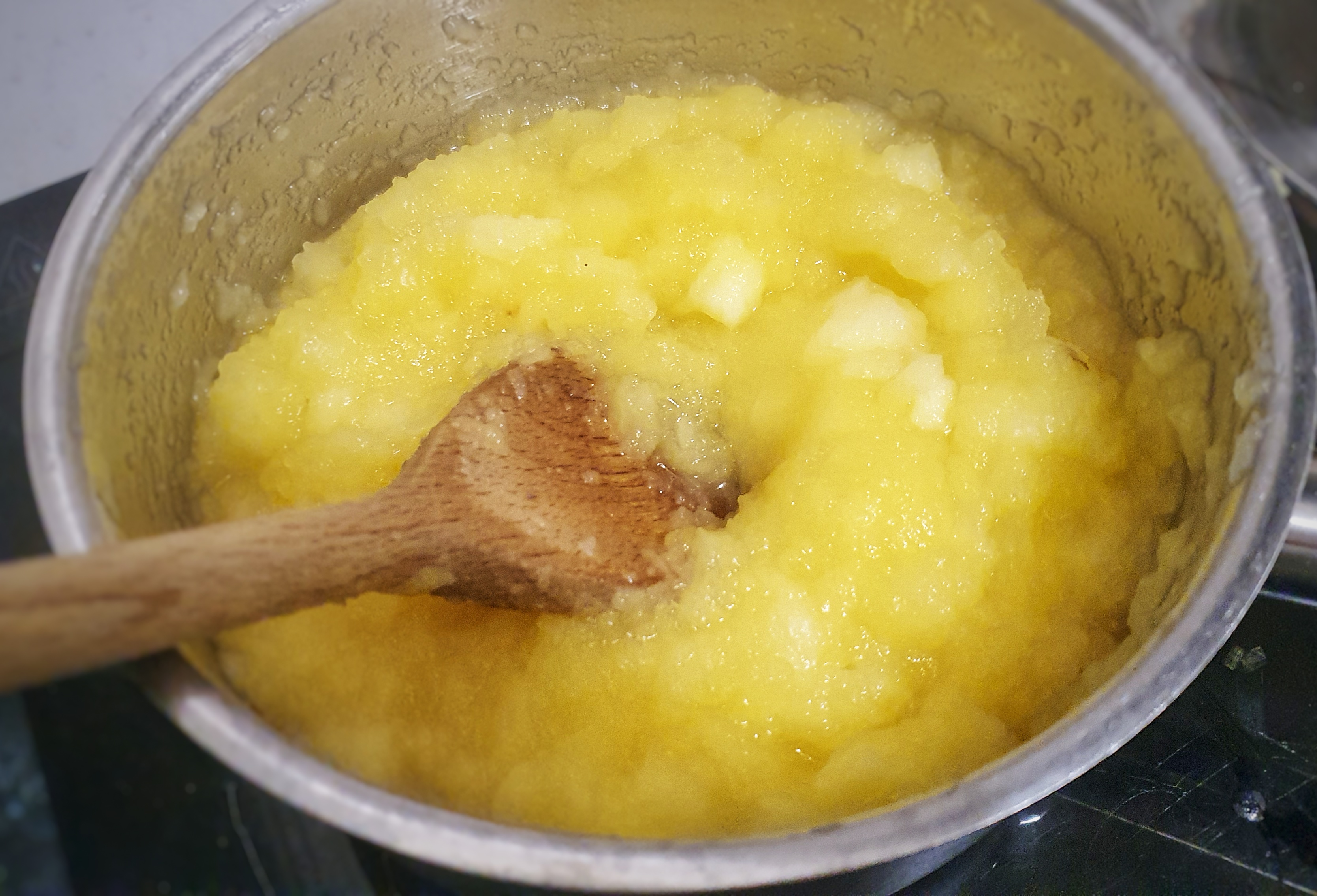
Start by making the apple purée: peel, core and chop the apples and place in a small saucepan with a few tablespoons of water, cover, turn the heat to medium, and cook until soft. If the apples don’t break down naturally, use the back of a wooden spoon. Add caster sugar to taste – if any is needed at all.

Whilst the apples are cooking down, pour the beer into a saucepan, add 120 g of soft dark brown sugar if making the non-creamy/eggy version, or add 140 g if you’re intrigued by it! Snap the cinnamon sticks and chuck those in along with the other spices. Turn the heat to medium and let it all get nice and steaming-hot; you don’t want it to boil, otherwise you’ll lose a lot of the alcohol. Leave for 10 minutes so the spices can infuse, then add the rum or brandy. Let it come back up to heat for another five minutes. If you don’t want to make the custardy version, the lambswool is ready, and it can be ladled out into glasses or mugs and top with a couple of spoons of the warm apple purée and a few raspings of freshly-grated nutmeg.

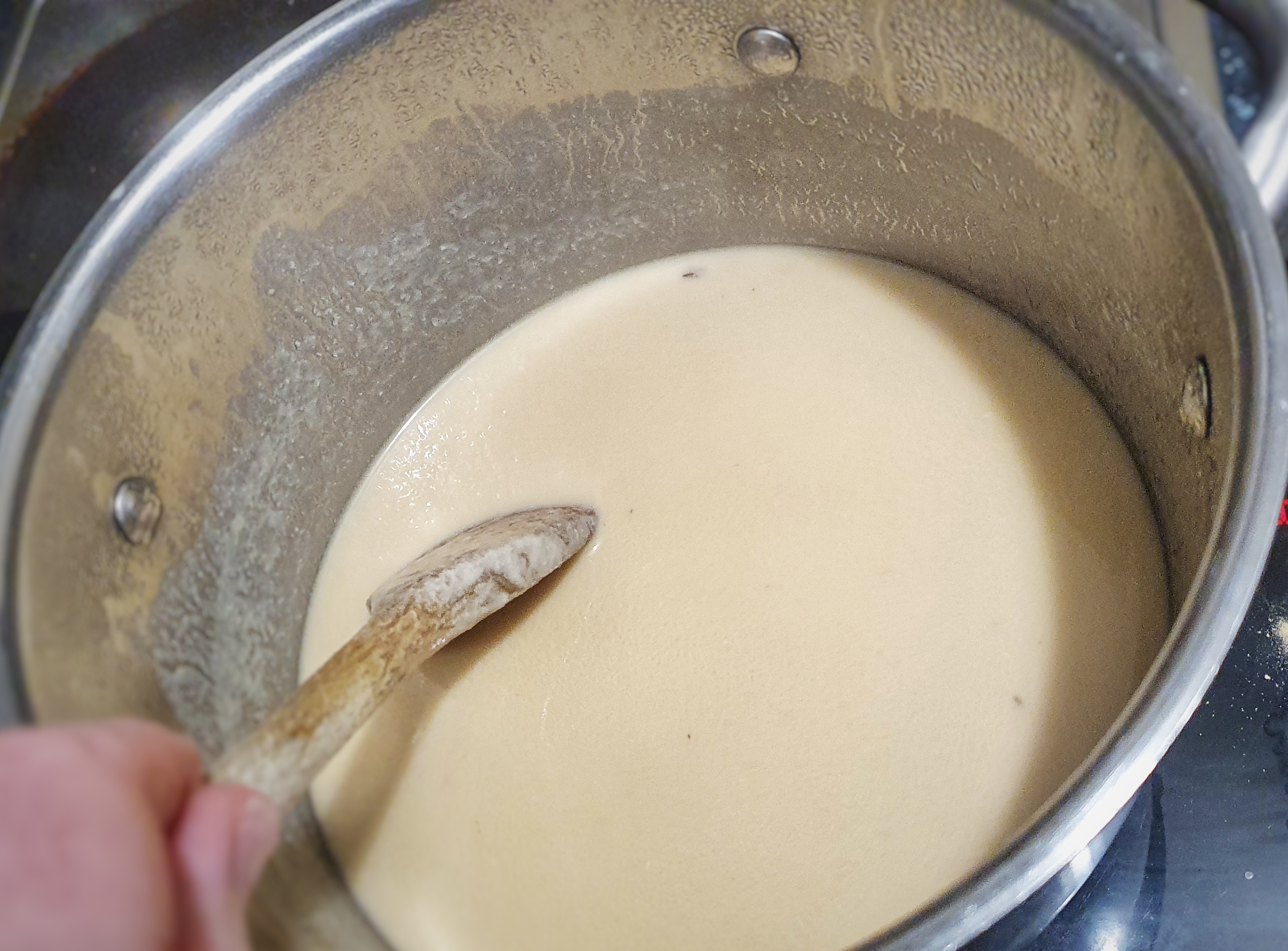
For the custardy version: after you add the brandy or rum, whisk the eggs and cream in a bowl, take the lambswool off the heat, and pour three or four ladlefuls of it into the cream and egg mixture, whisking all the time. Now whisk this mixture into the lambswool, and stir over a medium-low heat until it thickens. If you want to use a thermometer to help you, you are looking to reach a temperature of 80°C. Pass the whole lot through a sieve and into a clean pan, and serve as above.


Notes

[1] Herrick, Robert. Works of Robert Herrick. vol II. Alfred Pollard, ed., London, Lawrence & Bullen, 1891.

[2] Brears, P. (2014) Traditional Food in Yorkshire. Prospect Books.

[3] Brears (2014); Crosby, J. (2023) Apples and Orchards since the Eighteenth Century: Material Innovation and Cultural Tradition. Bloomsbury.

[4] Hole, C. (1976) British Folk Customs. Hutchinson Publishing Ltd.

[5] Though quoted in many places, I could not find the source of this recipe – but the reigning monarch was Charles I

[6] Diary entries from November 1666, The Diary of Samuel Pepys website https://www.pepysdiary.com/diary/1666/11/.

[7] Bilton, S. (2025) Much Ado About Cooking: Delicious Shakespearean Feasts for Every Occasion. Hachette UK.

1 Comment

Filed under Christmas, cooking, events, Festivals, food, Fruit, General, history, Recipes

Nesselrode Pudding

This delicious iced dessert, which was very popular in the 19th century at Christmastime, crops up in most cookery books of the time, and is described as ‘a quiet Victorian icon’ by Annie Gray in her excellent book At Christmas We Feast (2021).[1] It is associated with this time of year because of its main ingredient: puréed chestnuts, and it deserves a comeback.

Count Nesselrode (Creative Commons)

According to Eliza Acton, the pudding was invented by the famous Marie-Antoine Carême,[2] but it is not the case. In one of her best (and most obscure) books, Food with the Famous, Jane Grigson informs us that it was actually ‘invented by Monsieur Mony, chef for many years, to the Russian diplomat, Count Nesselrode, in Paris.’[3] Annie Gray took the research step further: the first printed recipe appears in Carême’s book L’Art de la Cuisine Française. In the original French version, he tells us he got the recipe from Mony, but in the English translation, he claims he – Carême – invented it.[4] Odd.

Listen to Annie discuss her book At Christmas We Feast with me in this past podcast episode.

Recipes do vary, though chestnuts are essential (unless you are Agnes Marshall, who asks – rather controversially – for almonds, in her Book of Ices[5]). Other ingredients include glacé and dried fruits, vanilla and maraschino liqueur – an essential. in my book, but some recipes suggest using brandy or rum as alternatives. There is a custard base, but the mixture is not churned like regular ice cream: this is a no-churn affair. It’s prevented from freezing to a solid block with the addition of airy whipped cream and Italian meringue.


If you like the blogs and podcast I produce, please consider treating me to a virtual coffee or pint, or even a £3 monthly subscription: follow this link for more information.


Recipe

There are several stages to making this pudding, and you need to start making it at least two days before you want to eat it. Don’t let the making of egg custard sauces and Italian meringues put you off. However, a good digital thermometer and electric beater are essential.

Serves 8

For the pudding:

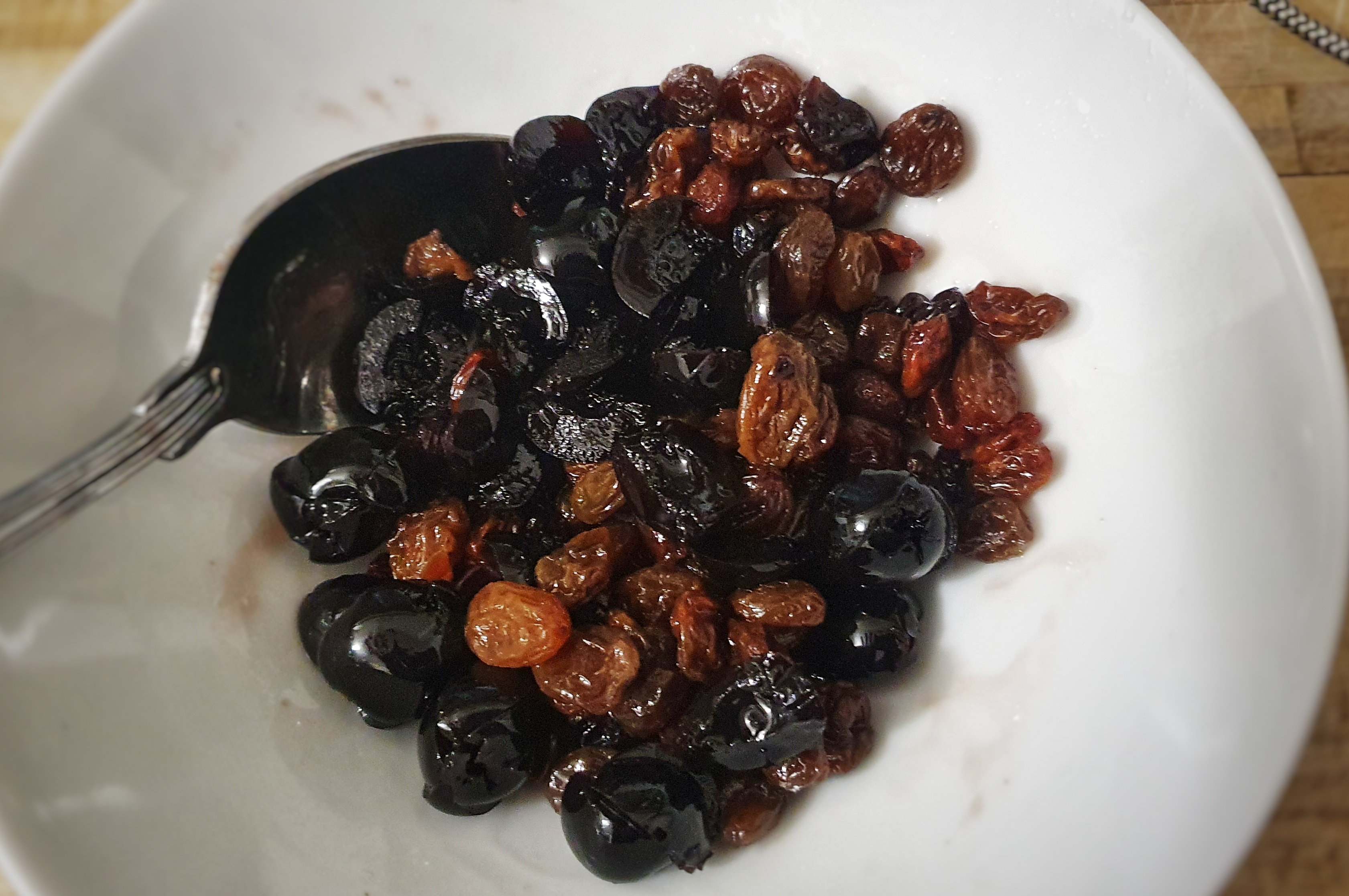
60 g chopped raisins or mixed fruit (currants, raisins and sultanas)[7]

60 g chopped candied peel or Maraschino cherries

80 ml maraschino

1 vanilla pod

300 ml single cream

3 egg yolks

160 g light brown sugar

160 g caster sugar

3 tbs/45 ml water

2 egg whites

300 ml whipping cream

440 g can or 2 x 200 g packets of unsweetened chestnut purée

To garnish: Maraschino cherries or candied chestnuts

For the custard sauce:

300 ml single cream or half-and-half whole milk and cream

50 g caster sugar

4 egg yolks

Around 25 ml maraschino (see recipe)

Soak the dried fruit and peel or cherries in maraschino overnight.

Next day, split the vanilla pod lengthways and scrape out the seeds and place both pod and seeds in a saucepan along with the single cream and heat to scalding point.

Meanwhile, put the egg yolks and light brown sugar in a mixing bowl, mix and then beat with a balloon whisk until it becomes a few shades paler. Pour in the hot cream by degrees, whisking all the time. Return the mixture to the pan and stir over a medium-low heat until it thickens – don’t let it boil, or you’ll get scrambled eggs – this should take about 5 minutes. If you want to use a thermometer to help you judge this, you are looking for a temperature of 80°C. Pass the mixture through a sieve into a tub, seal, cool and refrigerate until cold.

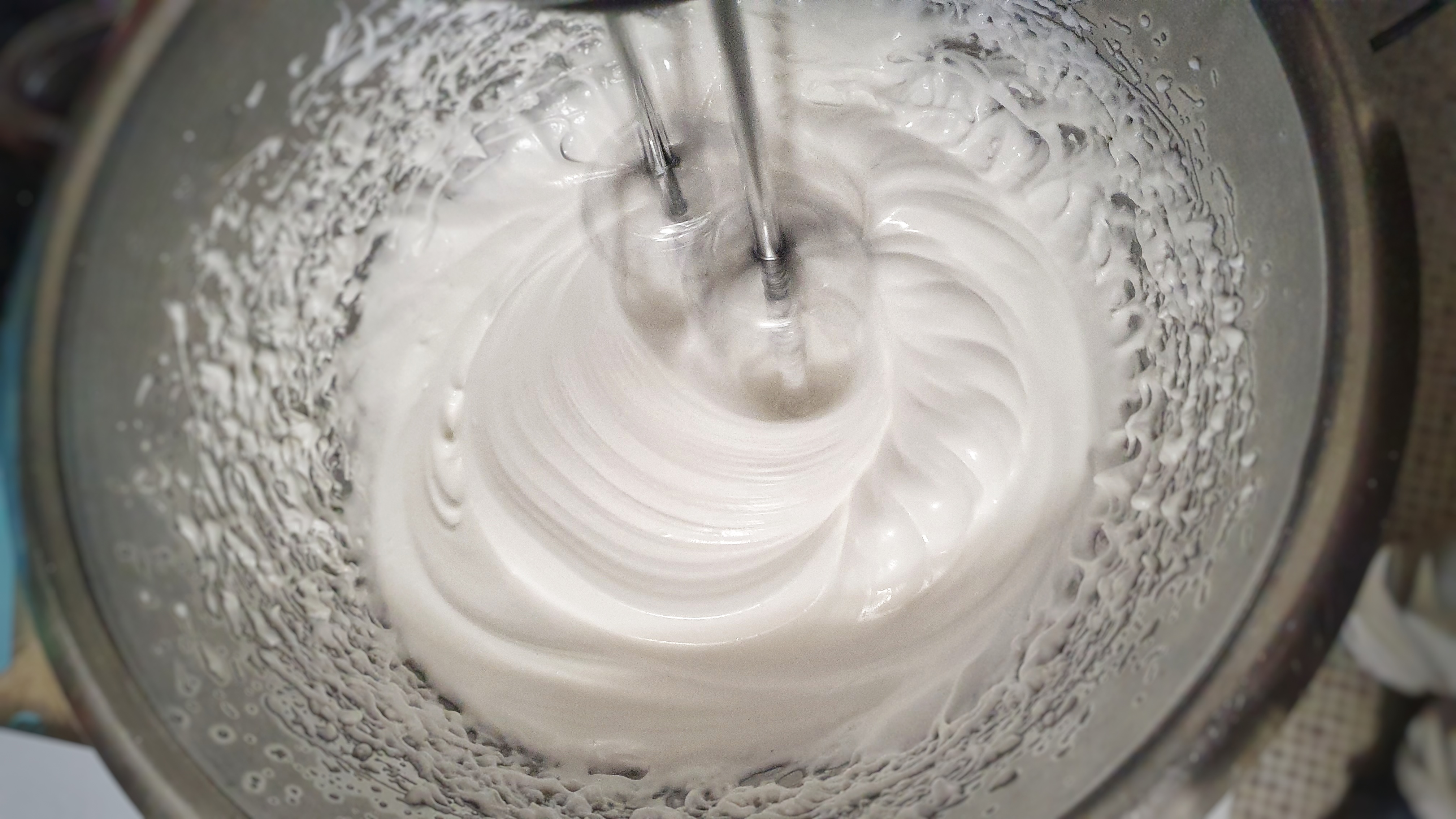
As it cools, make an Italian meringue: in a thick-bottomed saucepan, add the sugar and water. Place over a medium and stir until the sugar is dissolved, then bring it up to a boil. Insert your thermometer.

Meanwhile, put the whites in a bowl, ready to beat. When the temperature of the syrup hits 110-115°C, start beating the eggs to stiff peaks. When the syrup is 121°C, take the pan off the heat and trickle the syrup into the whites in a steady stream. Keep beating until almost cold – around 10 minutes – then cool completely. Whip the whipping cream until floppy.

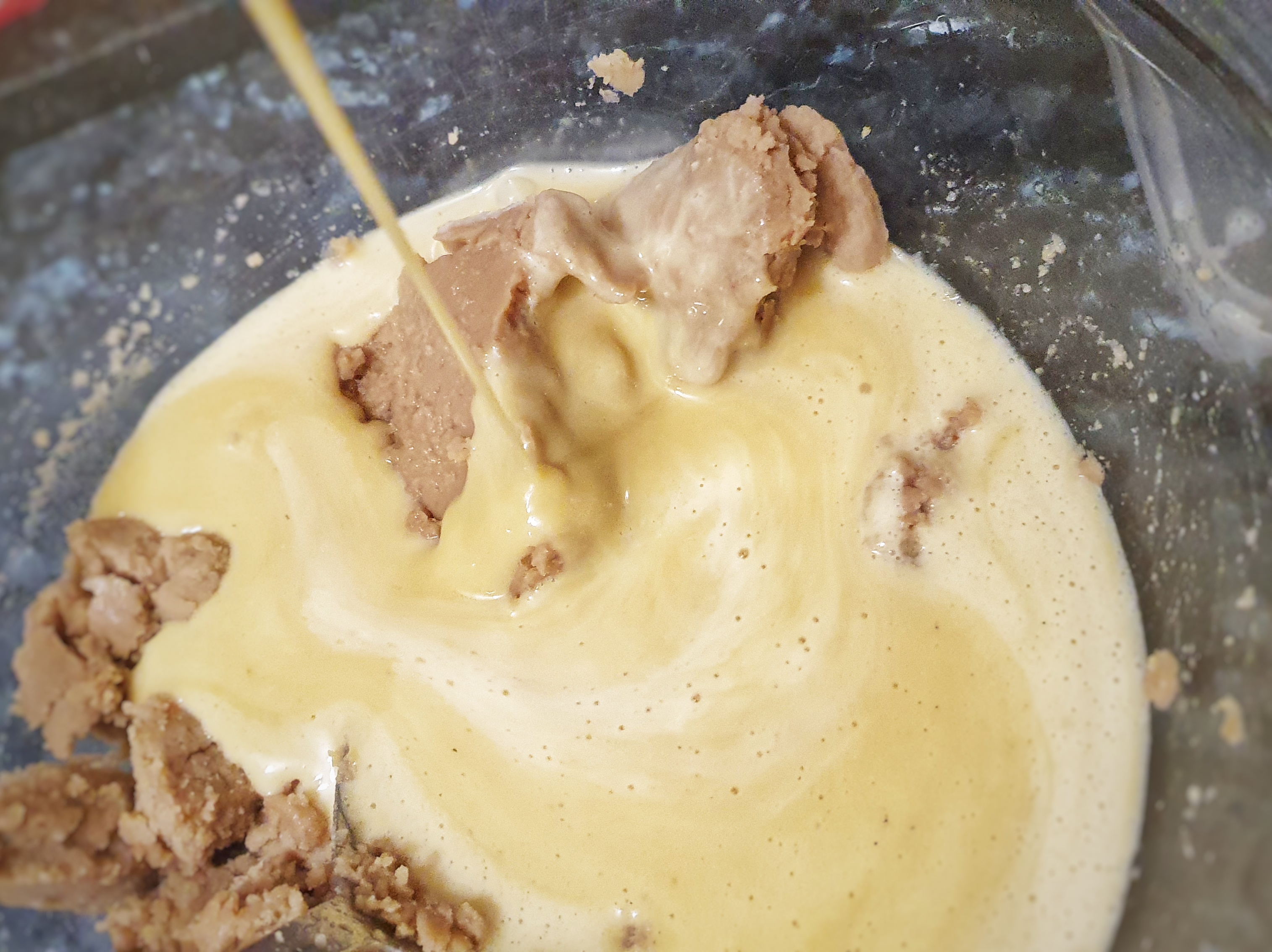
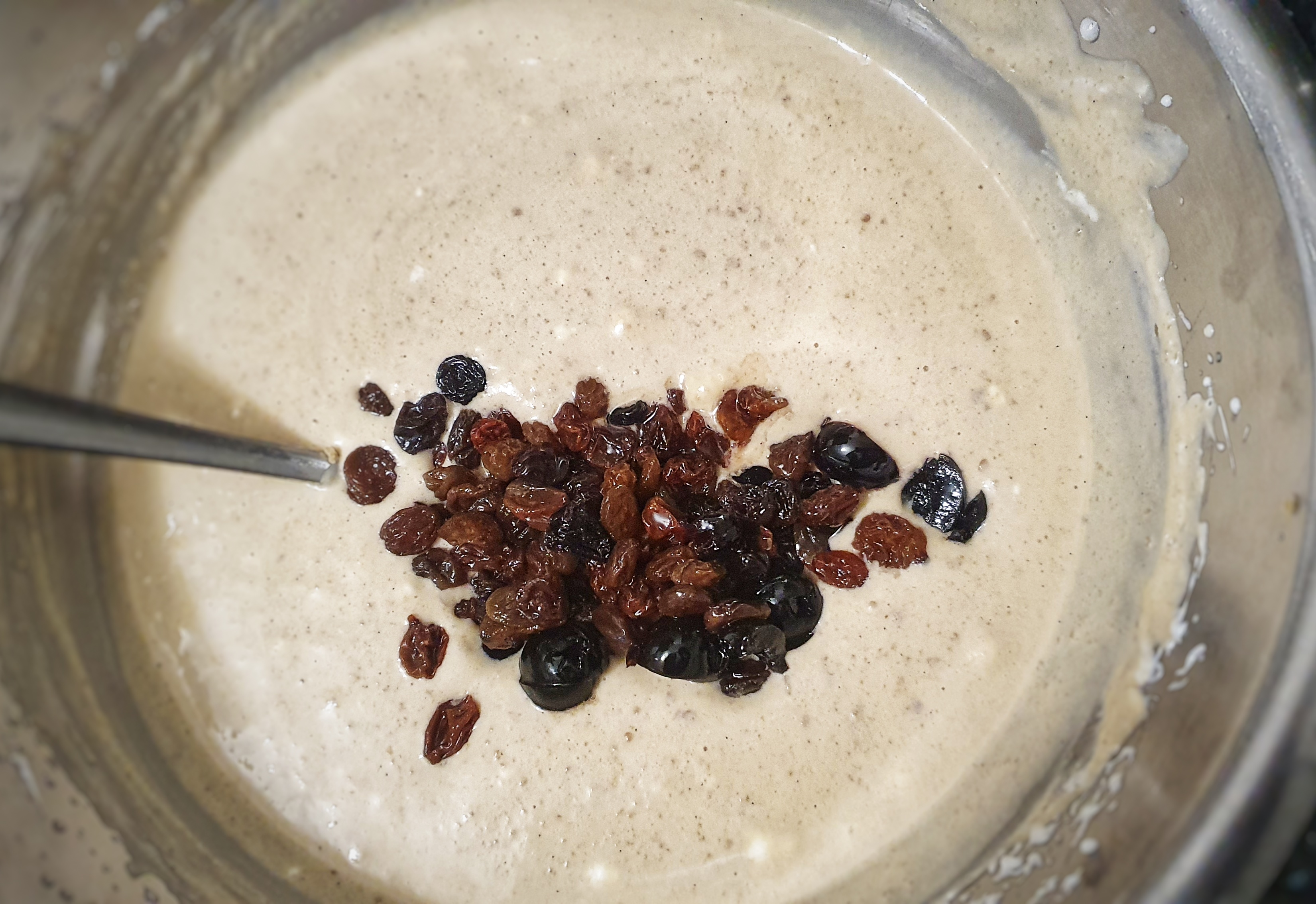
Now the Nesselrode pudding can be assembled. Mix the chestnut puree into the cold, rich custard; you may need to use your electric beater to make the mixture smooth. If you like, pass the mixture through a sieve. Using a metal spoon, fold in the cream, then the meringue. Take your time – you don’t want to lose all of the air you have introduced to the meringue and cream. Strain the fruits (keep the alcohol) and fold those into the mixture.

Select your mould – a generous 2 lb/900 g loaf tin is best, but you can use a pudding basin, or anything you like, as long as it has a volume of around 1.5-1.6 litres – and line it with cling film. Gingerly pour or ladle the mixture, cover with more cling film and freeze overnight.

Now make the custard sauce as you normally would – there’s a full method here – flavour with the strained alcohol. Taste it and add more booze if desired. When it tastes just right, add an extra half shot. Cool, cover and refrigerate.

To serve:

Remove the pudding from the freezer 30 to 40 minutes before you want to serve it. At the same time, place the custard sauce in the freezer so that it can get really cold.

Turn out the pudding onto a serving plate, remove the cling film, clean up the edge with kitchen paper and garnish. If the pudding is a bit of a mess around the edge, pipe some whipped cream around it. Pour the ice-cold custard sauce into a jug and serve.

Note: to make nice, neat cuts, pour hot water into a tall mug or (heat-proof) glass and heat up a serrated knife; this heat and a gentle sawing motion should result in clean cuts.


Notes

[1] Gray, A. (2021) At Christmas We Feast: Festive Food Through the Ages. Profile.

[2] This earliest mention of the pudding in the many editions of Acton’s classic Modern Cookery was the 14th. Acton, E. (1854) Modern Cookery for Private Families. 14th ed. Lonman, Brown, Green, and Longhams.

[3] Grigson, J. (1979) Food with the Famous. Grub Street.

[4] Gray (2021)

[5] Marshall, A.B. (1885) The Book of Ices. William Clowes and Sons.

[6] Ibid.

[7] When I made the pudding for the blog, I decided to forego chopping the fruit, wanting nice, big, plump fruits. A mistake: the large pieces sank – rats!

1 Comment

Filed under Britain, Christmas, food, General, history, Nineteenth Century, Puddings, Recipes, The Victorians