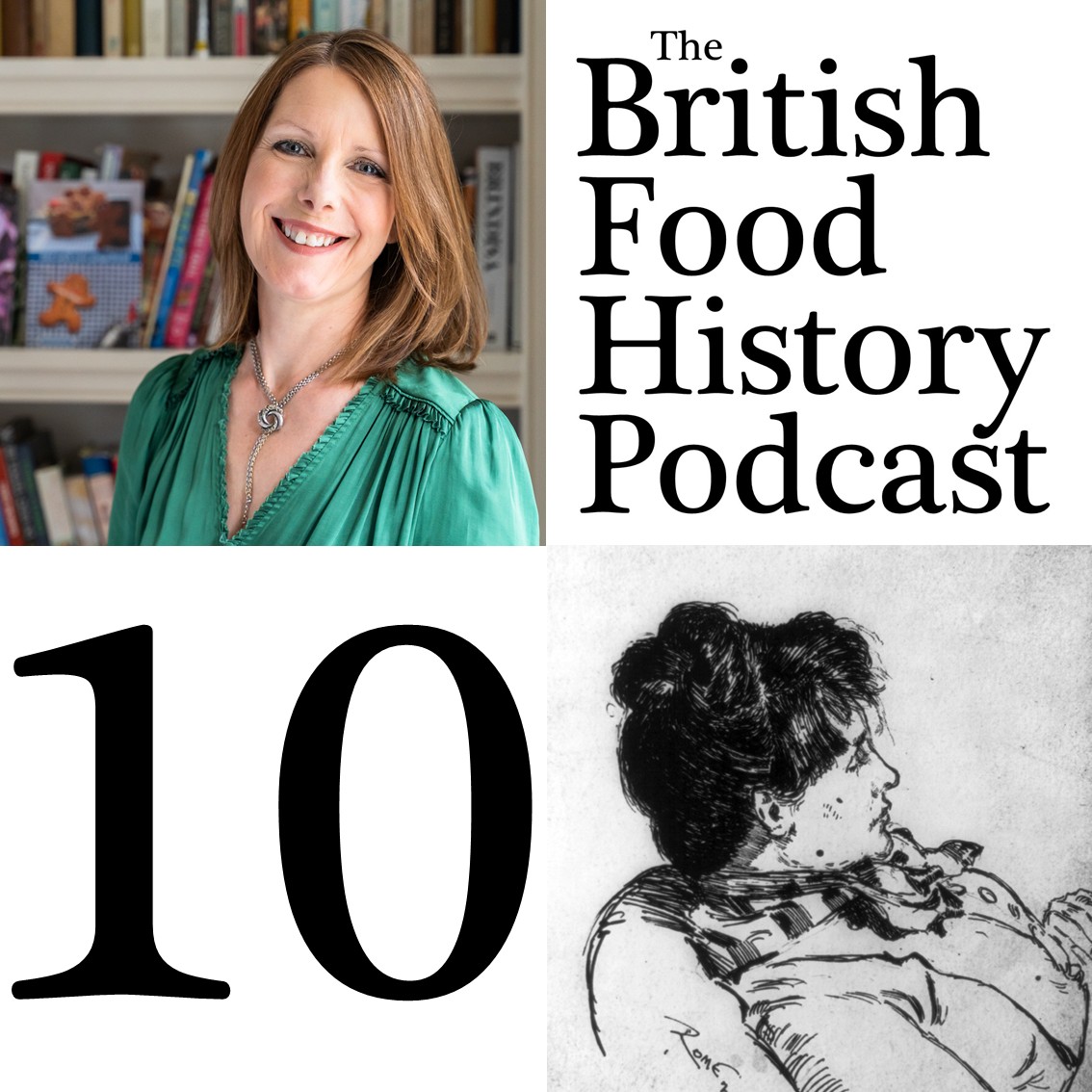
Welcome to this special bonus episode of The British Food History Podcast. I always make an extra episode for my monthly £3 subscribers. I wanted to make an episode where I talk with another food historian about a book. I asked Sam Bilton and she chose The Feasts of Autolycus: The Diary of a Greedy Woman by Elizabeth Robins Pennell (1899). An author I was not familiar with – and I really enjoyed reading the book and having this discussion.
We talk about Elizabeth Robins Pennell and how Sam discovered her, the expectations of women and greediness in the late Victorian period, food and morality, Camp coffee, stirring savouries, magnificent mushrooms, and kidneys – lots and lots of kidneys.
Subscribe to get access
Read more of this content when you subscribe today and unlock lots of premium content, including the secret podcast, bonus blog posts and recipes, my Easter eggs and a monthly newsletter. Please click here for more information.
It’s time for the now traditional end-of-season postbag episode of The British Food History Podcast, where I (attempt to) answer your questions, read out your comments and mull over your queries.
The podcast is available on all podcast apps, but you can stream it via this Spotify embed:
I’ll be disappearing for a few months, unless of course, you are a monthly subscriber, where there will be a bonus episode coming up for you to listen to via the secret podcast.
Season 10 of the podcast is sponsored by Netherton Foundry, makers of high-quality kitchen and outdoor cookware. Netherton Foundry ships to several countries outside of the UK, including the USA and Canada. Visit www.netherton-foundry.co.uk to find out more about their wonderful products – approved not just by me but by folk such as Tom Parker-Bowles, Diana Henry and Nigella Lawson.
If you can, support the podcast and blogs by becoming a £3 monthly subscriber, and unlock lots of premium content, including bonus blog posts and recipes, access to the easter eggs and the secret podcast, or treat me to a one-off virtual pint or coffee:click here.
Don’t forget, there will be more postbag episodes in the future, so if you have any questions or queries about today’s episode, or indeed any episode, or have a question about the history of British food please email me at neil@britishfoodhistory.com, or leave a comment here.
Today on The British Food History Podcast I am speaking with food historian Peter Gilchrist and food writer Ross Clarke, who specialise in writing about and rediscovering the traditional foods of Scotland and Wales, respectively.
Peter is a returning guest who goes under the name Tenement Kitchen and is the co-host of The Scottish Food History Podcast. Ross is a food and travel writer and author of The Welsh Kitchen on Substack.
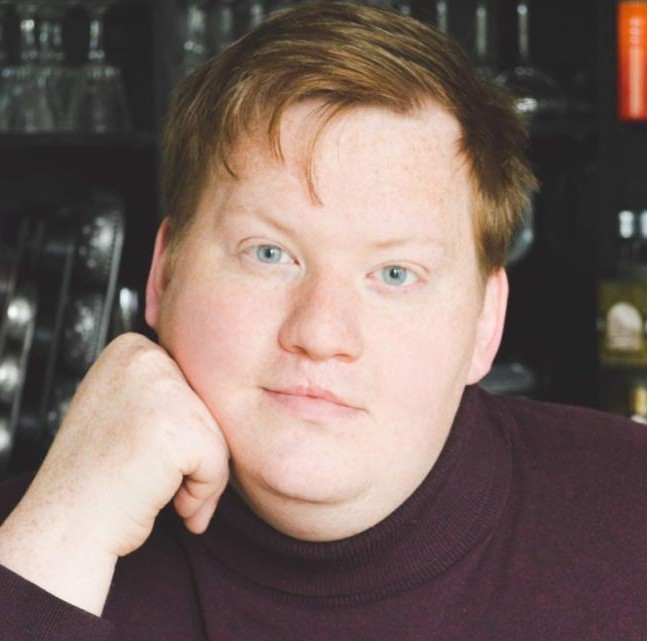
Today’s guests: Peter Gilchrist (L) & Ross Clarke (R)
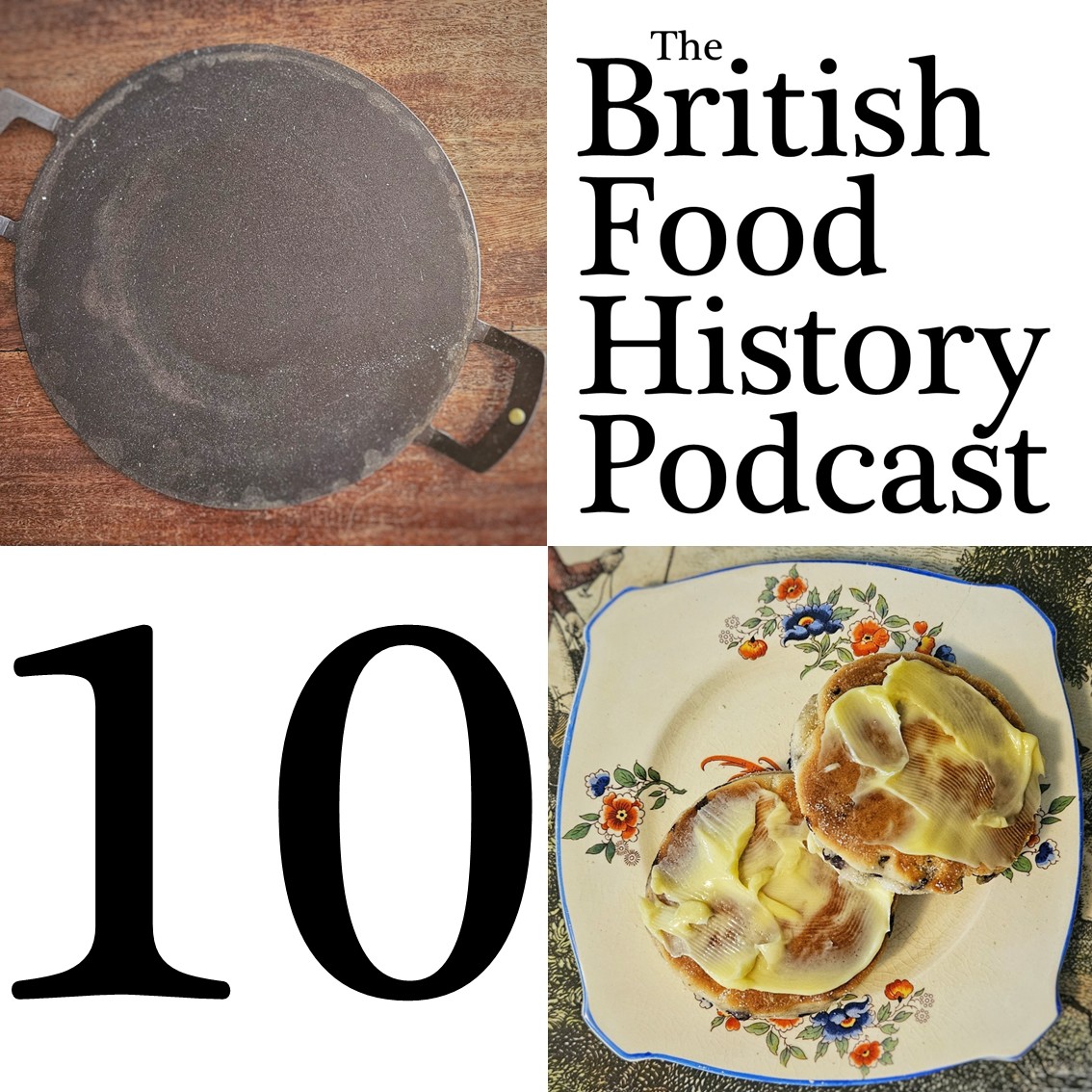
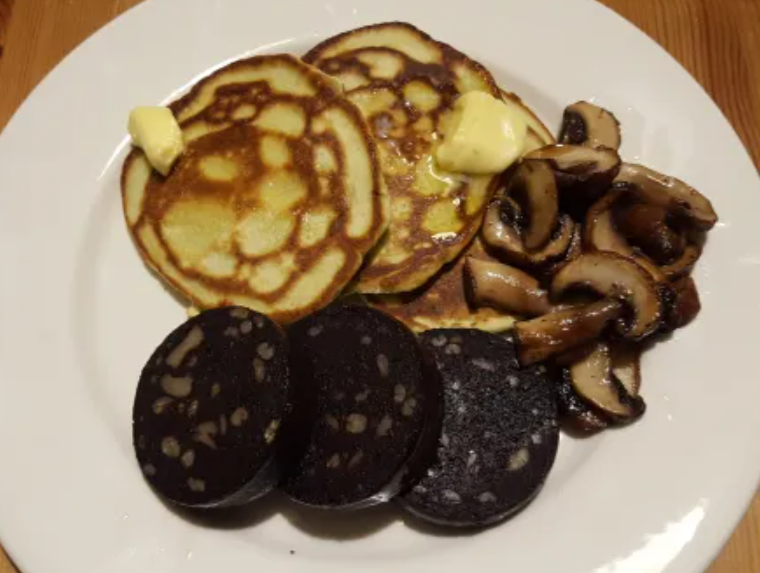
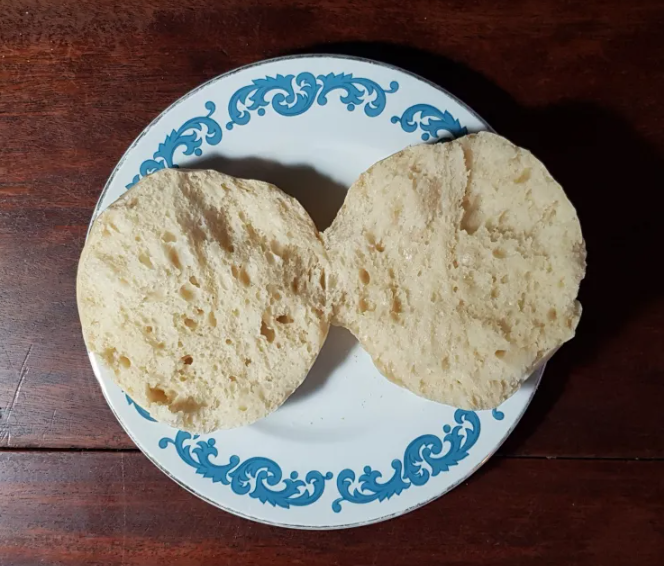
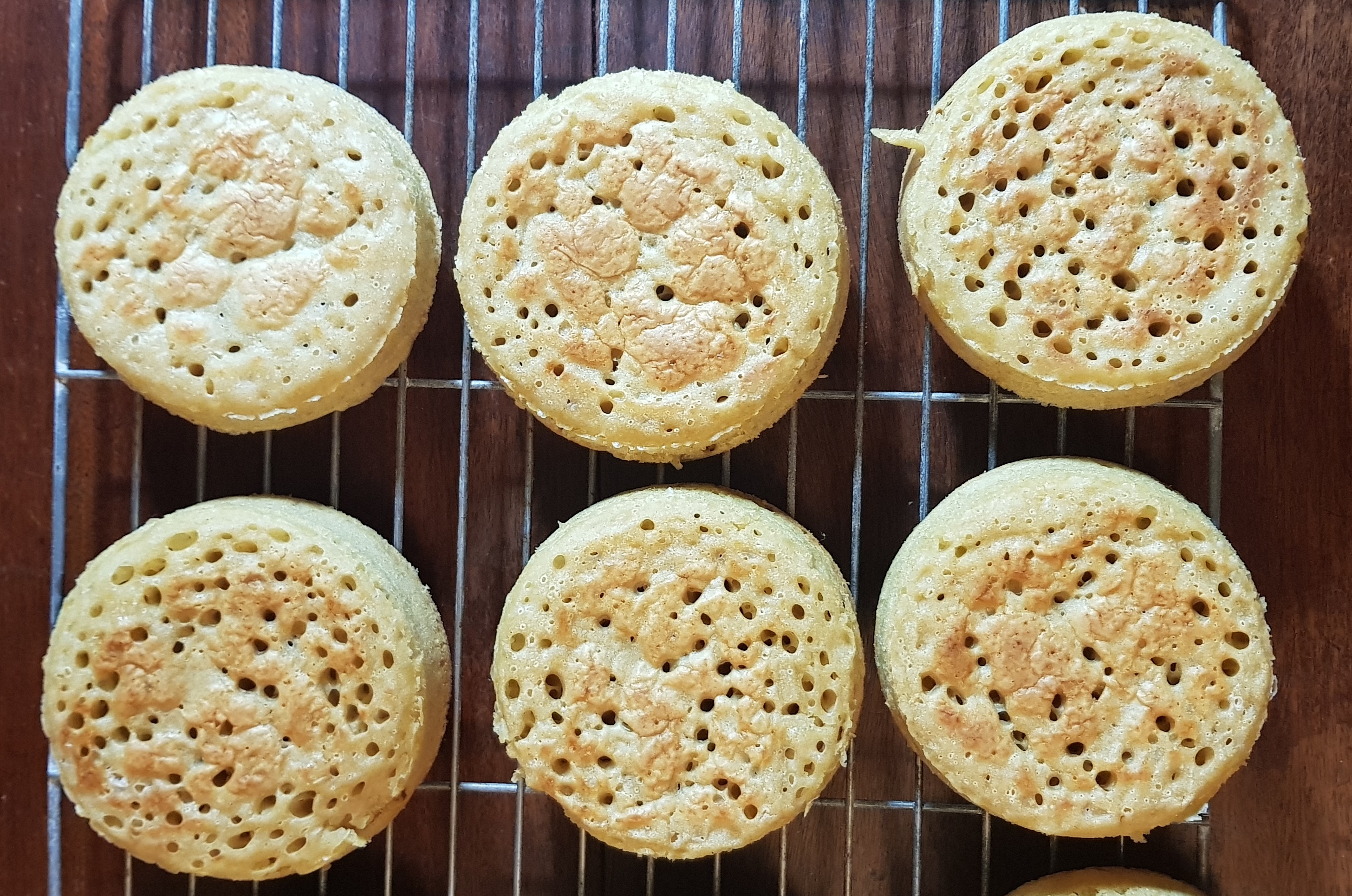
They both use a bakestone or griddle (or whatever you call yours – there are quite a few names for the usually round, usually iron piece of iron we bake our crumpets, drop scones, muffins and Welsh cakes upon) and I thought we should discuss using them and some of the best of British bakestone bakes.
We talk about the place of bakestones and griddles in British food culture, Welsh cakes, bannocks and pikelets, classic writers such as Bobby Freeman and F. Marion McNeill and the applied uses of bacon fat, amongst many other things.
The British Food History Podcast is available to download on all podcast apps; alternatively, you can stream it via this Spotify embed:
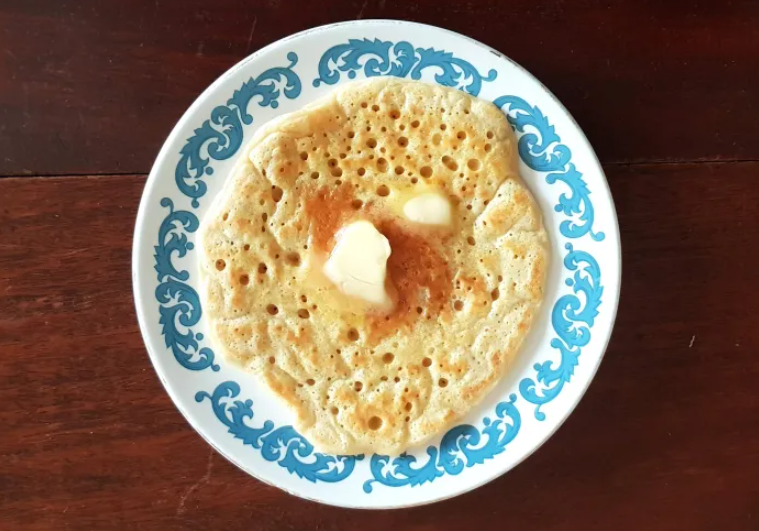
Ross’s Welsh cakes on his bakestone
Those listening to the secret podcast get plenty of bonus material where we discuss adapting traditional recipes to keep them relevant, how annoyed I get when classic recipes get messed around with, what we get out of recreating historical recipes and buttermilk – plus more.
Follow Peter on social media: @TenementKitchen on Facebook, Insta, Bluesky, X and TikTok
Follow Ross on Social Media: @theguiri on Insta, @rosswclarke on X and Facebook
Season 10 of the podcast is sponsored by Netherton Foundry, makers of high-quality kitchen and outdoor cookware. Netherton Foundry ships to several countries outside of the UK, including the USA and Canada. Visit www.netherton-foundry.co.uk to find out more about their wonderful products – approved not just by me but by folk such as Tom Parker-Bowles, Diana Henry and Nigella Lawson.
If you can, support the podcast and blogs by becoming a £3 monthly subscriber, and unlock lots of premium content, including bonus blog posts and recipes, access to the easter eggs and the secret podcast, or treat me to a one-off virtual pint or coffee:click here.
Don’t forget, there will be postbag episodes in the future, so if you have any questions or queries about today’s episode, or indeed any episode, or have a question about the history of British food please email me at neil@britishfoodhistory.com, or leave a comment here.
Happy 4th of July to my listeners in the USA…and all of those around the world who also celebrate the day!
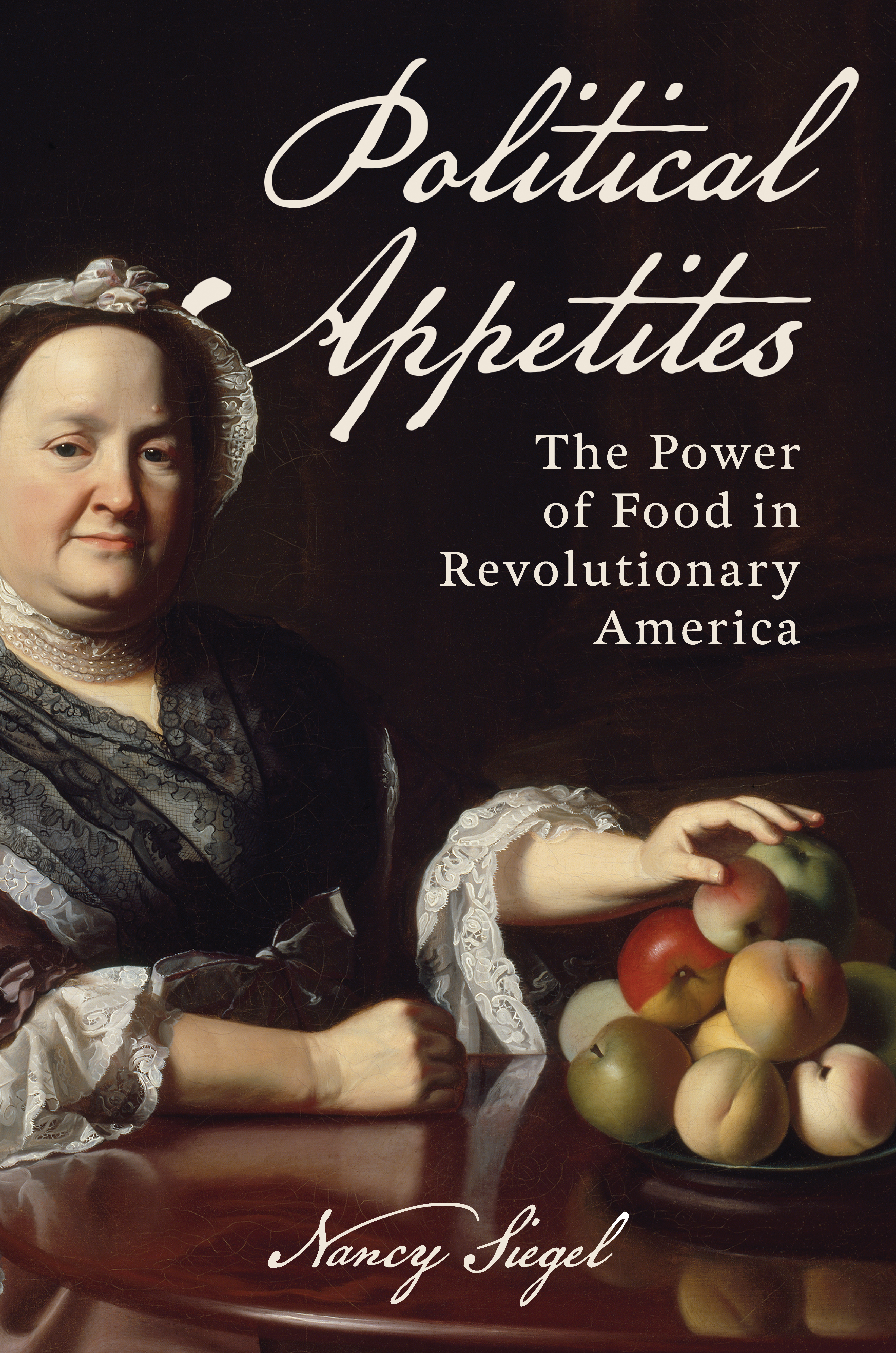
It’s a big one because the US is celebrating 250 years of independence this year. And to mark this special day, I have a special guest, Professor Nancy Siegel, and we are going to talk about the roles food and drink – especially tea and cake – played.
Nancy Siegal is Professor of Art History and Culinary History at Towson University, Maryland. She specialises in American landscape studies, underrepresented women artists of the 19th century, print culture, and culinary history of the 18th and 19th centuries. Lucky for me, Nancy was in London, visiting the British Library at the same time I was in London, so we got to record this conversation in person in the breakfast room of Nancy’s hotel, the Harlingford Hotel – a big thank you to them.
Nancy’s book is out in October in the USA and in December in the UK
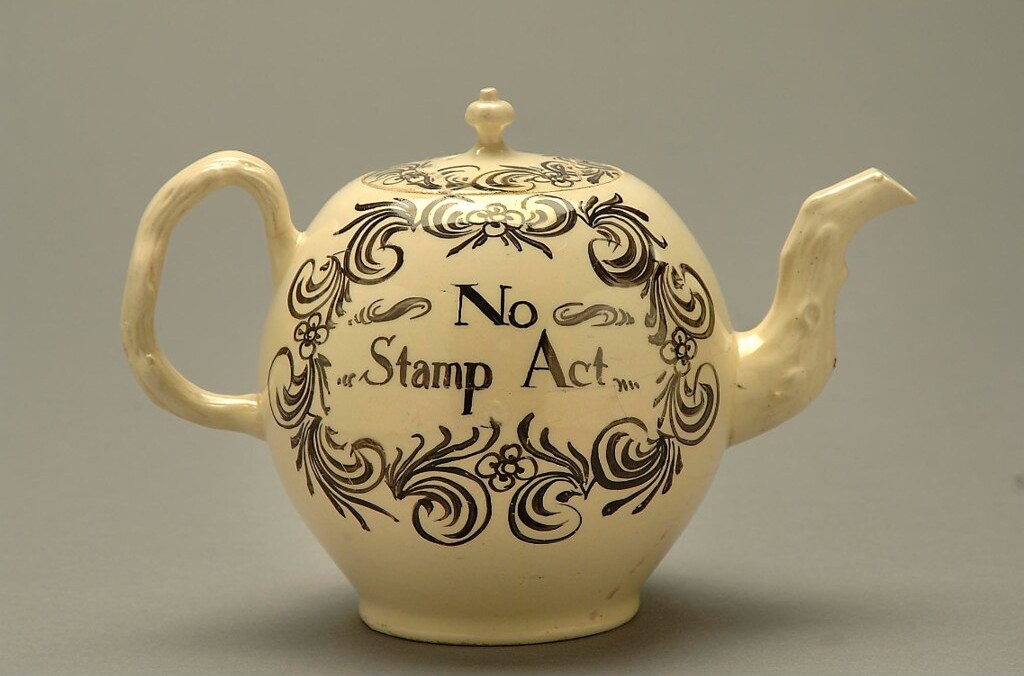
Nancy has an excellent book that isn’t out until the autumn, but I was lucky enough to get a sneak peek at it, called Political Appetites: The Power of Food in Revolutionary America, published by Johns Hopkins University Press. In that book, Nancy documents the roles food and drinks, especially tea (and its trappings) played in the colonists of North America wanting to sever their ties with Britain, and how food was used to help distance themselves culturally from the British – at first the colonists very much identified as British.
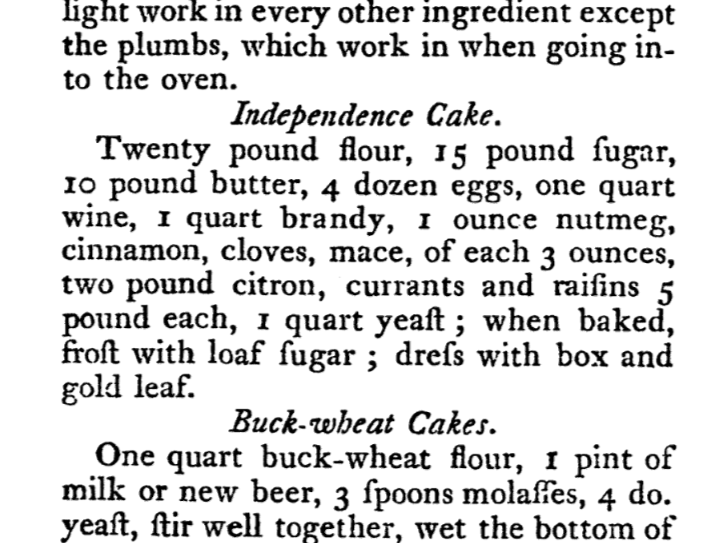
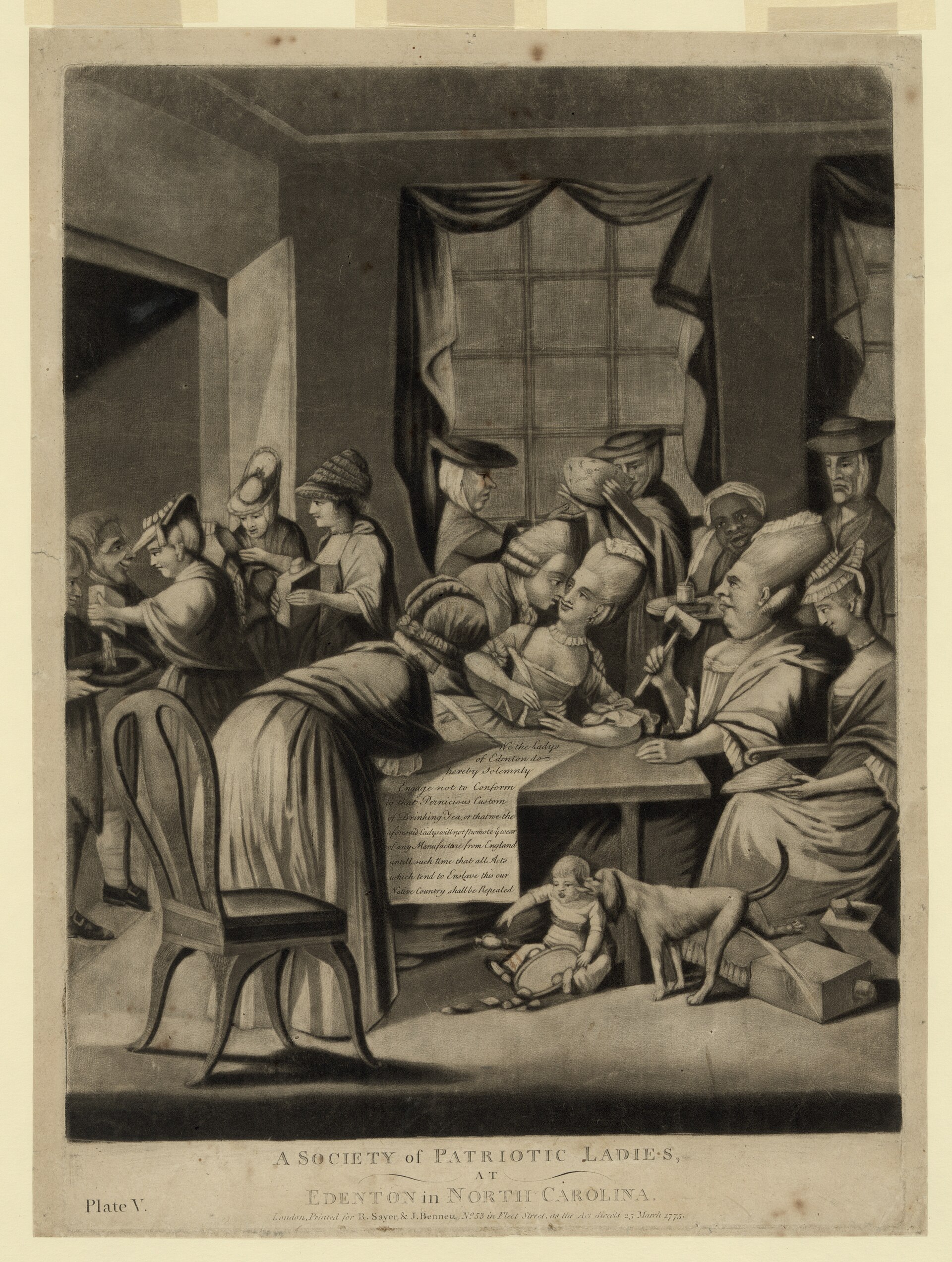
We talk about the tax on tea and the Boston Tea Party, tea alternatives, culinary activists such as the women of Edenton, giant independence cakes, Amelia Simmons, and how the people of the new USA used food and drink to culturally distance themselves from the British – amongst many other things.
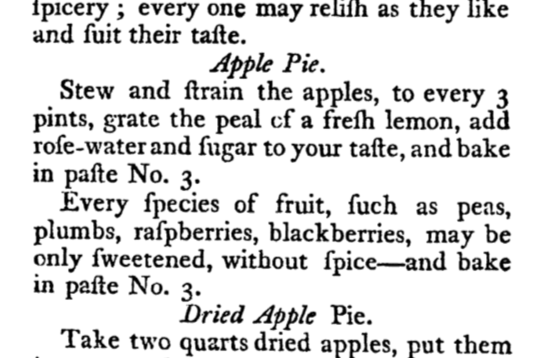
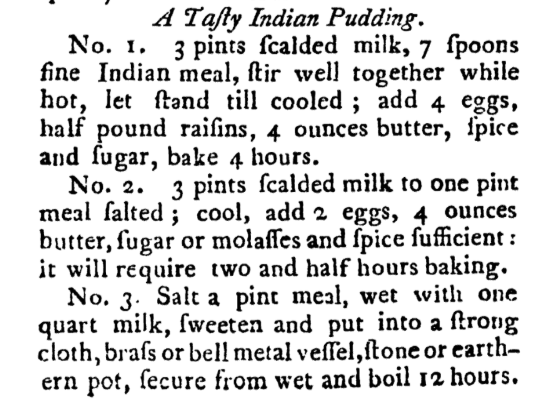
Three recipes from American Cookery by Amelia Simmons (1796): A huge Independence Cake, the first (?) American Apple Pie and an “Indian” Pudding. All three of these recipes helped culturally distance the newly independent USA from Britain.
Those listening to the secret podcast get LOADS of bonus material where we discuss George III’s botanist, pride in abundance, the value of hunting out original documents, baking fails, the all-American apple pie, and the function of satire – plus more.
The British Food History Podcast is available to download on all podcast apps. Alternatively, you can stream the episode via this Spotify embed:
“A Society of Patriotic Ladies, at Edenton in North Carolina” (1775) attributed to engraver and political satirist Phillip Dawe.
Season 10 of the podcast is sponsored by Netherton Foundry, makers of high-quality kitchen and outdoor cookware. Netherton Foundry ships to several countries outside of the UK, including the USA and Canada. Visit www.netherton-foundry.co.uk to find out more about their wonderful products – approved not just by me but by folk such as Tom Parker-Bowles, Diana Henry and Nigella Lawson.
The mixing and sound engineering were done by Thomas Ntinas of The Delicious Legacy podcast
This “No Stamp Act” teapot was made in Staffordshire c.1768
If you can, support the podcast and blogs by becoming a £3 monthly subscriber, and unlock lots of premium content, including bonus blog posts and recipes, access to the easter eggs and the secret podcast, or treat me to a one-off virtual pint or coffee: click here.
Don’t forget, there will be postbag episodes in the future, so if you have any questions or queries about today’s episode, or indeed any episode, or have a question about the history of British food please email me at neil@britishfoodhistory.com, or leave a comment.
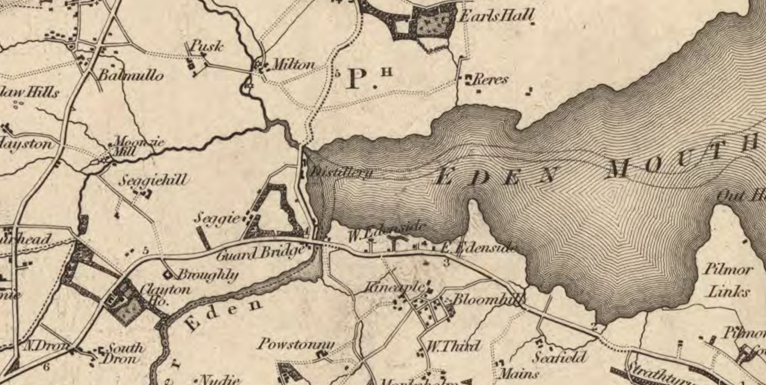
Today I am speaking with Maureen Kilpatrick of Guard Archaeology, a Scottish archaeology firm that has dug sites all over Scotland, but today we are focusing on one site called Guardbridge, in Fife, where the timespan the finds ranged from is astounding: from the Stone Age to the 13th century. Several finds were food-related.
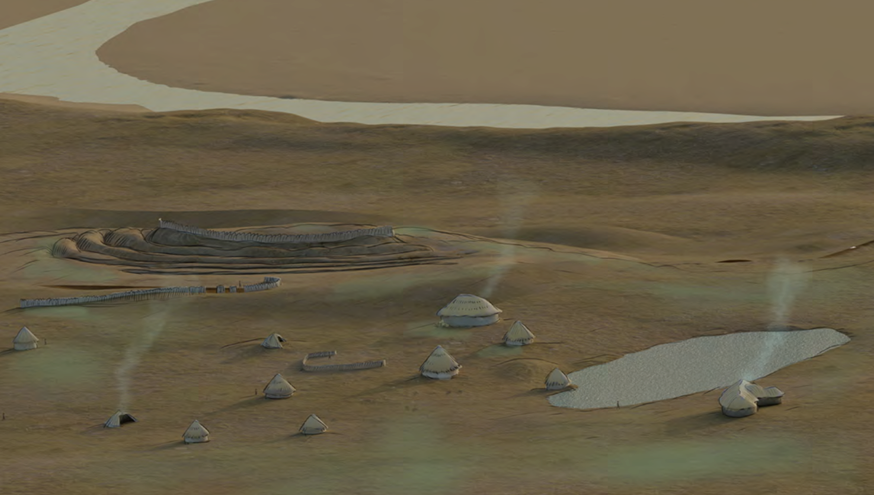
The site is amazing – there’s an Iron Age fort, there are field demarcations, evidence of food and how it was processed and cooked, as well as lots of evidence of the community moving from a nomadic hunter-gatherer lifestyle to a settled farming one.
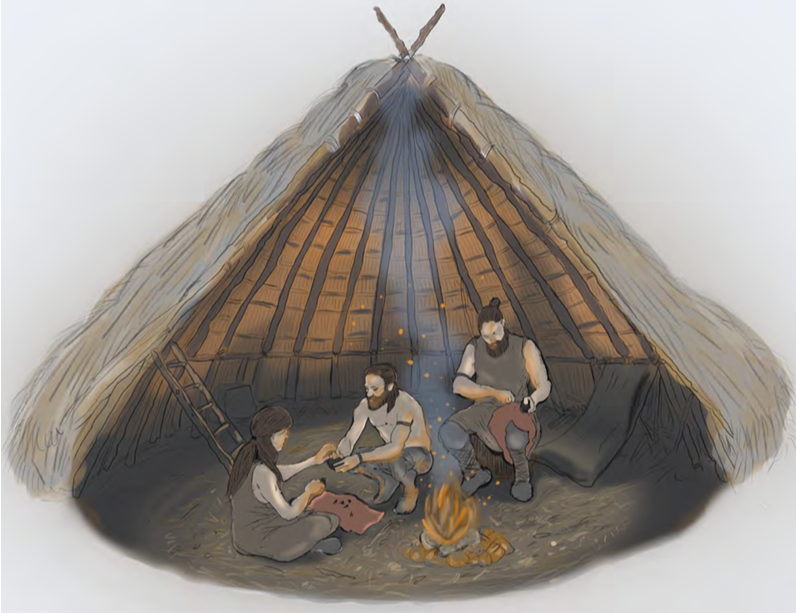
Left: An artist’s impressing of the Bronze Age settlement (Guard Archaeology); Right: detail of an 1828 map of the area showing the location of Guardbridge
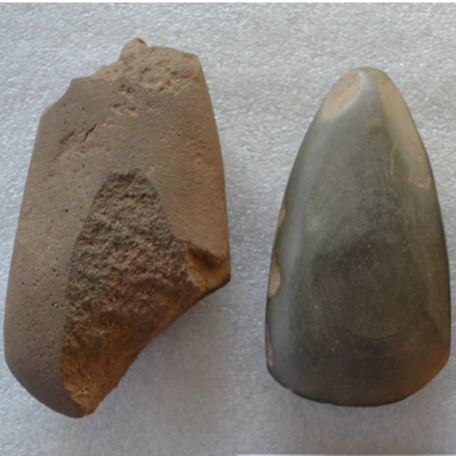
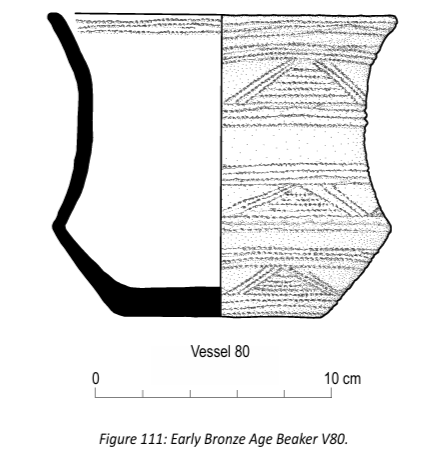
We talk about the material objects found on site, such as saddle querns, axes and ploughing tools, food remains like emmer wheat, barley, cockles and the indestructible hazelnut, non-slip pottery and the surprisingly late appearance of oats, amongst many other things.
The British Food History Podcast is available on all podcast apps. Alternatively, you can stream it via this Spotify embed:
Those listening to the secret podcast get some bonus material where we discuss whether modern agriculture with its mechanised ploughs is a help or a hindrance to archaeologists these days.
Follow Guard Archaeology in X/Twitter @GUARD_Archaeol
L-R: polished mesolithic axe heads; a mesolithic dwelling; a drawing of one of the excavated Bronze Age beakers (images: Guard Archaeology)
Season 10 of the podcast is sponsored by Netherton Foundry, makers of high-quality kitchen and outdoor cookware. Netherton Foundry ships to several countries outside of the UK, including the USA and Canada. Visit www.netherton-foundry.co.uk to find out more about their wonderful products – approved not just by me but by folk such as Tom Parker-Bowles, Diana Henry and Nigella Lawson.
The mixing and sound engineering were done by Thomas Ntinas of The Delicious Legacy podcast
If you can, support the podcast and blogs by becoming a £3 monthly subscriber, and unlock lots of premium content, including bonus blog posts and recipes, access to the easter eggs and the secret podcast, or treat me to a one-off virtual pint or coffee: click here.
Don’t forget, there will be postbag episodes in the future, so if you have any questions or queries about today’s episode, or indeed any episode, or have a question about the history of British food please email me at neil@britishfoodhistory.com, or leave a comment.
In this week’s episode I am speaking with Adam Crymble and Rachel Rich about a really exciting piece of research looking at the complexities of feeding the households of King George III and his eldest son George who was Prince Regent whilst George III suffered from his “madness”, and eventually succeeded him as George IV. The focus of the research is the ledgers that still exist, listing the ingredients ordered, foods that were prepared and the people who ate them. Over 40,000 dishes were counted.
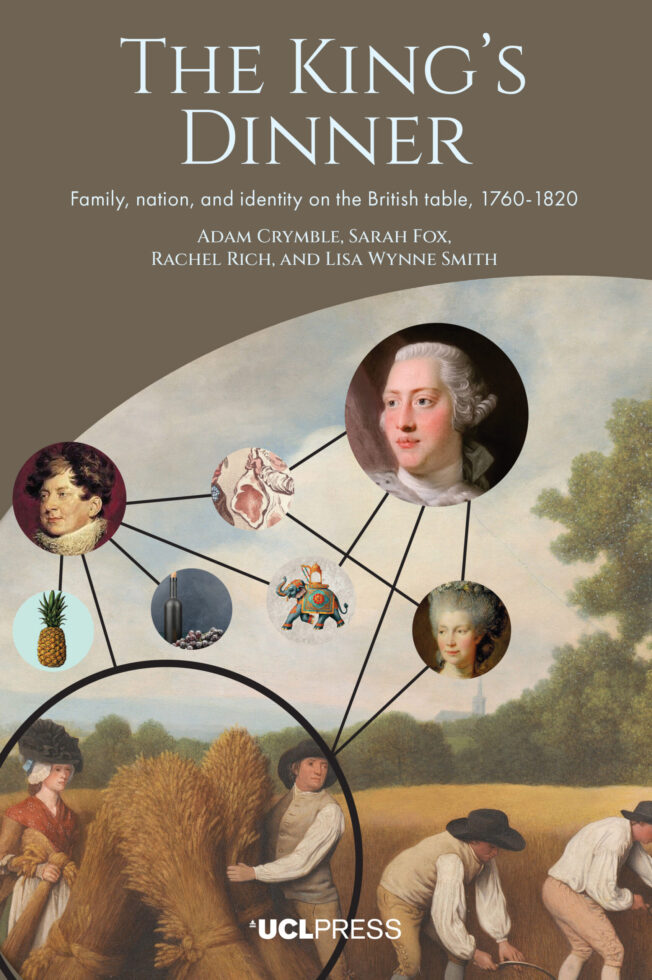
They have analysed the ledgers from two royal palaces – George III’s Kew Palace and the Prince Regent’s Carlton House – with two other food historians Sarah Fox and Lisa Smith, and assimilated them to produce a book called The King’s Dinner: Family, nation, and identity on the British table, 1760-1820, which was published by UCL Press on 11 June 2026. The book is available from wherever you buy your books, but it is also available open access as a free PDF. So is the data they used in their analysis.
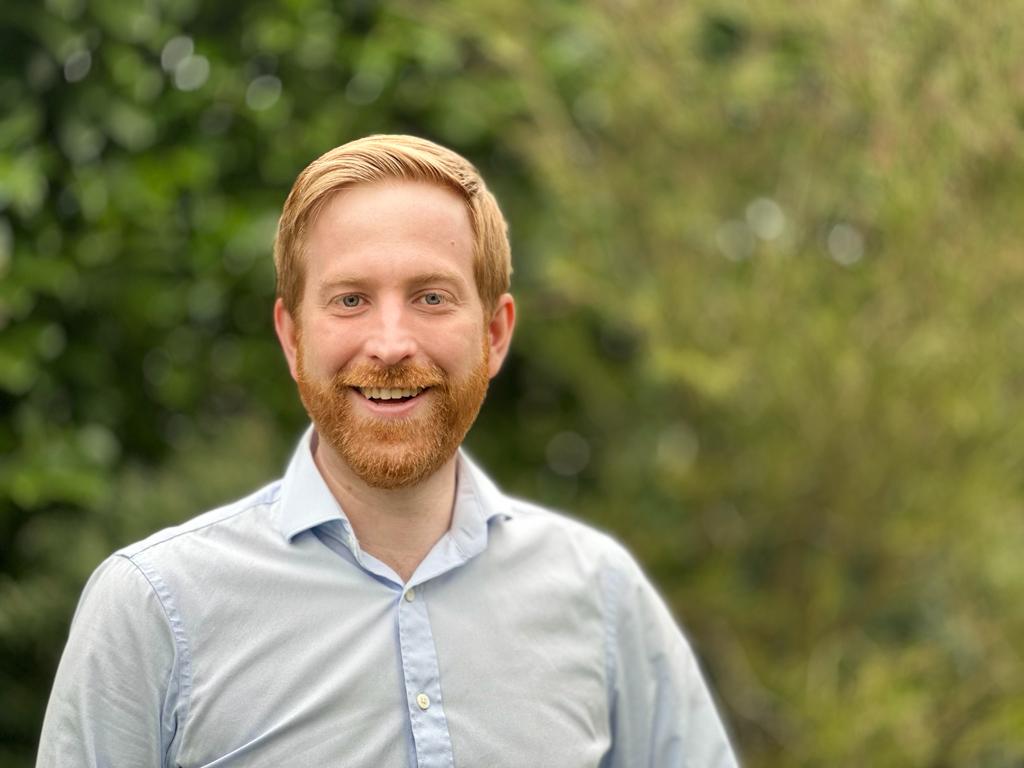
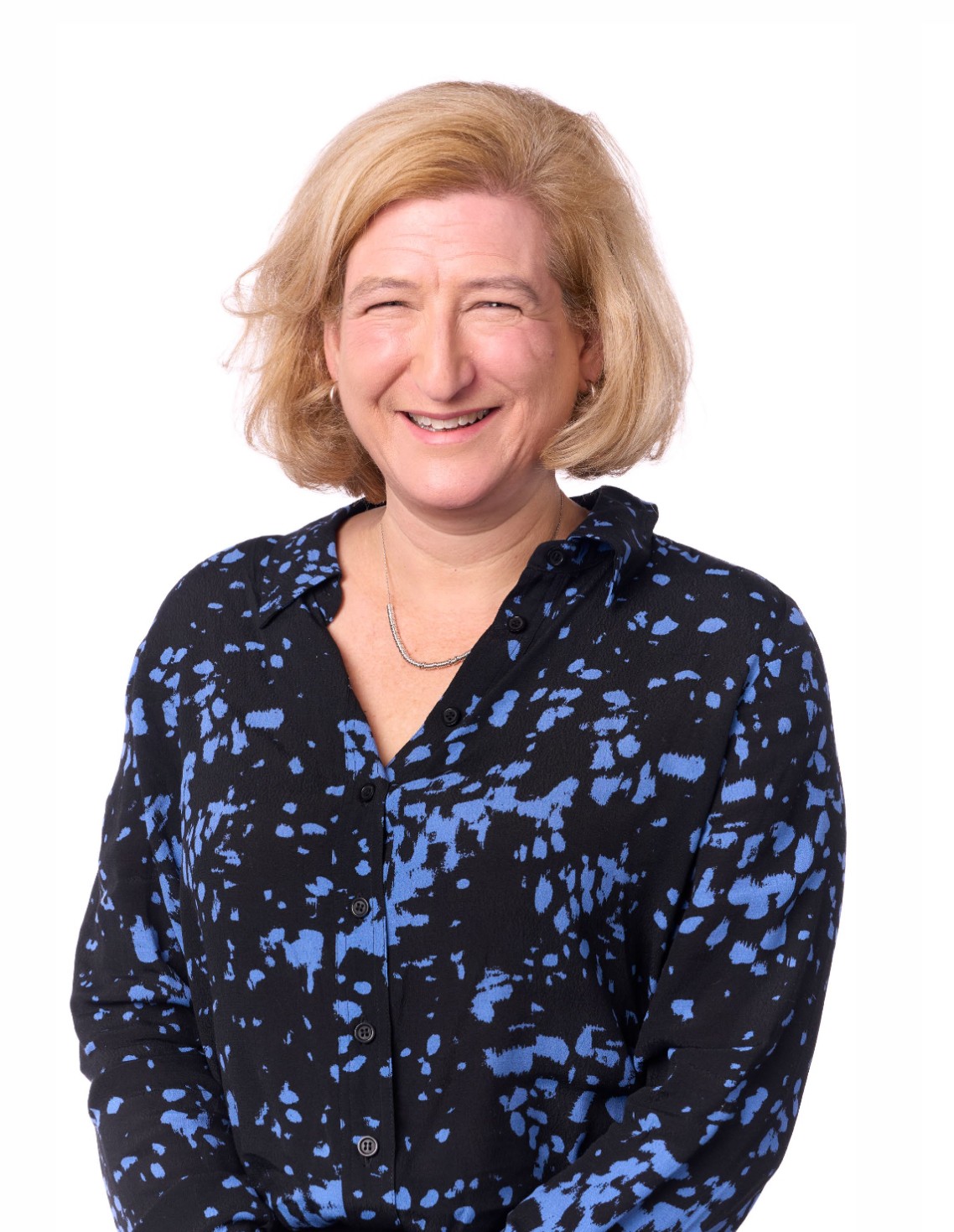
From left to right: Co-author Adam Crymble, the cover of The King’s Dinner, co-author Rachel Rich
We talk about the differing characters of the two Georges and how these were expressed in the foods they ate, Georgian food identity, the concept of oeconomy, the exotic food cultures NOT appearing on royal dinner tables, French cuisine and famous French chef Careme’s tenure in the Prince Regent’s kitchens, as well as their fruit and veg suppliers, one of whom was called Savage Bear, amongst many other things
Those listening to the secret podcast get some bonus material where we discuss the upper servant’s fancy foods, the huge amounts of meat consumed, and the politics of wine.
The British Food History Podcast is available on all podcast apps, but you can also listen to it via this Spotify embed:
Follow Rachel Rich on social media: @drrachelrich (Insta)
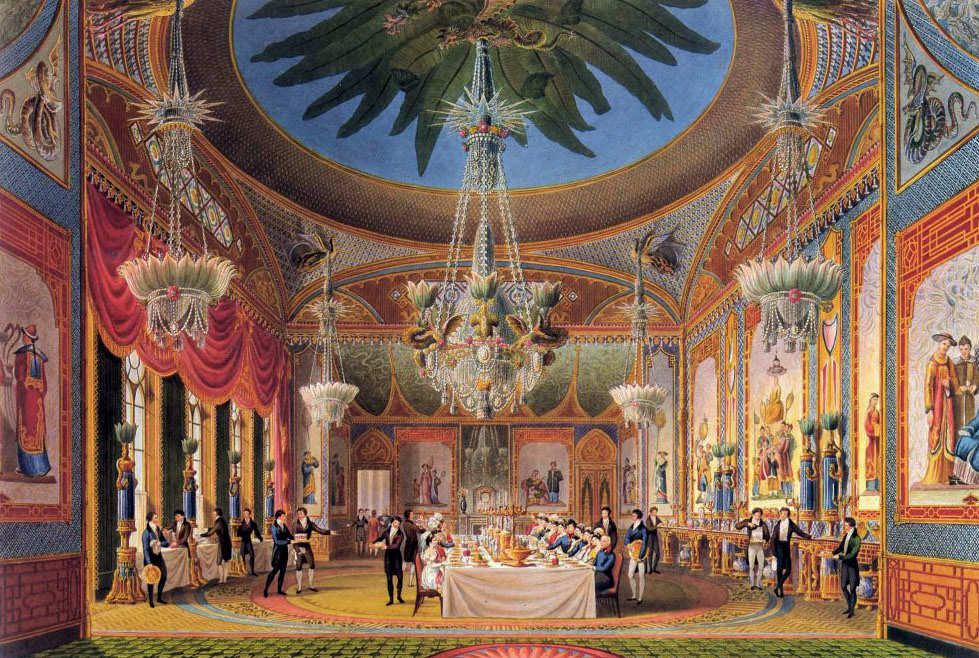
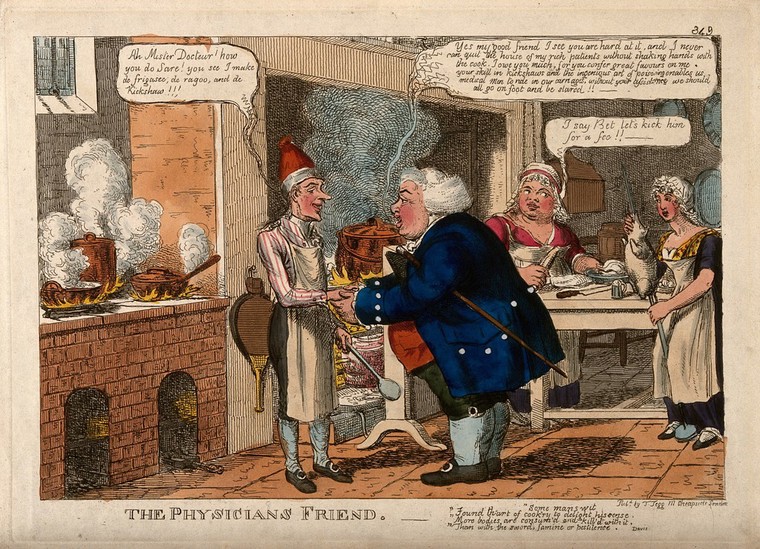
The Brighton Banqueting Room (L); and a satirical cartoon of a doctor thanking a French chef for making his patients (customers!) so unhealthy.
Season 10 of the podcast is sponsored by Netherton Foundry, makers of high-quality kitchen and outdoor cookware. Netherton Foundry ships to several countries outside of the UK, including the USA and Canada. Visit www.netherton-foundry.co.uk to find out more about their wonderful products – approved not just by me but by folk such as Tom Parker-Bowles, Diana Henry and Nigella Lawson.
The mixing and sound engineering were done by Thomas Ntinas of The Delicious Legacy podcast
If you can, support the podcast and blogs by becoming a £3 monthly subscriber, and unlock lots of premium content, including bonus blog posts and recipes, access to the easter eggs and the secret podcast, or treat me to a one-off virtual pint or coffee: click here.
Don’t forget, there will be postbag episodes in the future, so if you have any questions or queries about today’s episode, or indeed any episode, or have a question about the history of British food please email me at neil@britishfoodhistory.com, or leave a comment.
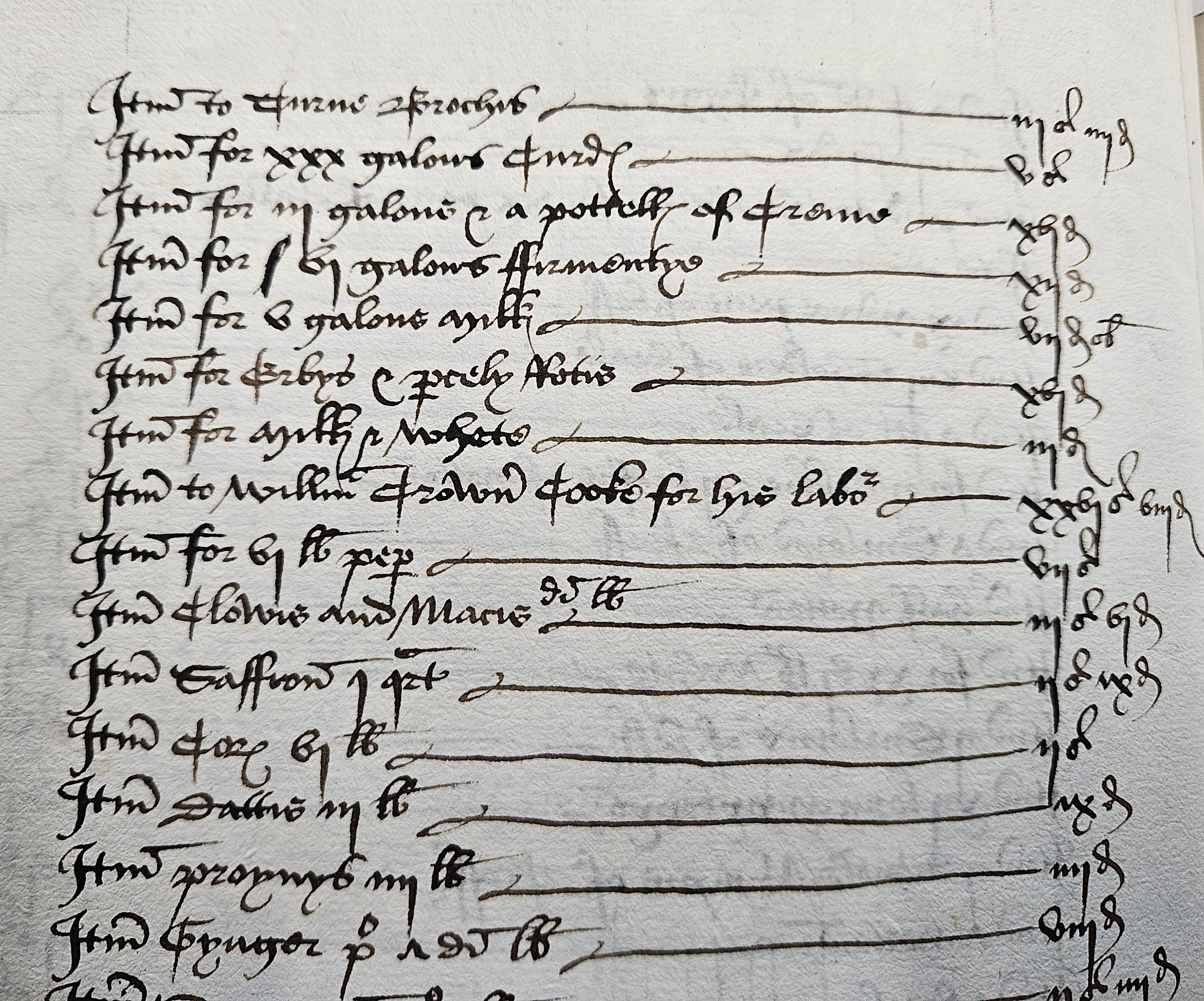
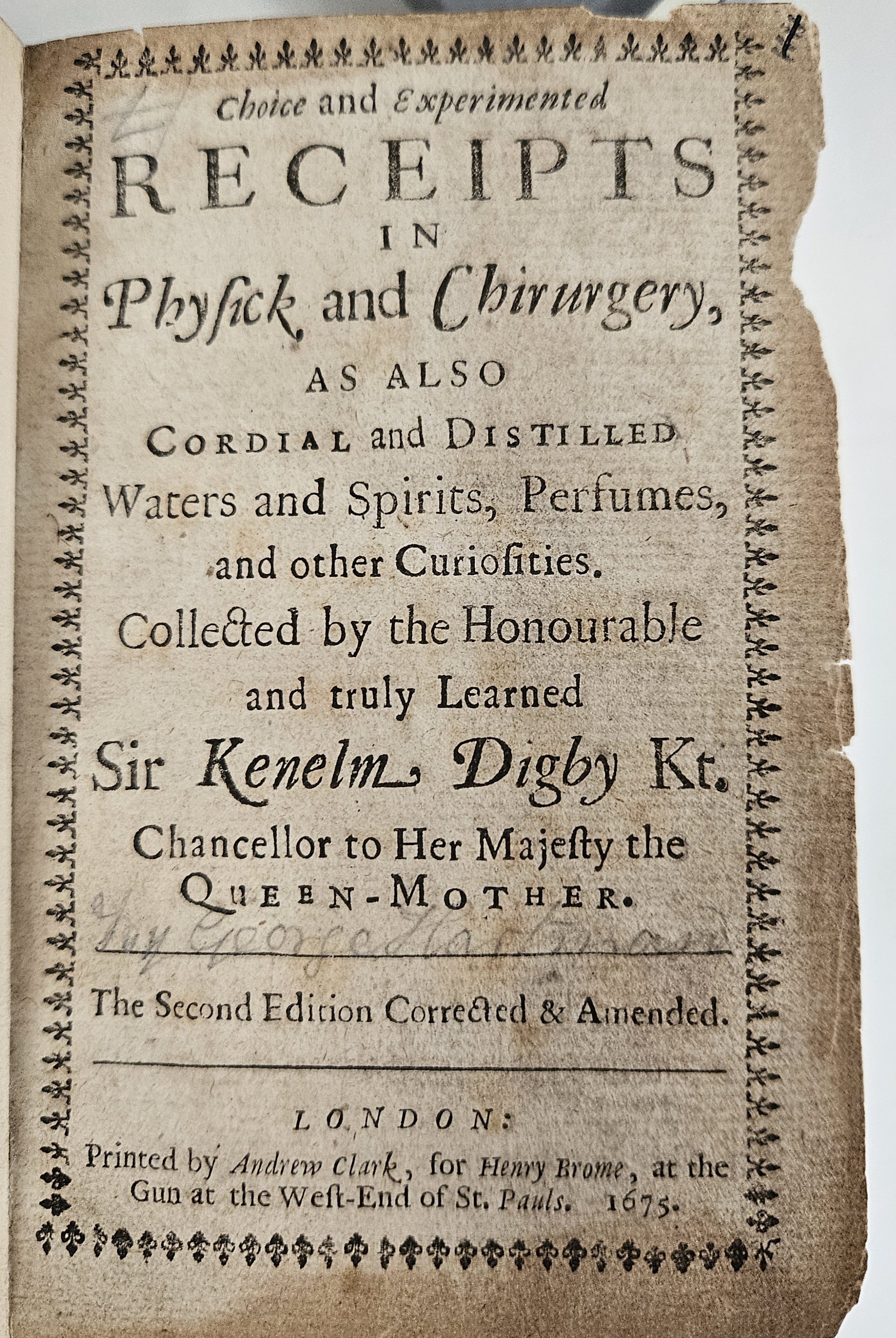
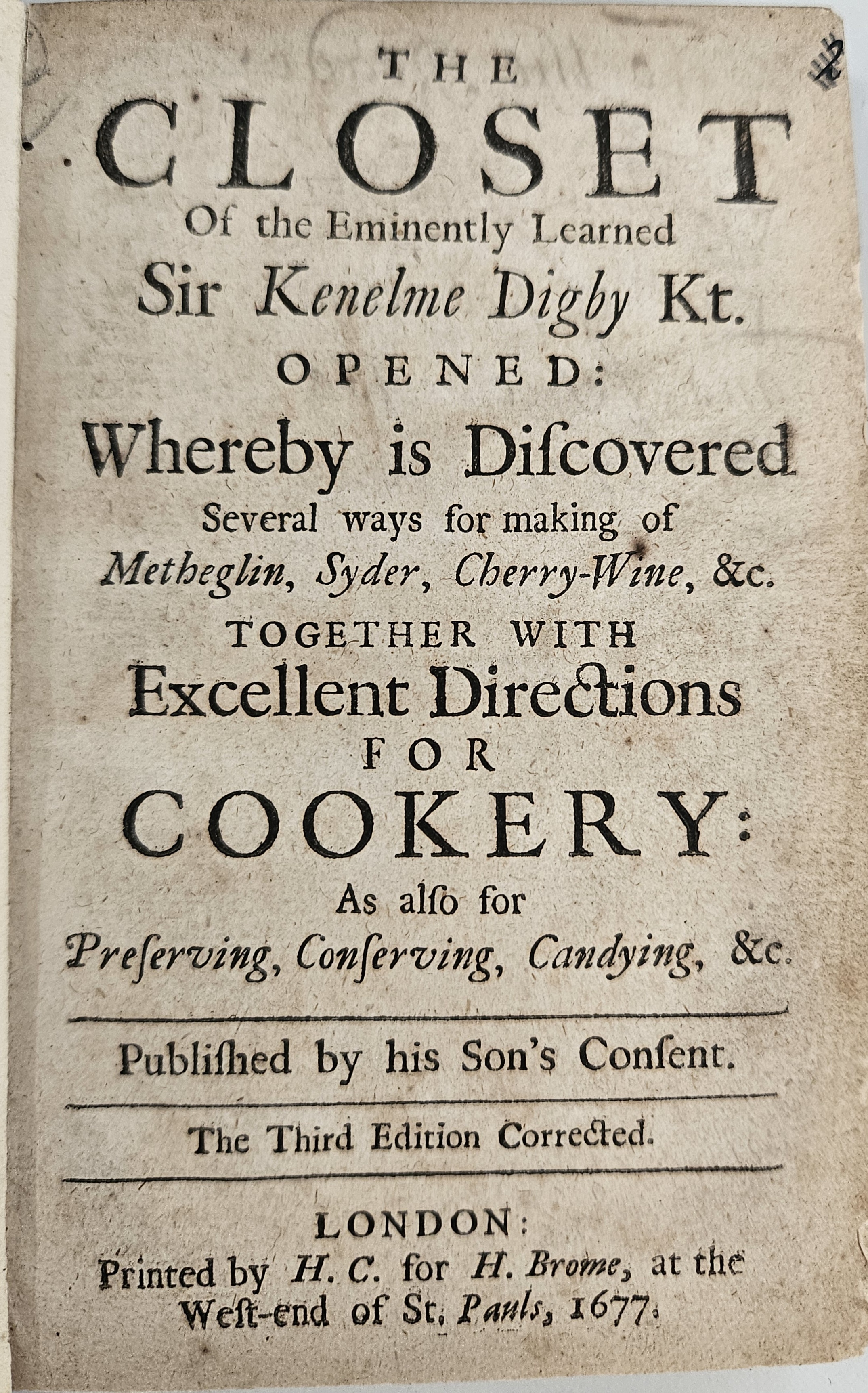
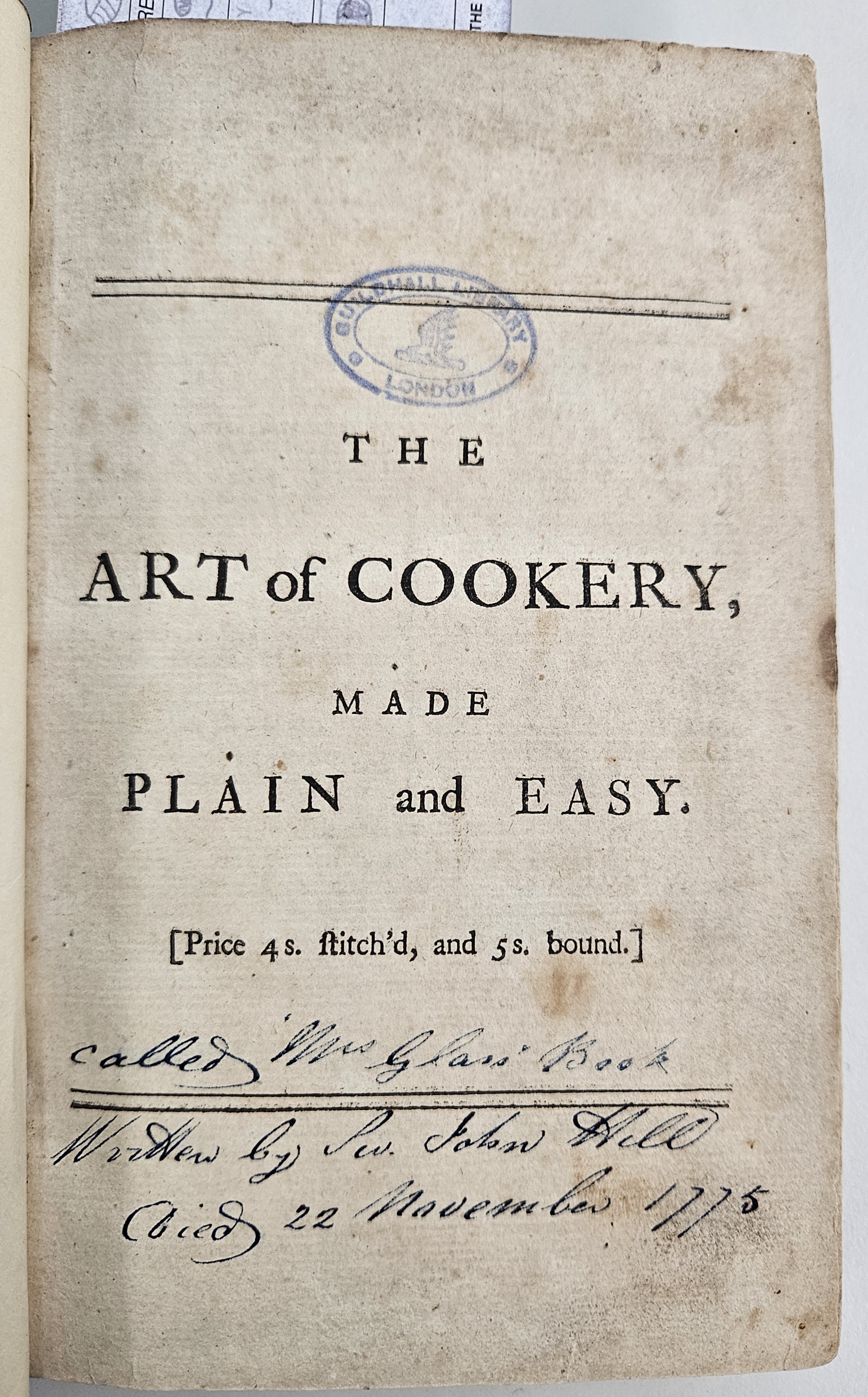
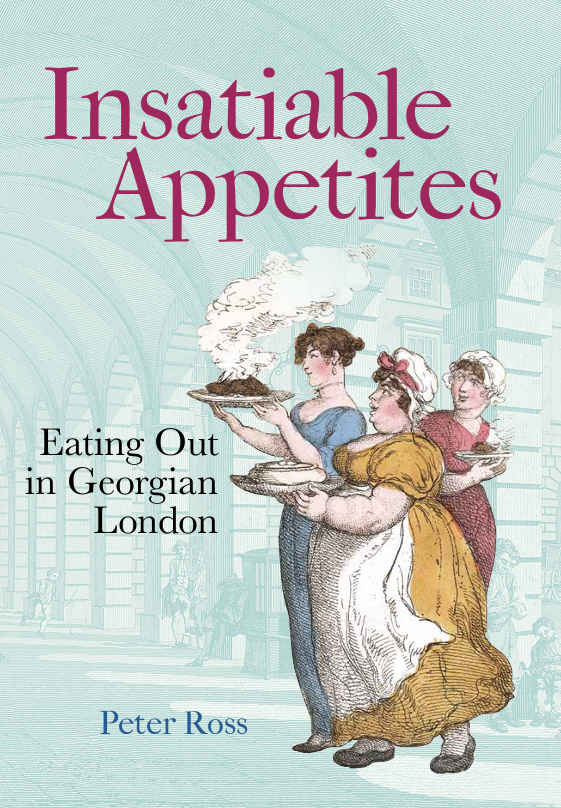
Today I am talking with returning guest Peter Ross who was, until recently, the Principal Librarian at the City of London’s Guildhall Library. His fantastic book called Insatiable Appetites, Eating Out in Georgian London, published by the Bodleian Library, was published last month, May 2026. Today we are talking about the collections in the Guildhall Library, which is a staggering 600 years old.
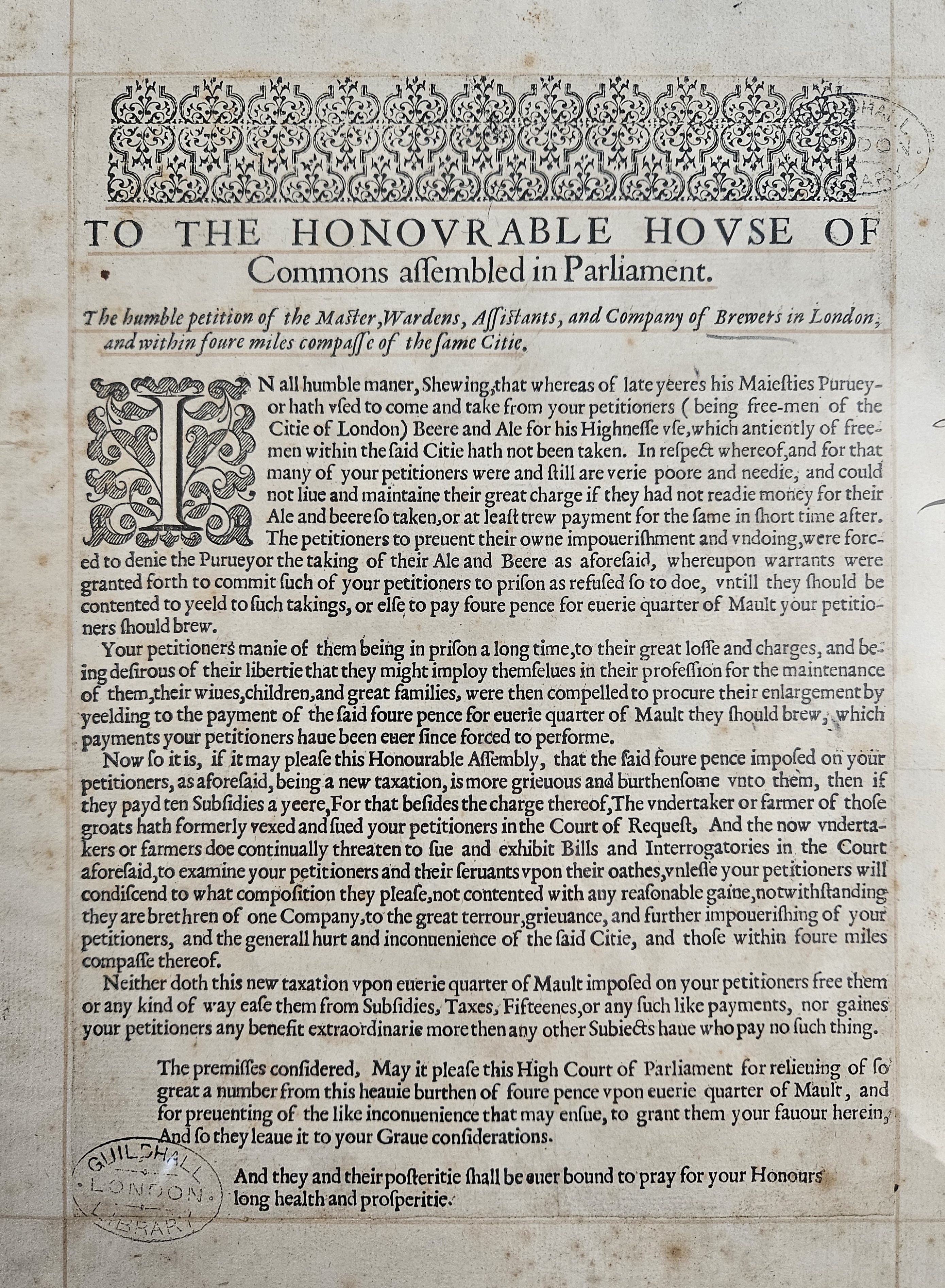
The broadsheet by the Company of Brewers discussed in the secret podcast (L) and a list of foods from the Company of Grocers accounts (R)
We talk about the history of the library and how it got some of its collections such as the Elizabeth David collection, but also some of the lesser known ones such as the Robert Miller collection, the splendiferous feast put on for James I by the Merchant Tailors, the importance of the author’s voice when it comes to writing popular cookery books, Hannah Glasse’s sauerkraut, and Elizabeth David’s Fanny Cradock avoidance techniques, amongst many other things.
Those listening to the secret podcast get some bonus material where we discuss the Hannah Glasse recipes that don’t work, the Worshipful Company of Brewers, poisonous pears in pewter pots and more.
The British Food History Podcast is available to follow and download on all podcast apps. Alternatively, you can listen to this episode via this Spotify embed:
Season 10 of the podcast is sponsored by Netherton Foundry, makers of high-quality kitchen and outdoor cookware. Netherton Foundry ships to several countries outside of the UK, including the USA and Canada. Visit www.netherton-foundry.co.uk to find out more about their wonderful products – approved not just by me but by folk such as Tom Parker-Bowles, Diana Henry and Nigella Lawson.
The mixing and sound engineering were done by Thomas Ntinas of The Delicious Legacy podcast
If you can, support the podcast and blogs by becoming a £3 monthly subscriber, and unlock lots of premium content, including bonus blog posts and recipes, access to the easter eggs and the secret podcast, or treat me to a one-off virtual pint or coffee: click here.
Don’t forget, there will be postbag episodes in the future, so if you have any questions or queries about today’s episode, or indeed any episode, or have a question about the history of British food please email me at neil@britishfoodhistory.com, or leave a comment.
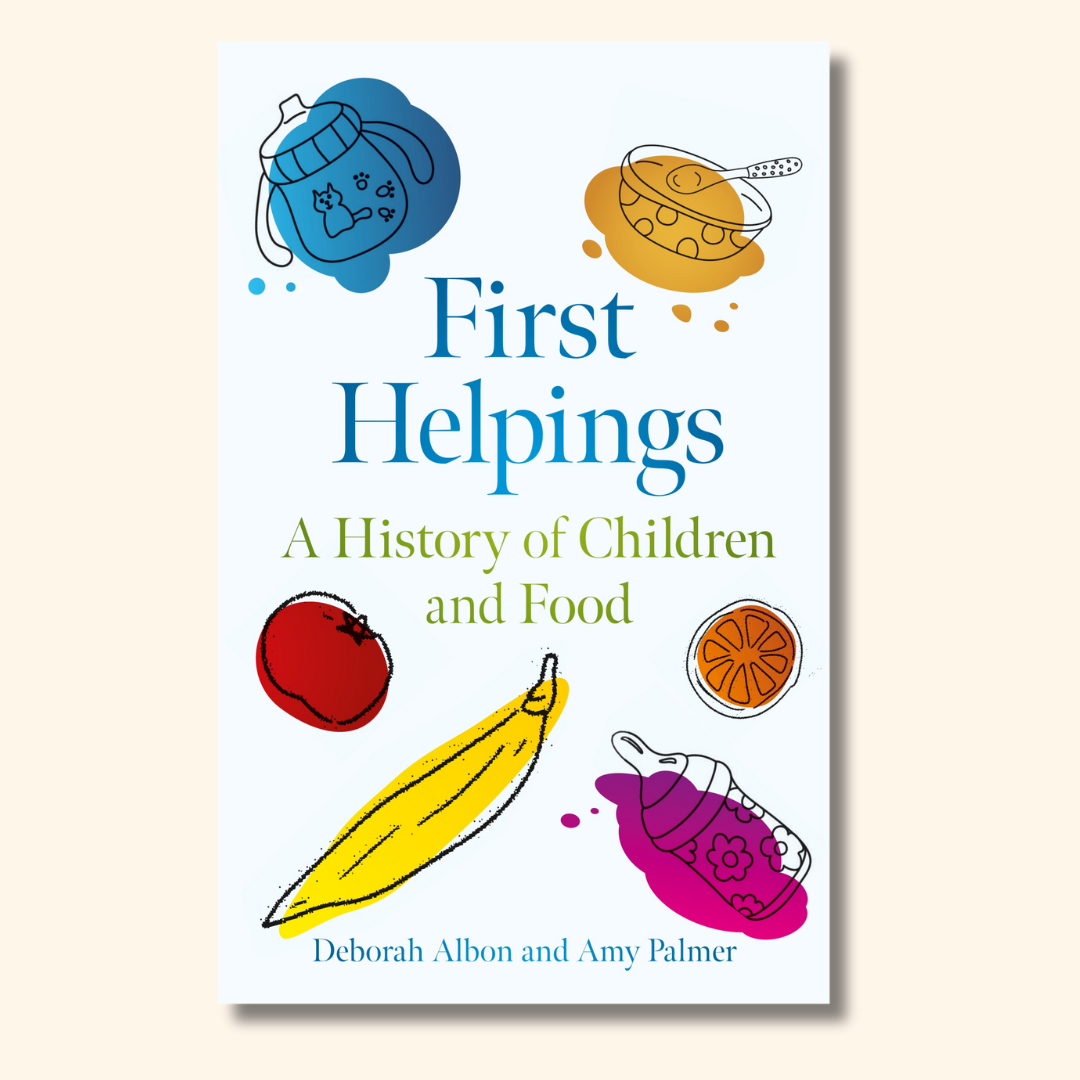
Welcome back to The British Food History Podcast. Today I am talking with Deborah Alben and Amy Palmer about the history of children’s food. Deborah Albon is a former early years professional and Amy Palmer is a former infant teacher, and both are lecturers at the University of Roehampton, London. They have written a book called First Helpings: A History of Children’s Food. It’s comprehensive, well-researched and an entertaining read. I recommend it.
From L to R: Deborah Albon, the cover of First Helpings, and Amy Palmer
We talk about the early years: the changing ideas about breastfeeding and wet nurses, the Victorian moralistic ideas surrounding withholding food, weaning the kids on wine and turtle doves, and children’s birthday parties, amongst many other things.
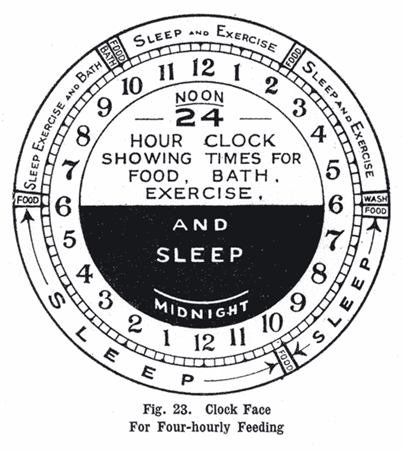
Those listening to the secret podcast get 20 minutes of bonus material where we discuss in more depth Deborah and Amy’s approach to writing the book, breastmilk alternatives, including the changing advice with respect to formula milk, creepy feeding schedules plus more.
The British Food History Podcast is available on all podcast apps. Alternatively, you can stream it via this Spotify embed:
Season 10 of the podcast is sponsored by Netherton Foundry, makers of high-quality kitchen and outdoor cookware. Netherton Foundry ships to several countries outside of the UK, including the USA and Canada. Visit www.netherton-foundry.co.uk to find out more about their wonderful products – approved not just by me but by folk such as Tom Parker-Bowles, Diana Henry and Nigella Lawson.
The mixing and sound engineering was by Thomas Ntinas of The Delicious Legacy podcast
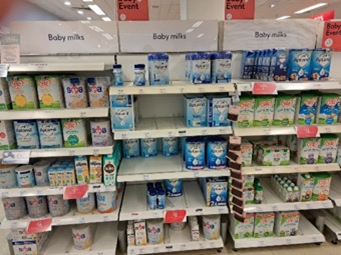
Two topics in the secret podcast are feeding schedules and baby formula
If you can, support the podcast and blogs by becoming a £3 monthly subscriber, and unlock lots of premium content, including bonus blog posts and recipes, access to the easter eggs and the secret podcast, or treat me to a one-off virtual pint or coffee: click here.
Don’t forget, there will be postbag episodes in the future, so if you have any questions or queries about today’s episode, or indeed any episode, or have a question about the history of British food please email me at neil@britishfoodhistory.com, or leave a comment here.
Welcome back to The British Food History Podcast. In this episode, I am speaking with Peter Ross. Peter was, until recently, the Principal Librarian at the City of London’s Guildhall Library. He is an historian of both food and crime in Georgian London, an Arts Society lecturer, and a Fellow of the Society of Antiquaries.
He has also written a fantastic book called Insatiable Appetites, Eating Out in Georgian London, published by the Bodleian Library. Published 14 May 2026.
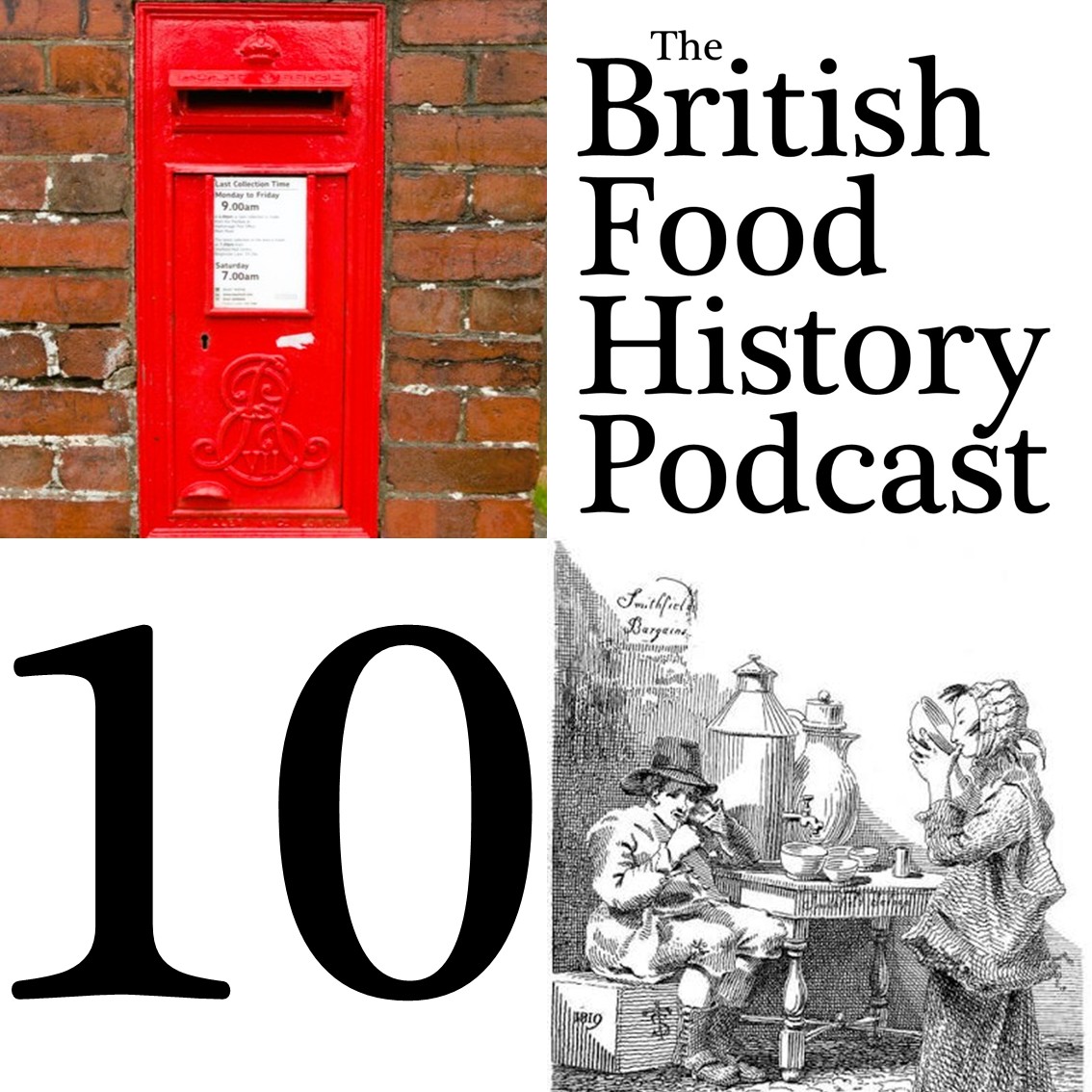
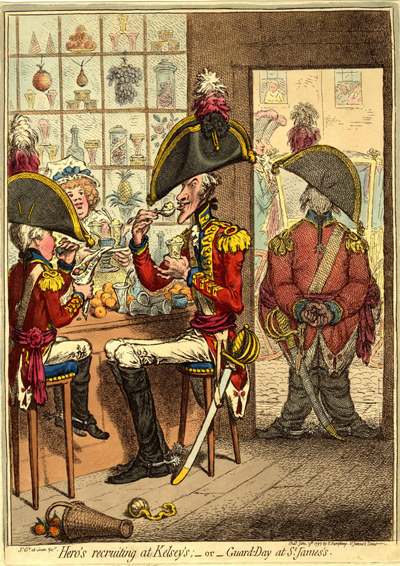
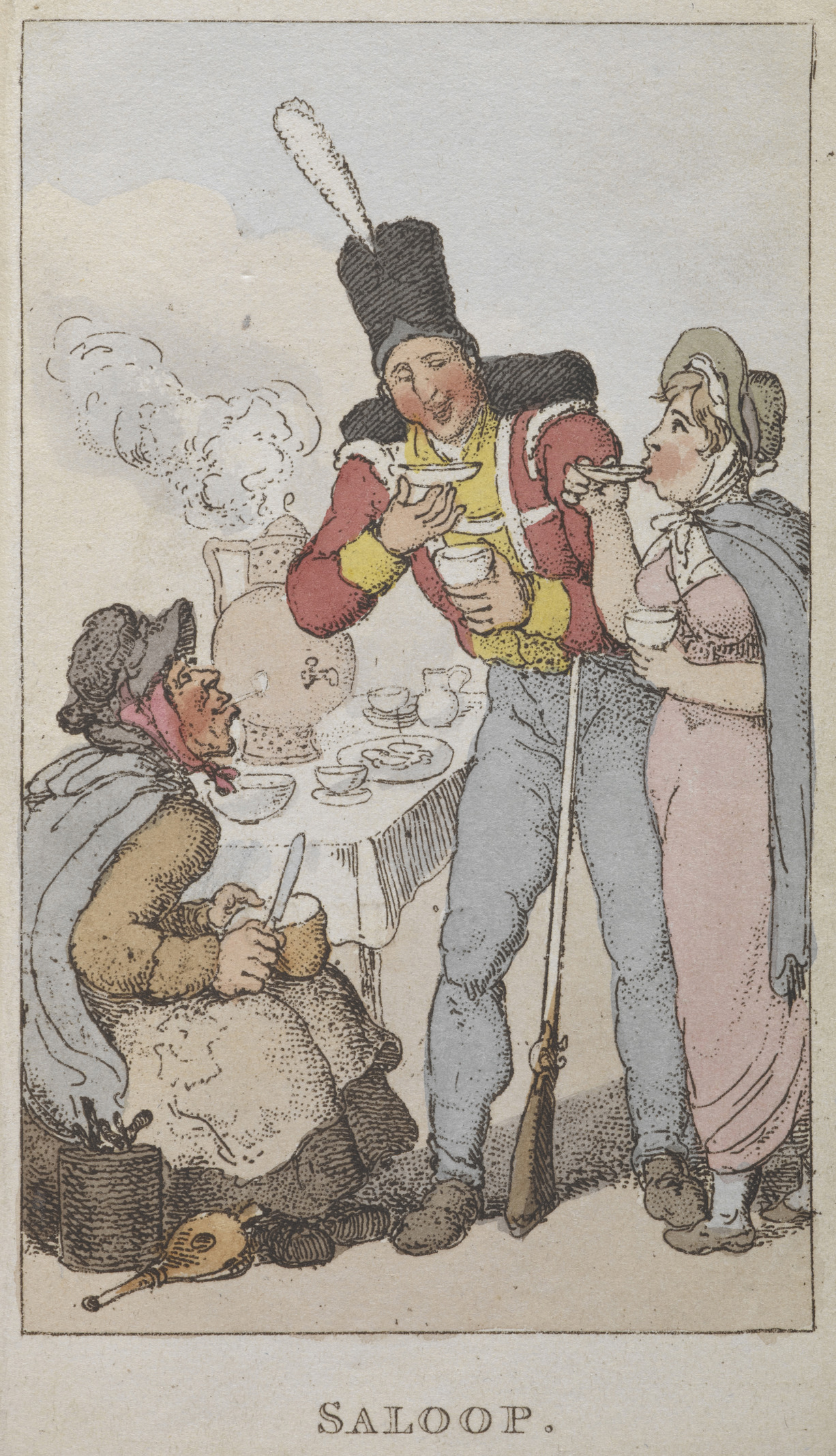
We talk about the migrating mealtimes of the Georgian period, chophouses, the importance of satirical cartoons when studying food history in this period, turtle soup, and why you wouldn’t want to be seen hanging around the saloop stand – amongst many other things.
Those listening to the secret podcast get some top drawer bonus material where we discuss what Georgian chocolate was really like, and the beautiful and amazing Vauxhall gardens + more.
The British Food History Podcast is available on all podcast apps, but you can also stream it via this Spotify embed:
Season 10 of the podcast is sponsored by Netherton Foundry, makers of high-quality kitchen and outdoor cookware. Netherton Foundry ships to several countries outside of the UK, including the USA and Canada. Visit www.netherton-foundry.co.uk to find out more about their wonderful products – approved not just by me but by folk such as Tom Parker-Bowles, Diana Henry and Nigella Lawson.
If you can, support the podcast and blogs by becoming a £3 monthly subscriber, and unlock lots of premium content, including bonus blog posts and recipes, access to the easter eggs and the secret podcast, or treat me to a one-off virtual pint or coffee: click here.
The James Gilray cartoon discussed in today’s episode
Don’t forget, there will be postbag episodes in the future, so if you have any questions or queries about today’s episode, or indeed any episode, or have a question about the history of British food please email me at neil@britishfoodhistory.com, or leave a comment below.
Welcome back to the British Food History Podcast. In this episode of the podcast, I am speaking with fish and seafood cookery expert CJ Jackson, author of The Great British Seafood Revival, published by Merlin Unwin
We talk about cod alternatives like coley and hake; the loss of the street fishmonger; sustainability; fish farms, and whether they are a good thing; the future of Billingsgate Market; and my old fear of bivalves, amongst many other things.
The British Food History Podcast is available to download on all podcast apps. Alternatively, stream it via this Spotify embed:
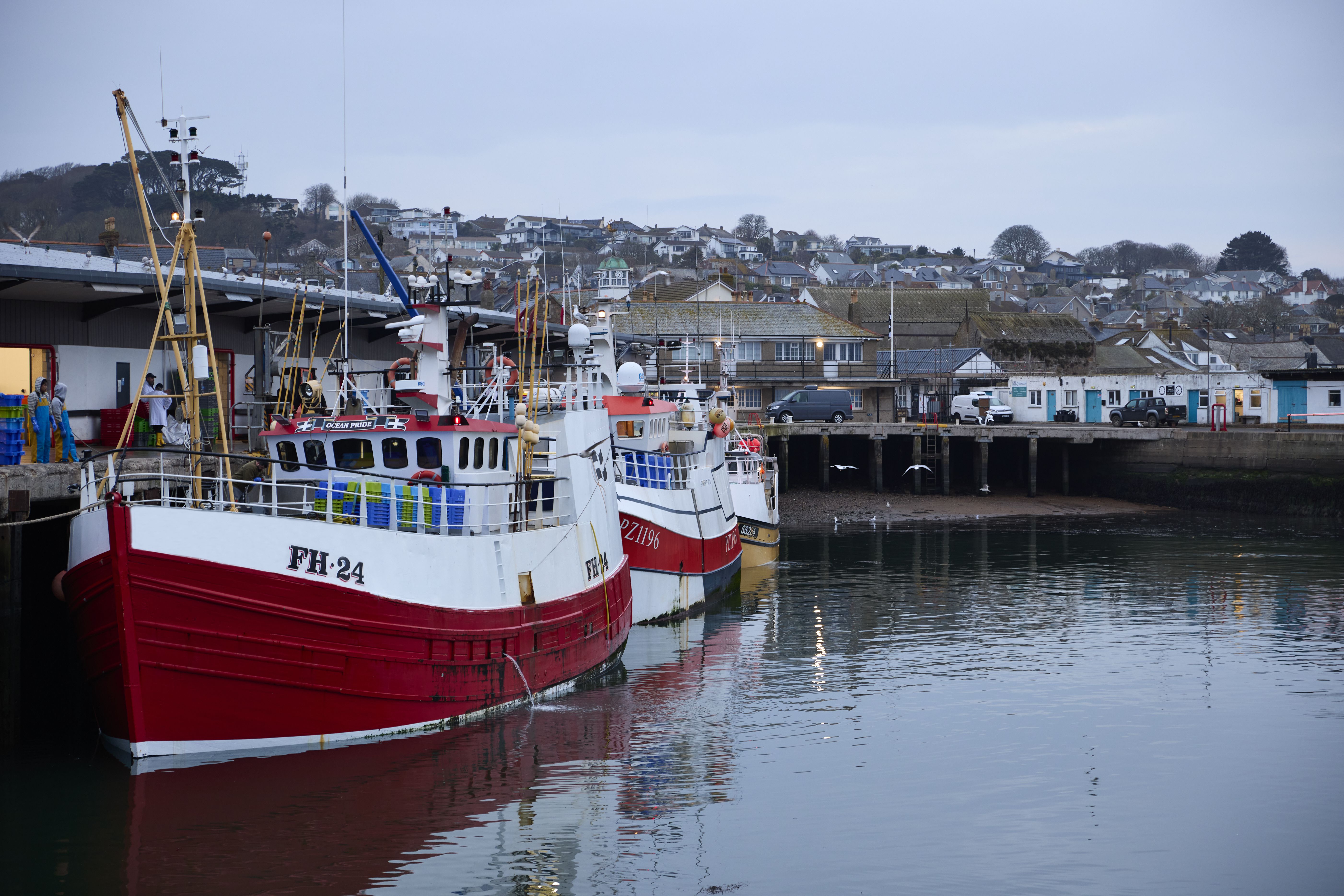
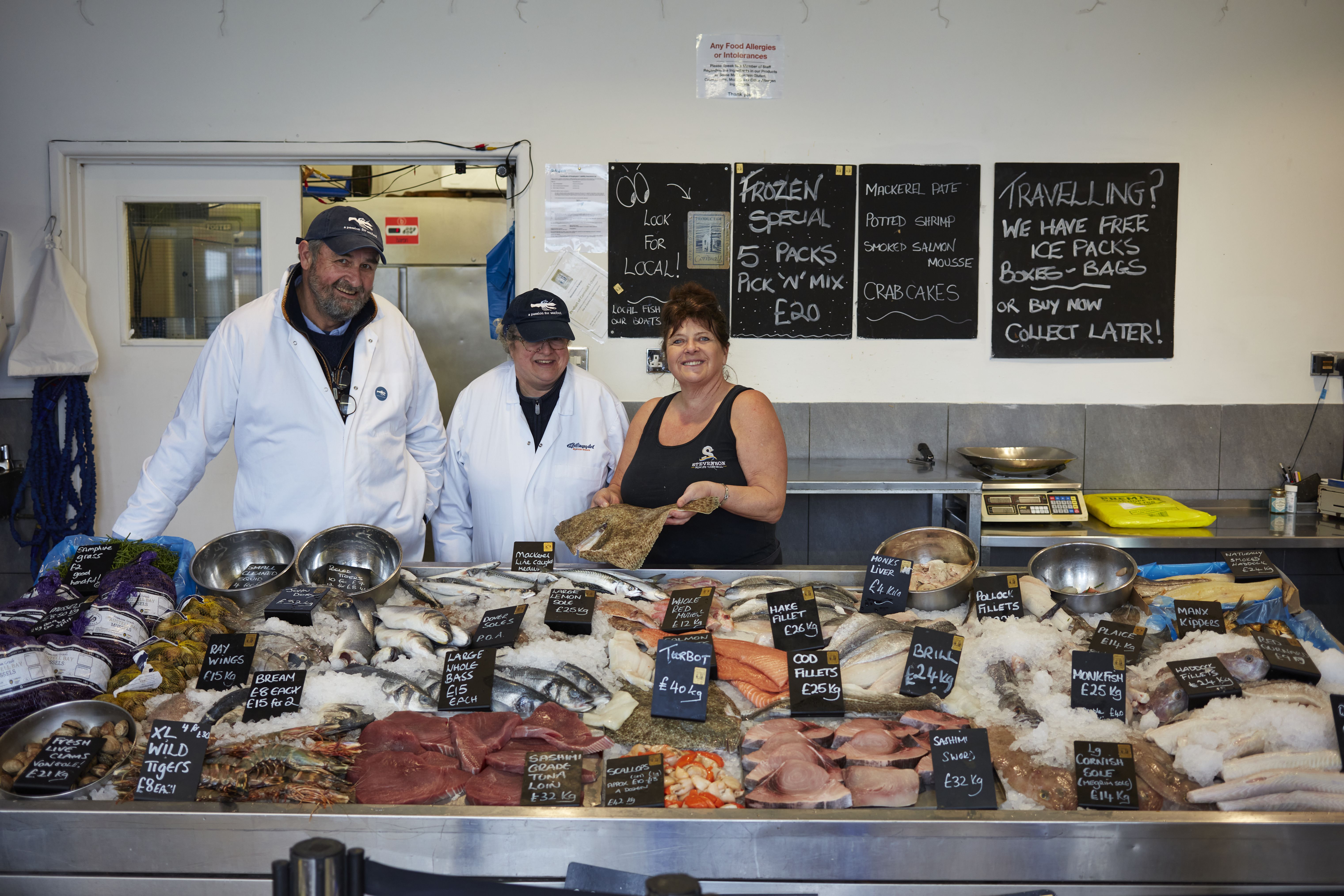
Just a couple of the many fantastic images from The Great British Seafood Revival
Those listening to the secret podcast get to hear about the popularity of seaweed and disco scallops!
Season 10 of the podcast is sponsored by Netherton Foundry, makers of high-quality kitchen and outdoor cookware. Netherton Foundry ships to several countries outside of the UK, including the USA and Canada. Visit www.netherton-foundry.co.uk to find out more about their wonderful products – approved not just by me but by folk such as Tom Parker-Bowles, Diana Henry and Nigella Lawson.
If you can, support the podcast and blogs by becoming a £3 monthly subscriber, and unlock lots of premium content, including bonus blog posts and recipes, access to the easter eggs and the secret podcast, or treat me to a one-off virtual pint or coffee: click here.
Things mentioned in today’s episode
Follow Billingsgate Seafood School on Instagram @theseafoodschool
Don’t forget, there will be postbag episodes in the future, so if you have any questions or queries about today’s episode, or indeed any episode, or have a question about the history of British food, please email me at neil@britishfoodhistory.com, or leave a comment on this post.