Read more of this content when you subscribe today and unlock lots of premium content, including the secret podcast, bonus blog posts (such as this one) and recipes, my Easter eggs and a monthly newsletter. Please click here for more information.
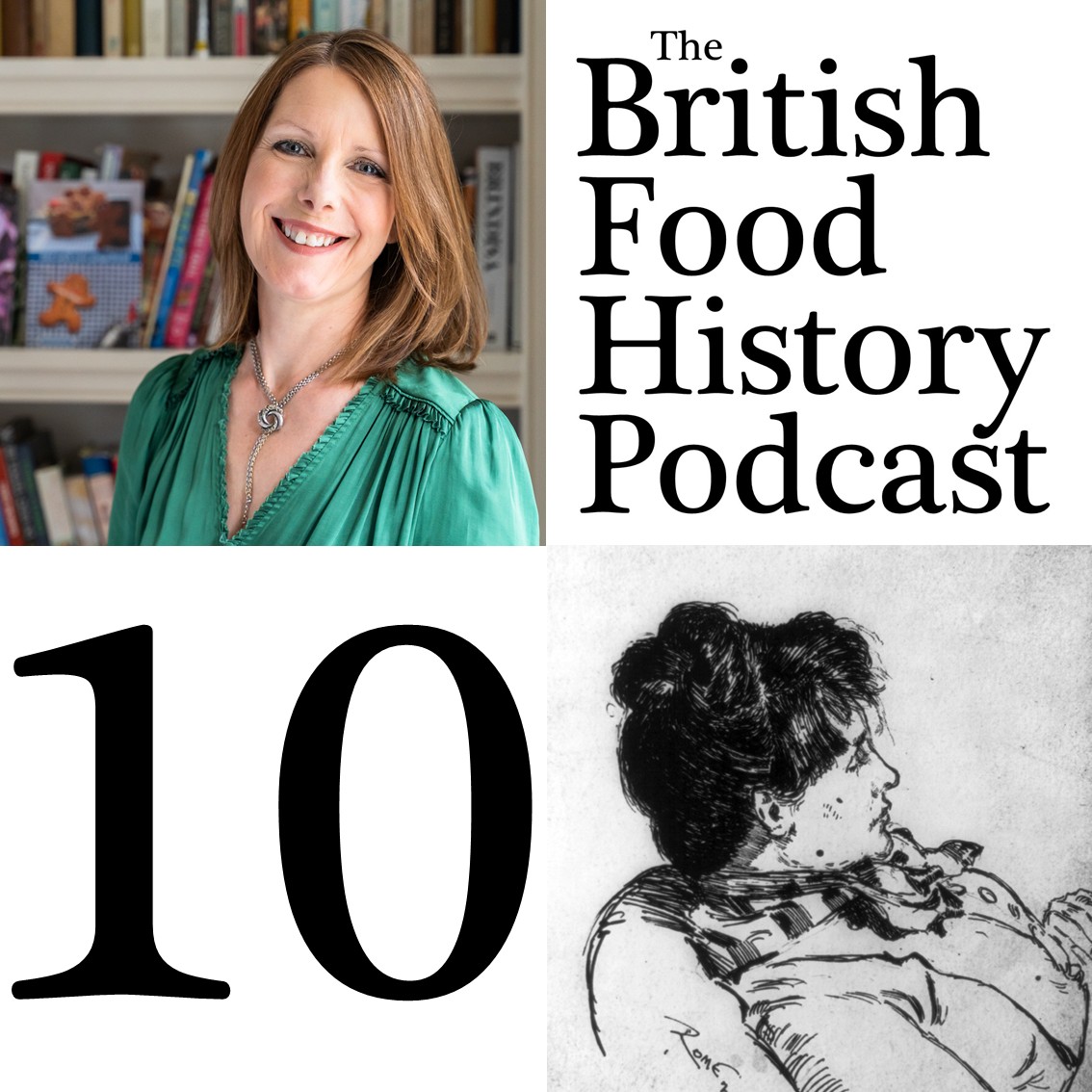
Welcome to this special bonus episode of The British Food History Podcast. I always make an extra episode for my monthly £3 subscribers. I wanted to make an episode where I talk with another food historian about a book. I asked Sam Bilton and she chose The Feasts of Autolycus: The Diary of a Greedy Woman by Elizabeth Robins Pennell (1899). An author I was not familiar with – and I really enjoyed reading the book and having this discussion.
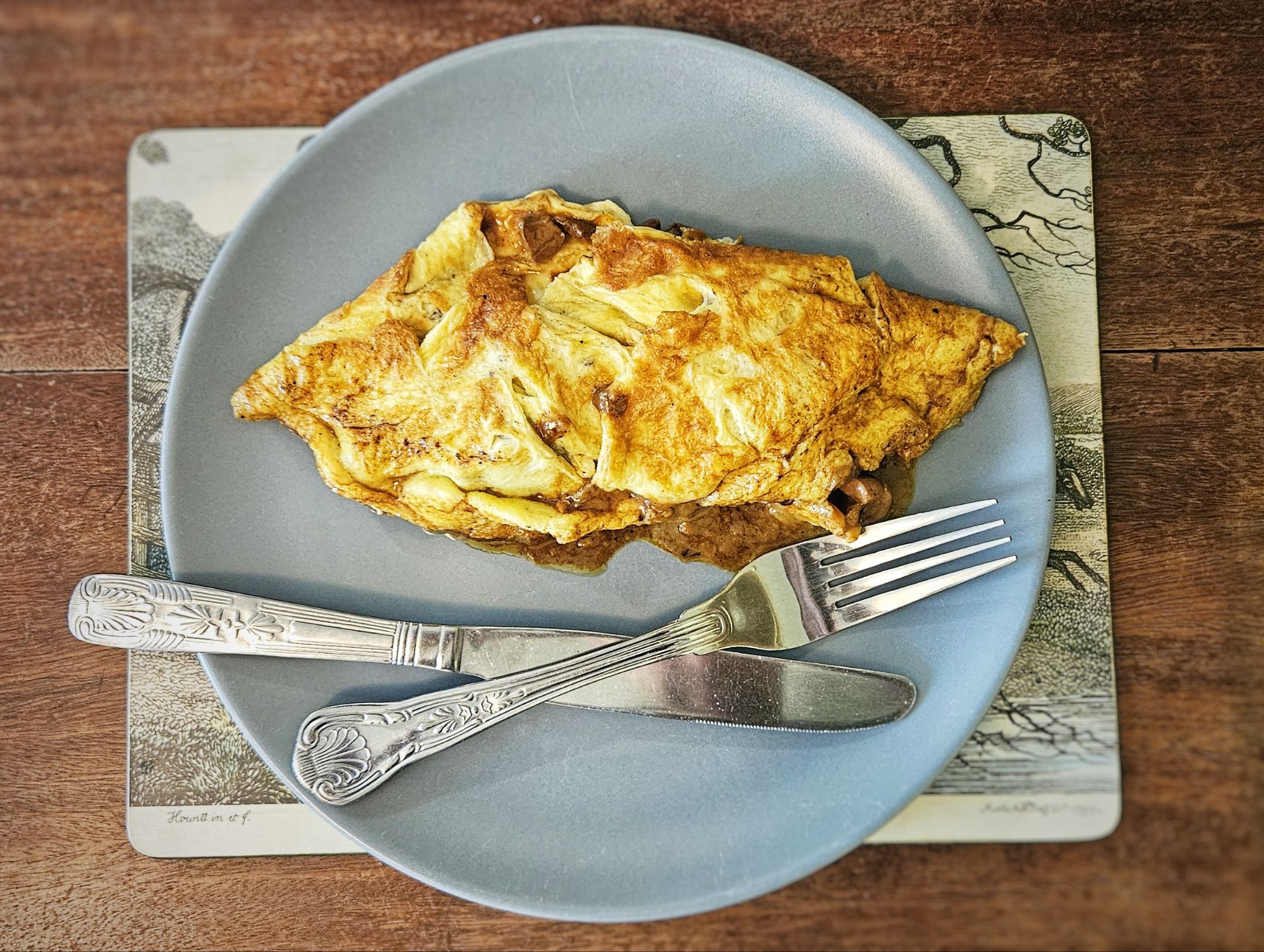
We talk about Elizabeth Robins Pennell and how Sam discovered her, the expectations of women and greediness in the late Victorian period, food and morality, Camp coffee, stirring savouries, magnificent mushrooms, and kidneys – lots and lots of kidneys.
Subscribe to get access
Read more of this content when you subscribe today and unlock lots of premium content, including the secret podcast, bonus blog posts and recipes, my Easter eggs and a monthly newsletter. Please click here for more information.
In this week’s episode I am speaking with Adam Crymble and Rachel Rich about a really exciting piece of research looking at the complexities of feeding the households of King George III and his eldest son George who was Prince Regent whilst George III suffered from his “madness”, and eventually succeeded him as George IV. The focus of the research is the ledgers that still exist, listing the ingredients ordered, foods that were prepared and the people who ate them. Over 40,000 dishes were counted.
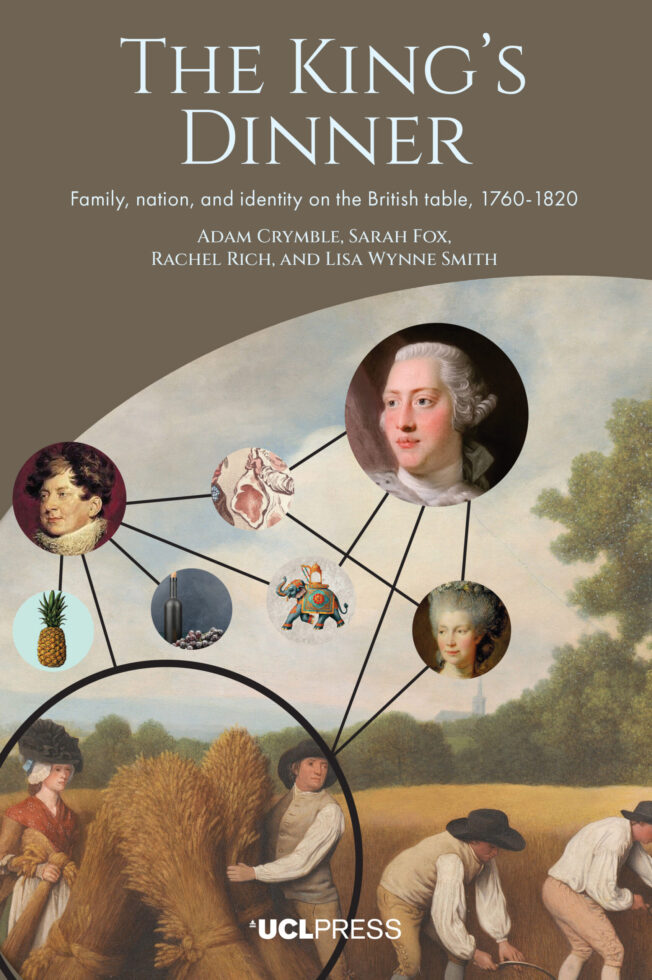
They have analysed the ledgers from two royal palaces – George III’s Kew Palace and the Prince Regent’s Carlton House – with two other food historians Sarah Fox and Lisa Smith, and assimilated them to produce a book called The King’s Dinner: Family, nation, and identity on the British table, 1760-1820, which was published by UCL Press on 11 June 2026. The book is available from wherever you buy your books, but it is also available open access as a free PDF. So is the data they used in their analysis.
From left to right: Co-author Adam Crymble, the cover of The King’s Dinner, co-author Rachel Rich
We talk about the differing characters of the two Georges and how these were expressed in the foods they ate, Georgian food identity, the concept of oeconomy, the exotic food cultures NOT appearing on royal dinner tables, French cuisine and famous French chef Careme’s tenure in the Prince Regent’s kitchens, as well as their fruit and veg suppliers, one of whom was called Savage Bear, amongst many other things
Those listening to the secret podcast get some bonus material where we discuss the upper servant’s fancy foods, the huge amounts of meat consumed, and the politics of wine.
The British Food History Podcast is available on all podcast apps, but you can also listen to it via this Spotify embed:
Follow Rachel Rich on social media: @drrachelrich (Insta)
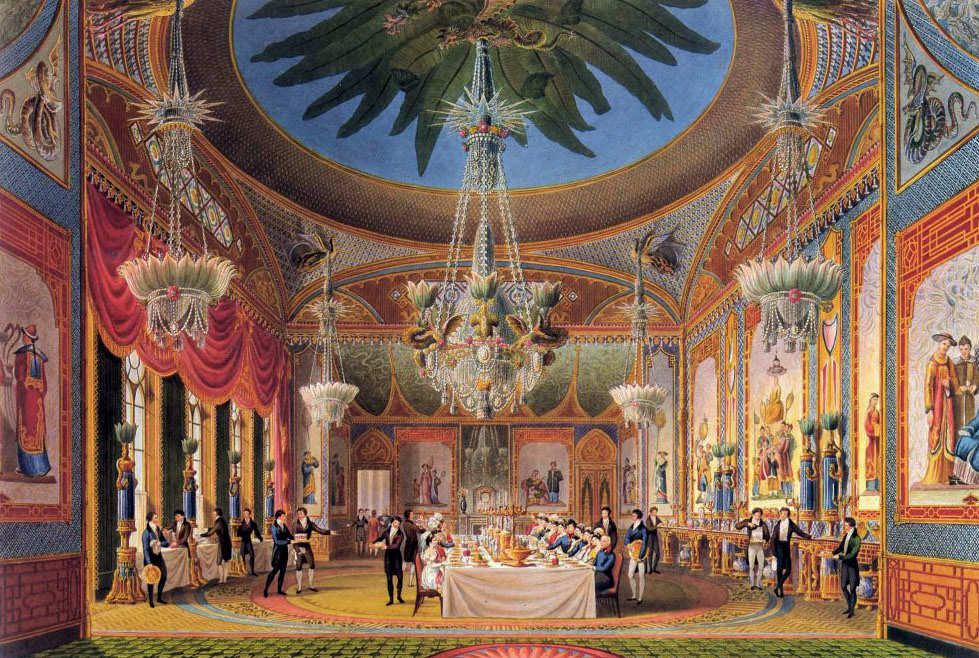
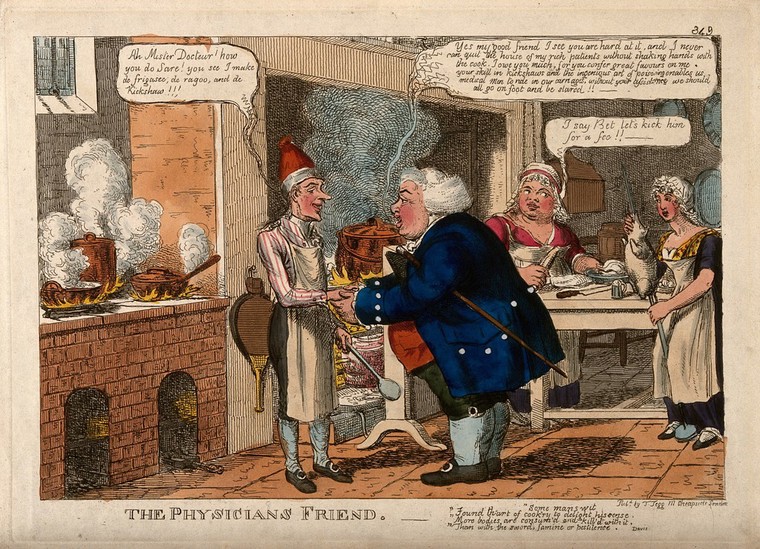
The Brighton Banqueting Room (L); and a satirical cartoon of a doctor thanking a French chef for making his patients (customers!) so unhealthy.
Season 10 of the podcast is sponsored by Netherton Foundry, makers of high-quality kitchen and outdoor cookware. Netherton Foundry ships to several countries outside of the UK, including the USA and Canada. Visit www.netherton-foundry.co.uk to find out more about their wonderful products – approved not just by me but by folk such as Tom Parker-Bowles, Diana Henry and Nigella Lawson.
The mixing and sound engineering were done by Thomas Ntinas of The Delicious Legacy podcast
If you can, support the podcast and blogs by becoming a £3 monthly subscriber, and unlock lots of premium content, including bonus blog posts and recipes, access to the easter eggs and the secret podcast, or treat me to a one-off virtual pint or coffee: click here.
Don’t forget, there will be postbag episodes in the future, so if you have any questions or queries about today’s episode, or indeed any episode, or have a question about the history of British food please email me at neil@britishfoodhistory.com, or leave a comment.
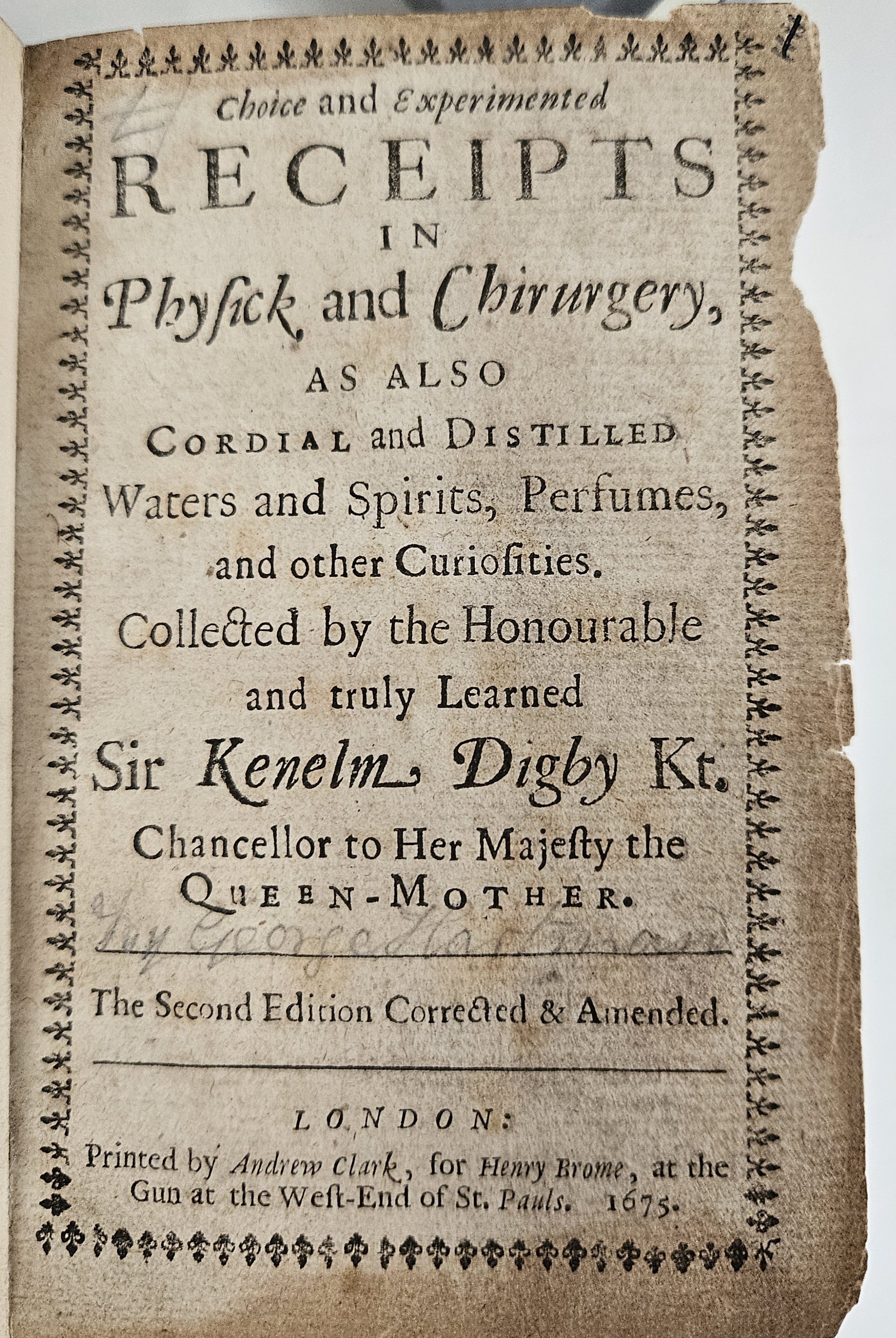
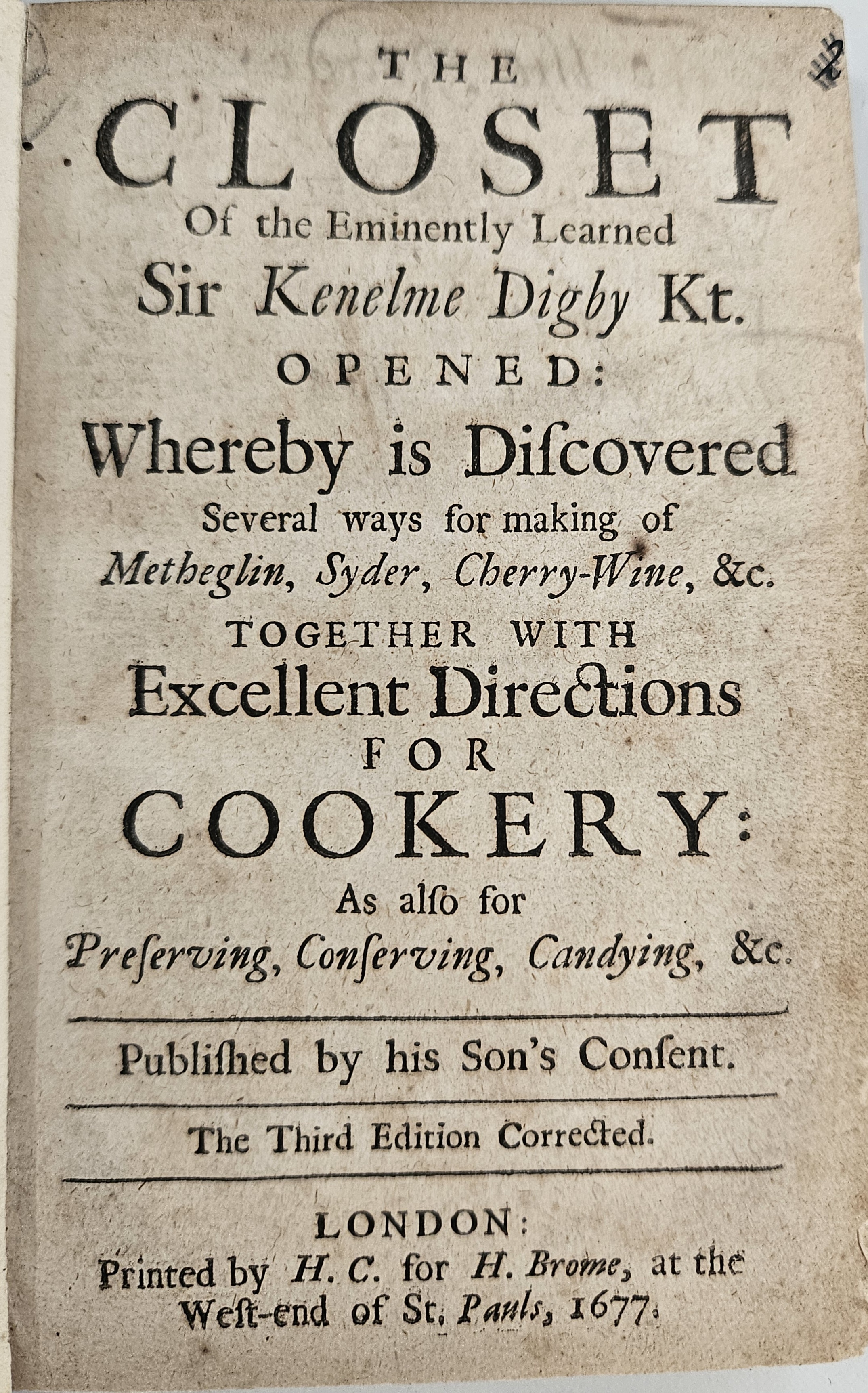
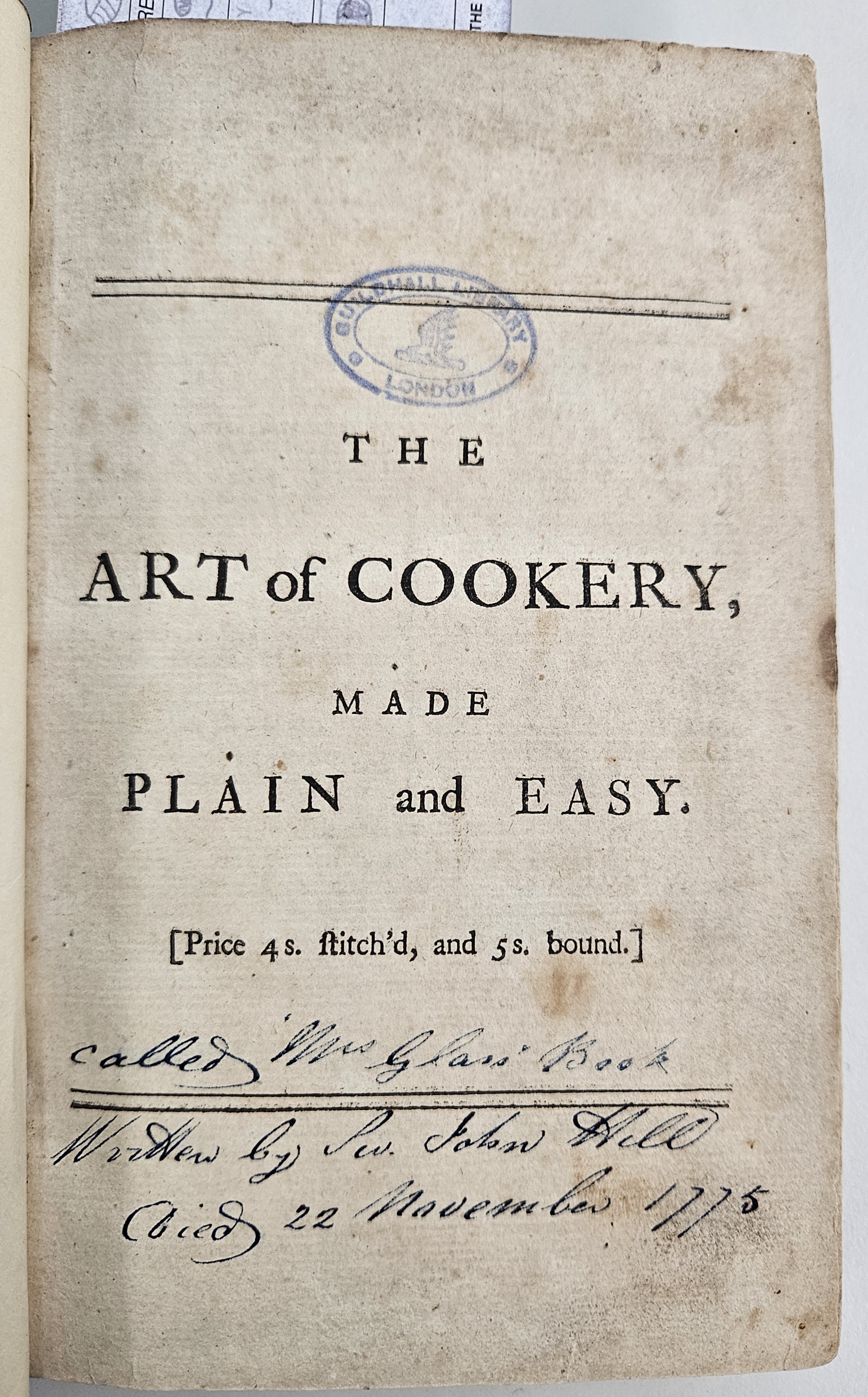
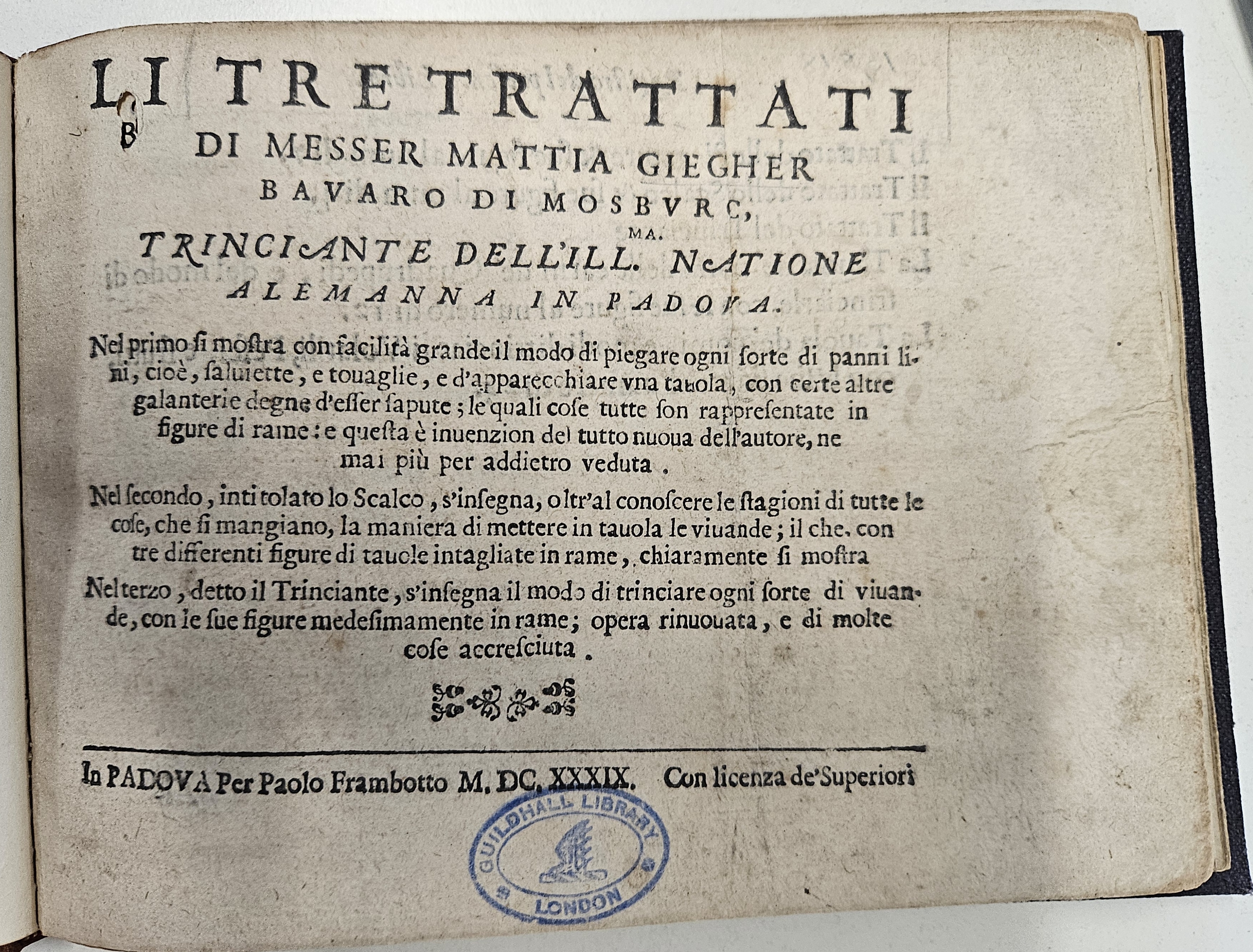
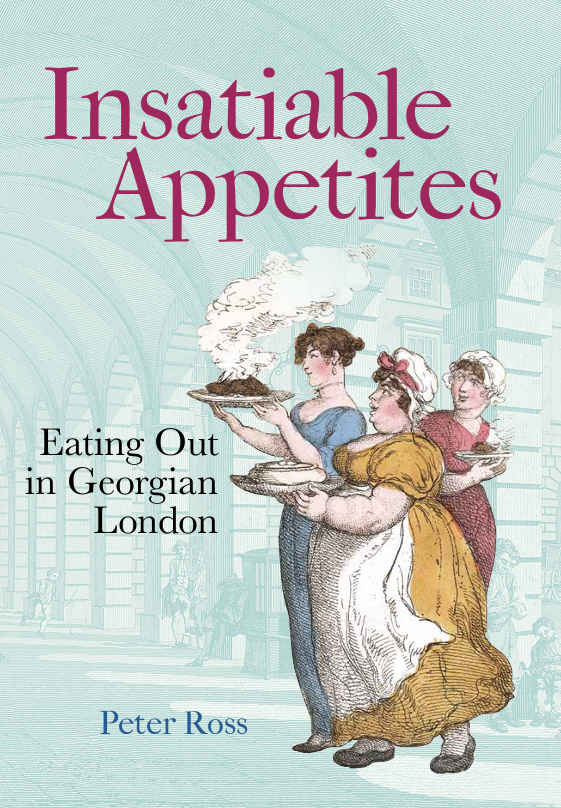
Today I am talking with returning guest Peter Ross who was, until recently, the Principal Librarian at the City of London’s Guildhall Library. His fantastic book called Insatiable Appetites, Eating Out in Georgian London, published by the Bodleian Library, was published last month, May 2026. Today we are talking about the collections in the Guildhall Library, which is a staggering 600 years old.
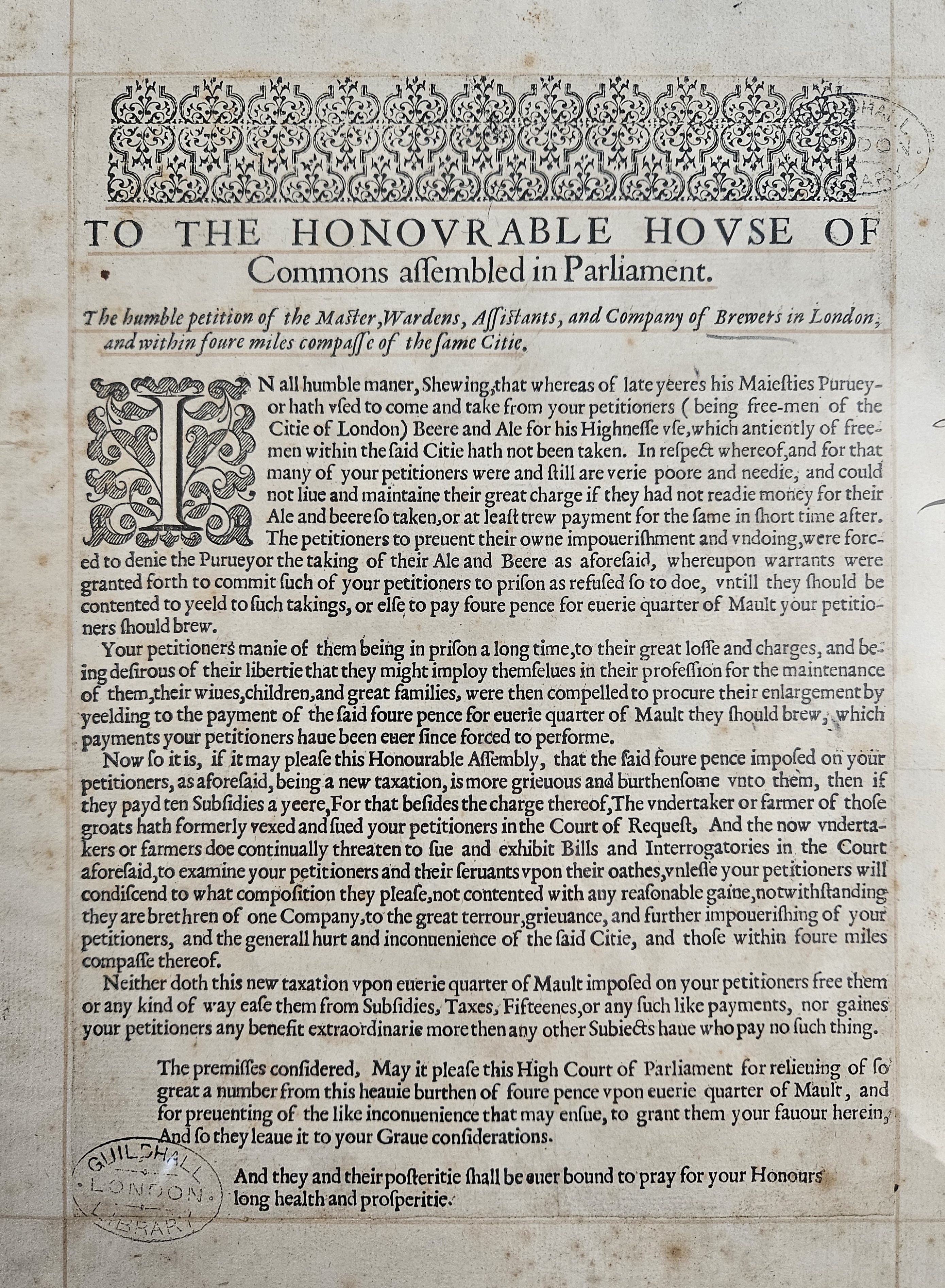
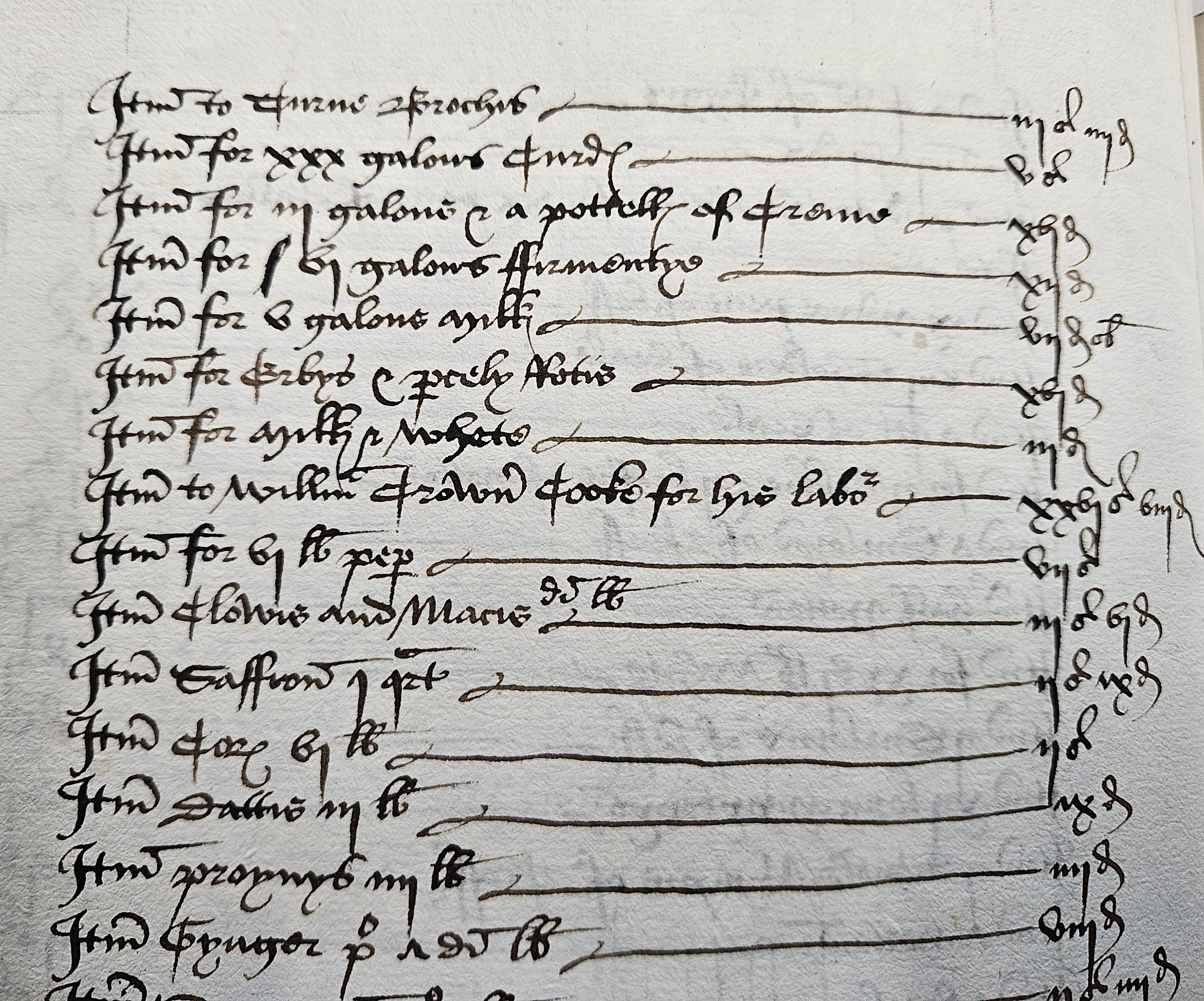
The broadsheet by the Company of Brewers discussed in the secret podcast (L) and a list of foods from the Company of Grocers accounts (R)
We talk about the history of the library and how it got some of its collections such as the Elizabeth David collection, but also some of the lesser known ones such as the Robert Miller collection, the splendiferous feast put on for James I by the Merchant Tailors, the importance of the author’s voice when it comes to writing popular cookery books, Hannah Glasse’s sauerkraut, and Elizabeth David’s Fanny Cradock avoidance techniques, amongst many other things.
Those listening to the secret podcast get some bonus material where we discuss the Hannah Glasse recipes that don’t work, the Worshipful Company of Brewers, poisonous pears in pewter pots and more.
The British Food History Podcast is available to follow and download on all podcast apps. Alternatively, you can listen to this episode via this Spotify embed:
Season 10 of the podcast is sponsored by Netherton Foundry, makers of high-quality kitchen and outdoor cookware. Netherton Foundry ships to several countries outside of the UK, including the USA and Canada. Visit www.netherton-foundry.co.uk to find out more about their wonderful products – approved not just by me but by folk such as Tom Parker-Bowles, Diana Henry and Nigella Lawson.
The mixing and sound engineering were done by Thomas Ntinas of The Delicious Legacy podcast
If you can, support the podcast and blogs by becoming a £3 monthly subscriber, and unlock lots of premium content, including bonus blog posts and recipes, access to the easter eggs and the secret podcast, or treat me to a one-off virtual pint or coffee: click here.
Don’t forget, there will be postbag episodes in the future, so if you have any questions or queries about today’s episode, or indeed any episode, or have a question about the history of British food please email me at neil@britishfoodhistory.com, or leave a comment.
Welcome back to The British Food History Podcast. In this episode, I am speaking with Peter Ross. Peter was, until recently, the Principal Librarian at the City of London’s Guildhall Library. He is an historian of both food and crime in Georgian London, an Arts Society lecturer, and a Fellow of the Society of Antiquaries.
He has also written a fantastic book called Insatiable Appetites, Eating Out in Georgian London, published by the Bodleian Library. Published 14 May 2026.
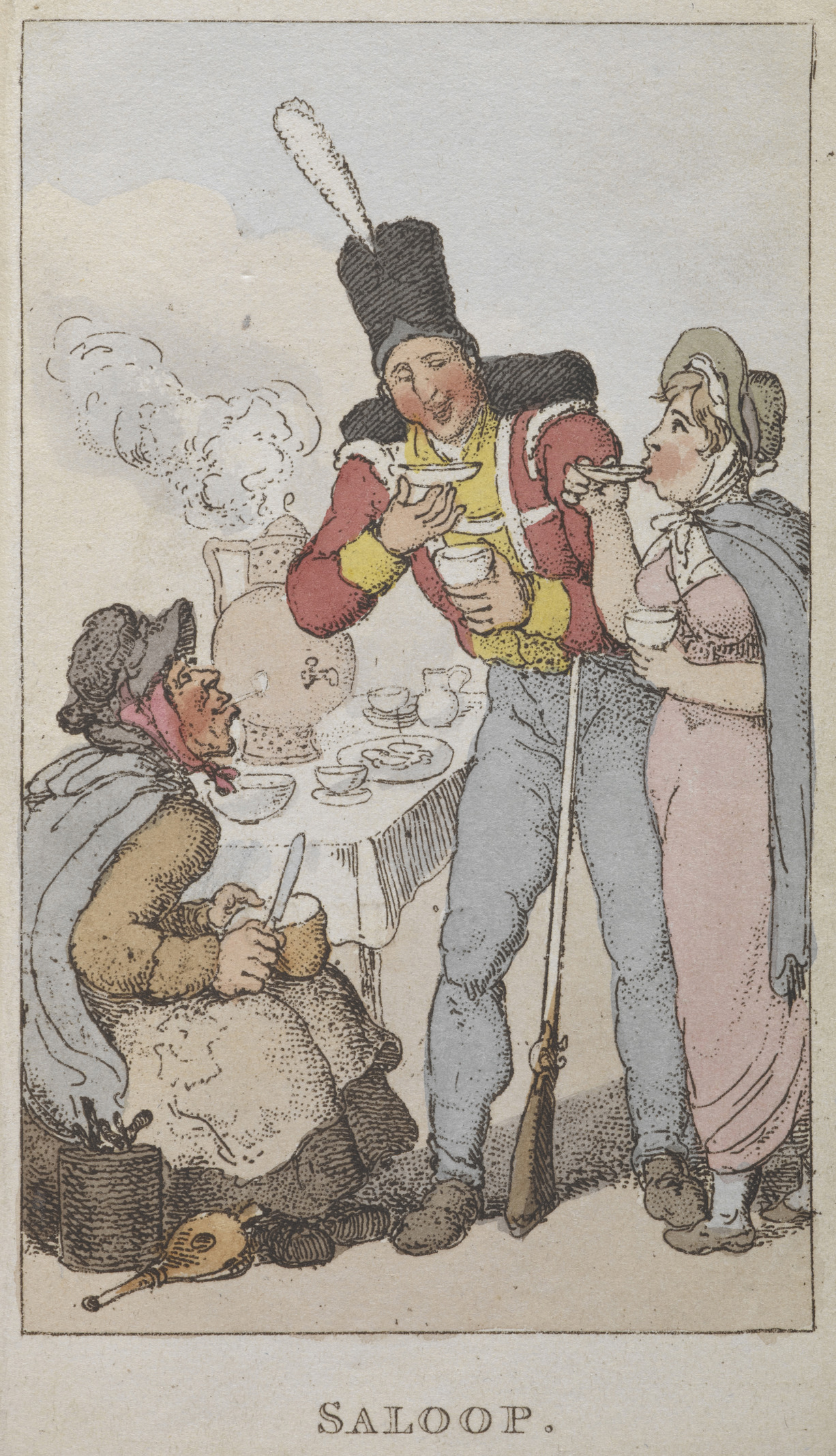
We talk about the migrating mealtimes of the Georgian period, chophouses, the importance of satirical cartoons when studying food history in this period, turtle soup, and why you wouldn’t want to be seen hanging around the saloop stand – amongst many other things.
Those listening to the secret podcast get some top drawer bonus material where we discuss what Georgian chocolate was really like, and the beautiful and amazing Vauxhall gardens + more.
The British Food History Podcast is available on all podcast apps, but you can also stream it via this Spotify embed:
Season 10 of the podcast is sponsored by Netherton Foundry, makers of high-quality kitchen and outdoor cookware. Netherton Foundry ships to several countries outside of the UK, including the USA and Canada. Visit www.netherton-foundry.co.uk to find out more about their wonderful products – approved not just by me but by folk such as Tom Parker-Bowles, Diana Henry and Nigella Lawson.
If you can, support the podcast and blogs by becoming a £3 monthly subscriber, and unlock lots of premium content, including bonus blog posts and recipes, access to the easter eggs and the secret podcast, or treat me to a one-off virtual pint or coffee: click here.
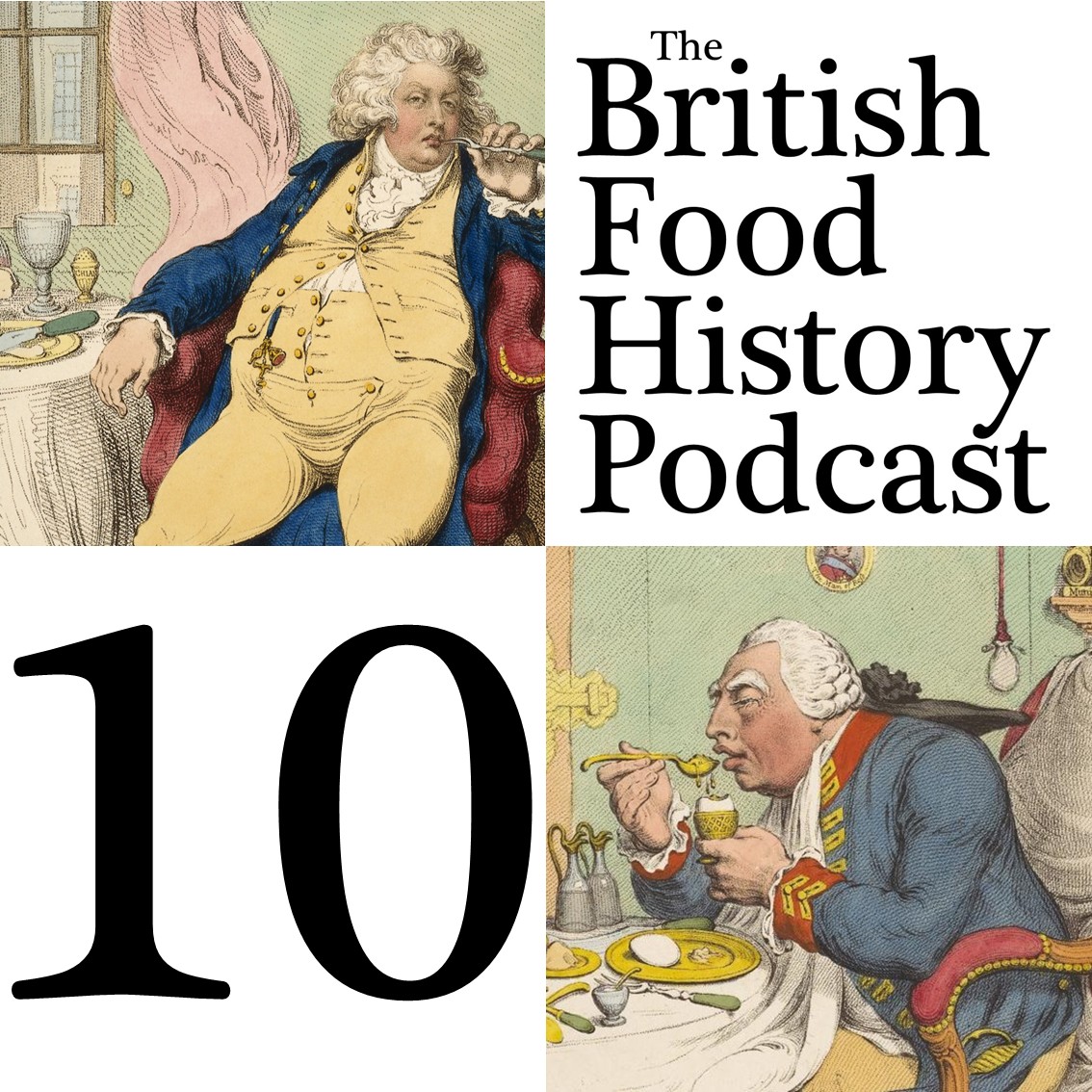
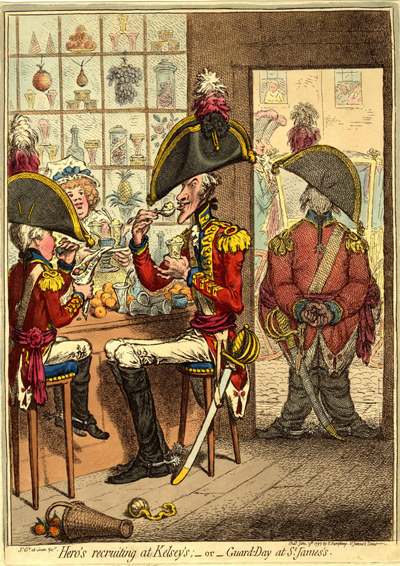
The James Gilray cartoon discussed in today’s episode
Don’t forget, there will be postbag episodes in the future, so if you have any questions or queries about today’s episode, or indeed any episode, or have a question about the history of British food please email me at neil@britishfoodhistory.com, or leave a comment below.
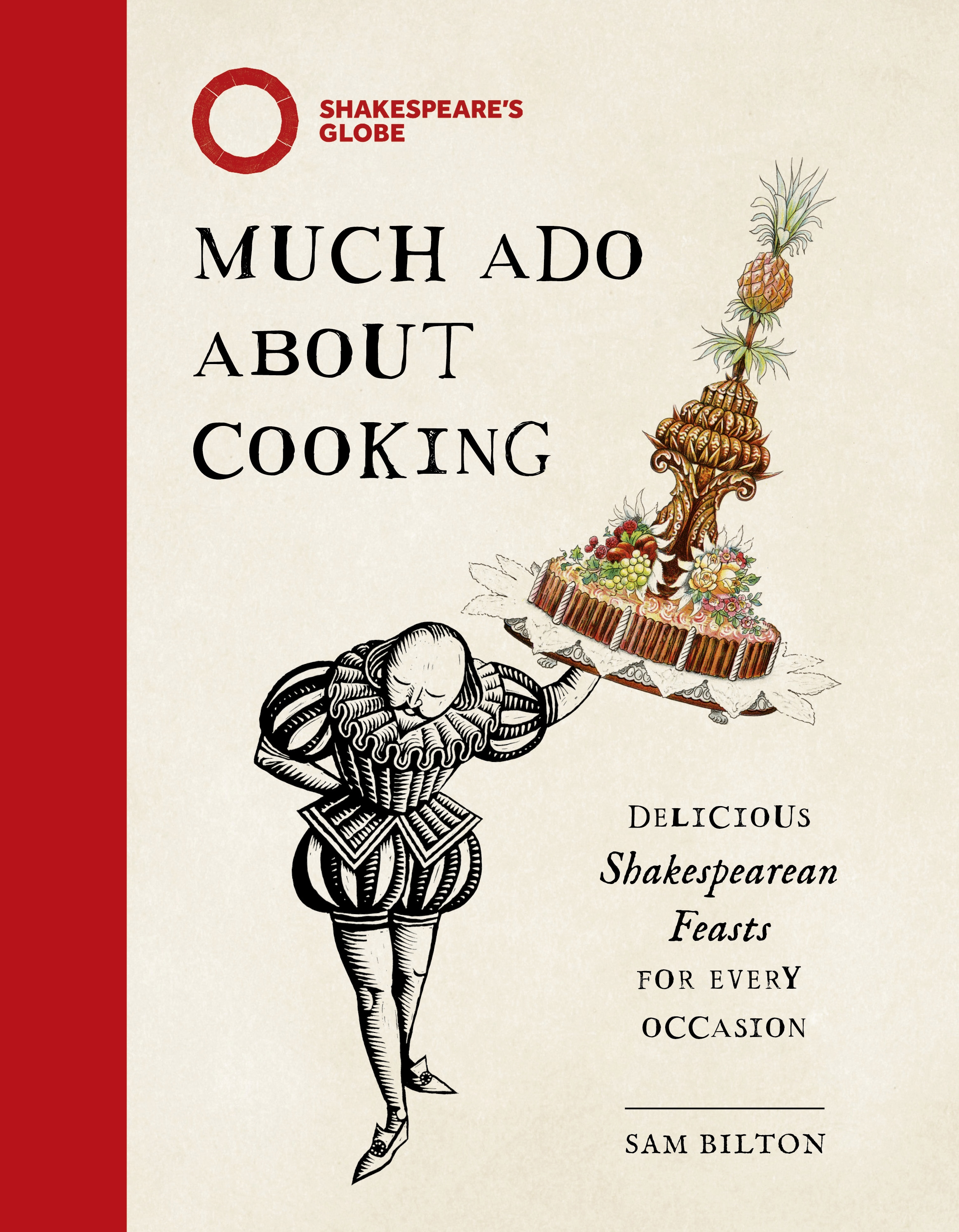
My guest on The British Food History Podcast today is food historian and friend of the show Sam Bilton, podcaster and author of Much Ado About Cooking Delicious Shakespearean Feasts for Every Occasion, published by Headline and commissioned by Shakespeare’s Globe.
It was, of course, a great opportunity to talk about the food of Shakespearean England as well as the food and drink references in Shakespeare’s plays, and what they meant to those watching the plays at the time they were first performed.
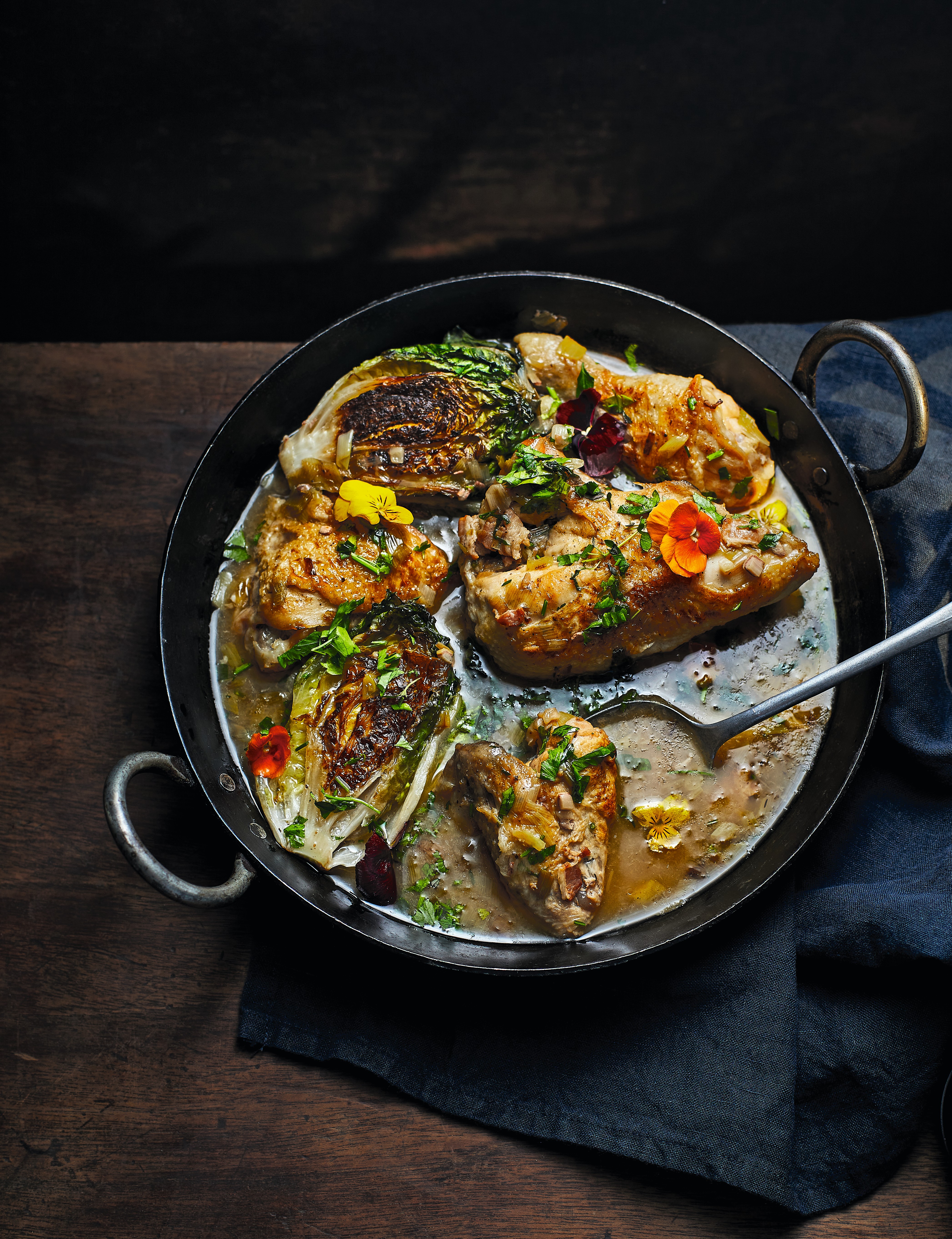
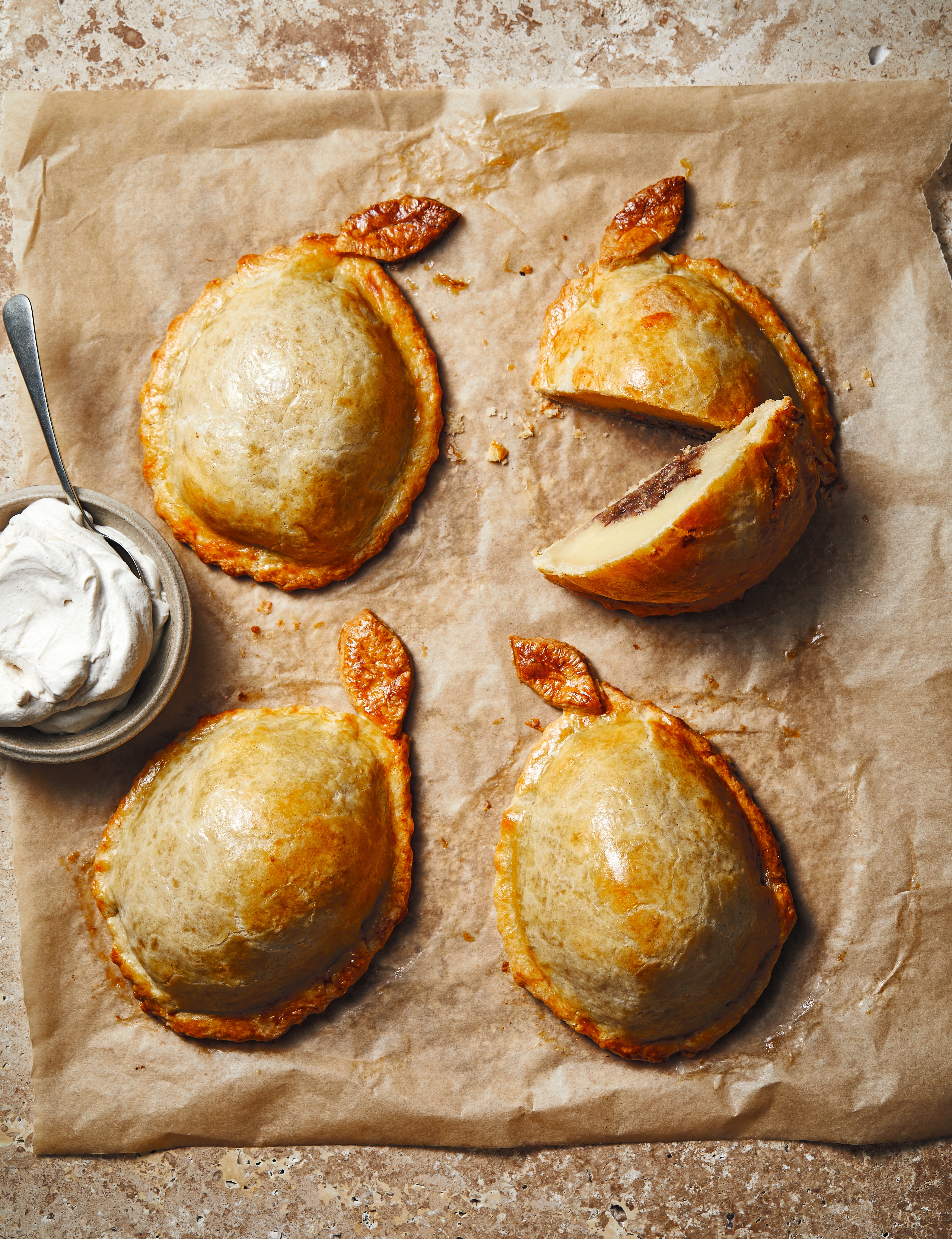
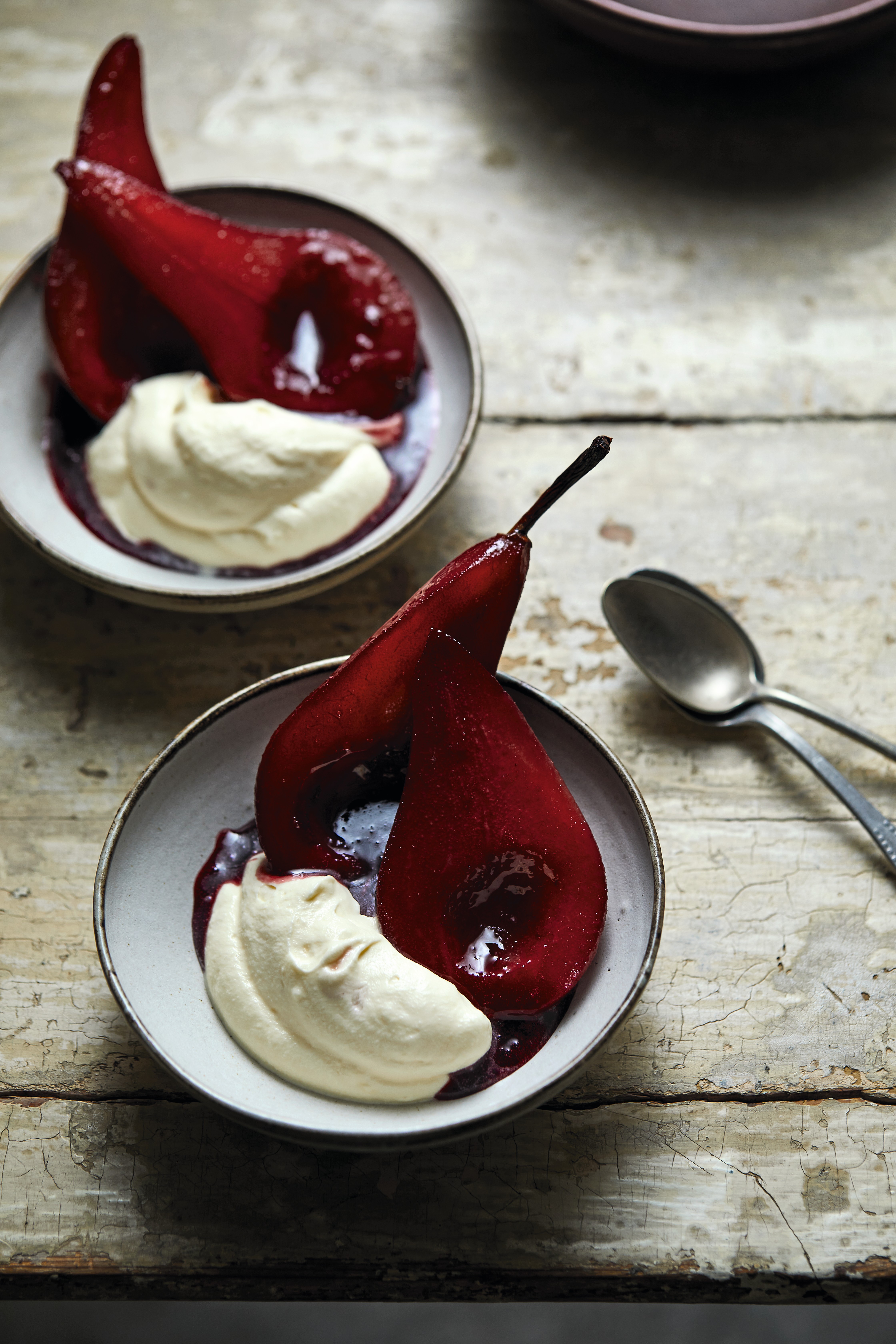
A small selection of the wonderful photography from Sam’s book
We talked about lots of cookery manuscripts, the importance of keeping historical recipes relevant, capons, Early Modern bread and greedy Falstaff’s sack, amongst many other things.
The British Food History Podcast is available on all apps, or stream it here:
Those listening to the secret podcast can hear about horrible, sweet spinach tarts, Early Modern cakes, possets and more!
Remember: Fruit Pig are sponsoring the 9th season of the podcast. Visit their website www.fruitpig.co.uk to learn more about them, their journey, to find your local stockist and access their online shop.
If you can, support the podcast and blogs by becoming a £3 monthly subscriber, and unlock lots of premium content, including bonus blog posts and recipes, access to the easter eggs and the secret podcast, or treat me to a one-off virtual pint or coffee: click here.
Don’t forget, there will be postbag episodes in the future, so if you have any questions or queries about today’s episode, or indeed any episode, or have a question about the history of British food please email me at neil@britishfoodhistory.com, or leave a comment below.
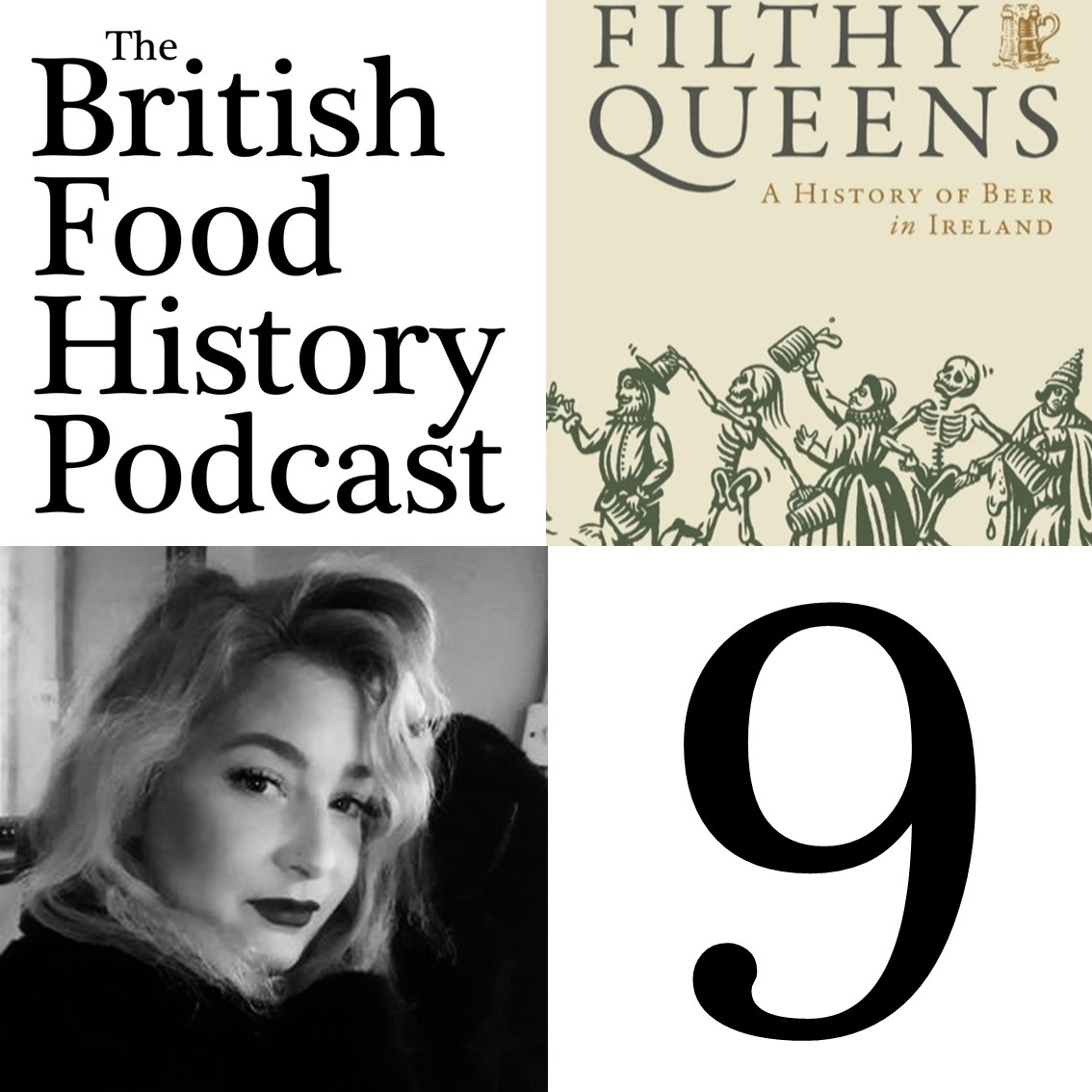
In this episode, I speak with Christina Wade, a beer historian specialising in the UK and Ireland, with a particular focus on women. She has written an excellent book, Filthy Queens: A History of Beer in Ireland, which was published by Nine Bean Rows earlier this year (2025).
We talk about ale and beer in Ireland, and how colonisation by the English, and then the British, affected beer production and consumption. Topics include: ale in early medieval Ireland, the man who inspired the title of her book, ale consumption during the Irish Rebellion and the Potato Famine, and the use of human skulls in medicinal ales, amongst many other things.
The British Food History Podcast is available on all podcast apps, but you can also hear it on YouTube or stream it via this embed:
Those listening to the secret podcast can hear about the links between alewives and witchcraft, whiskey and beer consumption, tea kettle brews and more!
Christina’s social media handle on Instagram and Bluesky is @braciatrix.
Remember: Fruit Pig are sponsoring the 9th season of the podcast and Grant and Matthew are very kindly giving listeners to the podcast a unique special offer 10% off your order until the end of October 2025 – use the offer code Foodhis in the checkout at their online shop, www.fruitpig.co.uk.
If you can, support the podcast and blogs by becoming a £3 monthly subscriber, and unlock lots of premium content, including bonus blog posts and recipes, access to the easter eggs and the secret podcast, or treat me to a one-off virtual pint or coffee: click here.
Don’t forget, there will be postbag episodes in the future, so if you have any questions or queries about today’s episode, or indeed any episode, or have a question about the history of British food please email me at neil@britishfoodhistory.com, or leave a comment below.
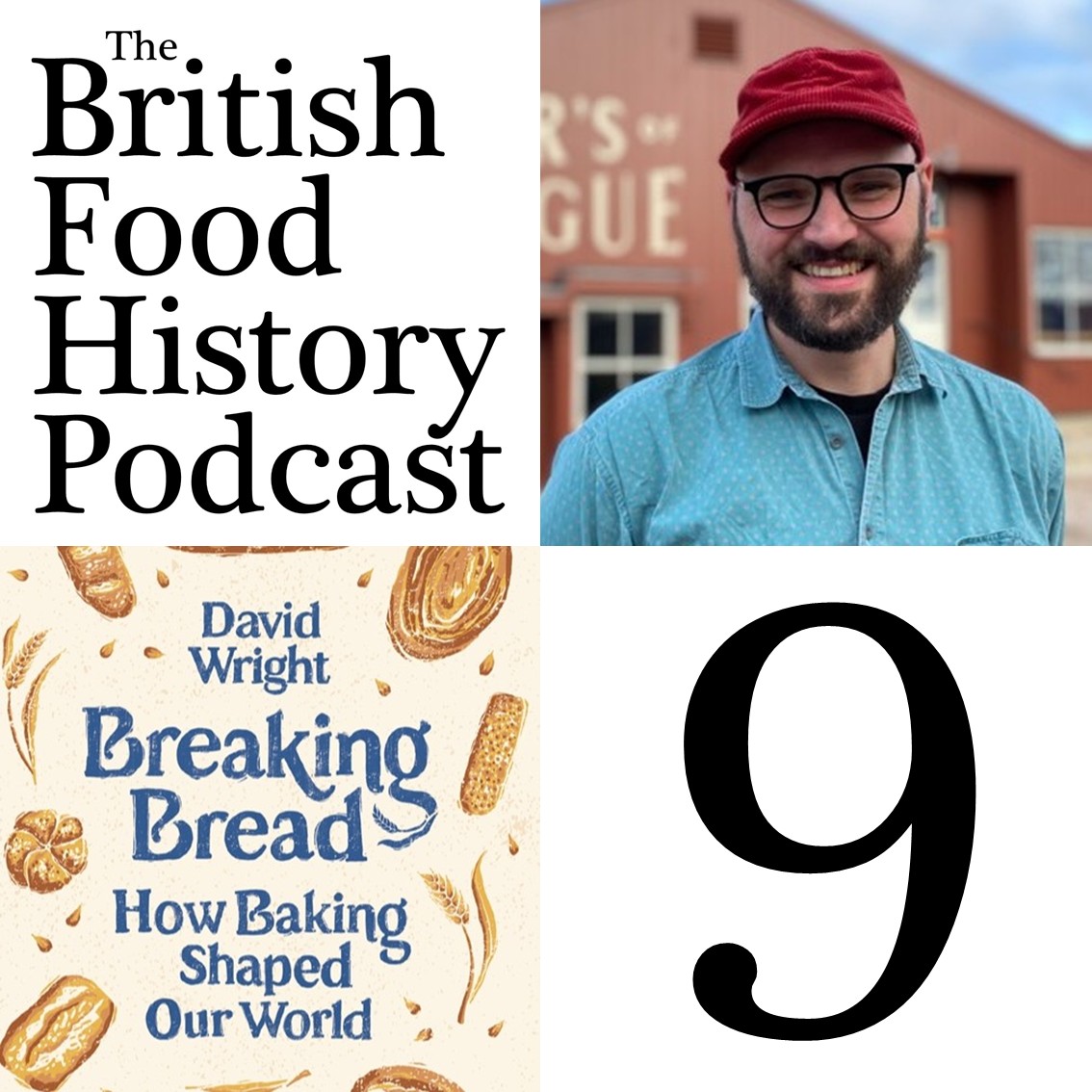
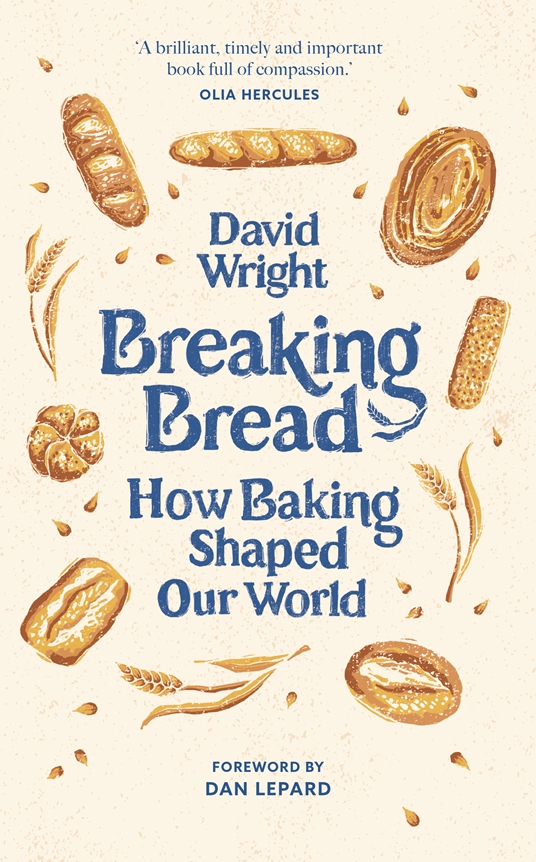
My guest today is third generation baker, writer and teacher David Wright author of the excellent book Breaking Bread: How Baking Shaped our World published by Aurum.
We talk about the social benefits of bread making, milling grain into flour, the anatomy of a grain, roller mills, the Chorleywood process and why gluten can be compared to Arnold Schwarzenegger and Danny DeVito.
Those listening to the secret podcast: you get a little over 15 minutes of bonus material that includes additives that don’t have be named on ingredients lists, flatbreads, the National Loaf, the value of bread and more!
Available on all podcast platforms. If you’re not a podcast person, you can stream the episode via the Spotify embed, below:
Remember: Fruit Pig are sponsoring the 9th season of the podcast and Grant and Matthew are very kindly giving listeners to the podcast a unique special offer 10% off your order until the end of October 2025 – use the offer code Foodhis in the checkout at their online shop, www.fruitpig.co.uk.
If you can, support the podcast and blogs by becoming a £3 monthly subscriber, and unlock lots of premium content, including bonus blog posts and recipes, access to the easter eggs and the secret podcast, or treat me to a one-off virtual pint or coffee: click here.
Don’t forget, there will be postbag episodes in the future, so if you have any questions or queries about today’s episode, or indeed any episode, or have a question about the history of British food please email me at neil@britishfoodhistory.com, or leave a comment below.
Hello everyone. I do hope your Bank Holiday Weekend is going swimmingly and that you are enjoying the sunshine (& showers!).
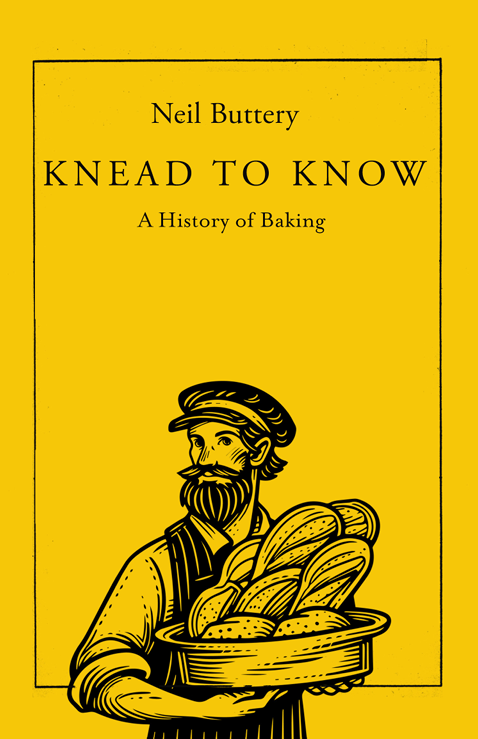
I have uploaded my ‘Knead to Know’ Zoom talk from September last year to my YouTube channel. I know there were several people who couldn’t make it on the night. It’s completely unedited except for the Q&A section at the end.
I talked about how I approached writing Knead to Know: A History of Baking by asking myself, “What is baking?”, a trickier and more philosophical question than you might think; the origins and history of the very first bakers; Early Medieval bread and bakers; Yorkshire Christmas Pyes; and the Denby Dale Pie.
If you like the blogs and podcast I produce and would to start a £3 monthly subscription, or would like to treat me to virtual coffee or pint: follow this link for more information.Thank you.
It is very simple to enter: All you need to do is go to the foot of this post, “like” it and leave a comment declaring your favourite Christmastime dessert.
I will select one person at random on 2 December at 7pm GMT. That’s your deadline. Good luck!
If you like the blogs and podcast I produce and would to start a £3 monthly subscription, or would like to treat me to virtual coffee or pint: follow this link for more information.Thank you.