Category Archives: Eighteenth Century

Decorating the Christmas Cake

Once your Christmas cake is nicely matured and well-fed on brandy, it is time to decorate the bugger. In my opinion it is best to go all-or-nothing; either don’t decorate at all or go crazy. Traditionally, in England at any rate, you need a layer of marzipan and a layer of royal icing. Though I have seen recipes that have a bakeable marzipan and no icing, which I must admit is attractive, but I keep it traditional, even though I am not really bothered about the icing. No, I do it simply for tradition’s sake.

I gave the Christmas cake recipe that I use in the previous post, so if you have made one or have a bought undecorated one that you want to put your own stamp on, I have recipes for marzipan and for royal icing too. Don’t forget to add some festive bits and bobs too.

Marzipan

Marzipan is essentially a paste made of ground almonds and sugar and it found its way in Europe from the Middle East via the Crusades. It was the Italians – specifically the Milanese – that really took to the stuff, refining the techniques to produce a very high quality product that was excellent for making into extravagant sculptures. Leonardo da Vinci was quite despondent after making some amazing and intricate marzipan sculptures for the Milanese court as he ‘observed in pain that [they] gobble up all  the sculptures I give them, right down to the last morsel.’

Aside from being used as a sculpture material, marzipan also became a popular sweetmeat used by chocolatiers and bakers. Some of my favourite cakes use marzipan: Battenburg, stollen and simnel cake. The Christmas cake got its layer of marzipan because the Twelfth Night cake – traditionally covered in it – was banned by the Puritan and Lord Protector of England, Oliver Cromwell as too frivolous, so people added the marzipan they loved so much to their Christmas cake instead.

Here’s the recipe I always use these days. What I like specifically about this recipe is that it is not too sweet, which I think the bought stuff always is. Also, when you make your own marzipan, it has a much better texture as well as flavour. You can add extra things to the mixture if you like, such as the grated zest of an orange, or a couple of teaspoons of orange flower water or rose water.

140 g icing sugar

90 g caster sugar

220 g ground almonds

1 beaten egg

1 tbs apricot jam

1 tbs water

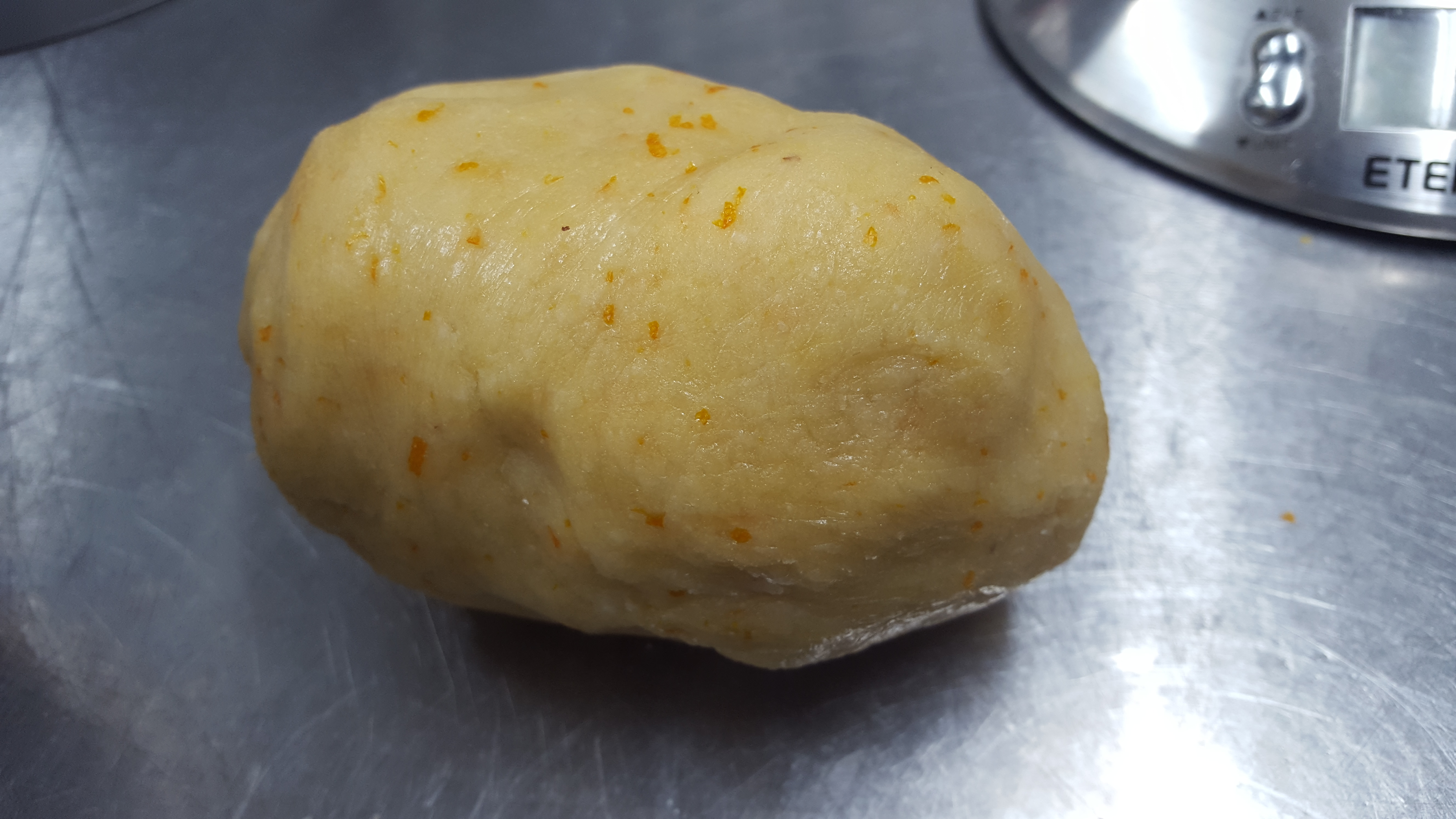
Sieve the icing sugar into a large bowl and stir in the caster sugar and almonds. Stir in the beaten egg and lemon juice to form a paste. Knead the marzipan on a surface floured with icing sugar. Easy. Wrap and allow to chill in the fridge for a few hours.
To cover the cake with it, you first need to slice the top of your cake off so that it is a nice, flat surface. I always like that bit because I get to try the cake.
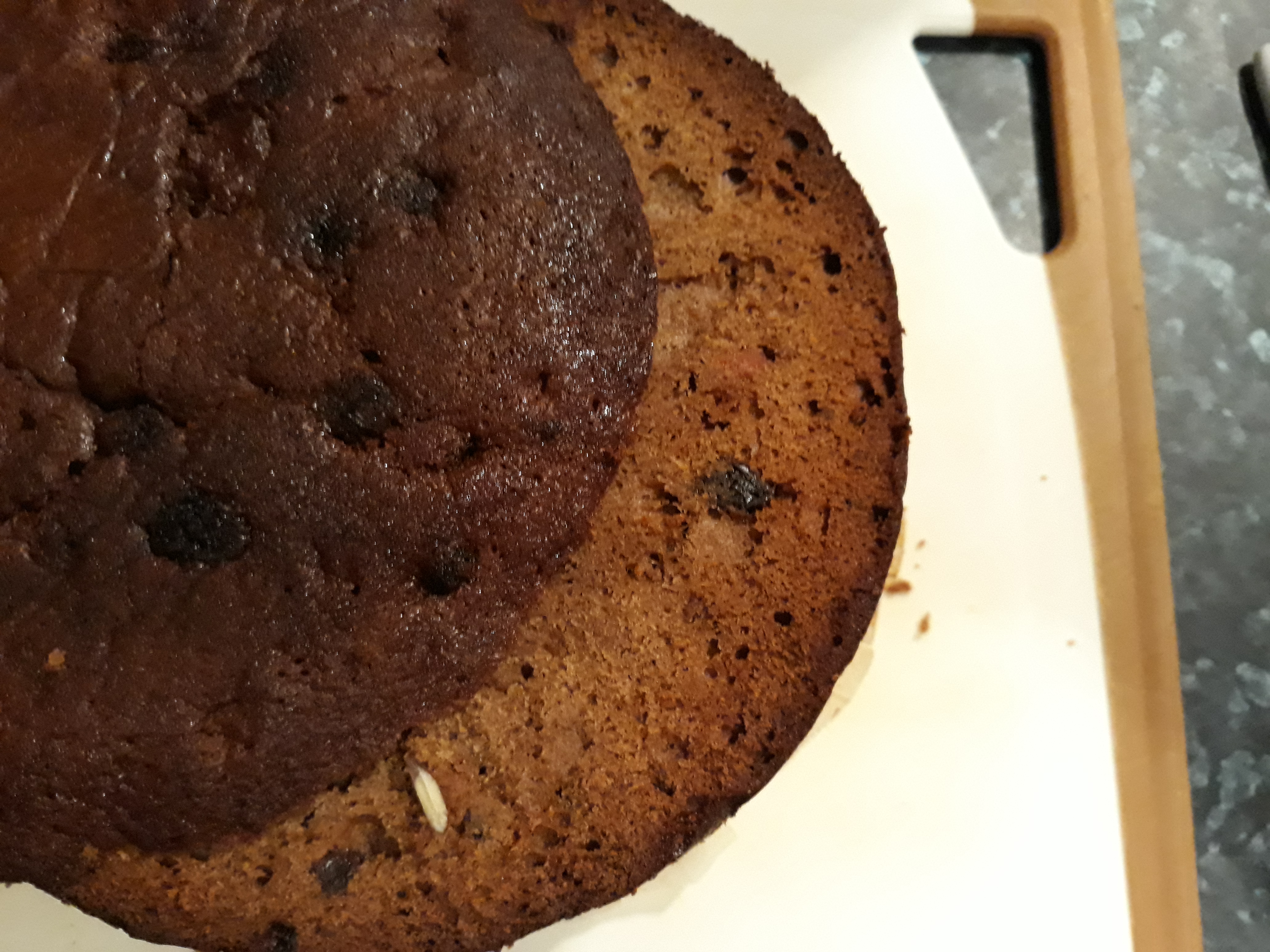
Next, turn it upside down and pop it on a cake base or plate. Warm up the jam and water in a pan and paint the whole cake with the glaze.

On a sheet of greaseproof paper, roll out a little over half of the marzipan into a round shape that is just a little larger than the cake itself. The greaseproof paper makes it easier to roll out, but you can use an icing sugar dusted worktop instead. Use the cake tin as a template and cut a circle.
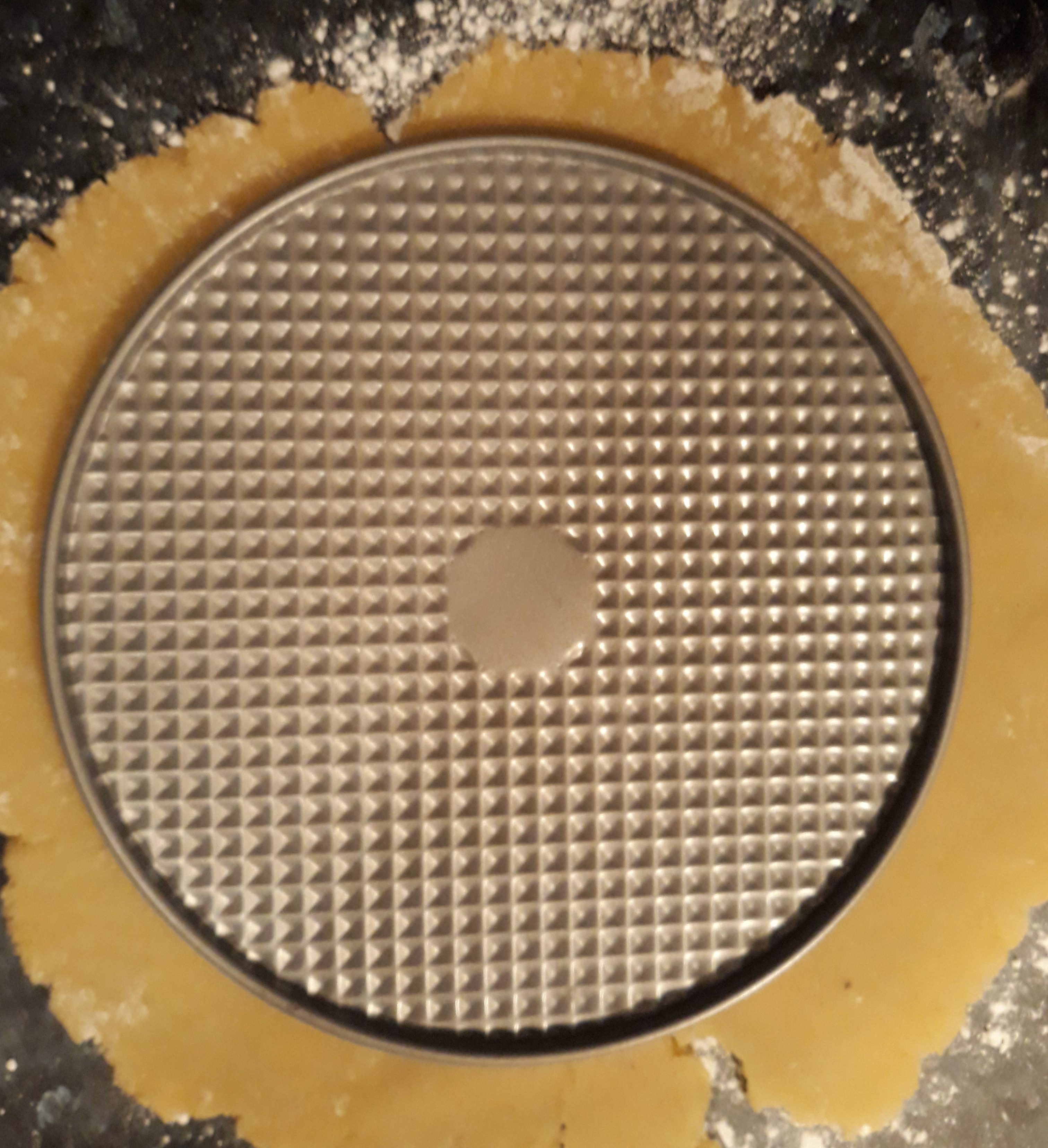
Pick up the marzipan still stuck to the paper, place it on top of the cake and peel off the paper.
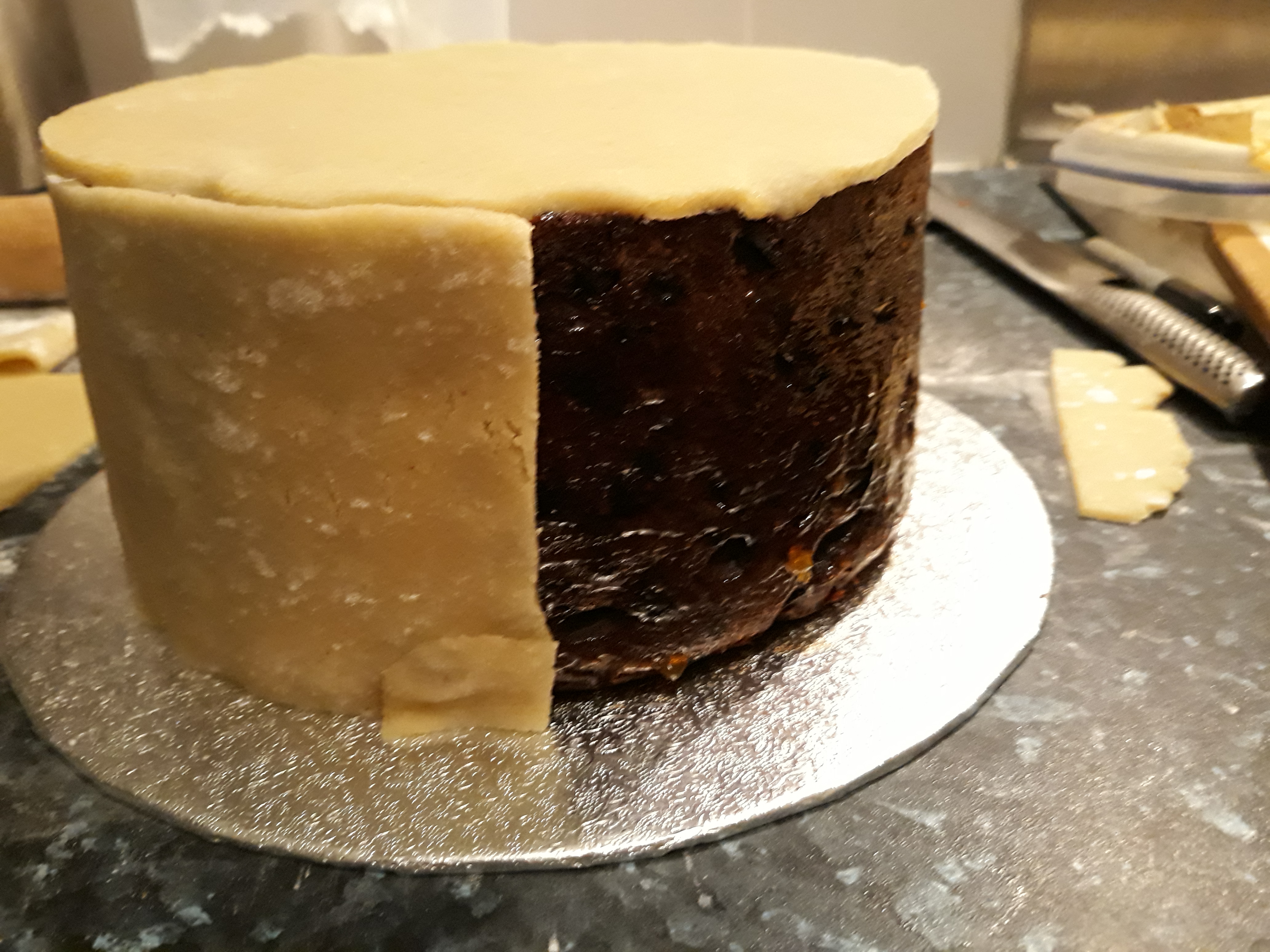
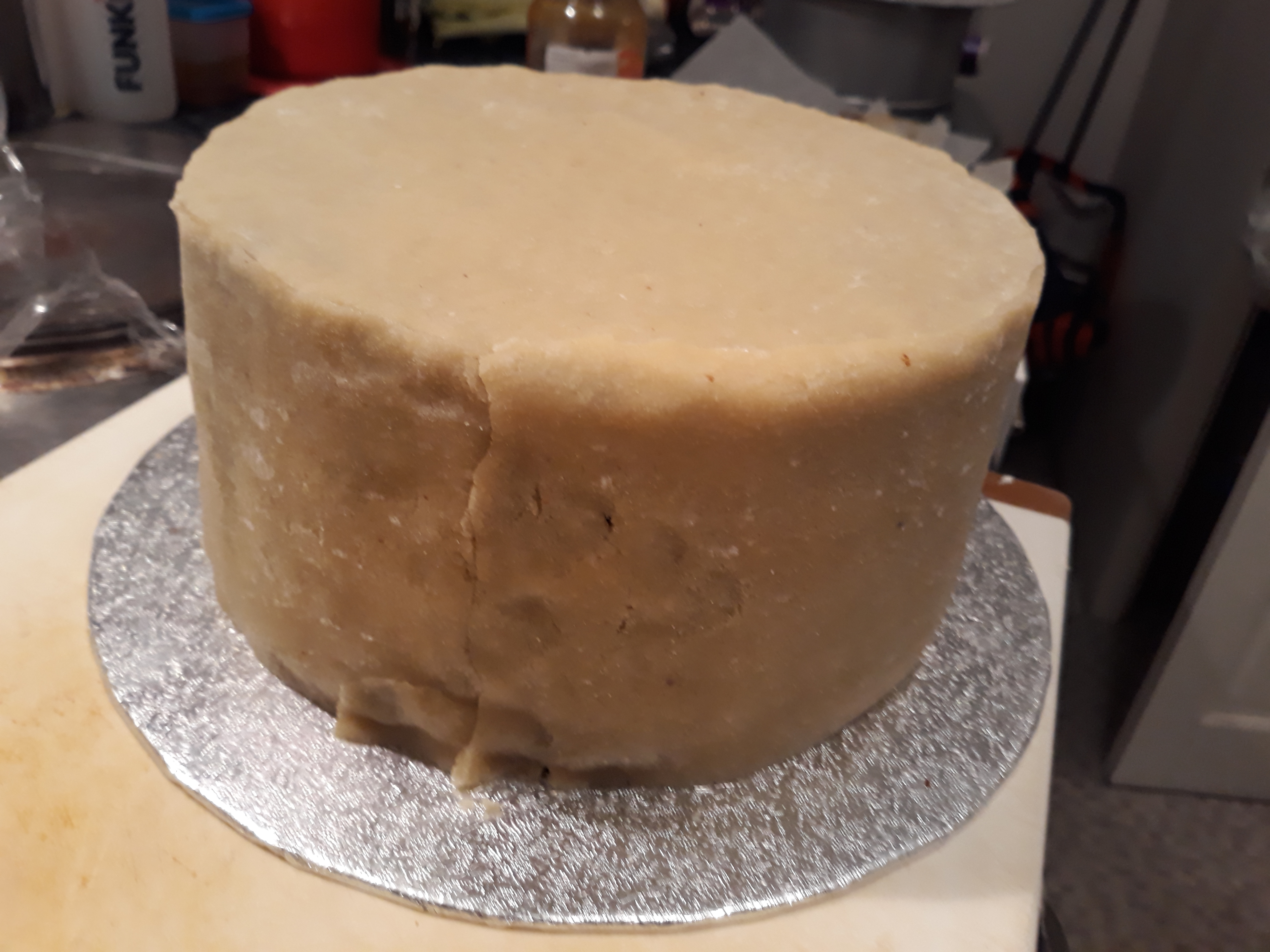
Next, take the remaining third of the paste and roll that out into strips the same height as the cake and secure them to the cake. Press the edges together as you go as well as any cracks that may appear.

You need to leave the cake for a couple of days to dry a little before adding the icing (should you want to).

If you like the blogs and podcast I produce, please consider treating me to a virtual coffee or pint, or even a £3 monthly subscription: follow this link for more information.


Royal Icing

Royal icing is the classic icing for the Christmas cake – it is ‘royal’ because it was the British Royal Family that used in for their wedding cakes, and naturally if the Royals did it, then we copied it. Icing had been around since the eighteenth century; before that, there wasn’t the technology to refine the sugar appropriately. The first icing was similar to royal icing, it was spread over the top of the cake but then the cake was returned to the oven to set hard. The final result was a nice flat, shiny surface like that of a frozen lake, hence we call the stuff icing. Elizabeth Raffald mentions it in The Experienced English Housekeeper (1769) – the first written recording of the word.

Royal icing is the most popular icing because it can be piped and coloured easily. Plus it is easy to make , which a bonus. Here’s how:

2 medium egg whites

2 tsp lemon juice

500g icing sugar, sieved

Whisk the egg whites until frothy but not yet stiff and then stir in the lemon juice. Add icing sugar to the egg white bit by bit, mixing as you go – an electric beater comes in very handy here, but you can use a wooden spoon if your forearms are up to the job. The icing can be used straight away.
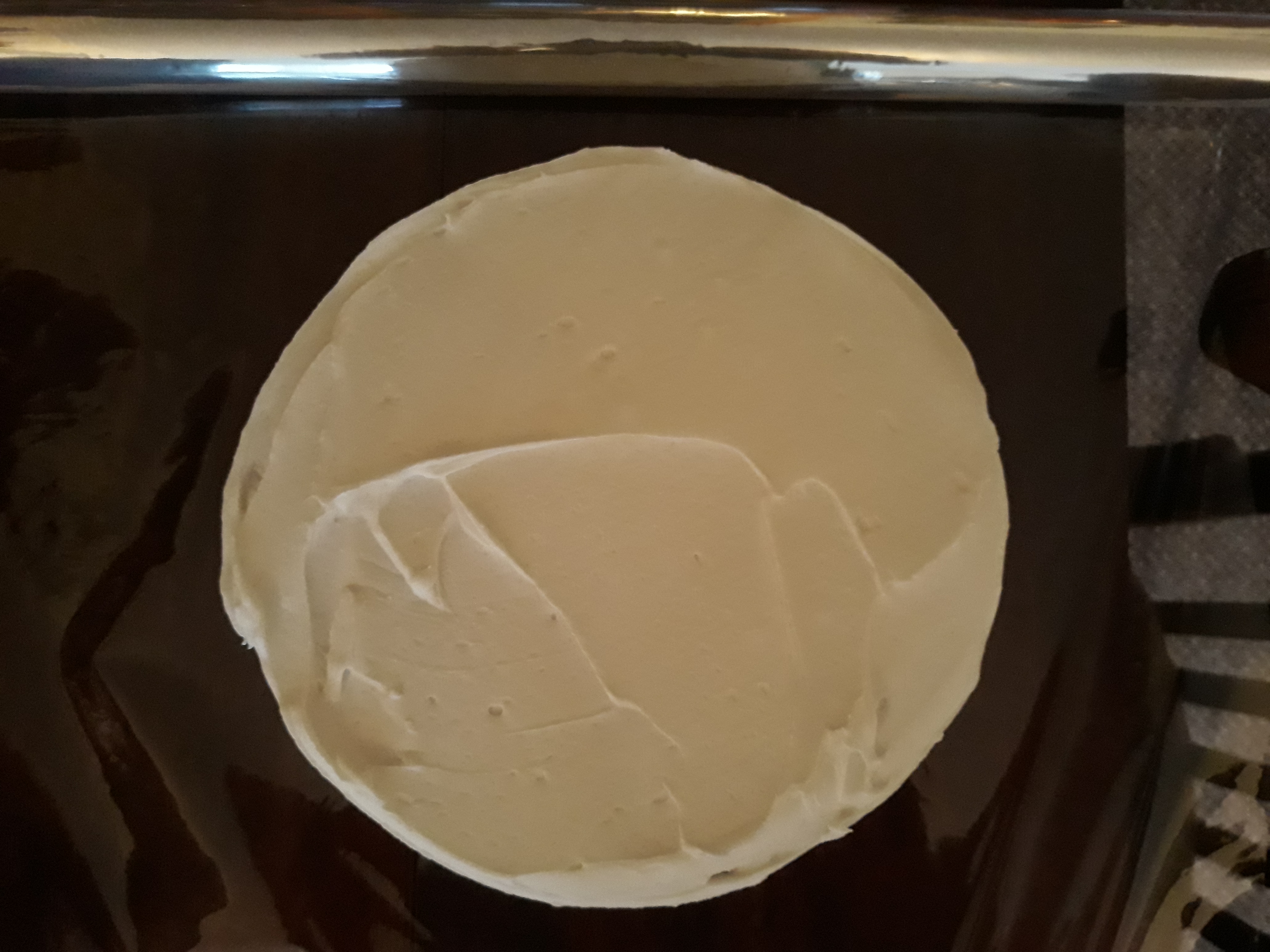
Spread the mixture all over the cake using a palette knife to smooth it out. Dipping the knife in very hot water is a good way of getting the icing super-smooth, but I like it a bit more rough-and-ready. You can reserve some of the icing for piping of course, but that has never really been my thing – I should have a go one time though!

A simple and effective way of decorating the cake is to use the side of a knife to make a nice spiky snow effect. When decorated, leave it for two or three days to set hard.
12 Comments

Filed under cake, Christmas, Eighteenth Century, food, General, history, Recipes, Teatime, Uncategorized

Bubble and Squeak

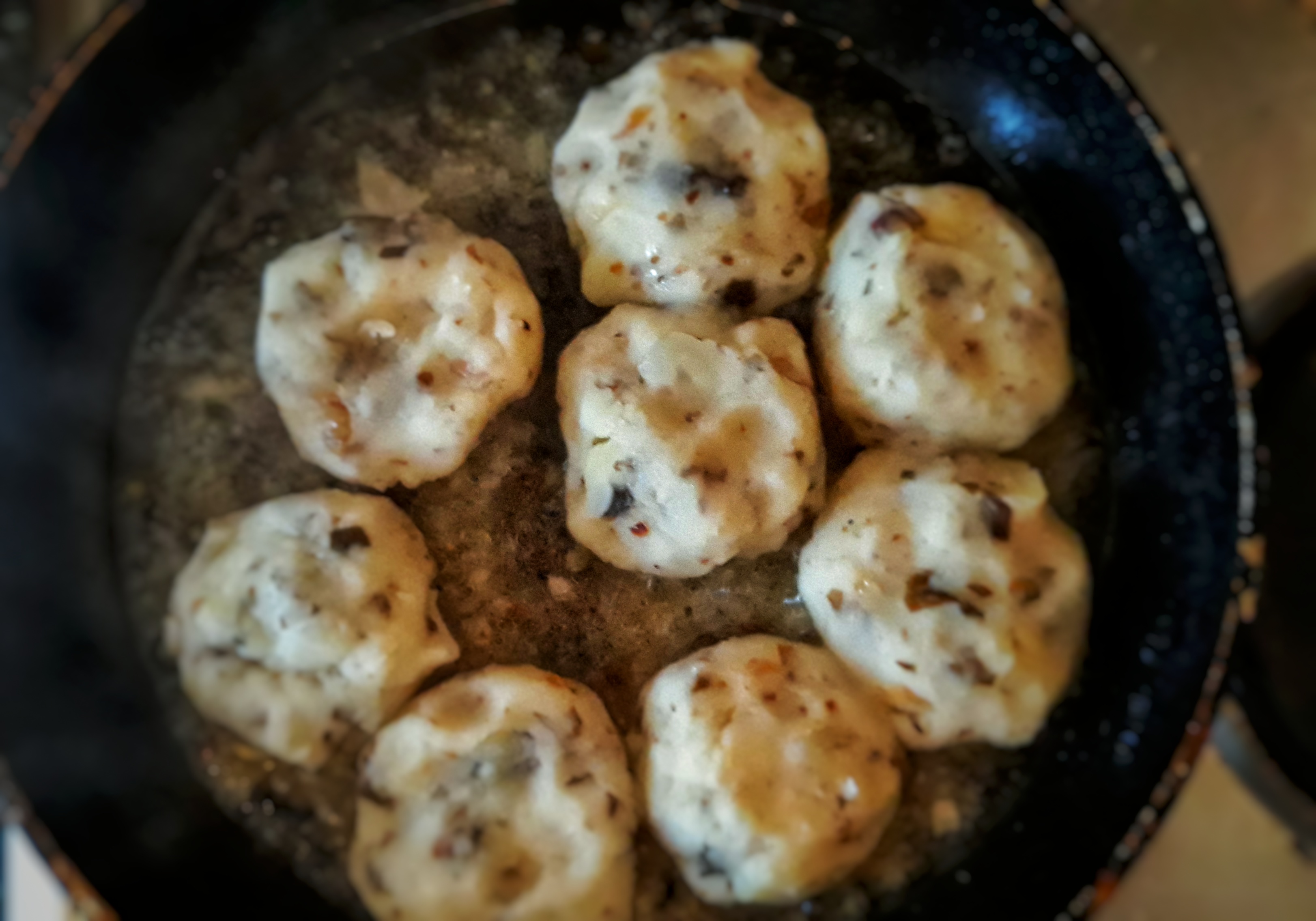
Bubble and squeak is one of my favourite left-over foods. It’s difficult to give a recipe for it as you just have to use whatever vegetables you have leftover from a nice roast dinner. It turns out it didn’t begin life as fried mashed potato patties, but as something quite different. In The complete economical cook, and frugal housewife: an entirely new system, Mary Holland – in 1837 – describes a recipe that makes use of leftover boiled beef, not potatoes. The beef should be thinly sliced and fried up with chopped boiled cabbage in butter and some salt and pepper. This recipe goes back as far as the mid-eighteenth century. Indeed recipes for it in this form run right up the mid-twentieth century. It cannot be a coincidence that the dish went from beef-based to potato-based at around the same time as the Second World War and rationing.

Well, here is my recipe for the more familiar – and surprisingly modern – bubble and squeak. It’s hard to give amounts as it is just left-overs:

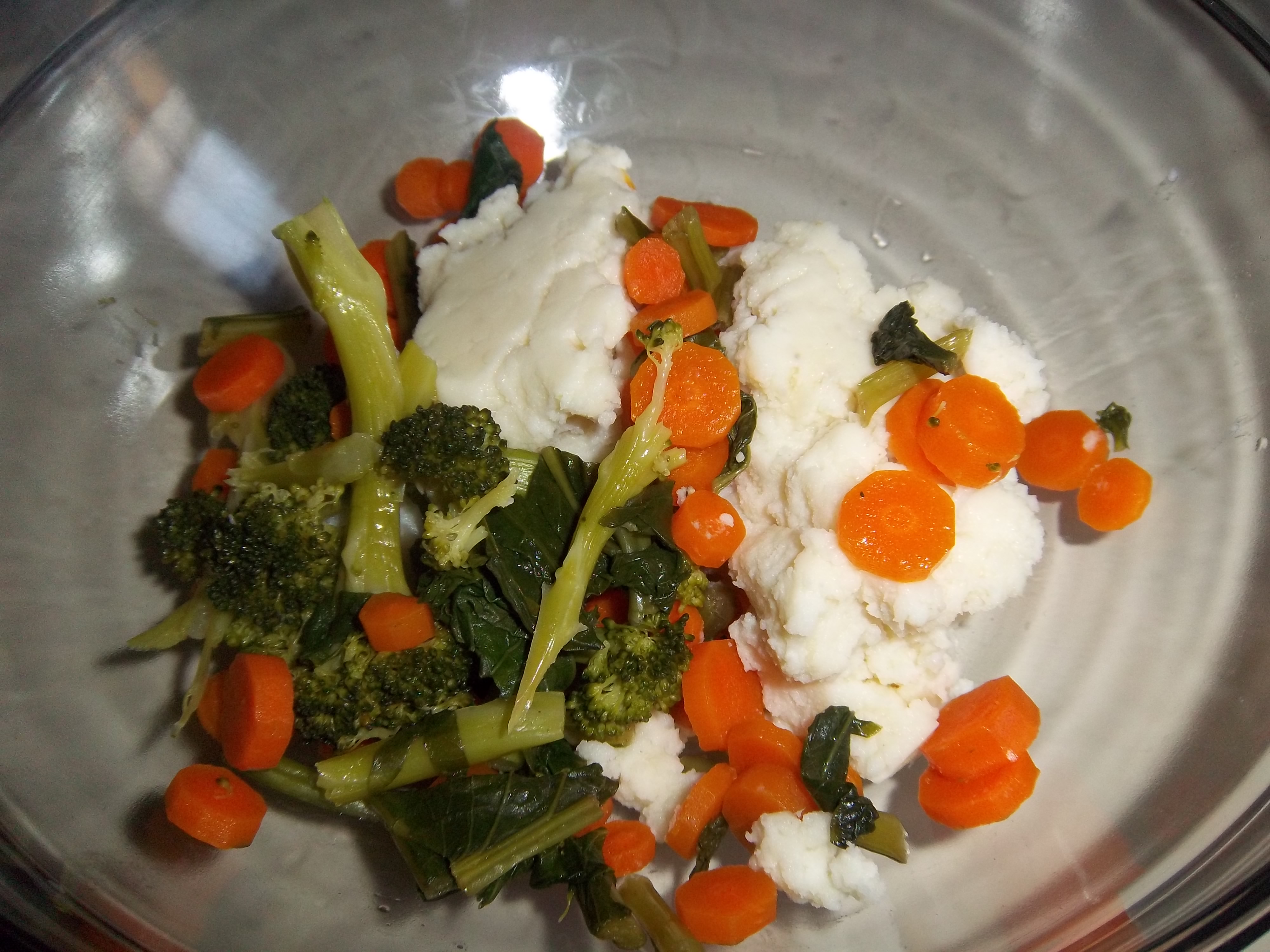
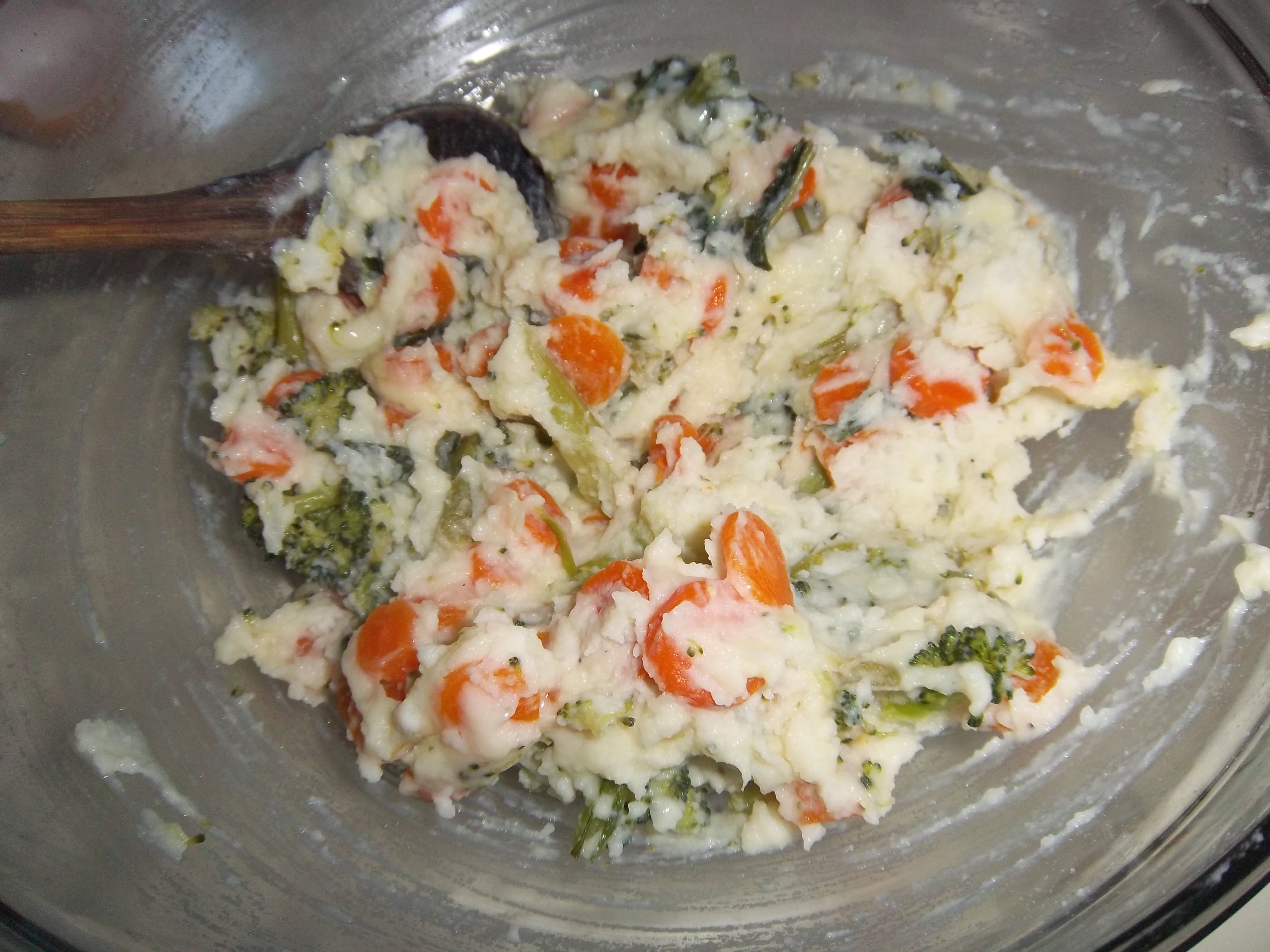
You have to use some mashed potato as a base and then stir or mash in leftover boiled cabbage, broccoli, carrots or whatever you have. Good additions are kale or dulse that have been crisped up in the oven or frying pan before being crumbled into the spuds

I would say that you should keep the ratio of potatoes to vegetables at least 1:1.Though it is very delicious if all you have left is mashed potato (in my house growing up, we often had fried mashed potato sandwiches with brown sauce!).

If you like, you can stir in an egg; this is especially useful if the potato is dry and difficult to form. Season with salt and pepper.

Get some fat nice and hot in a frying pan. It is extremely important that you use an animal fat such as lard. I like to fry some bacon in the pan first and then use the fat to fry the bubble and squeak in.

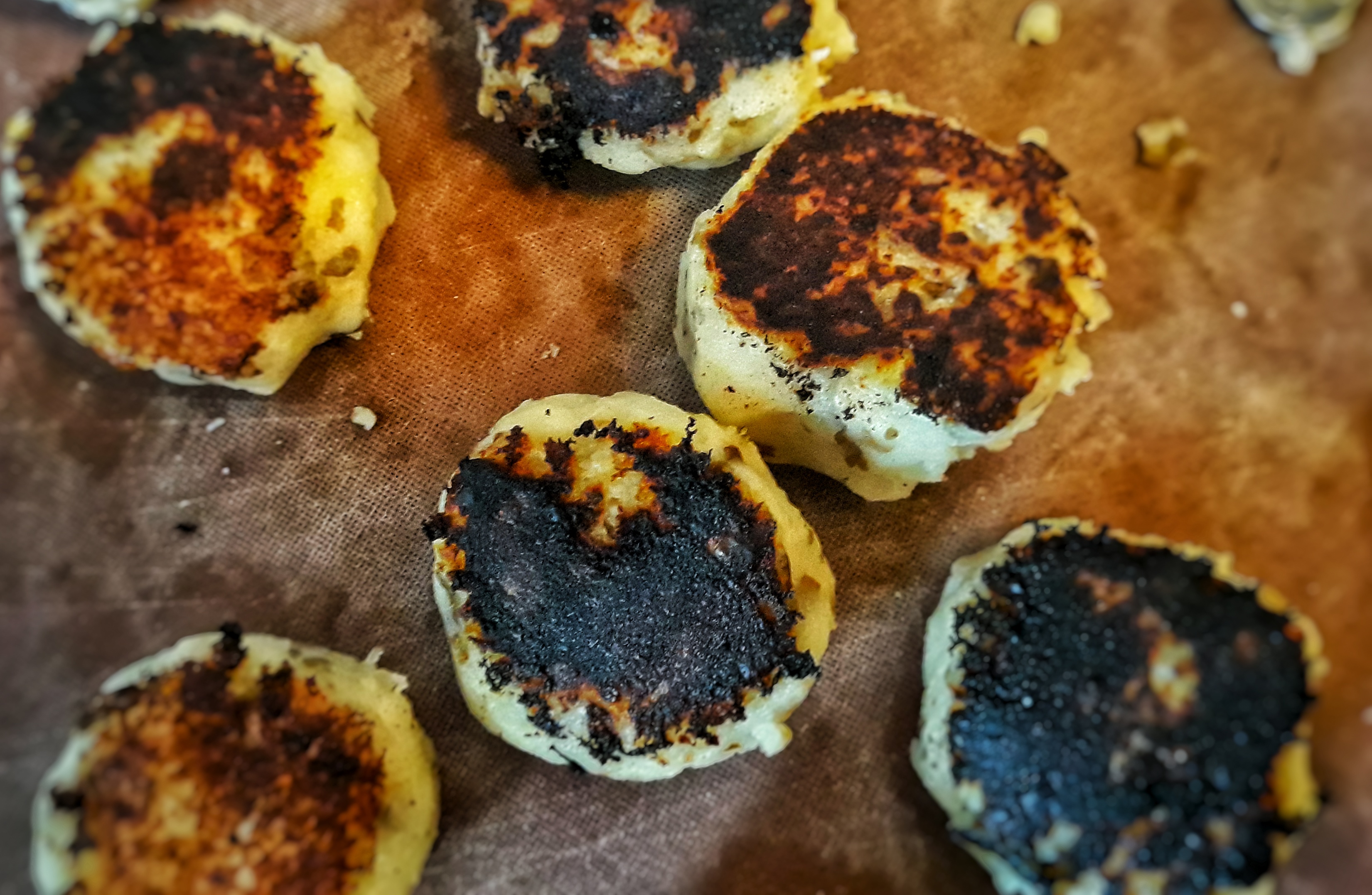
You can add your mixture in a single layer or as separate patties. You don’t need any flour to help seal it as it will burn. Instead, add your mix and press it down firmly and then leave it undisturbed for at least 5 minutes. When a nice crust has formed, use a spatula to turn it over. Do this in parts – there’s no way you’ll be able to turn it in one piece.

When both sides have achieved a nice dark-brown crust, it is ready to serve up. I like it with bacon, poached eggs and a good dash of Worcestershire sauce.

The name of the dish comes from the noise it makes in the pan as it cooks – the super-hot and densely-packed vegetables create pressure that’s let out through any gaps. If you didn’t use animal fats, you can’t achieve the high temperatures that give you the bubbles and the squeaks, plus the crust isn’t quite as burnt and satisfying.

If you like, you can fry them one day, and warm them up in the oven a few days later.


If you like the blogs and podcast I produce, please consider treating me to a virtual coffee or pint, or even a £3 monthly subscription: follow this link for more information.


20 Comments

Filed under Eighteenth Century, food, history, Recipes

Forgotten Foods #1: The House Sparrow

The very cute Passer domesticus

I do like to see a social group of tweeting house sparrows getting into fights, taking a nice dust bath, or whatever; they are so watchable. They are one of my favourite birds. Once extremely common in Britain, their numbers have dropped sharply in last few years and nobody really seems to know why. In the past they were plentiful and were commonly served up at the dinner table. In fact many songbirds were counted as legal game and were very popular indeed. Here’s a delicious-sounding recipe from Elizabeth Raffald’s 1769 book The Experienced English Housekeeper for sparrow dumplings:

Mix half a pint of good milk with three eggs, a little salt, and as much flour as will make a thick batter. Put a lump of butter rolled in pepper and salt in every sparrow, mix them in the batter and tie them in a cloth, boil them one hour and a half. pour melted butter over them and serve it up.

Over the pond in New York, the plague of house sparrows became very bad indeed: Without question the most deplorable event in the history of American ornithology was the introduction of the English Sparrow said WL Dawson in 1903. Something had to be done! The people of the ever-trendy The New York Times encouraged folk to help rid the place of the pests, and not to let good protein go to waste, they tried to make them appear as an attractive and sought-after meat:

English Sparrows are being properly appreciated. Hundreds of them are now caught by enterprising people for sale to certain restaurants where reed birds are in demand. A German woman on Third Avenue has three traps set every day, and she catches probably seventy five a week. They are cooked and served to her boarders the same as reed birds and are declared quite as great a delicacy. This German woman bastes them, leaving the little wooden skewer in the bird when served. They are cooked with a bit of bacon. She tempts them with oats, and after the catch they are fed a while with boiled oaten meal. She sprinkles oaten meal in the back yard also, and thereby fattens the free birds. … So soon as it becomes known that the Sparrow is a table bird their number will rapidly grow less.
People don’t like to experiment, but when it is discovered that the Sparrow has been declared good by those upon whom they have been tried, no boarding house meal will be deemed in good form unless a dish of fat Sparrows adorns it. Sparrow pie is a delicacy fit to set before a king.

Unfortunately, I don’t know the date of the article – if anyone knows, please let me know.

I am not that well-travelled compared to many, but here in America, and in the African countries I have visited, the house sparrow is just everywhere. To do your part to rid these continents of the ubiquitious little bastards, may I suggest getting your hands on the Dodson Sparrow Trap:


If you like the blogs and podcast I produce, please consider treating me to a virtual coffee or pint, or even a £3 monthly subscription: follow this post for more information.


15 Comments

Filed under Eighteenth Century, food, Game, history, Meat, Recipes