When we think of the food we eat, we think of it in terms of fuel – this is especially the case with starchy food, those made from flour because they are broken down into sugars and then converted slowly into energy in a form the body can use (unless we eat too much of it, then it is turned into fat). However, workers in factories around the world are very aware of the amount of energy trapped in flour: working with large amounts of it can be a dangerous business. Factory explosions have occurred causing damage, injury and death.
The aftermath of the Tradeston Flour Mill explosion, Glasgow 1872
The worst accident in the British Isles caused by flour happened on 9 July 1872 at the Tradeston Flour Mill in Glasgow, a century and a half ago. An explosion ripped through the mill seriously injuring 16 and killing 18, among them a mother of three with her three-month-old baby. What caused it? A report published in the journal Nature reported that the ‘origin [was] conclusively traced to the striking of fire by a pair of millstones caused by the stopping of the “feed” or supply of grain to them, and the consequent friction against each other, the result being the ignition of the mixture of air and fine flour dust surrounding the millstones.’[1] It might have been self-contained were it not for the cloud of flour, the explosion itself created. The mill was set up so that several mills were working together in a row, run by steam power, each explosion setting up another sending a cascade of flour bombs ripping through the building.[2] The most recent flour explosion in the UK occurred on 18 November 1981 in the Bird’s Custard factory in Banbury, Oxfordshire where a cloud of cornflour[3] exploded injuring nine.
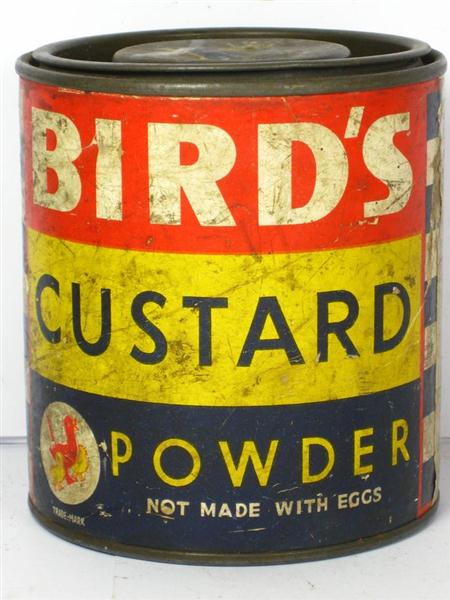
Beware the explosive power of Bird’s Custard Powder
It has been theorised that it was a flour explosion that exacerbated the Great Fire of London in 1666 when an oven exploded next to several sacks of flour. The (alleged) bakery on Pudding Lane was owned by King Charles II’s own baker, Thomas Farriner. The blaze would continue for five days, destroying 13,500 houses and many important buildings including St Paul’s Cathedral. It killed just six people.
If you like the blogs and podcast I produce and would to start a £3 monthly subscription, or would like to treat me to virtual coffee or pint: follow this link for more information.Thank you.
[2] Dalgetty, L. (2022) ‘Remembering the Glasgow Flour Mill explosion that killed 18 people’, Glasgow Live, 10 July.
[3] Bird’s Custard isn’t thickened with egg, but with cornflour/starch and it is by far the main component, the others being colouring and a very fake vanilla flavouring. For more on custard click here.
I have to admit something: I have never made proper puff pastry. If a recipe calls for it, I buy some or make rough puff pastry instead, and I tell myself that I have neither the time nor the space to go ‘full-puff’. The truth, I think, is that I don’t have the inclination, otherwise I would have got around to it by now. Modern puff pastry is made by rolling out a rectangle of dough, then sitting atop it a square of butter, thoroughly beaten flat with a rolling pin. The dough is folded around the butter, the dough and butter are then rolled out, rotated 90 degrees, folded, then rested and chilled. This single ‘turn’ is repeated six more times to produce a laminated pastry dough containing 729 layers of butter.
Rough puff pastry, on the other hand, is not made with a single layer of folded butter, instead very cold diced or grated butter is used, a non-continuous layer of butter means that those great sheets of crispy pastry are not made, hence rough puff, or flaky, pastry. The process of making it is similar to puff, except there are fewer turns, though it still needs to be rested in the fridge between them. My method (see below) is much easier than this, however.
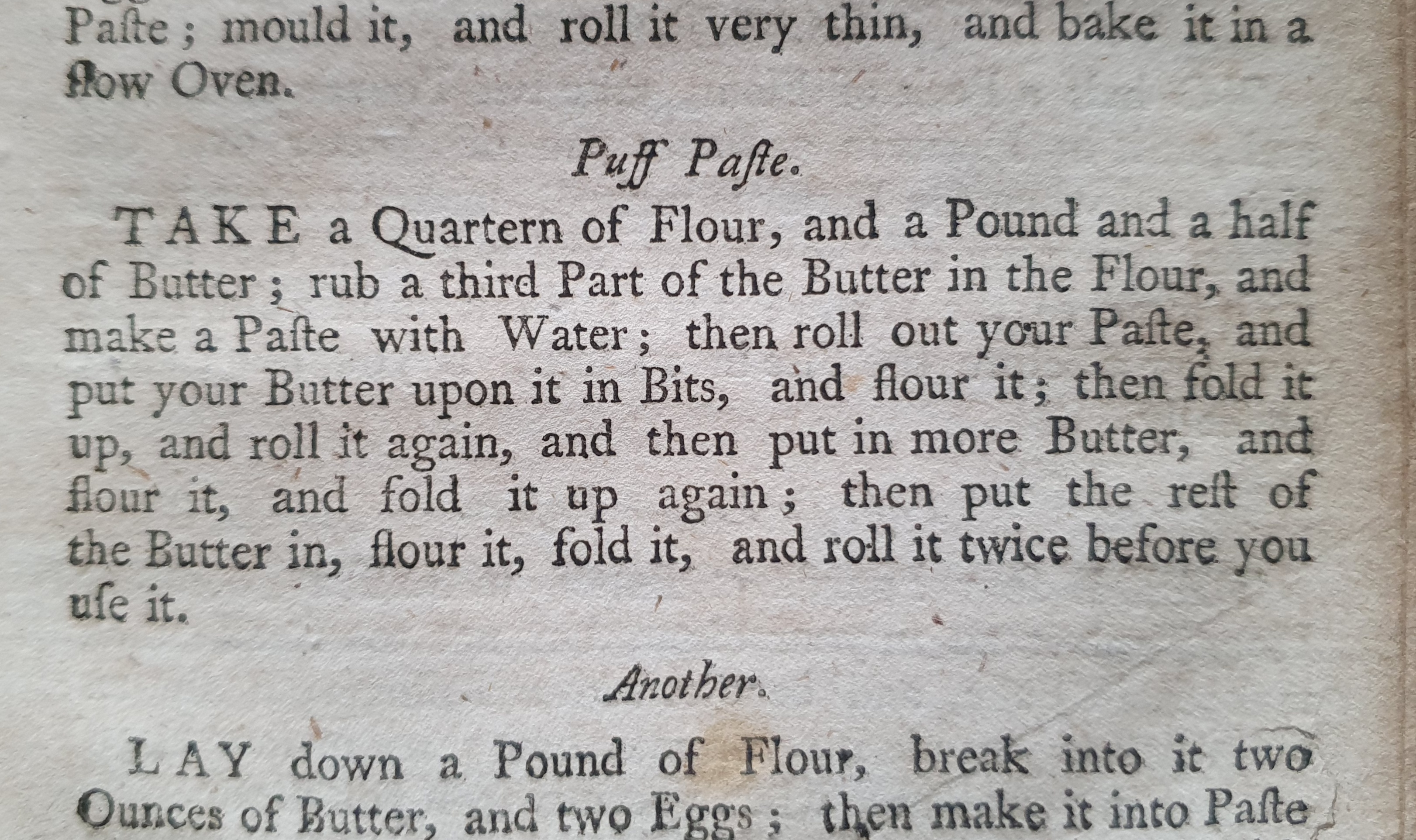
The differences and semantics break down if we hit the historical cookbooks because at one point all ‘puff pastes’ were what we would call ‘rough puff’ today. There are many stories and theories regarding who invented puff pastry and when, and they are either apocryphal or impossible to confirm. When it comes to British cookery books, the earliest example I can find is the late Tudor classic The Good Houswifes Jewel by Thomas Dawson (1596). Here, a dough made from flour, water, egg yolks and some rubbed-in butter, is rolled out, peppered with diced butter, folded and rolled. More butter is added after each turn. This basic method seems to remain the same for the next two-and-a-half centuries: Sarah Harrison (1751), Elizabeth Raffald (1769) and Eliza Acton (1845) all have puff pastry recipes just like it.[1] The first time I find a puff pastry recipe that uses a single layer of bashed-out butter is in Alexis Soyer’s classic A Shilling Cookery for the People (1855 edition).
Sarah Harrison’s 1751 recipe for Puff Paste: it would be considered rough puff today.
I admit that my search was not a comprehensive one, but I think it’s safe to say that in recipes older than c.1850 if puff pastry is asked for, what we should be making is a rough puff.
If you like the blogs and podcast I produce and would to start a £3 monthly subscription, or would like to treat me to virtual coffee or pint: follow this link for more information.Thank you.
Recipe
My recipe is based on a Jane Grigson’s for Quick, Foolproof Puff or Flaky Pastry, from her book English Food,[2] which is, in turn, adapted from a recipe by New York pastry chef Nicholas Malgieri. I’m not sure if it is foolproof, but it is by far the easiest method I know. The reason for this is that the cubes of very cold butter are mixed into the dough. As you roll and fold, you can see the cubes of butter eventually turn into large, flat discs within the dough. Very satisfying. Mixing the butter into the dough itself also means that the butter is evenly distributed and doesn’t end up leaching out of the sides.
I have given instructions to make this dough by hand, but you can use a machine. However, you must mix the ingredients very slowly and add liquid in a steady stream, so the lumps of butter don’t turn into breadcrumbs.
This type of rough puff pastry doesn’t need to be rested between rolling and folding unless it is very hot where you are, then you may need to pop it in the fridge for 15 minutes or so between turns.
This pastry only needs two ‘turns’ before it is ready for rolling and use, however, if you want a pastry that is just flaky, then do a third turn before rolling it out for use.
250 g strong white flour, plus extra for dusting
½ tsp salt
250 g very cold, unsalted butter, cut into 1 cm dice (approx.)
Juice of half a lemon
Water (see recipe)
Mix the flour and salt and add the butter, squashing the pieces between your thumb and forefinger, without rubbing them in or breaking them up.
Next, place a jug on a weighing scale add the juice from the lemon and then top up to a weight of 125 grams.
Stir in most of the liquid to form a ball of dough, using the remainder to pour on any dry-looking patches of flour.
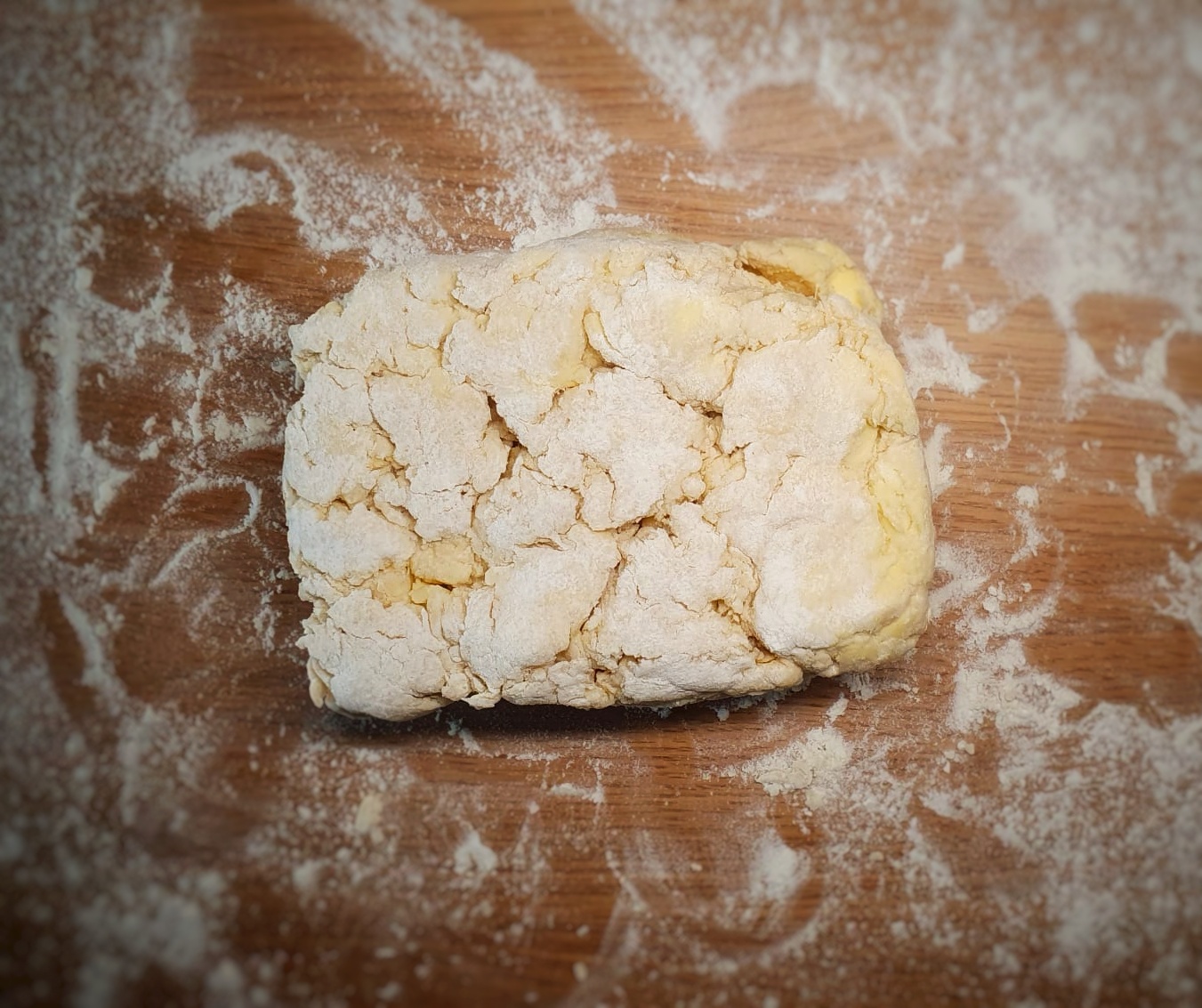
Bring the dough together into a single mass and place on a well-floured worktop. It will look a right mess, but do not worry, it will neaten up in the rolling and folding stage.
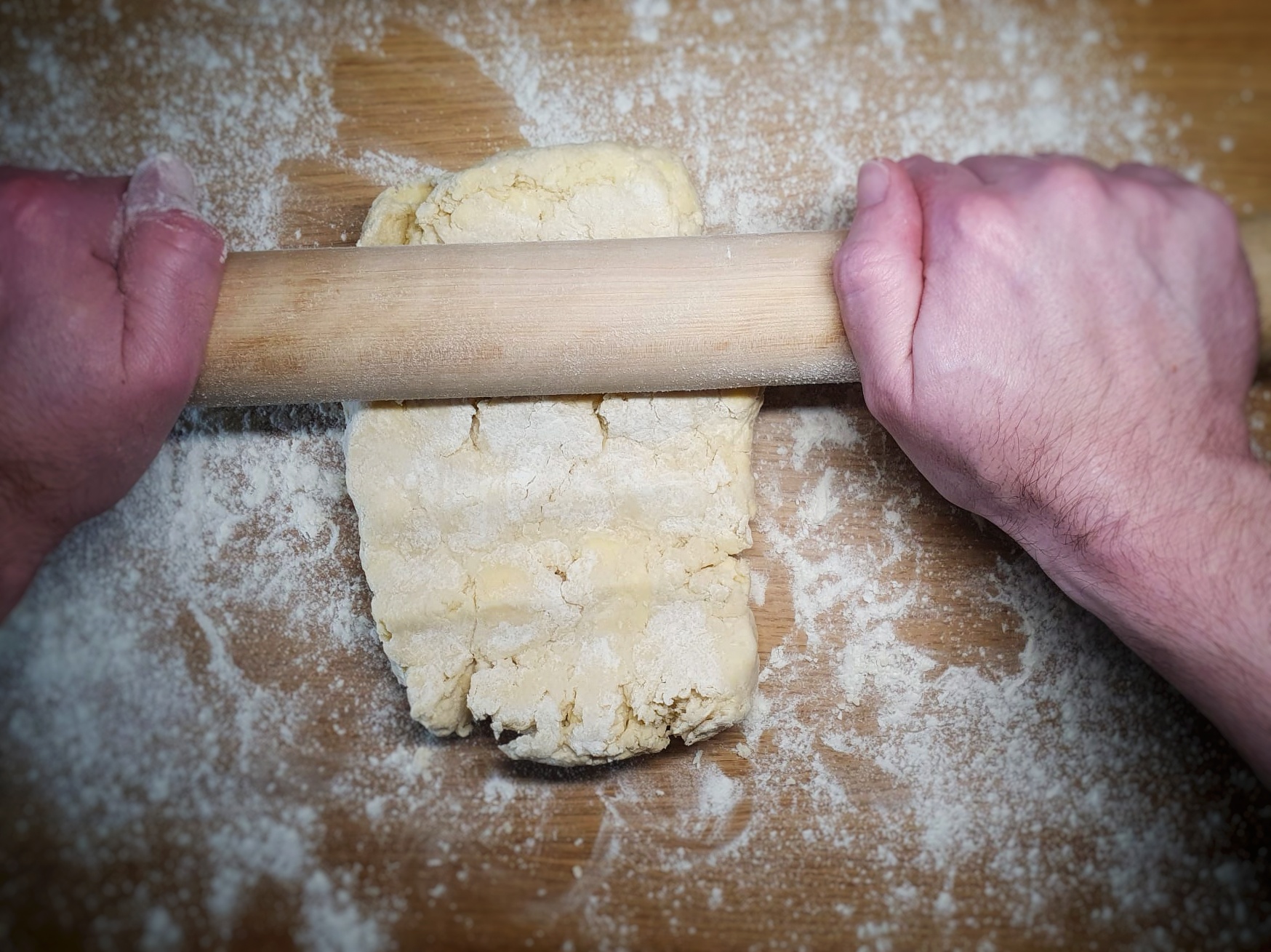
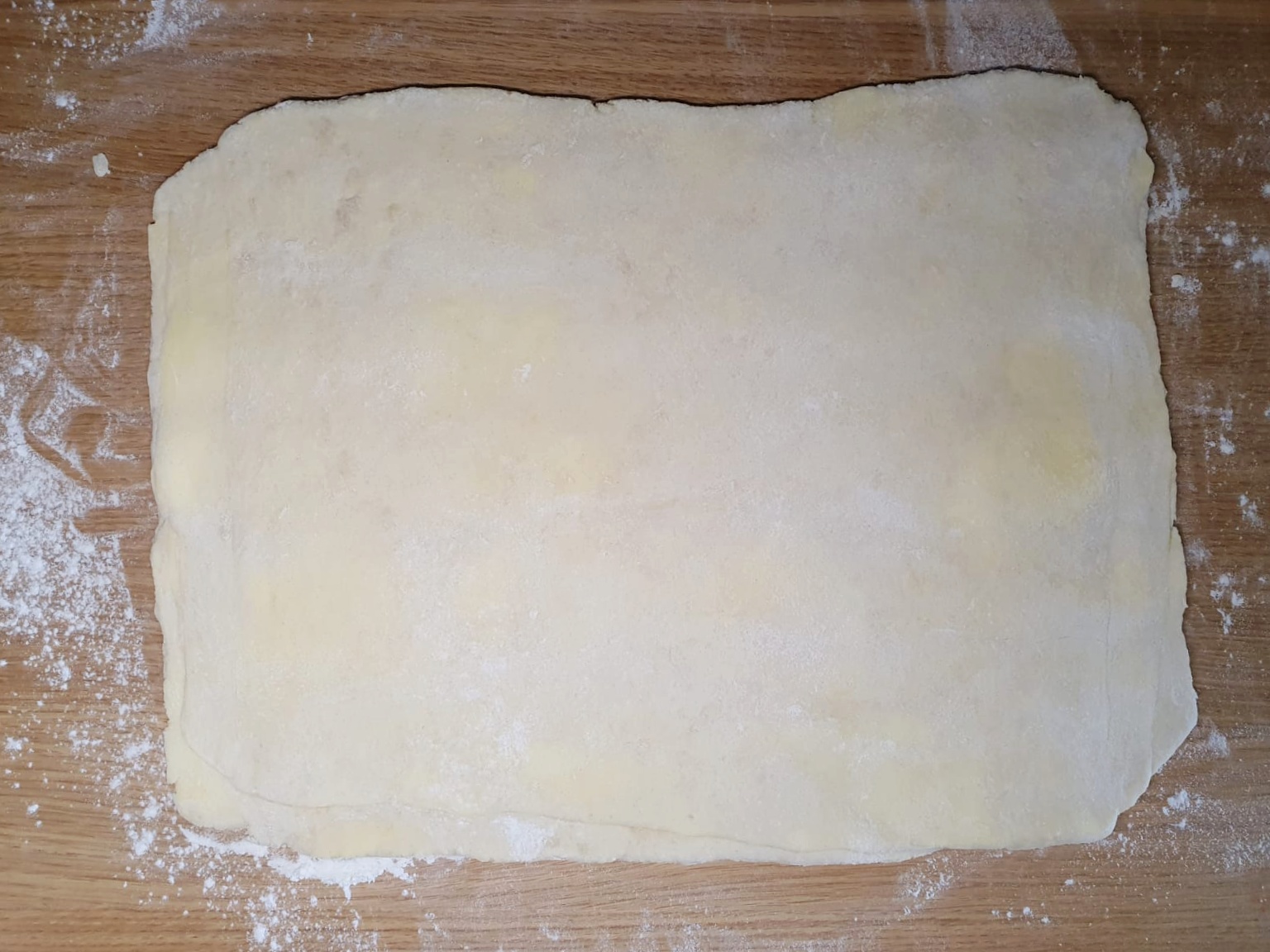
Shape it into an approximate rectangle, then use a rolling pin to roll it into a large rectangle around 30 cm wide and 20 cm deep. Ensure you keep your work surface well-floured because the dough is quite sticky at first.
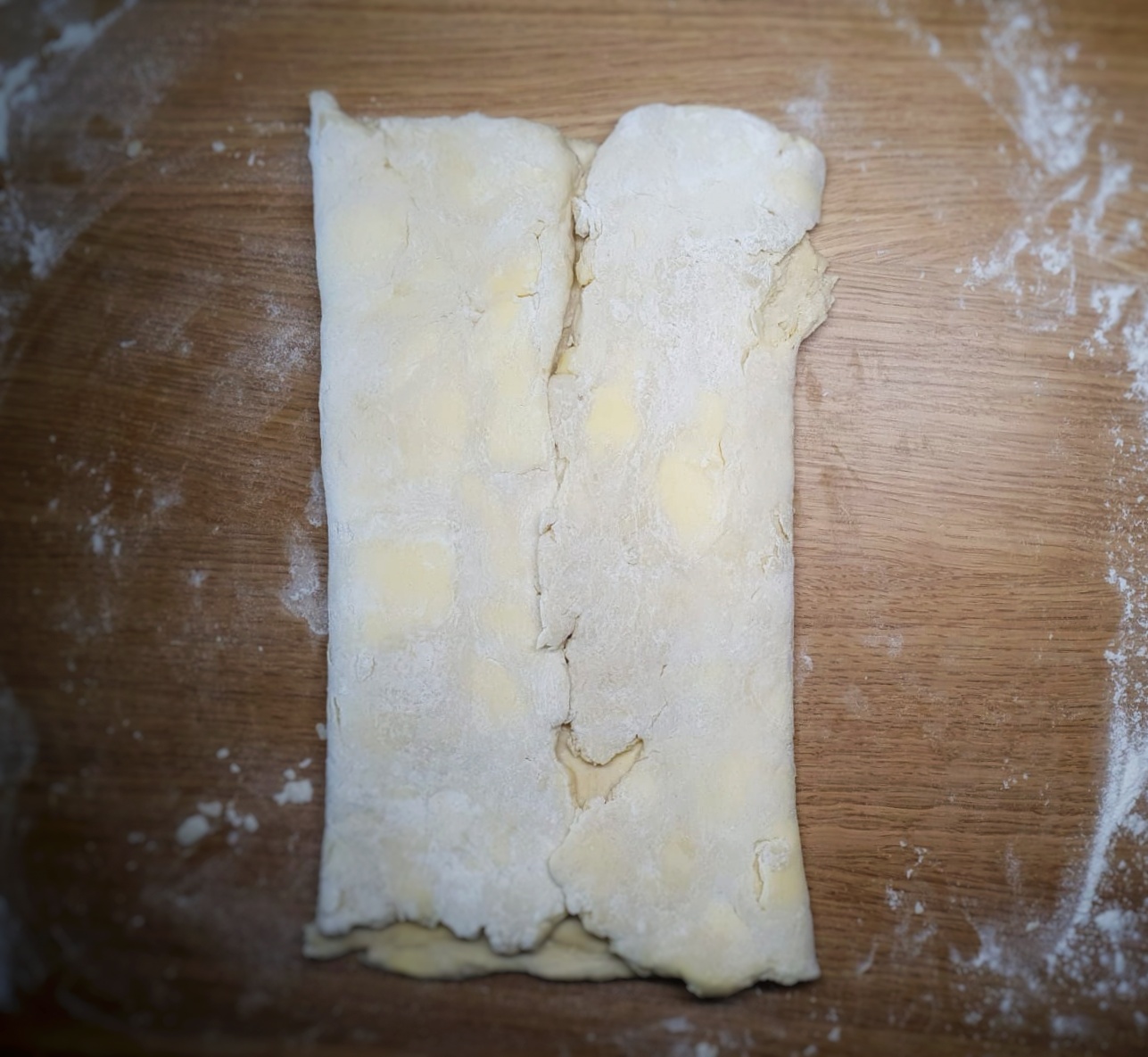
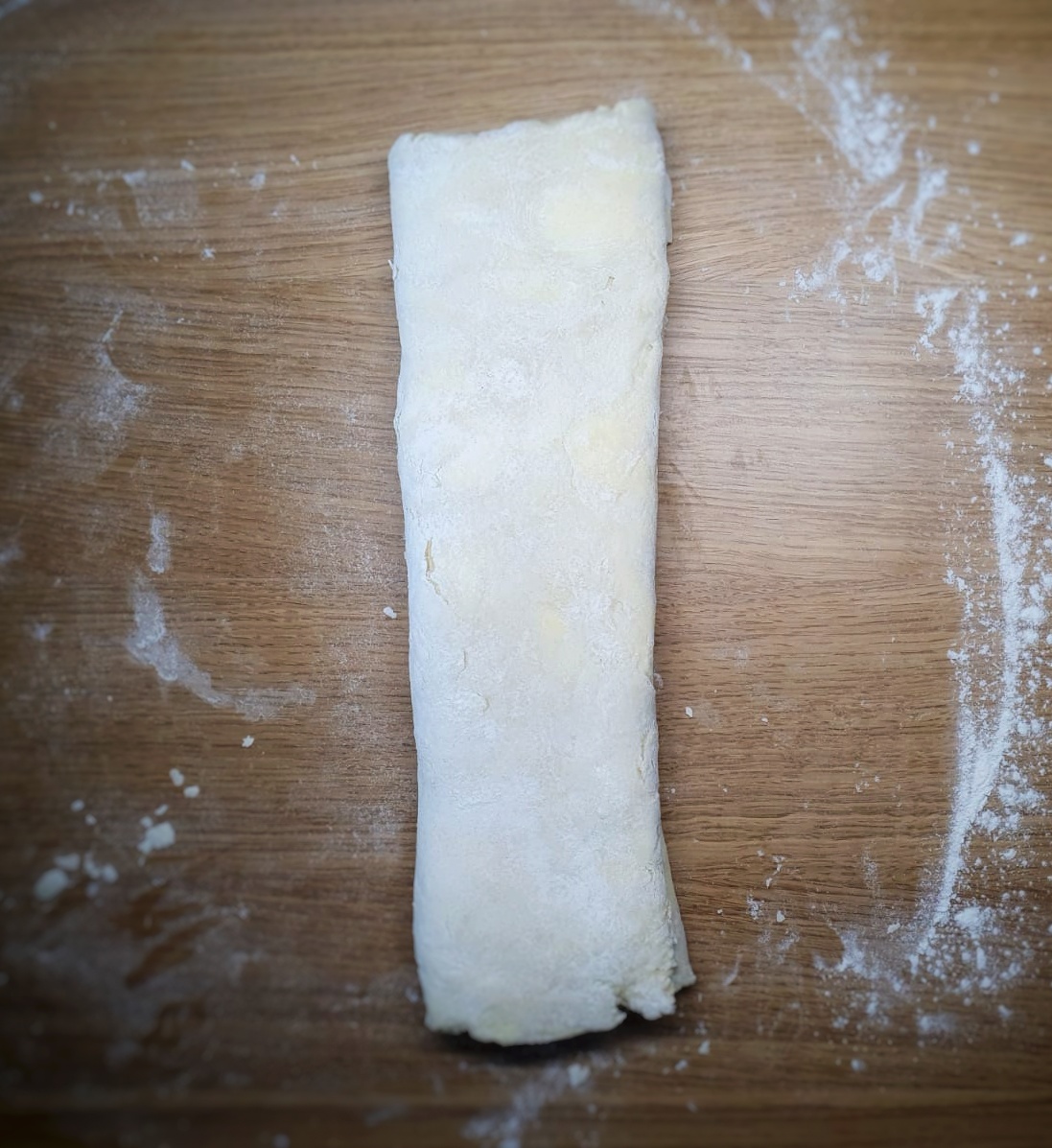
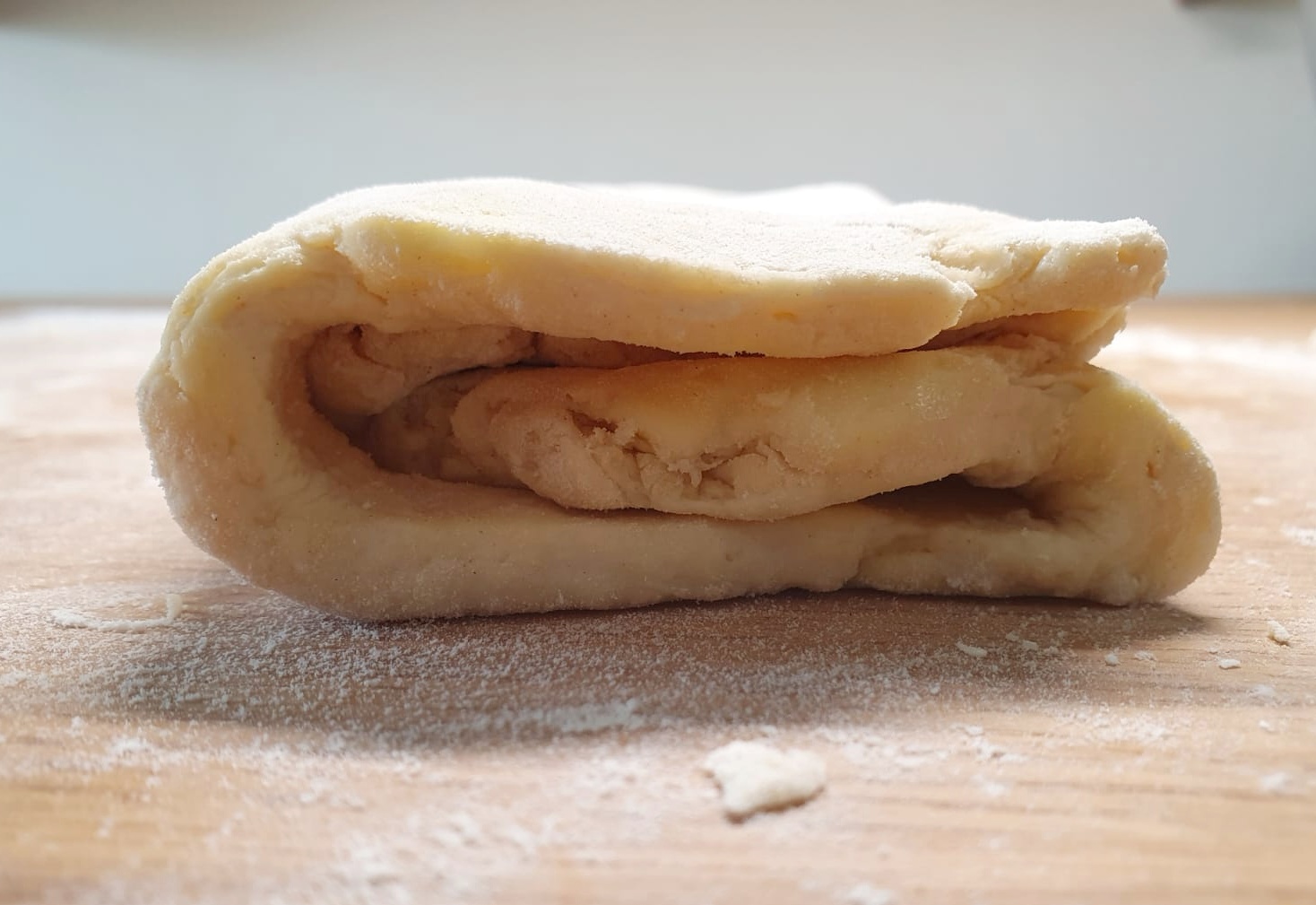
Now fold the sides into the centre of the rectangle and then fold it in half, so it looks a little like a book. Allow it to rest for 2 minutes.
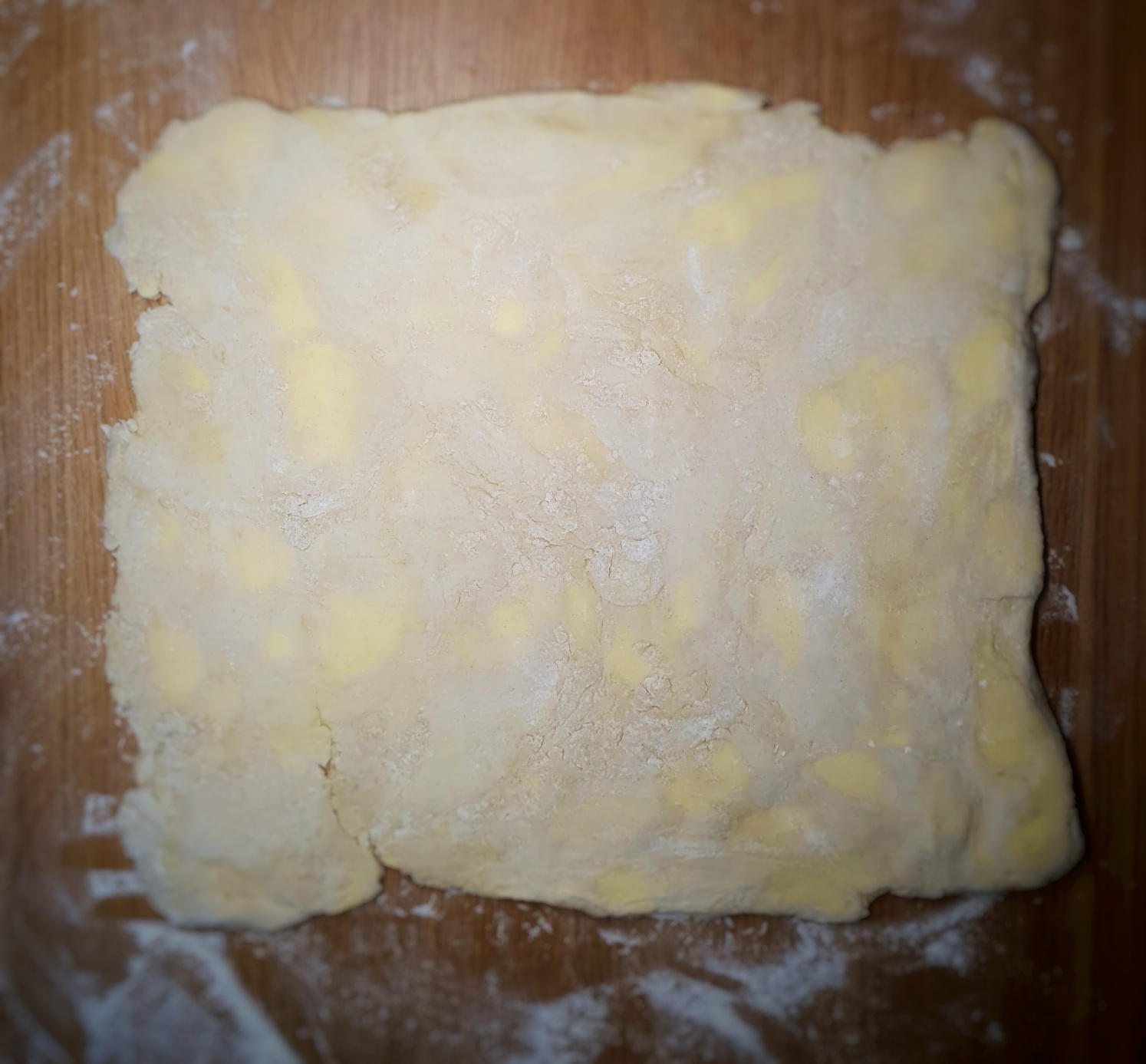
Turn it 90 degrees clockwise and then roll it out again, roll it out thin enough to flatten the cubes of butter.
Fold up and roll out one more time, before wrapping in cling film and allowing it to rest in the fridge for 30 minutes, and roll out as required.
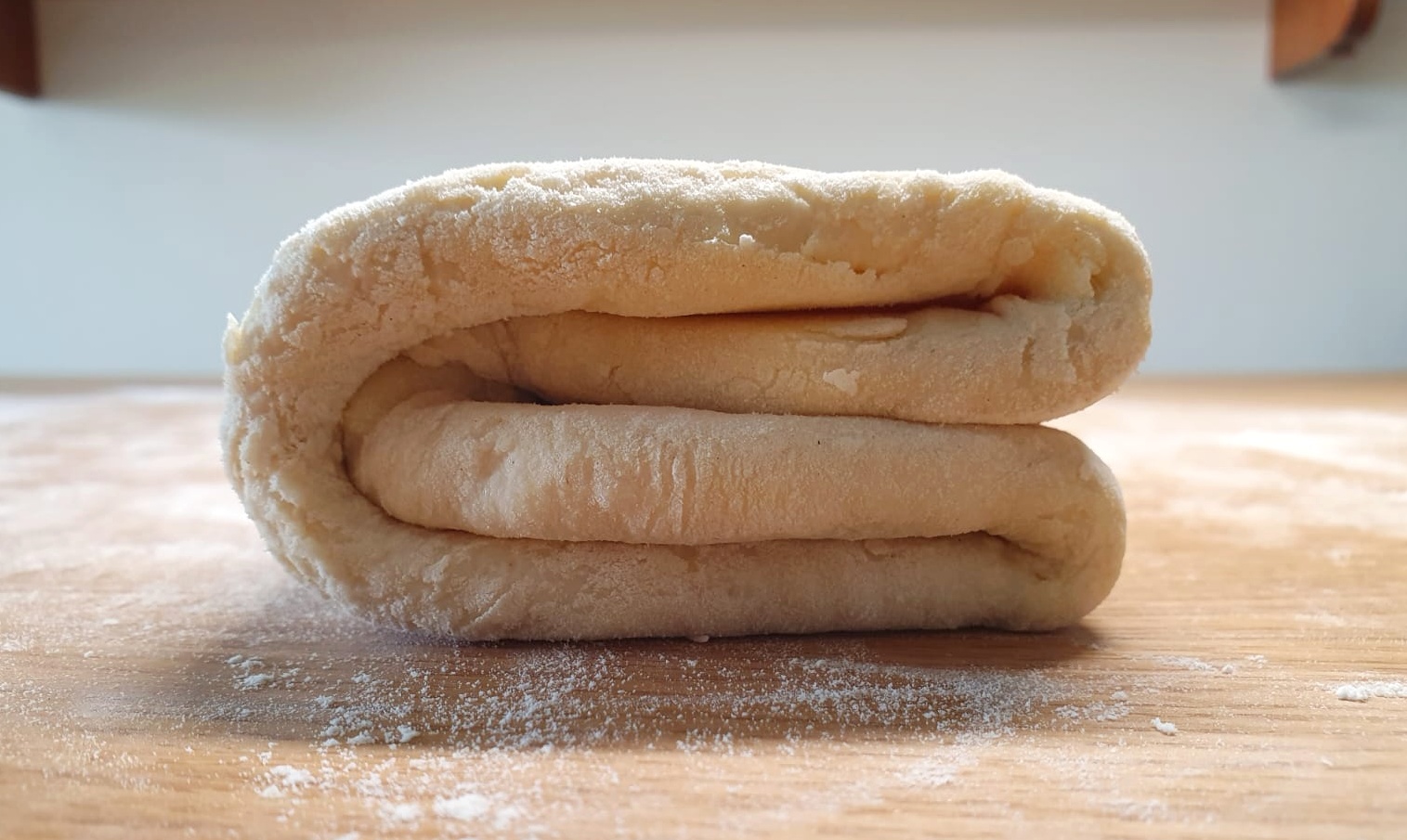
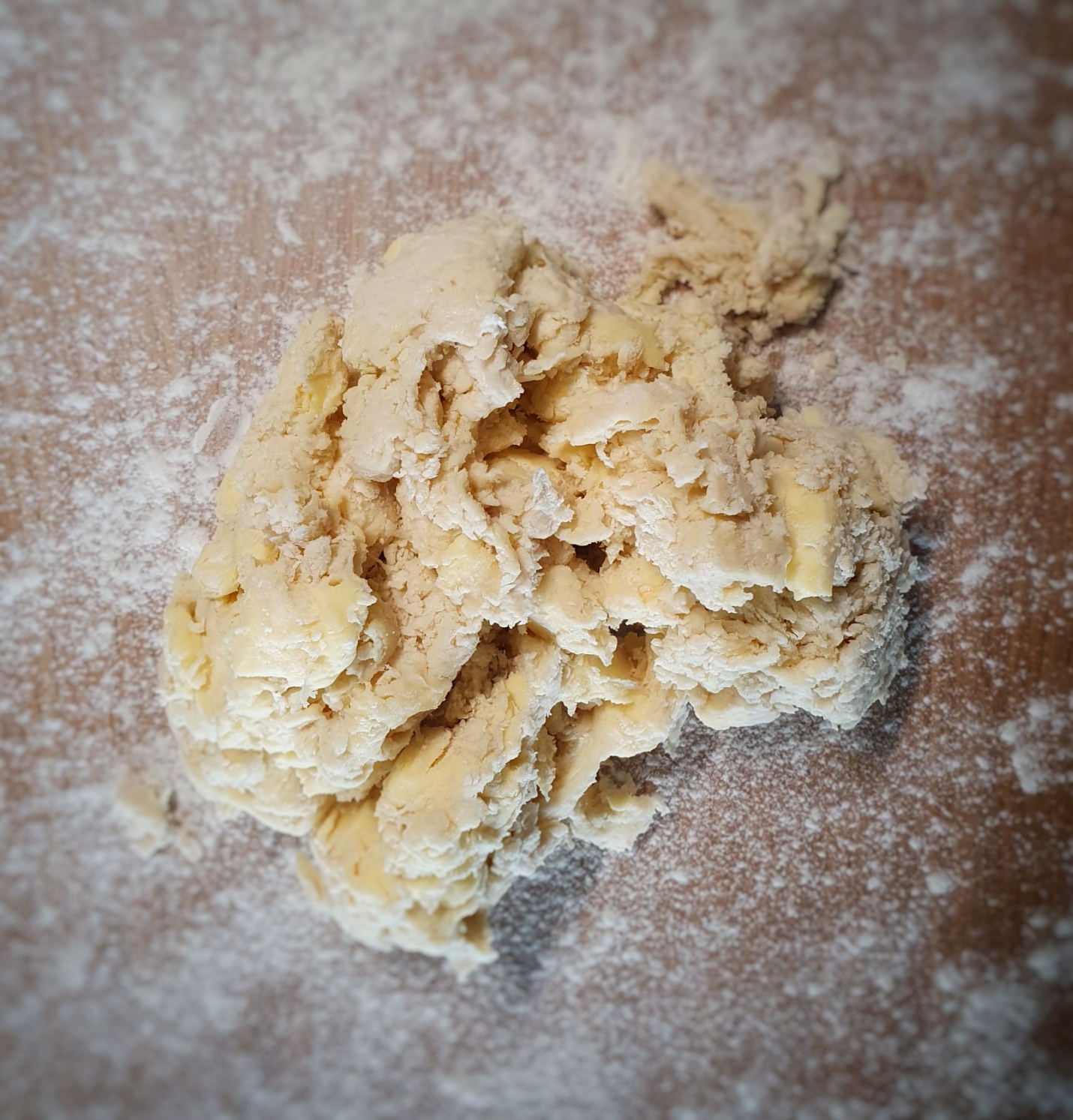
After the first turn the pastry looks a little untidyThe pads of flattened butter are obvious on the second rolling-outThe pastry is much neater and smoother after the second turn
Notes:
[1] i.e., Harrison, S. (1751) The House-keeper’s Pocket-book And Compleat Family Cook. 5th edn. R. Ware; Raffald, E. (1769) The Experienced English Housekeeper. First Edit. J. Harrop; Acton, E. (1845) Modern Cookery For Private Families. Quadrille.
[2] This is the third edition: Grigson, J. (1992) English Food. Third Edit. Penguin.
Hello everyone. A very quick post just to tell you about the in-person event at the British Library I am taking part in as part of the British Library’s Food Season Big Weekend 2024. I will be in conversation with historian and food expert Professor Nancy Siegal discussing ‘Revolution & Tea in the USA’.
It’s on Saturday 25 May 11.15 am at the British Library Piazza Pavilion, tickets £5/2.50 (barg!). There will be tea and there will be cake! Click here to book.
It would be great to see you there if you are in or around London on the 25th. You can also buy a weekend pass for the full weekend. See here for weekend passes.
More info from the website:
“Taste the past and find out how 18th century American women, armed with tea and cake, helped stoke a revolution. Nearly 300 years after the United States of America successfully freed itself from Britain, historian and food expert Professor Nancy Siegal moves beyond the battlefields and weapons to meet the women who harnessed the kitchen to champion freedom and American nationalism. Nancy will be in conversation with food historian Dr Neil Buttery. Tea and cake, made from original recipes, will be served.
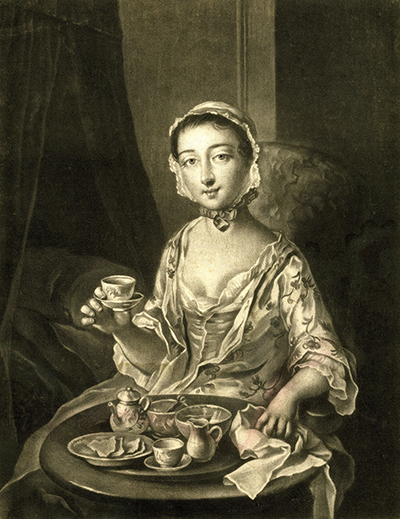
‘Morning Tea’ by Richard Houston (1758; British Museum)
Well hello! Sorry for the long quiet spell, I have been hard at work writing not one, but two books. The manuscripts have been handed in and the usual service can resume. I did keep the podcast going though, so if you’ve not heard the new episodes, listen below:
The books are about baking and puddings, and I’ll tell you more about them later in the year. As I was researching and writing them, I realised that there are recipes I have been meaning to write for you, but, for one reason or another, I have never got around to. Well, I aim to rectify this over the next few months. Top of my pile is the very delicious Chelsea bun, my favourite of the sticky bun tribe.
I recently asked Twitter[1] which was better, cinnamon or Chelsea buns. In my hubris, I expected the Chelsea bun to win easily. It did not, and the main reason it wasn’t picked was that folk didn’t know what one was. Well, today I give you my recipe which I have been working on and I think perfected (I hope you agree).
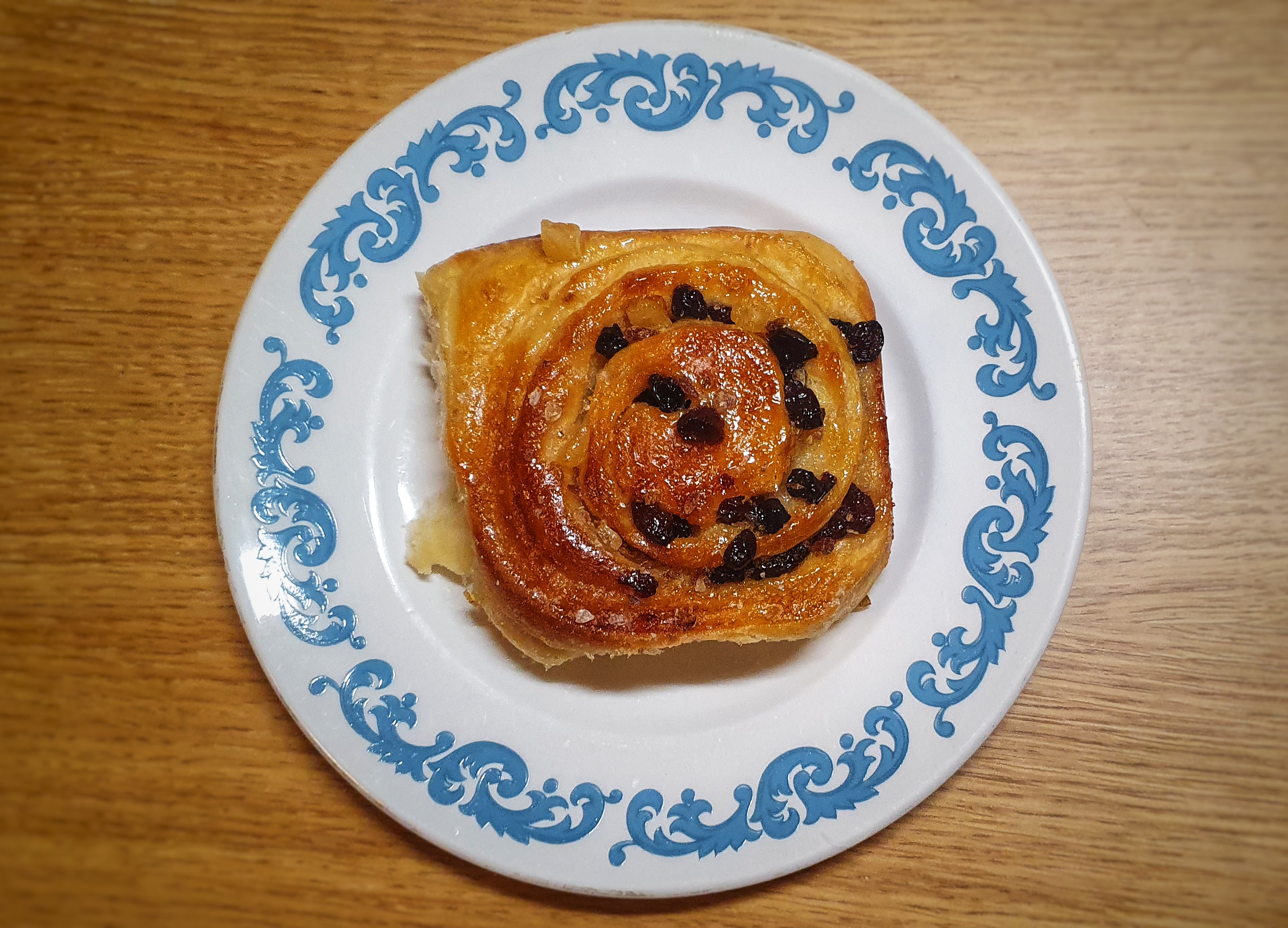
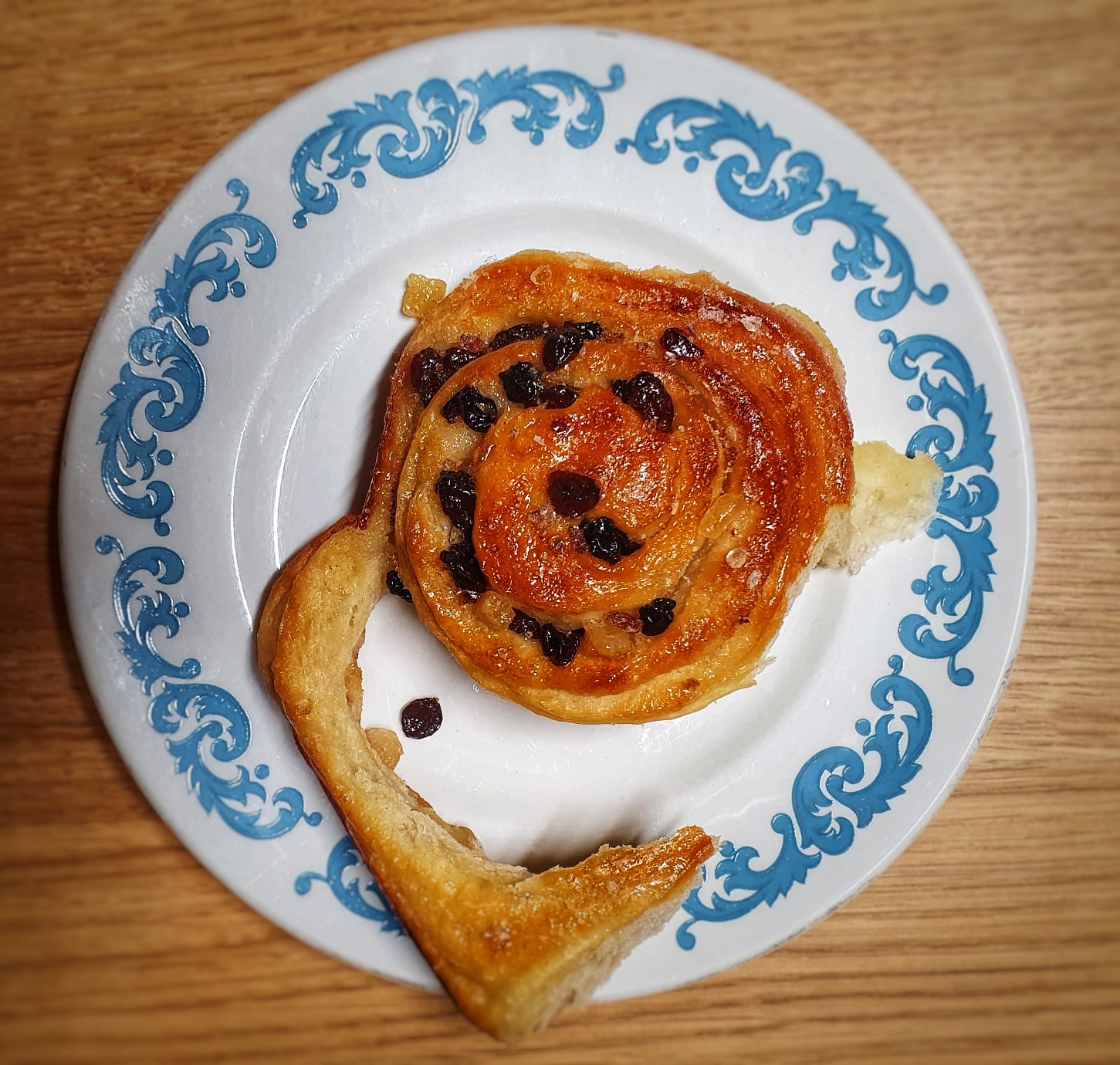
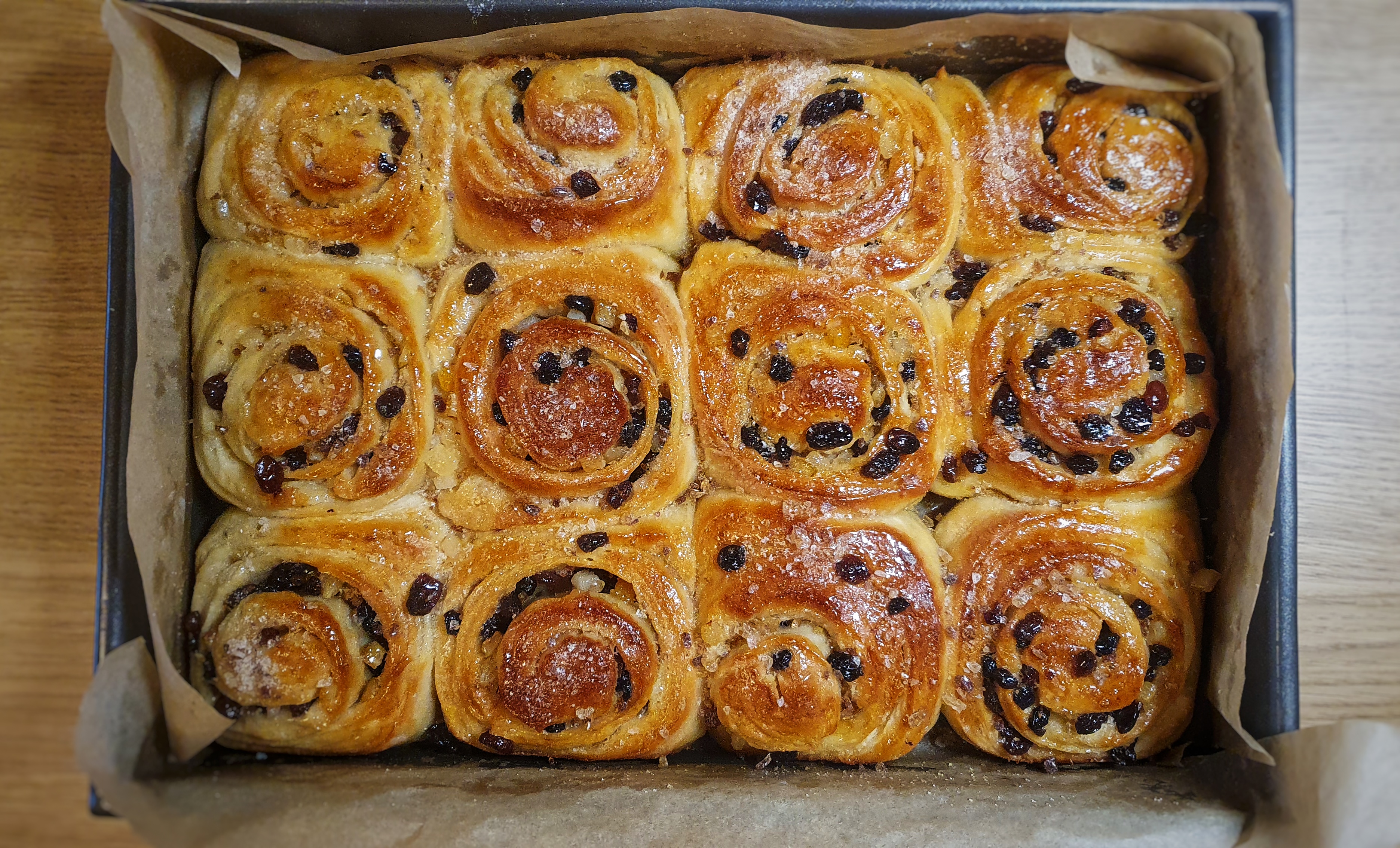
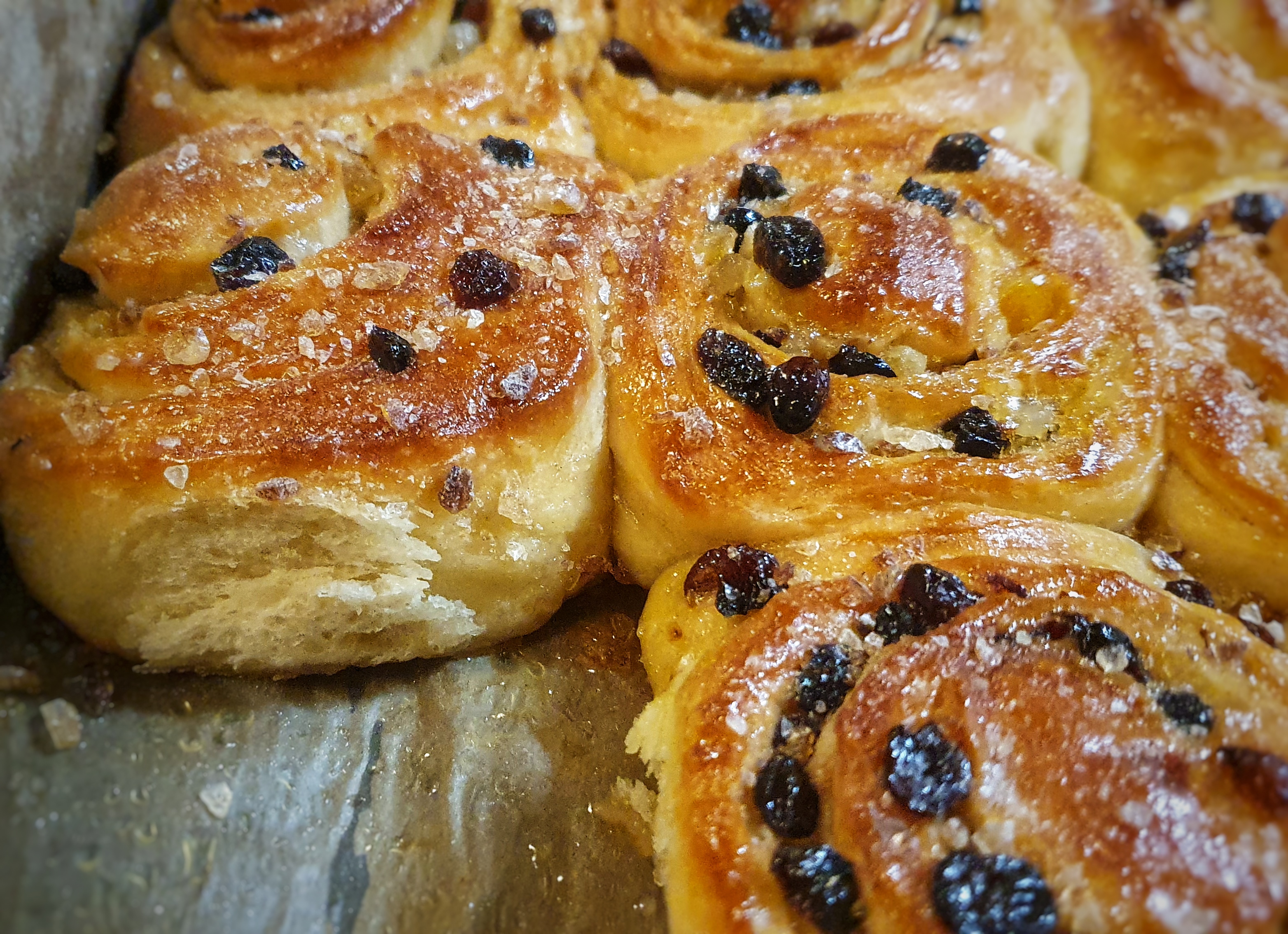
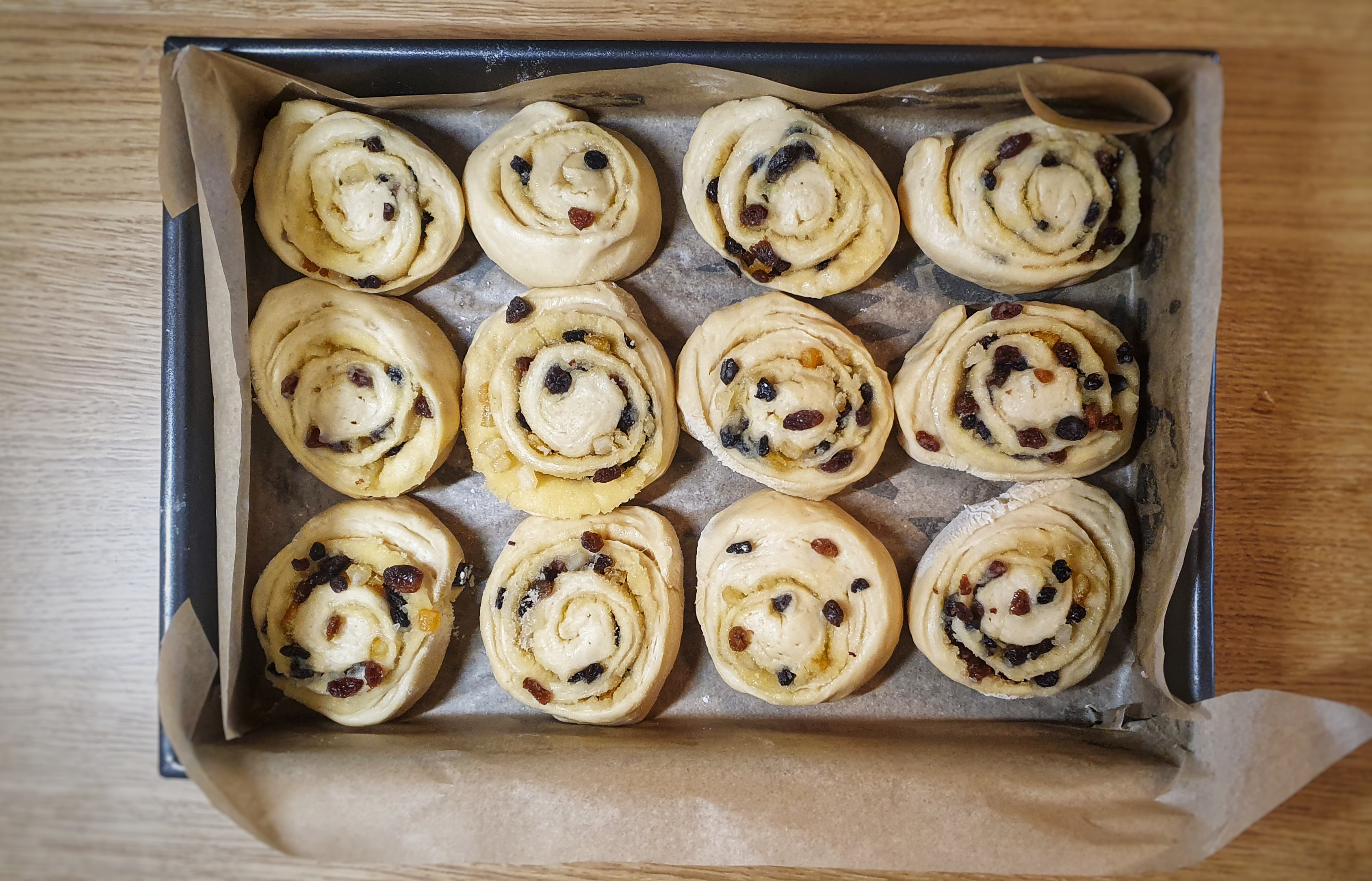
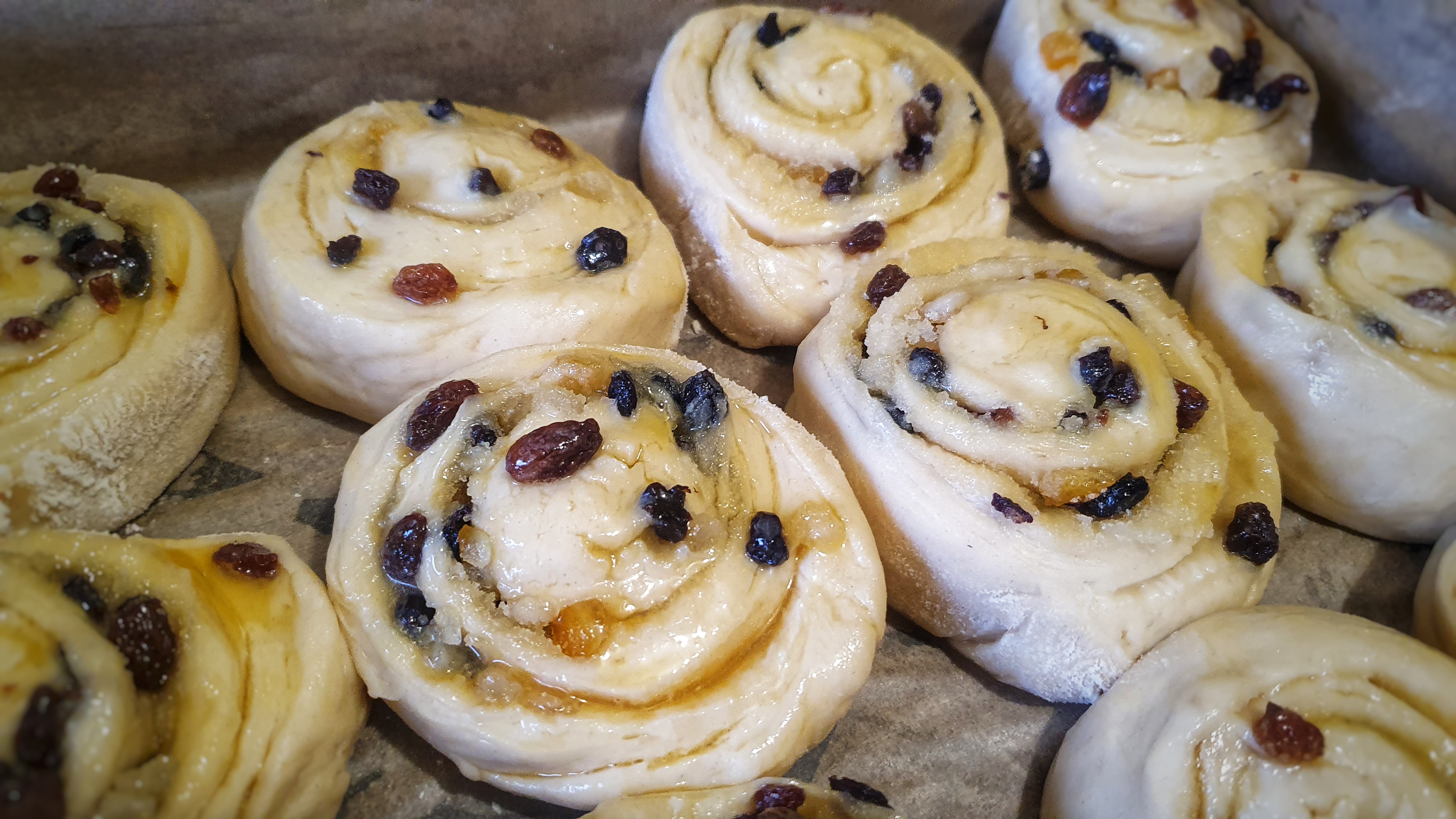
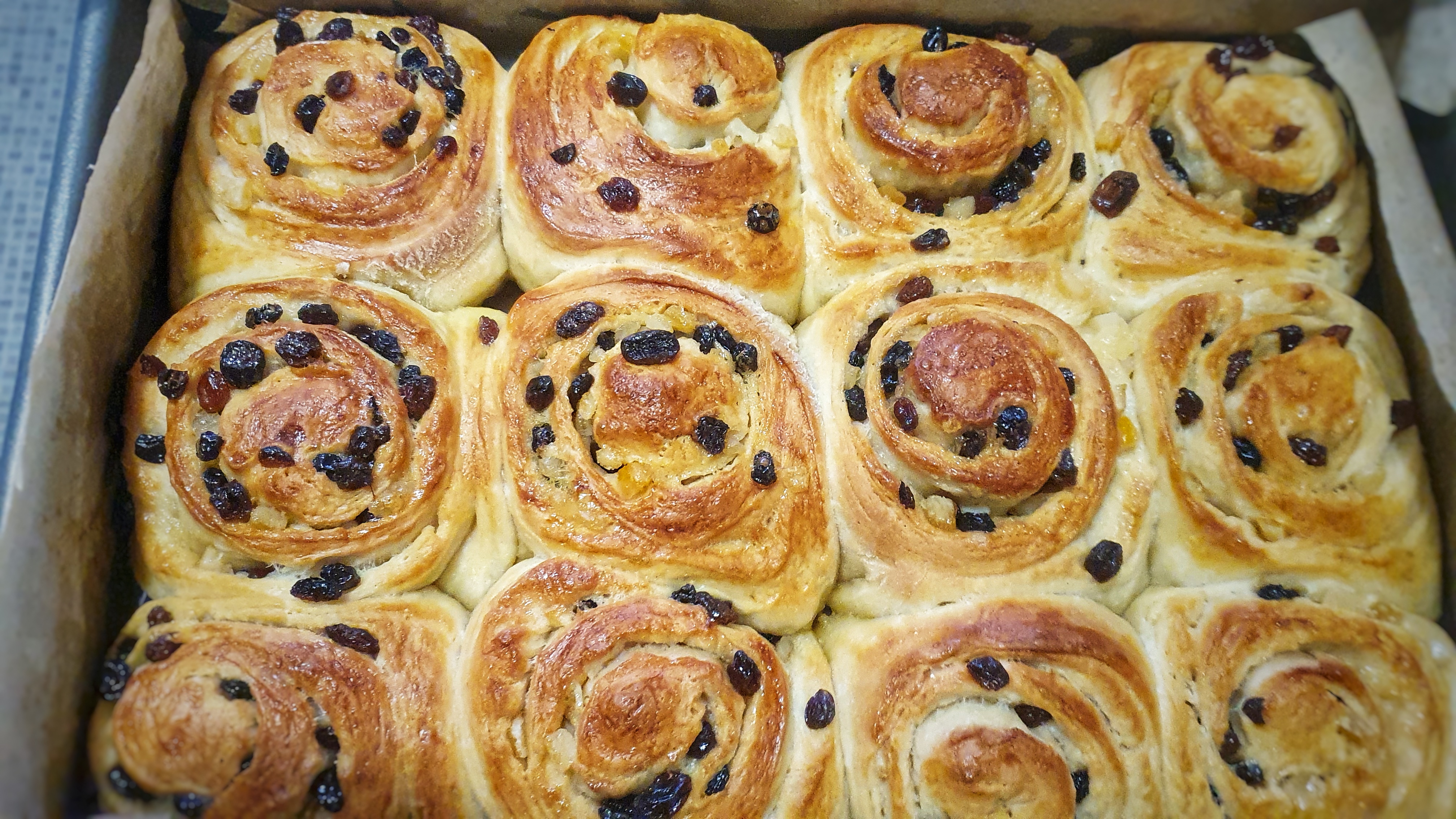
For those not in the know, a Chelsea bun is a coil of enriched dough filled with butter, sugar and dried fruit. They are batch-cooked together so as they grow, they touch, filling the tin, producing buns that are soft on the sides, gooey at the bottom and brown on the top. They are finished with a sticky glaze and adorned with crunchy sugar. Decadent deliciousness. Jane Grigson wrote that they are ‘[t]he best of all the buns, on account of their buttery melting sweetness, and the fun of uncoiling them as you eat them.’[2]
They were first made at the Bun House in Chelsea at the start of the 18th century, the earliest mention of them cropping up in the 1710s.[3] The buns fell out of favour sometime in the early 20th century and are hard to track down, so if you want to try one, you’ll have to make it.[4]
If you like the blogs and podcast I produce and would to start a £3 monthly subscription, or would like to treat me to virtual coffee or pint: follow this link for more information.Thank you.
Recipe
The dough for these buns is sticky and difficult to knead, and I would advise using the dough hook attachment on a stand mixer. Hand-kneading is perfectly possible, it’s just a messy business.
Enriched doughs take longer to prove, so if there is somewhere warm to prove your dough, so much the better.
Makes 12 buns
For the bun dough:
500g strong white flour
5g/1tsp instant yeast
10g/2 level tsp salt
60g sugar (caster or brown)
90g softened butter
250ml warm milk, or half-milk-half-water
1 beaten egg
For the filling:
60g melted butter
90g sugar (caster or brown)
90g raisins and/or currants
40g candied peel
Egg wash
For the glaze:
50ml water
50g caster sugar
Crushed lump sugar (optional)
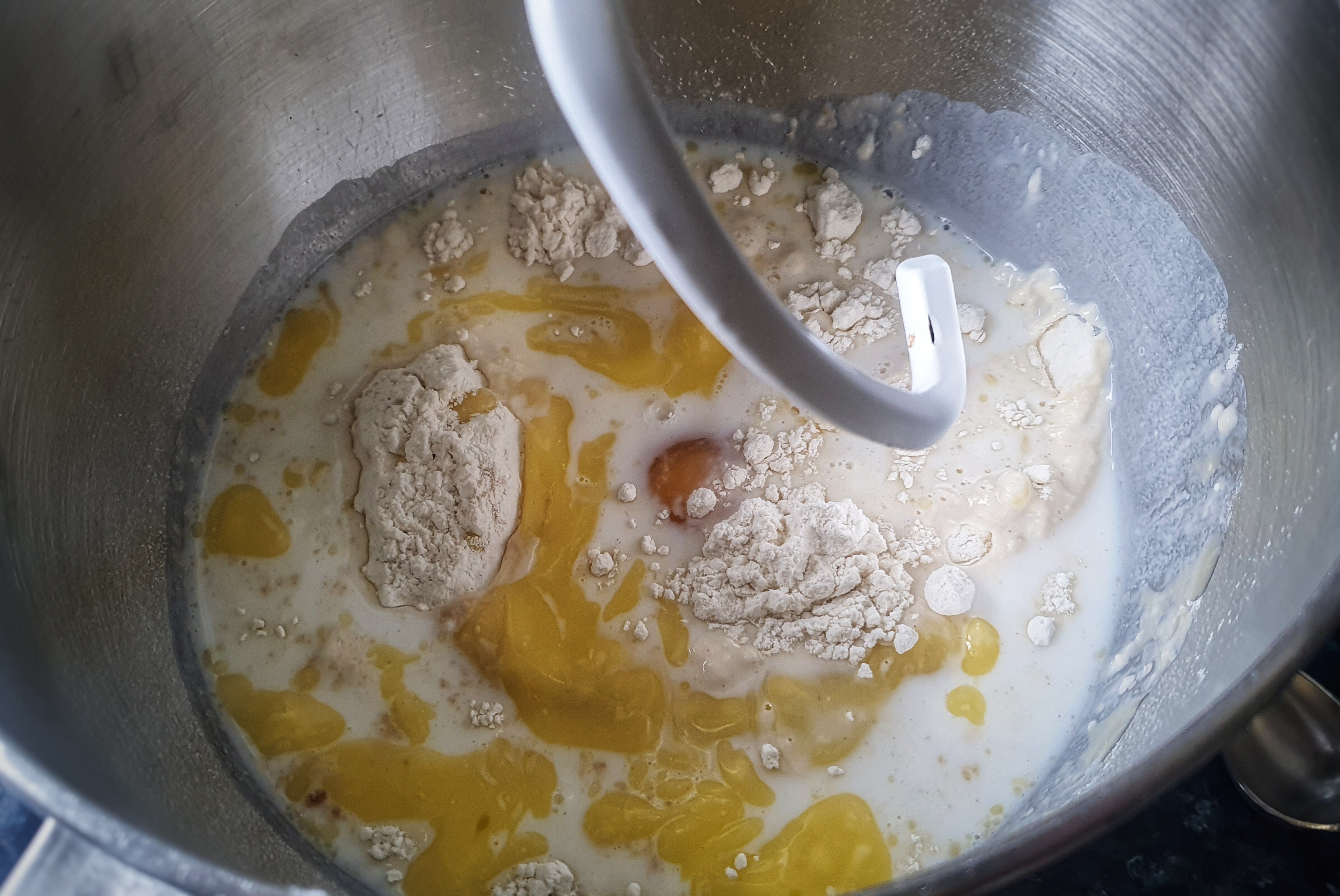
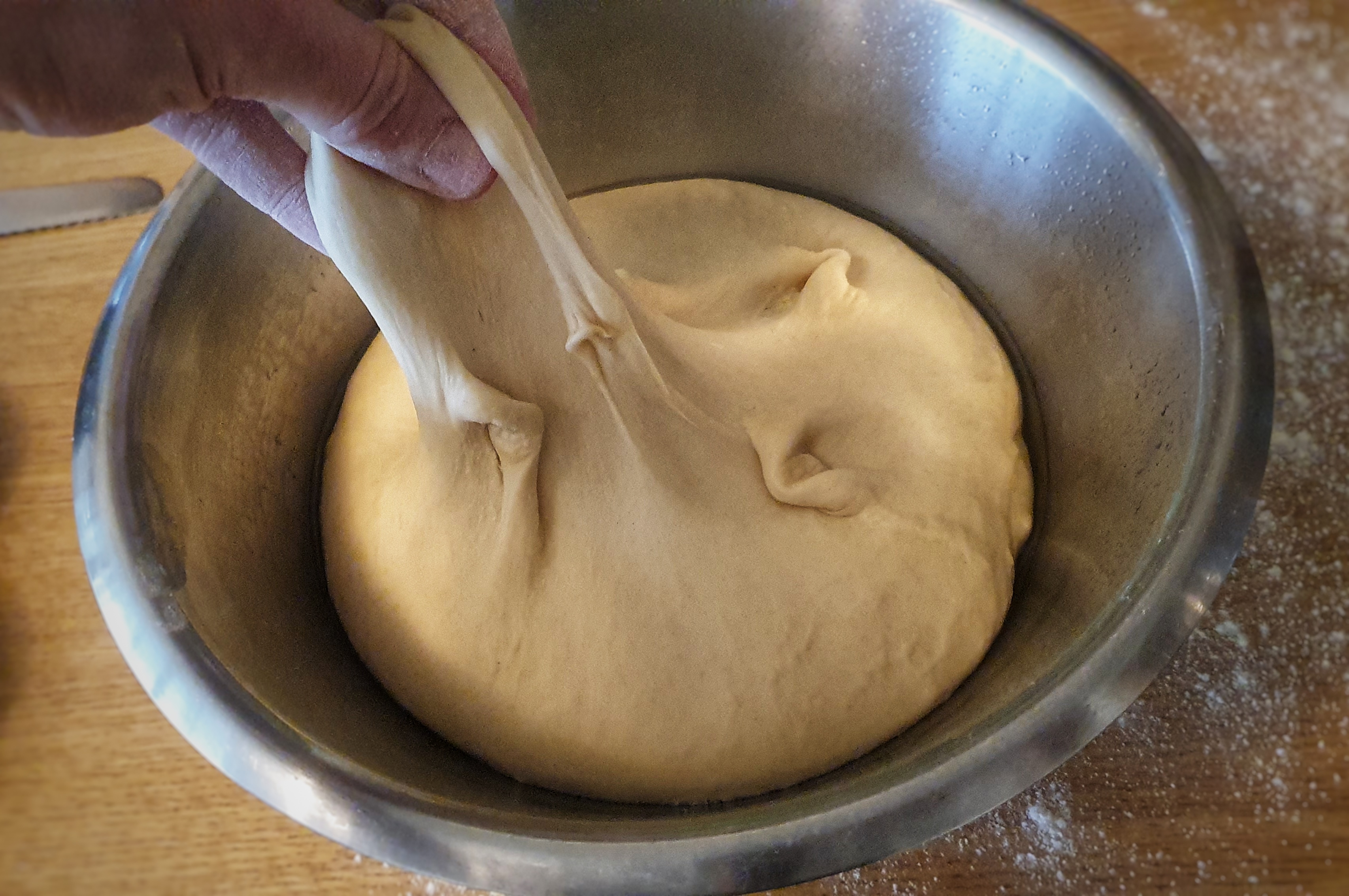
Make the dough using a stand mixer, if possible: first, mix all of the dry ingredients in a mixing bowl. Next, make a well in the centre and add the butter, liquid and egg. Mix to combine the ingredients and then knead with a dough hook on a slow-medium speed for around 10 minutes until smooth and the stickiness of the mixture has much reduced. Lightly oil another bowl (and your hands) and turn out the dough, tightening it up into a ball. Cover and prove until at least double in size. I proved mine at room temperature and it took 90 minutes.
As you wait, line a 24 x 34 cm deep-side tray with greaseproof paper, fixing it in place with dots of oil or butter.
Fix the side closest to you by pressing and spreading the doughy edge to the worktop.
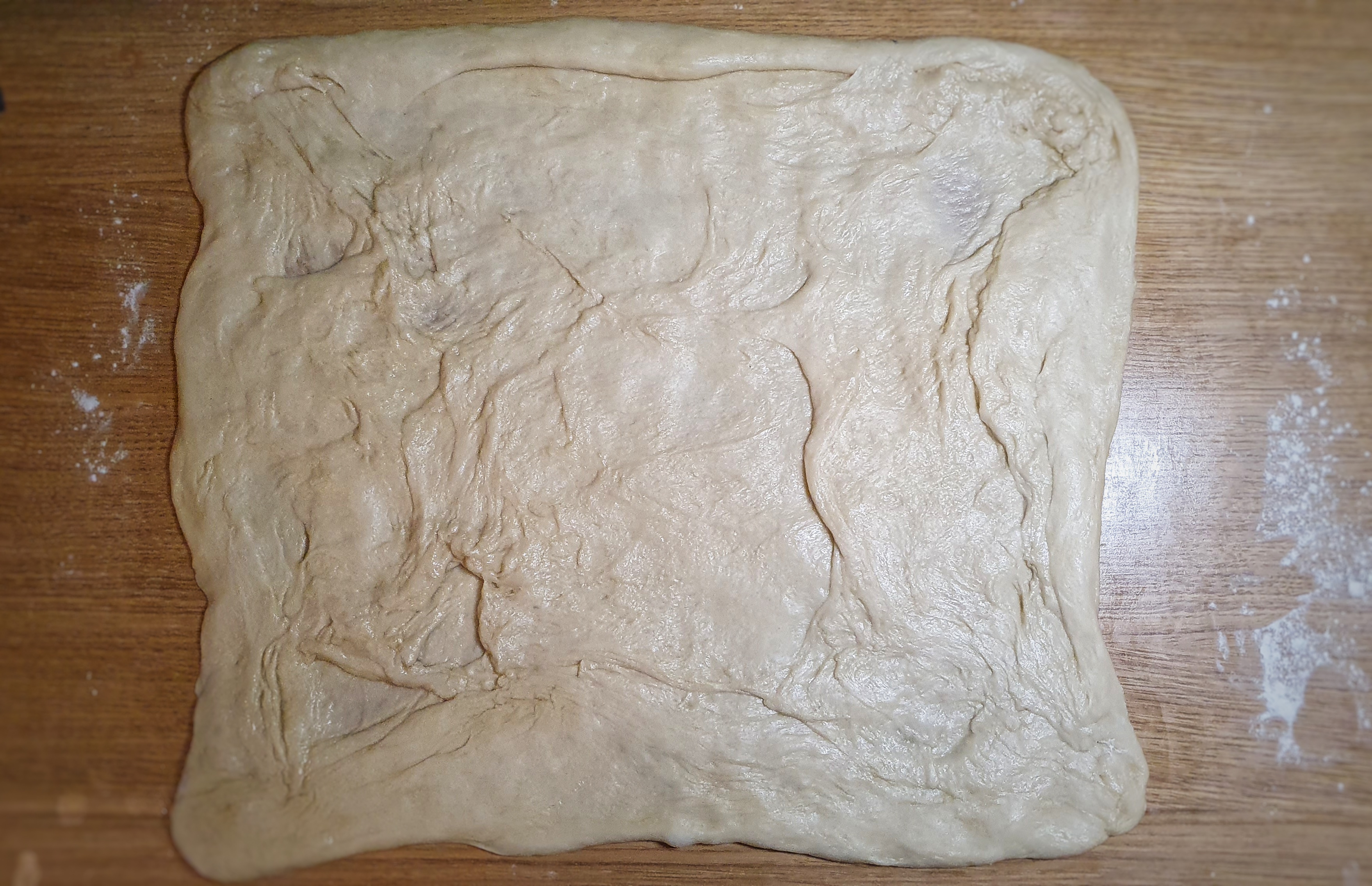
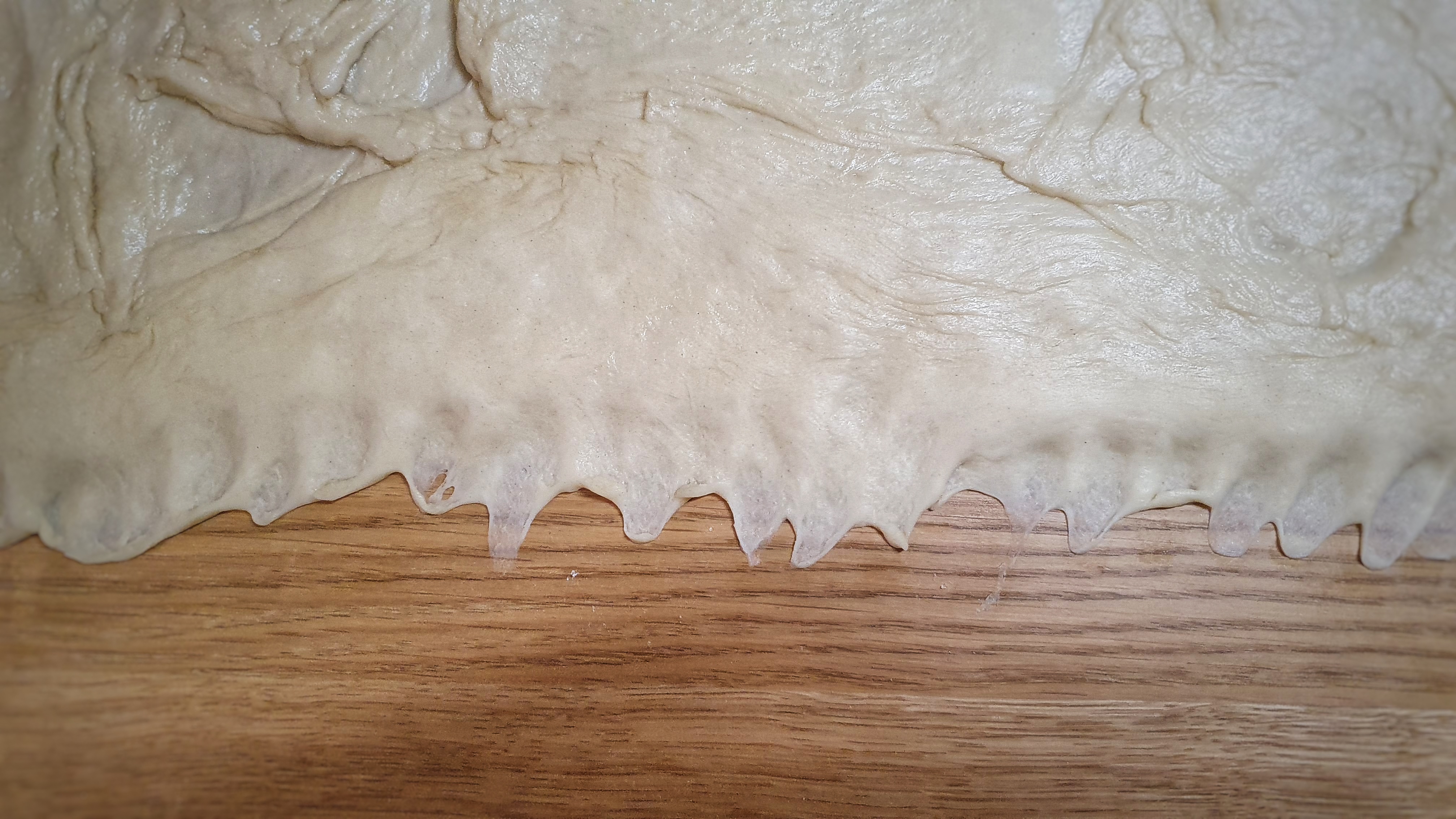
When doubled in size, roll or press out the dough out on a lightly-floured surface – it’s still sticky so make sure you reapply flour to your worktop regularly – until you make a rectangle measuring approximately 40 x 60 cm, the dough with its long side facing you. Have patience and try to make the dough of even thickness.
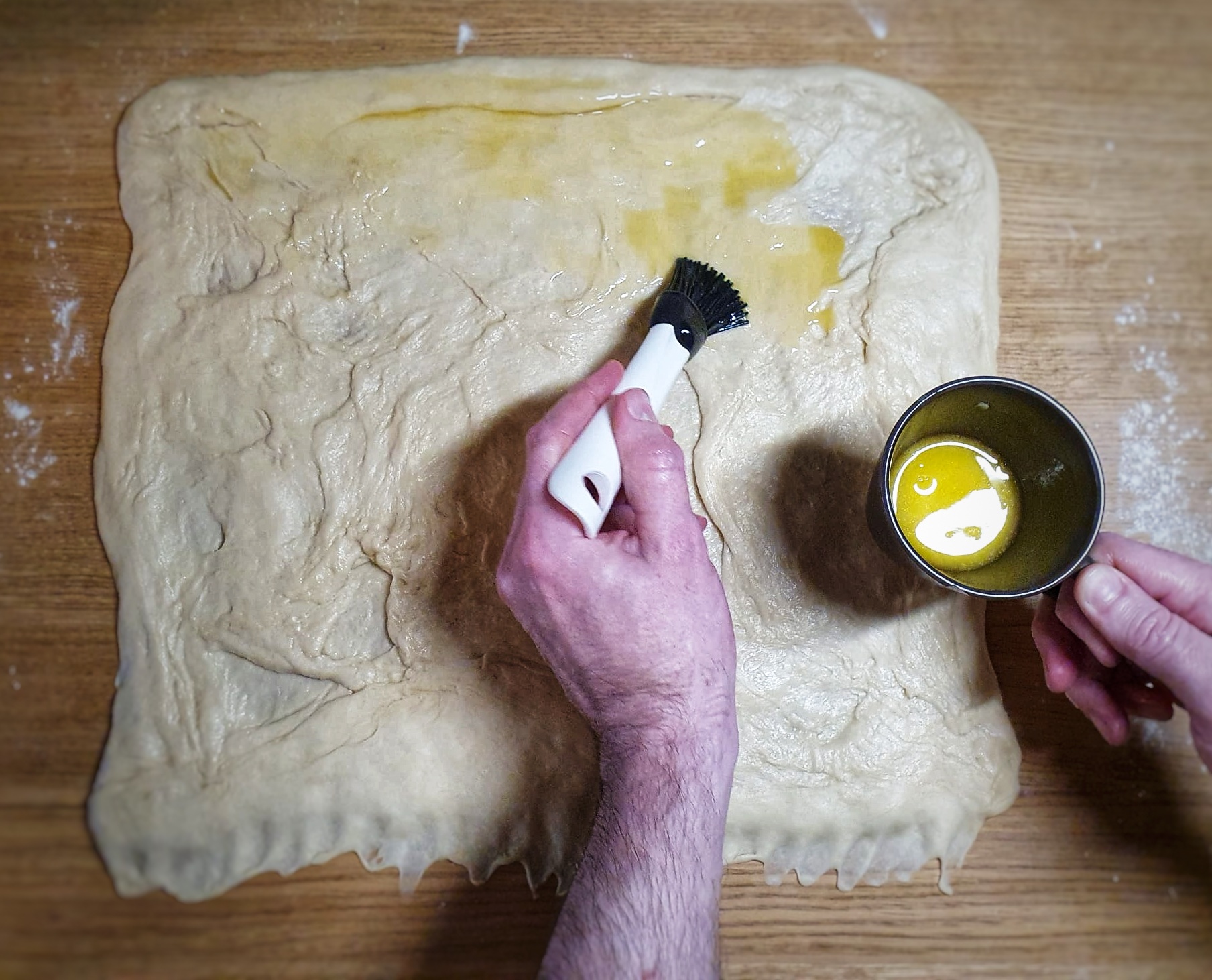
Now apply the filling: lavishly brush the dough with the melted butter, go right up to the back edge, but leave a 1-cm gap on the side edges and 2-cm on the edge facing you.
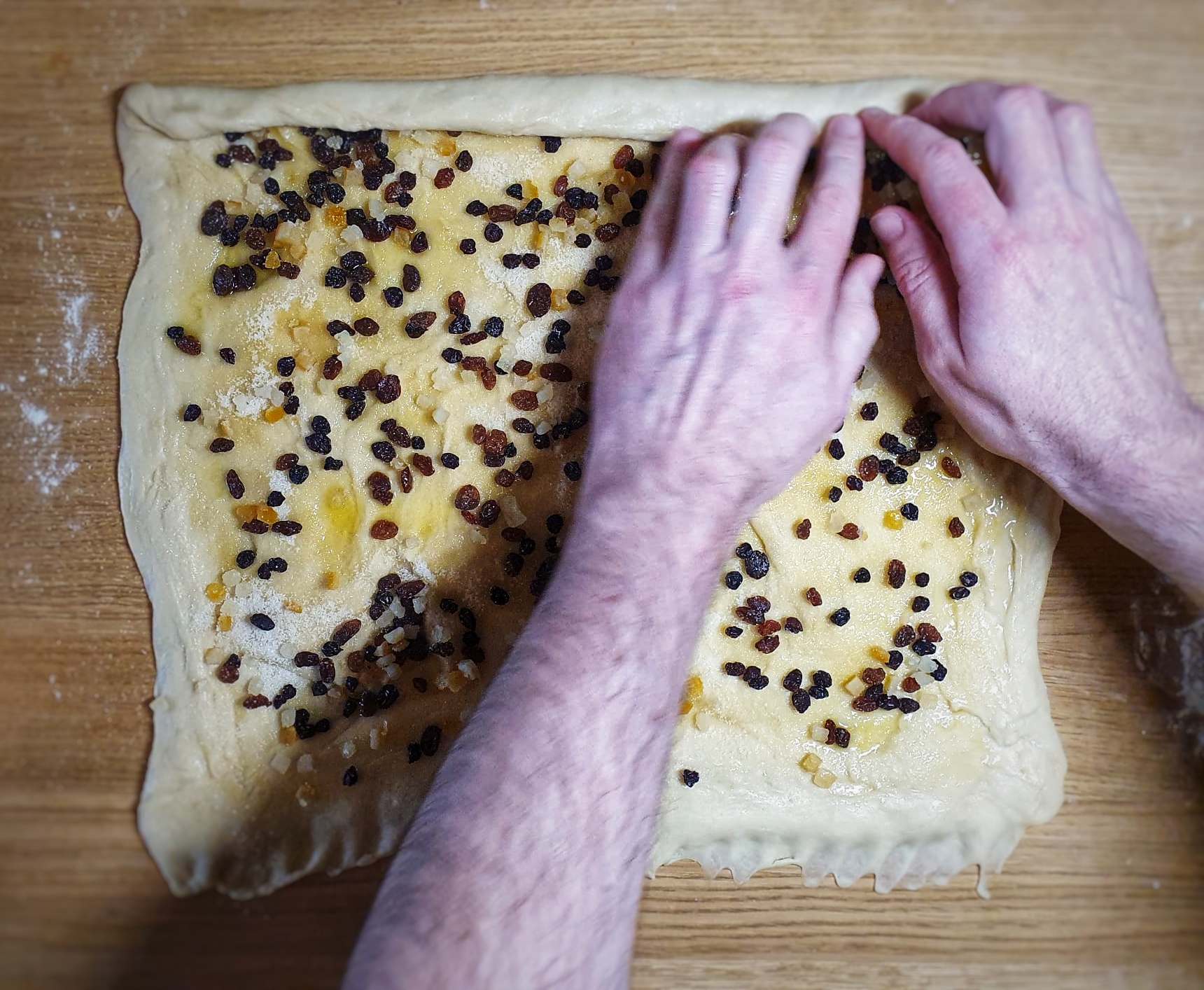
Next, sprinkle the sugar evenly, then the dried fruit and candied peel.
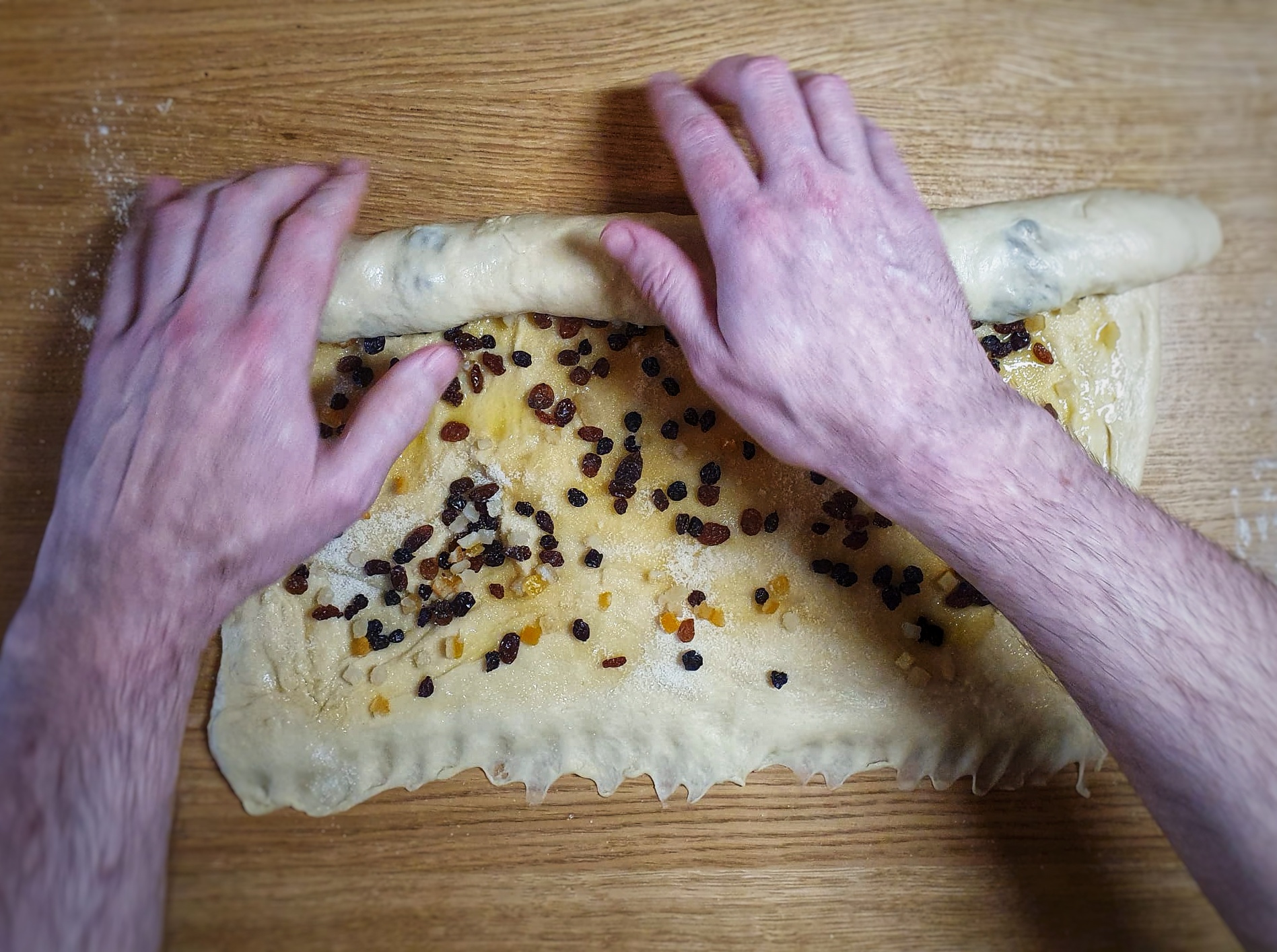
Now the fun bit: fold the further edge over and start to roll up the dough by lifting and stretching gently before rolling, keeping the coil tight. It is easiest to do this in sections. Keep going until the dough is almost rolled up, then lightly brush the facing edge with a little water.
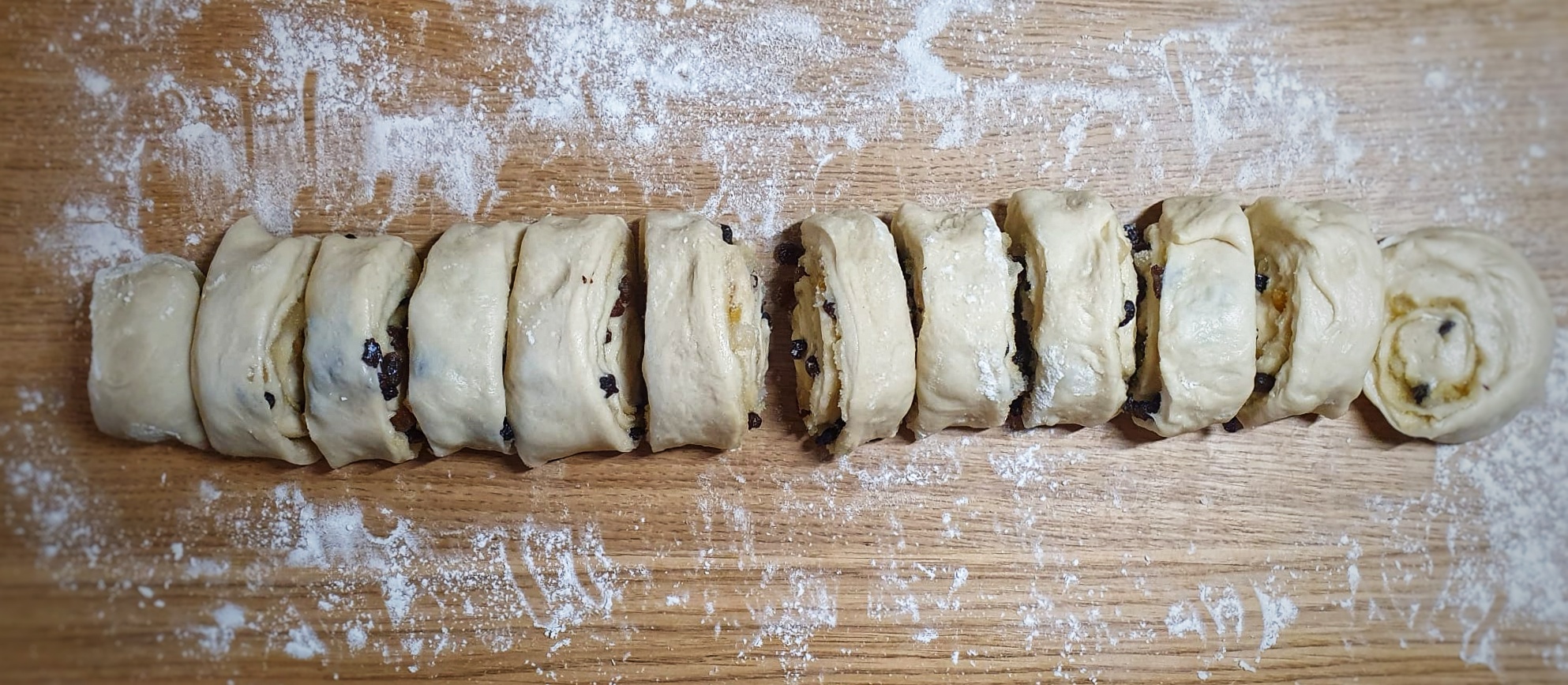
Using a sharp knife, cut off the two ends[5] – I like a serrated knife for this job – then cut the dough into 9 or 12 pieces. If the knife presses the edges a bit and flattens the coils, don’t worry, they can be easily reshaped by hand.
Arrange your buns in your prepared tin, leaving a good and even gap between them. Cover and allow to prove again: for me, this took 60 minutes.
When they are almost proved, preheat your oven to 200°C. When ready, brush each bun with beaten egg. Slide into the oven and bake for 25 to 3- minutes if baking 12 buns. It’s worth investigating them to check they have baked all the way through.
When they come out of the oven, sit them on a cooling rack in their tin.
Make the glaze by mixing the sugar and water in a pan over a medium heat. Stir to dissolve, increase the heat and bring to a boil, and let it bubble away for 30 seconds. Take off the heat and brush the buns: be lavish. It might take a couple of coats to use up all the glaze. If you like, sprinkle with crushed lump sugar.
Happy New Year everyone! I’m only a little worse for wear after a night out in the bustling metropolis that is Levenshulme, South Manchester. Going out didn’t mean I negated on cooking up my annual New Year’s Eve pudding though: this year it was plum pudding (it is still Christmas remember!) which did a great job of lining my stomach. The recipe was of course the one I picked up last year, courtesy of Sam Bilton’s Great Aunt Eliza.
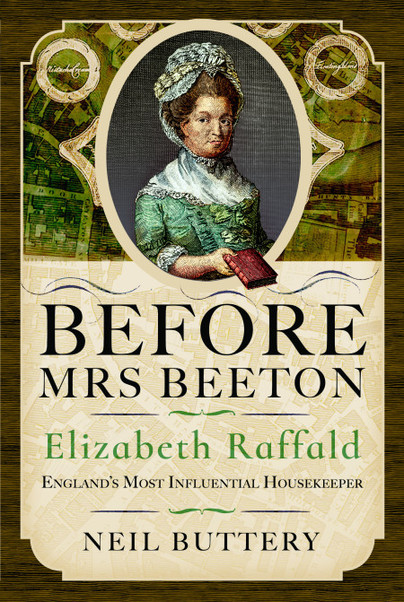
Well what a year it has been with regard to my writing: I wrote a few articles for Country Life (you can read them on my Media page), and my second book Before Mrs Beeton – a biography of food innovator and entrepreneur Elizabeth Raffald – came out in March and it seems to have gone down well. The big news was my previous book, A Dark History of Sugar, won the Best First Book Award at the Guild of Food Writer’s Awards 2023; little old me! Completely unexpected, but very pleased as I’m sure you can imagine.
The blog has continued to do well, receiving more views in 2023 than in any other year, and the podcast has gone from strength to strength; according to Spotify, my listenership has increased by 125%.
I wouldn’t have been able to do all of this without you all reading and commenting, listening and downloading. It is you who spurn me on to keep on making more content, so thank you all very, very much.
A special shout out too to everyone who supported the blogs and podcast financially by treating me to a virtual coffee or pint, or by becoming a £3 monthly subscriber. It’s becoming increasingly more expensive just to have podcasts and blogs these days, so I really appreciate it.
If you like the blogs and podcast I produce and would to start a £3 monthly subscription, or would like to treat me to virtual coffee or pint: follow this link for more information.Thank you.
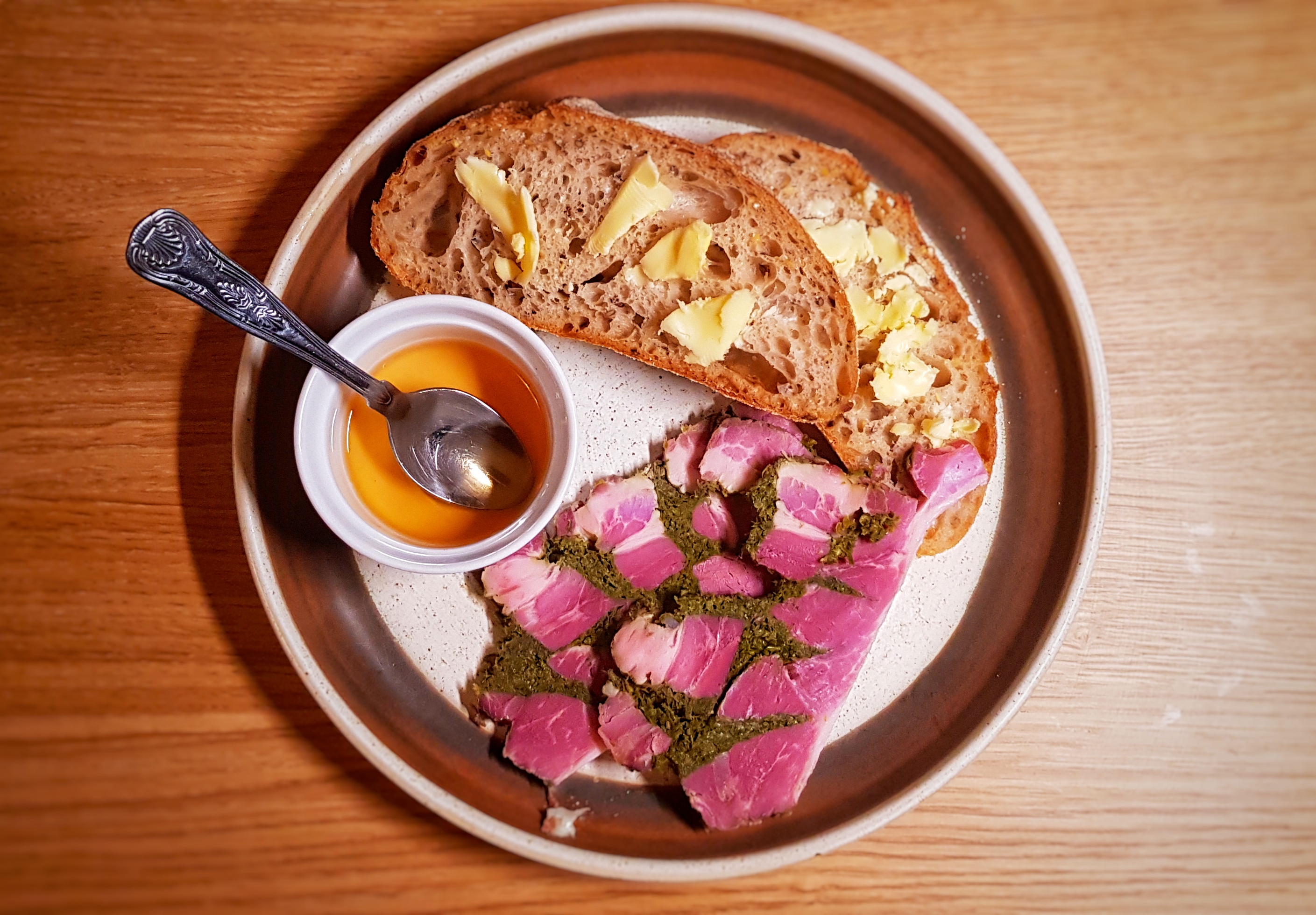
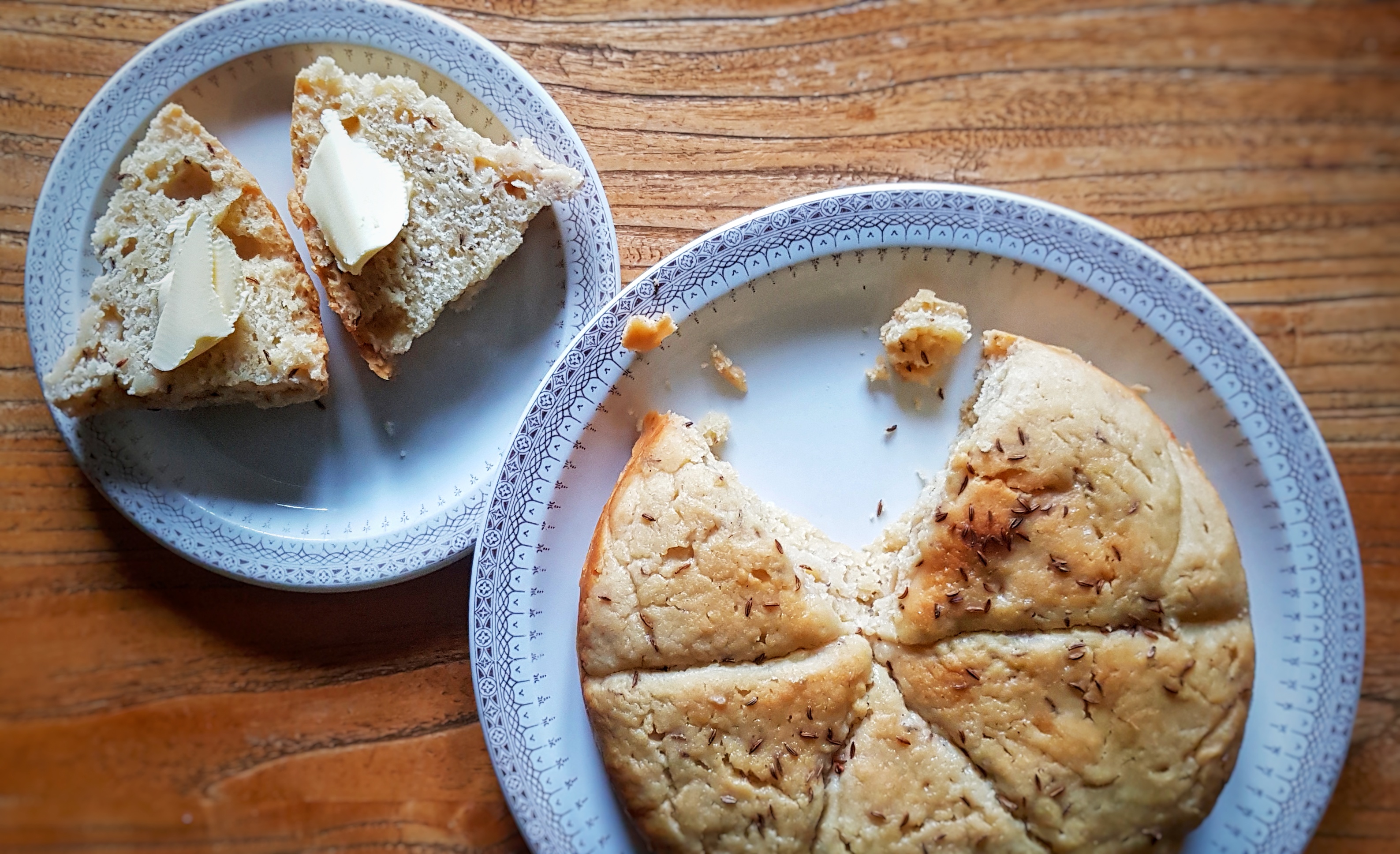
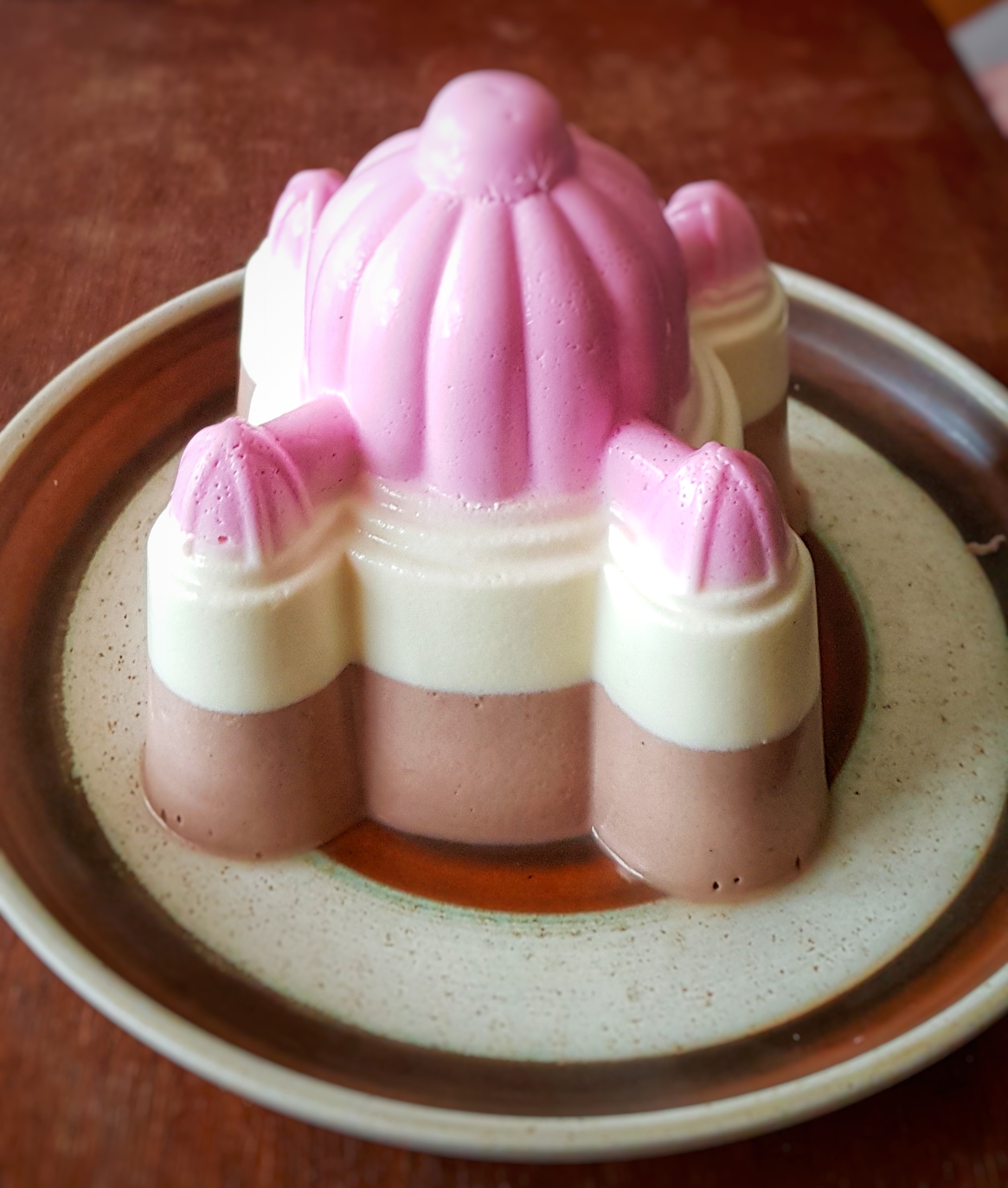
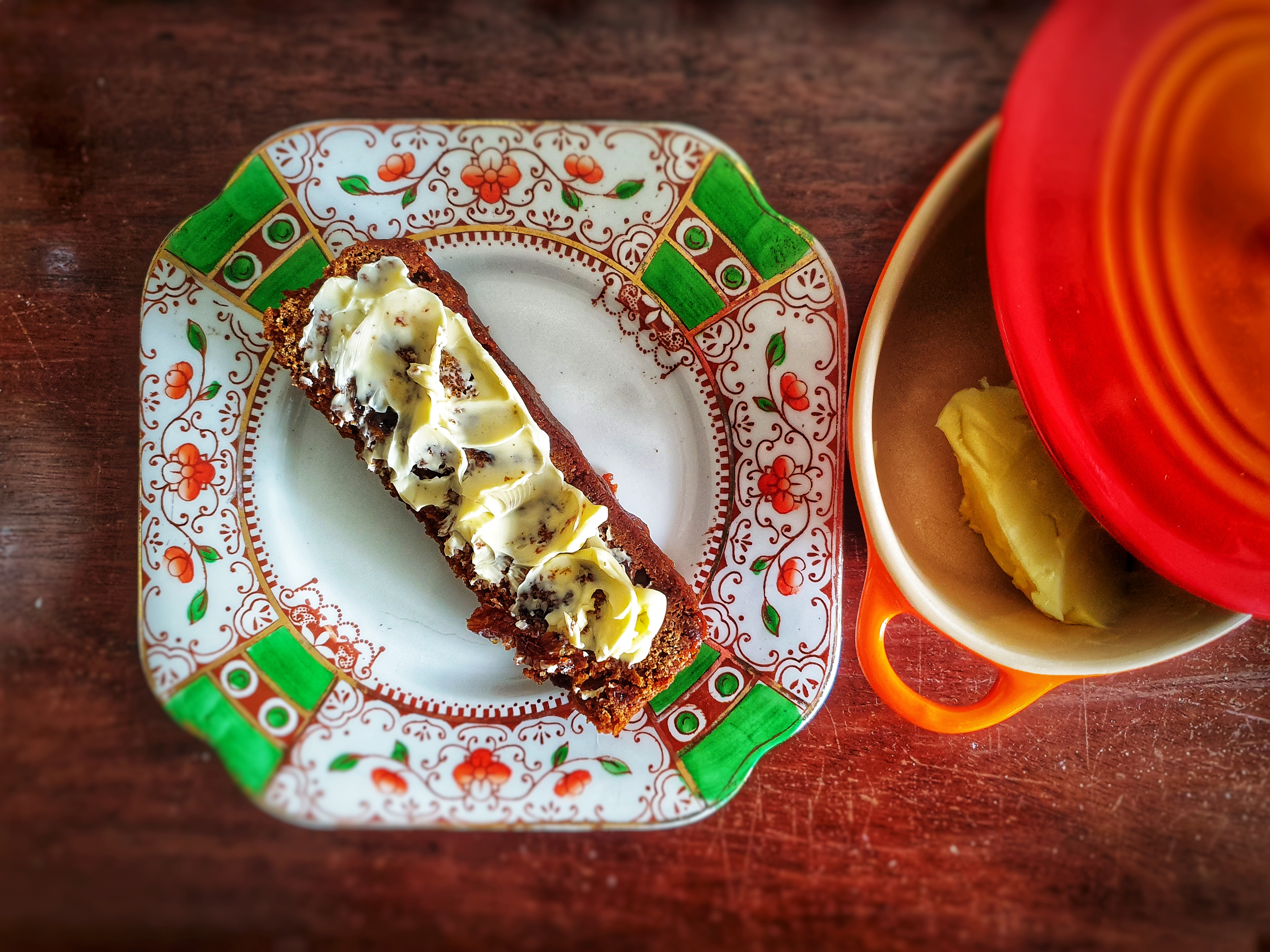
Some of the foods I cooked up for the blogs this year (L to R: Lincolnshire chine, wigs, Elizabeth Raffald’s flummery, malt loaf, roast venison and 18th century mince pies)
The other blog, Neil Cooks Grigson, has very much slowed down as I inch toward the completion of the project, and I only managed to cook one recipe for it. It was a good one though: #446 Lincolnshire Chine. It was the last recipe in the Cured Meat section of the book, so I wrote a little review of it. Many recipes from this section made it into both my personal and professional repertoires.
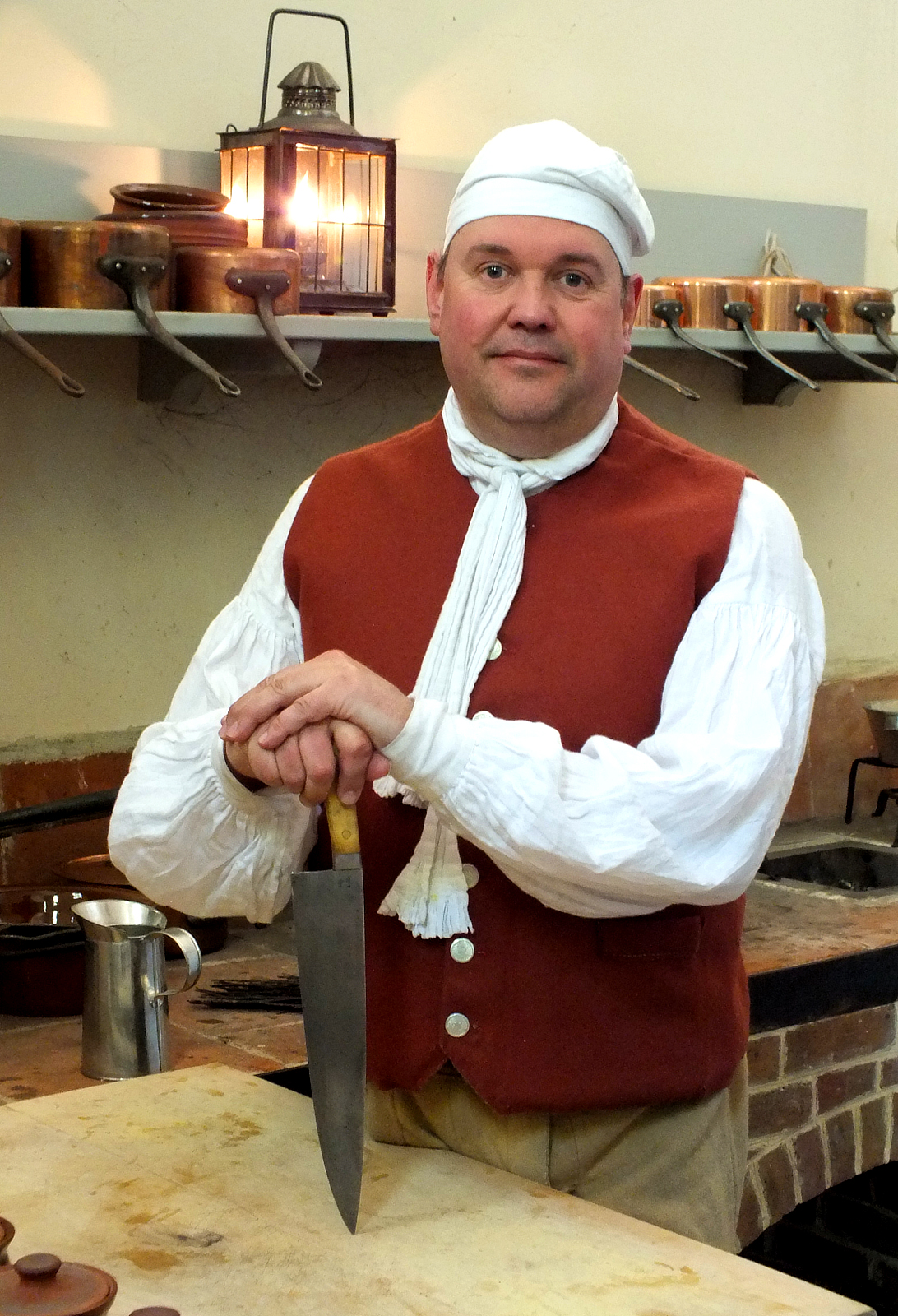
Just a handful of my podcast guests of 2024 (L to R: Charlie Taverner, Louise Middleton, Brigitte Webster, Kevin Geddes, Marc Meltonville and Jane Steward)
There were some great podcast episodes published too: 19 in all, the most I have made in a single year, taking the number of episodes up to 49! The most popular episode was 18th Century Dining with Ivan Day. Other favourites included London’s Street Food Sellers with Charlie Taverner, Invalid Cookery with Lindsay Middleton, Tavern Cookery with Marc Meltonville and Tudor Cooking and Cuisine with Brigitte Webster. I also collaborated with Sam Bilton of the Comfortably Hungry podcast about tripe. Season 7 kicked off in December with an episode about mince pies and another collaboration this time with Thomas Ntinas of the Delicious Legacy podcast about 18th-century women cookery book writers.
18th Century Dining with Ivan Day was the most popular episode of the podcast in 2023.
So, that’s the look back, and now it is time to look forward to the new year and to what it will bring. New podcast episodes are being lined up and the next episode will be out on 5 January (all things being well). I have two book deadlines this year, so I shall tell you about those as and when I can, and I will – of course – be continuing to write posts for the blogs (though January and February may be a little sparse – those deadlines are looming!)
I hope you have a great rest of Christmas. Remember it doesn’t finish until the 5th of January, so keep eating, drinking and making merry up to then, and beyond.
Merry Christmas everyone! It’s time for my annual boozy Christmas drink, and this year’s is so good, you can even give it to the kids; if you take Mrs Beeton’s advice (I advise against it, but what do I know). It is called negus; the ingredients are simple, and you are almost guaranteed to have them this time of year: wine, sugar, citrus fruit, spices. Easy.
Its origin lies with the English officer class of the late 17th and early 18th centuries, who got into the very sensible habit of watering down their wine to avoid getting too drunk of an evening. They still wanted something to drink though. It is named after Colonel Francis Negus (1660-1732), ‘a well-connected gentleman’, who, aside from being a noted member of the officer class, was also an MP, and a talented horse rider and hunter, so-much-so he was given the position of Master of the Horse and Warden of Windsor Forest. Quite the chap it would seem. The earliest description known comes in the form of a handwritten note in a 1725 edition of Tacitus’s works. It said: ‘After a morning’s walk, half a pint of white wine, made and hot and sweetened a little, is recond very good. – Col. Negus, a gentn. of tast, advises it, I have heard say.’[3] Initially it was a heated mixture of white wine and water, sugar and then some citrus juice, sometimes lemons, or sweet or Seville oranges, and it hasn’t really changed that much.
Its low alcohol made it especially good for the infirm or chronically ill. One Dr William Buchan in his 1797 book, prescribes claret negus for those with ‘Slow or Nervous Fever’, what we would call depression today.[4] In the book Oxford Nightcaps (1827), the author tells us that a doctor friend of his, a certain Doctor Willich, thinks ‘Negus is one of the innocent and wholesome species of drink especially if Seville oranges be added’. He also recommends lemons, cinnamon, cloves and all-spice. And calves’ foot jelly, which was thought very nourishing to those who couldn’t digest anything too rich or challenging.
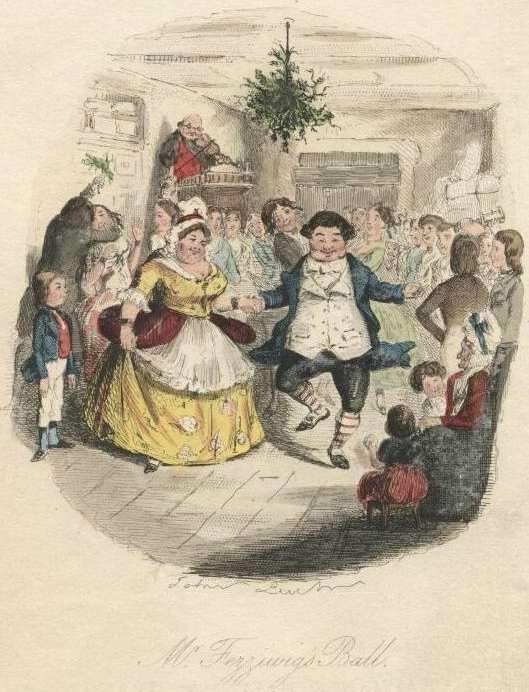
Mr Fezziwig’s Ball as depicted by John Leech
Into the mid-19th century, negus settled down as a drink to be enjoyed by everyone, the wine most often used now being port (a drink which had been made popular since the Napoleonic Wars). It is mentioned in Charles Dickens’s A Christmas Carol (1843). When the Ghost of Christmas Past takes Scrooge to show him the wonderful parties put on by his old boss, the kind and caring, Mr Fezziwig: ‘There were dances, and there were forfeits, and more dances, and there was cake, and there was negus, and there was a great piece of Cold Roast, and there was a great piece of Cold Boiled, and there were mince-pies, and plenty of beer.’[5] What a sight they would have been!
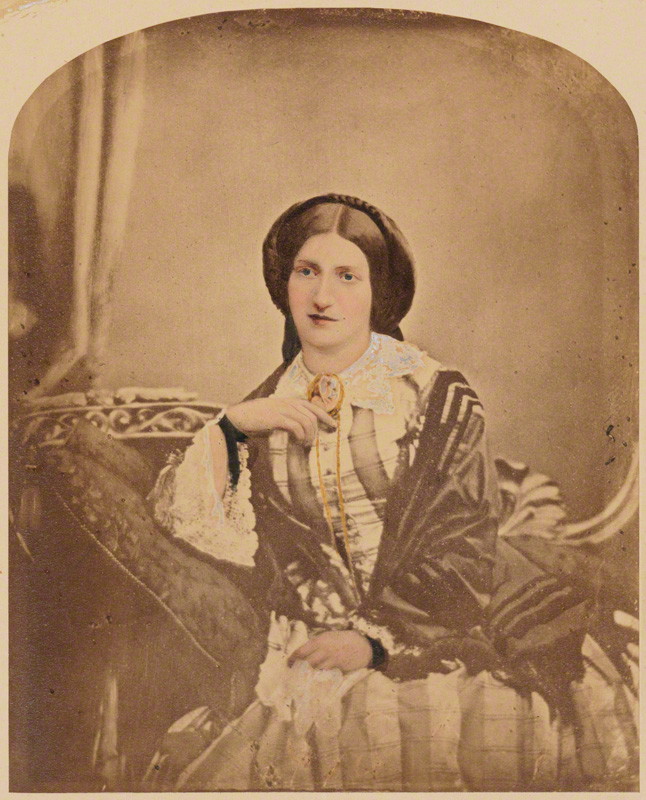
Isabella Beeton’s considered negus a children’s drink
So inoffensive was negus that it became a popular drink with kids, with Mrs Beeton informing us in 1861 that ‘[a]s this beverage is more usually drunk at children’s parties than at any other, the wine need not be very old or expensive for the purpose.’ Her proportions are 1 pint of port to every quart of water, plus a quarter of a pound of sugar, zest and juice of one lemon and some grated nutmeg. She adds: ‘Allow 1 pint of wine, with the ingredients in proportion, for a party of 9 or 10 children.’[6]
It’s essentially a weak version of my favourite hot-booze drink,smoking bishop, but child-friendly. Hm. I suppose it’s one way to get them to sleep on Christmas Eve night!
If you like the blogs and podcast I produce and would to start a £3 monthly subscription, or would like to treat me to virtual coffee or pint: follow this link for more information.Thank you.
The recipe
Use whatever wine you prefer and your favourite citrus fruit. I went with port and a clementine and added some nutmeg and cinnamon. I must say it was very drinkable.
I’ve metricated the volumes, but the rule of thumb here is 1 part wine to 2 parts water, and you can sweeten the mixture to your taste.
Makes 1.3 litres:
400 ml wine (port, claret or white wine)
Zest and juice of 1 citrus fruit (lemon, sweet orange, Seville orange, clementine, etc)
Spices: ¼ freshly grated nutmeg, a snapped cinnamon stick, a teaspoon of cracked allspice berries or bruised cloves; choose your favourites.
800 ml boiling water
100 to 120 g caster sugar.
Heat the wine slowly with the zest and juice of your chosen fruit, and the spices until scalding hot (but not boiling). Add the hot water, then add sugar to taste. Pass through a sieve into a punch bowl or jug. To serve, ladle into beakers or cups.
One final note before I go: in Jerry Thomas and Christian Shultz’s How to Mix Drinks (1862), there is a very interesting-sounding soda negus recipe. The wine is warmed up with sugar and spices, then left to cool, then soda is added before serving.[7] Worth a try I think!
Notes
[1] Purl was an ale that had been infused with wormwood. Sounds full-on. Potential future Christmas booze post.
[2] Anon. (1776) The Free-Mason’s Calendar: or, an Almanac for the Year of Christ 1776.
[3] Wondrich, D. (2021) The Oxford Companion to Spirits and Cocktails. Edited by D. Wondrich and N. Rothbaum. Oxford University Press.
[4] Buchan, W. (1797) Domestic Medicine, Or, A Treatise on the Prevention and Cure of Diseases, by Regimen and Simple Medicines. Edited by I. Cathrall. Richard Folwell.
[5] Dickens, C. (2010) A Christmas Carol and Other Christmas Writings. Penguin Classics.
[6] Beeton, I. (1861) The Book of Household Management. Lightning Source.
[7] Thomas, J. and Schultz, C. (1862) How to Mix Drinks, Or, The Bon-vivant’s Companion. Dick & Fitzgerald.
This post complements the 2023 Christmas special of The British Food History Podcast called ‘Mince Pies’:
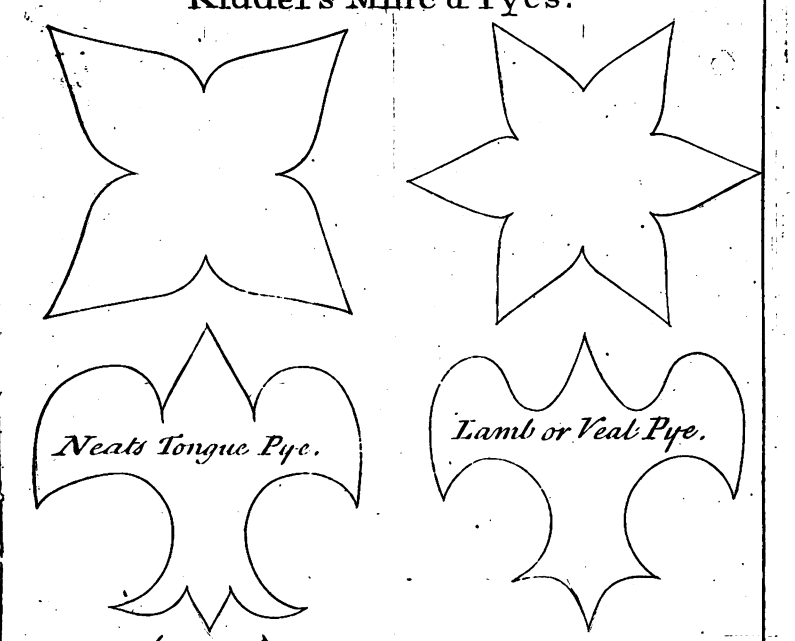
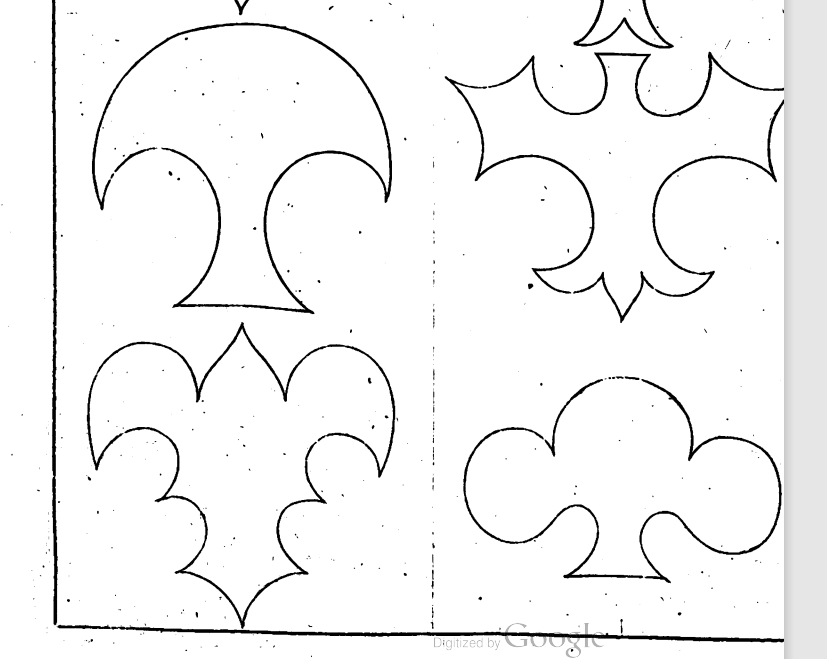
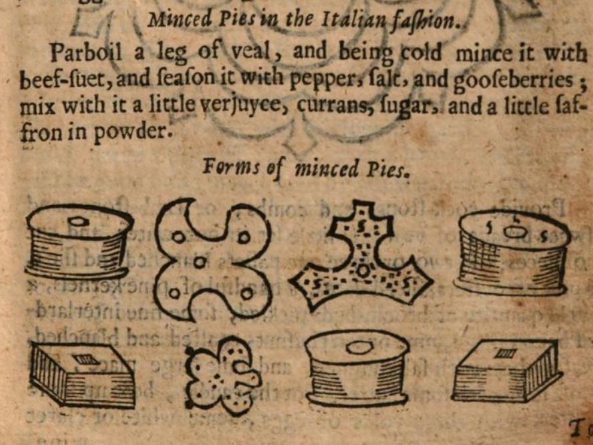
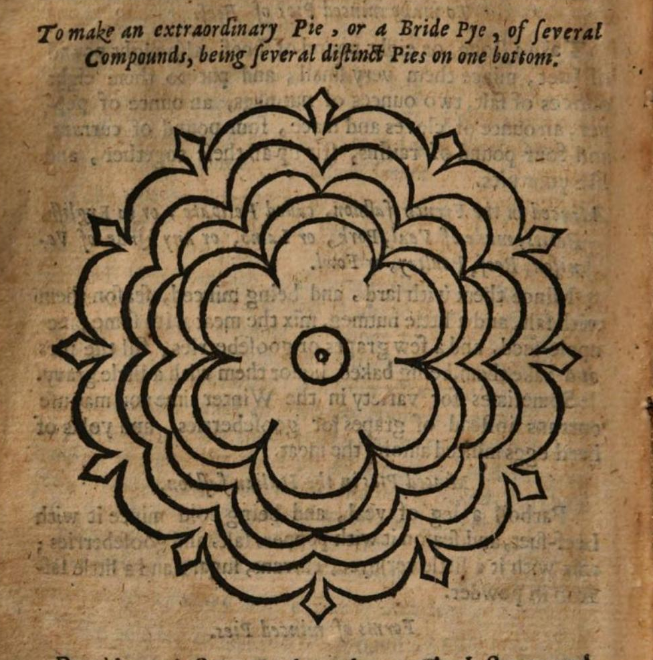
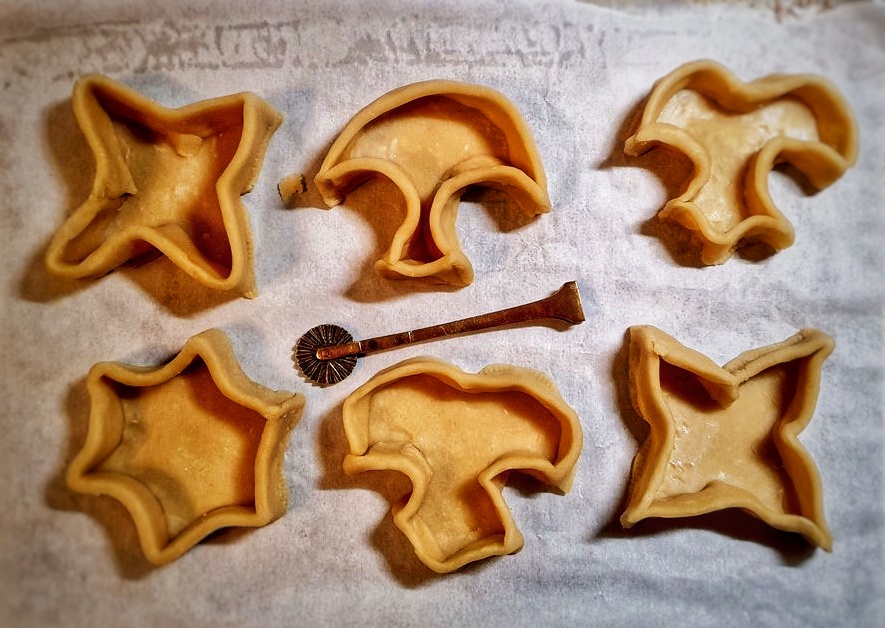
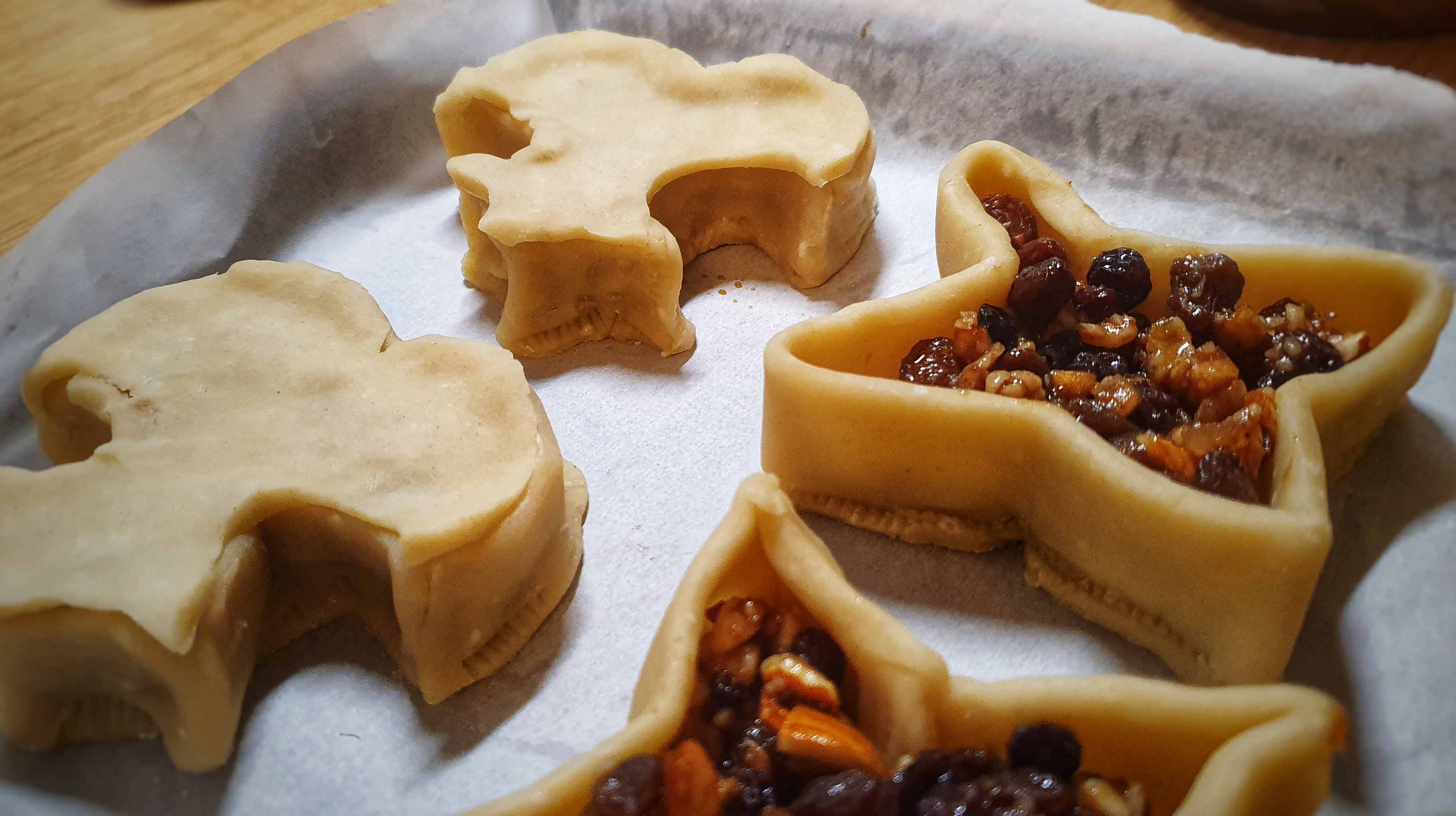
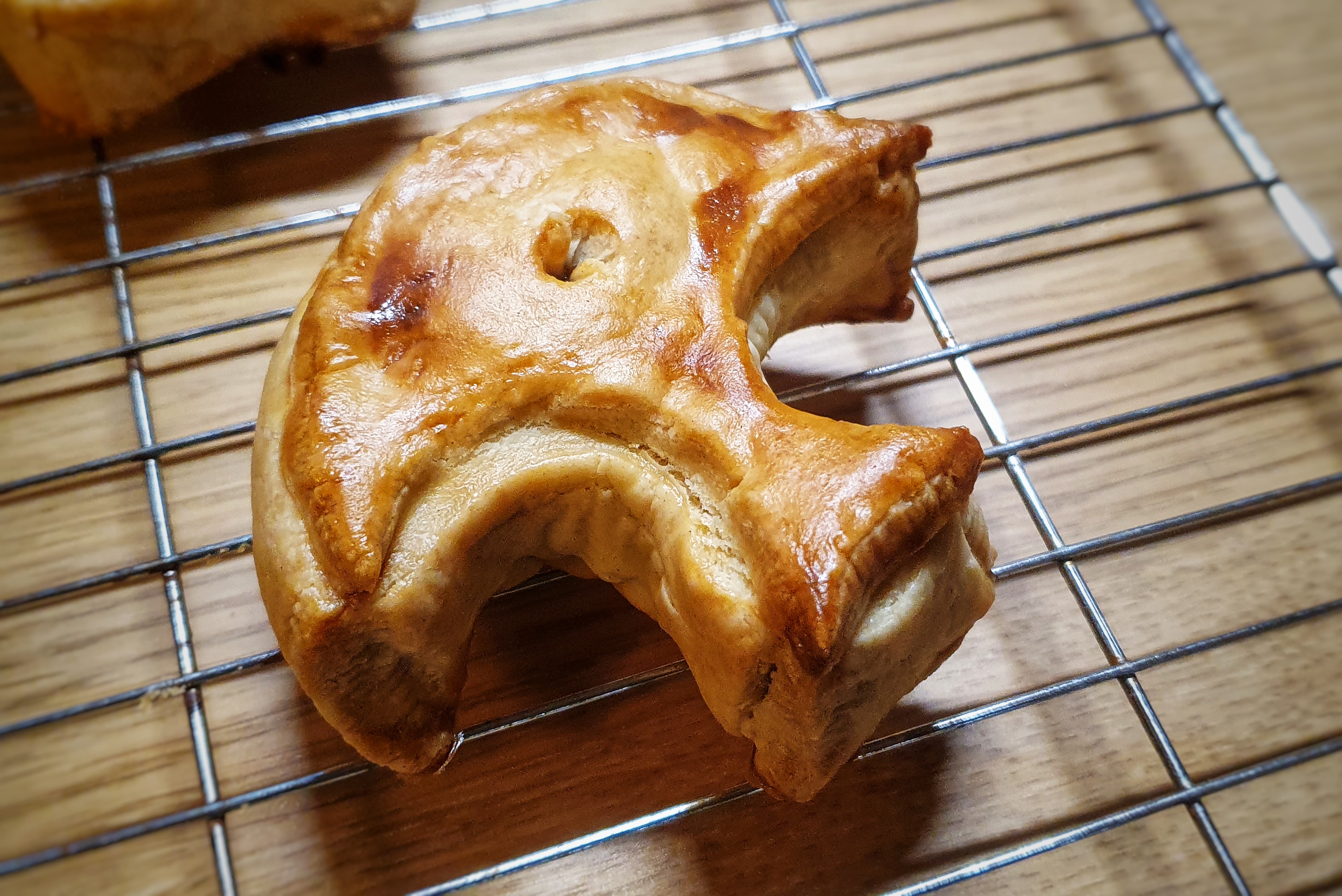
As promised on this year’s Christmas episode of the podcast, all about mince pies, here is my pastry recipe and method for making the shaped-mince pies in E. Kidder’s Receipts of Pastry and Cookery. It was originally published in 1721, but I used the 1740 edition of the book (here’s a link to the document). If you go to the end of the book, you will see lots of different minced pie templates, just like the ones below. The idea was that you rolled out your pastry and cut a shape out, then made pastry walls, filled them with mincemeat, placed on lid on top and baked it. Really beautiful, but fiddly-looking shapes, I’m sure you’ll agree.
I felt a little nervous making them, so let me at this point, say a massive thank you to Ivan Day for the advice he gave me on shaping these pies. Ivan has an excellent blog with a fascinating article about mince pies (click this link to read it).
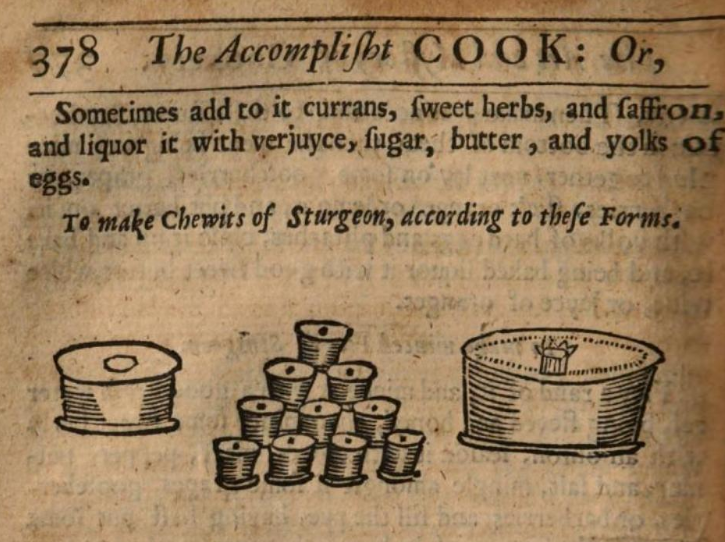
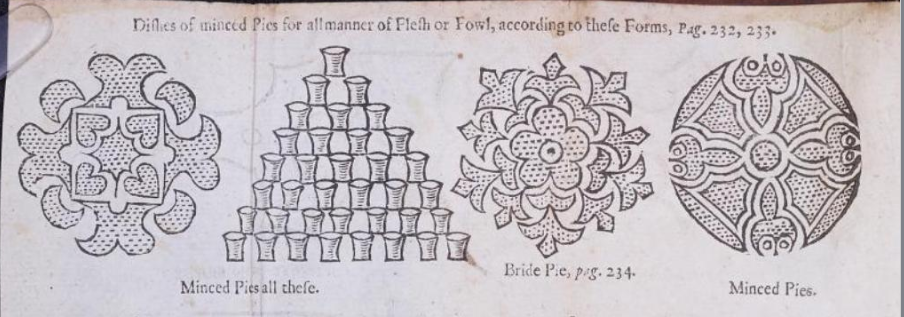
In the Christmas episode, I considered making some of the pie designs in Robert May’s The Accomplisht Cook (first published in 1660), but I found Edward’s designs much easier to extrapolate into three-dimensional pies! However, here are a few from May’s book to give you an idea of the sorts of minced pies he was making:
The Materials
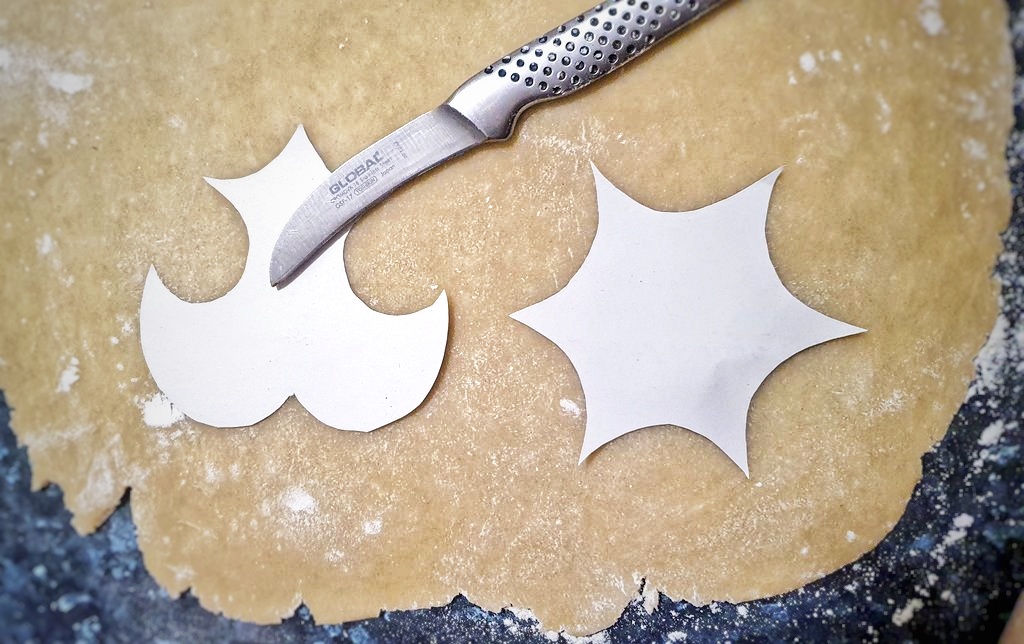
The first thing you need to do is get organised with your templates. I simply took screenshots of the book, printed them out and cut them out. You can make them any size you like. My shapes were around 10cm wide, and I went for the ones that looked the easiest!
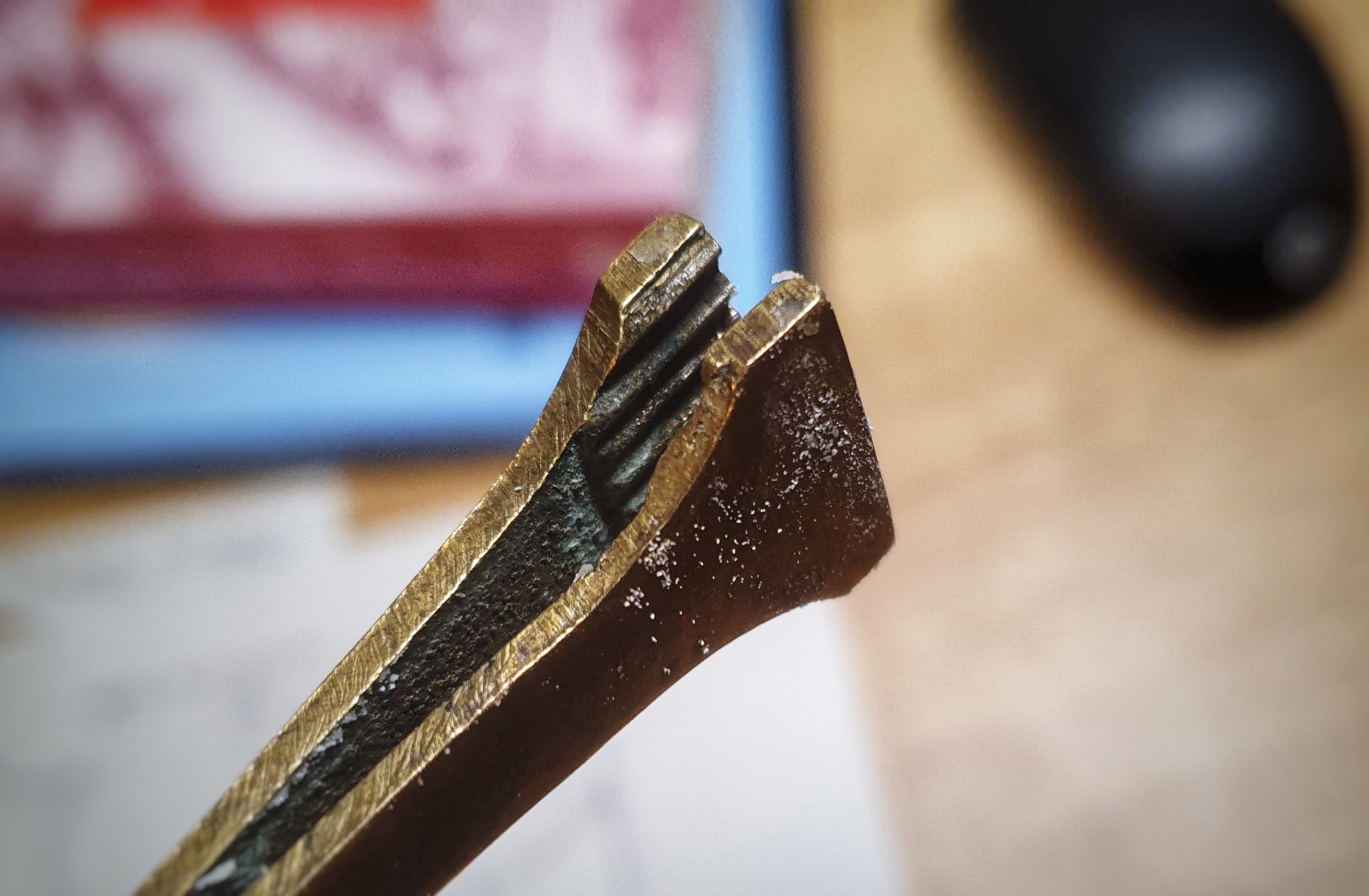
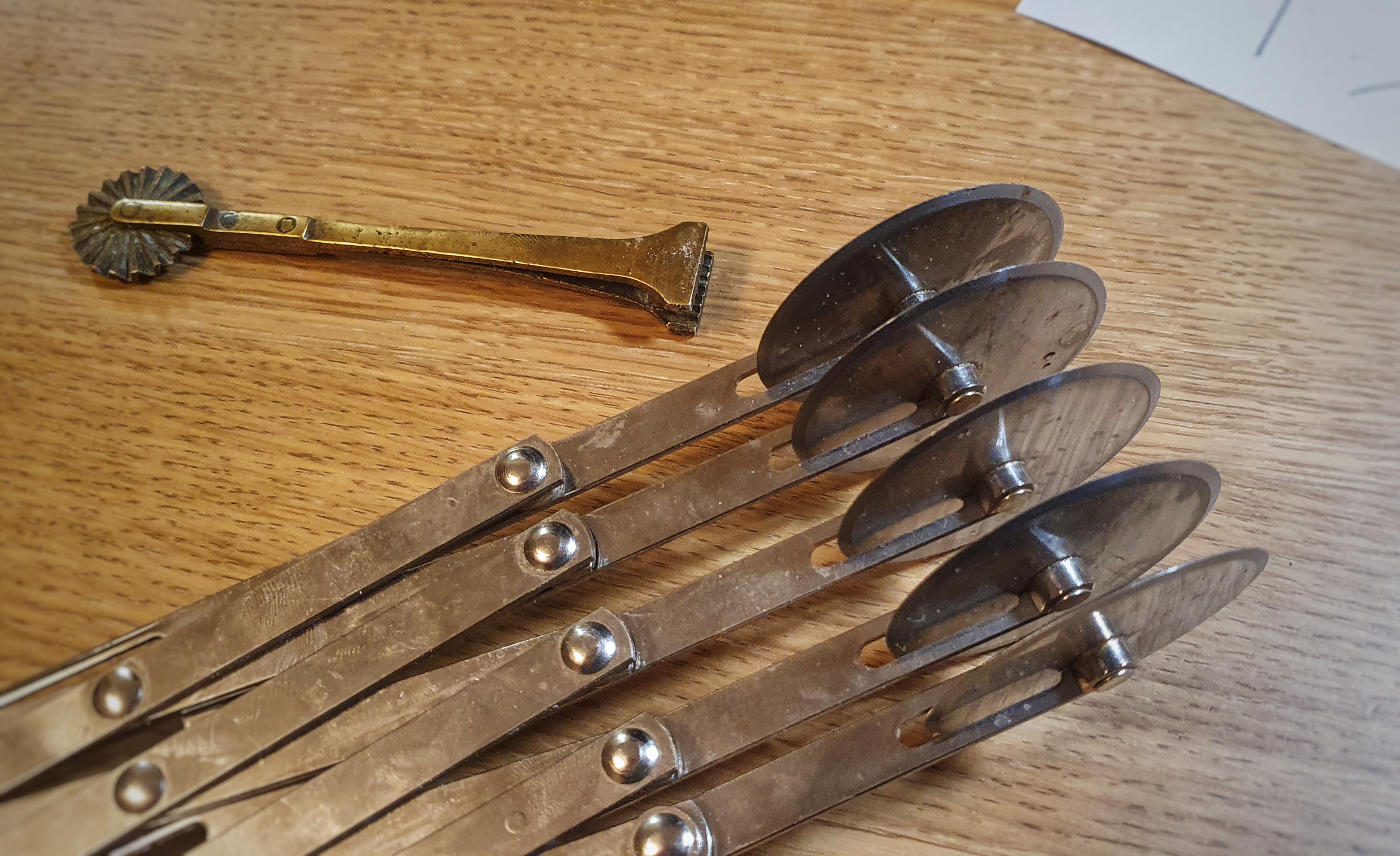
Then you need the correct tools for the job. I have collected over the years various pastry tools, both antique and modern. The wheels are called jiggers, which are used for cutting pastry. The antique ones usually come with a crimping tool attached, and these are used to fuse two pieces of pastry. The one I own with what looks like a flat pair of tweezers was particularly helpful for the pies I made here. I used a paring knife to cut out the shapes – the jiggers weren’t appropriate for these smaller pies.
Jiggers do come in handy for cutting out the pastry walls – essentially strips of pastry – I have a tool that’s made up of 5 jiggers on one expandable frame so you can cut several strips of the same thickness in one go.
That’s the tools of the trade, but now let’s look at our ingredients: we need mincemeat (I used the lamb mincemeat, recipe here) but you can use any you like.[1] Then we need some pastry that is mouldable (we don’t want the walls collapsing in the oven!) yet edible.
If you like the blogs and podcast I produce and would to start a £3 monthly subscription, or would like to treat me to virtual coffee or pint: follow this link for more information.Thank you.
Mouldable Hot Water Pastry
I came up with the following recipe, based on one given by Jane Grigson in English Food.[2] It’s very good for moulding, but not particularly delicious, I made a few changes and I think it’s pretty good. It is simple to make, and this was enough for 8 to 10 pies, depending upon how large your templates are (you could, of course, make one large one!)
500 g plain flour
125 g salted butter, diced
125 g lard, diced
75 ml hot water
2 tbs icing sugar
First, rub the butter into the flour until it resembles breadcrumbs. Put the lard in a saucepan and pour the hot water over it. Heat gently, but be careful – you don’t want it to boil and splutter. Stir in the icing sugar and when it is dissolved, make a well in the centre of the flour-butter mixture and pour into it three-quarters of the hot liquid. Cut the liquid in with a knife, then pour the remaining hot liquid to pour over any dry patches that remain. Once all of the water has been added, give the pastry a knead (leave it to cool a little if you need to). It should be smooth, pliable and waxy. Cover with cling film and allow to cool completely, but do not refrigerate.
Constructing the Pies
Now you can roll out a third of the pastry thinly – aim for the thickness of a pound coin, 2 to 3 millimetres – and cut out your bases. Now roll out another third into a long strip, long enough to go around the perimeter of your shapes. To do this, use a piece of string to trace around the shape. When the appropriate length, use a ruler to cut your strips at your desired thickness. I went for 2 cm, but I could have gone thicker than that, I think.
Now the fiddly bit: brush the edges of the bases with plain water and glue the sides on. Use your finger and thumb to pinch them together, and then crimp them with a crimper tool if you have one. Repeat with all of your shapes and place in the fridge for a few hours to firm up. When firm, roll out the final third of the pastry and cut out your lids.
Fill your pies with your chosen mincemeat, brush the rims of your pies with water and fix on the lids in the same way as you did the bases. Make a steam hole and place back in the fridge for 30 minutes to firm up again. Meanwhile, preheat your oven to 200°C.
If you like, brush your pies with an egg wash before you bake them for 25 minutes, or until a good golden-brown colour. If you are making large pies, turn the heat down to 175°C and cook longer: you should see or hear the filling bubbling, telling you it is ready!
This post complements the 2023 Christmas special of The British Food History Podcast called ‘Mince Pies’:
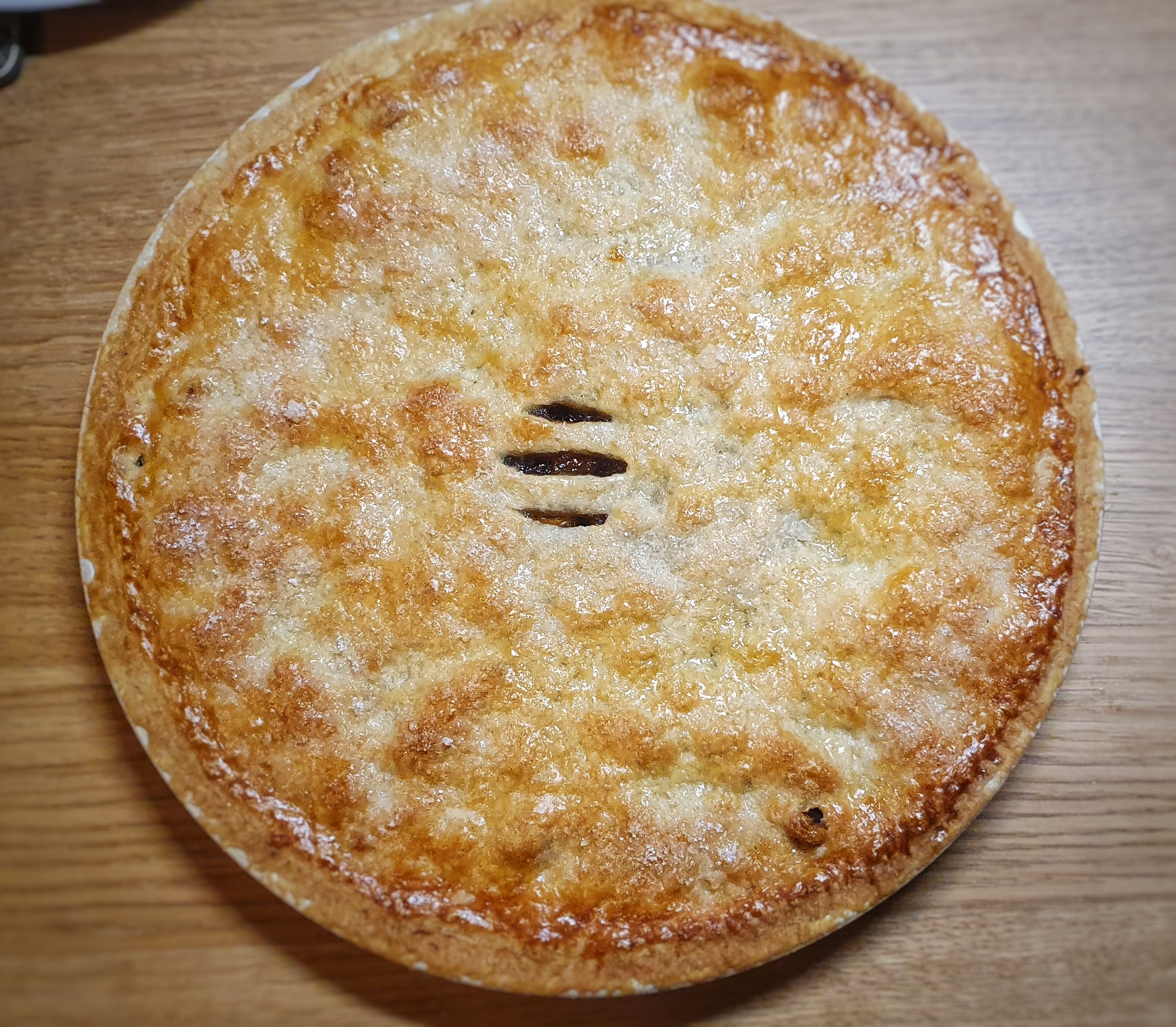
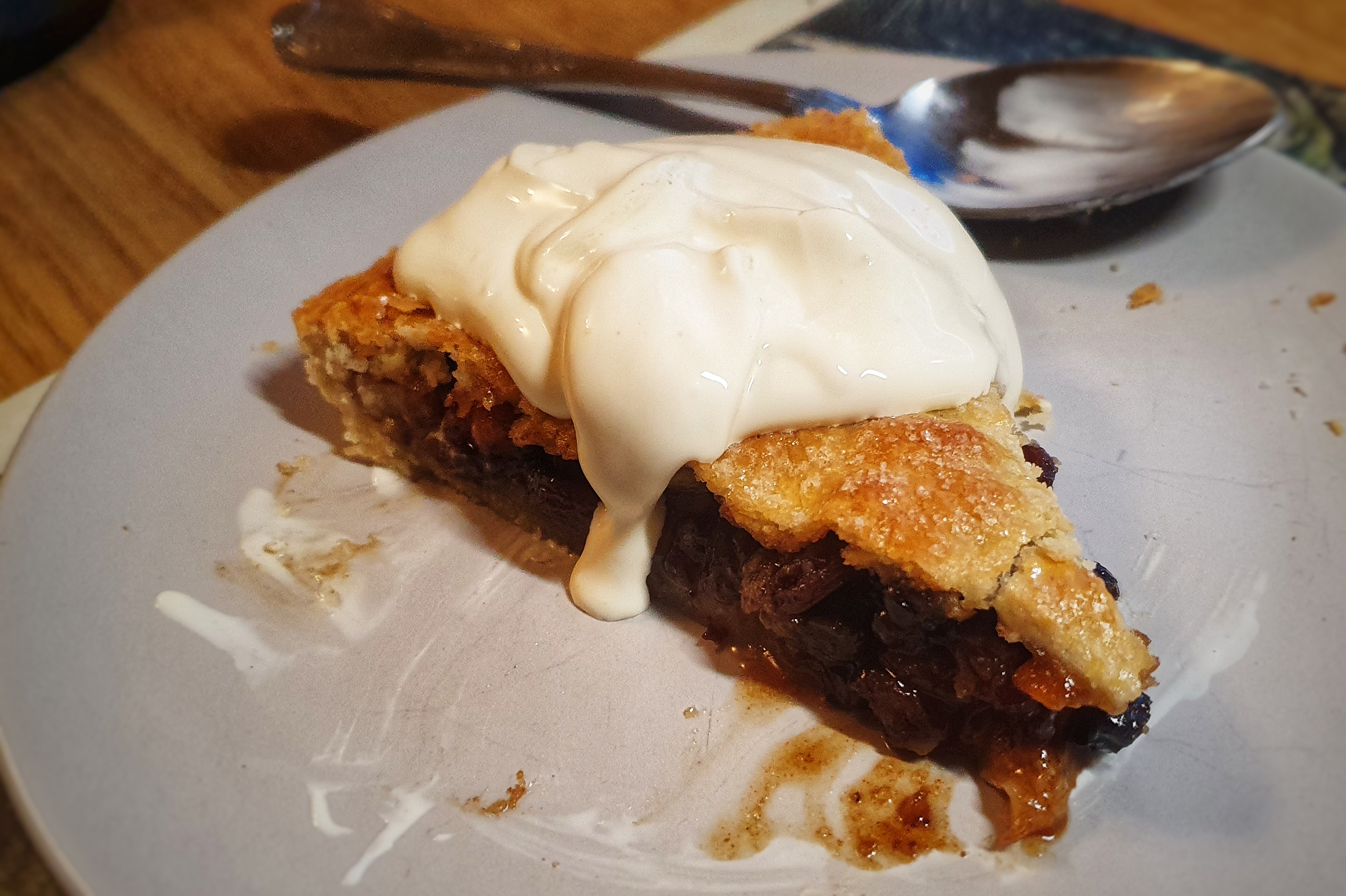
I have written several times about mince pies and mincemeat over the years on the blog. There are my two go-to mincemeat recipes: Jane Grigson’s Orange mincemeat, and Mrs Beeton’s traditional mincemeat, along with instructions on how to make small, individual mince pies. This year, however, I wanted to make an old-fashioned sweet lamb pie, once eaten in Westmorland in the Northwest of England, a defunct county now making up parts of Cumbria and North Yorkshire. It was one of the last areas of the country to carry on putting meat in its mincemeat mixtures.[1] Like all mince pies of the past, they were not eaten only at Christmas, but much of the year, though because of the dried fruit content, they were associated with wintertime.
I was first introduced to this pie by Jane Grigson, and I made it many moons ago, for the Neil Cooks Grigson blog, I really liked it and have been meaning to revisit it.[2] These pies were not of the small individual type, but large plate pies, baked in a pie plate made of earthenware, tin or enamel.[3]
I’ve based the recipe on hers, but I did make some changes inspired by other recipes found on the Foods of England Project website.[4] The mincemeat isn’t cooked, but because of the booze and sugar content, it keeps very well. Don’t be put off by the meat content, it makes the filling succulent – and you can taste it, but this blurring of sweet and savoury is most delicious, something I have come to embrace after so many years of making historical British food.
If you like the blogs and podcast I produce and would to start a £3 monthly subscription, or would like to treat me to virtual coffee or pint: follow this link for more information.Thank you.
The filling:
This makes around 2 ¼ litres of well-packed filling, but I do intend to make two large pies at least and lots of smaller ones, so scale down if need be. It keeps for months if left somewhere dark, dry and cool; and remember mince pies are for life, not just for Christmas.
500 g lean lamb
200 g lamb or beef suet, membrane and sinew removed (packet stuff is acceptable if fresh is unavailable)
350 g apples, peeled and cored
120 g almonds
250 g each currants, raisins and sultanas
300 g soft, dark brown sugar
100 g chopped candied peel
Juice and zest of 2 oranges
120 ml dark rum
1 tsp salt
½ tsp ground black pepper
1 tsp each ground mace and cinnamon
½ freshly grated nutmeg
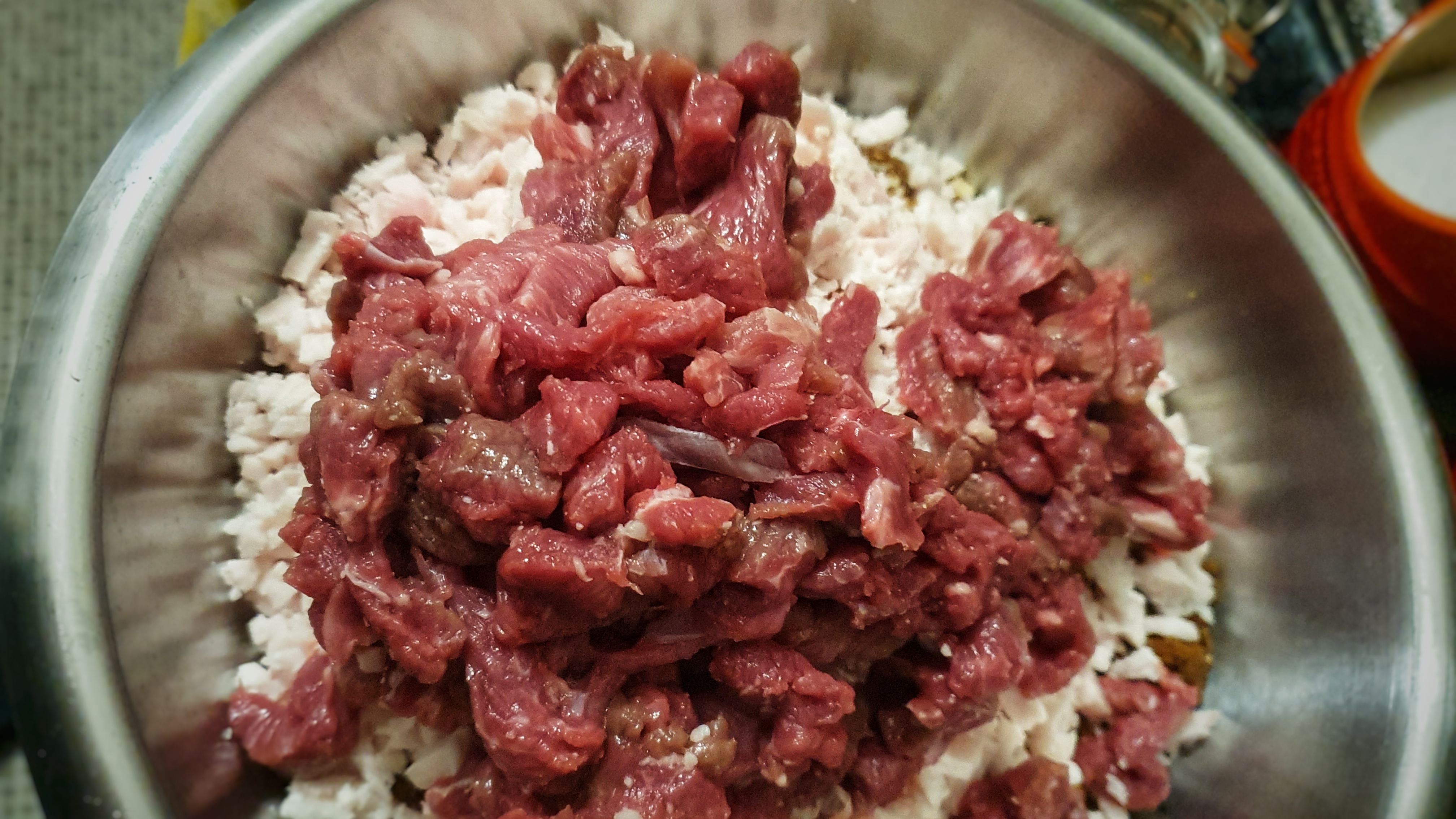
To make a truly ‘minced’ meat, you need to chop the meat, suet, apples and almonds quite finely. (You can, of course, use minced lamb, slivered almonds and grated apple and suet).
My ‘minced’ lamb and suet
Mix everything together in a large bowl and pack tightly into sterilised jars.[5] Leave to mature for at least a week before using.
The pie:
These pies were made on pie plates, but you can make them in any flan or pie tin you like. For my 26 cm diameter pie plate I used the following amounts, though the pastry was quite thin, so you may want to proportion things up in line with perhaps 360 g flour. I will leave it to you to judge size and thinness. There are instructions on how to make small, individual mince pies here.
300 g plain flour
150 g butter, or 75 g each butter and lard
75 g caster or icing sugar
80-100 ml cold water
Egg wash: 1 egg beaten with ½ tsp salt
Dice the fat and rub into the flour until breadcrumbs are formed (or use the flat beater on a machine, set to slow), then add the sugar, mix, and add the water slowly mixing and stirring. Bring everything together to form a firm dough. You might not need all of the water. Knead briefly to smooth the dough, cover and then leave to rest in the fridge for around 30 minutes.
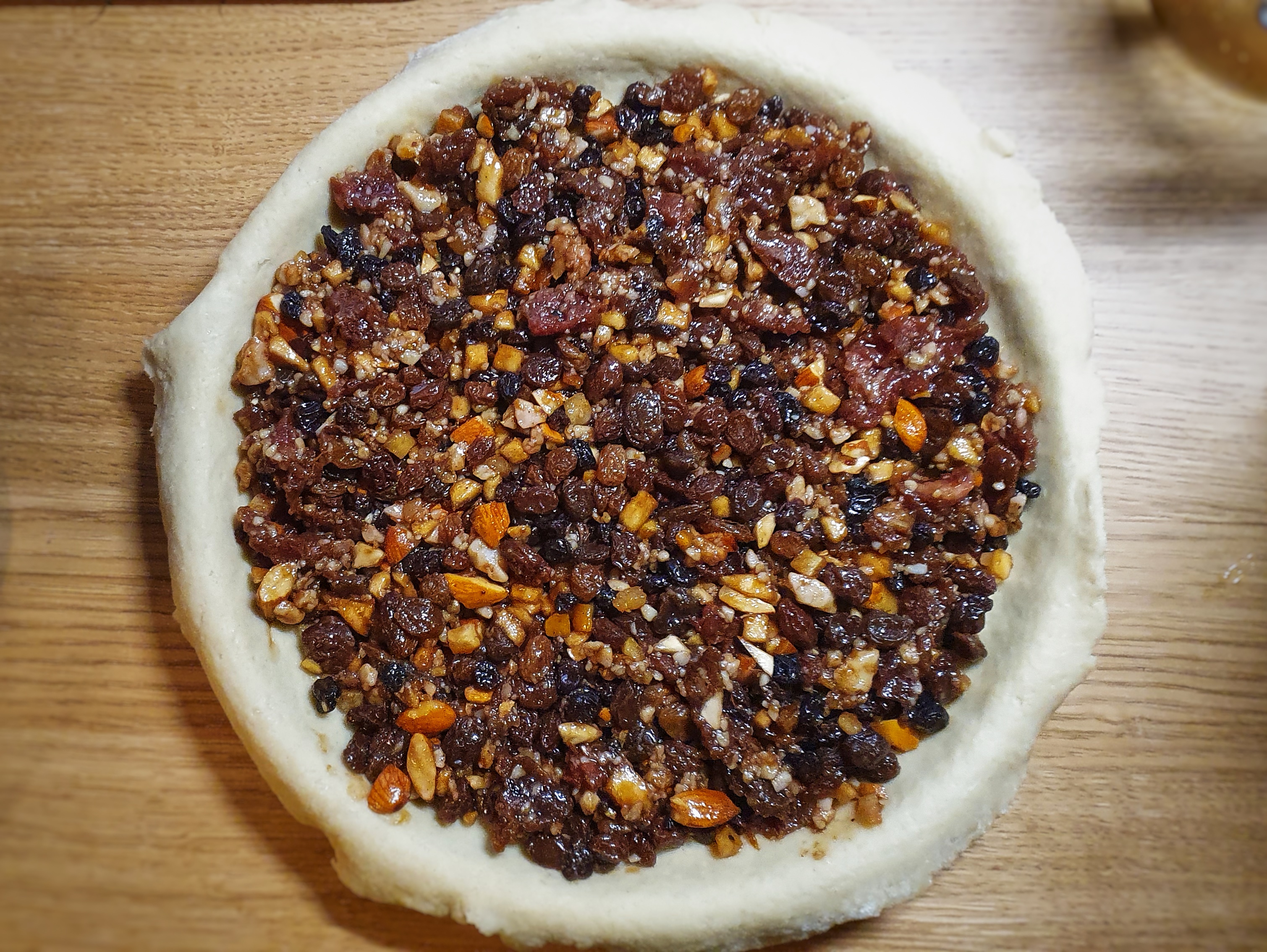
Roll out two-thirds of the dough into a round, lift and lay it over the plate neatly. Prick the base with a fork. Spoon the filling in. Again, go with your gut – do you want a thin amount or loads? I added enough to come up to the lip of my plate.
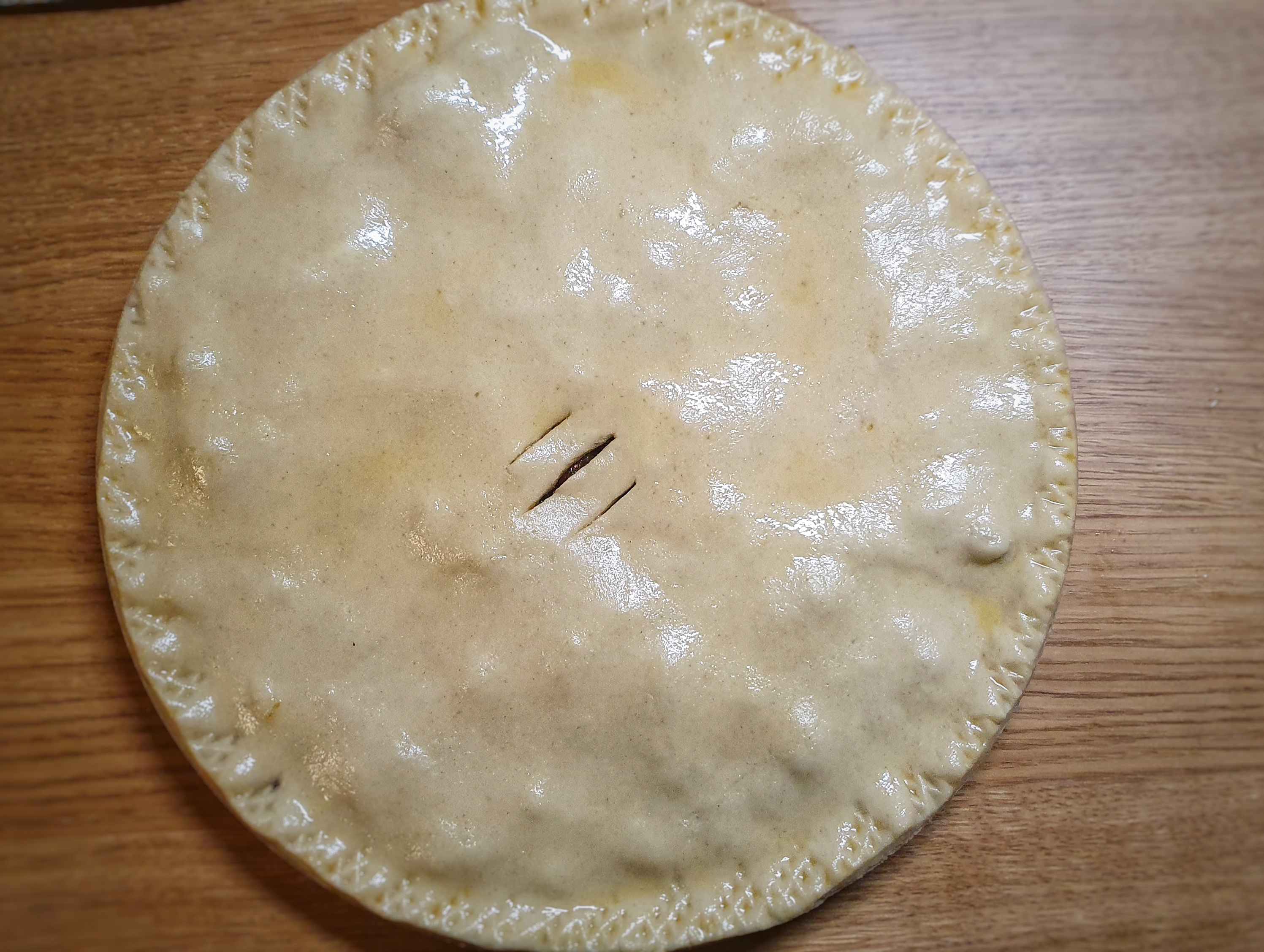
Roll the remaining third of the pastry out into a round. As it rests, wash the rim of the pie plate and place the lid on top, securing it with a crimping tool or fork prongs or with your thumb or forefinger. Cut a steam hole and brush with egg. You can sprinkle a little sugar over the top if you fancy.
Place in the fridge to firm up and preheat the oven to 200°C. When the oven has come up to heat, slide the pie onto the centre shelf and cook for around 35 minutes, or until a good golden-brown colour and you can see the filling bubble through the steam hole.
[5] To sterilise jars, heat them in the oven for 25 minutes at 120°C. Any rubber seals – or lids with rubber seals, can be sterilised in very hot water.
Christmas isn’t too far away and the chances are you are probably already discussing what meats you will be roasting on the big day. Well, I am going to stick my neck out and suggest venison. Game used to be a very important part of the Christmas feasting, especially in the countryside, making an excellent centrepiece to the day’s feasting.
Regular readers will know that I love cooking with game, but it has been a while since I cooked some up for the blog. I got the opportunity to cook a nice haunch of venison because I was sent some from Farm Wilder to try out, and my gosh it was good. Apart from the meat being tender and delicious, the deer that make their venison are culled as an important part of land management in Southwest England. Without any natural predators, their numbers are increasing and pretty as they may be, they are very damaging to woodland habitats – in short, they are a menace![1]
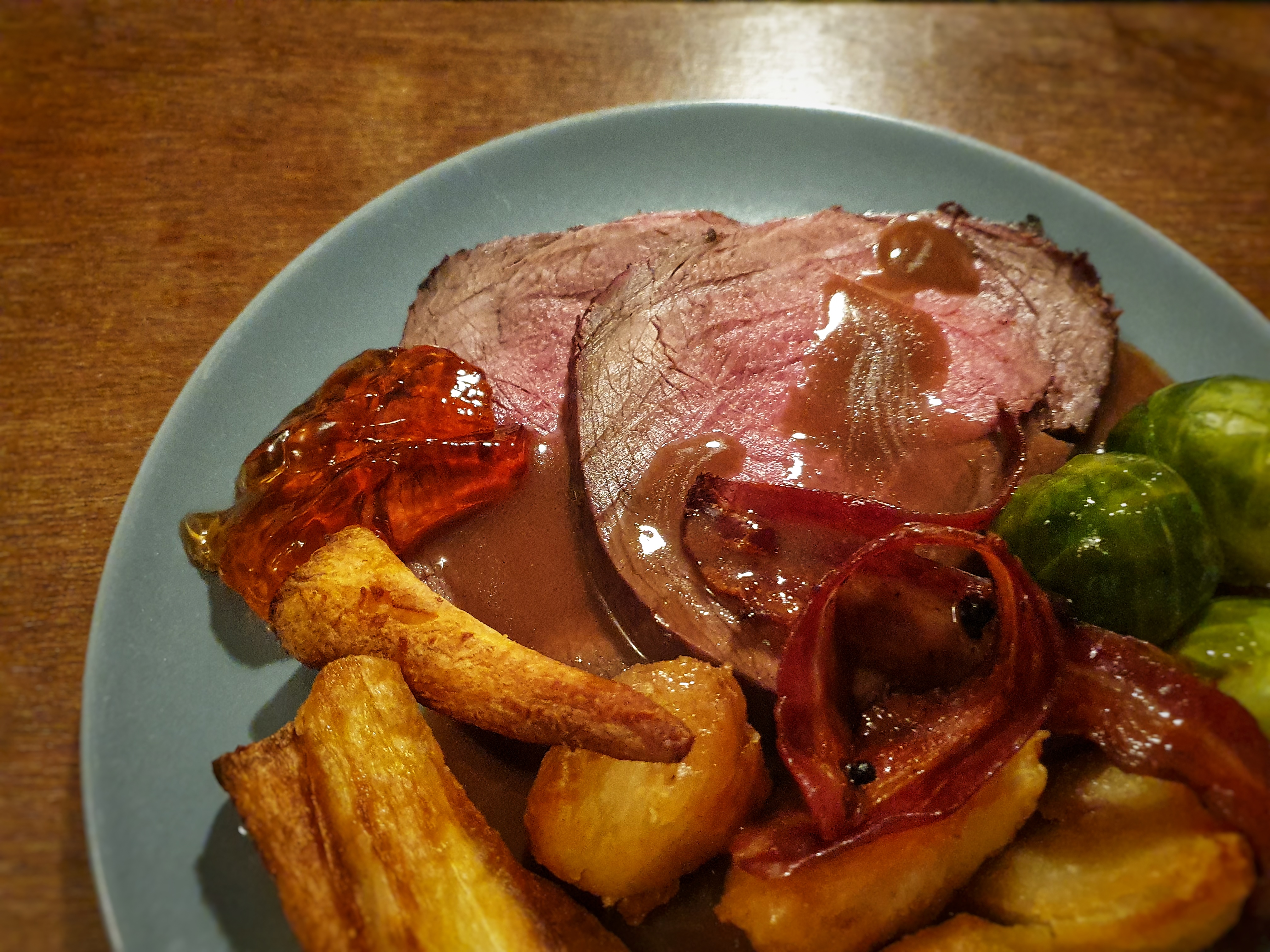
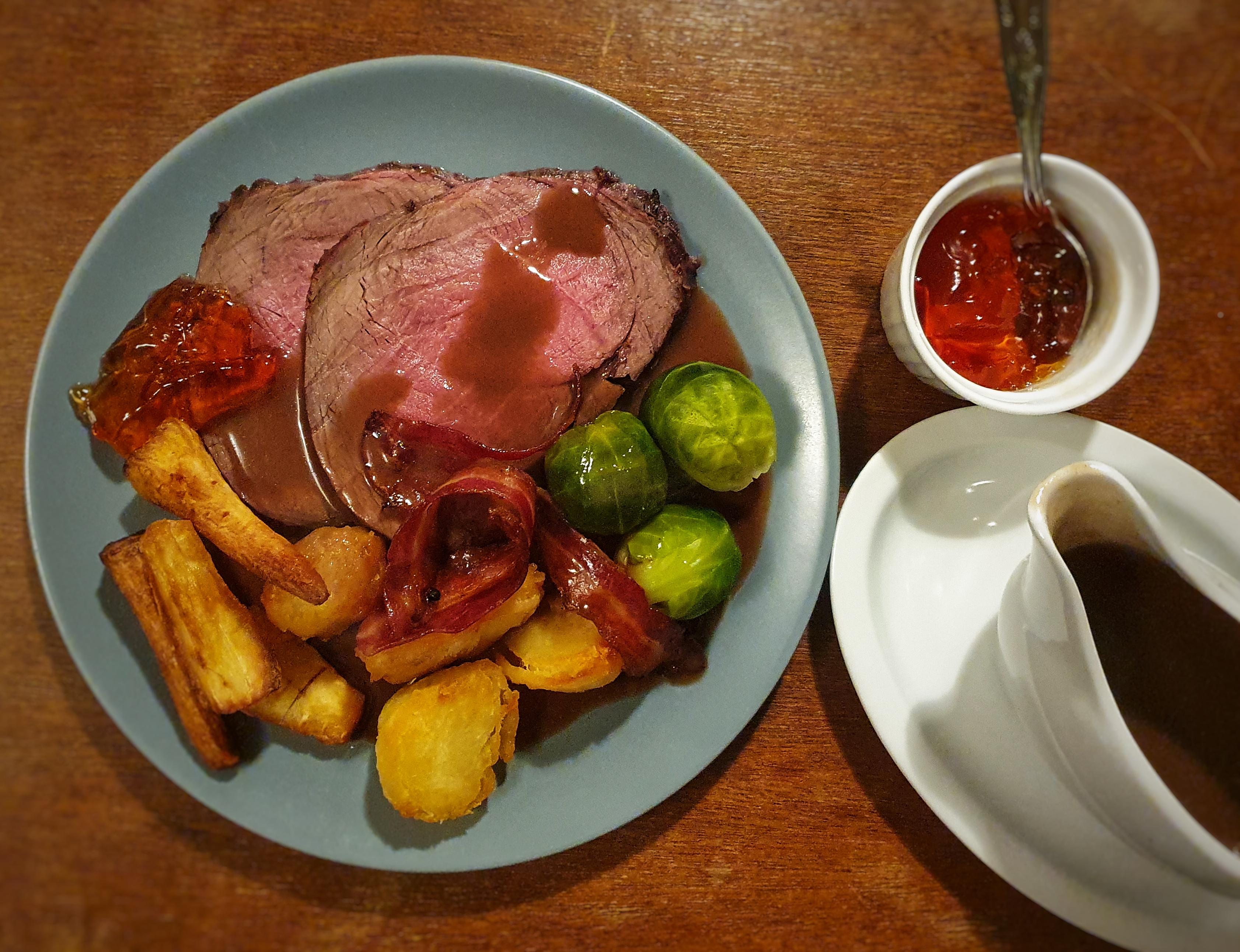
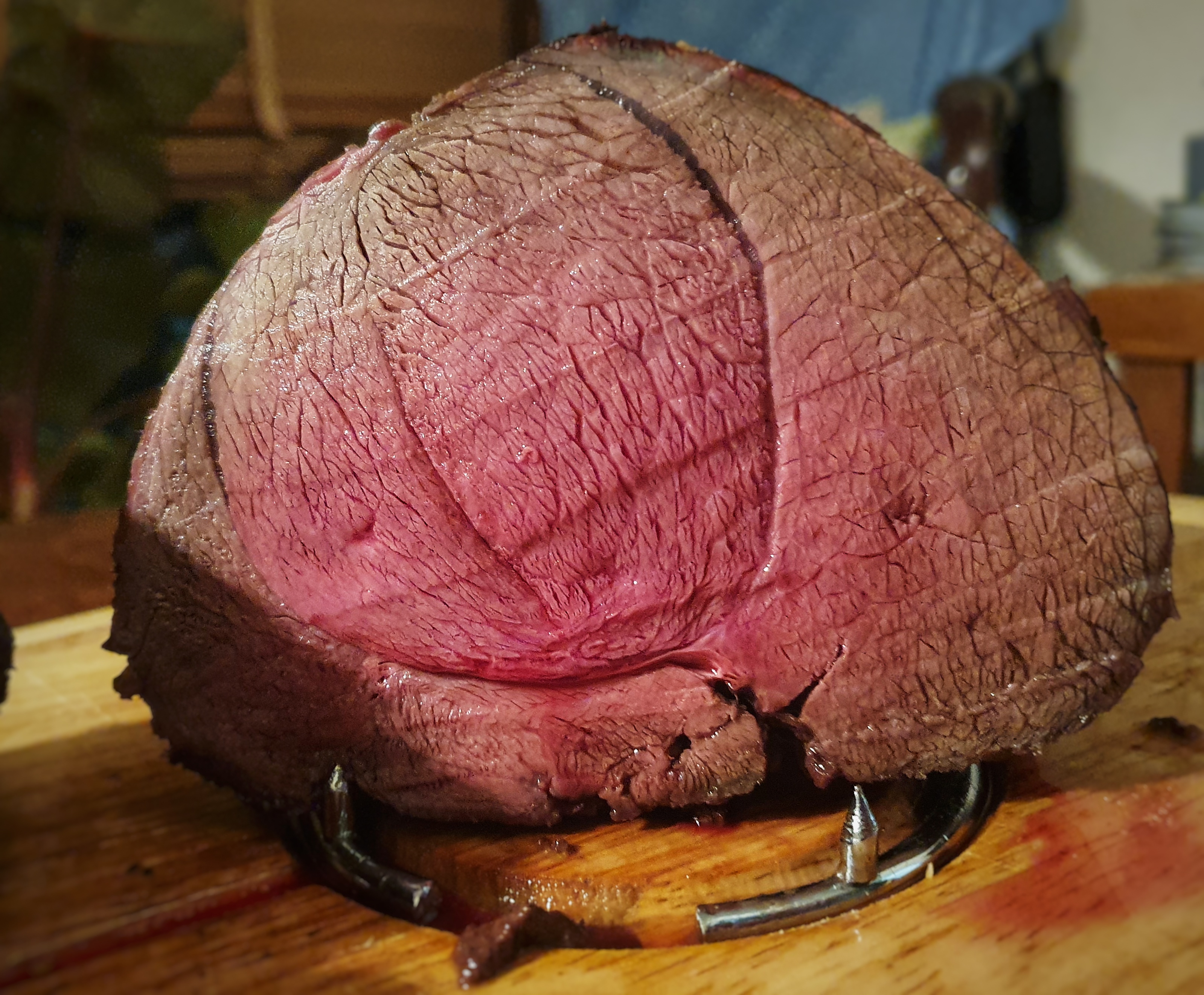
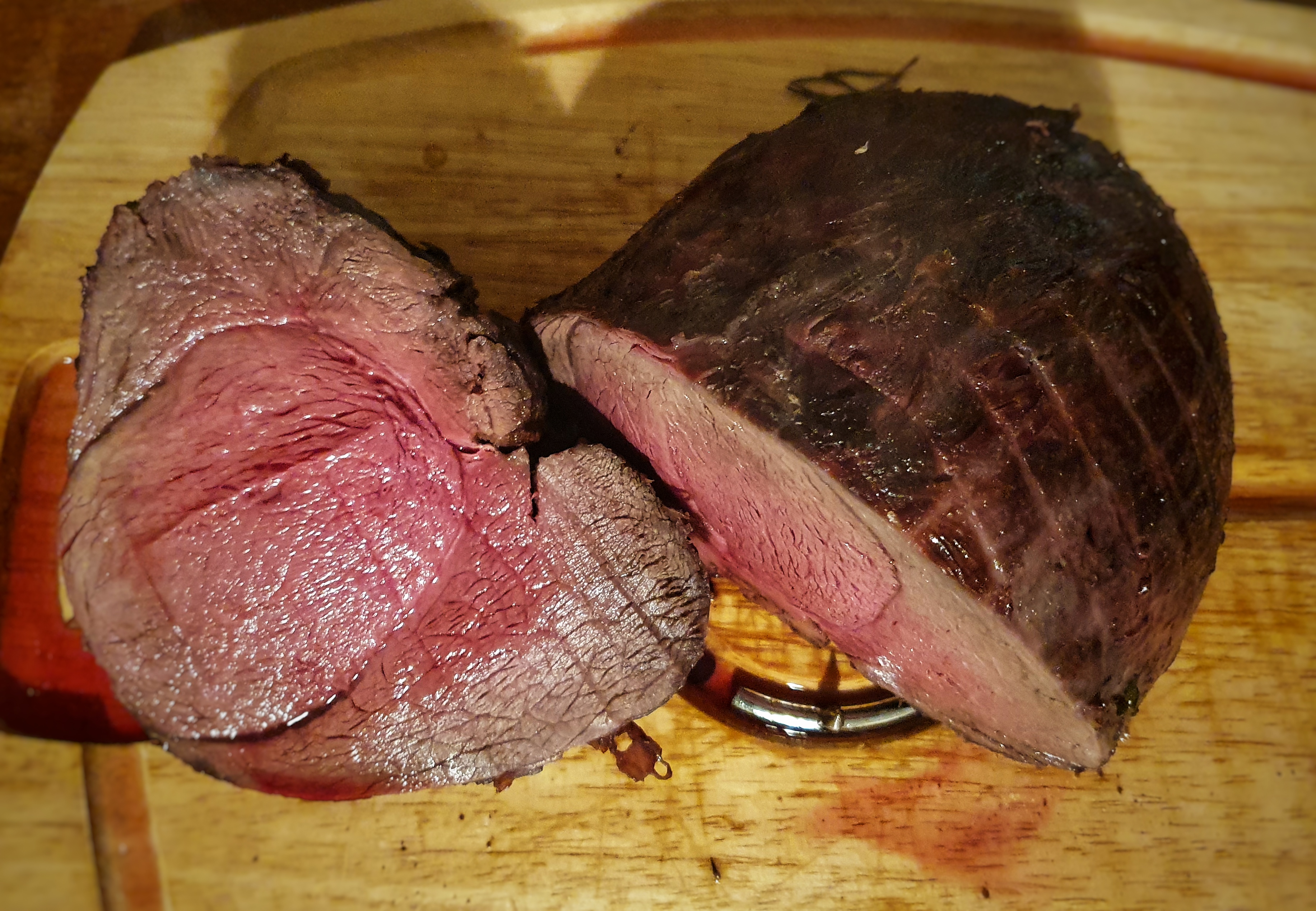
A medium-rare roasted haunch of Farm Wilder venison
For more information about Farm Wilder and their venison, click this link.
The important thing when buying a roasting joint is to buy as large a one as possible; large joints always roast juicier and more evenly. Bear in mind that any excess venison can be chopped and made into a hunter’s pie – essentially a shepherd’s pie but with lamb swapped for venison. I’ve suggested a 2 kg haunch but don’t worry if yours is a different weight, I have included a formula for calculating the roasting time in the method. The haunch is the equivalent of beef topside, but I think it is a much superior joint in both tenderness and flavour.
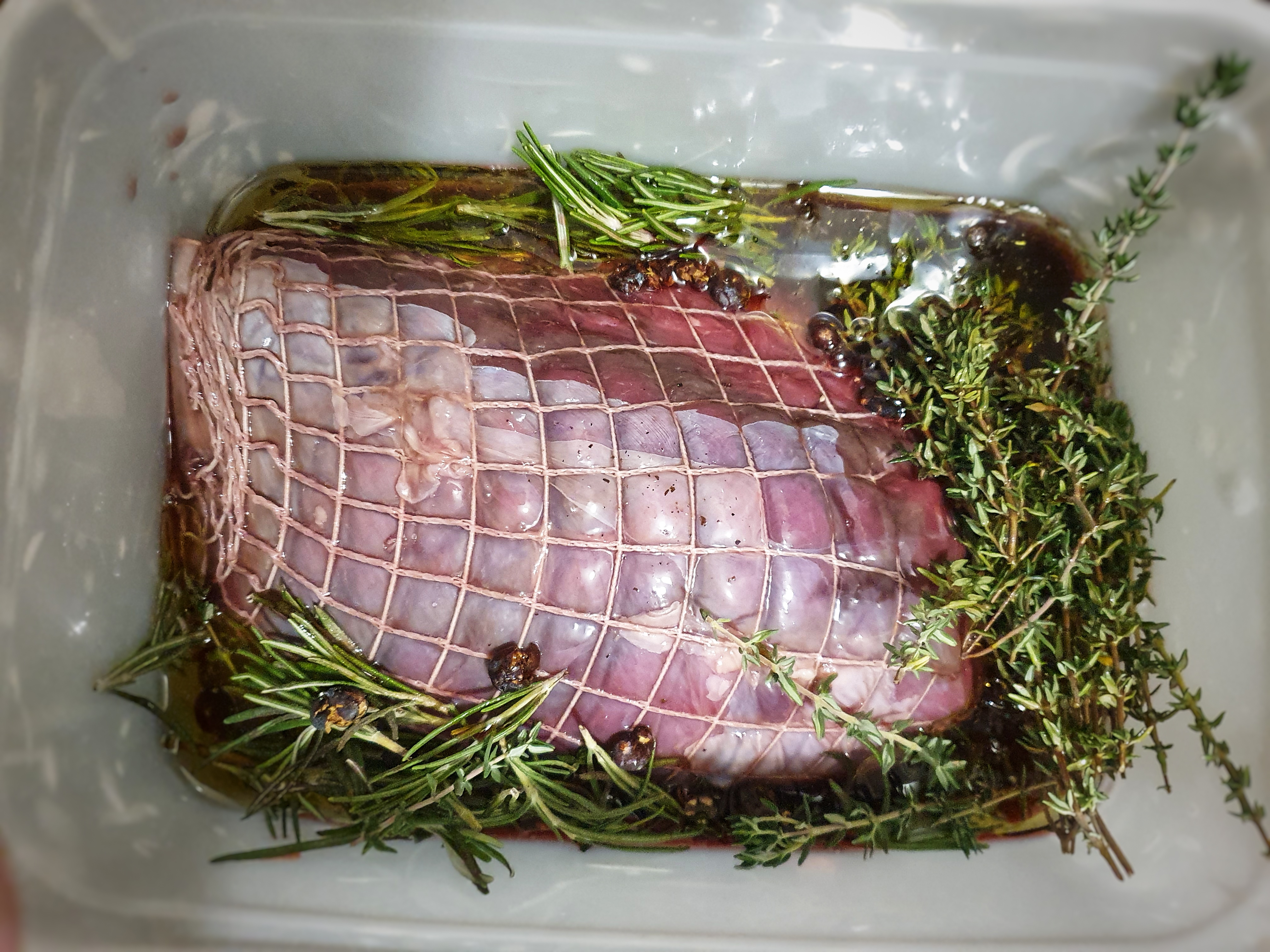
Venison is best marinated before cooking; it adds a complexity of flavour to the meat and makes it even more tender. Many recipes go into great detail about how this should be done using cooked marinades, but I think the best is also the simplest: red wine, red wine vinegar, olive oil and some herbs and spices.
Folk also make a big deal about the meat drying out in cooking (venison being a very lean meat) and there are – again – complex methods to keep the meat moist: larding it with needles or tying sheets of pork backfat or skin around it. These work, but I have found that smearing the joint with plenty of butter and covering it all with smoked streaky bacon works perfectly, adding more depth of flavour; and you get to eat some crispy bacon with your dinner.
I chose to serve my venison with potatoes and parsnips roasted in duck fat, Brussels sprouts, gravy and a fruit jelly: redcurrant is the easiest to get hold of from the shops, but quince or medlar jelly can be used too.
Serves 8:
2 kg haunch of venison
½ bottle red wine
125 ml red wine vinegar
125 ml olive oil
Around one dozen black peppercorns and juniper berries
A bunch of herbs: e.g., rosemary, thyme, marjoram or winter savoury sprigs, 3 or 4 fresh bay leaves
2 carrots, peeled and sliced
2 sticks celery, trimmed and sliced
1 leek or onion, trimmed and sliced
75 g salted butter, softened
Salt and pepper
6 to 8 rashers of smoked streaky bacon
2 tbs of redcurrant, quince or medlar jelly
2 or 3 tsp cornflour
500 ml beef stock
The day before you want to cook the venison, place it in a tub only slightly larger than the joint itself along with the wine, vinegar and olive oil. Lightly crush the spices, tie the herbs with some string and add those too. Make sure the venison is covered – or mostly covered – by the wine mixture then cover and refrigerate. Turn the meat once or twice if it is not completely submerged.
Next day, take the tub out of the fridge a few hours before you want to cook the meat, so it can come up to room temperature. Preheat your oven to 225°C. Calculate your cooking time: for rare meat roast for 15 mins per 500 g of meat plus 15 minutes; for medium 18 mins per 500 g plus 15 minutes.[2]
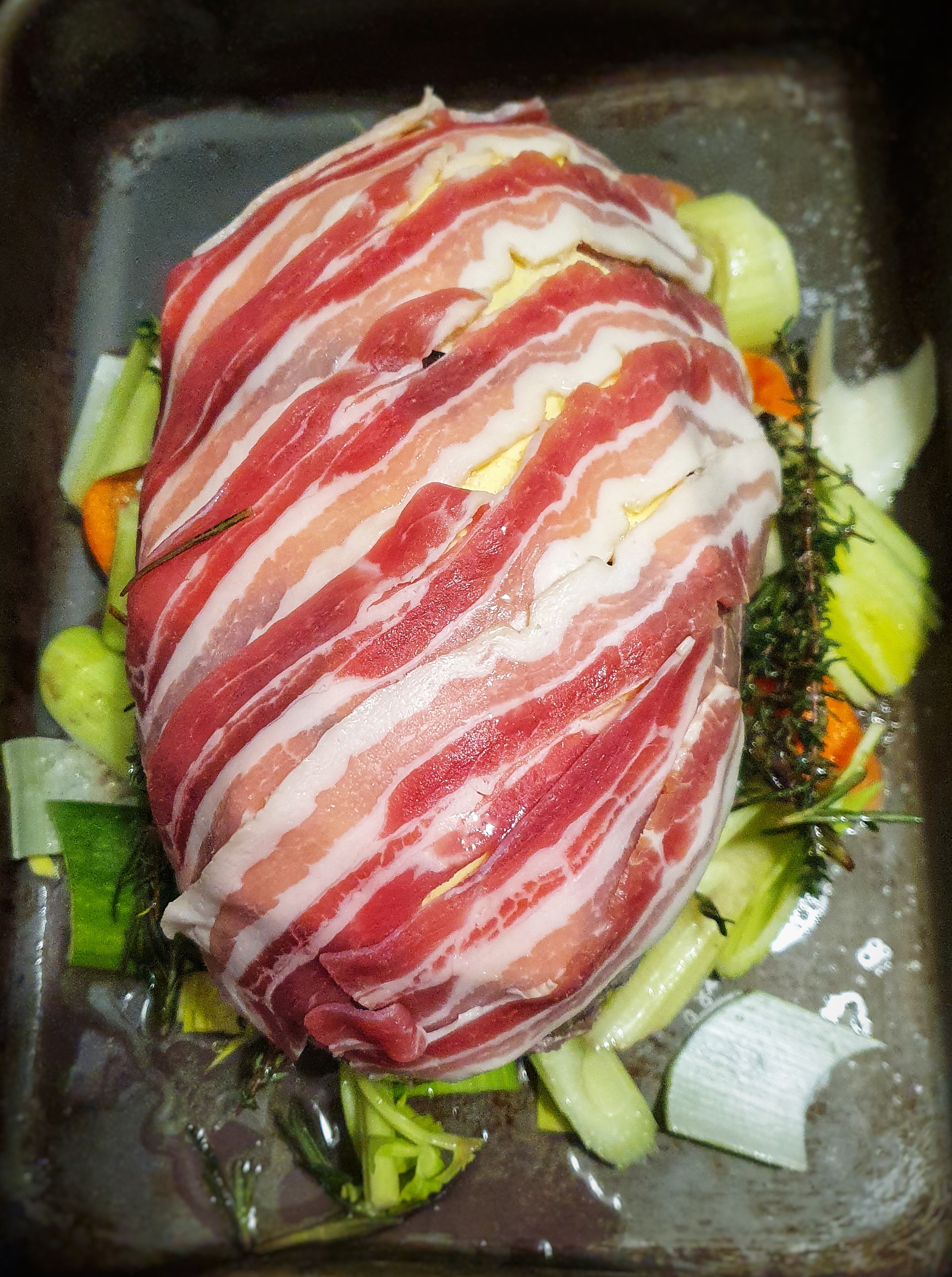
Now prepare the meat. Spread your vegetables in the centre of the tray and place the venison on top. Dab it dry with some kitchen paper then smear the top with the butter, season well with salt and pepper, then cover the top with the bacon, making sure each rasher overlaps the next slightly.
Oven-ready haunch of venison
Ladle around half of the marinade into the tin and slide the meat into the oven. Roast for 15 minutes and then turn the heat down to 180°C. Baste the venison every 15 to 20 minutes or so, adding more marinade if it starts to dry up.
For the last 15 minutes of the cooking time, turn the heat back up to 225°C, remove the bacon, give the meat one more baste, and let it crisp up at the edges. Take the tin out, remove the meat to a board or dish and cover with kitchen foil. It will sit very happily there as you roast your potatoes and cook your veg.
Now make the gravy. Strain the contents of the tin into a jug and spoon or pour a couple of tablespoons (approximately) of the buttery olive oil layer into a saucepan. Discard the rest of the fat. Put the pan over a medium heat and stir in 2 teaspoons of cornflour. Once incorporated, cook for a minute before adding the juices. Mix to blend, before adding the beef stock, mix again and then add the remaining marinade. Cook for 10 minutes, then add the jelly and season with salt and pepper. If the gravy isn’t as thick as you’d like, slake another teaspoon of cornflour in a little cold water and stir it in. When ready, strain into a warm jug.
Remove the outer mesh covering the joint, slice and serve with the gravy, the crisp bacon rashers and extra jelly on the side.
If you like the blogs and podcast I produce and would to start a £3 monthly subscription, or would like to treat me to virtual coffee or pint: follow this link for more information.Thank you.
Notes:
[1] It is for this reason that I consider venison a vegan-friendly food: we’d have to cull them whether we ate meat or not, so we may as well.
[2] If you like your meat well done, I can’t help you.
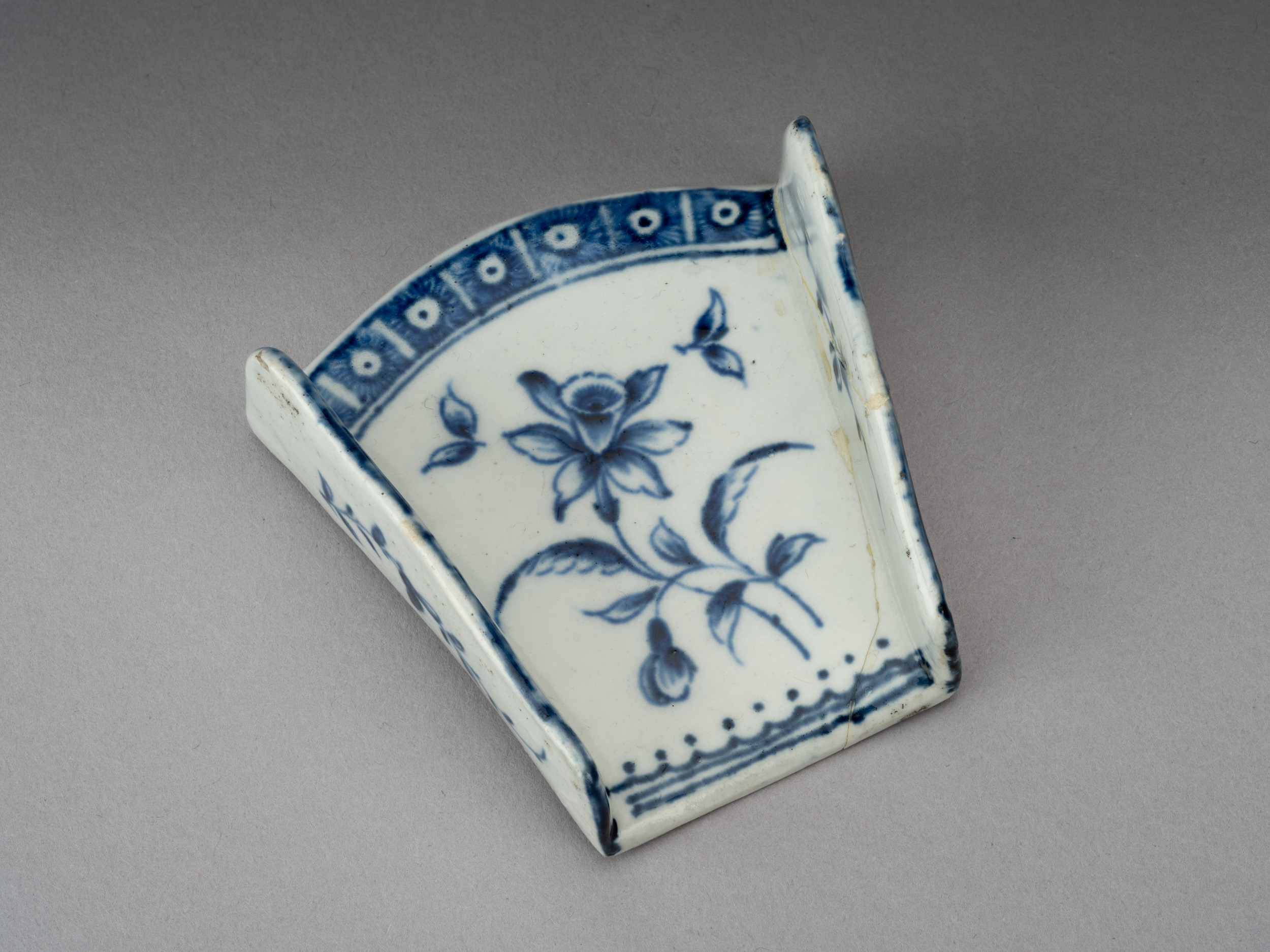
Hello everyone. Just a very quick post to let you know that I am giving a talk as part of the Museum of Royal Worcester’s Winter Online Talk series. The title of my talk is ‘Navigating Nineteenth-century English Meals – changing manners and fashions explored through Worcester porcelain’.
The talk is free and can be viewed online via Zoom. It’s on 15 November 2023 at 6pm (UK time). Click here to book your place.
It’s been really fun writing it and looking through the museum’s collection to find some interesting specimens to show and tell.
I do hope you can make it.
I’ll be talking about this item, amongst many others, but what is it? Find out on 15 November! (pic: Museum of Royal Worcester)












 British Food: A History