Tag Archives: Robert Burns

Robert Burns, the Globe Inn & Annandale Distillery with Jane Brown, Teresa Church & David Thomson

Welcome to the second of a two-part podcast special all about Burns Night.

Burns Night, celebrated on Robert Burns’ birthday, 25th January, is a worldwide phenomenon and I wanted to make a couple of episodes focussing upon the night, the haggis, but also the other foods links regarding Scotland’s national poet, Robert Burns.

So, if you’re readying yourself for a Burns supper, I hope this episode gets you even more into the celebratory spirit. If you’re not marking Burns Night? Well, hopefully after listening to this, you will be inspired to get yourself some haggis, neeps, tatties and a dram of whisky.
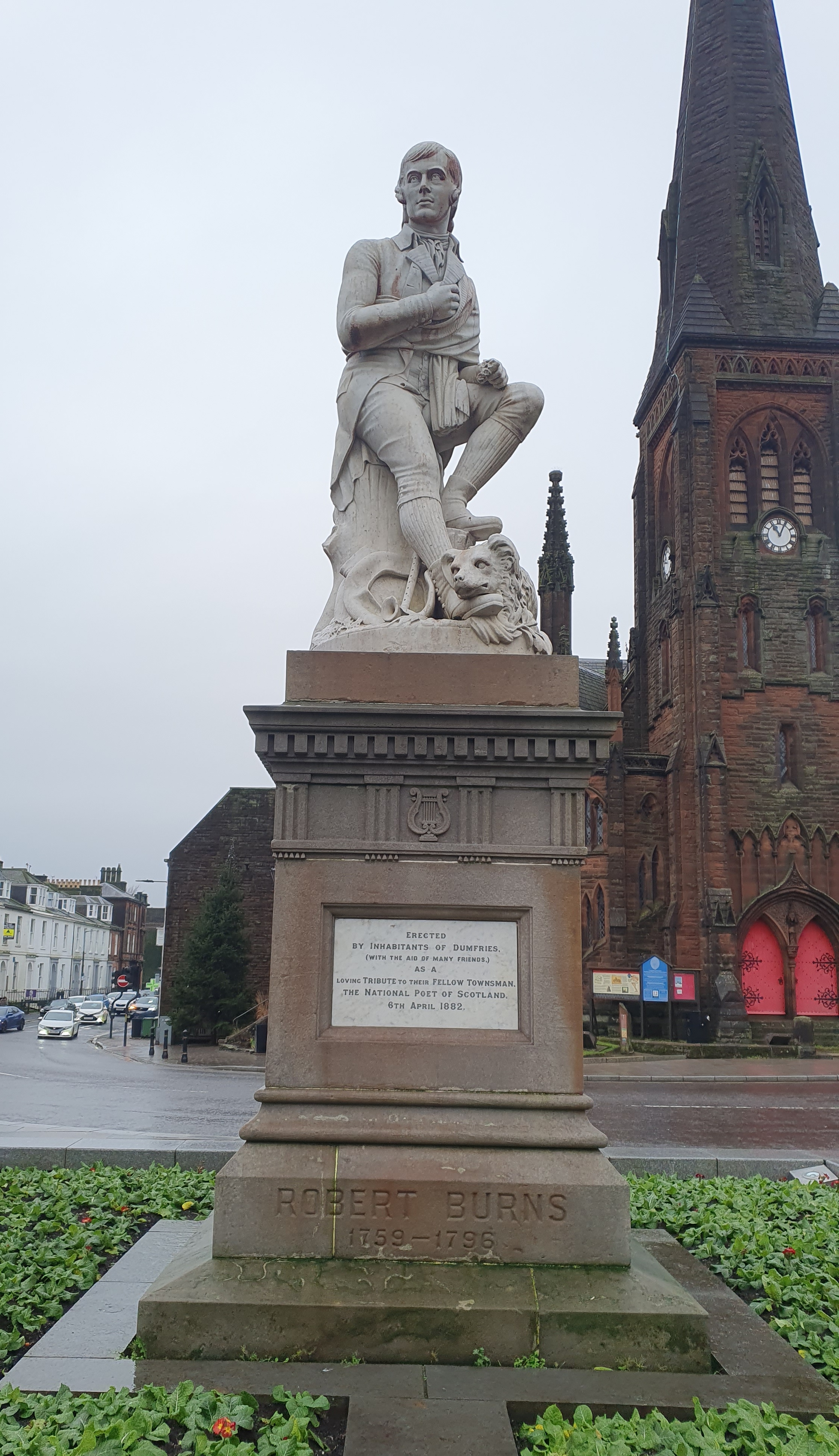
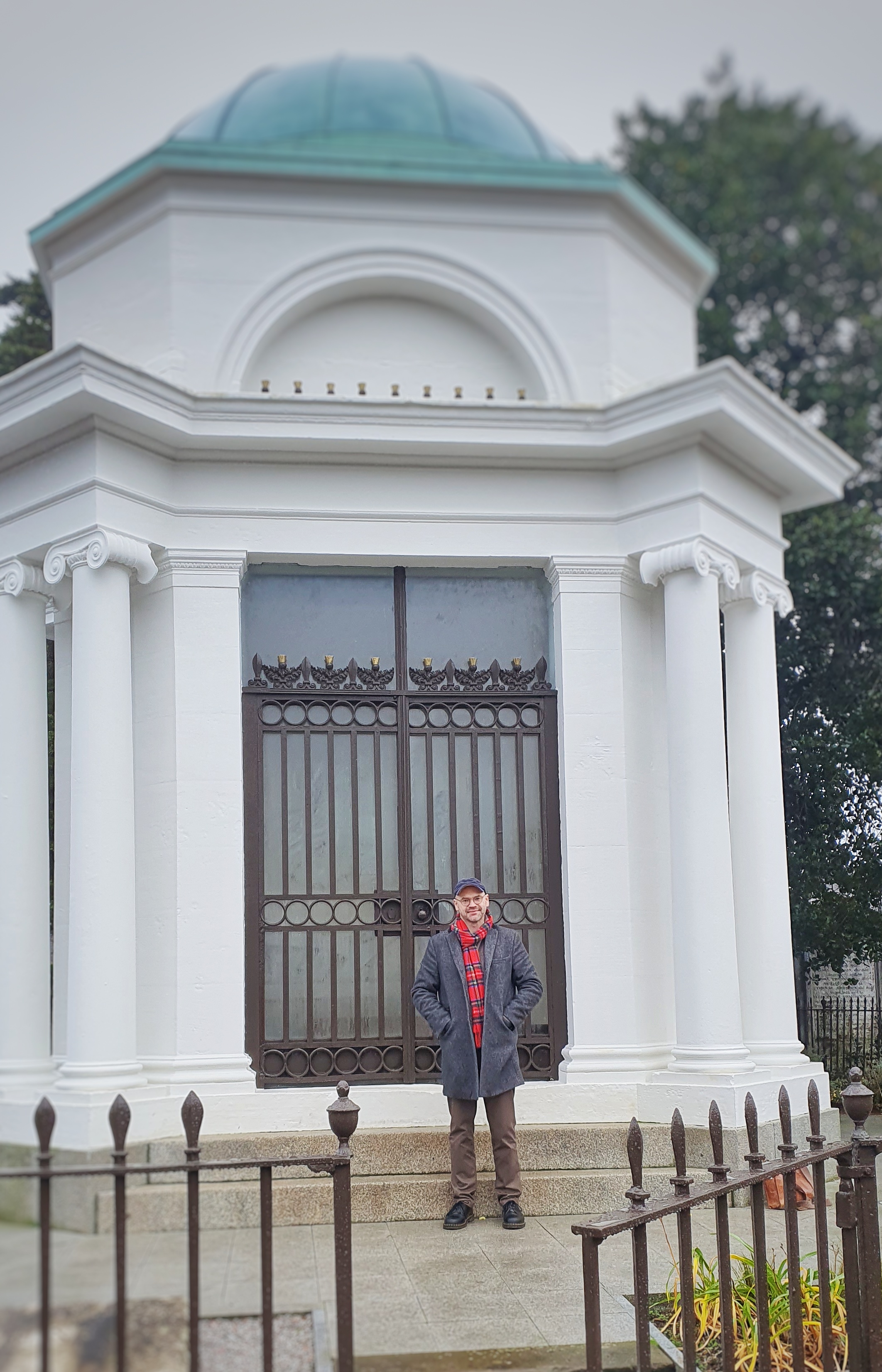
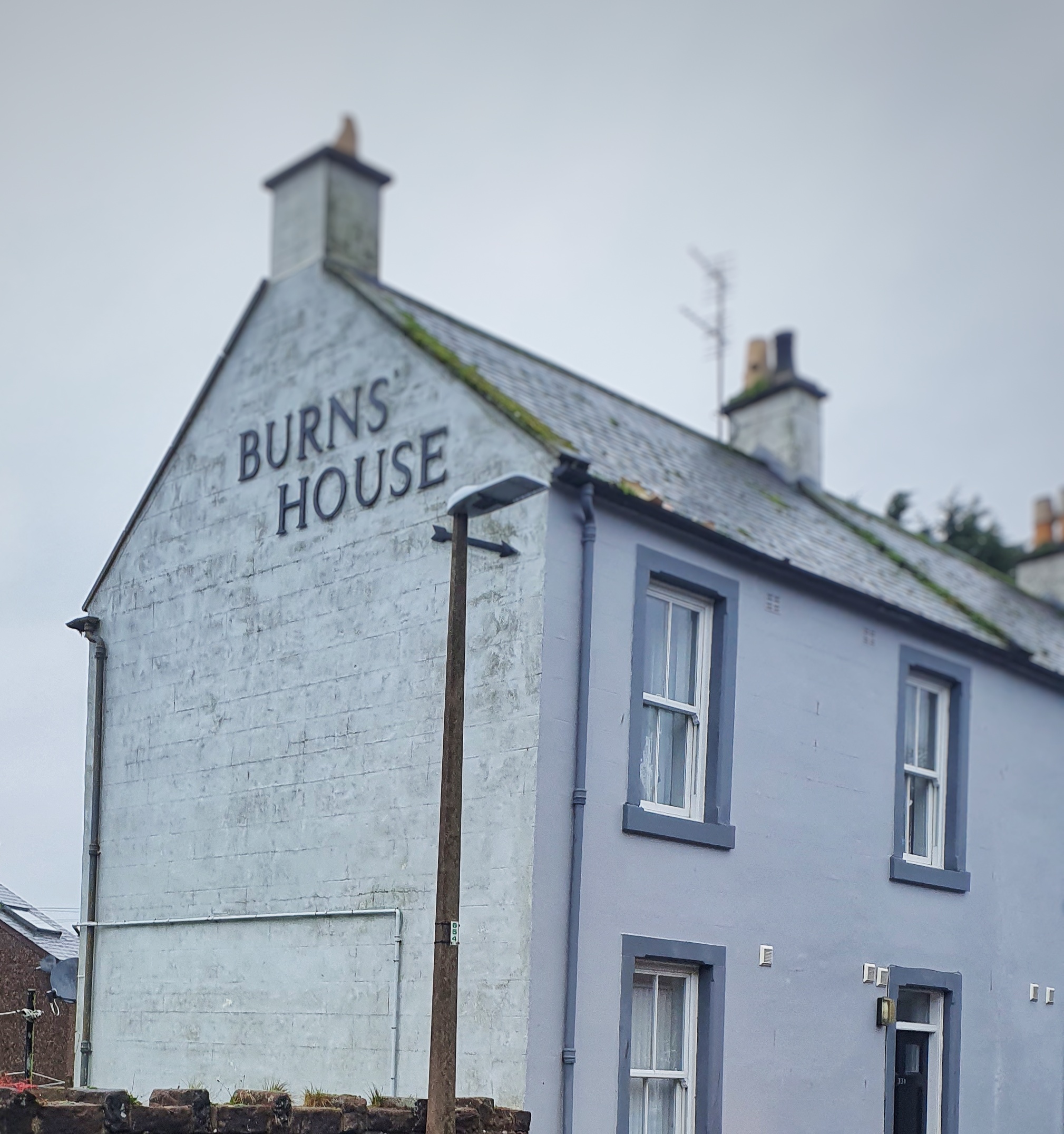
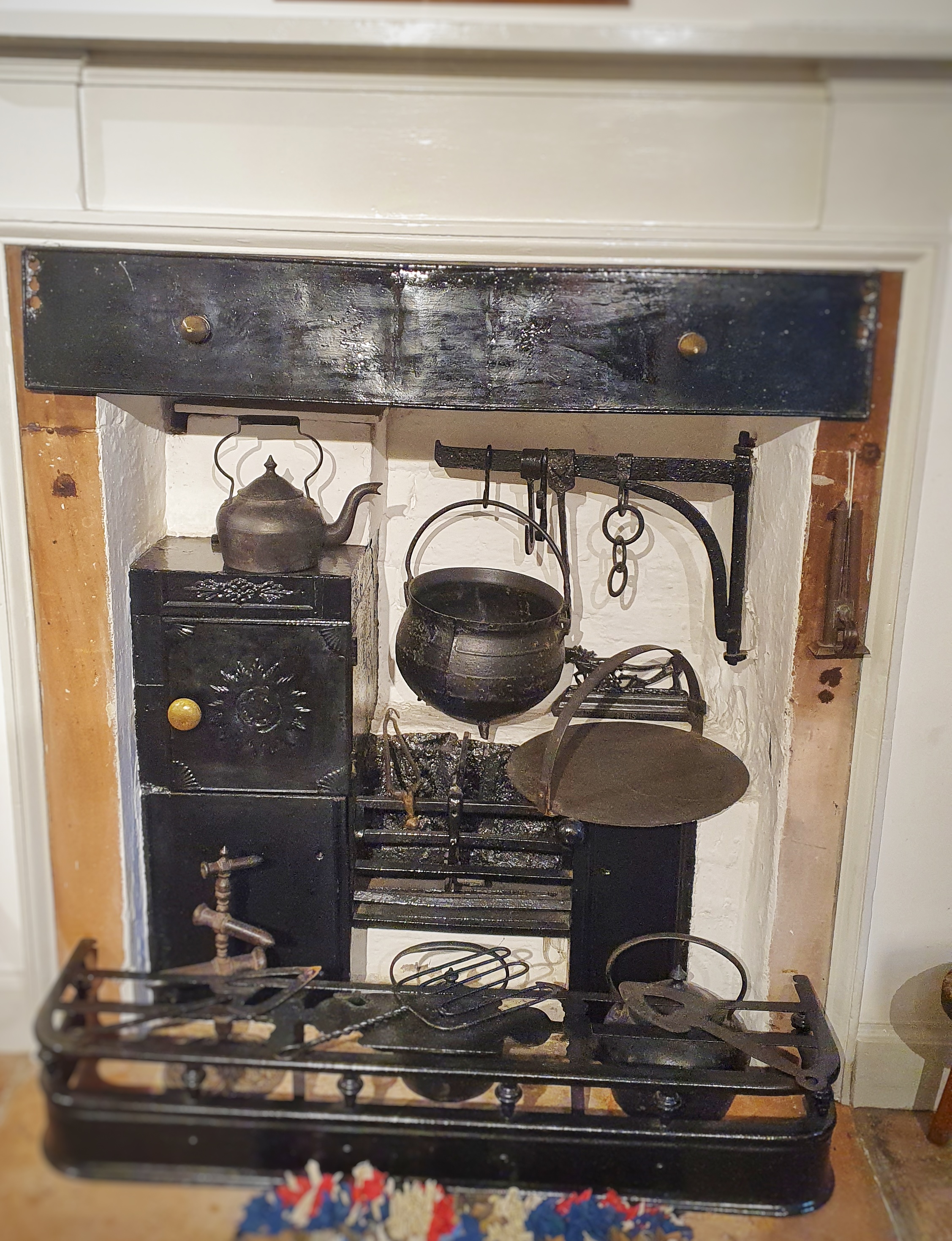
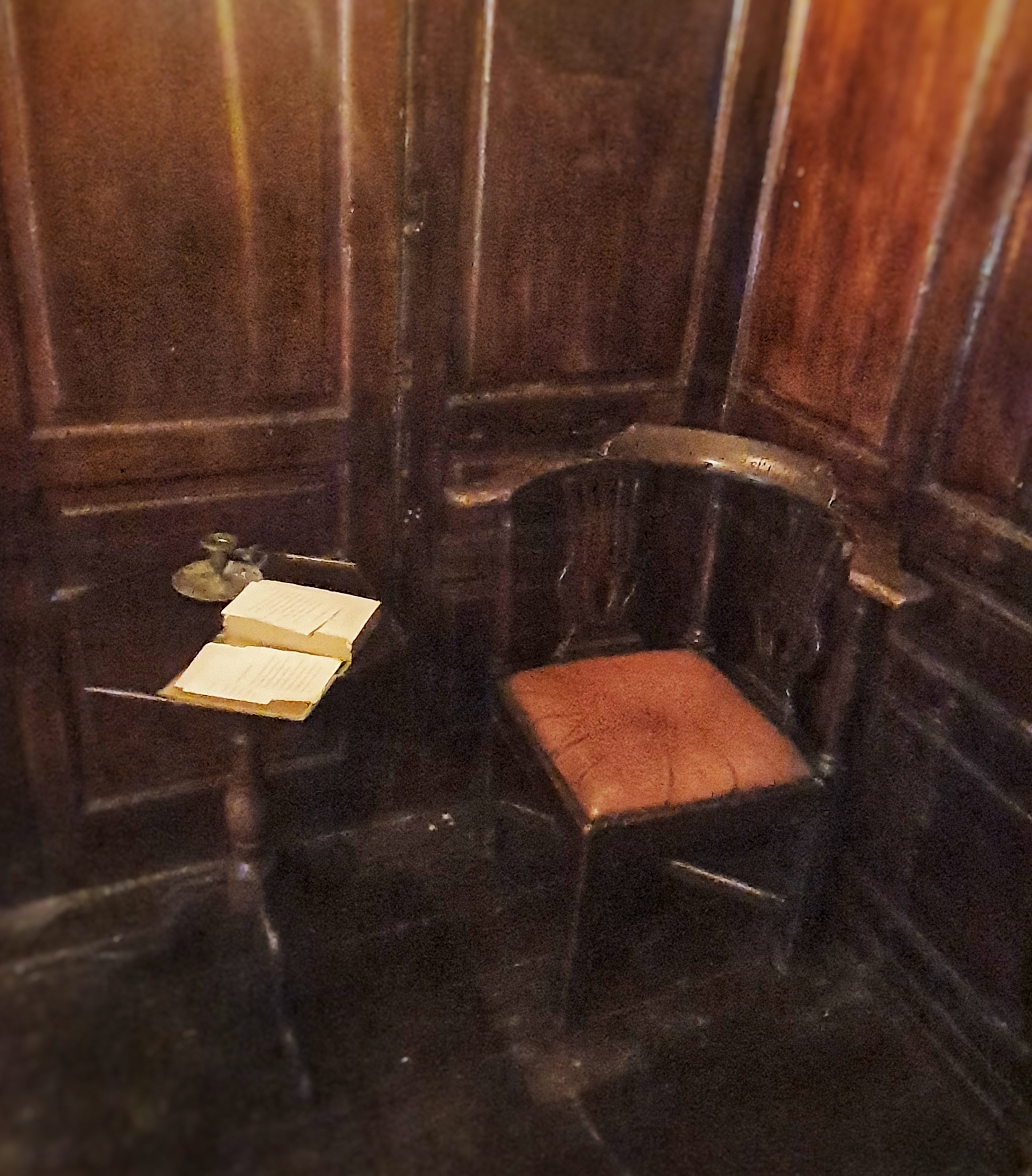
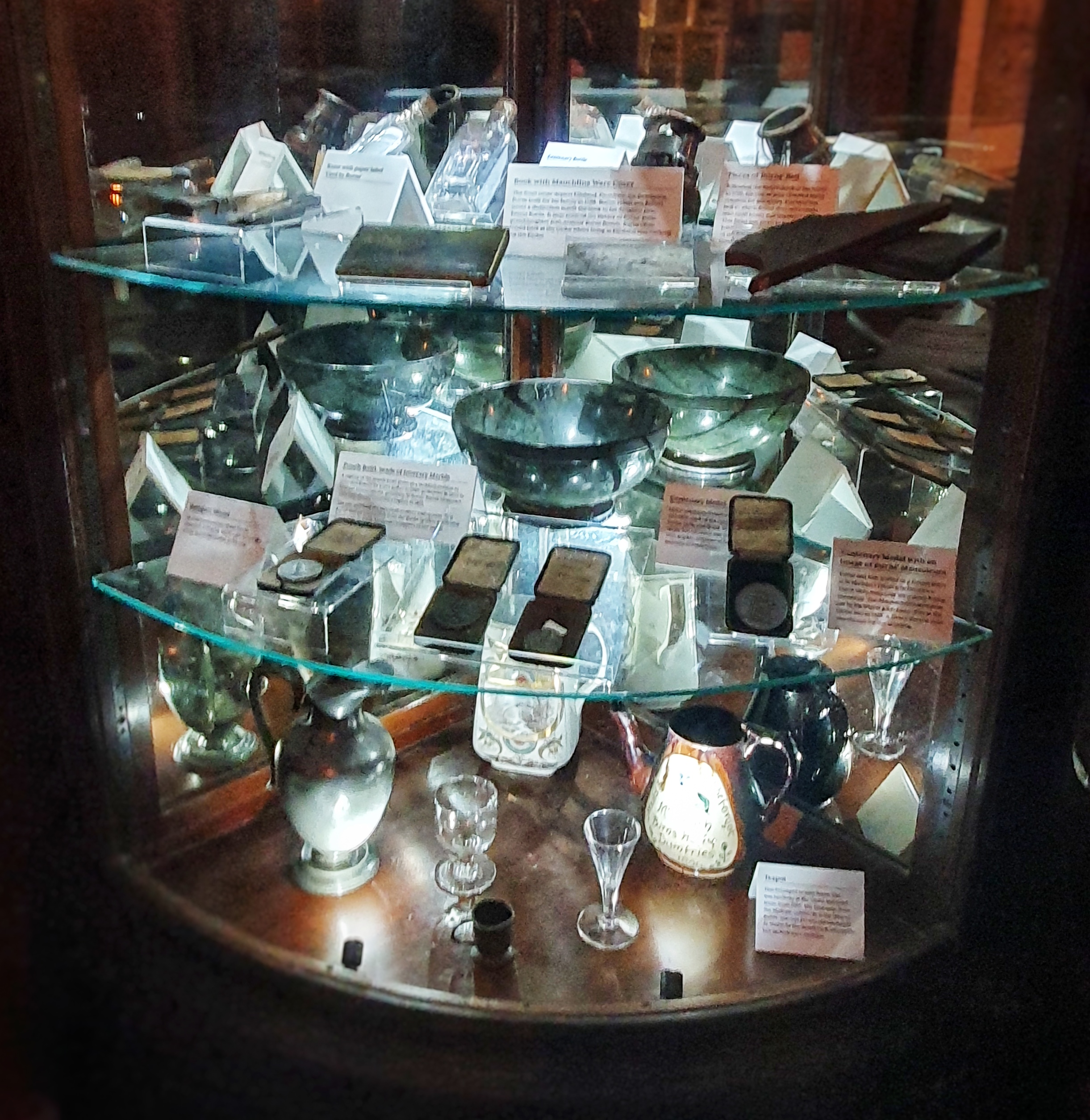
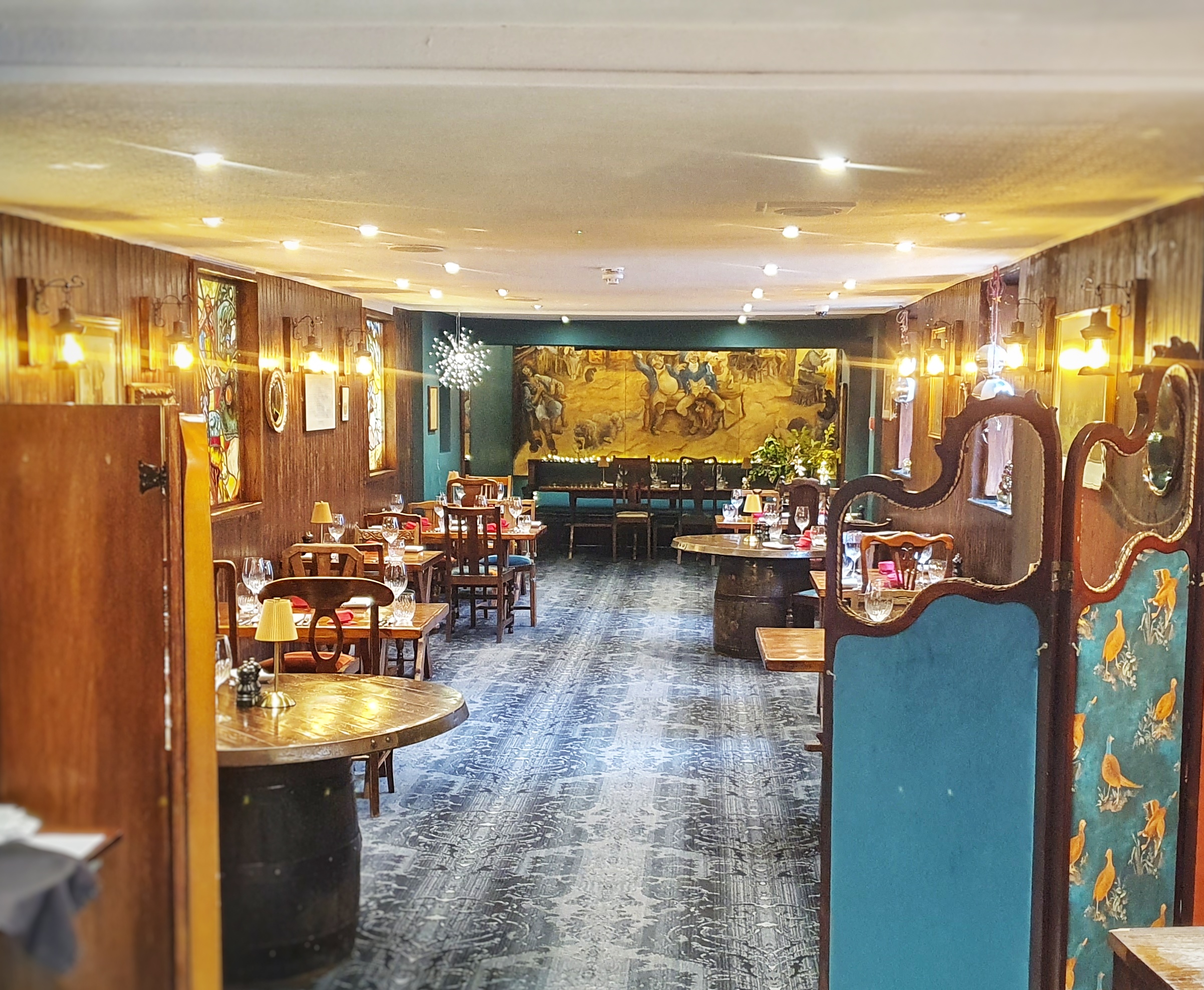
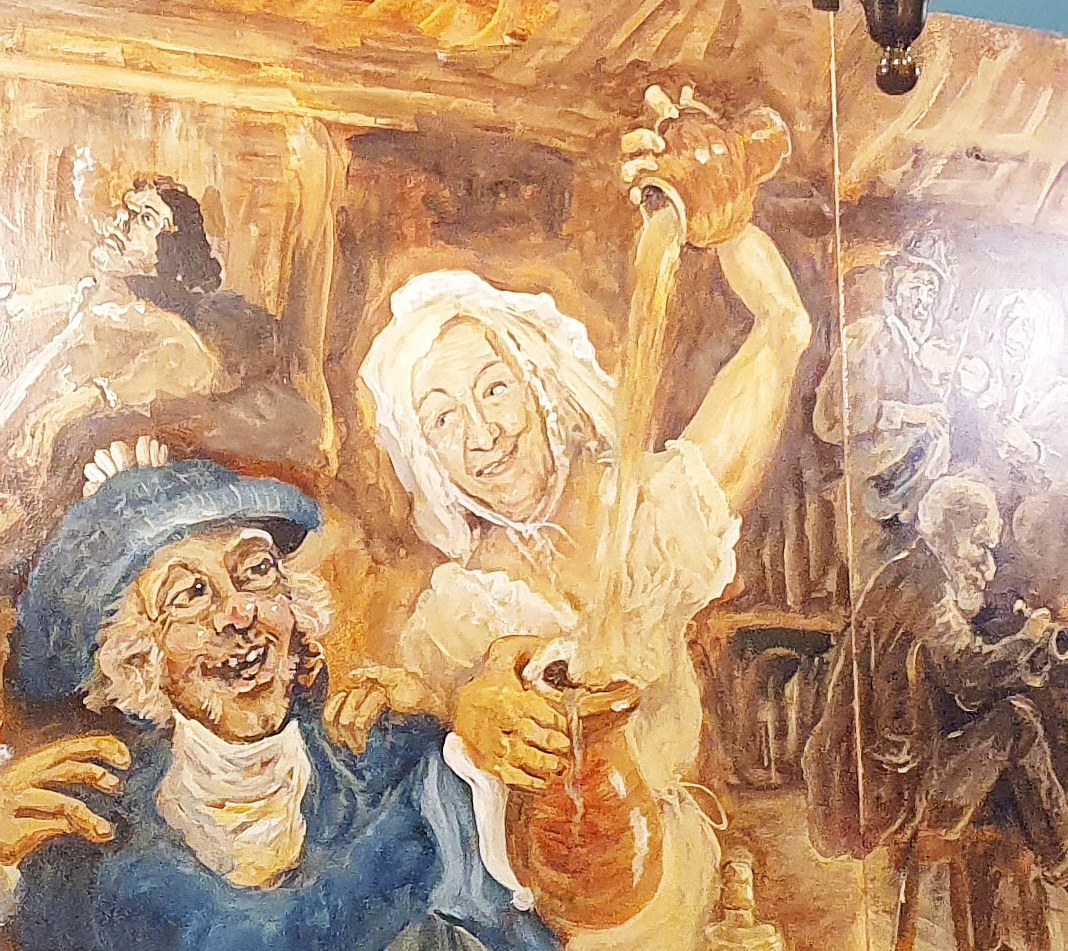
Today’s episode is a jam-packed one where I speak with three guests all about Robert Burns and his links with Dumfriesshire, Southwest Scotland. First of all, I speak with Jane Brown, Honorary President of the Robert Burns World Federation, and ex-manager of The Globe, Robert Burns’s favourite haunt when he lived in Dumfries during the last eight years of his life. Jane has attended and spoken at many Burns Nights all over the world, so there’s no one better to talk about with Burns’s life, which had several links with food and drink: there’s Burns Night and the Address to a Haggis, his time as an exciseman and as a farmer, and his time at the Globe. Then there’s the Globe itself and all of the precious artefacts contained within it that have been painstakingly conserved by owners Teresa Church and David Thomson.

The British Food History Podcast is available on all podcast apps and now YouTube. You can also stream it via this Spotify embed below:
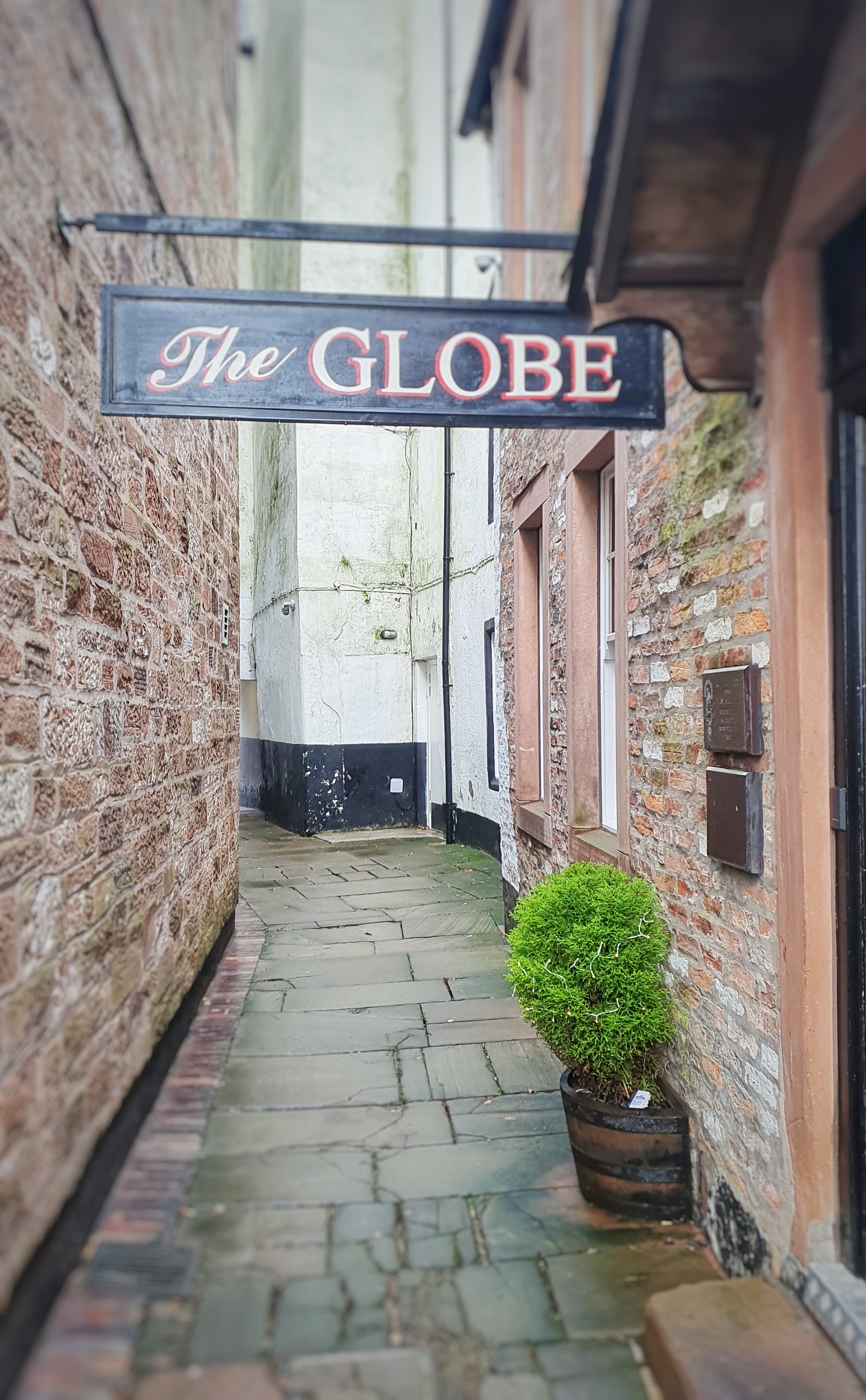
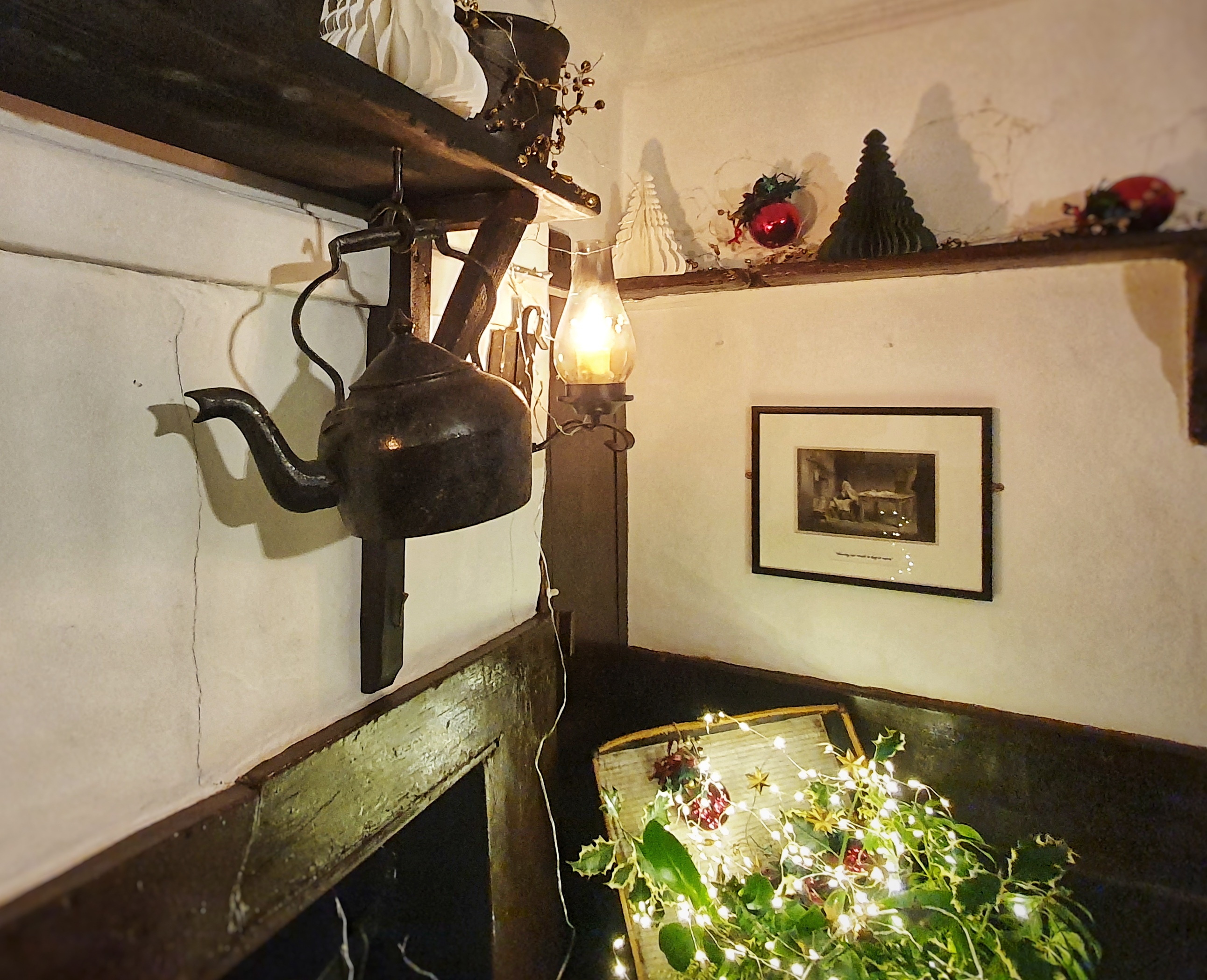
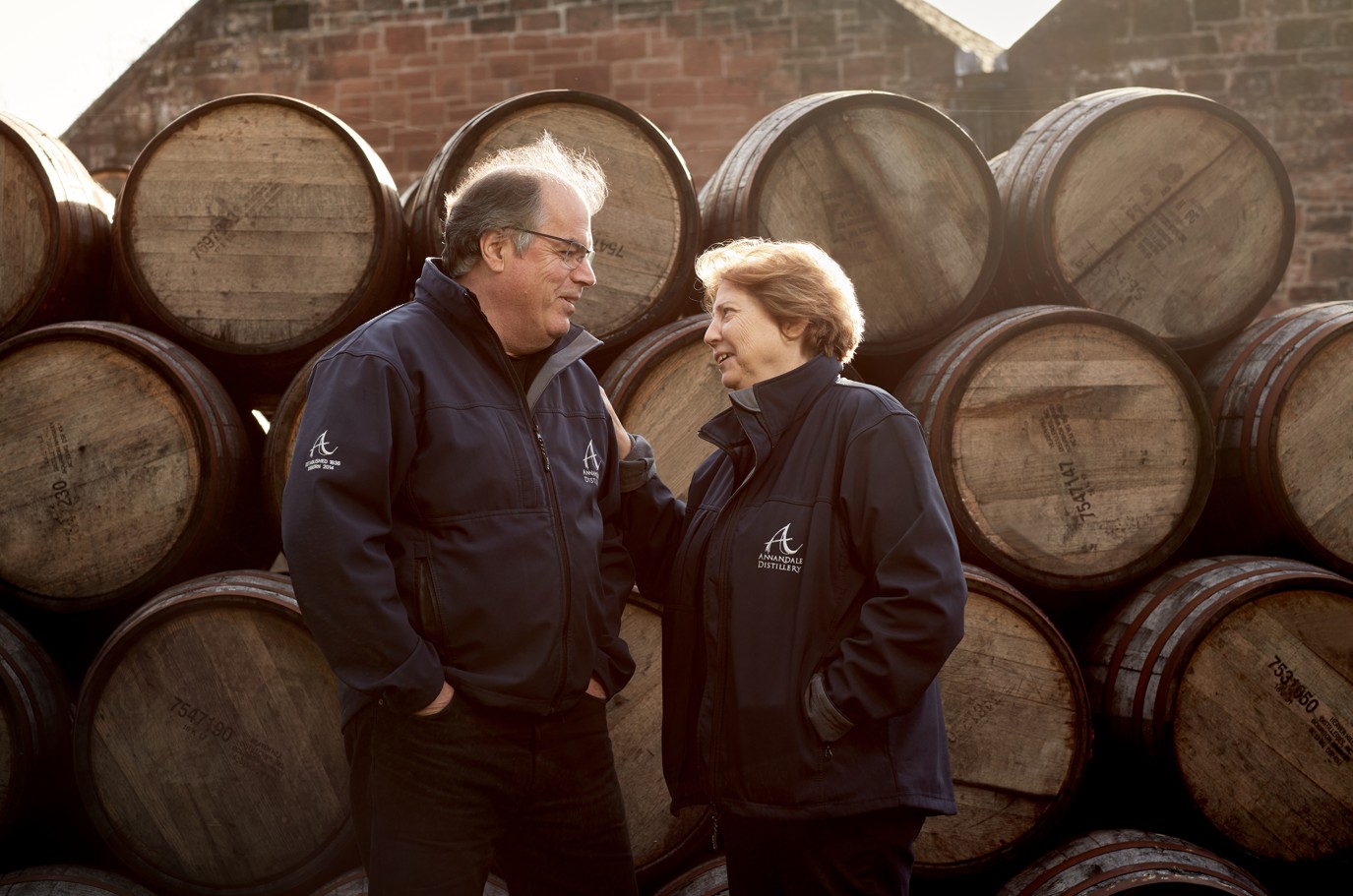
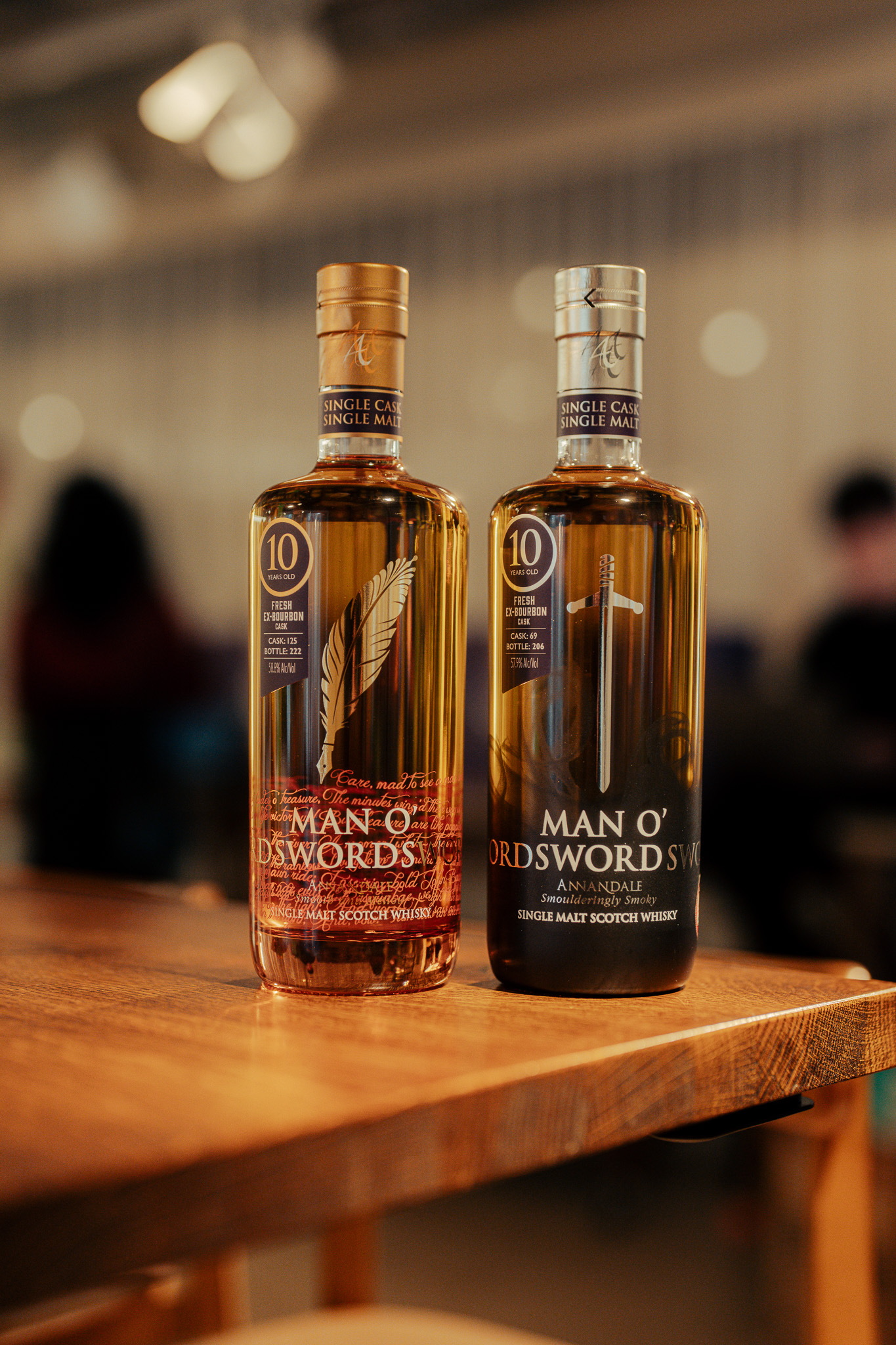
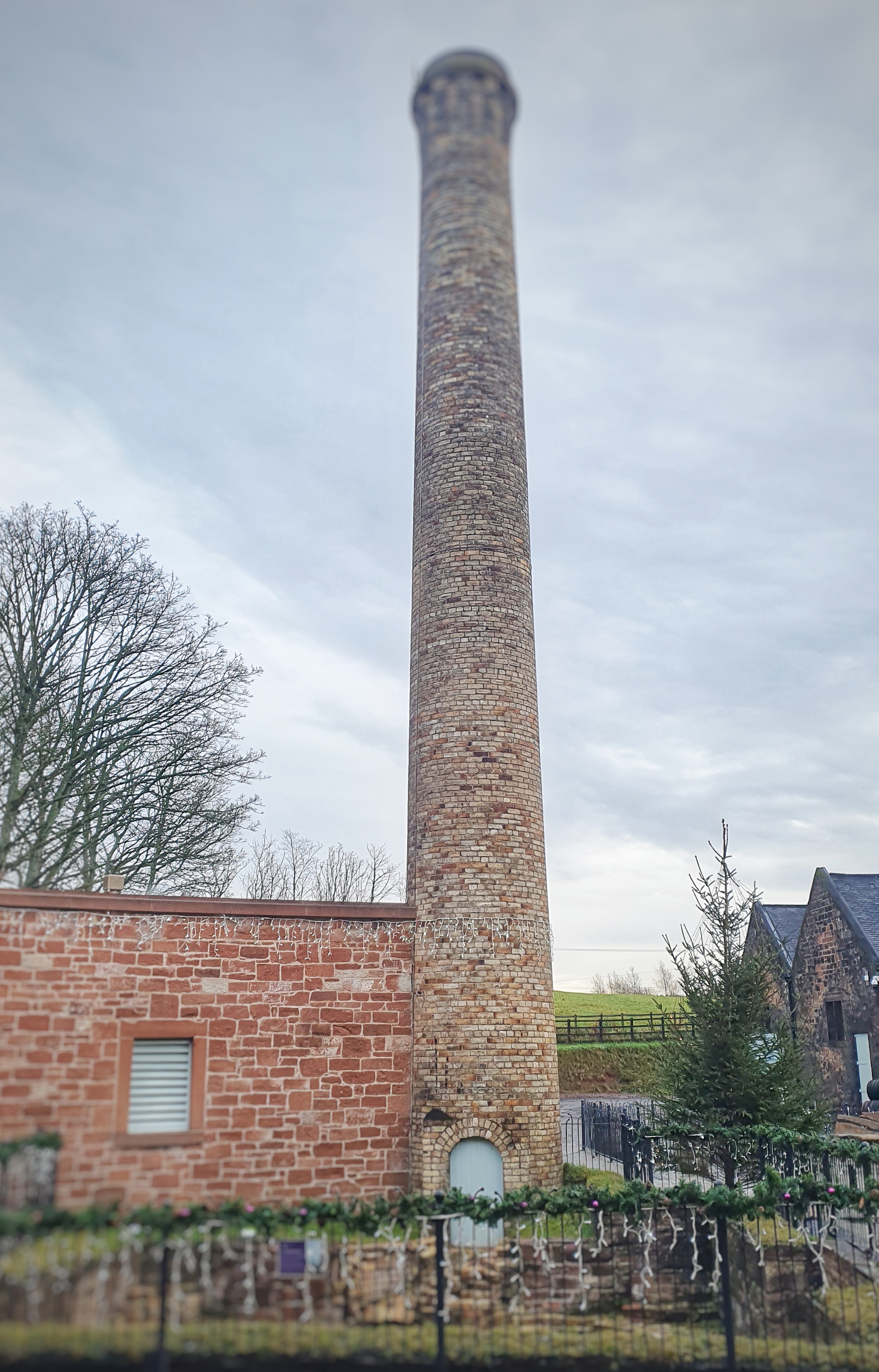
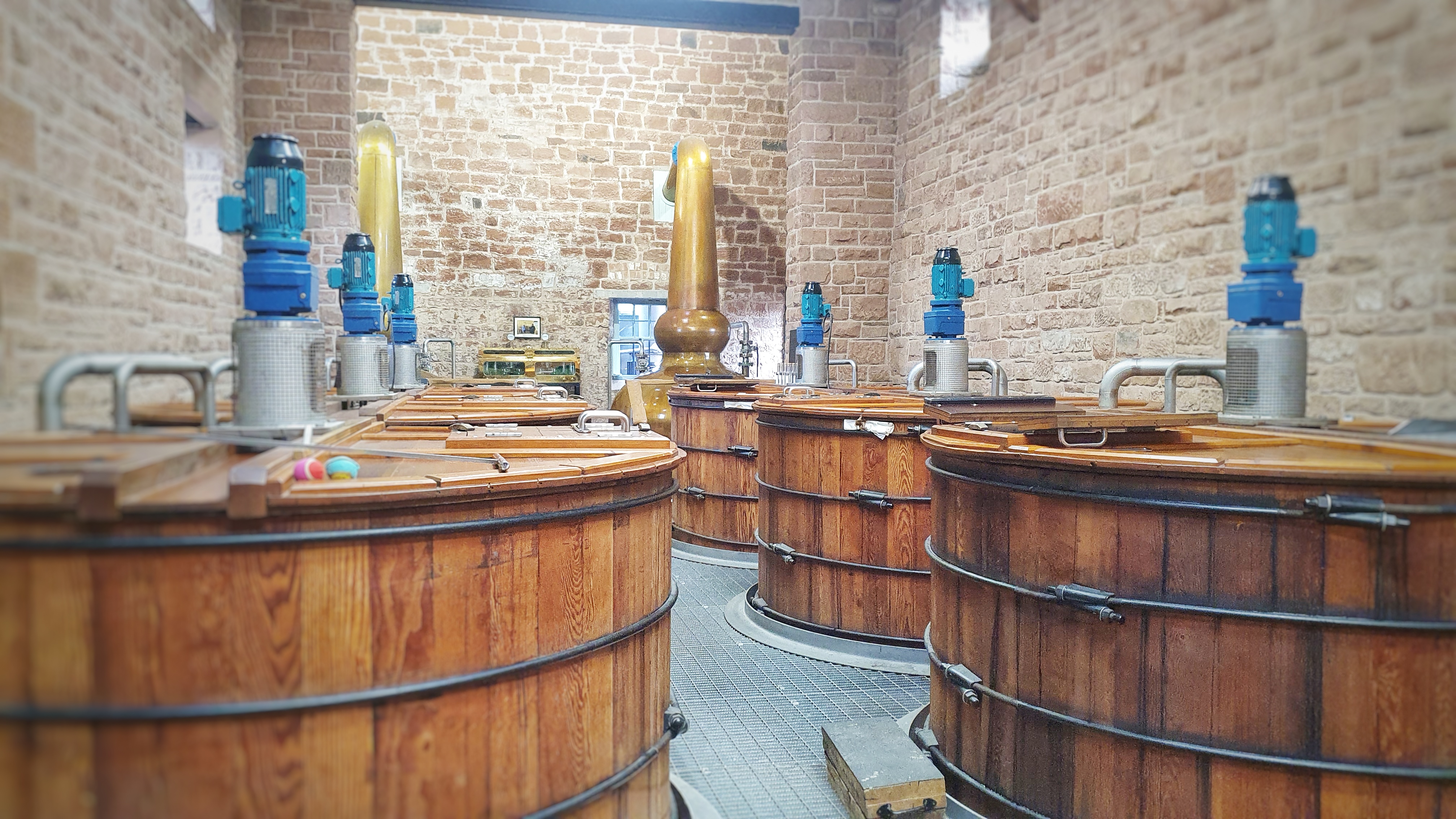
David and Teresa also own the Annandale Distillery, which produces a delicious and unique single malt whisky. It’s available unpeated and called Man O’Words, after Robert Burns, and the other is peated and called Man O’Sword, after the other local historical figure associated with Dumfries, Robert the Bruce. Like the Globe, the old distillery was saved, beautifully conserved and brought back to life by David and Teresa.

In today’s episode, we talk about Burns’s before and after graces, Burns’s penchant for scratching poetry on inn windows, the importance of cask size on the flavour of whisky, and just what exactly possessed David and Teresa to buy the Globe and a falling-down distillery in the first place – amongst many other things.

Don’t forget, there will be postbag episodes in the future, so if you have any questions or queries about today’s episode, or indeed any episode, or have a question about the history of British food, please email me at neil@britishfoodhistory.com, or leave a comment below.
The Globe Inn website

Annandale Distillery website

The Robert Burns World Federation

Follow 1610 at the Globe on social media: Instagram @theglobeinn1610; Facebook https://www.facebook.com/theglobeinn/?locale=en_GB; X @The GlobeInn1610

Follow Annandale Distillery on social media: Instagram: @annandale_distillery; Facebook: https://www.facebook.com/annandaledistillery/?locale=en_GB; X: @AnnandaleDstlry


If you can, support the podcast and blogs by becoming a £3 monthly subscriber, and unlock lots of premium content, including bonus blog posts and recipes, access to the Easter eggs and the secret podcast, or treat me to a one-off virtual pint or coffee: click here.


This episode was mixed and engineered by Thomas Ntinas of the Delicious Legacy podcast.

Things mentioned in today’s episode

Article: Local whisky maker hailed for its ‘world class’ and ‘immaculate’ malt at top awards. From in-Cumbria

Annandale Distillery on Visit Scotland website

MMR website (David and Teresa’s day job!)

The Burns House Museum

David’s article about the importance of cask size when maturing whisky

My ‘Taste of Britain’ series in Countrylife Magazine

Robert the Bruce

My upcoming online talk with Paul Crane as part of the Museum of Royal Worcester’s Winter Talk series on 4 March at 6pm

Previous pertinent blog posts

Chicken Balmoral

Previous pertinent podcast episodes

Haggis and the First Burns Suppers with Jennie Hood

Neil’s blogs and YouTube channel

‘British Food: a History’

The British Food History Channel

‘Neil Cooks Grigson’

Neil’s books

Before Mrs Beeton: Elizabeth Raffald, England’s Most Influential Housekeeper
A Dark History of Sugar

Knead to Know: a History of Baking

The Philosophy of Puddings

Leave a comment

Filed under Brewing, Britain, events, Festivals, General, history, Podcast, science, Scotland

Haggis & the First Burns Suppers with Jennie Hood

Welcome to the first of a two-part special all about Burns Night. 

Burns Night, celebrated on Robert Burns’ birthday, 25th January, is a worldwide phenomenon and I wanted to make a couple of episodes focussing upon the night, the haggis, but also the other foods links regarding Scotland’s national poet, Robert Burns. 

The episode is available on all podcast apps, but can also be streamed here:

Burns was born in Alloway, Ayrshire on 25 January 1759 and he died in Dumfries on 21 July 1796 at just 37 years old. 

My guest today is food historian Jennie Hood, who has written an excellent article for the most recent edition of food history journal Petit Propos Culinares, entitled ‘A History of Haggis and the Burns Night Tradition’, so she is the perfect person to speak with on this topic.

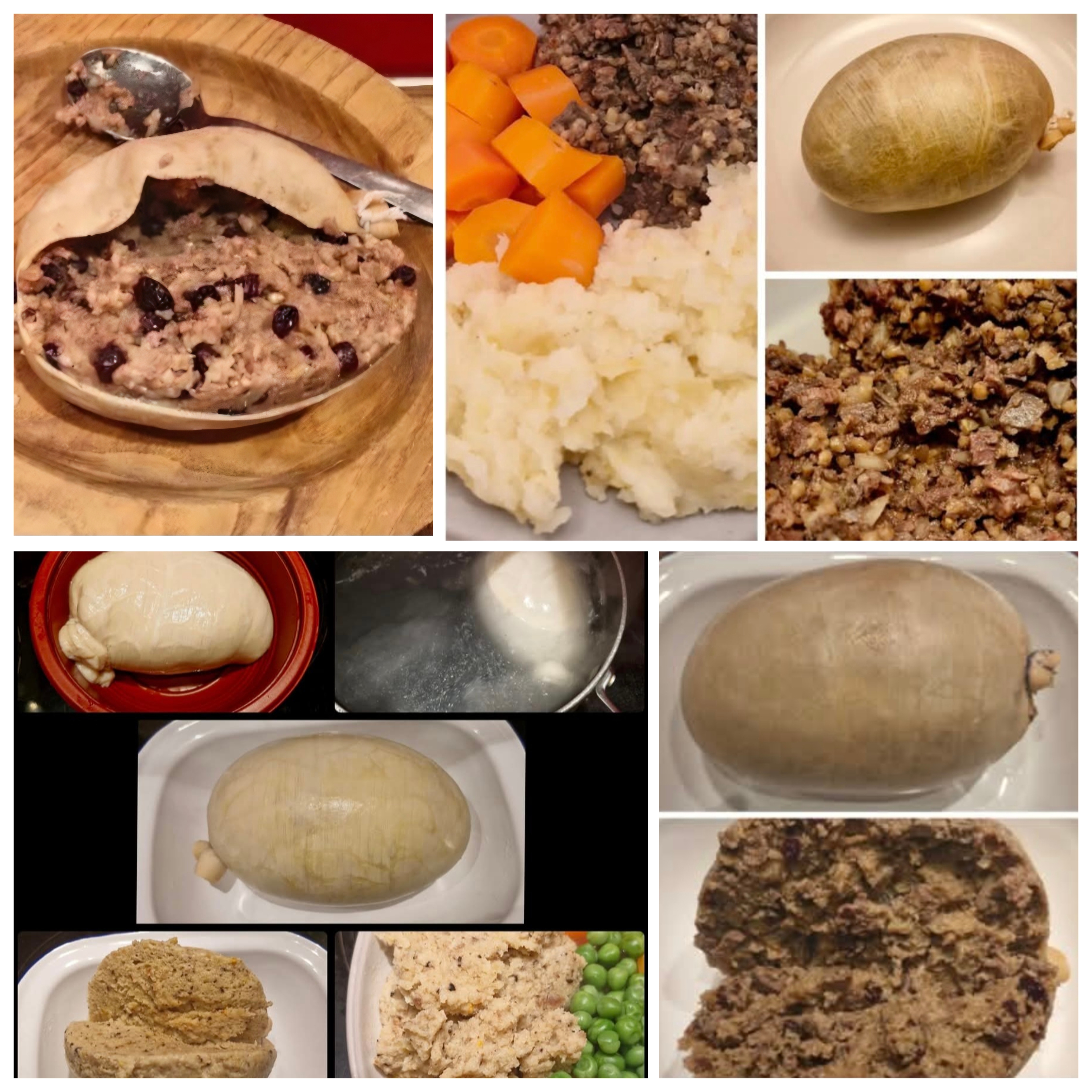
Jennie’s experiments in haggis: It shows (clockwise from top left) Richard Bradley’s 1732 hackin, Mrs MacIver’s 1774 haggis, Henry Blaxton’s 1659 liver pudding and a franchemoyle from Liber Cure Cocorum, English c. 1440. Images: Jennie Hood 

Jennie Hood hails from Ayrshire, just like Robert Burns, and we talk about the origin of Burns Night, but we also talk about the medieval origins of the most important food item on the Burns supper plate – the haggis.

Things covered include the first English recipes for haggis, what makes a haggis a haggis (not as easy a thing as you might expect), Burns’s poem Address to a Haggis and what it tells us about haggises in Burns’s day and how the first Burns suppers started and gained such popularity, amongst many other things.

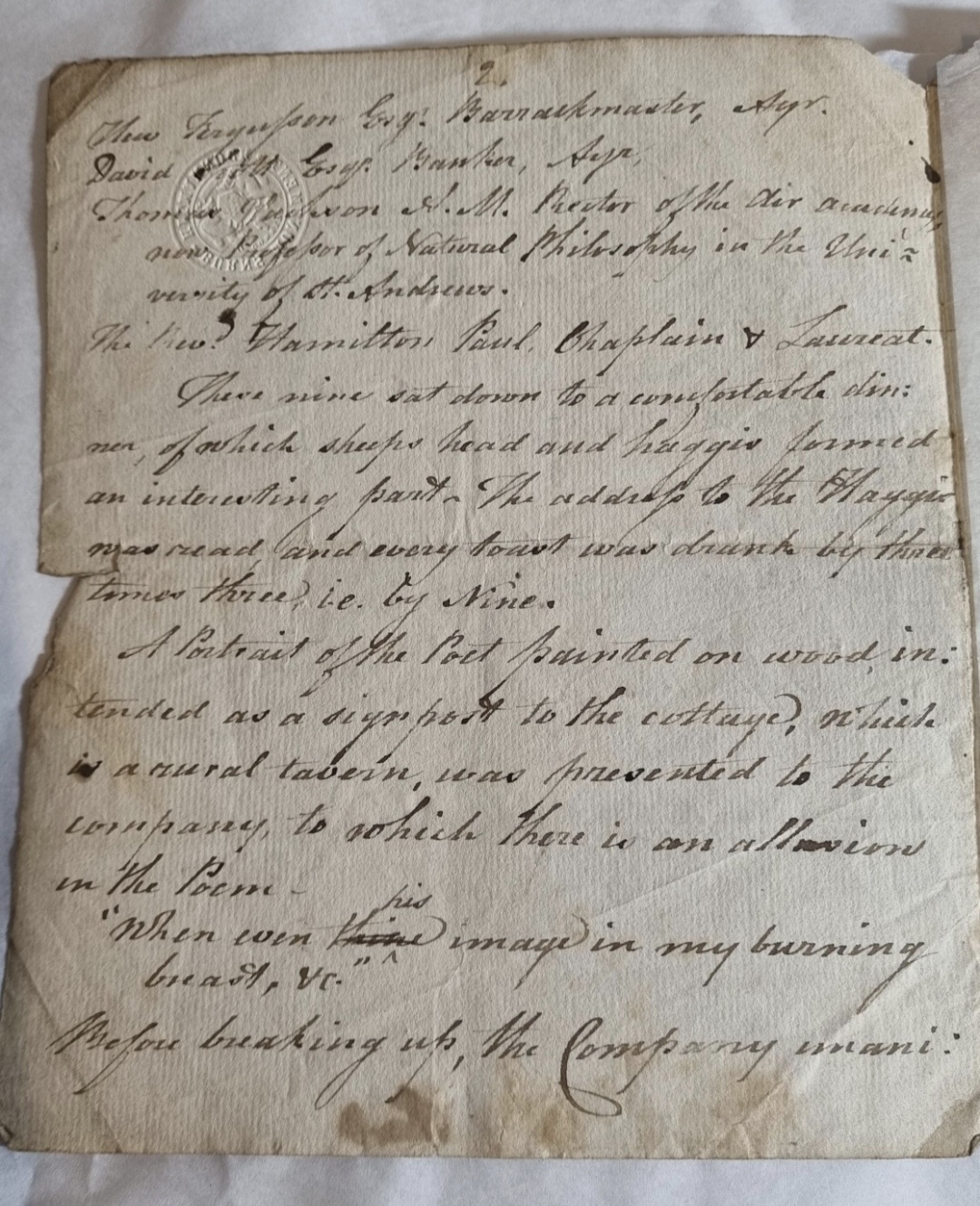
A photo of a manuscript written by Hamilton Paul, recording the first Burns Supper in 1801. From the McKie Collection held by East Ayrshire Museums: https://www.futuremuseum.co.uk/collections/people/key-people/burns/manuscripts/anniversaries-of-burns

Follow Jennie on social media: Threads/Instagram @medievalfoodwithjennie; Bluesky @medievalfoodjennie.bsky.social; Facebook https://www.facebook.com/medievalfoodwithjennie 

Company of St Margaret, Jennie’s late medieval and renaissance re-enactment group

Issue 133 of Petits Propos Culinaires


If you can, support the podcast and blogs by becoming a £3 monthly subscriber, and unlock lots of premium content, including bonus blog posts and recipes, access to the easter eggs and the secret podcast, or treat me to a one-off virtual pint or coffee: click here.


This episode was mixed and engineered by Thomas Ntinas of the Delicious Legacy podcast.

Things mentioned in today’s episode

Harlean MS 279

Liber Cure Cocorum

The Good Housewife’s Jewel by Thomas Dawson

The Art of Cookery Made Plain and Easy by Hannah Glasse (‘Haggas’ recipe p.291)

The Robert Burns World Federation

Address to a Haggis by Robert Burns

Suzanne MacIver’s recipe for haggis

Ivan Day’s recipe for hack pudding

The Philosophy of Puddings by Neil Buttery

BBC Countryfile January 2026 edition

Royal Births, Marriages & Deaths website (Channel 5)

Previous pertinent blog posts

Lamb’s Head with Brain Sauce (from Neil Cooks Grigson)

My review of the year post

Nesselrode Pudding

Turkey & Hazelnut Soup

Lambswool

Previous pertinent podcast episodes

The Philosophy of Puddings with Neil Buttery, Peter Gilchrist & Lindsay Middleton

Neil’s blogs and YouTube channel

‘British Food: a History’ 

The British Food History Channel

‘Neil Cooks Grigson’ 

Neil’s books

Before Mrs Beeton: Elizabeth Raffald, England’s Most Influential Housekeeper
A Dark History of Sugar 

Knead to Know: a History of Baking

The Philosophy of Puddings

Don’t forget, there will be postbag episodes in the future, so if you have any questions or queries about today’s episode, or indeed any episode, or have a question about the history of British food please email me at neil@britishfoodhistory.com, or on twitter and BlueSky @neilbuttery, or Instagram and Threads dr_neil_buttery. My DMs are open.

You can also join the British Food: a History Facebook discussion page: https://www.facebook.com/groups/britishfoodhistory 

Leave a comment

Filed under Britain, cooking, events, Festivals, food, General, history, Mediaeval Age, Podcast, Puddings, Scotland, Uncategorized