Category Archives: Britain

The Glorious Twelfth

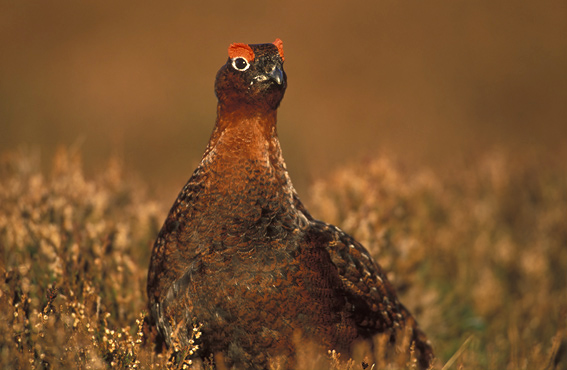
red grouse

Today is the Glorious Twelfth! The day in the countryside calendar that many await, for it is the beginning of game season.

I know it may seem a little unsavoury to look forward to the shooting of thousands of birds and mammals, but it is so woven into the tradition of country life, that it seems a rather romantic pursuit. Not one that I have been privy to of course, as it is a posh person’s game.

Technically, the 12th of August is the opening of the game season for the red grouse, though a couple of other game species can also be legally hunted from this day (see the list of game species, below).

There are two broad types of game: furred and feathered, i.e. mammals and birds. Fish are considered game too, but they do not follow the same laws as the others.

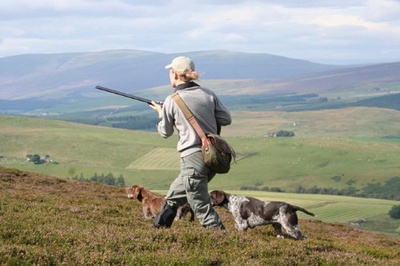
On a typical hunt for grouse and other game birds, there is a basic set up of beaters that walk in a loose line across a heath, in the case of grouse, or scrub in the case of pheasant, beating the vegetation in order to scare the birds so that they fly up and away toward gunmen to be shot. The bird is then retrieved by a gun dog such as a springer spaniel. I’m over-simplifying this, of course, but that is the basic process.

quarry

 A hunter after her quarry (Lax-A)

The hunt is such a huge event and requires such a large amount of organisation, that single hunts often cost up to £50 000 per day, raking £50 million into the local economies of Scotland and Northern England each year.

How Glorious is it?

The Glorious Twelfth is controversial, with the game industry and conservationists constantly at loggerheads, but the fact is that the Moorland Association has protected many at risk species in the British Isles such as the golden plover and lapwing. They put a lot of effort into the management of heathlands by selectively burning areas and reducing the numbers of predators such as foxes and weasels. It is here that the Moorland Association has been hit with the most criticism; conservationists say they should not be culling predators so that we can have more grouse for posh men to shoot. It’s a fair point.

Then, on the really dark side are the accusations of the killing of some of our most rare birds of prey like the hen harrier.

So on one hand predator animals are often persecuted, whereas on the other, well-behaved waders are looked after.

I view the situation the same I do zoos. I know they do good work for the conservation of animals and habitats, yet I can’t help but feel sad every time I see a poor old bored elephant, or a majestic tiger walking laps around its pen. They are part of our heritage, like it or not, but they can do good work.

The Game Act, 1831

This Act of Parliament was brought in to protect game birds by bringing in closed hunting seasons, and imposed game licences (hares and deer have their own Acts, which follow similar principles). Some species were protected completely, such as the common bustard (now extinct in the UK, but there are attempts to reintroduce it).

The Game Act was brought in to replace the outdated ide of their being Royal Forests, brought in during the 11th Century during the reign of William I, where it was illegal to hunt game unless you had permission from the king. As the centuries rolled on, the laws slackened more and more until they were pretty much useless.

At the time of writing the Act, hares were not given a closed season as they were a pest. The imposing capercaillie was not included in the Act as it was extinct in the UK at the time, being reintroduced to Scotland in the 1837.

Game seasons

Feathered game is further subdivided into two groups: game birds and waterfowl & waders. Some of the species are familiar and other are not, and of the ones I have tried, all taste delicious (unless they’ve been hung for too long, then they are decidedly rank).

Game Birds

Red grouse, ptarmigan                 August 12 – December 10

Black grouse                                    August 20 – December 10

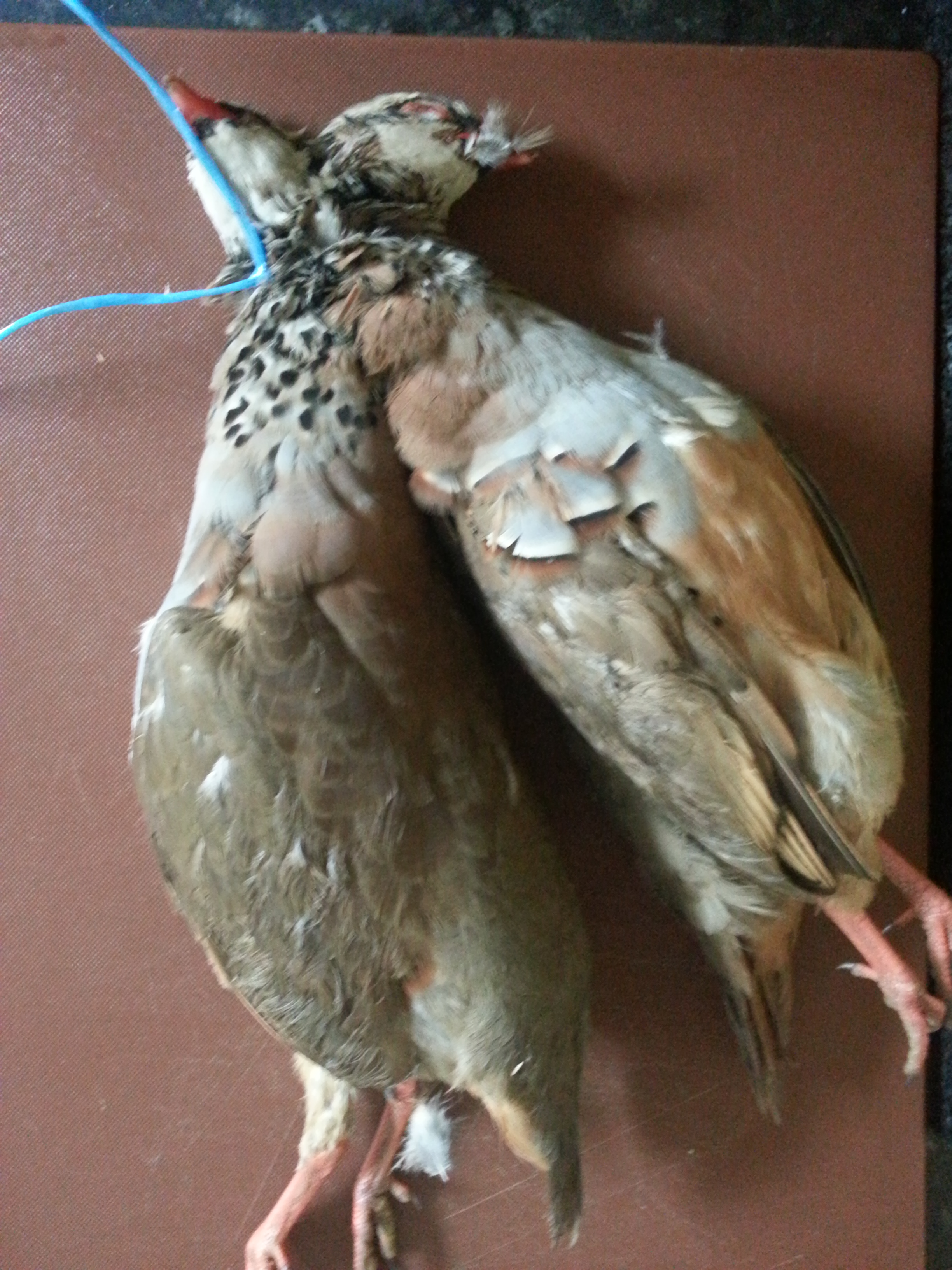
Partridge (grey and red-legged)  September 1 – February 1

Pheasant                                           October 1 – February 1

As laid out in law, it is illegal to shoot wild birds between one hour after sunset and one hour before sunrise. In England and Wales, game cannot be killed on Sundays or Christmas Day. If the 12th of August lands on a Sunday, the season will officially begin the next day.

I have never come across a ptarmigan to buy, so if anyone knows how I can nab one, do let me know.

2013-09-17 13.36.32

Game birds are often sold as a brace – a male & female. Partridges in this case

Wildfowl &Waders

Snipe                                                  August 12 – January 31

Ducks & Geese                                 September 1 – January 31 (inland); til Feb 20 at low tide

Golden plover, coot & moorhen   September 1 – January 31

Woodcock                                         October 1 – January 31

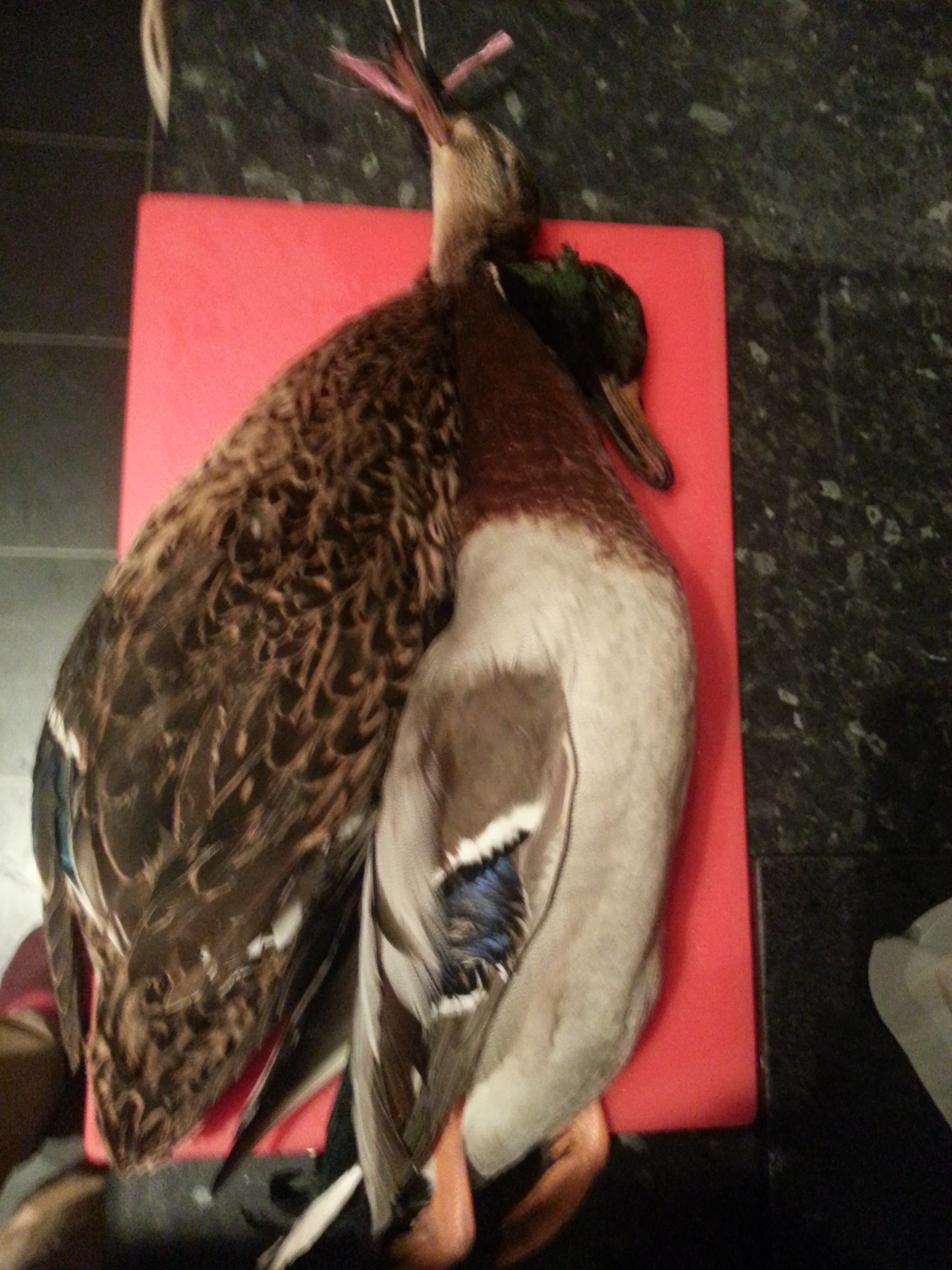
Several species of duck and goose can be legally hunted, though many in reality, are ignored by hunters, or shot in very small numbers, such as: gadwall, goldeneye, pintail, shovelers and tufted ducks, though pintails have been spotted in my butcher’s shop before now. You are much more likely to see mallard, wigeon and teal.

Geese are a bit tricky to get hold of, unless you know someone personally that hunts, and the reason for this is that whilst geese can be shot, it is illegal to sell them. I presume this rule is an incentive to hunters to shoot the numbers they need. Legal game species are: white-fronted (England & Wales only), pink-footed, greylag and Canada geese.

2014-01-17 20.09.53

A brace of mallard

The furred game can also be split into two broad groups: ground game and deer.

Ground Game

This is basically your small and furry game species:

Rabbit & brown hare                      January 1 – December 31

Mountain hare (Scotland only)  August 1 – February 28/29

Rabbit and brown hare have no closed season, this is because at the time of the Game Act, they were both considered pests. These days, everyone considers rabbits to be a pest, but the hare does get an effective closed season from March to May, due to their fall in numbers in recent times.

brown hares - telegraph

Boxing brown hare (Telegraph)

Deer

There are six species of deer inhabiting the UK: red, sika, fallow, roe, Chinese water deer and muntjac. The seasons get pretty complicated here, but generally the open season runs from August to April for males (bucks & stags) and November to March for females (hinds & does). The exception being muntjac that have no closed season

Pests

There are a few pest species that can also be eaten such as rabbits, woodpigeons and grey squirrels. In the past rooks were eaten, though this is very uncommon these days.

So there you go, a whistle-stop tour of hunting in the UK. In the coming months I’ll be posting some game-related posts as I hunt around my local butchers’ shops for some delicious seasonal treats.


If you like the blogs and podcast I produce, please consider treating me to a virtual coffee or pint, or even a £3 monthly subscription: follow this link for more information.

9 Comments

Filed under Britain, Festivals, food, Game, General, history, Meat, natural history, nature, Uncategorized

Virginia Woolf Bakes Bread

woolf

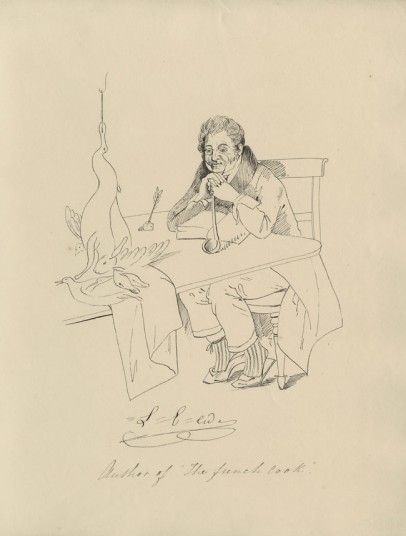
As I spend most of my time in the kitchen these days. I find I listen to a heck of a lot of radio (and have less time for blog posts!). This morning, a programme called ‘In Our Time’ presented by the broadcasting legend Melvyn Bragg, was on BBC Radio 4 which discussed the 1925 novel Mrs Dalloway by Virginia Woolf. Here’s a link to that very episode.

in our time

I happen to know that was as good a bread-maker as she was a novelist.

She used an oil cooker, called the Florence, and with it tutored her maid and cook to bake cottage loaves (a loaf I have never attempted as it appears to be of difficulty 10). Her cook, called Louise Mayer, recounts in the book Recollections of Virginia Woolf:

She liked trying to cook…but I always felt that she did not want to give time to cooking and referred to be in her room working.

But there was one thing in the kitchen that Mrs Woolf was very good at doing: she could make beautiful bread. The first thing she asked me when I went to Monks House was if I knew how to make it. I told her that I had made some for my family, but I was not expert at it. “I will come into the kitchen Louie” she said “and show you how to do it. We have always made our own bread.” I was surprised how complicated the process was and how accurately Mrs Woolf carried it out. She showed me how to make the dough with the right quantities of yeast and flour, and then how to knead it. She returned three or four times during the morning to knead it again. Finally, she made the dough into the shape of a cattage loaf and baked it at just the right temperature. I would say that Mrs Woolf was not a practical person – for instance, she could not sew or knit or drive a car – but this was a job needing practical skill which she was able to do well every time. It took me many weeks to be as good as Mrs Woof at making bread, but I went to great lengths practising and in the end, I think, I beat her at it.

Virginia gave Louise Mayer a top baking tip that I always use if it is possible; and that is to bake bread in a cold oven. The gradual heat increase gives you a really impressive rise before the outside crust develops, hampering it.

So there you go, a little window into the enigmatic lady’s life, which I thought might be of interest to you…


If you like the blogs and podcast I produce, please consider treating me to a virtual coffee or pint, or even a £3 monthly subscription: follow this link for more information.

7 Comments

Filed under baking, bread, Britain, history

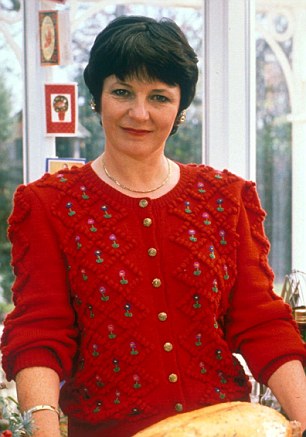
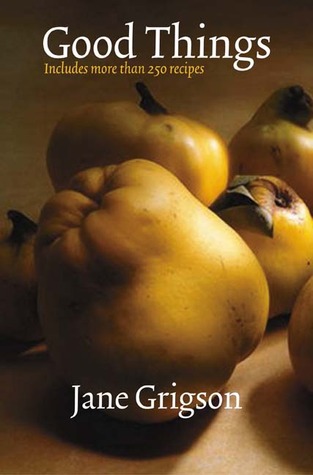
Favourite Cook Books no. 2: Good Things by Jane Grigson

good things

This is not a manual of cookery, but a book about enjoying food. Few of the recipes in it will contribute much to the repertoire of those who like to produce dinner for 6 in 30 minutes flat. I think food, its quality, its origins, its preparation, is something to be studied and thought about in the same way as any other aspect of human existence.

Jane Grigson, introduction to Good Things, 1970

Good Things was Jane Grigson second book and was published in 1971. Although she is known for her later extensive and very comprehensive writings, this is relatively brief.

All of Jane Grigson books are wonderful, and this book is no different: logical, creative, witty and sometimes austere, she weaves a tapestry of each ingredient’s culinary potential; and this is why the book is so great, for each chapter focusses upon a single main ingredient. She shows you just how inventive humans can be with a single ingredient and how it should be savoured in its seasonality to be fully appreciated; something we no longer do. This book has spurred me on in my own efforts to be seasonal. Take, for example, the chapter on celery – a vegetable that we generally either add to the stockpot or crunch on in a boring salad – she says:

The fine pleasure of buying celery in earthy heads, after the first improving frosts of winter, is slowly being eroded by the wash of enterprise and aviation. Almost the year round, cleaned and slightly flabby greenish celery…is on sale at inviting prices. It’s the wise cook who averts her eyes from this profuse and plastic display and waits for November. Then crispness and flavour are at their peak …In any case one of the greatest luxuries you can have in Britain today is simple food of the best quality.’

She then goes onto her first recipe which consists of celery stalks, good Normandy butter and sea salt. This is the genius of Good Things, you are being shown how good something can be if prepared properly, grown skilfully and eaten seasonality and sensibly; essentially Jane is teaching us how to eat.

(NB, click here for a post of my own on the humble celery stick).

Every chapter also perfectly reflects Jane’s own lifestyle; spending half her time between England and France, with a smattering of recipes from other European countries. It really showed how she lived her life, though I can imagine her family got a little sick of some of the focal ingredients when she was recipe testing.

2014-02-20 13.58.12 - Copy

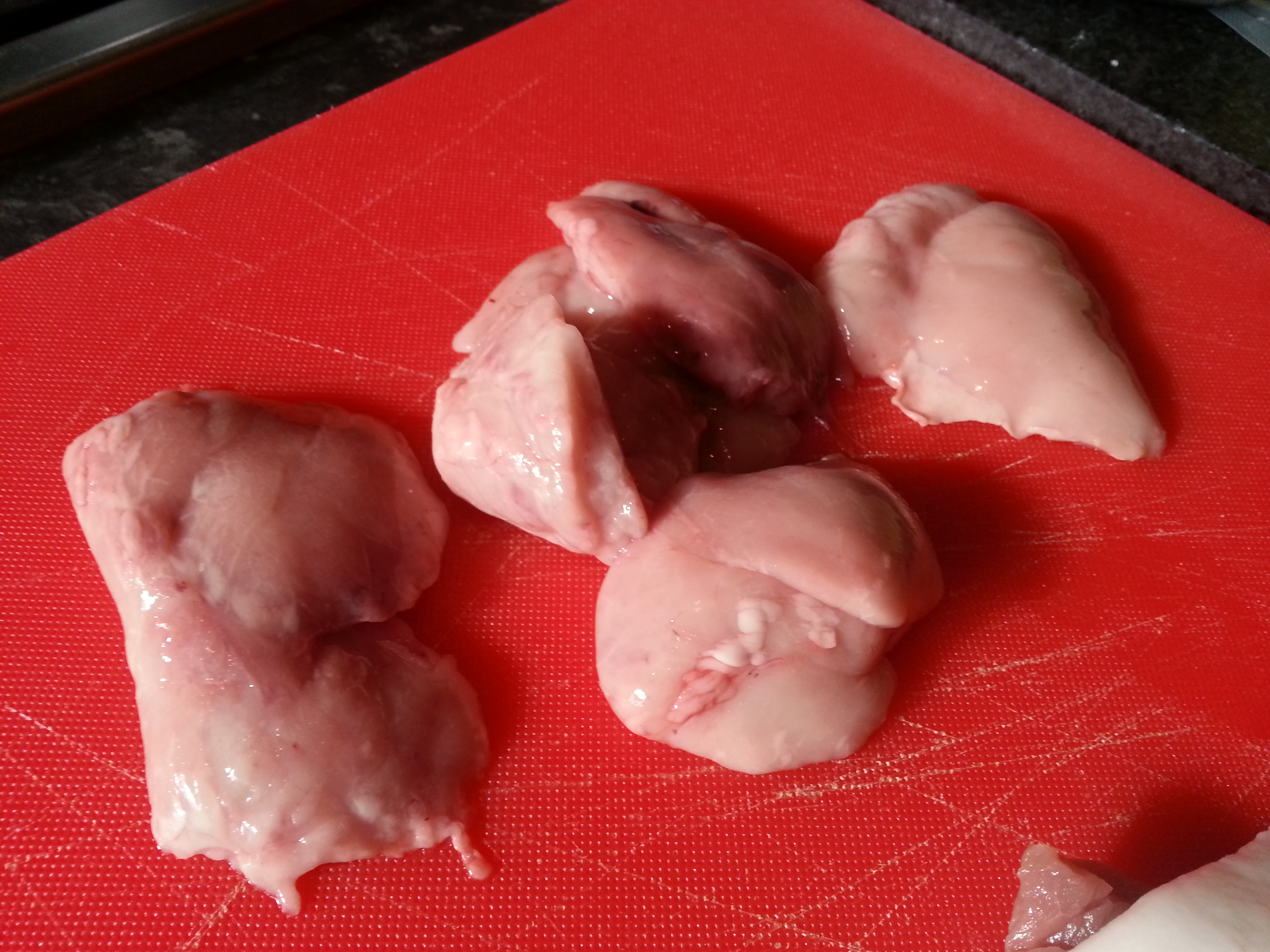
Sweetbreads: a Jane Grigson – and Neil Buttery – favourite

So what did she pick? Some are probably quite obvious such as venison, asparagus, woodland mushrooms, strawberries and ice creams; others are common and, perhaps, overlooked, like celery, kippers, tomatoes and carrots; whilst some were becoming forgotten or seemed obscure, ones that leap to mind are snails, quince, sweetbreads and fruit liqueurs. Jane’s gift to me is a love of such foods that I never would have sought out, that has demonstrated to me just how good, exciting and varied British food can be, as well as how its history is interlinked inextricably with other countries’ food histories.

Sweetbread Pie

2014-02-20 20.14.38 - Copy

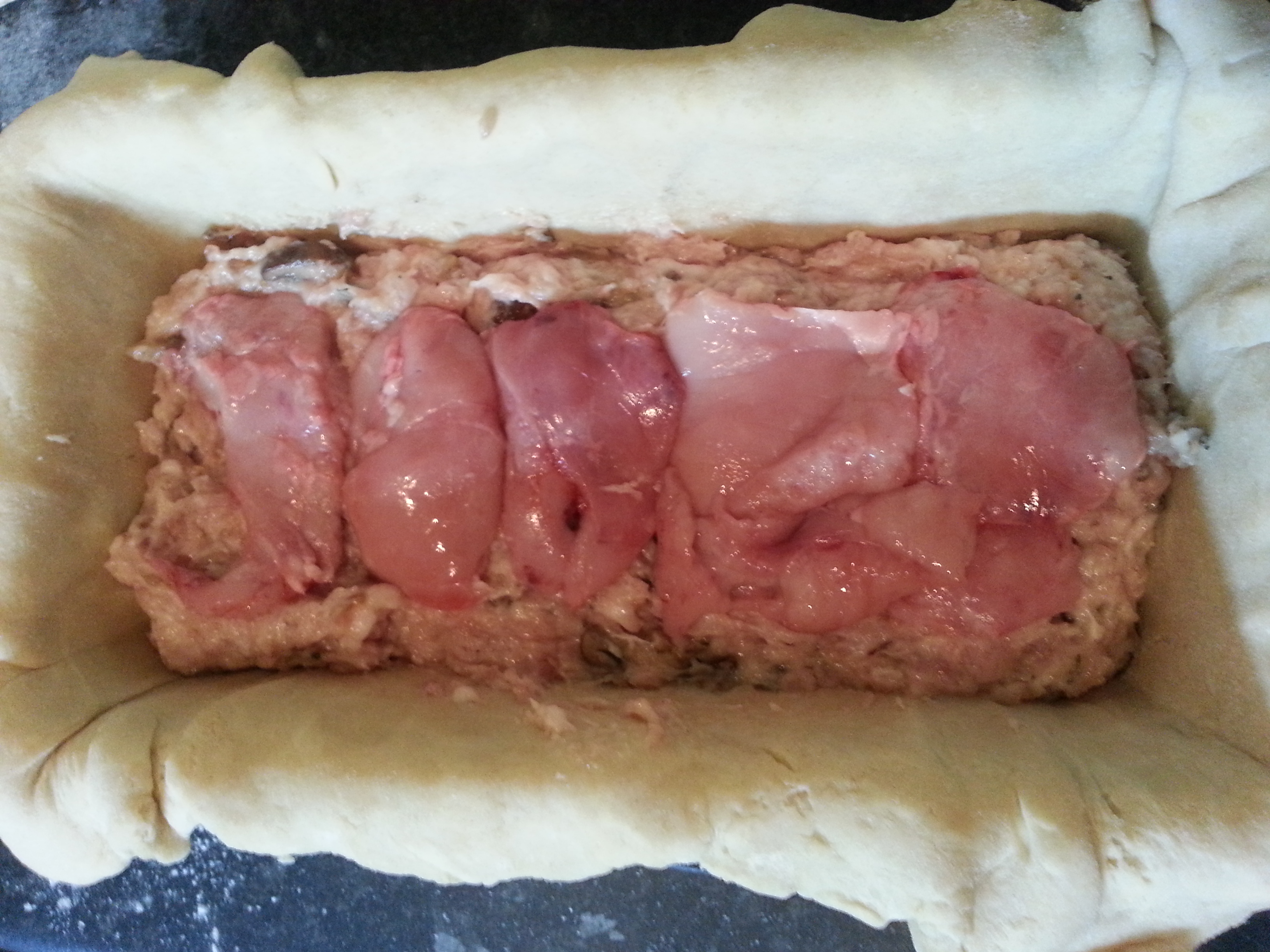
I think this recipe best sums up the essence and ethos of Good Things; it uses a delicious but forgotten meat cut, is French but you would think it quintessentially English. She discovered it in the charcuterie of a small town in Burgandy and it was the most expensive pâté in the shop. She made it into a pie, a pie so good it made it on my last Pop-Up Restaurant menu. The recipe requires you prepare some sweetbreads – if you’ve never eaten or prepared sweetbreads, have a look at this previous post all about them. In a nutshell, you poach them briefly in a light chicken or vegetable stock, or court-bouillon. For a post on stock-making click here. I am so self-referential these days! If you can’t get as much as the 500g given in the recipe, then use whatever you can get your hands on. I expect it would be excellent even with the sweetbreads omitted altogether!

I have changed only her Imperial weights and measures so that they are metricated…

For the pastry:

300g plain flour

150g of butter and lard

1 tbs icing sugar

water to bind

For the filling:

500g prepared lambs’ or calves’ sweetbreads

125g mushrooms, roughly chopped

2 tbs onion, finely chopped

1 garlic clove, crushed

75g butter

350g lean pork, or veal and pork mixed

225g hard back pork fat

2 rashers green (i.e. unsmoked) back bacon

2 eggs

heaped tbs flour

125g cream

salt, pepper and thyme.

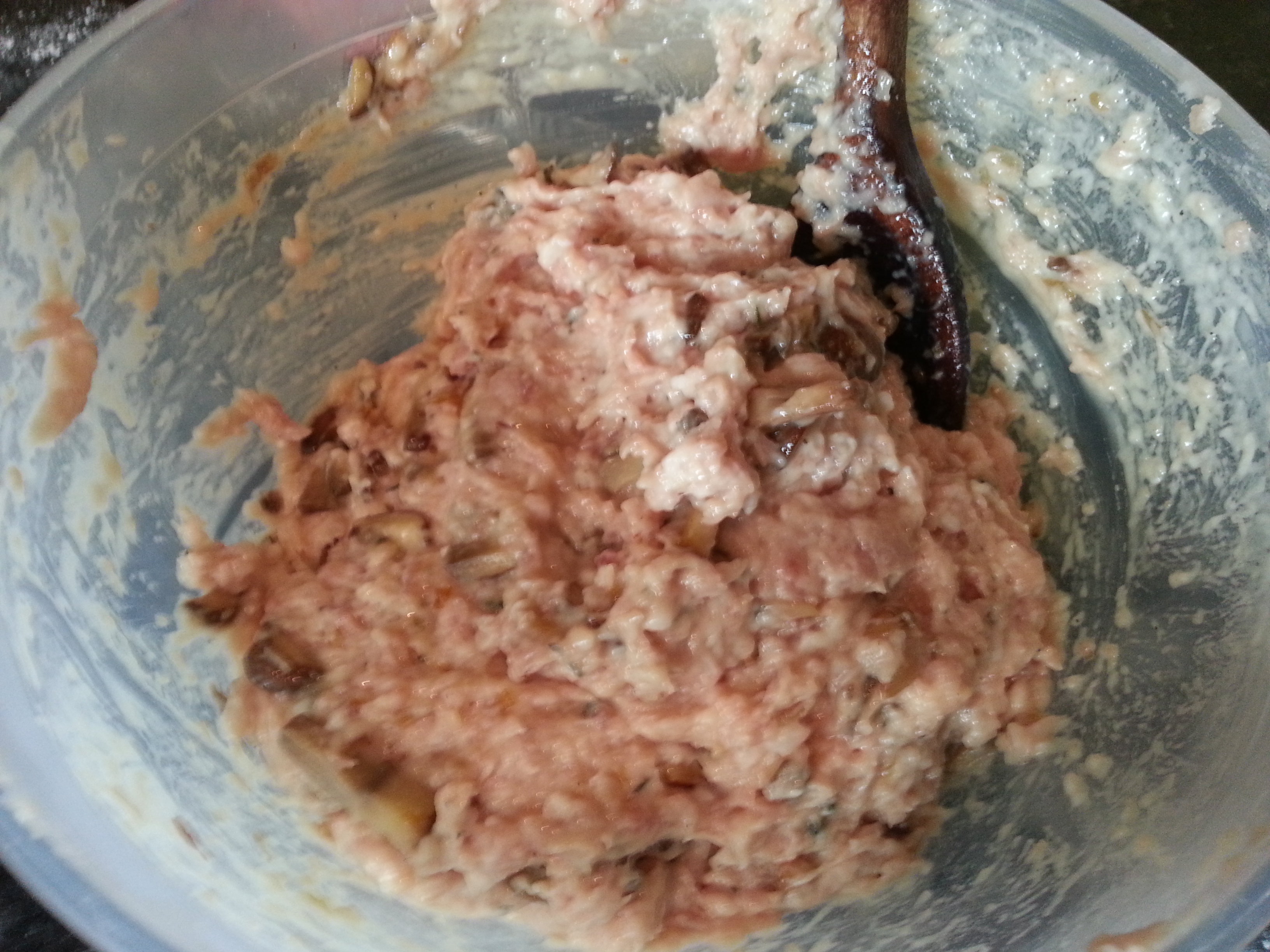
‘Make the pastry in the usual way’, says Jane. I mean to write a post on pastry-making, I shall endeavour to do so soon. Whilst it rests in the fridge, cut up the sweetbreads into even-sized pieces, then cook the mushrooms onions and garlic in the butter, until softened but not brown. Next, make the forcemeat by mincing the pork and veal, if using, the back fat and the bacon through the course and then fine blades. Mix in the eggs, flour, cream and the mushroom mixture. Season with salt and pepper and add a good sprinkle of chopped thyme.

2014-02-20 14.35.20 - Copy

Line a 450g loaf tin (an old 1 lb tin) with 2 thirds of the pastry. Spread over one third of the mixture over the base of the tin, then a layer of half of the sweetbreads, then a second third of the forcemeat, then the remaining sweetbreads, and lastly the final third of the pork mixture.

2014-02-20 14.38.57 - Copy

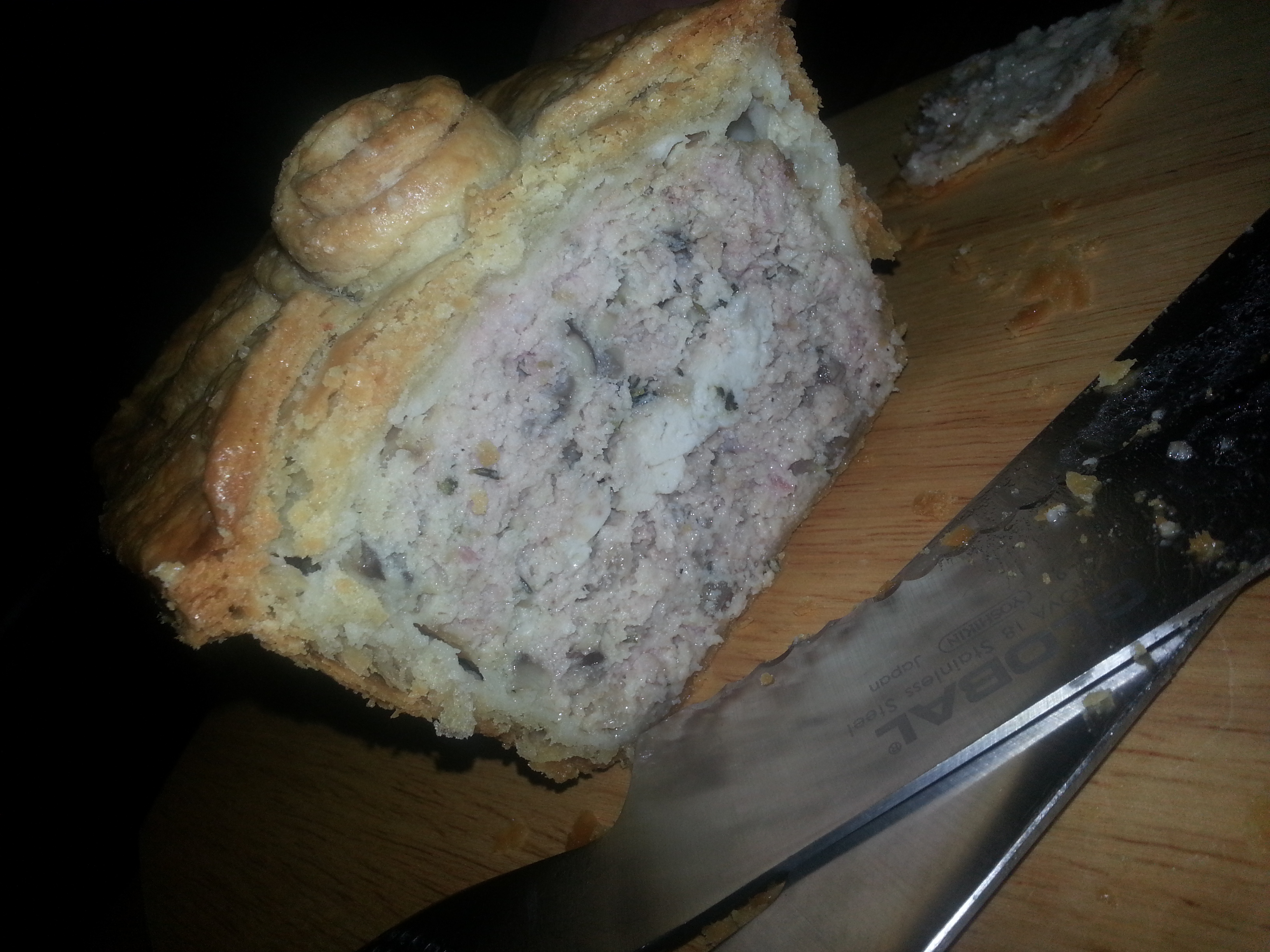
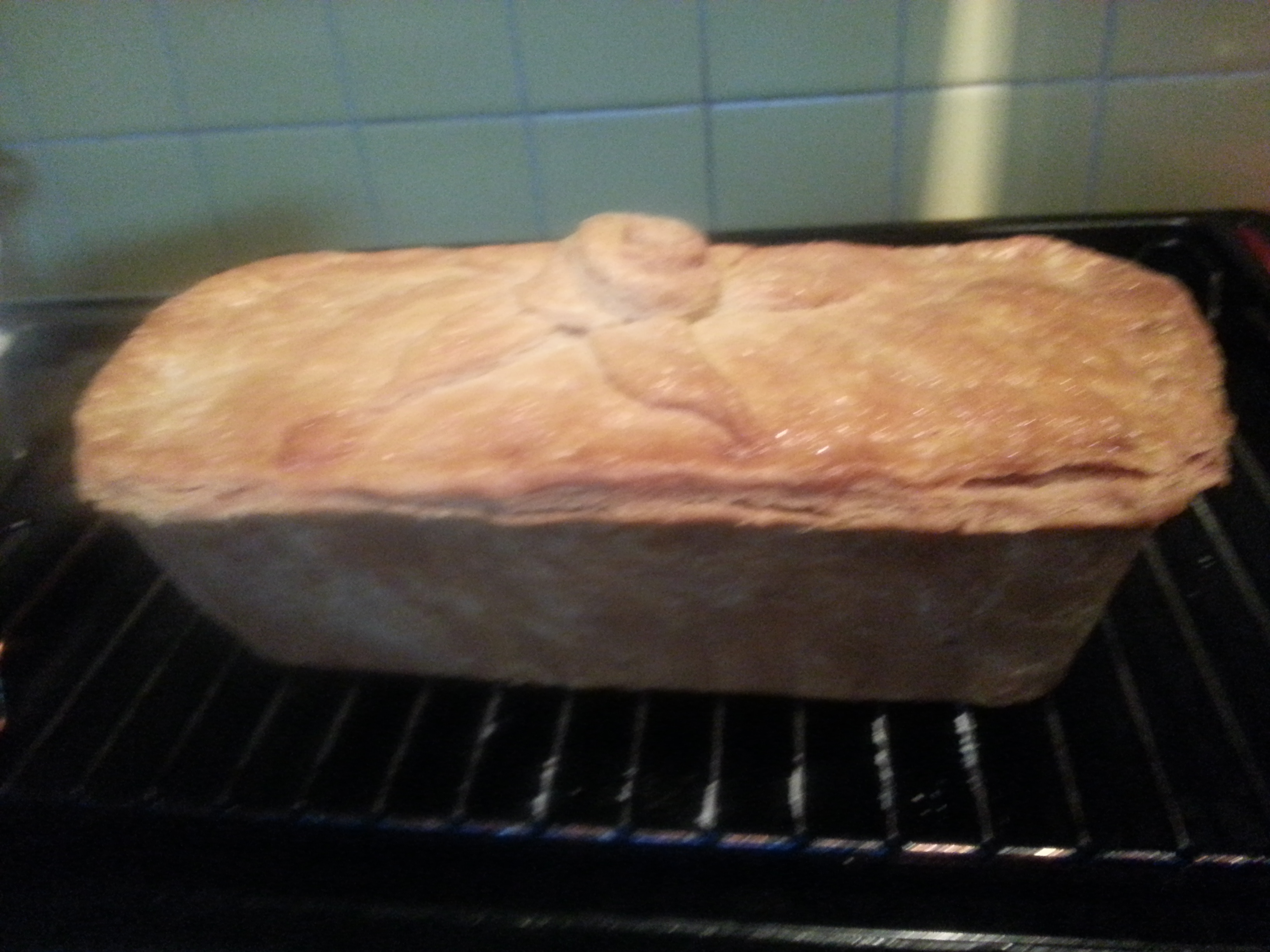
Seal the pie with a lid, brush with egg wash and bake for 90 minutes in a moderate oven – around 180⁰C.

‘Serve warm’, she says, but it is also very good at room temperature. It keeps very well in the fridge if wrapped up tightly in foil or clingfilm.

2014-02-20 16.59.12 - Copy

If you like the blogs and podcast I produce, please consider treating me to a virtual coffee or pint, or even a £3 monthly subscription: follow this link for more information.

10 Comments

Filed under baking, Books, Britain, cooking, food, General, Meat, Recipes, Uncategorized

Yorkshire Curd Tart

Ah, Yorkshire. God’s Own Country and my home county (well, it’s 3 counties technically, but let’s not worry about that now). There are many delicious regional recipes to be found there, but this must be the best: Yorkshire curd tart. For some very strange reason it hasn’t really ever made its way out of Yorkshire. Essentially it is a baked cheesecake – something that Britain isn’t considered famous for, yet if you delve into the old cook books, you’ll find loads of recipes for them. The cheese in question here is, of course, curd cheese which is sweetened with sugar, and mixed with currants, allspice and sometimes rosewater.

2014-01-19 16.02.32

Now a few guiding words on the making of a curd tart: no matter what you read, and I want to be very clear on this, cottage cheese cannot be used. It must be curd cheese which is very different in taste and texture to cottage cheese. These days it is difficult to get your hands on it, but it is very easy to make yourself, as you’ll see below. Also, the only spice to be used must be ground allspice (or clove-pepper as it used to be called in Yorkshire). Not cinnamon, not nutmeg, and certainly not mixed spice. Another misconception is that lemon curd is spread on the pastry base of the tart. Well it’s not, Mr Michelin Guide. Lastly, and as already mentioned, it’s a kind of cheesecake, and not some kind of custard tart as some people seem to think (Mr Paul Hollywood, I’m looking at you).

Ok. Good. Glad we got those issues out of the way.

Curd tarts were traditionally made around Whitsuntide from left-over curds from the cheese-making process and seem to originate in the early-to-mid 17th century. Most families kept their own cow in those days. For those of you that don’t know (and who does?), Whitsuntide derives from the words White Sunday which is our name for Pentecost, which, if my memory serves me correctly, is the seventh Sunday after Easter. The important thing is that there’s a Bank Holiday the next day and a whole week off for half term for the schoolkids.

In dairy farms with several cows, special curd tarts would be made after the cows had calved, using the cows’ colostrum to make the curd for the tarts. Colostrum is the milk produced straight after a mammal gives birth. It is particularly rich in nutrients and fat, and is yellowish in colour. I’ve always thought of this as a bit mean of the dairy farmer’s wife, but then again, she’d also have to tuck into umbilical cord pie the next day, so I suppose it evens out.

To Make Curd Cheese

It’s really easy to make your own curd cheese. All you need is some gold top Channel Island milk, some rennet, salt, and some muslin or other cloth to drain the whey from the curds; I have used an old pillowcase in the past with much success.

Rennet is an enzyme that curdles milk. In the old days a piece of a freshly-slaughtered male calf’s stomach lining would have been popped into the milk (as still occurs in the production of some non-vegetarian cheeses). These days with the magic of science, we can produce it from bacterial culture.

This recipe makes around 750g curd cheese.

In a saucepan, warm a litre of Channel Island milk to 37⁰C, also termed ‘blood-heat’. Use a thermometer if you like. Pour the milk into a dish or bowl and stir in half a teaspoon of salt and your rennet. Follow the instructions on the bottle to see how much to add, as different brands vary. Stir it in, along with half a teaspoon of salt.

2014-01-18 20.14.10

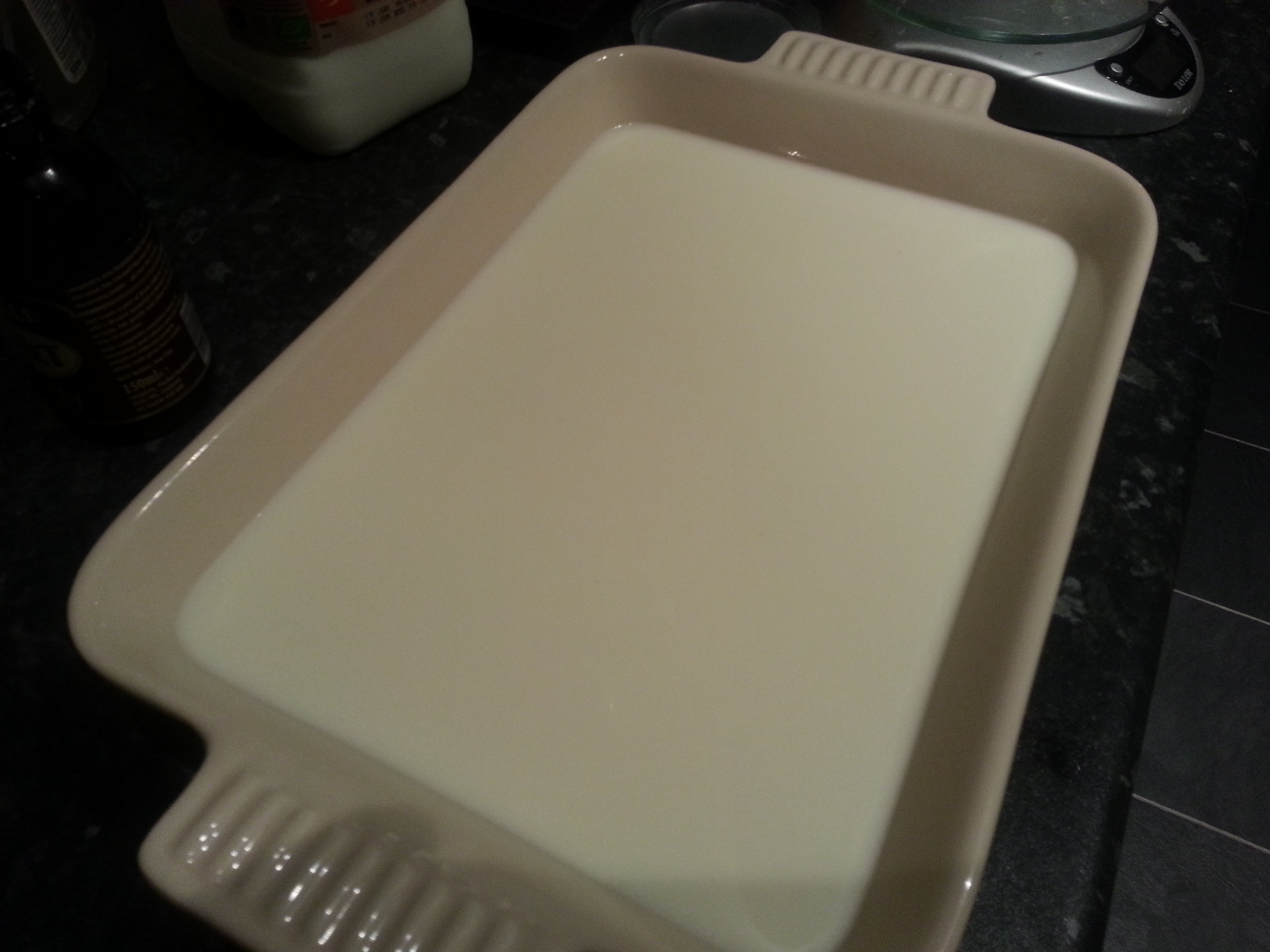
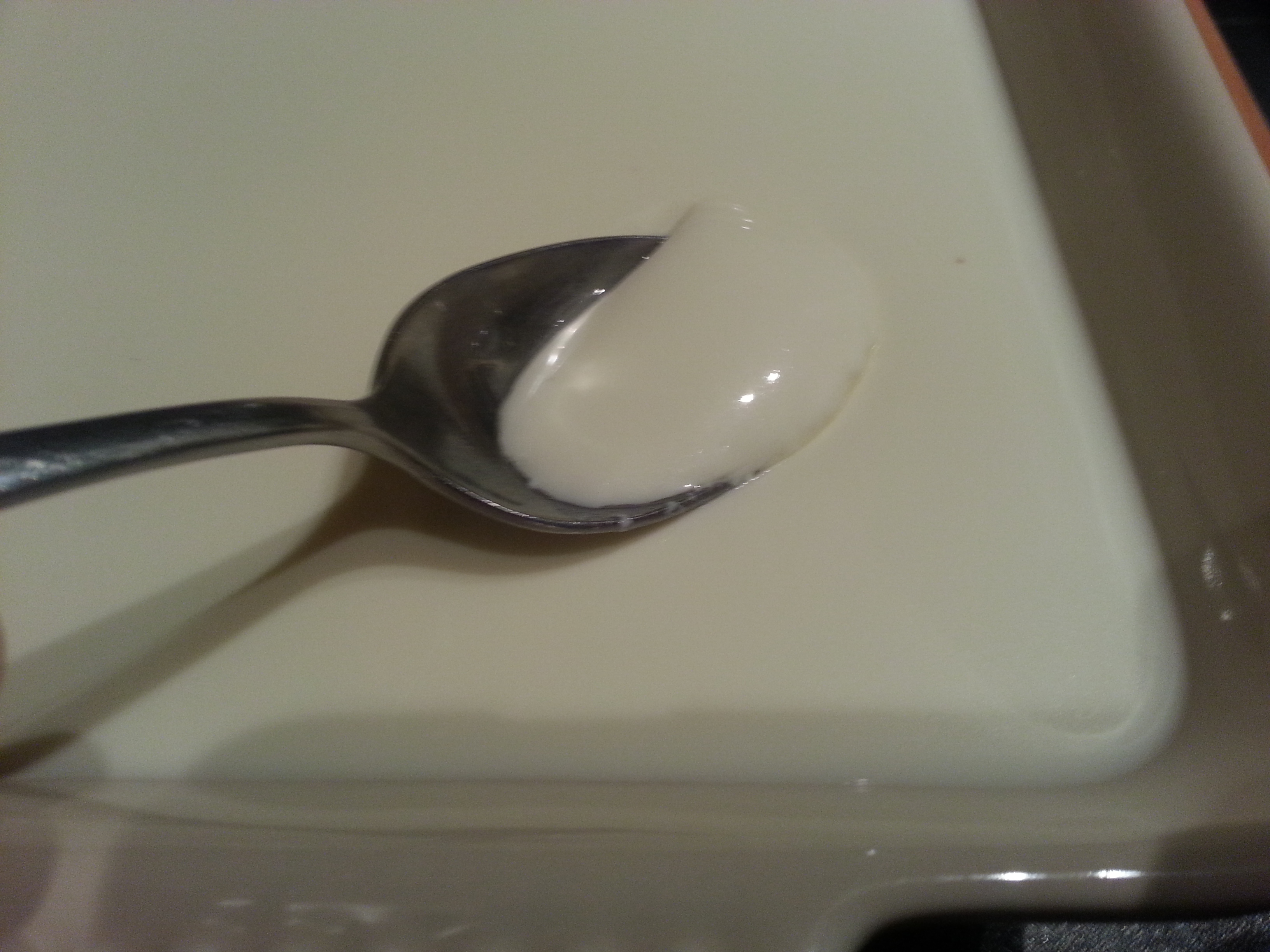
Leave the milk to stand for 10 or 15 minutes. Upon your return, you’ll see that the milk had gone all wobbly and can be easily – and satisfyingly – broken into curds.

2014-01-18 20.30.58

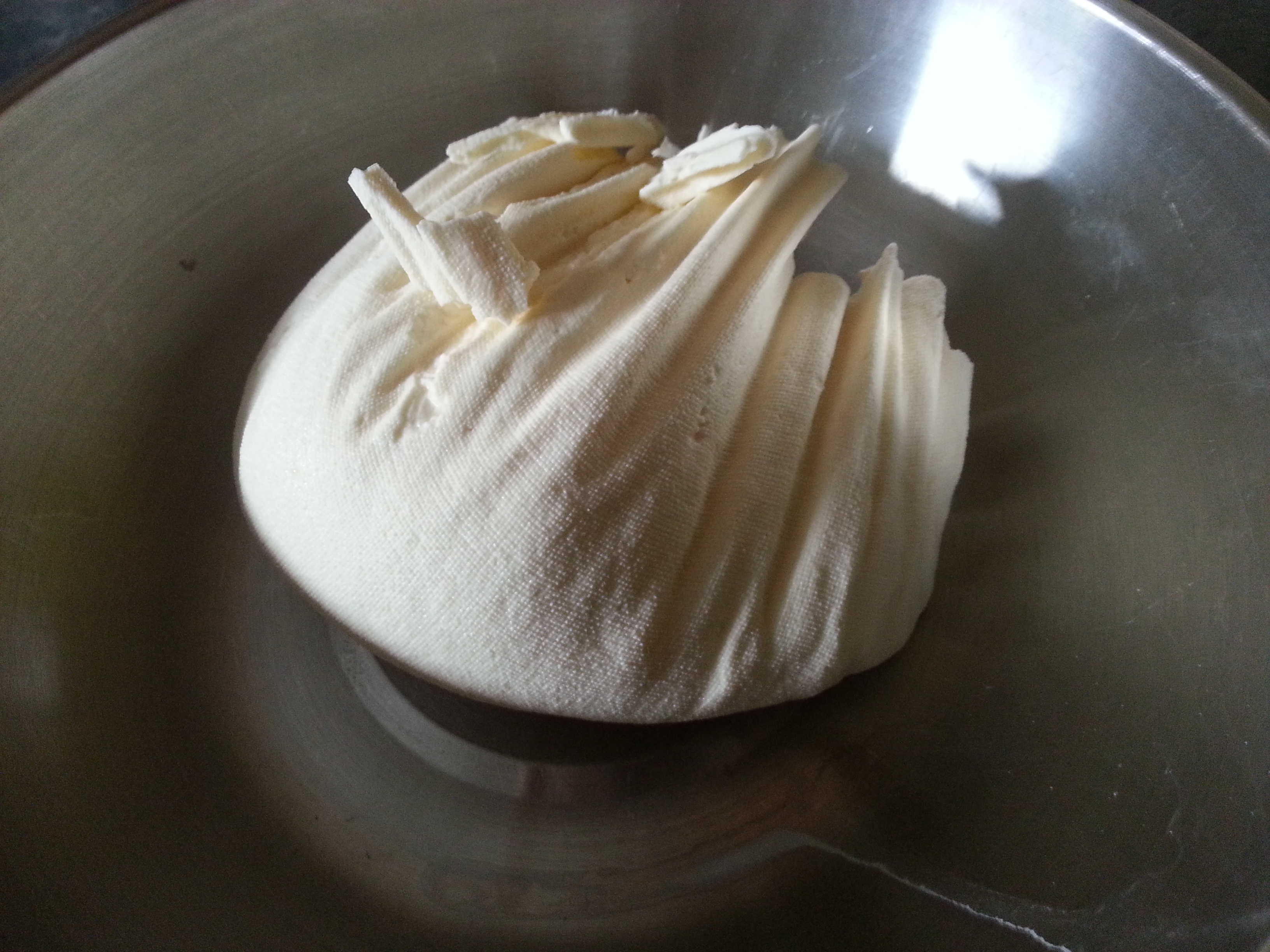
Scald your straining cloth with water straight from the kettle, spread it out over a bowl so the edges hang over, and then pour in your curds and whey. Tie up the cloth with string and hang up the cheese above the bowl to strain for 4 or 5 hours. Hey presto! You have made curd cheese. It keeps for several days covered in the fridge.

2014-01-19 10.58.25

To Make a Yorkshire Curd Tart

Here’s the recipe I use which is based on the one that appears in Jane Grigson’s English Food. It makes enough filling for one 10 inch diameter tart tin, though you can make several small ones if you prefer. The recipe only requires 250g of cheese, so if you’re making your own, you might want to adjust the quantities in the recipe above, or just make three tarts.

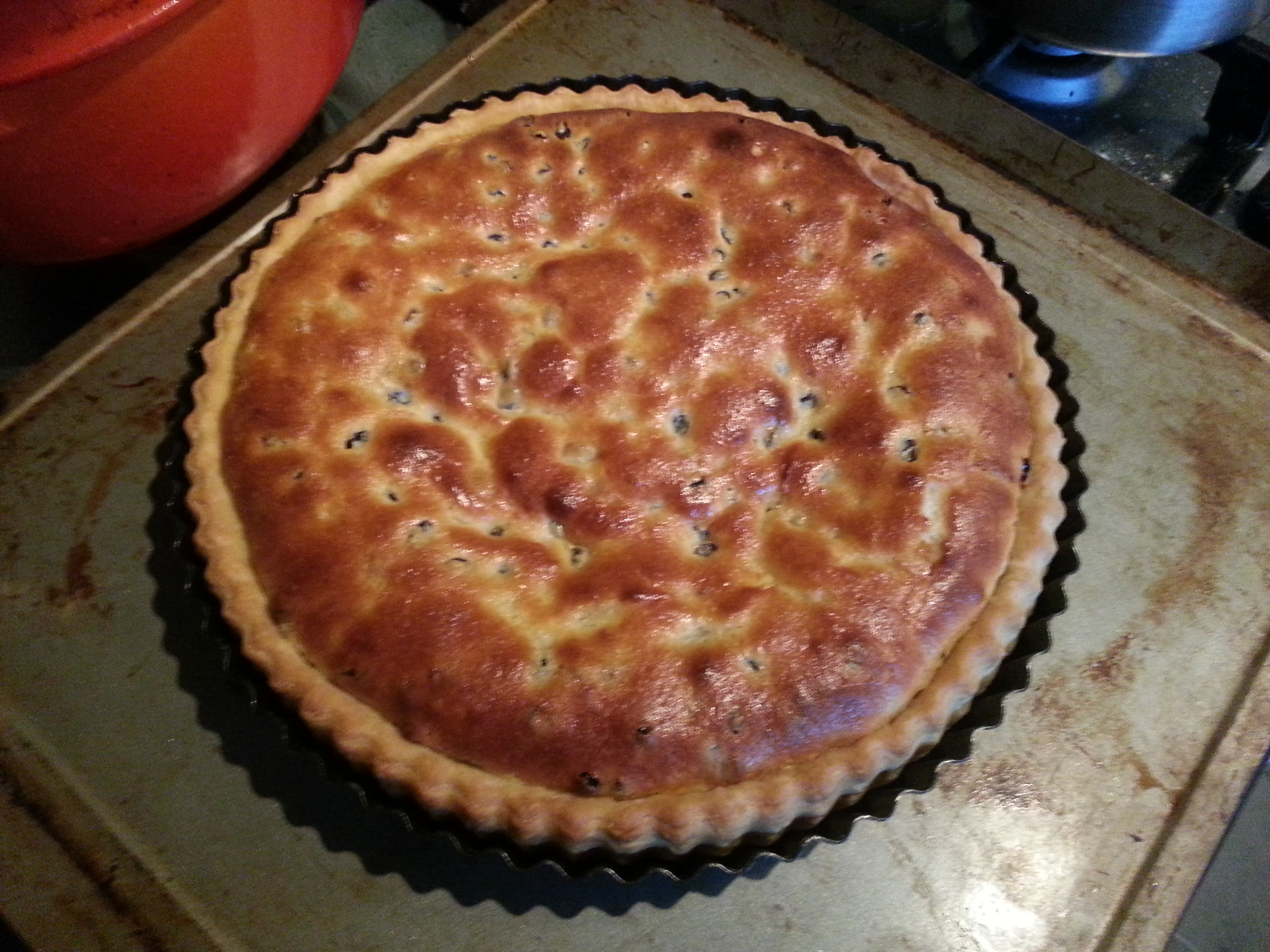
The tart is not overly sweet and has a lovely soft centre and a golden brown colour.

125g salted butter

60g caster sugar

250g curd cheese

125g raisins

pinch of salt

2 eggs, beaten

¼ to ½ tsp ground allspice

1 tsp rosewater (optional).

blind-baked 10 inch shortcrust pastry shell (made or bought)

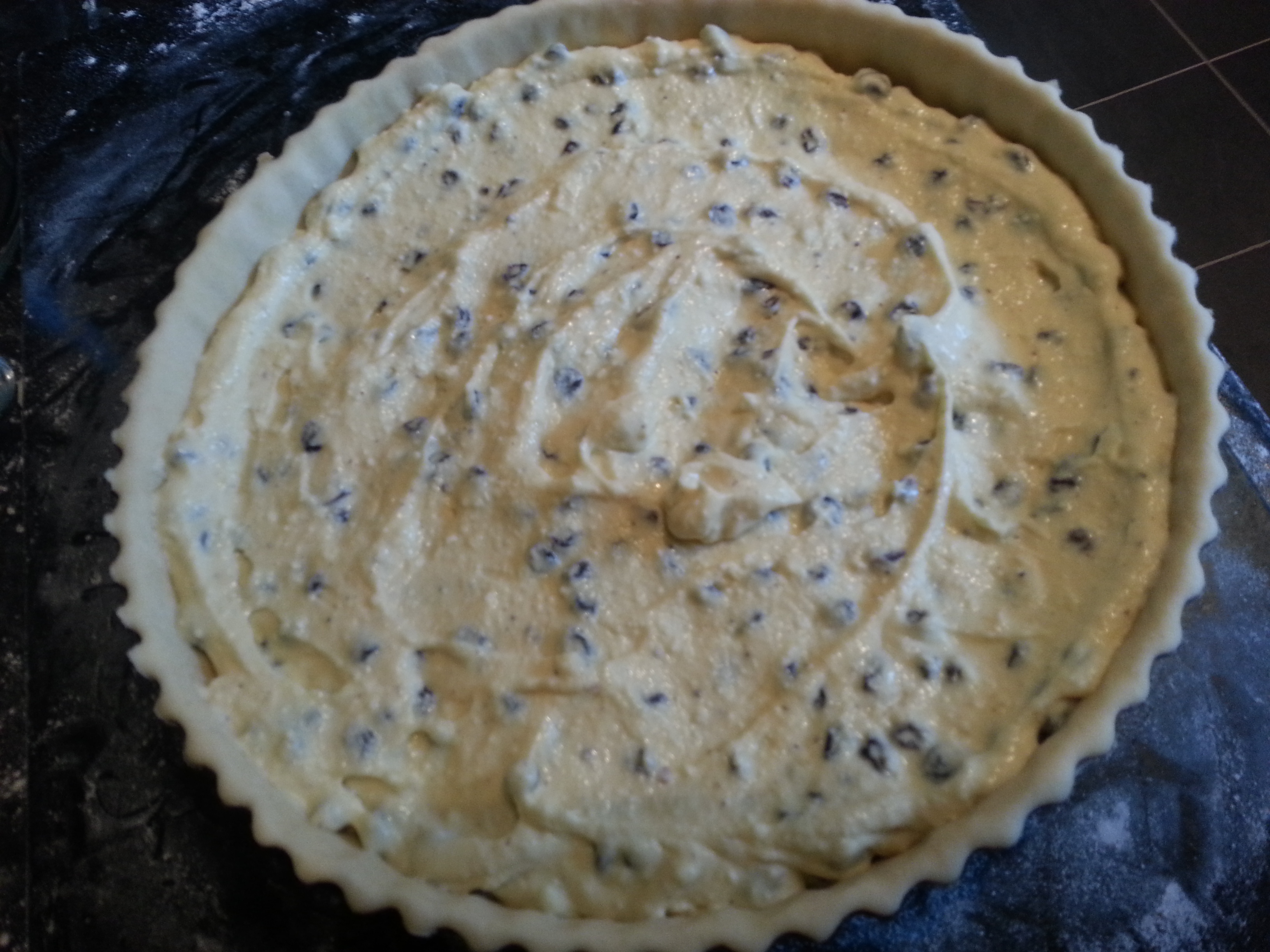
First of all, cream together the butter and sugar well, then mix in the cheese, raisins, salt and eggs. Season to taste with the allspice and rosewater.

2014-01-19 15.34.58

Pour the filling into the pastry shell and bake for 25 to 30 minutes at 220⁰C. Cool on a rack.


If you like the content I make for the blogs and podcast, please consider supporting me by buying me a virtual coffee, pint or even a subscription : just click on this link.


72 Comments

Filed under baking, Britain, cooking, Dairy, Desserts, food, General, history, Puddings, Recipes

Spotted Dick

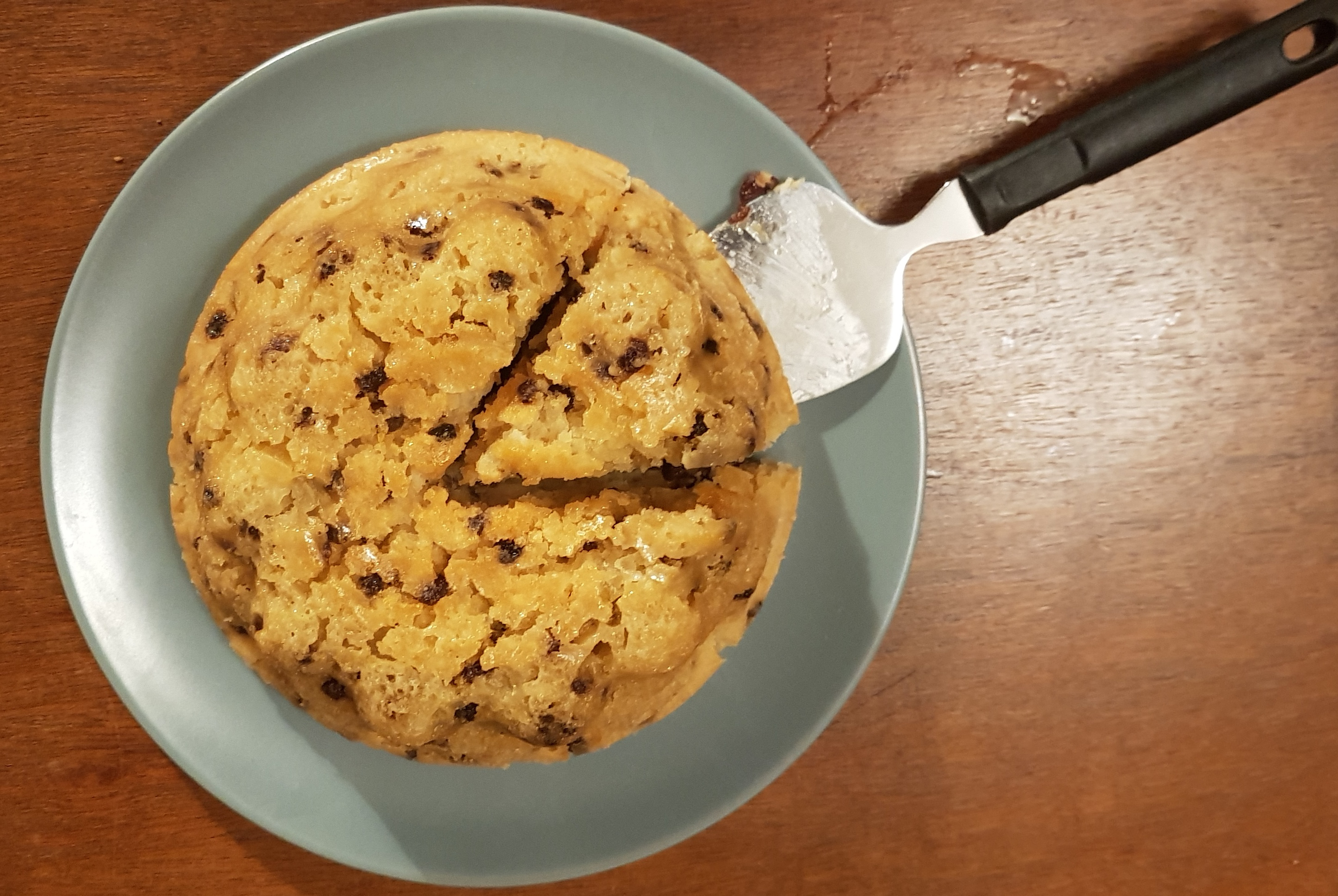
It’s been a while since I wrote a post on a good old British steamed pudding, and this is one of my all-time favourites. Spotted Dick is a great pudding because it lies somewhere in between a suet pudding and a sponge pudding and is borne of that period of prolific pudding invention: the Victorian Era.

If British puddings are new to you, I’ve already written a couple of posts on the history of puddings (the first one here, and the second one here).

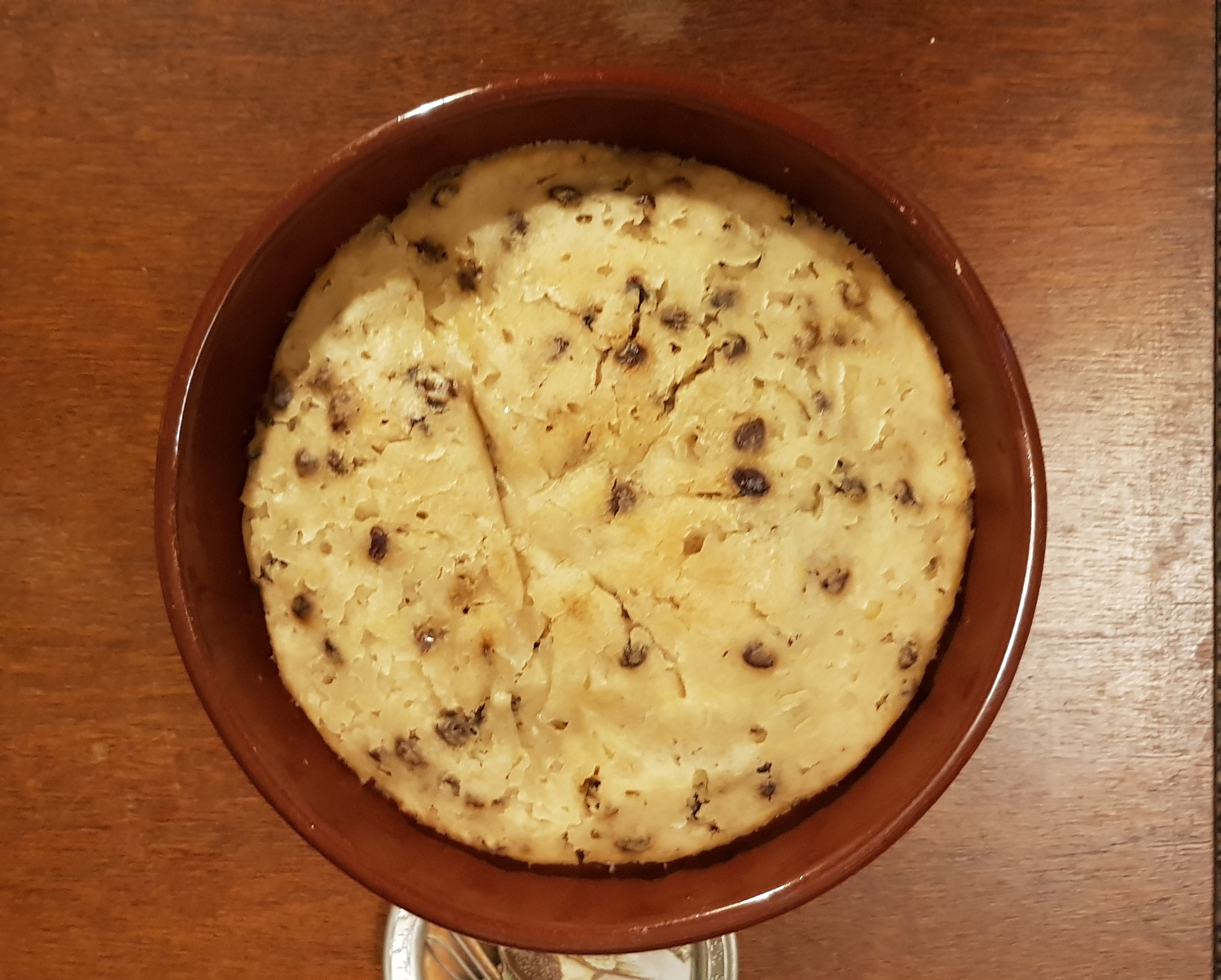
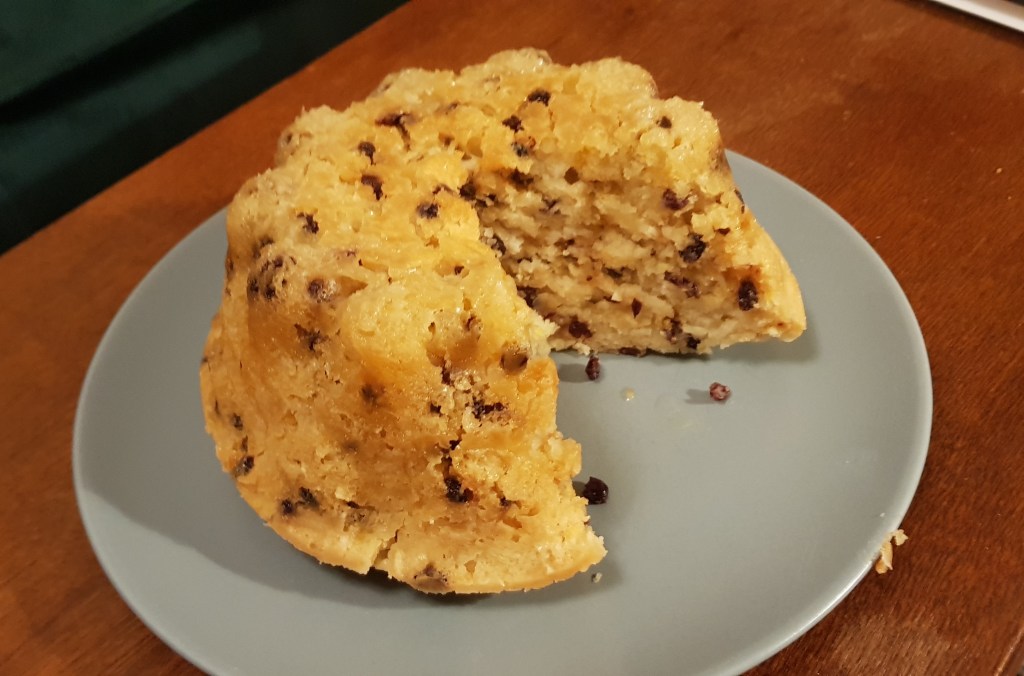
If you’ve never heard of Spotted Dick, it is a spongy steamed pudding that contains suet instead of butter. It is only slightly sweet and flavoured delicately with lemon. The spots on the Spotted Dick come from currants. You don’t want a pudding that is too sweet, the sweetness – I believe – should come from the currants and the custard that must be served with it (for a custard recipe, click here).

For some unknown and crazy reason, Spotted Dick doesn’t appear in my favourite cook book of all, English Food by Jane Grigson (to see why it’s my favourite, see my other blog).

Now for the big question: who the heck is Dick?

The pud is first mentioned in a book from the 1850s by the famous Chef Alexis Soyer called The Modern Housewife, or, Ménagère. Alexis Soyer was the first celebrity chef and he deserves a whole post just to himself! He mentions Spotted Dick in passing when listing a typical week’s meals during tougher times. This was Tuesday’s dinner:

Tuesday. – Broiled Beef and Bones, Vegetables, and Spotted Dick Pudding’

The ‘Dick’ in Spotted Dick seems to come from the shortened Old English names for pudding: puddog or puddick. In Scotland it is often called Spotted Dog Pudding.

Spotted Dick is a very simple pudding to make; it can be steamed in a basin or be rolled out like a sausage and covered in buttered foil and then steamed. Sometimes it takes the form of a roly-poly pudding with the currants and some brown sugar making the filling. Personally, I prefer to use a basin.

Anyways, here’s the recipe:

For a 2 pint/1 litre pudding basin, that serves 6 to 8 people:

300g self-raising flour

150g suet (fresh or packet)

75g caster sugar

100g currants

Zest 2 lemons

275-300 ml milk

butter, for greasing

In a bowl, mix together the flour, baking powder, suet, sugar, currants and lemons. Add the milk, mixing slowly until all is incorporated. You’re looking for a mixture of dropping consistency.

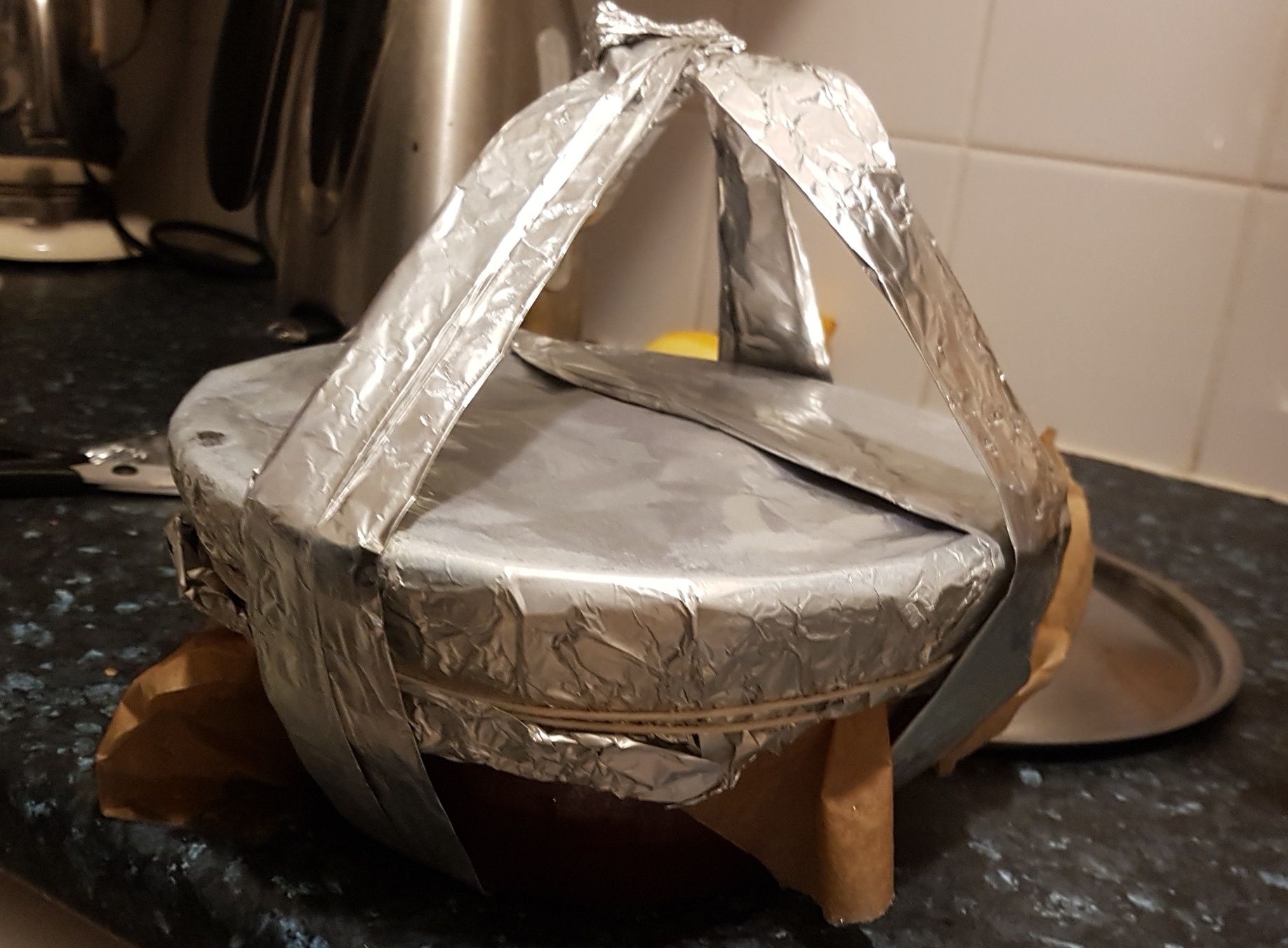
Liberally butter a 2 pint pudding basin and spoon in the mixture. Cover with a lid. It’s easiest to buy a plastic basin with a fitted lid. If you’re using a glass or porcelain basin, make a lid from a double sheet of pleated foil and secure with string. It is worth making a foil or string handle for the pudding so that you can get the basin out of the steamer safely.

Ready for the steamer!

Place in a steamer and steam for 2 hours. Make sure there’s a good brisk boil for the first 20 minutes and then turn the heat down to medium-low. If you don’t have a steamer, simply place an upturned saucer in the base of a deep saucepan and pour over it boiling water straight from the kettle. Gingerly place in the pudding.

Turn out the pudding onto a serving plate and serve immediately with plenty of custard.


If you like the content I make for the blogs and podcast, please consider supporting me by buying me a virtual coffee, pint or even a subscription : just click on this link.


41 Comments

Filed under baking, Britain, cooking, Desserts, food, General, history, Nineteenth Century, Puddings, Recipes, The Victorians, Uncategorized

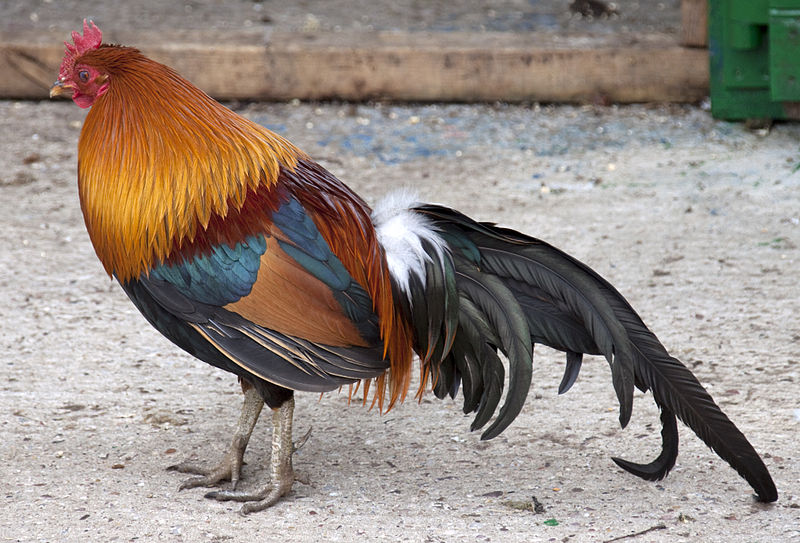
Forgotten Foods #4: Cock Beer

cockerel

Recently I have been thinking of re-igniting my interest in home-brewing. Previous attempts to make alcohol have never been successful. I have made white wine that tasted of rotten eggs, and made dandelion wine that, when bottled, exploded spectacularly in my lounge. Now I have a couple of books that spell out the process, and I am a little more confident that I can do it.

Naturally I have been hitting the old cookbooks for some historical inspiration and came across this recipe for cock-beer. In this recipe from 1780, you essentially make a giant cock tea-bag to impart its essence into your brewing beer:

Take 10 gallons ale, a large cock (the older the better). Slay, caw and gut him, and stamp him in a stone mortar. Add spice and put all in a canvas bag. Lower him into the ale while still working [i.e. fermenting]. Finish working and bottle.

That is actually a toned down receipt – many times live cockerels were used. Goodness knows how people didn’t die. Perhaps they did!

It doesn’t stop at cocks in beer, oh no, in Cornwall sheep’s blood – hot from the slaughter – was added to cider; and what did it taste like? According to Andrew Boorde, the 16th Century physician and traveller: “[it] is stark nought, looking whyte and thicke as pygges had wrastled in it.”

There were many tales of men’s heads being thrown into the hogshead along with the beer, and perhaps they weren’t just tales, because the cockerel wasn’t added to the beer for flavour (I suspect that the spices were added to mask the flavour of the bird). The idea is that the animal’s strength, courage and vigour would be imparted into the brew. So these beers were in fact more remedies than proper drinks.

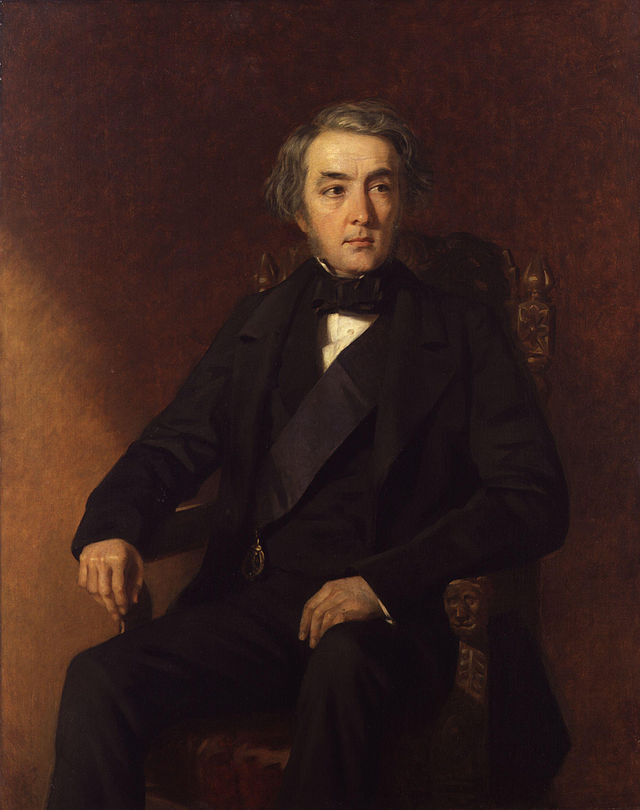
King William III

William III: Cock Beer Lover

That said, two brave brewers called Chris Thomas and Adam Cusick, brewed a batch from this very recipe, obviously with a certain amount of interpretation. They did welch a little bit by using a cooked chicken. However a delicious ale was produced that was mellow and ‘shared distinct similarities with a strong Belgian ale’. Apparently, William III’s drink of choice was cock beer, and it has been noted several times through the centuries for its superior quality.

My gut feeling is that is must be foul (no pun intended), yet it gets all this praise. Well, when I become a seasoned brewer of beer, I might just give it a go.

One last thing: tantalisingly, it has been suggested that the word cocktail (a work whose origin is famously unknown) comes from cock-ale. O how I wish it was true.


If you like the blogs and podcast I produce, please consider treating me to a virtual coffee or pint, or even a £3 monthly subscription: follow this link for more information.

6 Comments

Filed under Brewing, Britain, food, General, history, Meat, Recipes

Dulse

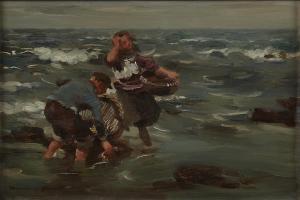
brown_william_marshall-the_dulse_gatherers~300~10437_20110602_316_22

The Dulse Gatherers by William Marshall Brown, 1863-1936

Nobody really eats dulse, or any other seaweed for that matter, in England these days, though they used to. It is a pity because I do like the stuff. It is eaten in Ireland and parts of Scotland still; I ask friends to bring back a bag of it whenever they cross the seas. I recently received a bag from my friend Hugh.

Dulse had been eaten for over one thousand years in North-Western Europe, the ancient Celtic Warriors of old ate dulse as they were marching, and during the seventeenth century British sailors ate it to prevent scurvy (although it was originally used as an alternative to chewing tobacco). Even today, its healthful properties are noted; my friend Evelyn from Ballymena, Northern Island tells me:

When I was pregnant, the midwife thought I was very healthy as my blood pressure and iron levels were so good. Iron goes up to 17 mg/dl max but I was the first person she’d seen that had 15 – apparently quite unheard of for a lady, especially a pregnant lady! We put it down to the dulse (nothing else remotely healthy going on at that time in my diet), and she’s been recommending it to everyone.

Its popularity in Ireland as well as Scotland led to dulse being popular in the USA too when they emigrated over the Pond, although none of my American friends seem to have heard of it.

The dulse industry has obviously died a bit of a death in England, and the rest of the UK and Ireland, compared to days of yore. Charles Dickens, writing in 1858, reminisces about childhood holidays in Aberdeen where there were often over a dozen ‘dulse-wives’ selling dulse:

[O]f all the figures on the Castlegate, none where more picturesque than the dulse-wives. They sat in a row on little wooden stools, with their wicker creels placed before them on the granite paving stones. Dressed in clean white mutches, or caps, with silk-hankerchiefs spread over their breasts, and blue stuff wrappers and petticoats, the ruddy and sonsie dulse-women looked the types of health and strength… Many a time, where my whole weekly income was a halfpenny, a Friday’s bawbee, I have expended it on dulse, in preference to apples, pears, blackberries, cranberries, strawberries, wild peas and sugar-sticks.

He recalls a conversation:

A young one would say: “Come to me, bonnie laddie, and I’ll gie ye mair for yer bawbee than any o’ them.”

An old one would say: “Come to me, bonnie laddie, and I’ll tell what like yer wife will be.”

“Yer dinner ken yerself.”

“Hoot aye – I ken brawly: she’ll hae a head and feet, an mou’, and eyen, and may be a nose, and will be as auld as me, if she lives as lang.”

“Aye: but ye gie me very little dulse for my bawbee.”

“Aye,” replies the honest woman, adding another handful, “but sic a wife is weel worth mair siller.”

The dulse-wives exploded into laughter, when the woman suggested some one like herself, as the ideal wife which youth is doomed always to pursue and never to attain.

Oh! those dulse-wives.

My friend Evelyn reminisces:

It comes with shells and little crustaceans on it; my friend Maisie used to spend hours ‘cleaning’ dulse & would then give me nice little bags with no icky bits on them. Strangely it doesn’t seem to fall under any health and safety rules. Old men that live by the sea just grab a load and dry it on the rocks in the sun.

You can also buy it dried and flaked in sealed bags looking  like reddish tea leaves. Even better, of course, you can forage for it. I must say seaside foraging forms a hole in my knowledge. I should try and remedy that.

Cooking with Dulse

Dulse can be eaten as is, or used in salad and sandwiches. I personally think it is best eaten cooked so I’ve included a couple of simple recipes for you.

Mashed Potato with Dulse

This is a great recipe and much healthier than regular mash because it uses olive oil as opposed to butter. It’s vegan and gluten free too, so you shouldn’t get any complaints from anyone!

It could not be easier, really. First, scrub and then boil some potatoes in their skins without adding any salt. Remove the skins and mash them. Next, finely shred the dulse and fry it in olive oil – you’ll need about 15 grams of dulse for every kilogram of potatoes used. Of course, if you are using the flakes, you can sprinkle them straight into the hot oil. This takes just a few seconds. Add the oil and dulse to the spuds and mix, mashing in some extra olive oil if need be. Season.

Serve with lamb, beef, chicken or fish


 If you like the blogs and podcast I produce, please consider treating me to a virtual coffee or pint, or even a £3 monthly subscription: follow this link for more information.

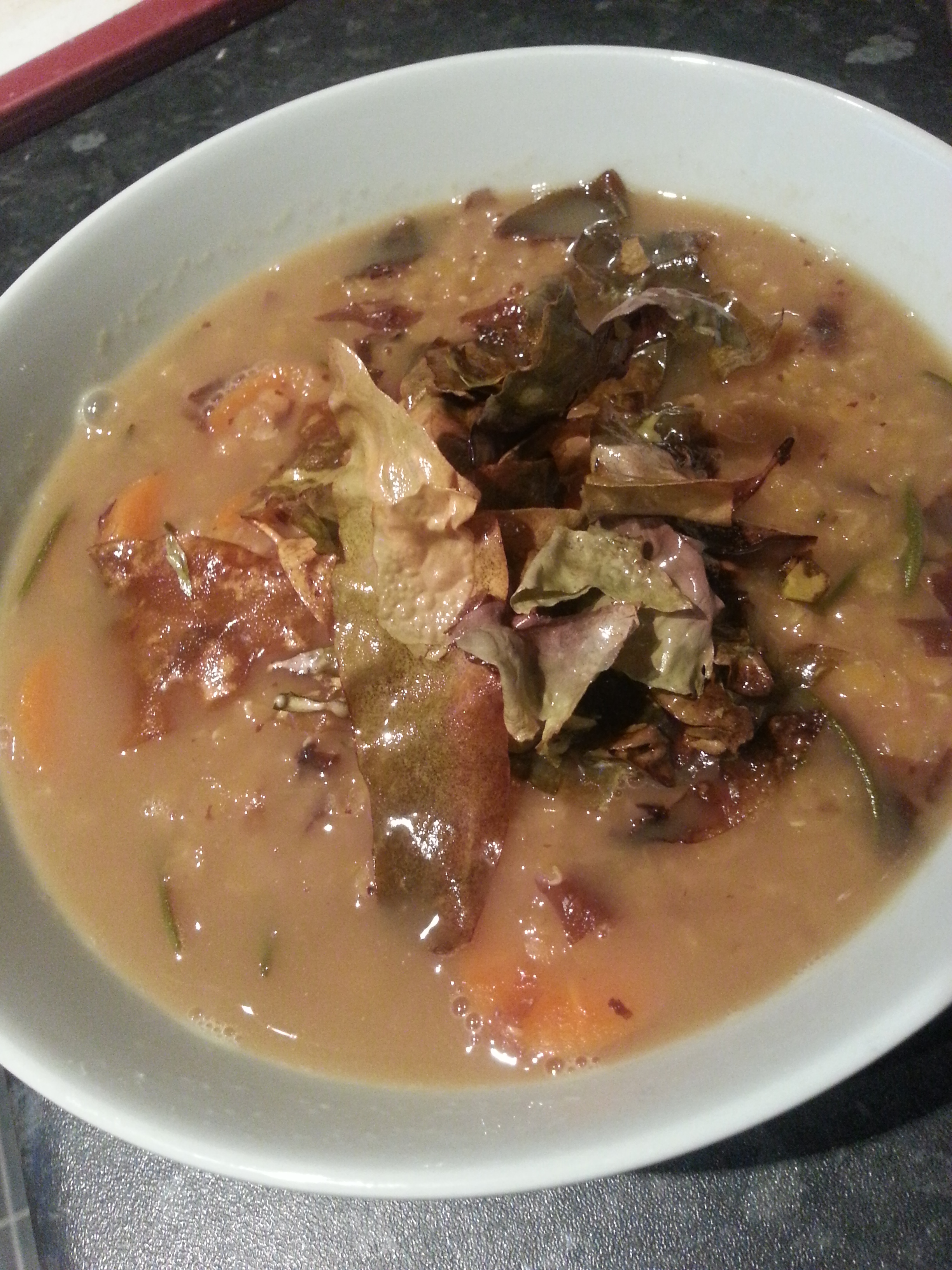
Lamb & Dulse Broth with Dulse Shards

2013-09-16 19.15.26

I came up with this soup when I found some frozen lamb stock secreted at the back of a freezer-drawer recently. It draws on that classic combination of lamb and seaweed. This recipe requires the rock-dried dulse to make the sweet-tasting shards, but any dulse can be used for the soup itself.

Ingredients

1 tbs butter or olive oil

1 carrot, diced

1 stick celery, diced

a sprig of thyme

a sprig of rosemary

a bay leaf

60g red lentils

2 or 3 tbs dried, chopped dulse

1 litre well-flavoured lamb stock

salt & pepper

For the dulse shards:

‘leaves’ of dried dulse

sunflower, groundnut or rapeseed oil for frying

Melt the butter or oil in a saucepan, add the carrot, celery and herbs. Fry gently for 10 or 15 minutes until the vegetables are soft and translucent. Add the lentils and fry for another two minutes before adding the dulse and lamb stock. Bring to a simmer and cook for around 20-25 minutes until the lentils have cooked and broken up, thickening the broth. Season.

Meanwhile, prepare the dulse shards. Heat up some oil in a frying pan and when hot, throw just one or two dulse pieces into the oil. The dulse will immediately sizzle, crisp and change colour as if by magic. After just a few seconds, remove and drain on kitchen paper. Fry all your dulse pieces in this way, and break them up into shards and place them gently on top of your finished soup.

14 Comments

Filed under Britain, cooking, food, foraging, General, history, Ireland, Recipes, Soups, Vegetables

Forgotton Foods #3: Umbilical Cord

umbilical cord

I have been writing posts of late on the huge variety of cuts we can get from meat, whether prime cuts or more humble (or should that be umble?) cuts, but I fear I may not be able to cook you all this one!

The umbilical cords of calves born on dairy farms were often collected by thrifty farmers and turned into a dish known as ‘muggety pie’ by famers’ wives. There’s a description of it in the excellent book Food in England by Dorothy Hartley; she says:

The umbilical cord of the calf was washed, soaked in salt water, and cut into short lengths which were then split open end to end twice, and cut, so making small oblong pieces. These were then boiled, till soft, with onions and seasoning, chopped again and made into a pie, using the gelatinous stock and some milk to make the filling gravy. The whole white pie was then covered with crust and baked.

Muggety pie was popular in the West Country, particularly in Gloucestershire and Cornwall, “all jelly soft it was…it was the jelly gravy was the best part – some did put taters and a turnip and sech, but ‘twas best plain, and good cold,” told old farm-hand.

Foods like muggety pie are dishes that probably never travelled much further than the dairy or cattle farmers’ houses and quickly forgotten. It was borne out of a necessity that no longer exists, but why kill an animal for meat that can be sold on when there is good protein laying there in the hay?

So, if there are any diary or cattle farmers that have a spare umbilical cord or two hanging around, let me know and I’ll bake you a delicious pie!

Don’t worry though, you don’t have to miss out on muggety pie because it can also be made out of sheep’s intestines or a sheep’s pluck (i.e. lungs, heart and liver) that latter of which should easily be found at butchers given a little notice…


If you like the blogs and podcast I produce, please consider treating me to a virtual coffee or pint, or even a £3 monthly subscription: follow this link for more information.

1 Comment

Filed under baking, Britain, cooking, Dairy, food, General, history, Meat

Chicken-of-the-Woods

I have written a few posts on foraging and natural history in Britain, here’s a little post about a lovely edible mushroom:

As I was walking in Lyme Park at the weekend I kept an eye out for edible goodies. Lyme Park is great for oyster mushrooms because of the large number of beech trees in the forests there. However, I did not expect to find a splendid chicken-of-the woods growing on a dead tree trunk just off the path to the children’s play area! Goodness knows how many had walked past it unaware of the delicious treat..

2013-08-05 19.16.57-1

Although I am by no means an expert, I recognised it straight away – a large bracket fungus with multiple brackets with a beautiful and almost garish orange and sulphur-yellow coloration. In fact, another name for it is the sulphur polypore (the polypore part is because it doesn’t have gills on its underside like a typical fungus, but many tiny pores). There really is nothing else like it, so you can be pretty certain of what it is.

However, before I go on: always confirm you have correctly identified the fungus and check more than one field guide. The two I use are the River Cottage Handbook No.1: Mushrooms, for quick reference and the Collins Fungi Guide for more detailed descriptions. If you are not 100% sure of what you are picking, don’t pick it!

As with all fungi there is a certain amount of variation – there can be many brackets or a few, they can be a range of widths from a few inches to a couple of feet, the brackets can be neat and flat, or can look as though they’ve poured out and frozen, like orange lava, in a Dali-esque manner. The one I found had grown around blades of grass, trapping them like flies on amber. I didn’t take it all because I thought I’d see if the intact part would grow back – if I’m lucky I might be able to collect a regular ‘crop’ over the next few months!

Unfortunately, I didn’t take a photo in situ because my phone has run out of batteries, but here’s a few pictures I have found in books and on the ‘net that shows off this variation:

2013-08-08 21.47.13
chicken wood tall
chicken woods flat
chicken woods tall

From (in order) John Wright, First Nature, Cornell University, Malcolm Storey

Chicken-of-the-woods, or to give its scientific name Laetiporus sulphurous, is only found on trees, and the trees can be living or dead. It is usually found in the Summer and Autumn, and occasionally in Winter if it is a mild one. It grows most commonly upon oak and also yew, cedar, cherry wood, sweet chestnut, and willow. It is worth pointing out that all Laetiporus species are edible except if found growing on poisonous trees such as yew and cedar.

Whilst on the subject of edibility, I should also mention that Laetiporus sulphurous is only edible when cooked.


If you like the blogs and podcast I produce, please consider treating me to a virtual coffee or pint, or even a £3 monthly subscription: follow this link for more information.

Cooking with Chicken-of-the-Woods

This fungus is called chicken-of-the-woods because it’s firm flesh is pale and fibrous but tender, like chicken breast. For that reason it makes an excellent meat substitute for vegetarians. What a coincidence it is that I have a friend visiting me who is vegetarian; we could put the chickeniness to the test.

I did hope it was good because the chicken-of-the-woods I found was pretty big, weighing in at 2 kilograms and bigger than my head! It therefore would keep me and my visiting friend Stuart in meals for most of the week.

Preparing it is simple. Separate the brackets from each other and trim away and tough woody bits then rinse it under the tap briefly to get rid of any soil and creepy-crawlies, then slice it reasonably thinly. Then it is just a question of integrating it into a recipe. As you slice, you’ll notice that the flesh is rather dry, so when frying it you should add a little water so that it can absorb it and become more typically mushroomy in texture.

2013-08-05 19.26.52


Its firm flesh is tender and yielding and definitely has a truffle aroma and flavour when cooked – there’s a lot of umami going on in that mushroom! It’s definitely the tastiest wild mushroom I have found thus far. We couldn’t understand why it hasn’t been cultivated as food because it was so substantial and satisfying, and better than any TVP, Quorn or other mock meats. Maybe I’ve found a gap in the market…

Here’s what I made with it:

One third was turned in simple mushrooms on toast  – a recipe can be found for that here – the only changes I made was to add a little water after a few minutes’ sautéing, and to omit the cream/milk. Whenever you try a mushroom the first time, this is the thing to cook for it shows it off in all its glory! It fed 4.

2013-08-05 20.07.07

The second third was used in a stir fry with the typical stir-fry veg, soy, (vegetarian) oyster sauce and, again, some water. This really showed off its meaty qualities. Excellent. This fed 2.

2013-08-06 20.04.18

The last third was a spinach and chicken-of-the-woods lasagne. I made a simple béchamel sauce flavoured with Lancashire cheese, black pepper and nutmeg, then sautéed the mushrooms in olive oil, added some water and steamed the spinach on top of the mushrooms. Everything was layered up in the usual way, finished with some Parmesan and breadcrumbs and baked. This fed 4….

2013-08-08 20.59.11

Now it is all used up, and we didn’t even get bored of it. I do hope another grows back on that tree trunk…

10 Comments

Filed under Britain, cooking, food, foraging, natural history, nature, Recipes, Uncategorized, Vegetables

Bath, Buns & Sally Lunns

No, I haven’t died, so cancel the wake. I’ve been a little busy of late and the poor old blog has suffered from scant postings. For that I apologise. I need to catch up with a heck of a lot of food stories, recipes and history with you all; I may not have been blog-writing, but I have been eating!

At the end of June, I popped down to the beautiful city of Bath for the weekend to visit friends and had a jolly old time. The great thing about Bath is that it has such history; you cannot help but find something to be amazed by at the turn of every street corner.

2013-06-28 16.25.28

Entrance to the Roman Baths

The spa at Bath has attracted people for millennia – there is archaeological evidence of human settlement going back 10 000 years. The city of Bath itself was founded in 863BC by a chap called Bladud. Suffering from leprosy, he had been ostracised from society and found that bathing in the warm, muddy springs, after seeing pigs doing the same, cured him. It must have put him in fine fettle because he later went on to become the ninth King of the Britons and to father King Lear.

2013-06-28 16.25.58

Of course it was the Romans that really transformed the place, creating Aqua Sulis with the baths that are still there today in fine working order.

From the point of view of food, however, Bath really came into its own in the eighteenth and nineteenth centuries when it was deluged by the middle classes that wanted to get away. The Roman Baths and Pump Room were restored to their former glories after centuries of neglect, making Bath the best of all the spa towns. This wasn’t just because of its locality to London, or that it was in a lovely part of England; it was because Bath simply had the best of everything. Bath was a trade epicentre: excellent salt marsh lamb from Wales, a seemingly endless supply of fruit and vegetables from Tewkesbury, cider from Glastonbury, apricots, cherries and plums from the Cotswolds, cream and junkets from Devon and Somerset, excellent freshwater fish – especially elvers – from the Severn Valley as well as sea fish from the ports of Cornwall, all came to one place. And that was just British produce! I haven’t mentioned the French brandy, the Spanish wine or the exotic spices from further afield.

All this has made Bath what it is today. Its food heritage, however, seems to have been boiled down into two things: Bath buns and Sally Lunns.

2013-06-30 15.09.17

I’ve never seen either Bath buns or Sally Lunns anywhere other than Bath itself, which just goes to show that we still have regional cooking in an age with a seemingly swirling and mixing population. I like that you don’t see them everywhere; it makes eating one a rare treat to be relished. There are, of course, stories attached to the invention of these enriched breads which should be taken with a huge pinch of salt.

Bath Buns

A bath bun is a large fruit bun, made with dough similar to that of a Chelsea bun or hot cross bun. The bread dough is enriched with eggs, sugar and currants. At the bottom of each bun is a lump of sugar and the freshly-baked bun is finished with a sticky wash, extra currants and crushed loaf sugar or sugar nibs.

2013-06-30 15.16.46

Anatomy of a Bath bun

The Bath bun is said to have been invented by a doctor called William Oliver in the 18th century. After his patients visited the Roman baths he would give them a nourishing Bath bun. It was soon apparent that his plan was not working as he expected when he realised
his patients were getting somewhat portly. He withdrew the buns and replaced them with hard, dry water biscuits.

I must say that I would have become a hypochondriac if I was one of Oliver’s patients! I would have used any excuse to get my hands on one. They are so delicious – sweet and sticky and very bad for you. I can’t put the attractiveness of the Bath bun better than W Chambers, writing in his Edinburgh Journal of 1855:

The Bath-bun is a sturdy and gorgeous usurper – a new potentiate, whose blandishments have won away a great many children, we regret to say, from their lawful allegiance to the plum-bun. The Bath-bun is not only a toothsome dainty, but showy and alluring withal. It was easier for ancient mariners to resist the temptations of the Sirens, than it is for a modern child to turn away from a Bath-bun…Large, solid, and imposing, it challenges attention, and fascinates its little purchasers.

We can see from this quote that the Bath bun was popular, not just in Bath, but England and Scotland, so what happened to it? Enriched breads are still pretty popular in Britain, even with the advent of comparatively modern chemically-aerated sponge cakes. Strange.


If you like the blogs and podcast I produce, please consider treating me to a virtual coffee or pint, or even a £3 monthly subscription: follow this link for more information.

The Sally Lunn

2013-06-30 15.07.17

Oh no she didn’t!

A Sally Lunn is a large, round enriched bread, much plainer than a Bath bun, rather like French brioche. The story of its invention goes something like this:

A young French immigrant lands in Bath during the 17th century and gets herself a job in a bakery where she shows off some of her recipes and one in particular becomes very popular indeed. Her name? Solange Luyan.

2013-06-30 15.07.37

The recipe went missing in the 1800s, but was apparently found during the 1930s when it was discovered in a ‘secret cupboard’ in her original home. The owner of the house then decided to open up the original Sally Lunn Tea Room.

This is, of course, all complete nonsense. The most likely explanation is that Sally Lunn is a corruption of the French solielune, or sun and moon cake.

I visited the tea rooms and ate a delicious lightly-toasted Sally Lunn spread with sweet cinnamon butter and it was delicious. Like the Bath bun, its popularity had faded in the rest of the country.

2013-06-29 11.24.11

3 Comments

Filed under baking, bread, Britain, cooking, food, General, history, Teatime, Uncategorized