Tag Archives: griddlecakes

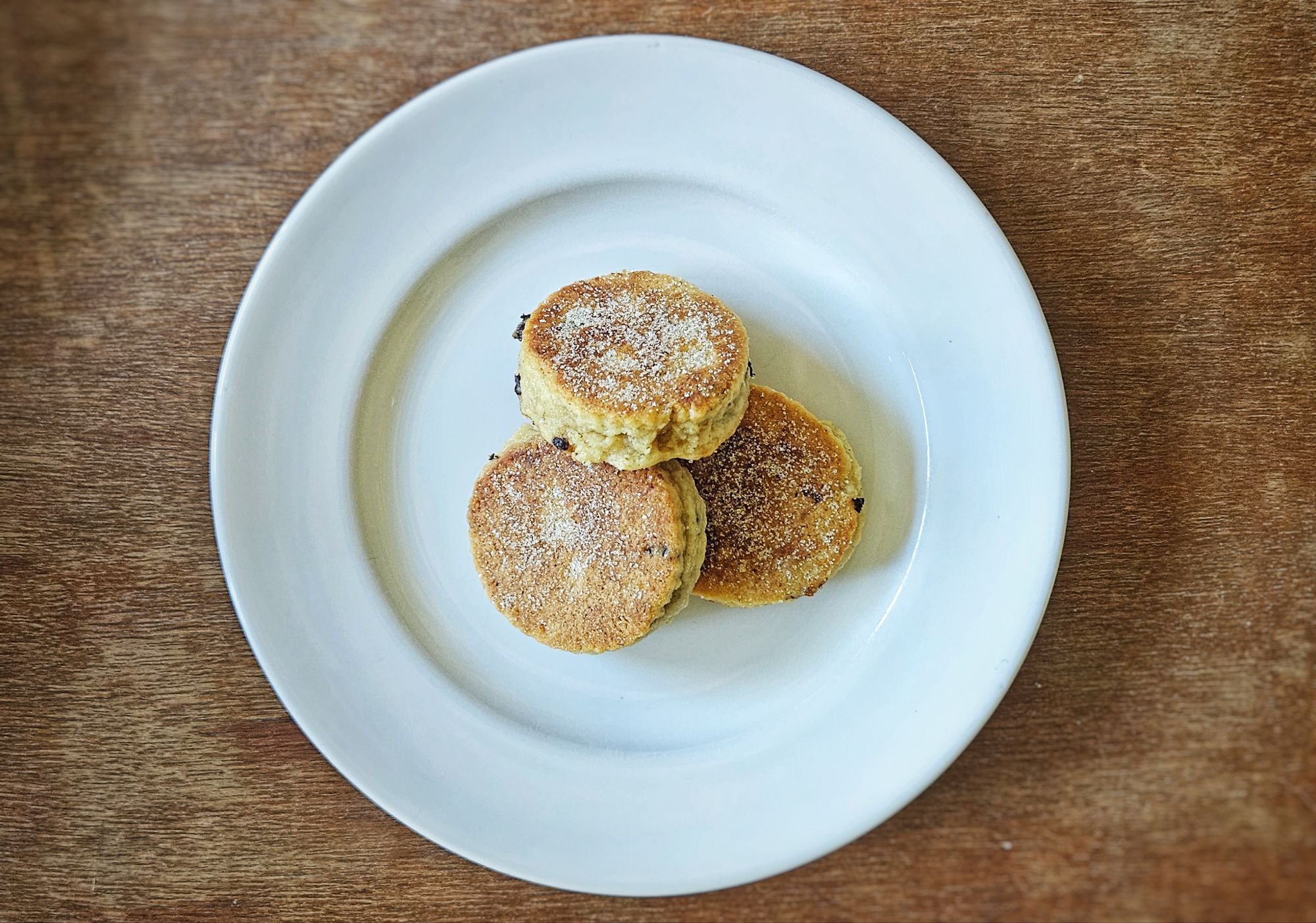
To Make Welsh Cakes (Pice ar y maen)

In the most recent episode of The British Food History Podcast, Griddle & Bakestone Cookery with Peter Gilchrist & Ross Clarke, we talked about several culturally important bakestone bakes. One of these was, of course, the iconic Welsh cake or pice ar y maen, which translates literally as ‘cakes off the stone’ (or I think it does; please do correct me, Welsh speakers). Ross said they were called bakestones where he grew up, but they also go by other names: round cakes, tishan ar y maen and tishen lechwan.[1]

Stream the episode via this Spotify embed, or search for The British Food History Podcast on your favourite podcast app.

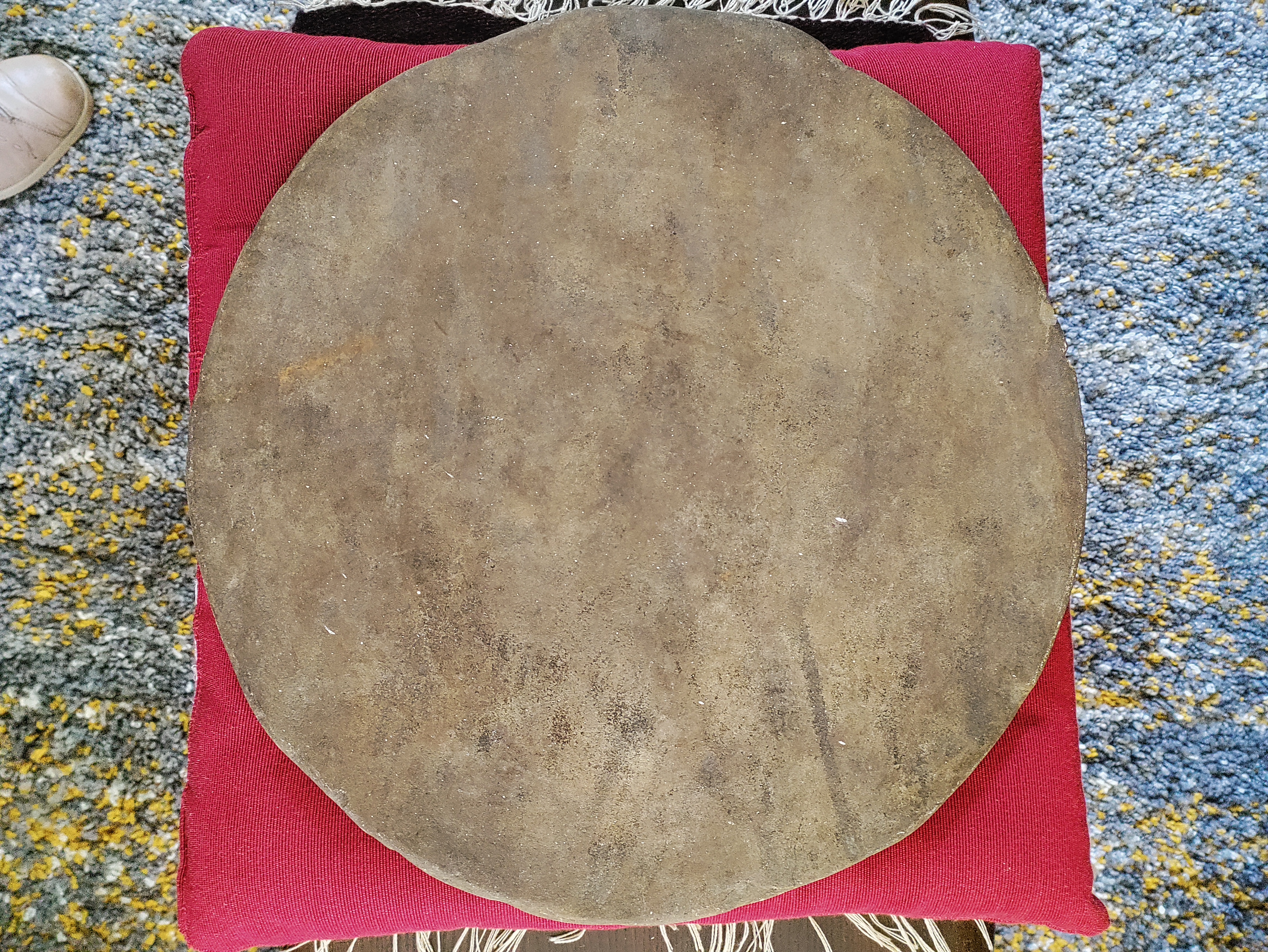
You need a griddle or bakestone to make Welsh cakes. I used my 12-inch Netherton Foundry griddle, which has a good thick base. Netherton Foundry are very kindly sponsoring the 10th season of The British Food History Podcast. Please check out their website to see their range.
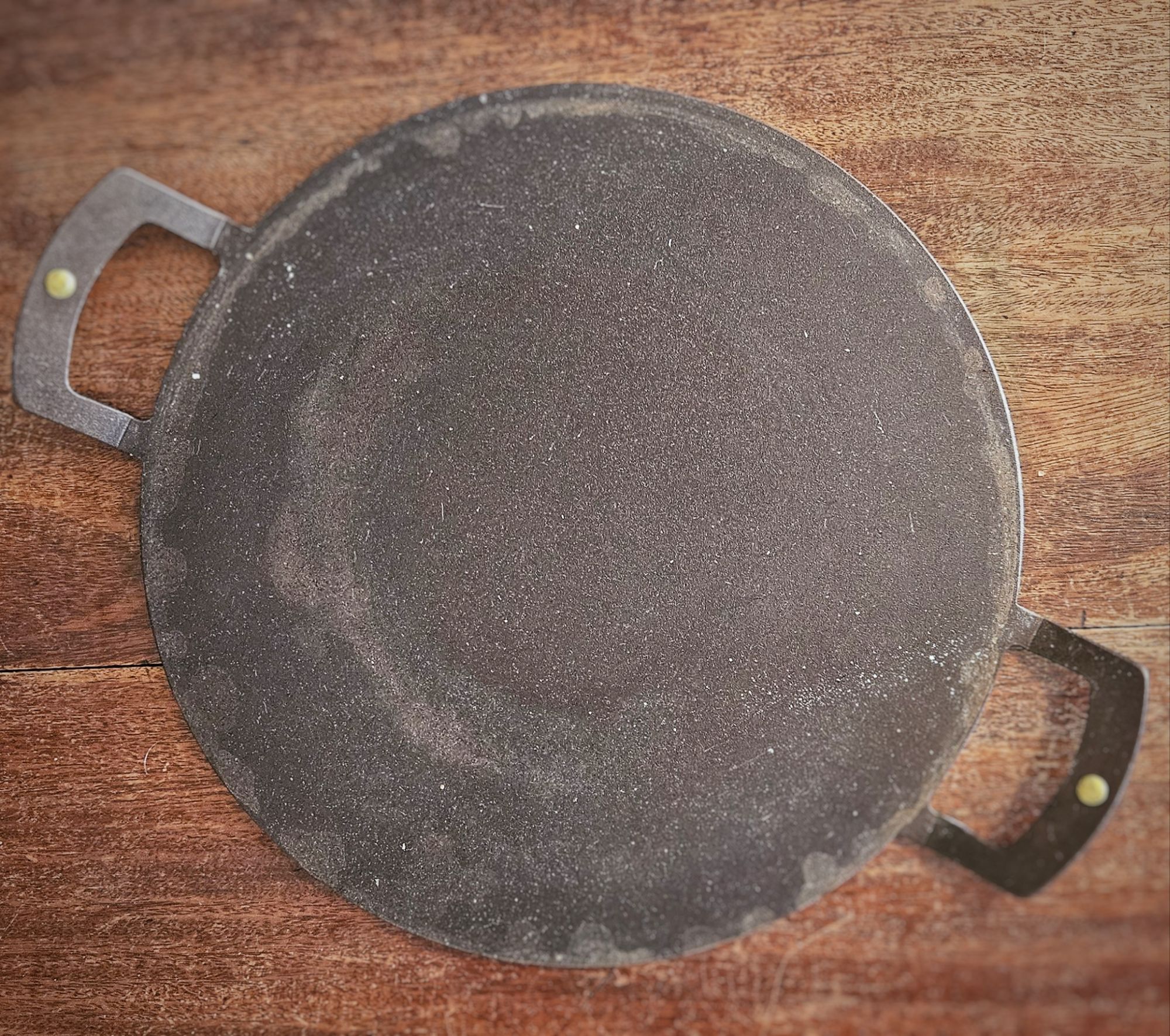
My trusty Netherton Foundry bakestone/griddle

According to the Amgueddfa Cymru (Museum of Wales) website, they originated in the second half of the 19th century in Glamorgan, South Wales.[2] We have to remember that white wheat flour would have been less available to folk before then; as in most parts of Britain, oats were the cereal most commonly eaten.

These little round cakes sit somewhere between rich pastry and scone, and they are, as Jane Grigson wrote, ‘the most delicious of all the girdle cakes.’[3] They are like a pastry because you rub your fats into your flour at a proportion of two to one, but they’re like a scone because they have more egg and liquid, and are made lighter with a chemical leavening agent. Bobby Freeman points out that the mixture must have more liquid than a pastry dough ‘to prevent a dry, biscuity result’.[4] They are also very similar to singin’ hinnies, which are from Northumbria. One has to wonder, the two areas being centres of mining, whether there was some cultural cross-pollination going on.


If you can, support the podcast and blogs by becoming a £3 monthly subscriber, and unlock lots of premium content, including bonus blog posts and recipes, access to the easter eggs and the secret podcast, or treat me to a one-off virtual pint or coffee: click here.


Recipe

All recipes are essentially identical in terms of proportions; the only variation is in the spices and fats.

Your usual spices are mixed spice, cinnamon, nutmeg and (less often) mace, but you can leave them unspiced. I went for a 50-50 mix of mace and nutmeg, a delicious combination, and one we don’t see as often as we should.

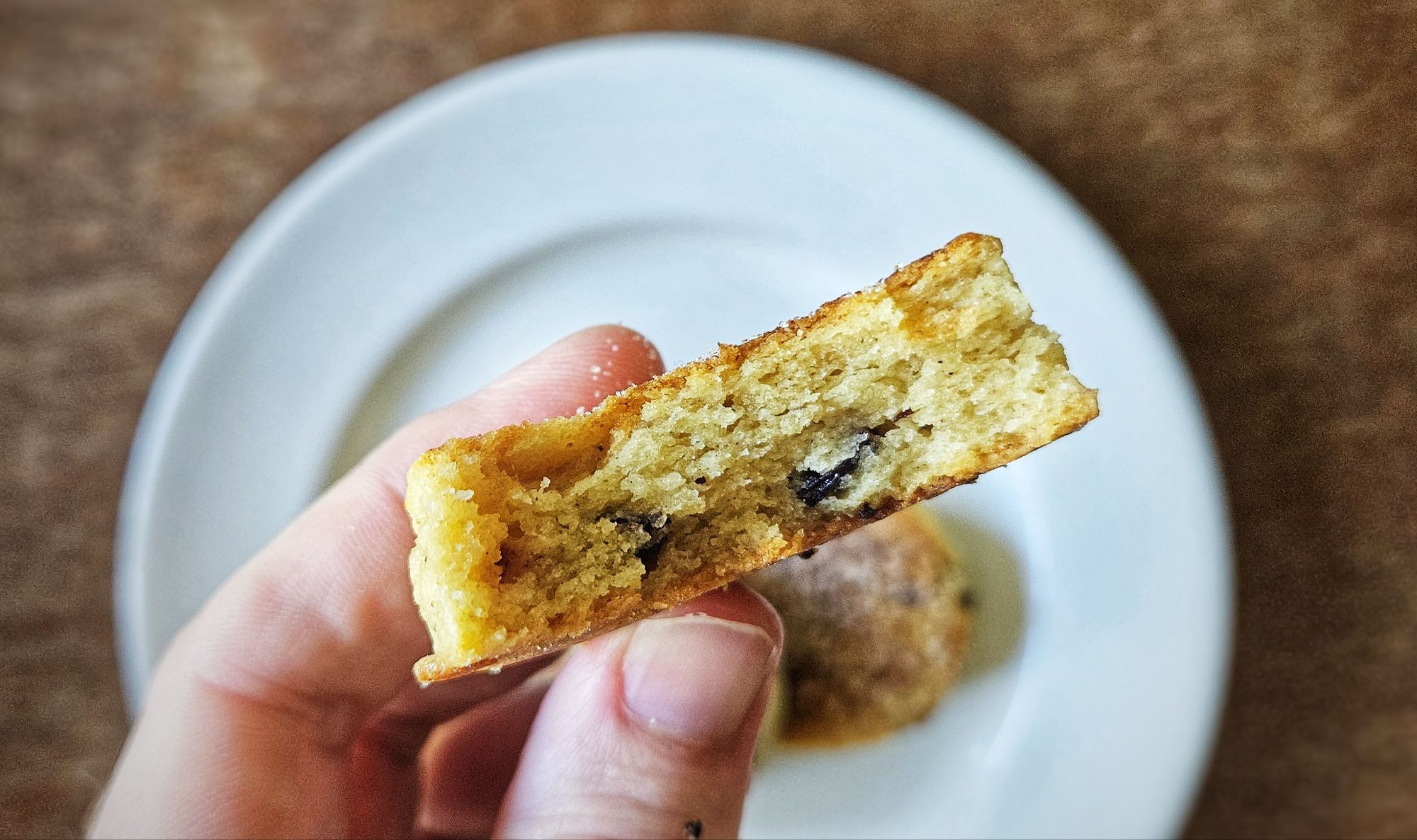
Just like in pastry-making, you can go all butter (or vegan baking block), or half butter and half lard. I heartily suggest doing the latter because it makes things richer, but has a hint of savouriness, which I think improves the flavour. It also makes a slightly shorter dough that’s more tender and melting when baked compared to an all-butter dough.

The cakes take 8 to 10 minutes to bake on your bakestone/griddle. You need a ‘moderately hot bakestone’ – these are Bobby Freeman’s words, not mine.[5] However, there’s a huge amount of variation between both bakestones and kitchen hobs, so you will have to play about with the temperature to get it right. To give you an idea of what ‘moderately hot’ means, on my induction hob, which has 9 heat settings, I used a temperature of 3.

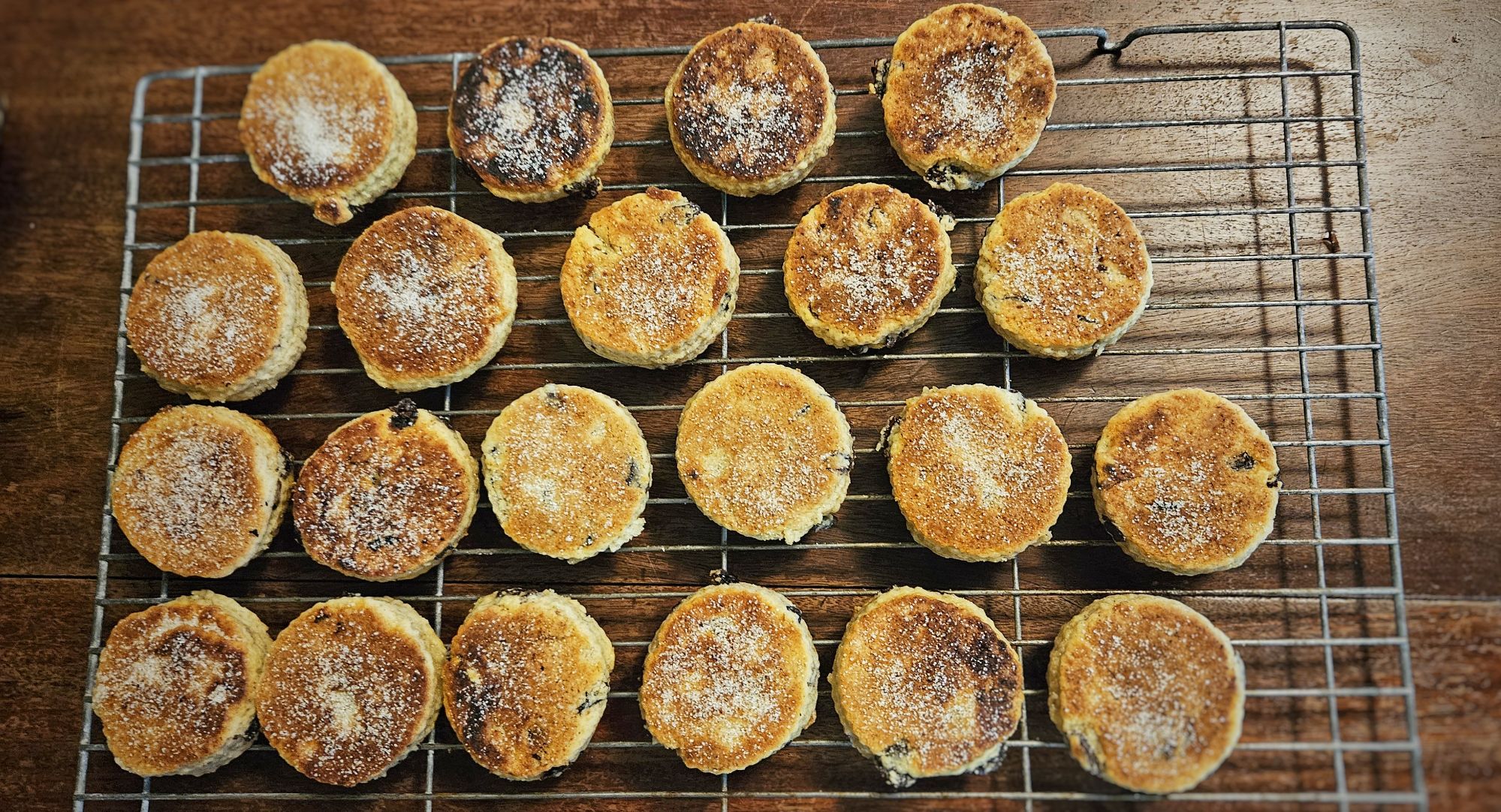
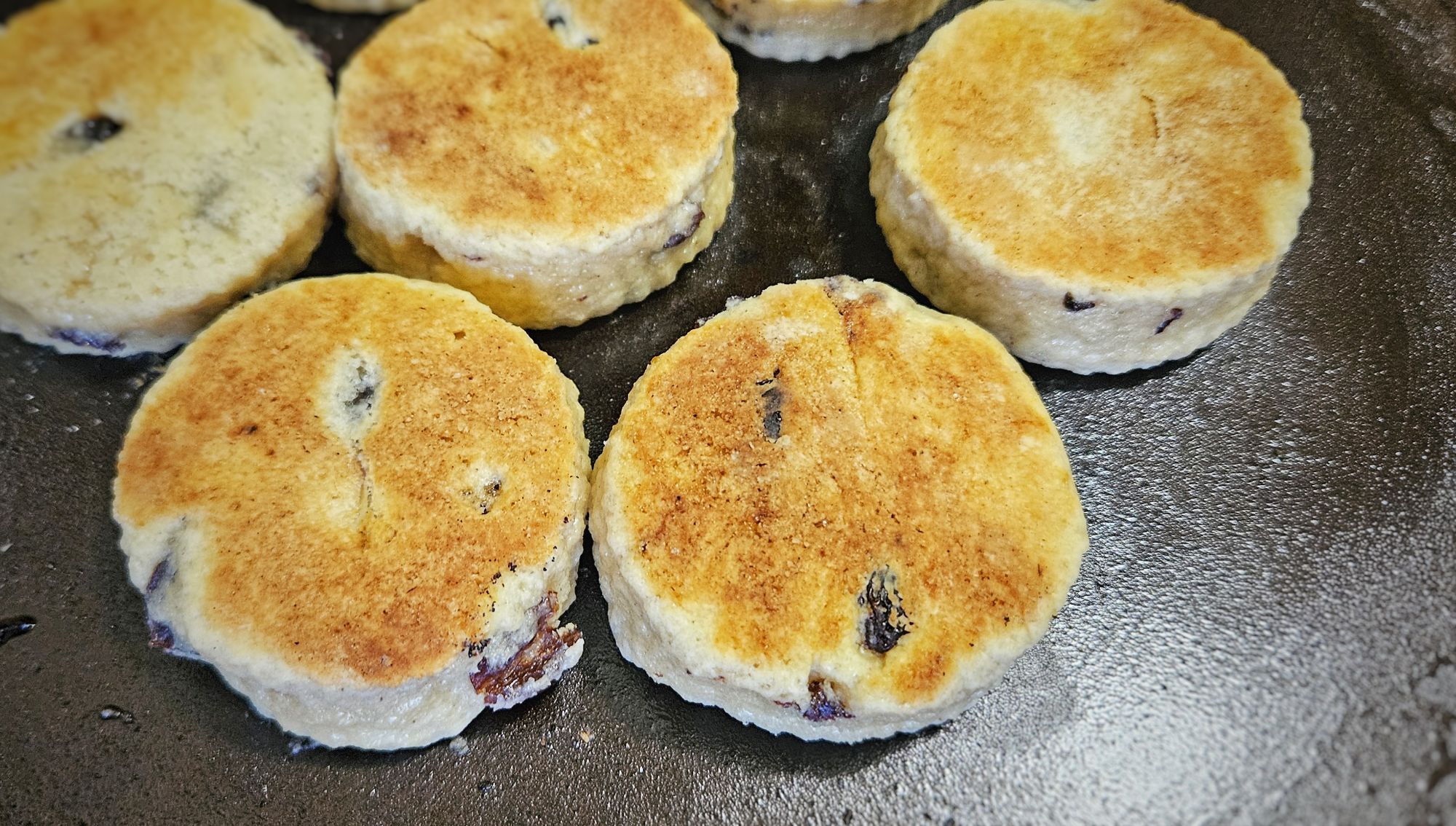
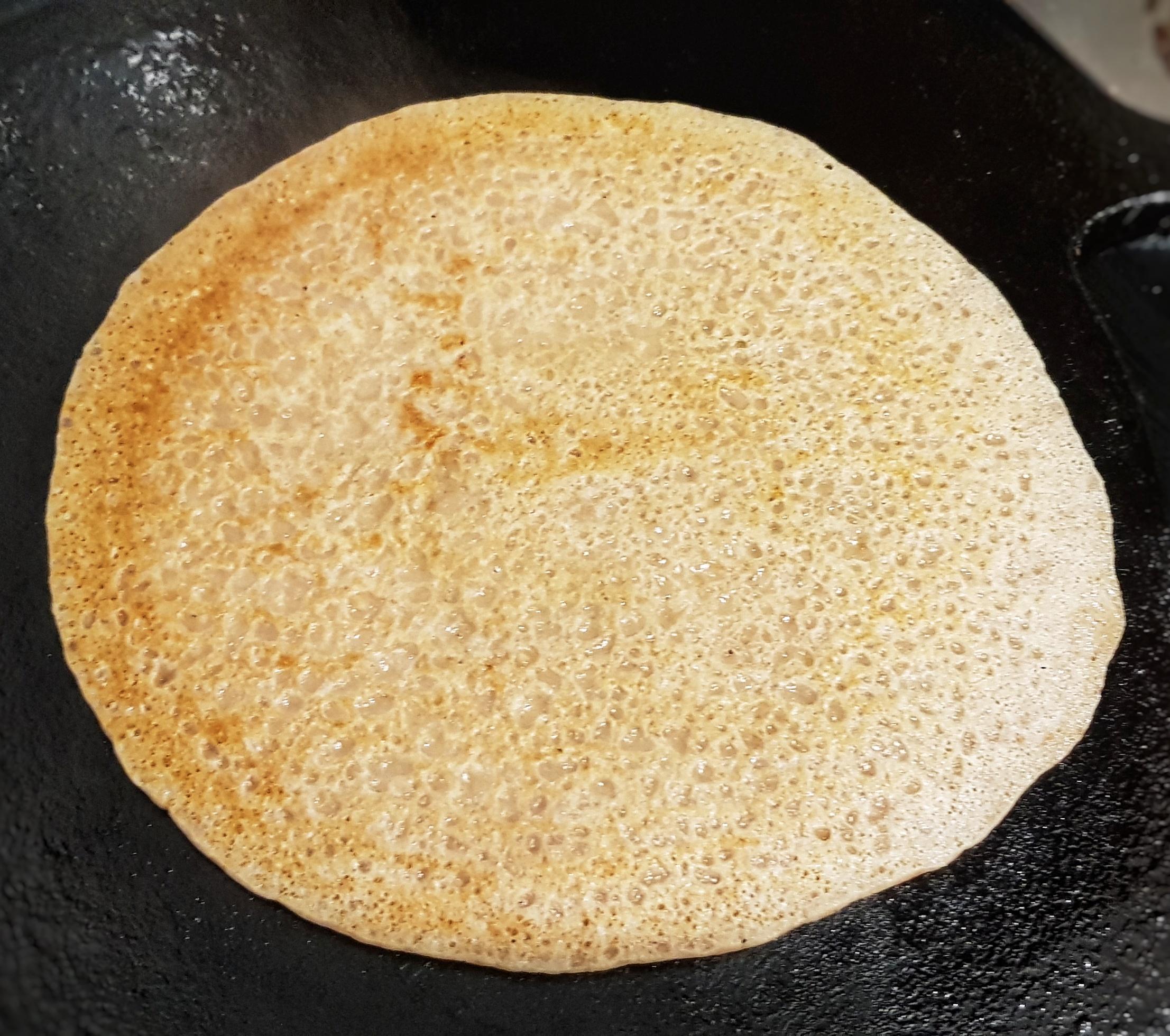
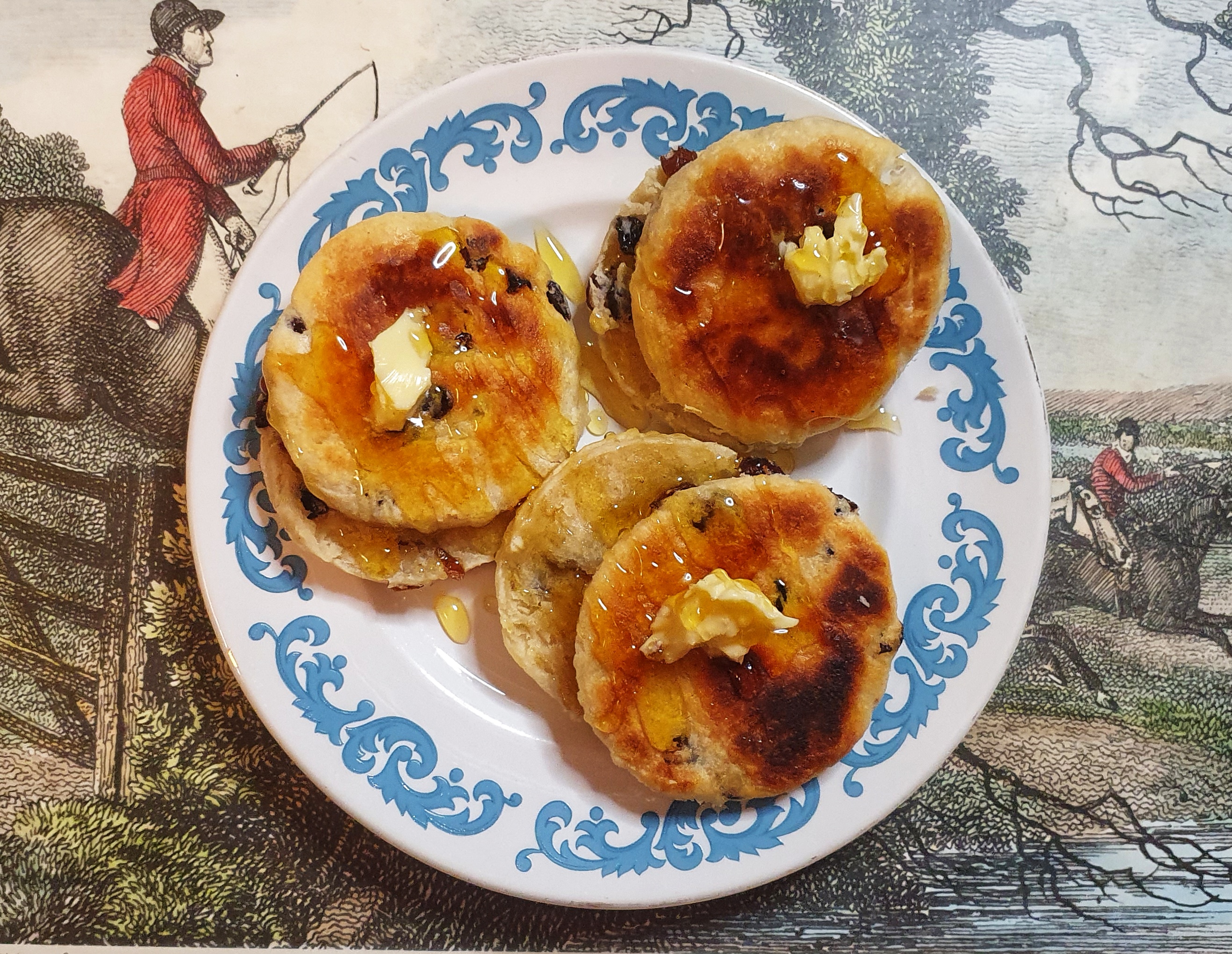
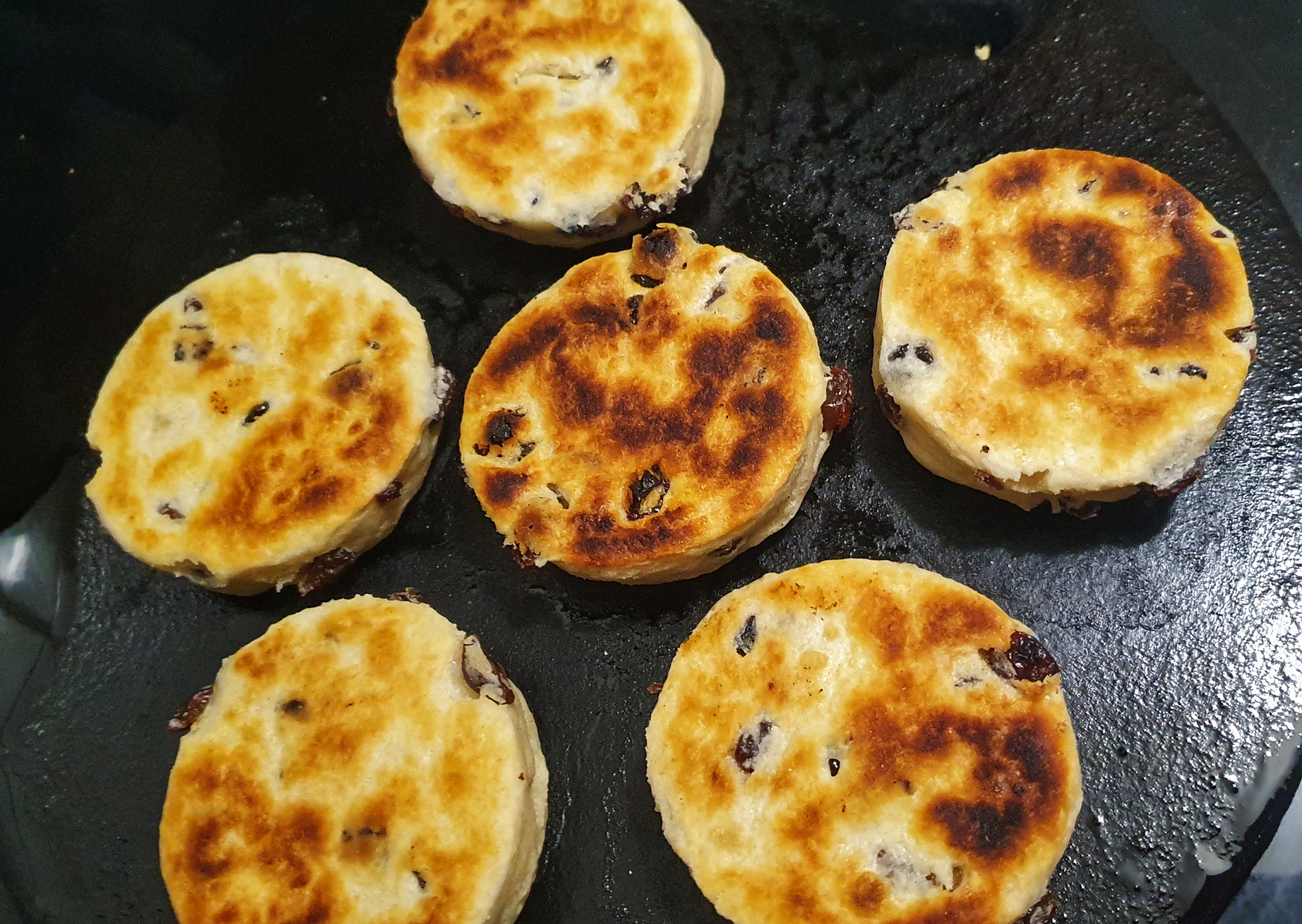
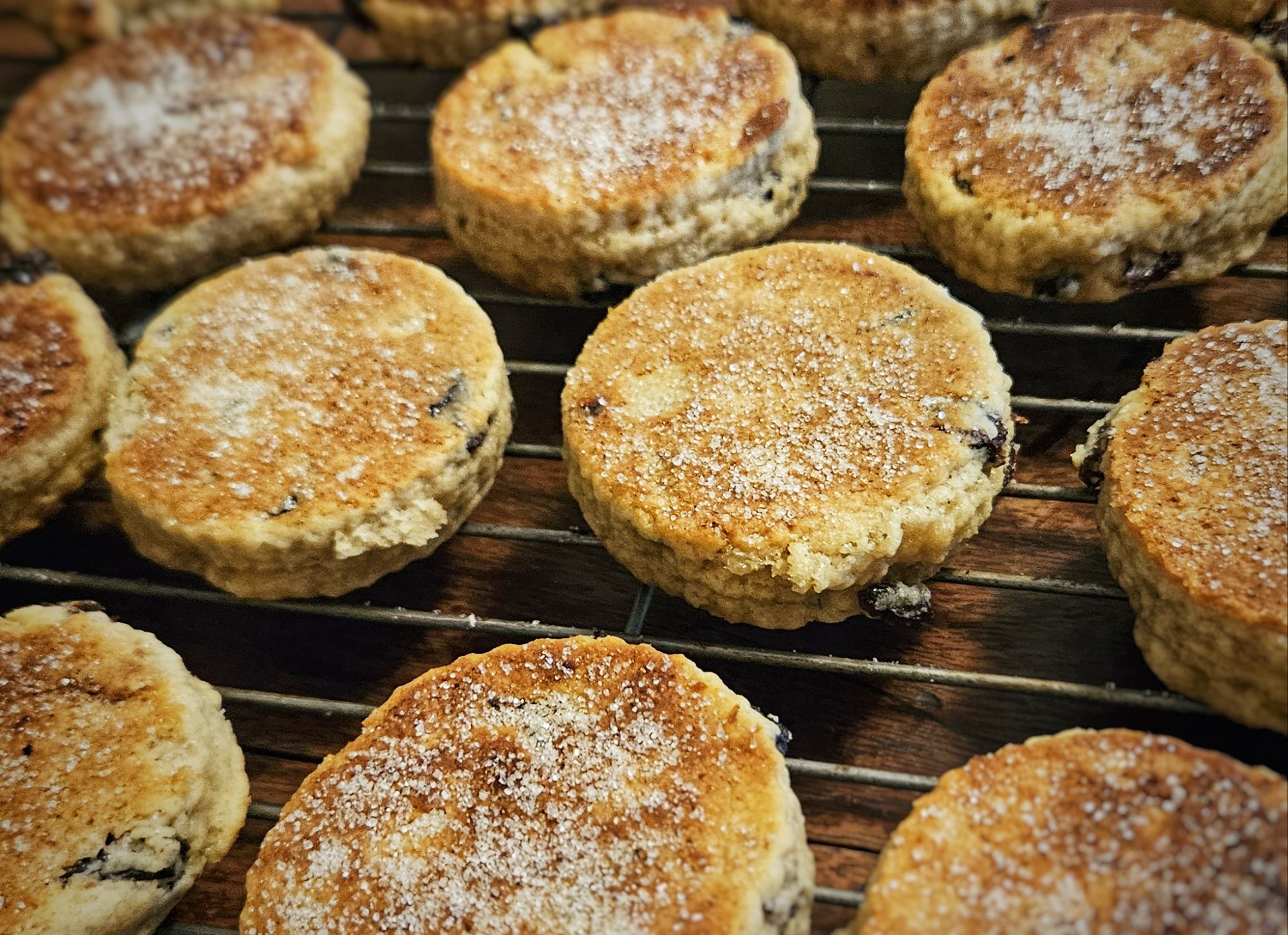
As Ross pointed out in the episode of the podcast, one of the joys of using the bakestone is the variation you get: no two cakes are the same, as you can see by the photo! They’re best eaten warm from the bakestone. The cakes keep very well for 5 or 6 days in an airtight tin.

The mixture makes around 48 cakes.

500 g self-raising flour

1 tsp baking powder

½ tsp salt

1 tsp ground spices: nutmeg, cinnamon, mixed spice or mace

250 g salted butter, or half-and-half butter and lard, diced

150 g caster sugar, plus extra for sprinkling

120 g currants and raisins

2 medium eggs, beaten

5 to 6 tbs milk

Extra lard, butter or cooking oil for frying

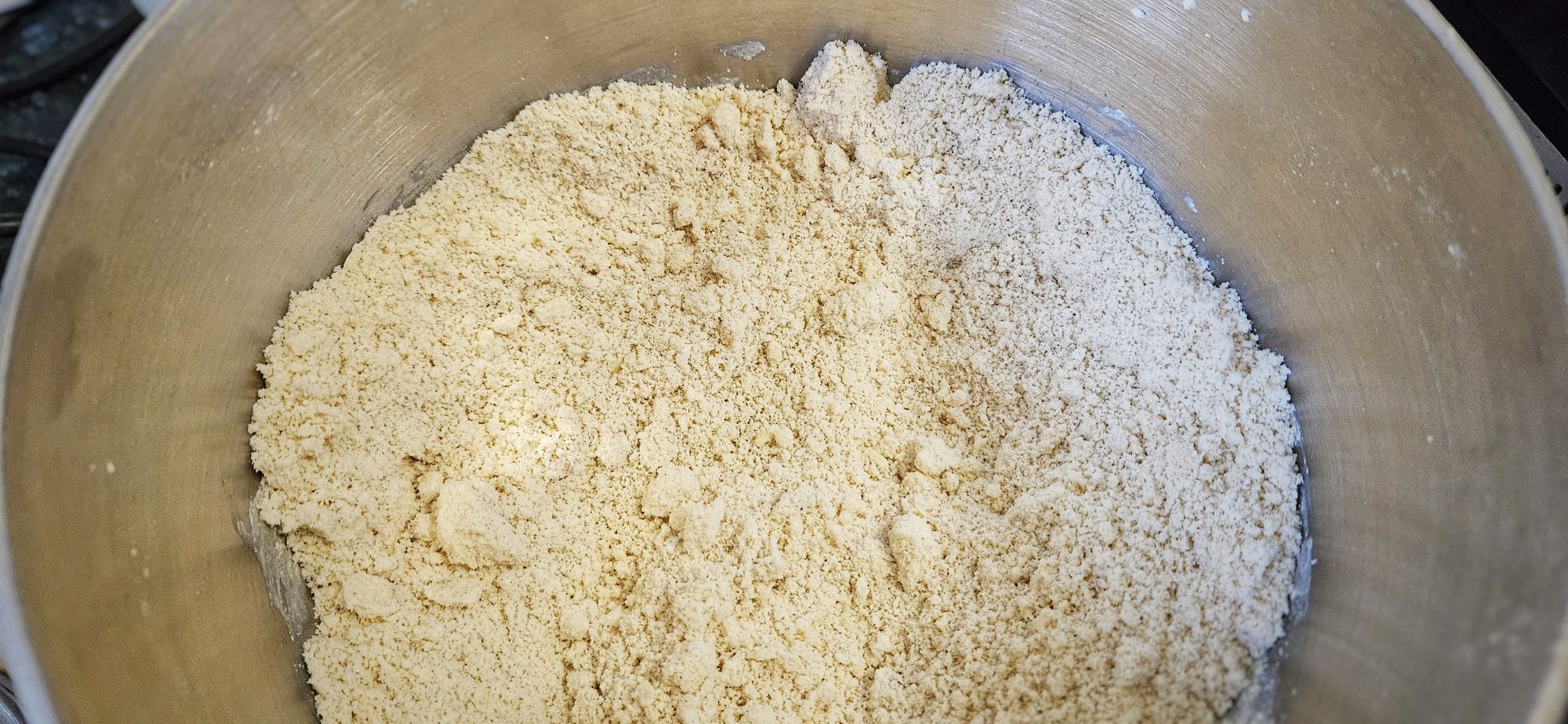
In a bowl, mix the flour, baking powder, salt and spices, and rub in the fat with your fingertips until the mixture resembles breadcrumbs – just like making pastry. You can use the flat beater on your mixer too, but use a slow setting; you don’t want to pulverise the mixture into a paste. Mix in the sugar and dried fruit.

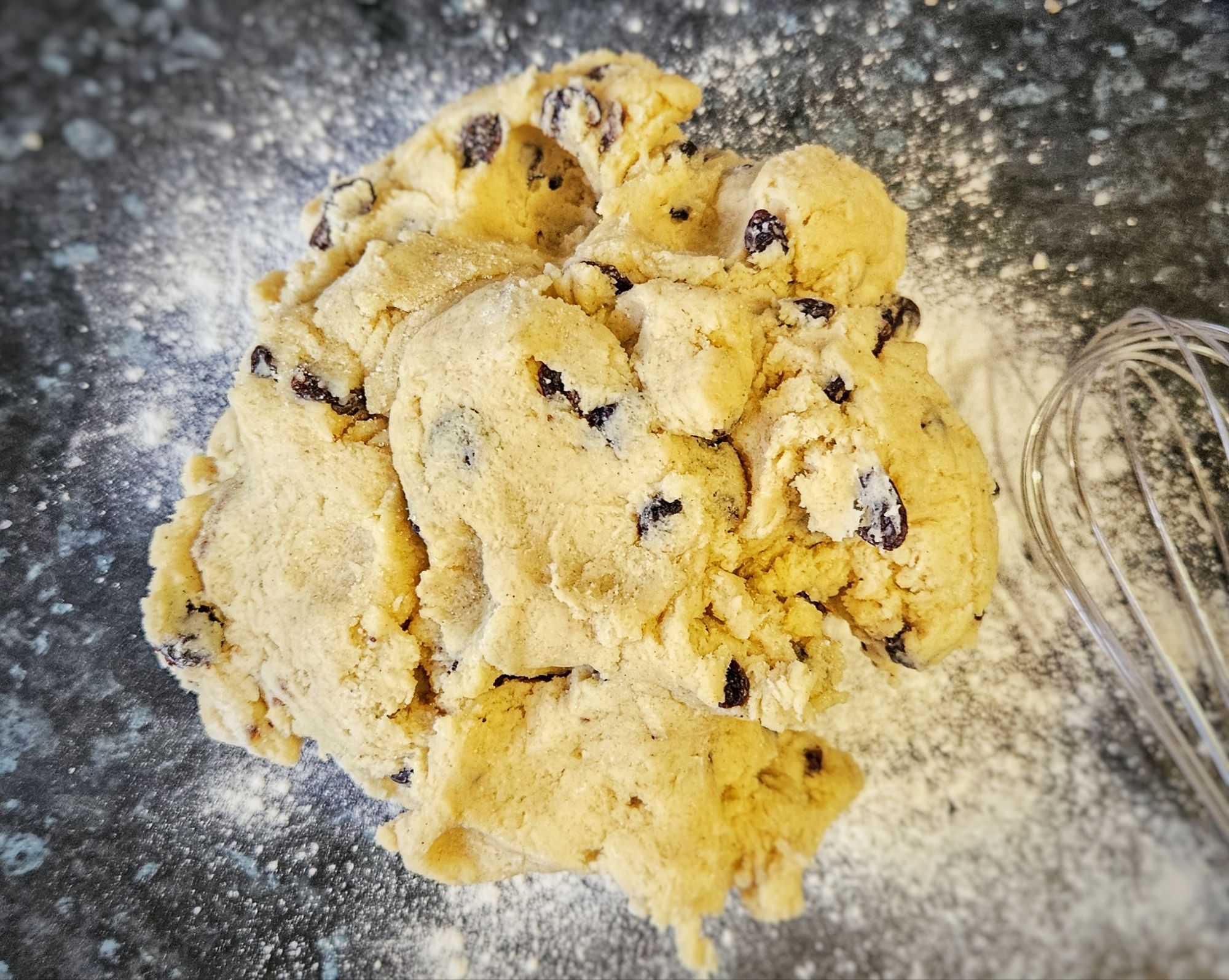
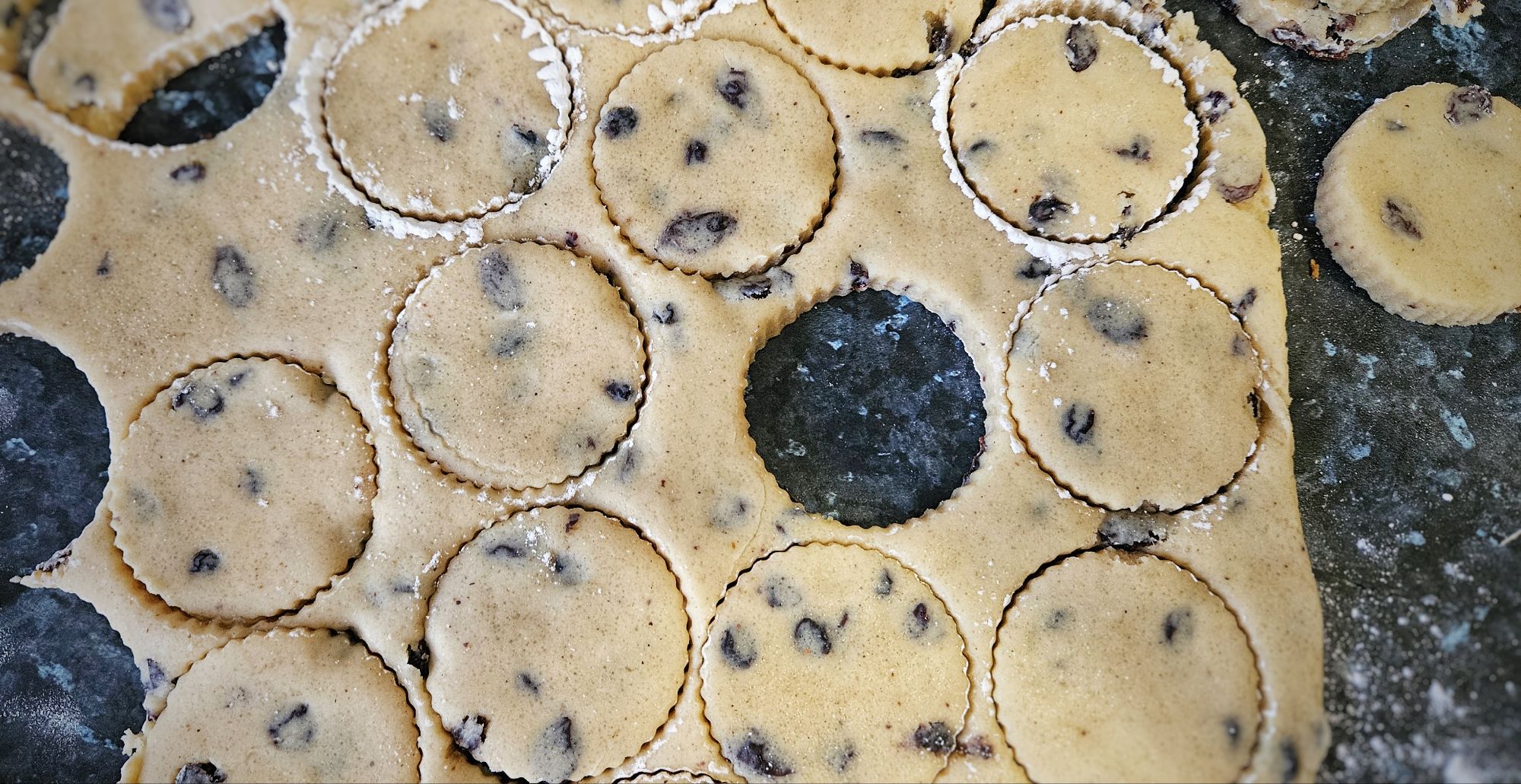
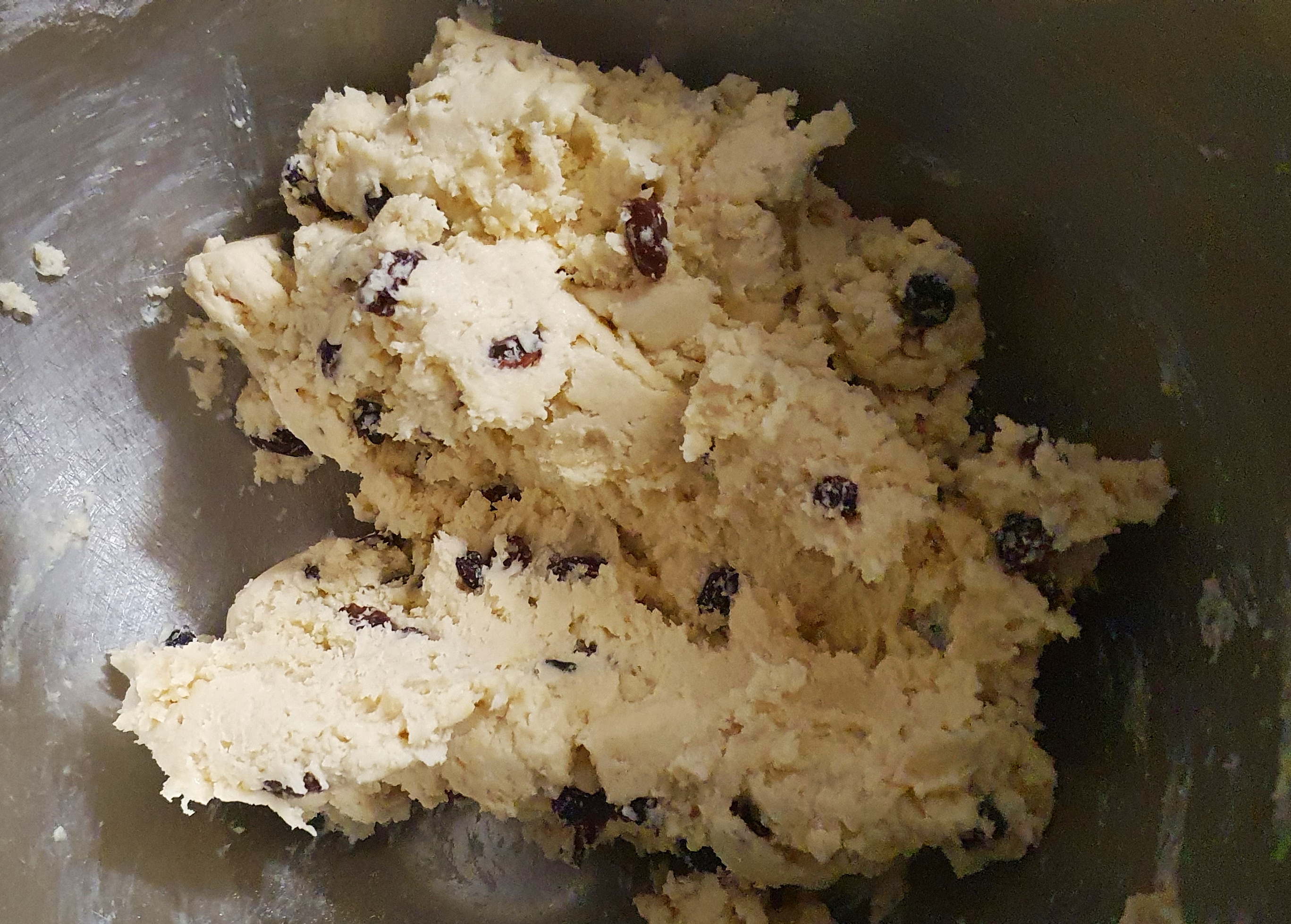
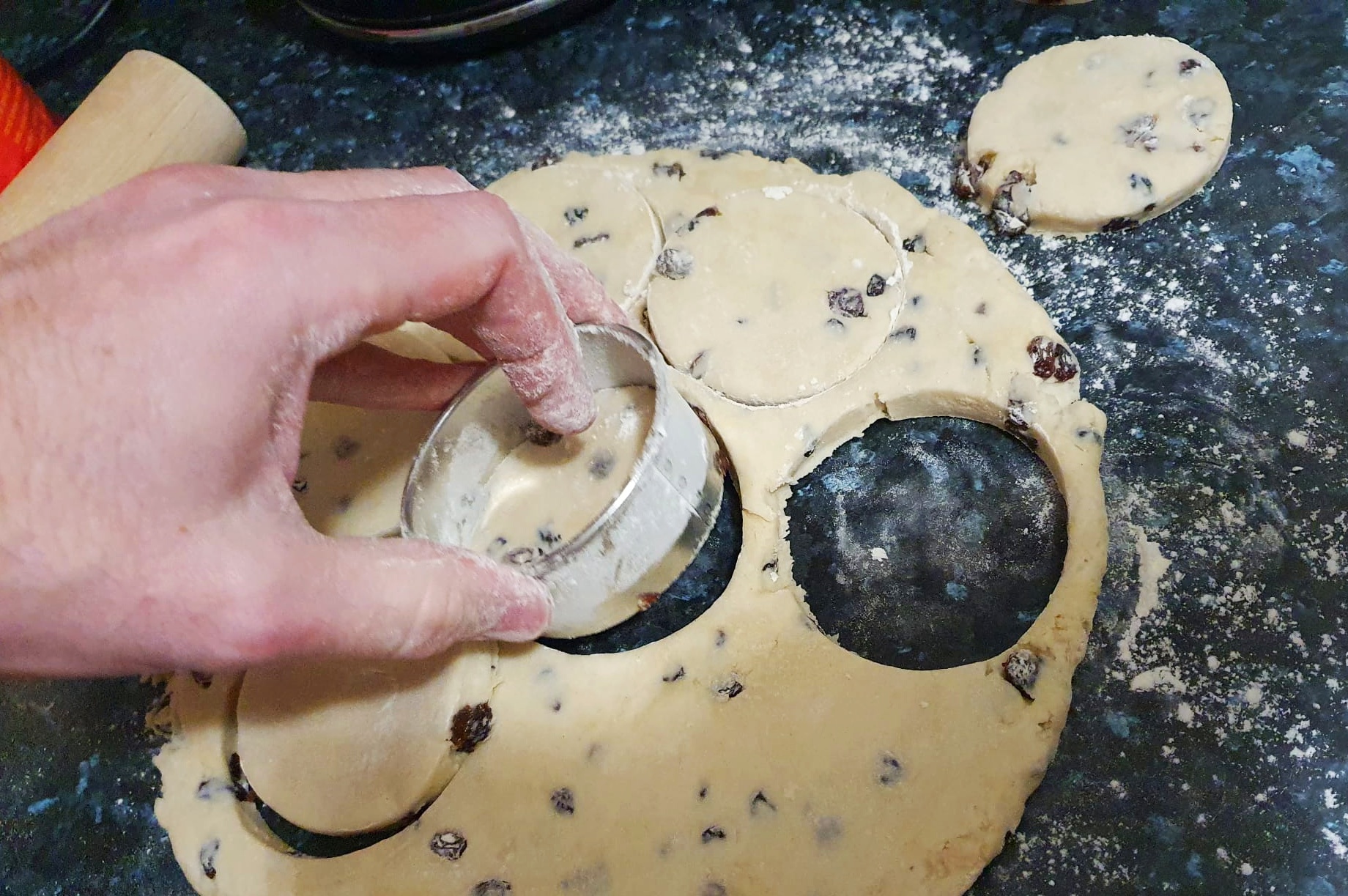
Make a well in the centre and pour in the eggs and 2 tablespoons of the milk. Mix everything together by hand, adding more milk if there are some dry patches, to form a soft dough. Knead briefly on a floured worktop and roll out to a thickness of around 6 mm (or ¼ of an inch in old money). Use a 6 cm cutter to stamp out the cakes. Dip the cutter in flour and dust it off to prevent sticking every 3 cakes or so.

Heat the bakestone to a low-medium setting. Be patient and let it warm up slowly – don’t be tempted to put on a high heat and then turn it down. There disaster lies. Pick your temperature setting and just give it a bit of time to do its thing.

When suitably hot, brush the surface of the bakestone with a little oil or lard. You only need the merest smear, and I find adding the fat and then wiping it around with a dry clean cloth or a piece of kitchen paper does the trick.

Bake the cakes in batches: don’t overcrowd the bakestone and remember that your bakestone will likely be cooler at the edges than the centre. After 3 minutes give them a check, and if they are already looking brown, turn them over and lower the heat a smidge. You’re looking to bake them for 4 to 5 minutes per side until they are a mottled golden brown. You know they are ready when they feel firm, but with a slight softness in the centre.

Place cooked cakes on a rack whilst you attend to the ones that aren’t quite ready yet. Add a sprinkle of caster sugar to the cooling cakes.

When they are all cooked, add a little more fat to the bakestone and bake the next batch.


My references

[1] ‘Round Cakes’, Amgueddfa Cymru website, https://museum.wales/collections/welsh-foods/?id=118

[2] Ibid.

[3] Grigson, J. (1992) English Food. Third Edit. Penguin.

[4] Freeman, B. (1984) A Book of Welsh Bakestone Cookery. Y Lolfa.

[5] Ibid.

1 Comment

Filed under baking, Britain, cooking, food, General, history, Recipes, Uncategorized

Griddle & Bakestone Cookery with Peter Gilchrist & Ross Clarke

Today on The British Food History Podcast I am speaking with food historian Peter Gilchrist and food writer Ross Clarke, who specialise in writing about and rediscovering the traditional foods of Scotland and Wales, respectively.

Peter is a returning guest who goes under the name Tenement Kitchen and is the co-host of The Scottish Food History Podcast. Ross is a food and travel writer and author of The Welsh Kitchen on Substack.

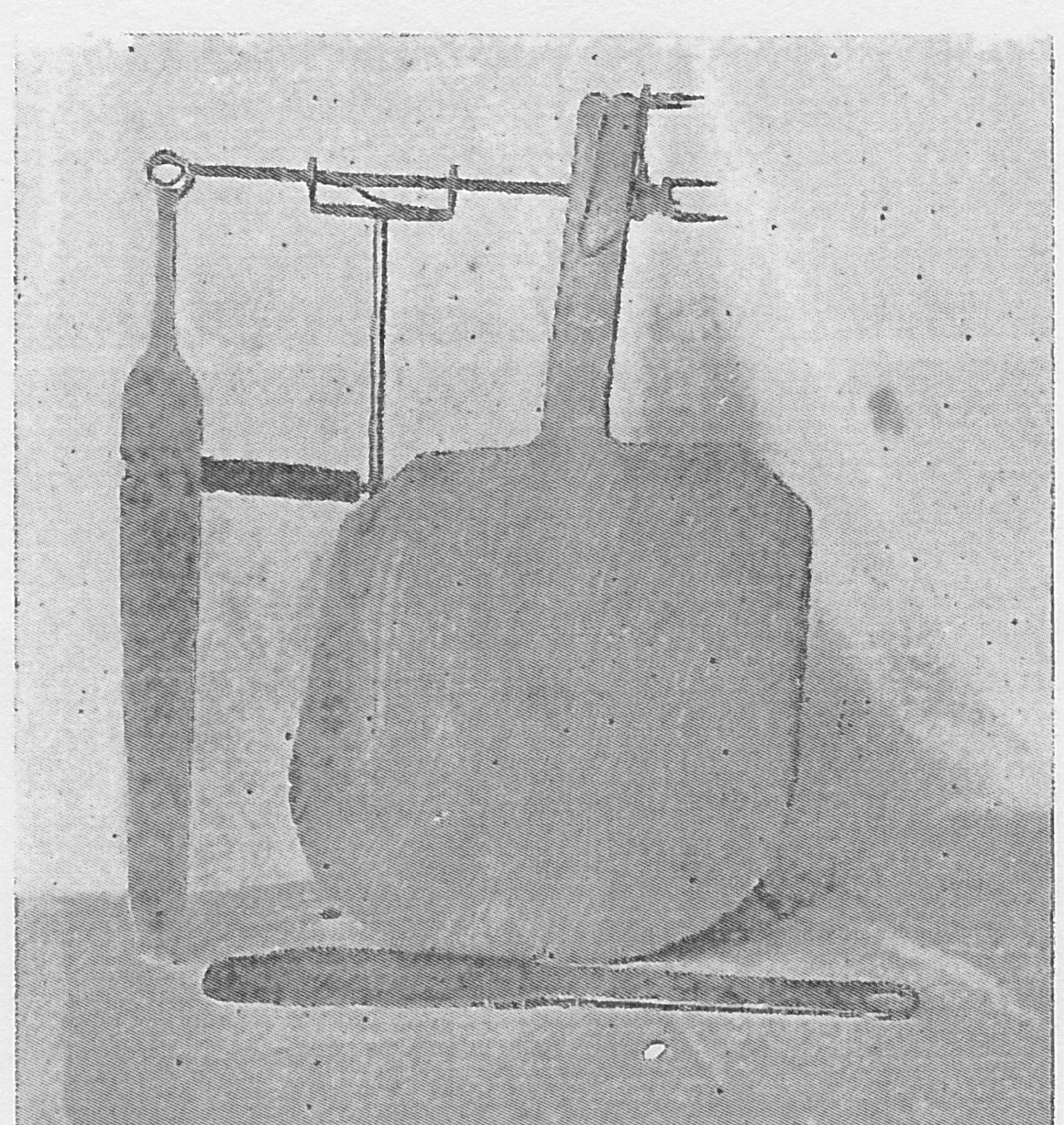
They both use a bakestone or griddle (or whatever you call yours – there are quite a few names for the usually round, usually iron piece of iron we bake our crumpets, drop scones, muffins and Welsh cakes upon) and I thought we should discuss using them and some of the best of British bakestone bakes.

We talk about the place of bakestones and griddles in British food culture, Welsh cakes, bannocks and pikelets, classic writers such as Bobby Freeman and F. Marion McNeill and the applied uses of bacon fat, amongst many other things.

The British Food History Podcast is available to download on all podcast apps; alternatively, you can stream it via this Spotify embed:

Ross’s Welsh cakes on his bakestone

Those listening to the secret podcast get plenty of bonus material where we discuss adapting traditional recipes to keep them relevant, how annoyed I get when classic recipes get messed around with, what we get out of recreating historical recipes and buttermilk – plus more.

Follow Peter on social media: @TenementKitchen on Facebook, Insta, Bluesky, X and TikTok

Follow Ross on Social Media: @theguiri on Insta, @rosswclarke on X and Facebook

Tenement Kitchen website

The Welsh Kitchen on Substack

Season 10 of the podcast is sponsored by Netherton Foundry, makers of high-quality kitchen and outdoor cookware. Netherton Foundry ships to several countries outside of the UK, including the USA and Canada. Visit www.netherton-foundry.co.uk to find out more about their wonderful products – approved not just by me but by folk such as Tom Parker-Bowles, Diana Henry and Nigella Lawson.


If you can, support the podcast and blogs by becoming a £3 monthly subscriber, and unlock lots of premium content, including bonus blog posts and recipes, access to the easter eggs and the secret podcast, or treat me to a one-off virtual pint or coffee: click here.

Things mentioned in today’s episode

A Book of Welsh Bakestone Cookery by Bobby Freeman

First Catch Your Peacock by Bobby Freeman

First Principles of Good Cookery by Lady Llanover

The Scots Kitchen by F. Marion McNeill

English Food by Jane Grigson

Knead to Know: A History of Baking by Neil Buttery

World Bannock Day

Ross’s article about Welsh cakes

Ross’s article The Joy of the Bakestone (with bara planc recipe)

The Scottish Food History Podcast episode about F. Marion McNeill – part 1 with Jeremy Lee

Peter’s morning rolls UNSECO bid

Serve it Forth Food History Festival EARLY BIRD TICKETS AVAILABLE NOW!

Previous pertinent blog posts

The Griddle Cakes & Pancakes section on Neil Cooks Grigson

Pancake Day

To Make Muffins

To Make Crumpets

The Muffin-Crumpet Continuum

Singin’ Hinnies

Previous pertinent podcast episodes

A History of Baking with Sam Bilton & Neil Buttery

The Philosophy of Puddings with Neil Buttery, Peter Gilchrist & Lindsay Middleton

Derbyshire Oatcakes with Mark Dawson

Lent episode 1: Preparing for Lent

B is for Bakestone, Bechamel & Barbecue

C is for Custard, Chancellor’s Buttocks & Crumpets

Don’t forget, there will be postbag episodes in the future, so if you have any questions or queries about today’s episode, or indeed any episode, or have a question about the history of British food please email me at neil@britishfoodhistory.com, or leave a comment here.

Leave a comment

Filed under baking, Britain, cooking, food, General, history, Podcast, Uncategorized

Derbyshire Oatcakes with Mark Dawson

My guest today is Mark Dawson, food historian, specialising in the food of the Tudor period, but also food of Derbyshire. We met up at Mark’s home in Derbyshire to talk all things Derbyshire oatcakes.

Mark and I talk about the oatcakes of Britain, doshens and sprittles, the usefulness of probate inventories, oatcakes as penance, and oatcake goblins – amongst many other things.

It’s available on all podcast platforms and YouTube. If you’re not a podcast/YouTube sort of person, listen here:

Those listening to the secret podcast can hear about other Derbyshire foods made from oats; a discussion about why oatcake is better than porridge; and I grill Mark on one very important matter: just what is the difference between a Derbyshire and a Staffordshire oatcake.

Follow Mark on Instagram @drdobba

Mark’s book Lumpy Tums: Derbyshire’s Food & Drink will be published by Amberley in April 2026

Mark’s previous book Plenti and Grase (2009) is published by Prospect Books

Mark Dawson’s Food History Pages

Mark’s SpeakerNet profile

Remember: Fruit Pig are sponsoring the 9th season of the podcast and Grant and Matthew are very kindly giving listeners to the podcast a unique special offer 10% off your order until the end of October 2025 – use the offer code Foodhis in the checkout at their online shop, www.fruitpig.co.uk.


If you can, support the podcast and blogs by becoming a £3 monthly subscriber, and unlock lots of premium content, including bonus blog posts and recipes, access to the easter eggs and the secret podcast, or treat me to a one-off virtual pint or coffee: click here.


This episode was mixed and engineered by Thomas Ntinas of the Delicious Legacy podcast.

Things mentioned in today’s episode

Serve it Forth website

Serve it Forth Eventbrite page

Find out more about Joan Thirsk

General View of the Agriculture and Minerals of Derbyshire by John Farey (1811)

Mark’s research on oatcakes can be found in Farmers, Consumers, Innovators: The World of Joan Thirsk (2016)

Neil’s other blog and YouTube channel

The British Food History Channel

‘Neil Cooks Grigson’

Don’t forget, there will be postbag episodes in the future, so if you have any questions or queries about today’s episode, or indeed any episode, or have a question about the history of British food please email me at neil@britishfoodhistory.com, or leave a comment on the blog.

Leave a comment

Filed under baking, Britain, cooking, General, history, Podcast

Scones: A Brief History

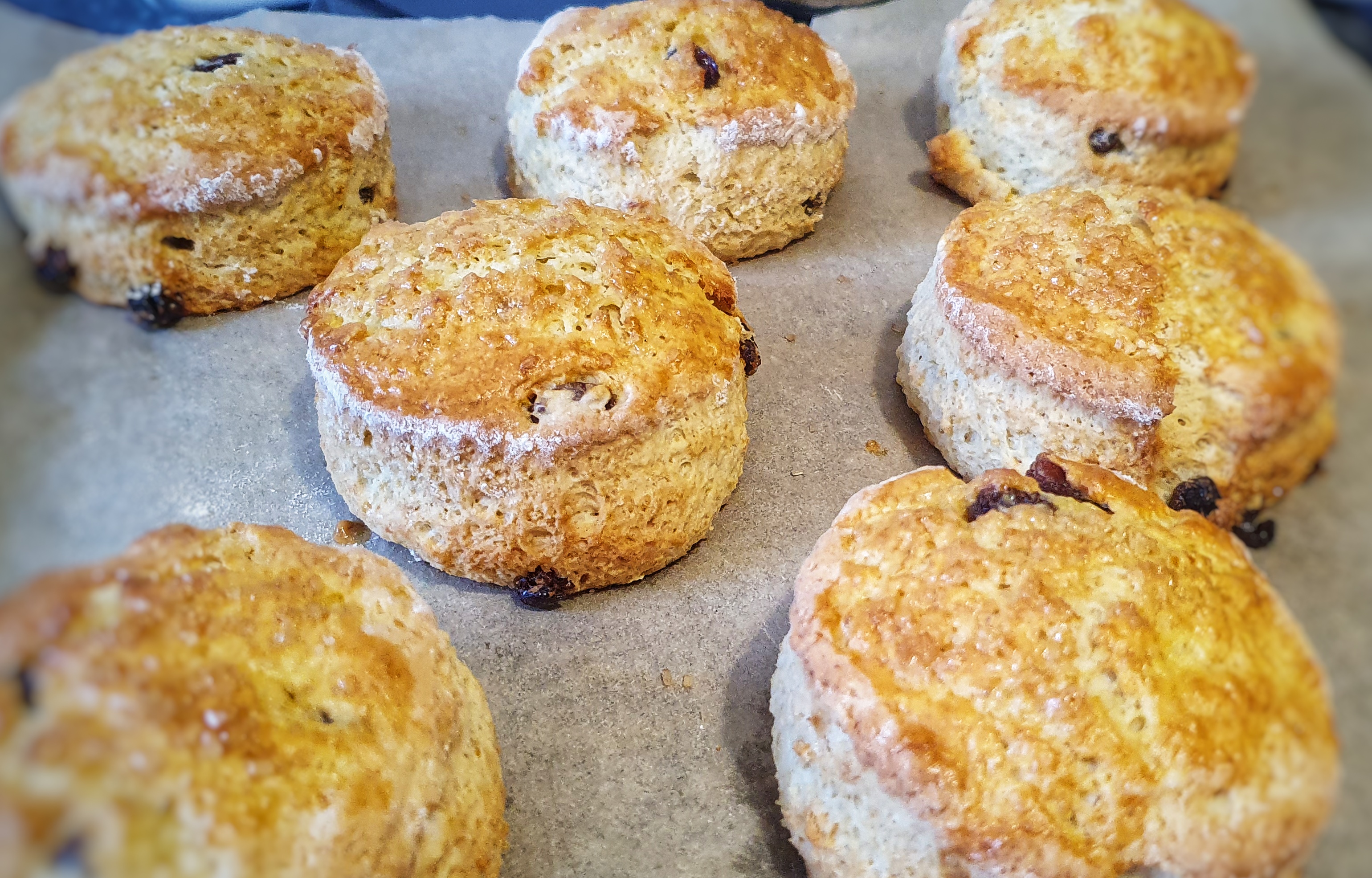
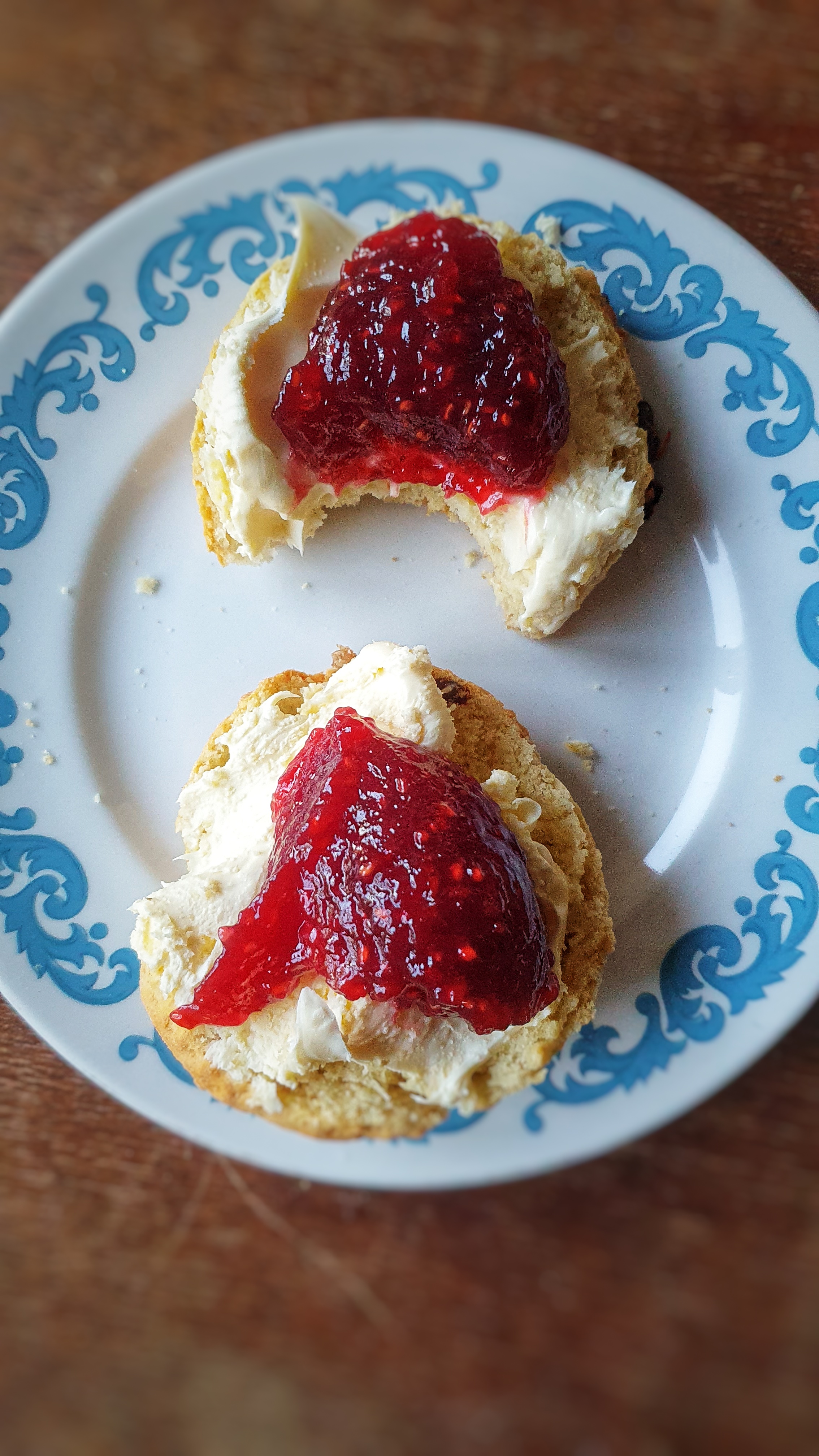
A couple of posts ago I gave you my recipe for scones. As with many foods, there is a variety of baked things that are called scones, which can cause a certain amount of confusion (see also: pudding[1], bun and cake[2]). My recipe is for what I think most people would consider a ‘proper’ scone: cakey, slightly dry and crumbly and therefore served spread with lashings of jam and butter or clotted cream. In other words, the scone one receives when ordering a cream tea. Despite its modern link with Devon and Cornwall, the scone most certainly originated in Scotland. These scones were baked not in ovens but on girdles/griddles or bakstones/bakestones, and there are two main types: those made from a runny batter and baked on a lightly greased griddle, often called drop scones today, or ‘Scotch’ pancakes outside of Scotland.[3] The second type is more cakelike; a dough that may be shaped into one large round and baked whole as a bannock, or cut into triangles as scones. The scones may also have been made by rolling out the dough and cutting out rounds. However they were shaped, these scones were cooked on a lightly-floured girdle.[4]

For more about the history of bakestones and griddlecakes see my book Knead to Know: A History of Baking, published by Icon Books.

Wheaten bread may have been used in both types of scone, but more often they were made from oats or barley and sometimes peasemeal in the very north of Scotland.[5] For delicious potato scones, some of the wheat flour is replaced with leftover mashed potatoes. Scones are typically chemically raised with bicarbonate of soda activated usually with soured buttermilk, but seeing as the word scone goes as far back as the early 16th century, this cannot have always been so; chemical raising agents were not widely available until the latter half of the 18th century. I do see recipes that use yeast and others with no leavening at all. I strongly suspect that the early scones would have been made with sourdoughs.

This is a sowans scone – made with the sour liquid poured off from fermenting sowans instead of the usual cultured buttermilk

Recipes begin to travel south and cross the border. Jane Grigson mentions a Northumbrian scone that is made with wholewheat flour and is leavened by yeast.[6] F. Marion McNeill, writing in the 1920s observes that ‘scones [are] popular in England now, but there are no recipes in Beeton’s book’, meaning – of course – the fantastically comprehensive Beeton’s Book of Household Management of 1861.[7] There are several recipes for scones in Cassell’s Dictionary of Cookery (1883) and Robert Wells’ Pastry & Confectioners’ Guide (1892).[8] Interestingly, none of them are baked in ovens despite many homes having ovens by this point in history.

However, in Good Things in England (1932), that wonderful collection of traditional English recipes by Florence White, there are recipes for scones baked both in ovens and on griddles. A variety of flours are being used too, including oatmeal and ‘Maize or Indian Meal’.[9] Baked scones – in England, at least – quickly take over and usurp not only the griddlecake variety of scones, but also the Devonshire/Cornish split in the cream tea.[10] But in the 21st century, these baked scones move even further away from their origins – egg is added for richness, milk is used over the now tricky to find buttermilk (in combination with baking powder).

For many folk, scones will be forever associated with the south-western peninsula of England, but it is important to remember, as Catherine Brown and Laura Mason put it in The Taste of Britain (1999): ‘Few English people would appreciate that [scones are] as Scottish as oatmeal porridge.’[11] I hope you appreciate it now!


If you like the blogs and podcast I produce and would to start a £3 monthly subscription, or would like to treat me to virtual coffee or pint: follow this link for more information. Thank you.


Notes:

[1] This is discussed at length in my book The Philosophy of Puddings (2024).

[2] These are discussed in my book Knead to Know: A History of Baking (2024).

[3] These griddlecakes are also the forerunner to the sublime fluffy American pancake

[4] Buttery, N. (2024). Knead to Know: A History of Baking. Icon Books; McNeill, F. M. (1968). The Scots Kitchen: Its Lore & Recipes (2nd ed.). Blackie & Son Limited.

[5] Buttery, N. (2018, April 17). Pease Pancakes. British Food: A History.

[6] Grigson, J. (1992). English Food (Third Edit). Penguin. I have – of course – cooked this recipe as part of my Neil Cooks Grigson project all the way back in 2008. I didn’t do a very good job of it and it requires a revisit. Read the original post here.

[7] McNeill (1968)

[8] Cassell. (1883). Cassell’s dictionary of cookery. Cassell, Petter, Galpin & Co.; Wells, R. (1892). The Pastry Cook & Confectioners’ Guide. Crosby Lockwood and Son.

[9] White, F. (1932). Good Things in England. Persephone.

[10] Buttery, N. (2019, October 19). Cornish Splits (& More on Cream Teas). British Food: A History.

[11] Mason, L., & Brown, C. (1999). The Taste of Britain. Harper Press.

5 Comments

Filed under baking, Britain, cake, cooking, food, General, history, Scotland, Uncategorized

Singin’ Hinnies

In my book Knead to Know: A History of Baking, I made sure that there was a full chapter focussing on griddlecakes: food baked on hearthstones, bakestones and iron griddles. Of course, when writing the chapter, I took much inspiration from Jane Grigson’s baking recipes in English Food. I was surprised by the great variety. These days the English barely think beyond the crêpe.

It’s been a while since I posted a recipe for a griddlecake, and I have had this one, for singin’ hinnies, waiting in the wings for a while. These little cakes are a rather forgotten speciality of Northumberland. I first made these for the Neil Cooks Grigson project in its very early days and I didn’t do a great job of interpreting Jane’s recipe.[1] I have improved greatly since then. The real prompt to get this recipe out there was my conversation with Sophie Grigson, Jane’s daughter, for a recent episode of The British Food History Podcast all about Jane’s work. The topic of singin’ hinnies cropped up because Jane’s entry for it in English Food is particularly evocative. Listen to the episode here:

These griddlecakes, enriched with lard and butter and sweetened only by dried fruit, were eaten by all, and were especially at children’s parties where tuppeny and thruppenny pieces were hidden inside.[2] These once ubiquitous cakes were, for many families, sadly the ‘substitutes for the birthday cake [they] could not afford.’ The word ‘hinnie’ is a dialect one for honey, a term of endearment, and the ‘singin’’ refers to the comforting sizzle of the butter and lard from the cooking griddlecakes, although Jane does point out that ‘the singin’ hinnies made less of a song for many people as they could not afford the full complement of butter and lard.’[3]

I have found other mentions of singin’ hinnies elsewhere but recipes and descriptions are very vague. I did find two nineteenth-century descriptions that really emphasised their importance at the dinner tables of miners – Northumberland being very much a colliery county. The job required very calorific food, so these griddlecakes served an important function. One stated that ‘miner’s food consisted of plum pudding, roast beef and “singing hinnies”.’[4] Another, written by J.G. Kohl, a German travel writer, informs us that ‘[the colliers] even have dishes and cakes of their own; and among these I was particularly told of their “singing hinnies”, a kind of cake that owes its epithet “singing” to the custom of serving it hissing hot upon the table…They are very buttery, and must never be absent on a holiday from the table of a genuine pitman.’[5]

Jane reckons they are the second-best British griddlecake; for her, Welsh cakes take the top spot.


If you like the blogs and podcast I produce and would to start a £3 monthly subscription, or would like to treat me to virtual coffee or pint: follow this link for more information. Thank you.


Recipe

I give you my interpretation of Jane’s recipe with more precise ingredients and method. I have found all other recipes to be either too vague in the amount of liquid that should be added, or, when specific, far too dry. I do hope you find this recipe clear; I know it must work because the hinnies sing loud and true as they cook on the griddle.

A proper singin’ hinnie should be made with equal amounts of butter and lard. If you are vegetarian, avoid using shortening such as Trex, instead go posh and use all butter.

Makes 24 to 28 griddlecakes

500 g plain flour, plus extra for rolling

1 tsp baking powder

¾ tsp salt

125 g lard, diced

125 g butter, diced

180 g dried mixed fruit

220-240 ml milk

Extra lard for frying

Extra butter for buttering the insides of the singin’ hinnies

Mix the flour, baking powder and salt in a bowl, then rub in the lard and butter until the mixture resembles breadcrumbs, then add the dried fruit and mix again.

Make a well in the centre, add most of the milk and mix to make a nice soft dough – it’s a good idea to use the old-fashioned method of combining everything using a cutting motion with a butter knife; that way you ensure the liquid is combined with the other ingredients without overworking the gluten in the flour. Add the remaining milk should there be any dry patches.

Lightly flour your worktop and knead the dough briefly so that it becomes nice and smooth. Let it rest as you get your bakestone, griddle or pan ready.

Place the bakestone on a medium heat and allow to get to a good heat; because there is no sugar in the mixture, the cakes don’t burn easily.

As you wait for it to heat up, roll the dough on a lightly floured surface to a thickness of around ¾ centimetre and cut out rounds. I used a 7-centimetre cutter, but 6- or 8-centimetre cutters will be fine. You might find it easier to cut them out if you dip your cutter in flour and tap away any excess. Reroll the pastry and cut out more.

Take a small piece of lard, quickly rub it over the surface of the bakestone and cook your first batch: mine took 5 to 6 minutes on each side to achieve a nice golden brown colour on the outside and a fluffy interior (I sacrificed one to check inside). Split each one with a knife and add a small pat of butter, close and keep them warm in the oven on a serving plate as you cook the rest.

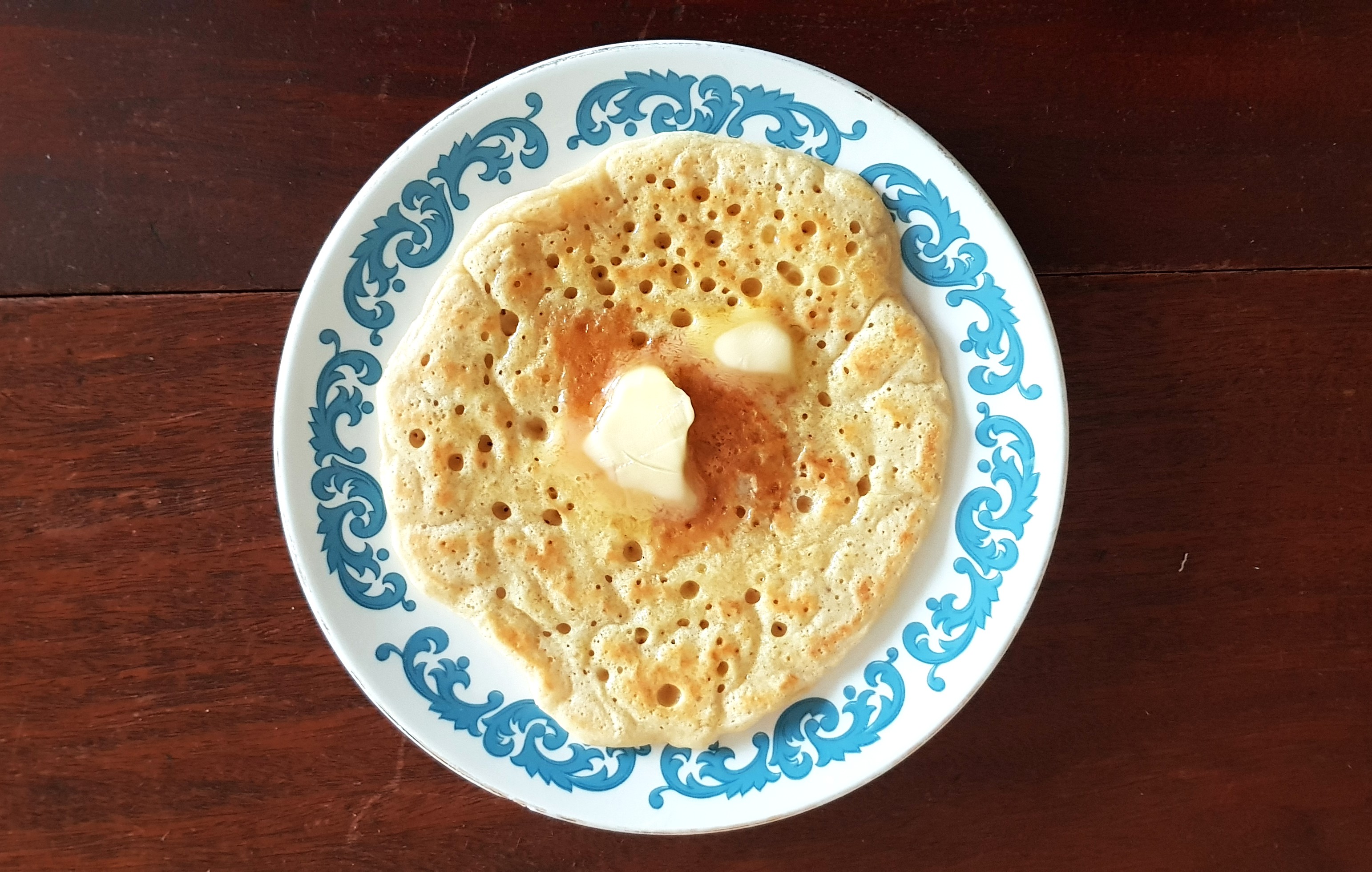
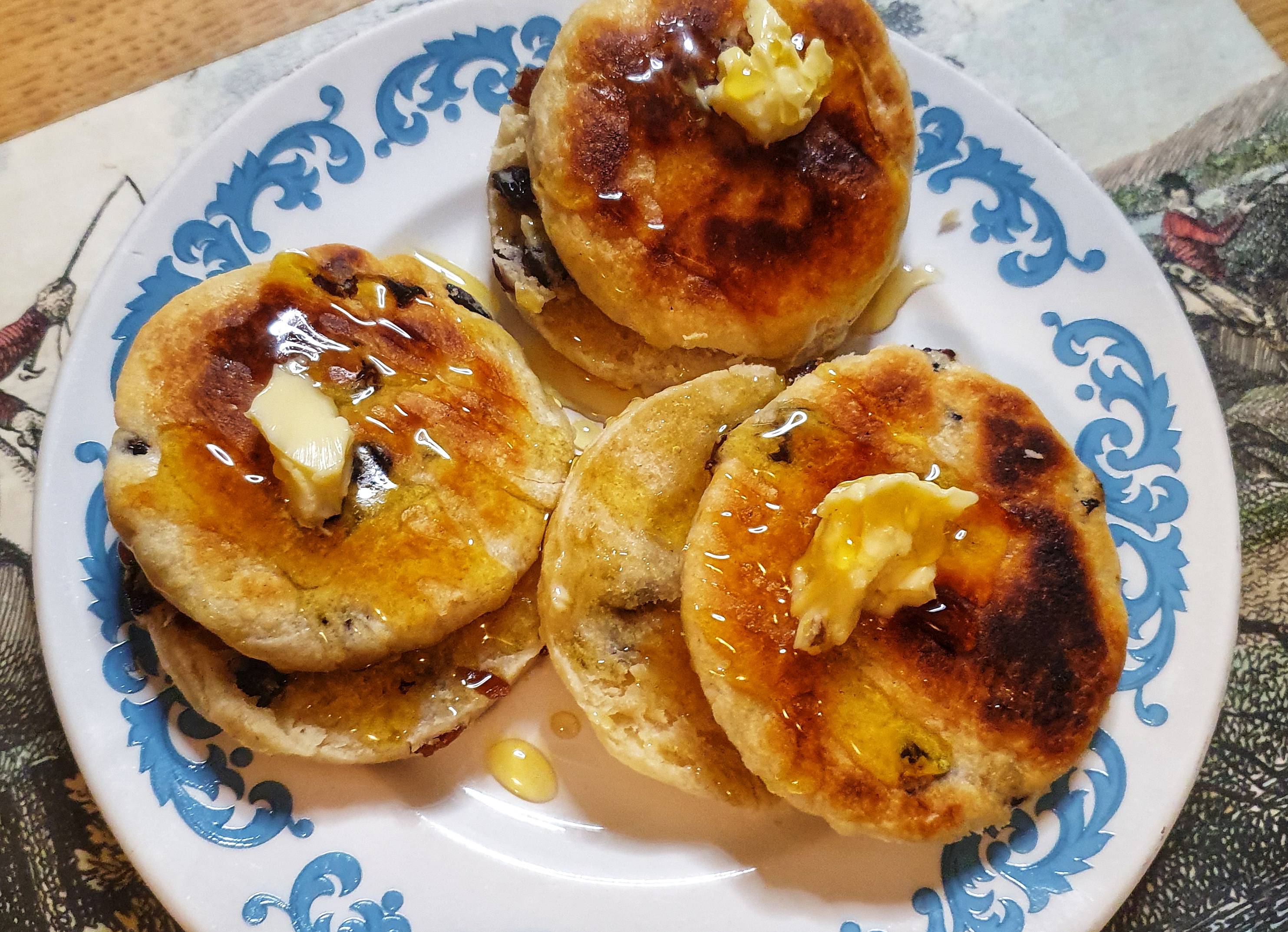
Serve warm with your favourite toppings. I went with good old golden syrup (and an extra knob of butter).


Notes

[1] Read the original post here.

[2] i.e. two-penny and three-penny coins.

[3] Grigson, J. (1992) English Food. Third Edit. Penguin.

[4] Fynes, R. (1873) Miners of Northumberland and Durham. J. Robinson.

[5] Kohl, J.G. (1844) England, Wales and Scotland. Chapman and Hall.

5 Comments

Filed under baking, Britain, cake, cooking, food, General, history, Nineteenth Century, Recipes, Teatime, Uncategorized

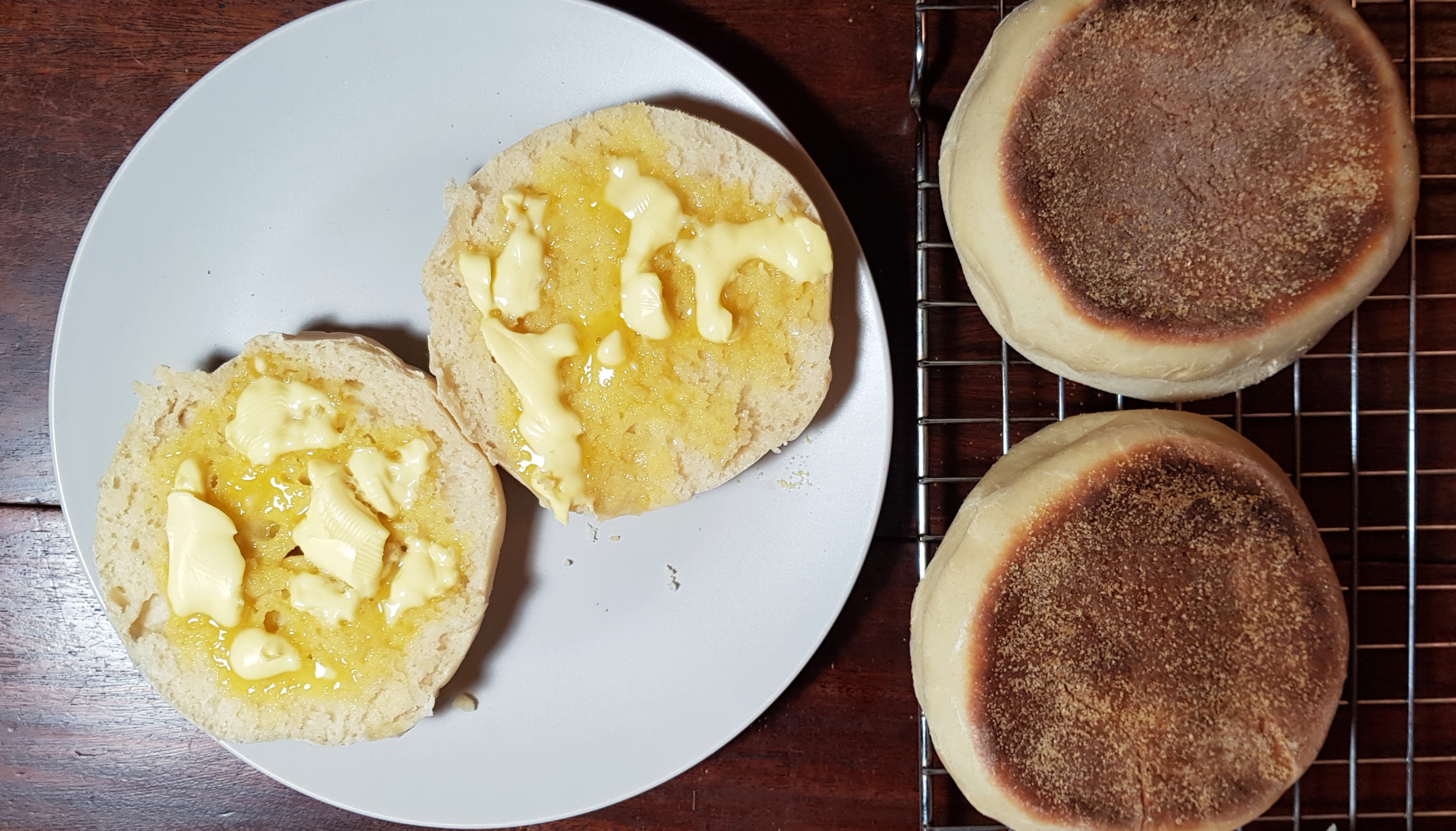
To Make (English) Muffins

Here we go…the third part in my trilogy of posts about muffins and crumpets.

Of the two, muffins do seem to be the most labile of the tea cakes: sometimes they are a crumpet in all but name, and other times they are somewhere in between, and because I am a total geek, I have decided to illustrate this observation in a table.

In the columns are six characteristics of muffins and crumpets and then compared old recipes and given them a score out of six for each match. Full marks means it is what we would call a classic muffin today, zero marks means it’s a crumpet and I have put these in the first two rows as controls. As you can see, muffins are all over the shop, achieving the full gamut of scores:

Muffin recipe100%
strong flour
Added egg?Added butter?Dough is cut out
or made into rolls?
Cooked in rings?A batterMuffin score
/6
Proper muffins (2020)YYYYNN6/6
Proper crumpets (2020)NNNNYY0/6
Delia Smith (1983)YNYYNN5/6
Elizabeth David (1977)YYYYNN6/6
Florence Jack (1914)NYYNYY2/6
Mrs Beeton (1861)NNNYNN2/6
Elizabeth Hammond (1817)NYYYNN5/6
Hannah Glasse (1747)NNNNYY0/6

The oldest recipe I found appears to actually be a crumpet, but for the next one we seem to have a proper muffin – it doesn’t quite achieve full marks because plain flour is used, but 200 years ago strong flours were much less common than today, so I’m prepared to forgive that one. As we move up the table there’s a bit of a wobble, settling down again in the 1970s to become proper muffins once more.

One thing that has changed is the amount of liquid used for the dough, in the nineteenth century, it was so soft that it required a seasoned professional: “Practice and judgement are required to make one proficient in muffin-making” said Robert Wells in the Bread and Biscuits Assistant 1929.

The dough was almost batter, and it had to be deftly formed into blobs that were then set to prove inside dimples made in thickly spread flour. They were then gingerly lifted onto an iron griddle, bakestone or oven bottom.

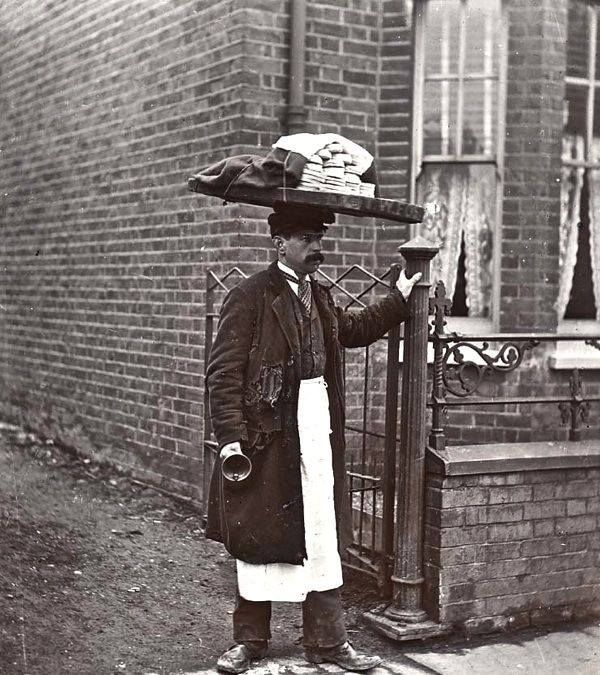
A muffin man c. 1910. Muffin men were a dying breed at this time

In the Victorian era, the muffin was the essential teacake for teatime and they often bought from the muffin man who would ring his bell a little before tea, summoning the occupants of the houses who would rush out to purchase some of his muffins (or where they crumpets!?) “well swathed in flannel” to keep them warm. Then, in the 1840s a Parliamentary Act was passed prohibiting ‘costermongering’ by the beating of a drum or ringing of a bell. I’m pleased to say that no one took a blind bit of notice and a clandestine trade in warm muffins continued unabashed. By the 1910s the muffin was seen as old-fashioned by many:

“Muffins are essentially an old-fashioned fare…They are not now regarded as essentials on the tea tables of the present generation…The ordinary baker sells so few that it is not worth his while to keep a hot-plate for their manufacture”

John Kirkland, The Modern Baker, Confectioner and Caterer, 1907

Doughs became easier to handle in the twentieth century, requiring less skill and labour, and in the days of mass-manufacture they became more bread-like.


If you like the blogs and podcast I produce, please consider treating me to a virtual coffee or pint, or even a £3 monthly subscription: follow this link for more information.


To Toast a Muffin:

Of course you can eat your muffin as soon as it comes of the griddle, but should you wish to toast them later it is important you get it right: “I should like to draw attention to the old method of toasting the muffin in the North of England” says a Mr Dupois Brown in 1931, who suggests “slightly opening its joint all around before toasting it both front and back; then tearing open and buttering the inside halves liberally…but in all the teashops where I have ordered muffins it was toasted on the inside, thus causing it to be tough, leathery and indigestible.” You have been warned.

Circumferential incision made ready for toasting!

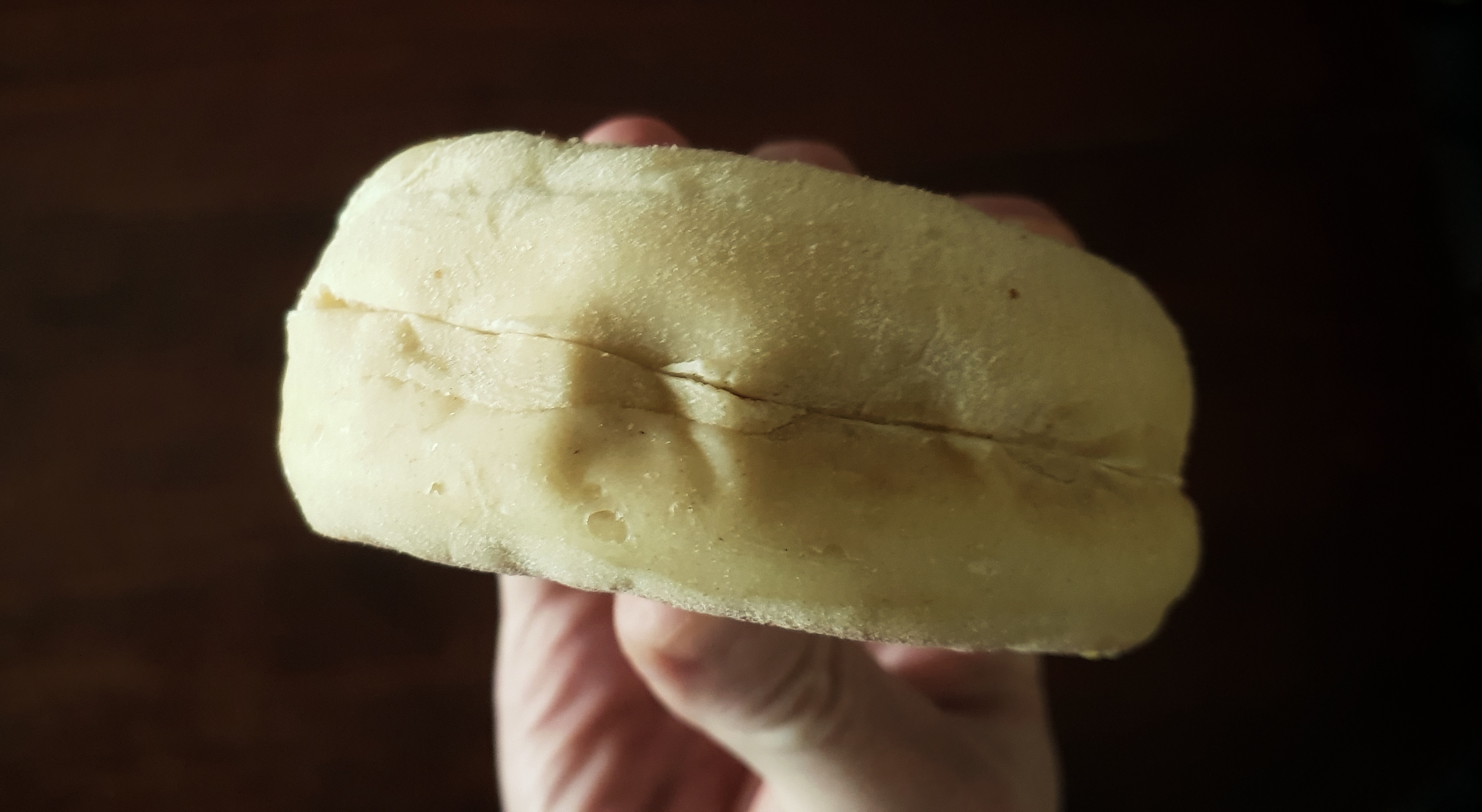
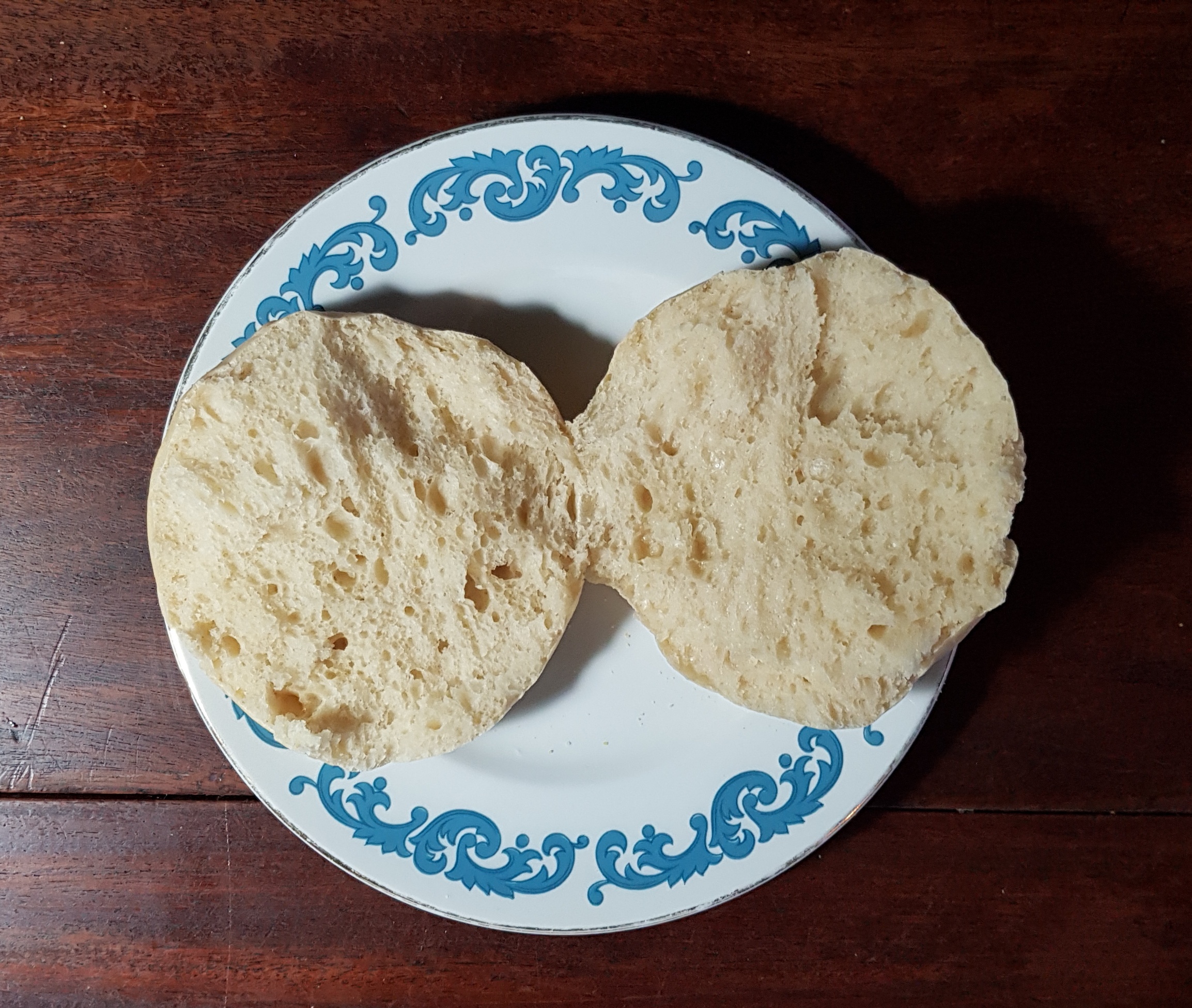
My recipe uses more liquid that other muffin recipes out there, but the dough can still be rolled and cut out with relative ease – you’ll need a mixer for kneading the dough though as it is very soft and sticky. One batch makes between 8 and 12 muffins depending upon the size of cutter you prefer. As Jane Grigson notes, it is very satisfying to watch them “rise and swell rather like a puffball fungus.”

500 g strong white flour

2 tsp instant yeast

1 ½ tsp salt

30 g softened butter

1 egg

330 ml milk, warmed

A little sunflower oil

Semolina or polenta for dusting

Mix the flour, salt and yeast in a bowl, make a well and add the butter, egg and milk. Then mix to combine. It is best to use a dough hook attachment on a food mixer for this; start on a slow speed, and then once fully incorporated, turn up the speed to knead until smooth and elastic, around 6 minutes.

Smear a little oil on the inside of a bowl then oil your hands and gather up the soft dough and pop it in. Cover with cling film or a damp tea towel and leave to rise in a warm place; because of the added butter and egg it will take a little longer than for a regular bread dough, about 90 minutes.

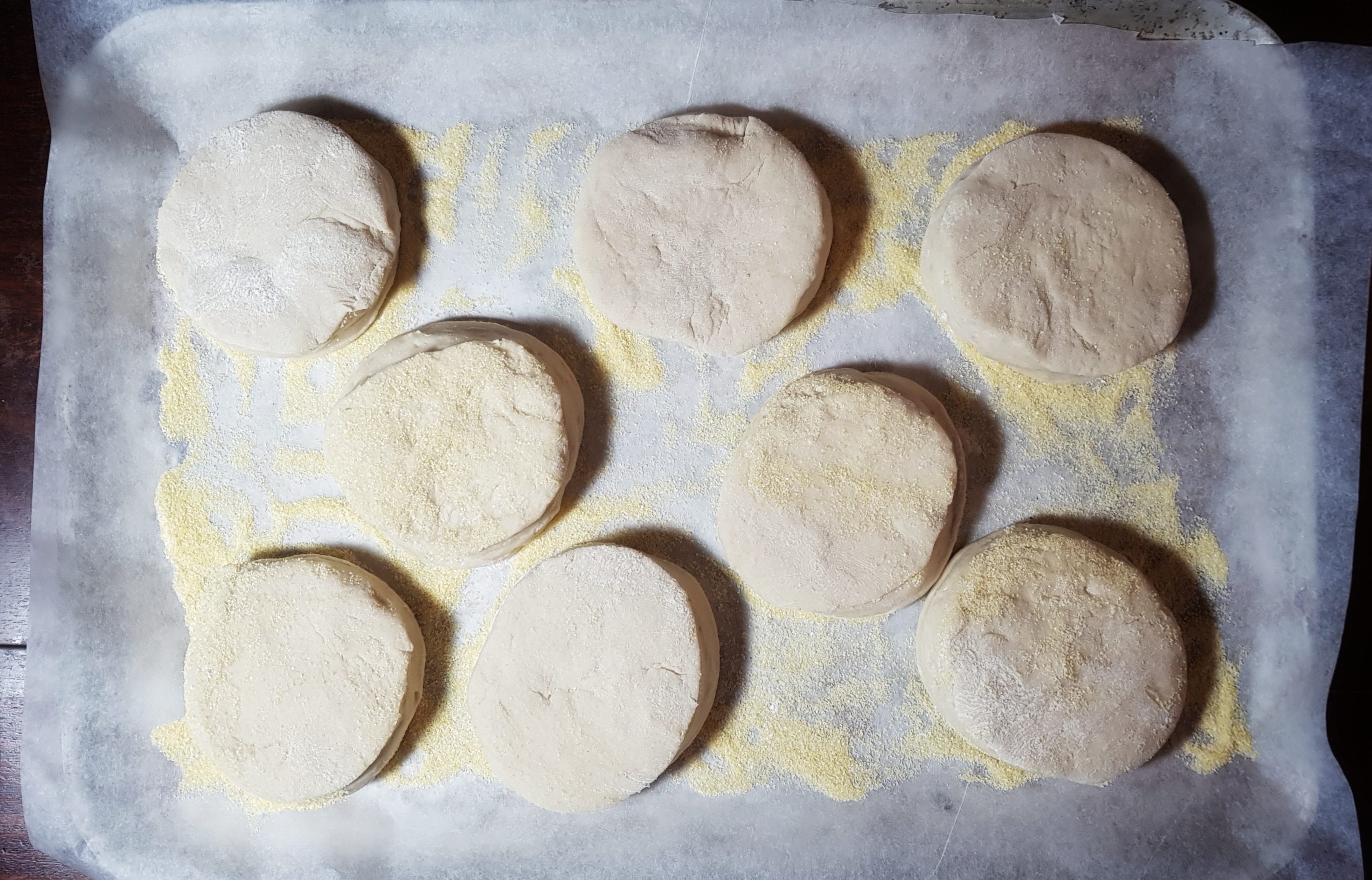
Lay out a piece of greaseproof paper or a tray and scatter with the semolina or polenta.

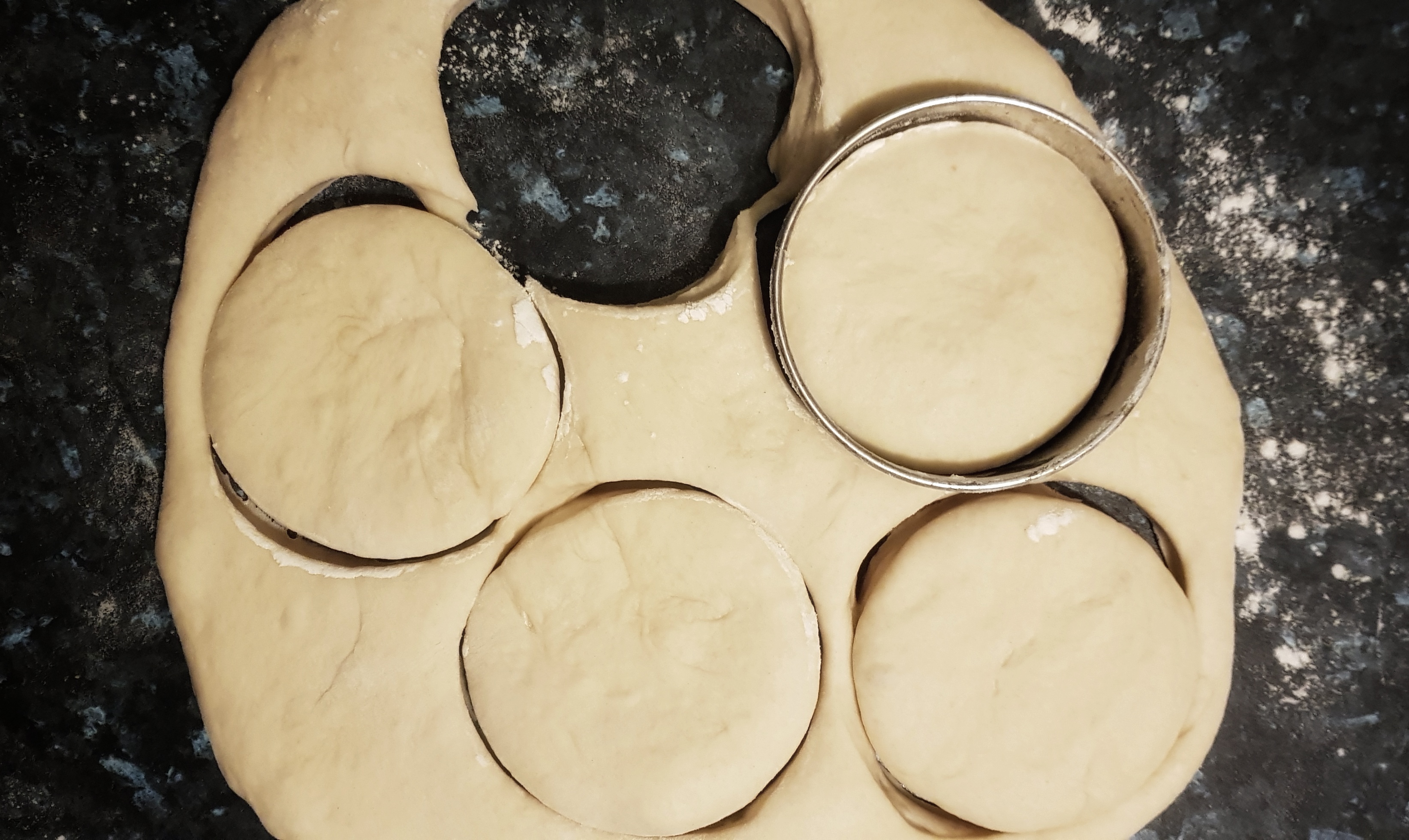
Knock back the dough and roll out on a floured surface to a centimetre’s thickness, then cut out. I wanted quite large ones, so I went with a 9 cm one, but feel free to use whatever size you like. Because the dough is soft, it’s a good idea to dip the cutter in flour between cuts to prevent sticking.

Lay the muffins on the polenta/semolina and turn them over so that both sides get a coating. Knead the trimmings together and cut out more muffins. Cover them and leave to prove for 30 minutes.

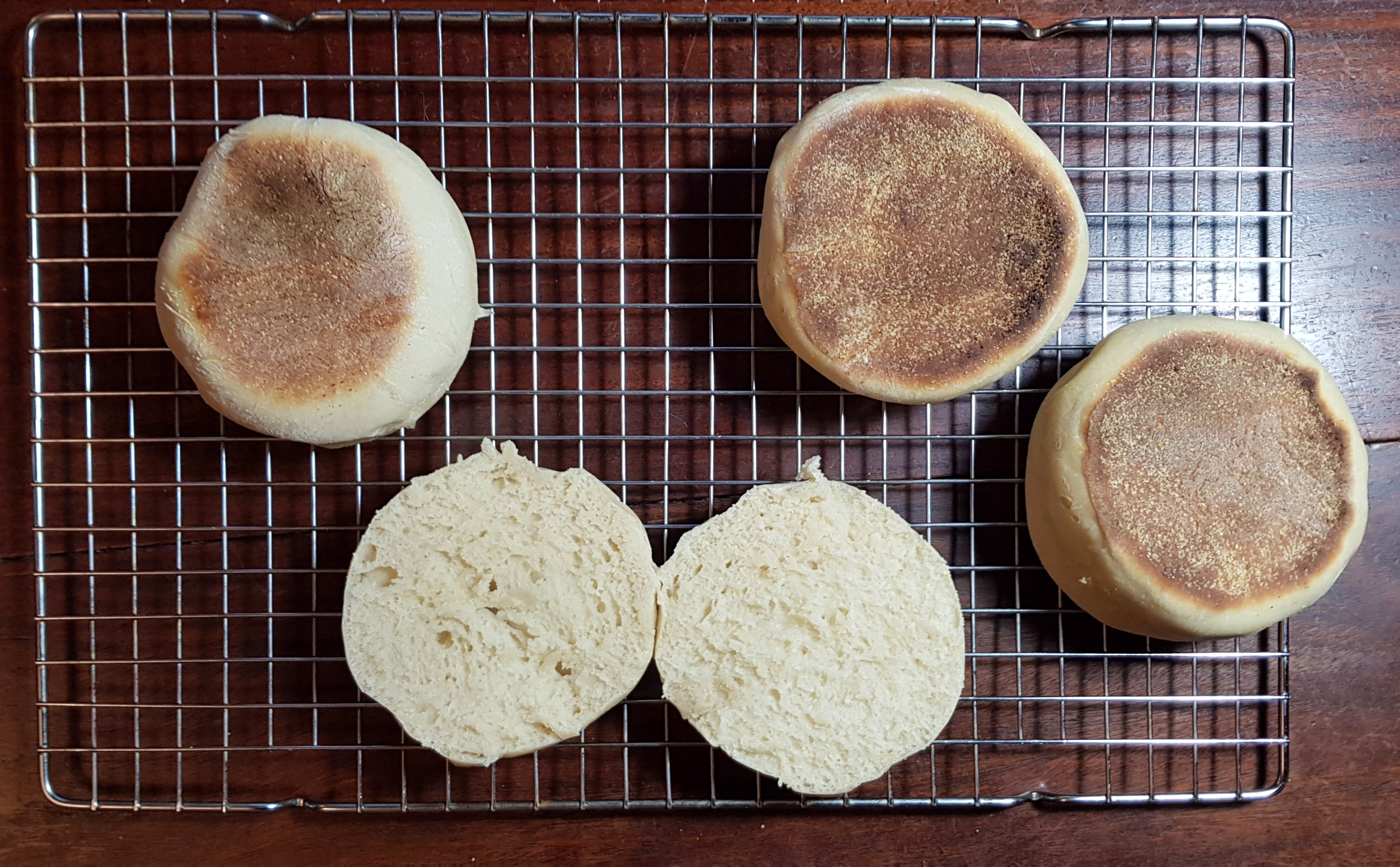
Heat your pan or griddle over a medium-low heat and cook the muffins in batches. Cook on one side for around 10 minutes until golden brown, and then turn over and cook for a further 6 to 8 minutes.

Eat straight away or cool on a rack and store in a tin or tub.

References

English Bread and Yeast Cookery (1977) by Elizabeth David

English Food, Third Edition (1992) by Jane Grigson

Good Things in England (1932) by Florence White

9 Comments

Filed under baking, bread, Britain, cooking, food, General, history, Recipes, Teatime, Uncategorized