Category Archives: General

A Very Brief History of Bread

Recently I have very much gotten into bread-making so I thought I would try to tackle a post on its history. Within about 3 minutes of researching, I realised that there is quite literally volumes off stuff and there is no way I could do it any justice in a single post. But I have to start somewhere, so I thought the symbolism of bread and its early beginnings might be a good place to start…

Bread was the one food that everybody depended upon, and it has been the focus of our daily lives for hundreds of years. We talk of ‘earning a crust’ and ‘dough’ is a slang word for money. When taxes get too high, we complain that we are having ‘the bread taken from our mouths’. Bread itself meant food.  Our lives are so linked with bread that many of our words have roots in bread or bread-making: the word lord is from the Anglo-Saxon hlaford, meaning ‘loaf ward’ and lady from hlaefdige, or ‘loaf kneader’; companion and company come from the Latin companio which means ‘one who shares bread’. Jesus’s flesh is bread, and when we pray, we ask Him to give us ‘our daily bread’ and should we get it, we’re ‘truly thankful’.

The Infant Jesus Distributes Bread to Pilgrims by Murillo 1678

I am not a religious person and don’t say Grace or anything like that. In fact, I don’t know anyone who does, but I remember as a child when we had to say the Lord’s Prayer at assembly, thinking that it was strange that we wanted bread (‘Give us this day our daily bread’). Surely there were much better things than boring old bread like cakes and fizzy pop. Plus we would get dinner anyway, so what was the point?

The Georgian essayist, George Lamb, brings up this very point:

The indigent man, who hardly knows whether he shall have a meal the next day or not, sits down to his fare with a present state of the blessing, which can be feebly attached to the rich…The poor man’s bread is his daily bread, literally his bread for the day. Their courses were perennial.

Do such people exist still today? I don’t think so. I’m not suggesting that there is no poverty of course, but the food of the poor is no longer bread. There is certainly more variety of food if you are poor in this modern age, but cheap food is pretty bad. Is it best to spend your money on a load of insipid flavourless food full of additives, or to buy the ingredients for a few loaves of proper bread? I actually don’t know the answer to that question.


If you like the blogs and podcast I produce, please consider treating me to a virtual coffee or pint, or even a £3 monthly subscription: follow this link for more information.


You need only four ingredients to make bread: flour (though not necessarily wheat flour), water, salt and yeast. The first three ingredients were not that easy to come by; producing flour was a labour-intensive activity, salt was expensive and good quality fresh water might not even have existed in your town or village. Yeast, however, was easy, it could be found happily residing naturally on wheat. When dough is left for a certain amount of time it will begin to naturally ferment and rise as the yeast grows and anaerobically respires to produce bubbles of carbon dioxide. The earliest evidence for making leavened bread comes from Egypt and dates 4000BC, though it didn’t reach Europe until 400BC in Greece where barley flour was used over wheat. According to Aristotle barley bread was bread so white that it out does the ethereal snow in purity. Tone it down, ‘Totle.

Baking Bread by Helen Allingham, 19th Century

Bread wasn’t always sustaining; in the cities, we have been guilty of baking notoriously bad bread. Its peak was during the eighteenth and nineteenth centuries, bakers were displaying very fraudulent behaviour. Additives for whitening were very common; London bread was a deleterious paste, mixed up with chalk, alum, and bone-ashes; insipid to the taste and destructive to the constitution. One pamphlet author even accused the bakers of using ground human bone! We reached this level state because flour wasn’t available to everyone and so there was no choice. Today there are food standards, but for the main part, most of the bread we consume is in no way near what bread could be. However, perhaps we shouldn’t expect it – millions of people need mass-produced foods, so perhaps this is the best, and only way, to do it.

Peel’s Cheap Bread Shop, Punch cartoon from 1846

According to Maguelonne Toussaint-Samat, the French food historian, there were four evolutionary steps that led toward the ‘invention’ of leavened bread.

  1. Pounded grains: raw or fire-roasted grains were eaten crushed or whole.
  2. Decoction, mash or porridge: the raw or cooked grains were pounded or ground and mixed with water to make a dough. The mixture was then either eaten or drunk.
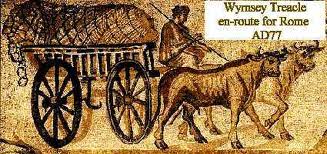
  3. Maza: a thick dough is moulded into the shape of a flat cake and baked on embers, a griddle, an oven or in a glass dome. These were common in the Stone Age and their little-changed descendants still exist today in the form of pitta and chapatti.

  4. Bread: cereals suitable for bread-making are used such as wheat, spelt, oats, rye and buckwheat. Left over dough from a previous baking – the leaven – is added and the dough is left to rise and improve in flavour and texture. It is then cooked in a preheated oven or a glass dome.

So bread is what one’s world revolved around, and it has – in the most part – become a flabby mass-produced pre-sliced affair that somehow turns back into dough when you squash it. In the past, a huge amount of effort was required to bring together the four ingredients and bake them. Future posts will tackle those ingredients and the ways they were cooked, the machines built, the microbes or chemicals used to flavour or leaven, the holy days they were often baked for, and how village and city life depended on the producers of the ‘staff of life’.

Bread recipes added so far:

An Everyday Loaf

Coburg

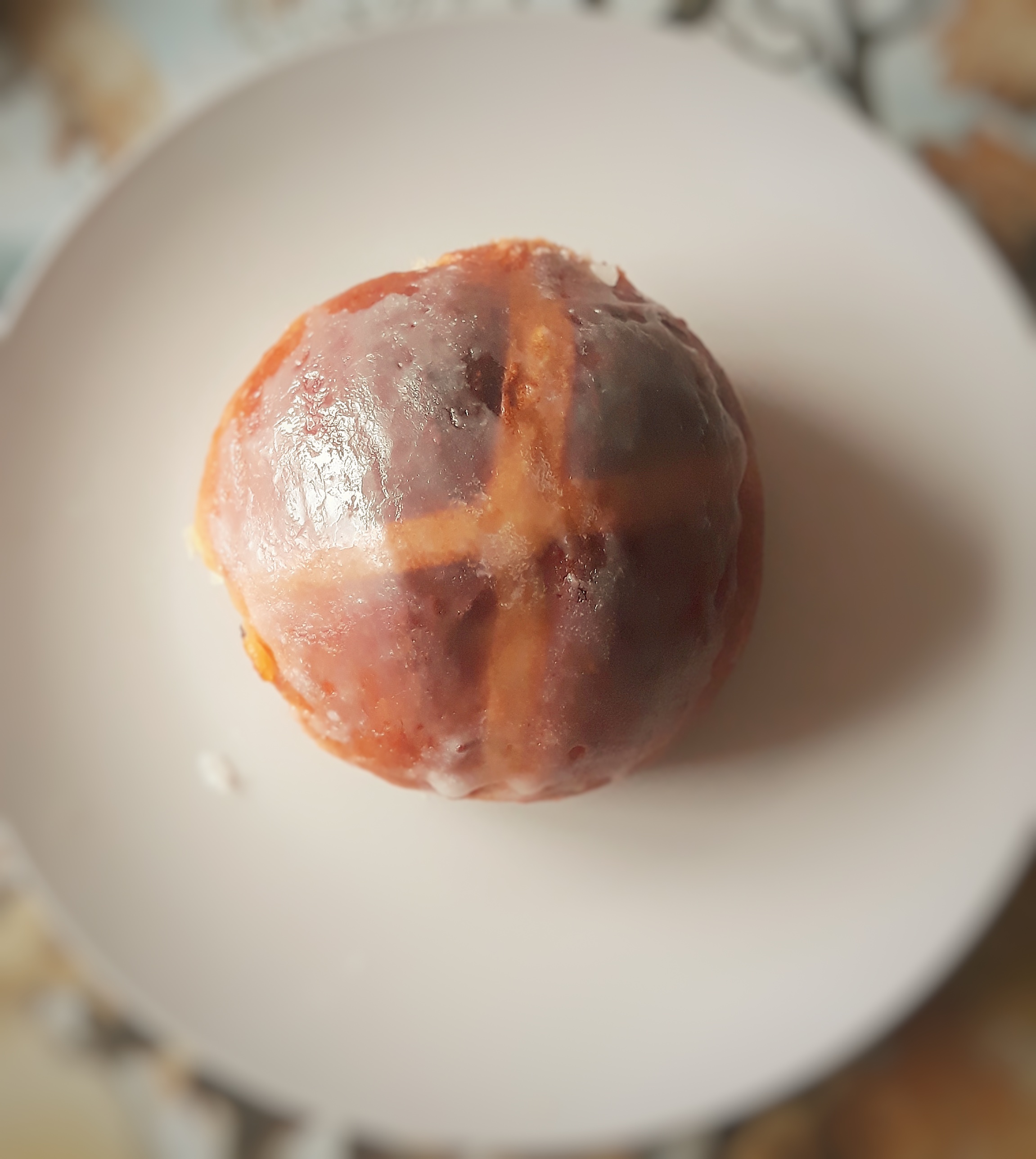
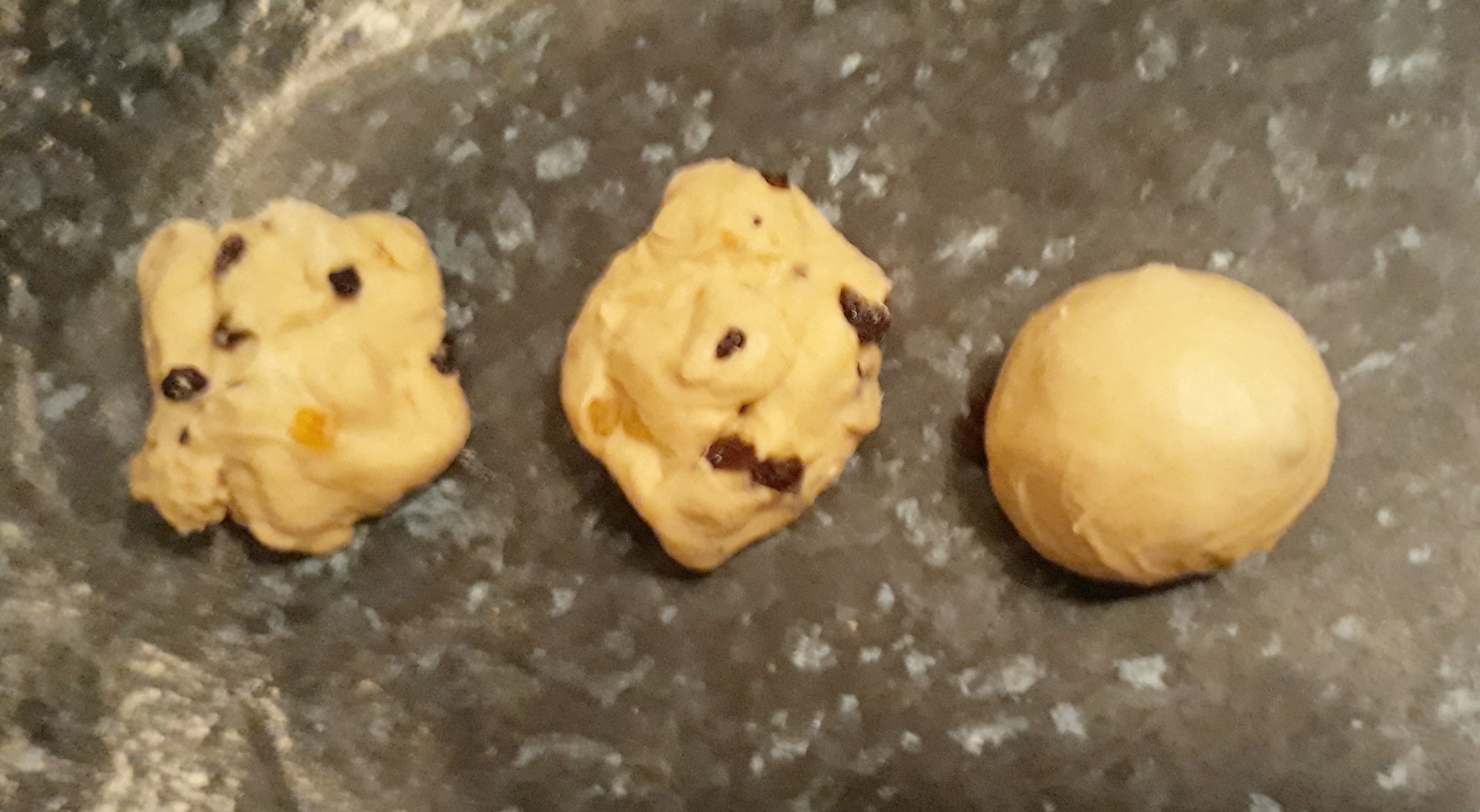
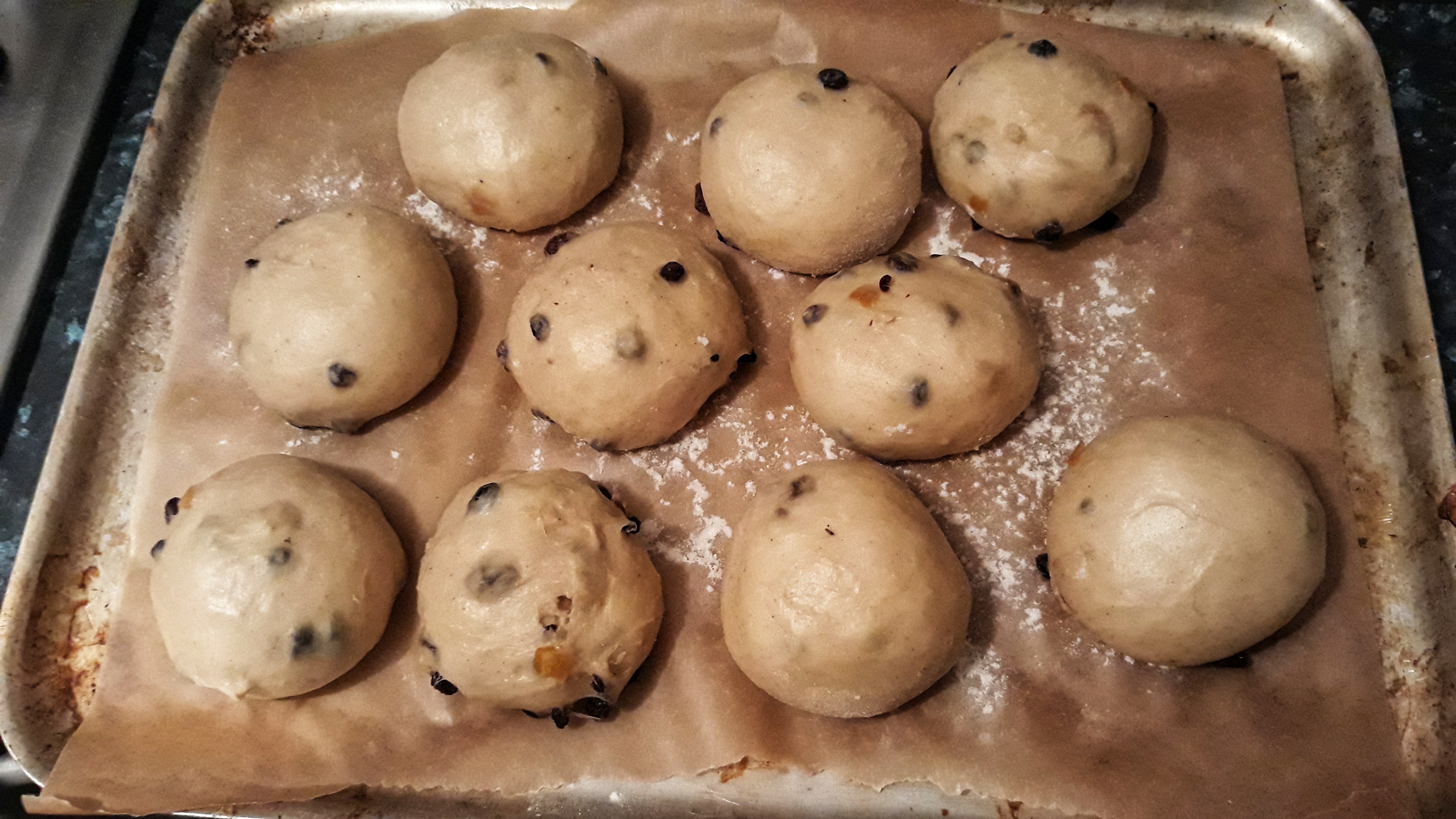
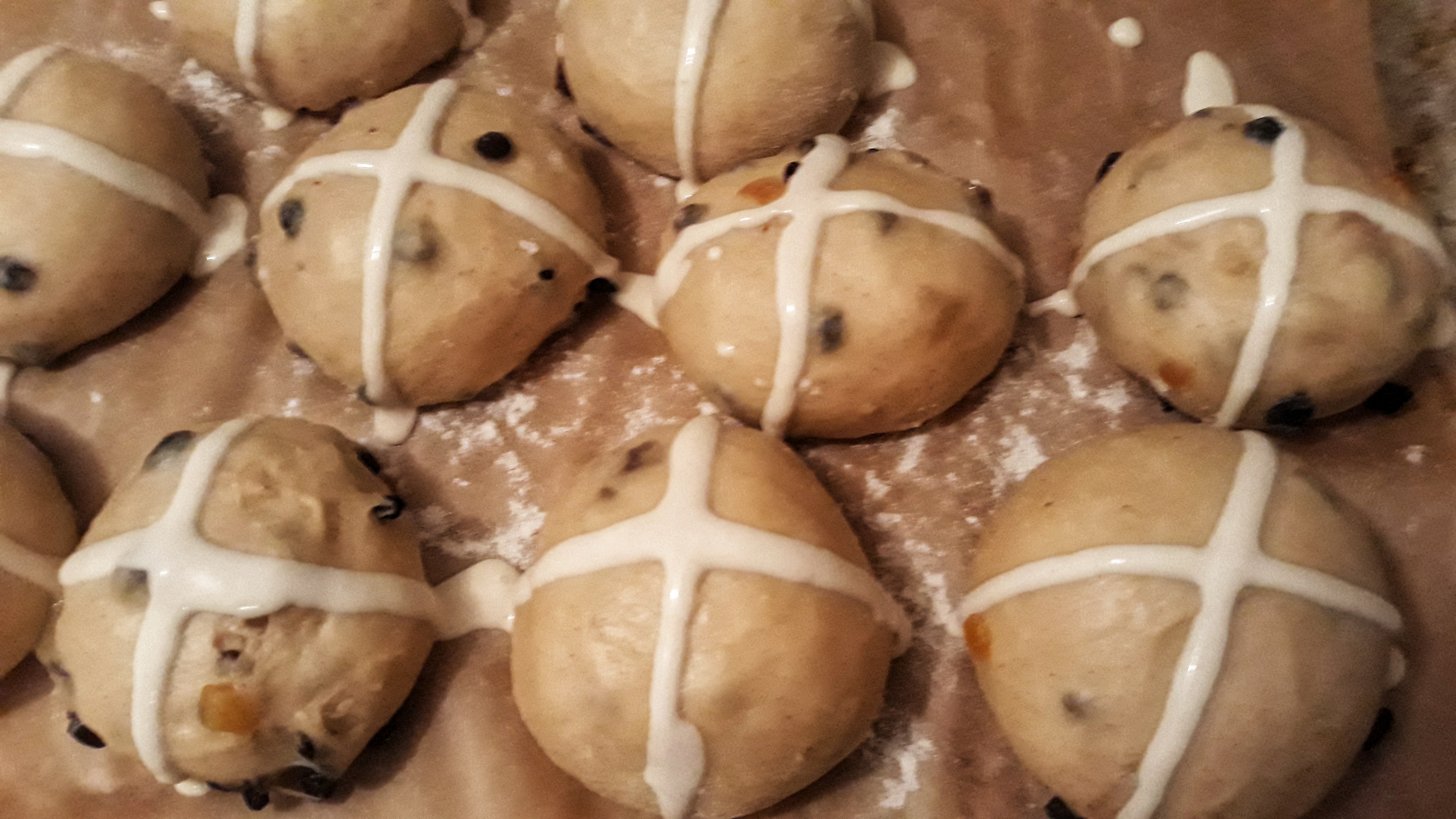
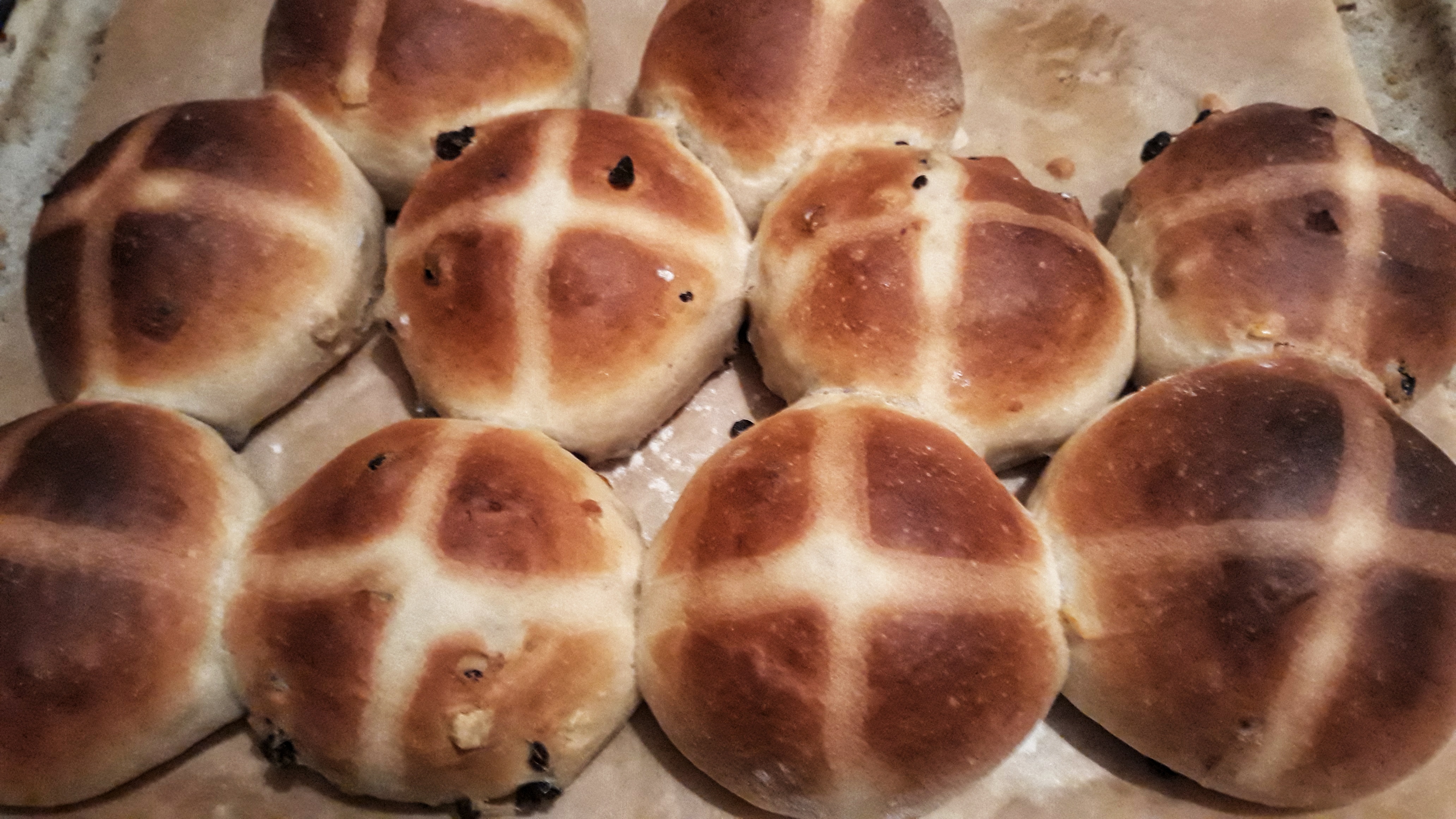
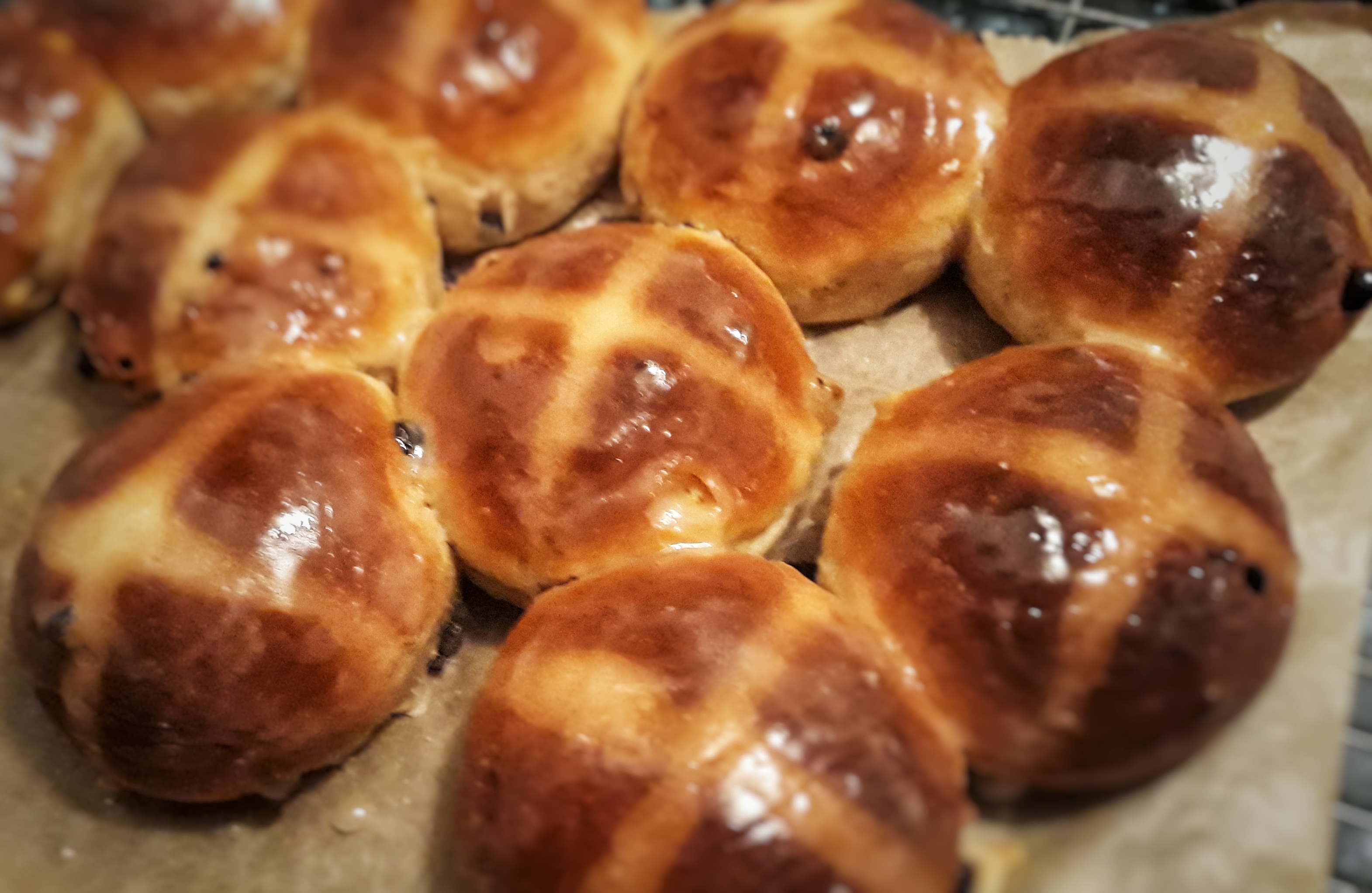
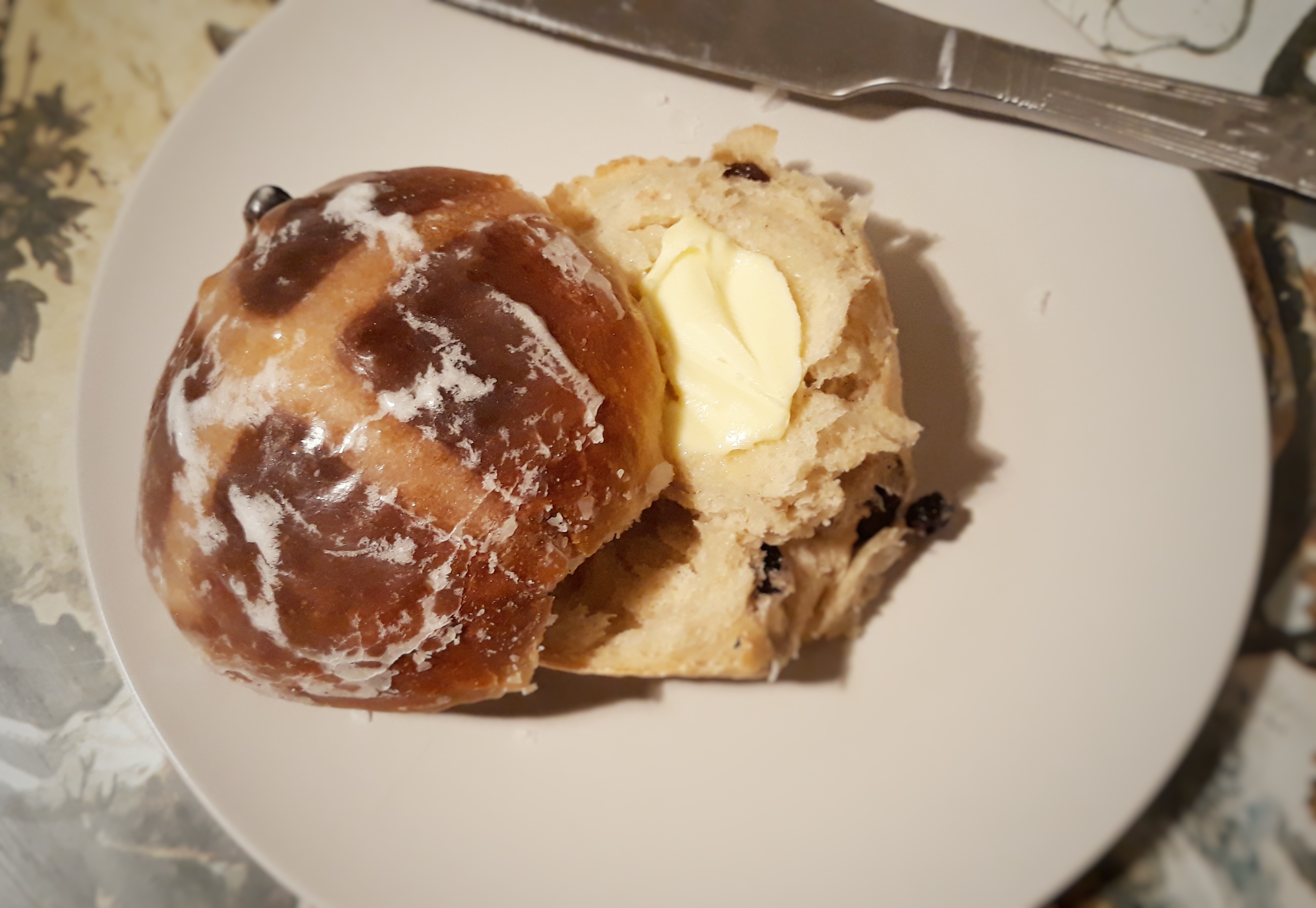
Hot Cross Buns

12 Comments

Filed under baking, bread, food, General, history, Teatime

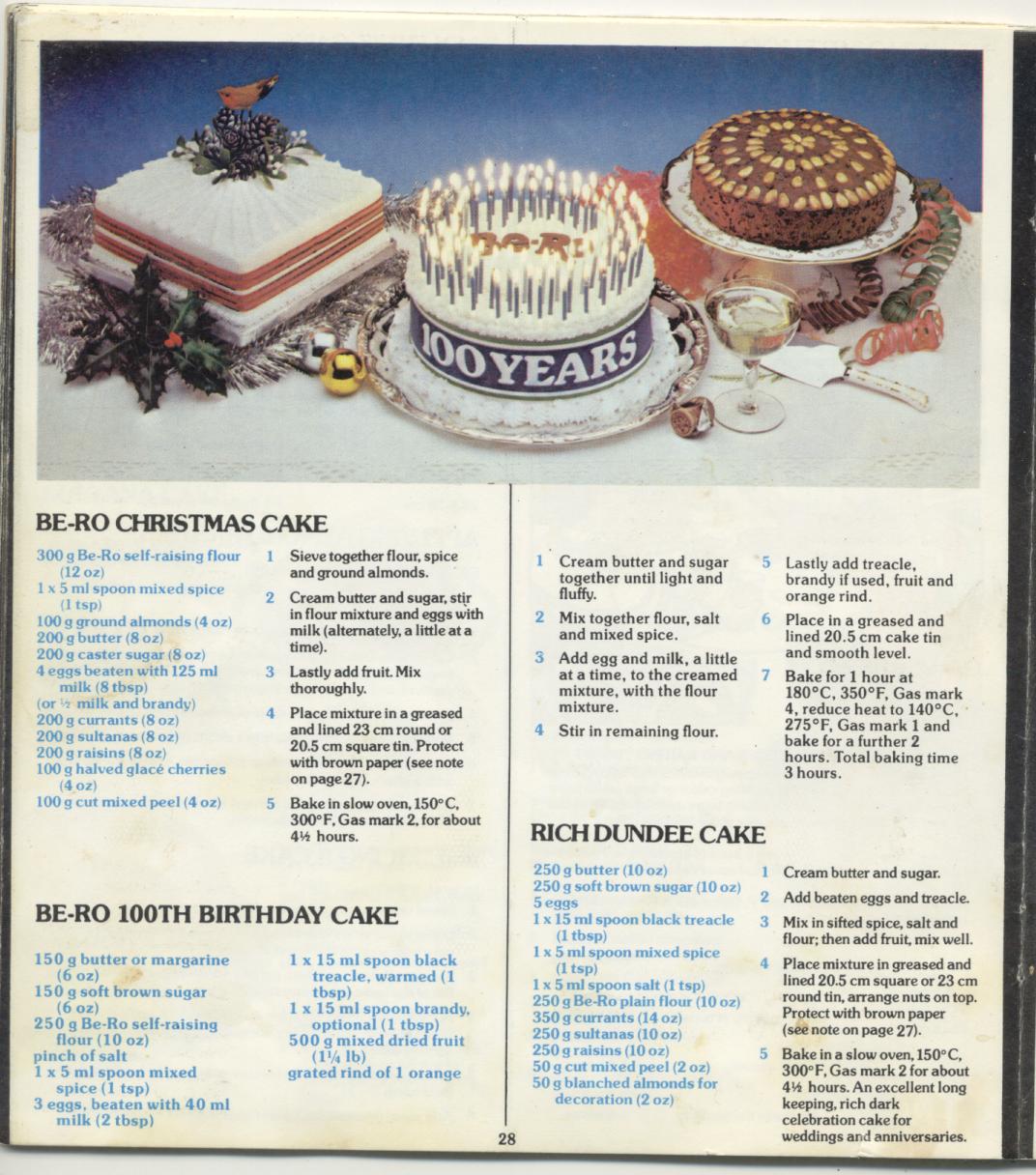
Decorating the Christmas Cake

Once your Christmas cake is nicely matured and well-fed on brandy, it is time to decorate the bugger. In my opinion it is best to go all-or-nothing; either don’t decorate at all or go crazy. Traditionally, in England at any rate, you need a layer of marzipan and a layer of royal icing. Though I have seen recipes that have a bakeable marzipan and no icing, which I must admit is attractive, but I keep it traditional, even though I am not really bothered about the icing. No, I do it simply for tradition’s sake.

I gave the Christmas cake recipe that I use in the previous post, so if you have made one or have a bought undecorated one that you want to put your own stamp on, I have recipes for marzipan and for royal icing too. Don’t forget to add some festive bits and bobs too.

Marzipan

Marzipan is essentially a paste made of ground almonds and sugar and it found its way in Europe from the Middle East via the Crusades. It was the Italians – specifically the Milanese – that really took to the stuff, refining the techniques to produce a very high quality product that was excellent for making into extravagant sculptures. Leonardo da Vinci was quite despondent after making some amazing and intricate marzipan sculptures for the Milanese court as he ‘observed in pain that [they] gobble up all  the sculptures I give them, right down to the last morsel.’

Aside from being used as a sculpture material, marzipan also became a popular sweetmeat used by chocolatiers and bakers. Some of my favourite cakes use marzipan: Battenburg, stollen and simnel cake. The Christmas cake got its layer of marzipan because the Twelfth Night cake – traditionally covered in it – was banned by the Puritan and Lord Protector of England, Oliver Cromwell as too frivolous, so people added the marzipan they loved so much to their Christmas cake instead.

Here’s the recipe I always use these days. What I like specifically about this recipe is that it is not too sweet, which I think the bought stuff always is. Also, when you make your own marzipan, it has a much better texture as well as flavour. You can add extra things to the mixture if you like, such as the grated zest of an orange, or a couple of teaspoons of orange flower water or rose water.

140 g icing sugar

90 g caster sugar

220 g ground almonds

1 beaten egg

1 tbs apricot jam

1 tbs water

Sieve the icing sugar into a large bowl and stir in the caster sugar and almonds. Stir in the beaten egg and lemon juice to form a paste. Knead the marzipan on a surface floured with icing sugar. Easy. Wrap and allow to chill in the fridge for a few hours.

To cover the cake with it, you first need to slice the top of your cake off so that it is a nice, flat surface. I always like that bit because I get to try the cake.

Next, turn it upside down and pop it on a cake base or plate. Warm up the jam and water in a pan and paint the whole cake with the glaze.

On a sheet of greaseproof paper, roll out a little over half of the marzipan into a round shape that is just a little larger than the cake itself. The greaseproof paper makes it easier to roll out, but you can use an icing sugar dusted worktop instead. Use the cake tin as a template and cut a circle.

Pick up the marzipan still stuck to the paper, place it on top of the cake and peel off the paper.

Next, take the remaining third of the paste and roll that out into strips the same height as the cake and secure them to the cake. Press the edges together as you go as well as any cracks that may appear.

You need to leave the cake for a couple of days to dry a little before adding the icing (should you want to).


If you like the blogs and podcast I produce, please consider treating me to a virtual coffee or pint, or even a £3 monthly subscription: follow this link for more information.


Royal Icing

Royal icing is the classic icing for the Christmas cake – it is ‘royal’ because it was the British Royal Family that used in for their wedding cakes, and naturally if the Royals did it, then we copied it. Icing had been around since the eighteenth century; before that, there wasn’t the technology to refine the sugar appropriately. The first icing was similar to royal icing, it was spread over the top of the cake but then the cake was returned to the oven to set hard. The final result was a nice flat, shiny surface like that of a frozen lake, hence we call the stuff icing. Elizabeth Raffald mentions it in The Experienced English Housekeeper (1769) – the first written recording of the word.

Royal icing is the most popular icing because it can be piped and coloured easily. Plus it is easy to make , which a bonus. Here’s how:

2 medium egg whites

2 tsp lemon juice

500g icing sugar, sieved

Whisk the egg whites until frothy but not yet stiff and then stir in the lemon juice. Add icing sugar to the egg white bit by bit, mixing as you go – an electric beater comes in very handy here, but you can use a wooden spoon if your forearms are up to the job. The icing can be used straight away.

Spread the mixture all over the cake using a palette knife to smooth it out. Dipping the knife in very hot water is a good way of getting the icing super-smooth, but I like it a bit more rough-and-ready. You can reserve some of the icing for piping of course, but that has never really been my thing – I should have a go one time though!

A simple and effective way of decorating the cake is to use the side of a knife to make a nice spiky snow effect. When decorated, leave it for two or three days to set hard.

12 Comments

Filed under cake, Christmas, Eighteenth Century, food, General, history, Recipes, Teatime, Uncategorized

God Bless Her, and all that Sail in Her

Queen Liz 2
“God bless her, and all that sail in her”

Well hello there. Welcome to my brand-spanking new weblog British Food: A History.

From my love of cooking and interest in history, I thought it best I should start this blog on all things British and culinary. This interest has not come from nowhere, I have another blog called Neil Cooks Grigson which tackles all the classic as well as many of the weird and forgotten English dishes throughout the last 700 years or so. The idea behind that blog was to cook all the recipes in Jane Grigson’s English Food, a truly excellent piece of writing.

So what does this new blog have to offer if I am already sort-of doing it on another?

Well, the answer is that the other blog will have glaring omissions because the book does. So I always originally intended to produce an English Food V2.0. However, the more I researched for posts, the more I got interested in old recipe books and the history surrounding them and found that, although a great deal of fun the other blog is, I wanted to cast my net even further with this one.

The amazingly talented Mrs Jane Grigson

I want to add the recipes Jane Grigson didn’t use, I want to add the best of the ones I have cooked from the book, more importantly I want to look more at Wales and Scotland. Not just that, but to extend the map to the other countries that have had links with my own – for better, or for worse – like Ireland, France, India and the countless other countries too that have moulded our people, culture and food throughout history. I also want to go back in time to Britain before the Middle Ages too. What influence did  the Roman occupation have, for example? What about further back to prehistory? How did farming come about in Britain and what did the foraging people eat before farming on any scale even occurred?

So, the blog will be a mix of recipes, findings and short essays on our amazingly rich, frequently odd and overwhelmingly dynamic the Britons have been – and still are – with their food.

Most intriguing of all though, is to find a recipe and cook it and really experience how people lived; reading about is of course wonderful fuel for the imagination and it allows us to understand our past, and therefore our present and future. As is watching film documentaries. But these all fail in that the experiences are all second-hand. For example, eating something that a king from the Middle Ages ate on his coronation, in my opinion, the closest you can get to climbing inside a time machine and transporting yourself there.

So, there you go, that’s the idea behind it all. Let’s just see if I can pull it off…


If you like the blogs and podcast I produce, please consider treating me to a virtual coffee or pint, or even a £3 monthly subscription: follow this link for more information.


15 Comments

Filed under General