Tag Archives: Teatime

Decorating the Christmas Cake

Once your Christmas cake is nicely matured and well-fed on brandy, it is time to decorate the bugger. In my opinion it is best to go all-or-nothing; either don’t decorate at all or go crazy. Traditionally, in England at any rate, you need a layer of marzipan and a layer of royal icing. Though I have seen recipes that have a bakeable marzipan and no icing, which I must admit is attractive, but I keep it traditional, even though I am not really bothered about the icing. No, I do it simply for tradition’s sake.

I gave the Christmas cake recipe that I use in the previous post, so if you have made one or have a bought undecorated one that you want to put your own stamp on, I have recipes for marzipan and for royal icing too. Don’t forget to add some festive bits and bobs too.

Marzipan

Marzipan is essentially a paste made of ground almonds and sugar and it found its way in Europe from the Middle East via the Crusades. It was the Italians – specifically the Milanese – that really took to the stuff, refining the techniques to produce a very high quality product that was excellent for making into extravagant sculptures. Leonardo da Vinci was quite despondent after making some amazing and intricate marzipan sculptures for the Milanese court as he ‘observed in pain that [they] gobble up all  the sculptures I give them, right down to the last morsel.’

Aside from being used as a sculpture material, marzipan also became a popular sweetmeat used by chocolatiers and bakers. Some of my favourite cakes use marzipan: Battenburg, stollen and simnel cake. The Christmas cake got its layer of marzipan because the Twelfth Night cake – traditionally covered in it – was banned by the Puritan and Lord Protector of England, Oliver Cromwell as too frivolous, so people added the marzipan they loved so much to their Christmas cake instead.

Here’s the recipe I always use these days. What I like specifically about this recipe is that it is not too sweet, which I think the bought stuff always is. Also, when you make your own marzipan, it has a much better texture as well as flavour. You can add extra things to the mixture if you like, such as the grated zest of an orange, or a couple of teaspoons of orange flower water or rose water.

140 g icing sugar

90 g caster sugar

220 g ground almonds

1 beaten egg

1 tbs apricot jam

1 tbs water

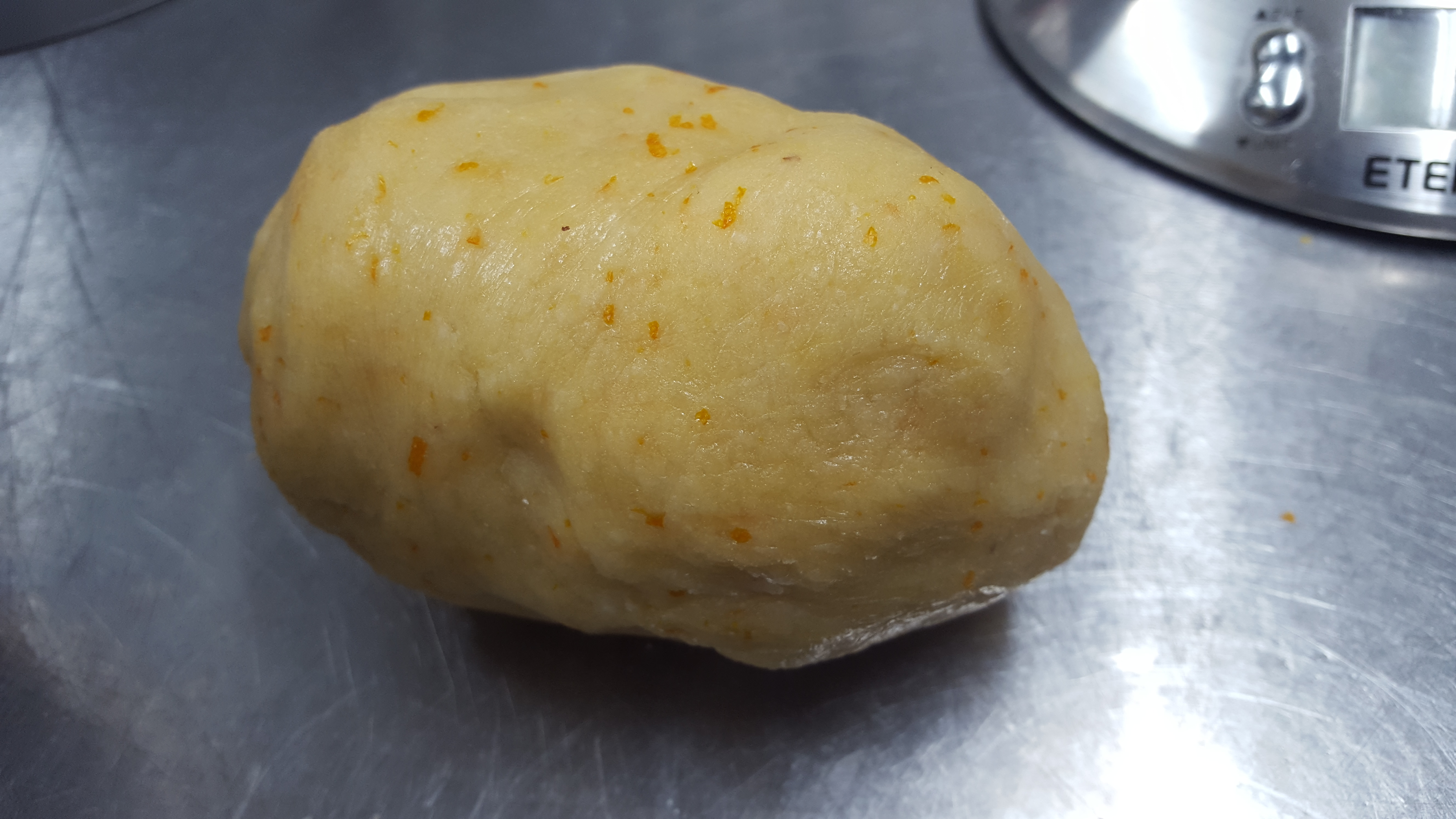
Sieve the icing sugar into a large bowl and stir in the caster sugar and almonds. Stir in the beaten egg and lemon juice to form a paste. Knead the marzipan on a surface floured with icing sugar. Easy. Wrap and allow to chill in the fridge for a few hours.
To cover the cake with it, you first need to slice the top of your cake off so that it is a nice, flat surface. I always like that bit because I get to try the cake.
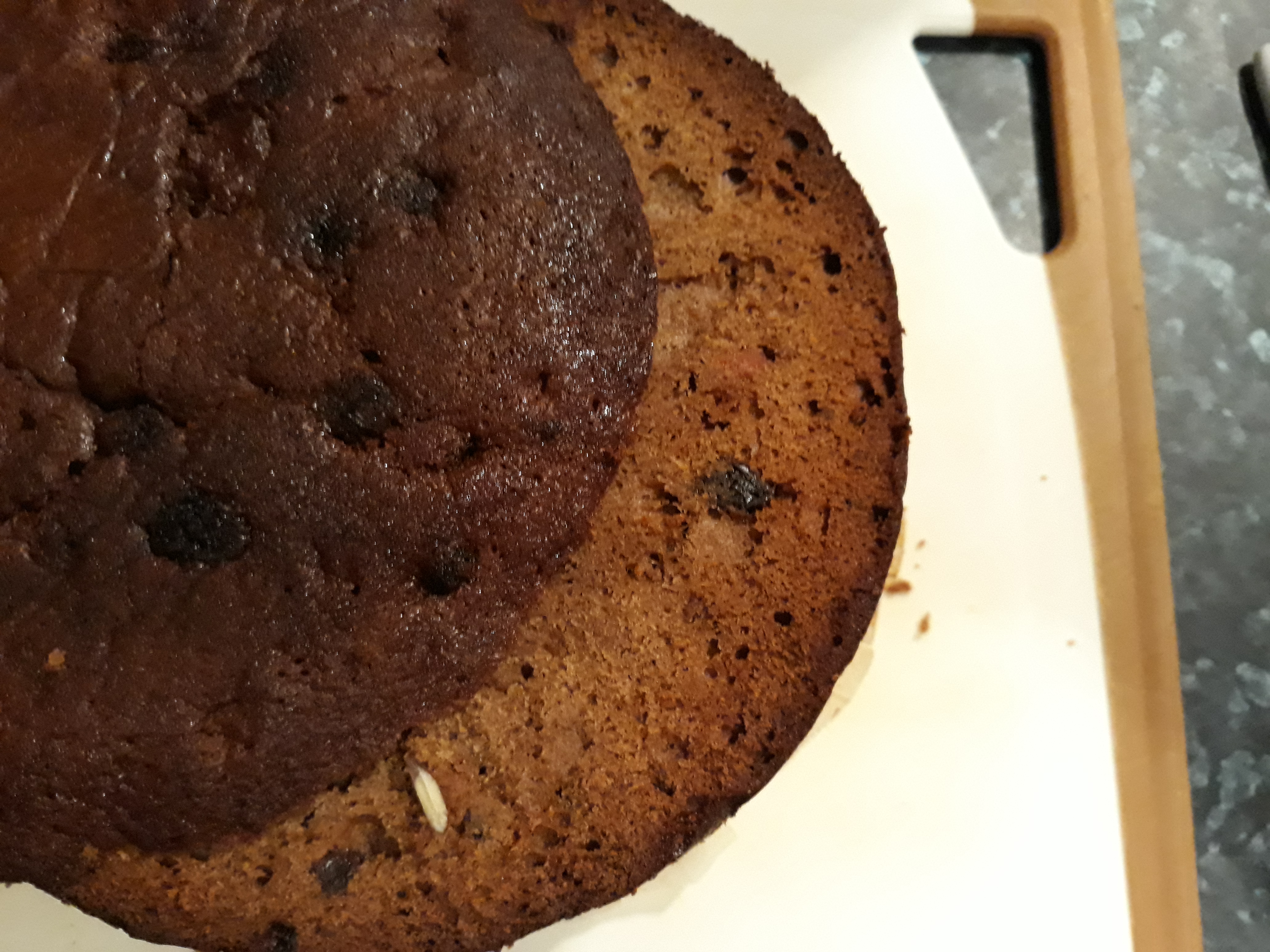
Next, turn it upside down and pop it on a cake base or plate. Warm up the jam and water in a pan and paint the whole cake with the glaze.

On a sheet of greaseproof paper, roll out a little over half of the marzipan into a round shape that is just a little larger than the cake itself. The greaseproof paper makes it easier to roll out, but you can use an icing sugar dusted worktop instead. Use the cake tin as a template and cut a circle.
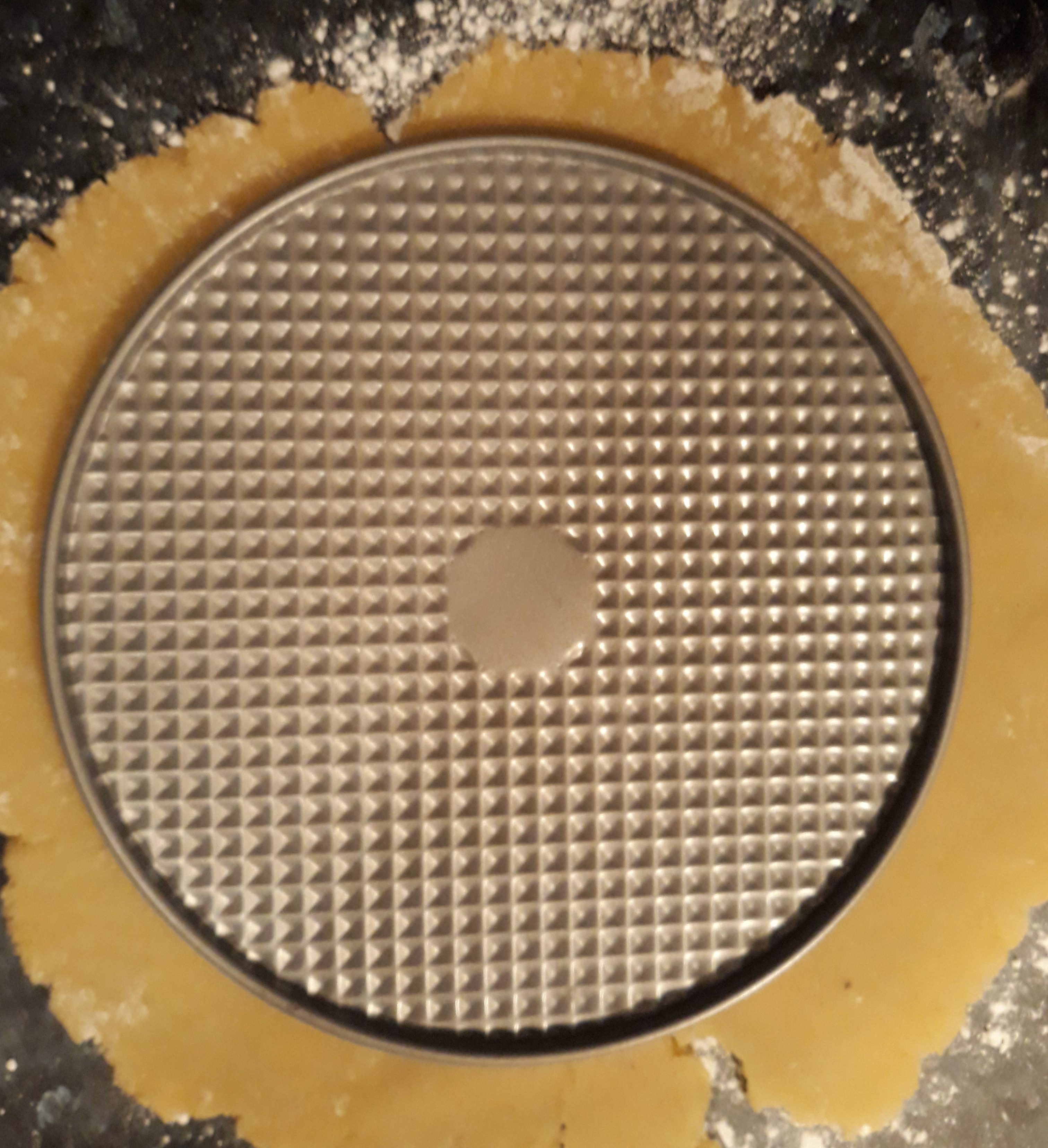
Pick up the marzipan still stuck to the paper, place it on top of the cake and peel off the paper.
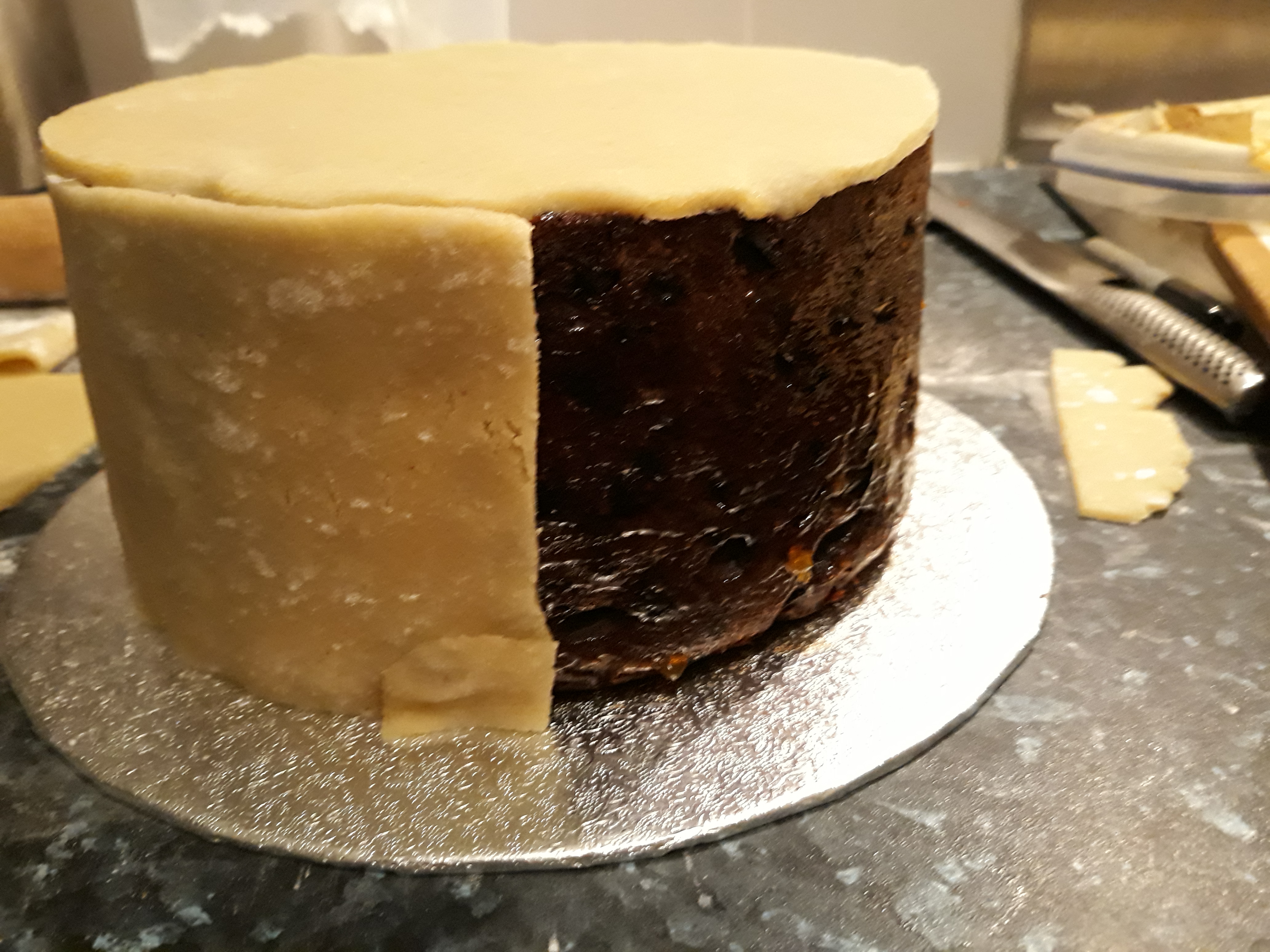
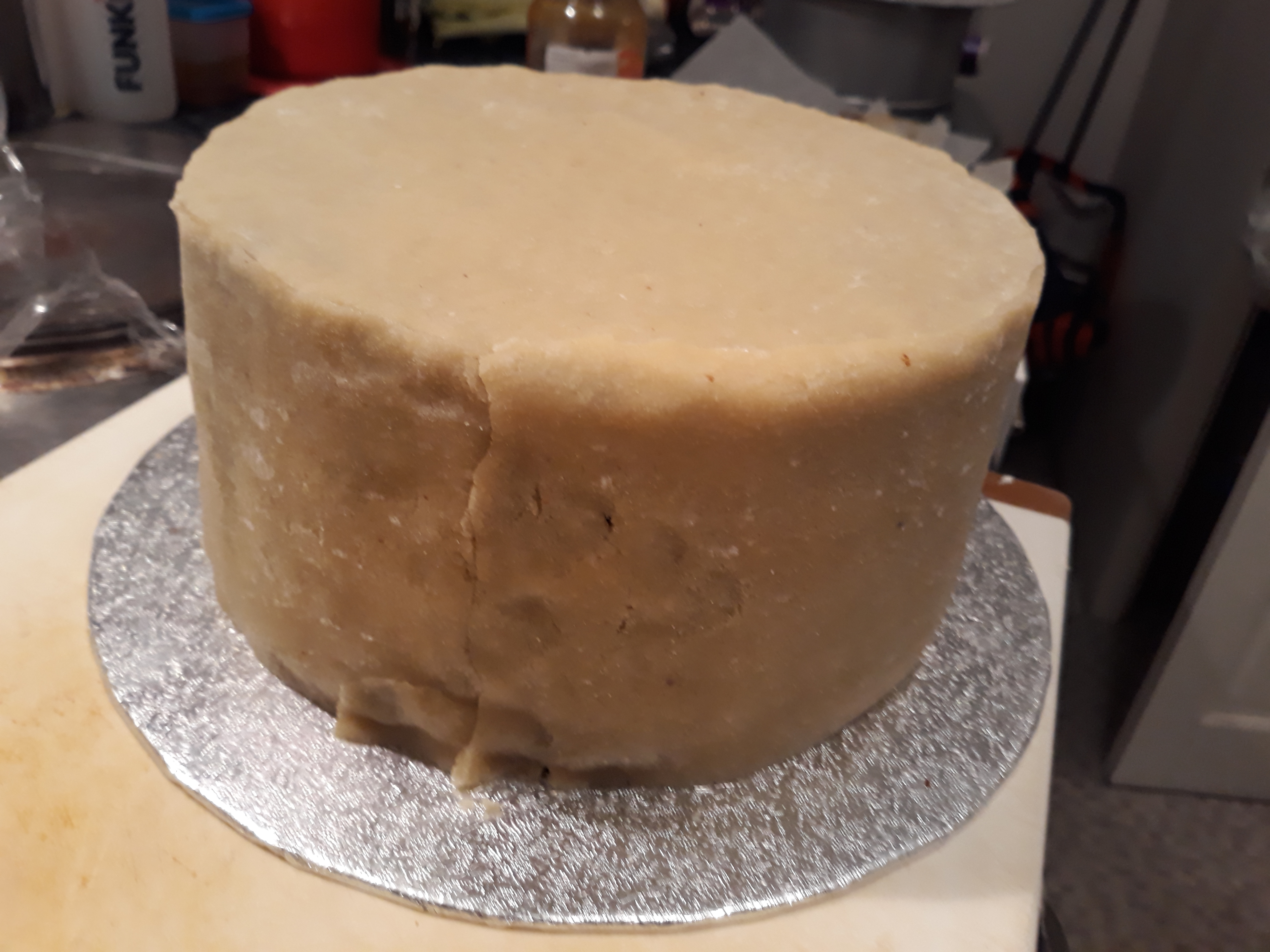
Next, take the remaining third of the paste and roll that out into strips the same height as the cake and secure them to the cake. Press the edges together as you go as well as any cracks that may appear.

You need to leave the cake for a couple of days to dry a little before adding the icing (should you want to).

If you like the blogs and podcast I produce, please consider treating me to a virtual coffee or pint, or even a £3 monthly subscription: follow this link for more information.


Royal Icing

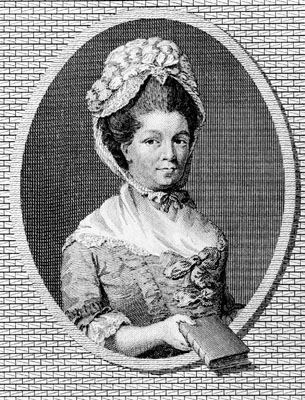
Royal icing is the classic icing for the Christmas cake – it is ‘royal’ because it was the British Royal Family that used in for their wedding cakes, and naturally if the Royals did it, then we copied it. Icing had been around since the eighteenth century; before that, there wasn’t the technology to refine the sugar appropriately. The first icing was similar to royal icing, it was spread over the top of the cake but then the cake was returned to the oven to set hard. The final result was a nice flat, shiny surface like that of a frozen lake, hence we call the stuff icing. Elizabeth Raffald mentions it in The Experienced English Housekeeper (1769) – the first written recording of the word.
Royal icing is the most popular icing because it can be piped and coloured easily. Plus it is easy to make , which a bonus. Here’s how:

2 medium egg whites

2 tsp lemon juice

500g icing sugar, sieved

Whisk the egg whites until frothy but not yet stiff and then stir in the lemon juice. Add icing sugar to the egg white bit by bit, mixing as you go – an electric beater comes in very handy here, but you can use a wooden spoon if your forearms are up to the job. The icing can be used straight away.
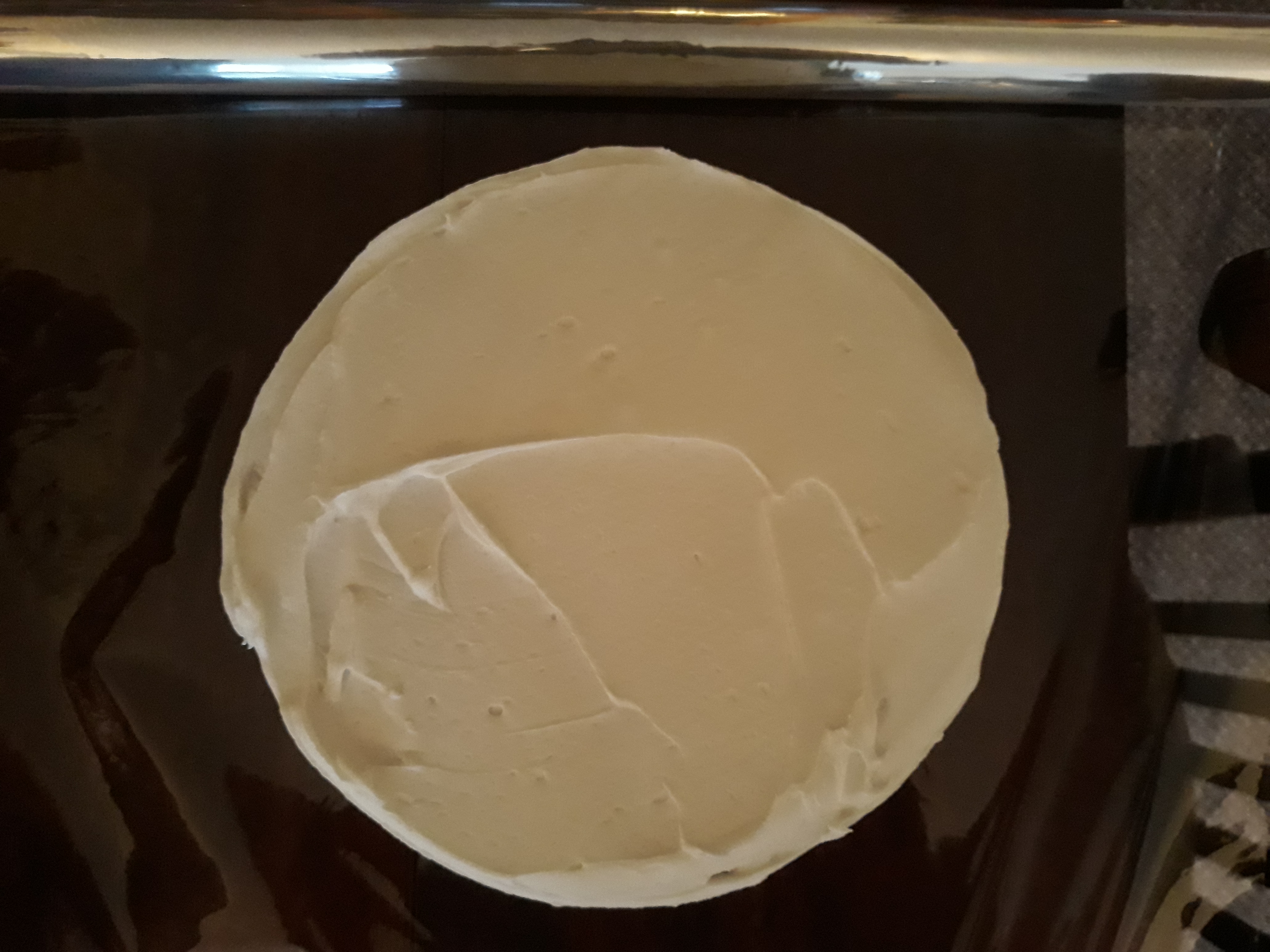
Spread the mixture all over the cake using a palette knife to smooth it out. Dipping the knife in very hot water is a good way of getting the icing super-smooth, but I like it a bit more rough-and-ready. You can reserve some of the icing for piping of course, but that has never really been my thing – I should have a go one time though!

A simple and effective way of decorating the cake is to use the side of a knife to make a nice spiky snow effect. When decorated, leave it for two or three days to set hard.
12 Comments

Filed under cake, Christmas, Eighteenth Century, food, General, history, Recipes, Teatime, Uncategorized

Christmas Cake

Christmas cake, Christmas pudding, mince pies – if you don’t like dried fruit you are in trouble at Christmastime!

When families in the sixteenth century made their Christmas puddings for the big day, they would often use some of the mixture, with the addition of flour and eggs, to bake and eat for Eastertime. These were obviously rather rich families. It was liked so much that the rich fruitcake was made for Christmas too. We also dropped it from the Easter menu for some reason.

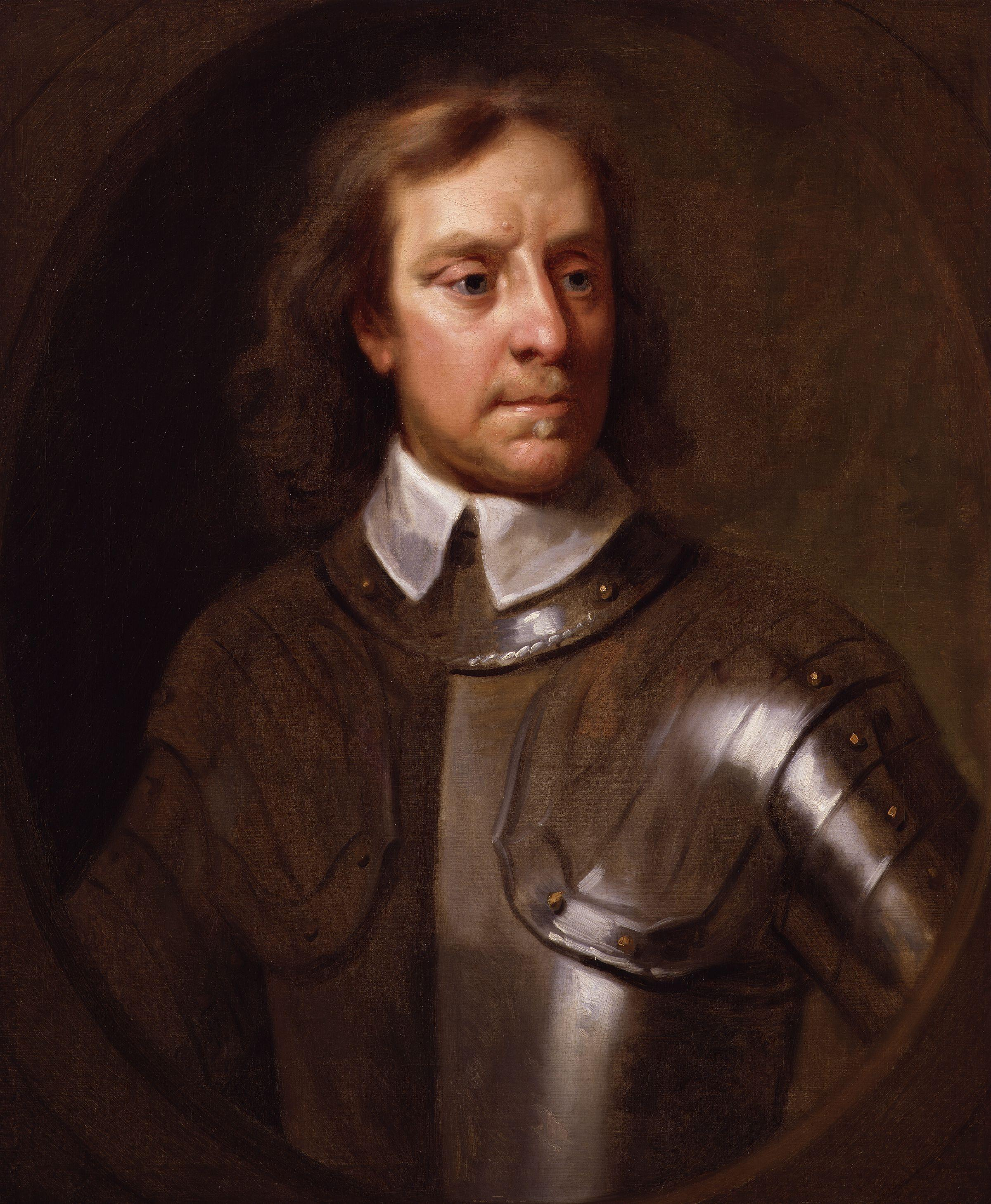
I used to be of the belief that the addition of the marzipan and royal icing (see here for recipes) came much later when a cake was banned from Christmas. The last day of Christmas is Twelfth Night (the 5th of January) and it used to be traditional to make a Twelfth Night cake that contained almonds and was covered in marzipan. Oliver Cromwell, the Lord Protector of England, and the other Puritans banned the feasting on that special day in the 1640s (he also banned mince pies as well) complaining that there was too much excess. Christmas Day remained a public holiday and some feasting was allowed, so people simply made their Christmas cake and covered that in marzipan instead, and so the Christmas cake was born.

This is sadly untrue. The Christmas cake with its double wrapping of marzipan and royal icing is an 18th century invention – Elizabeth Raffald has the first recipe for a cake such as this, and it was for a ‘Bride’s Cake’, i.e. a wedding cake.

Britain’s biggest ever party-pooper: Oliver Cromwell

You don’t have to cover it with the marzipan and royal icing though, in Yorkshire (my home county) it is popular to eat the Christmas cake with some nice cheese such as Wensleydale or Cheddar instead.

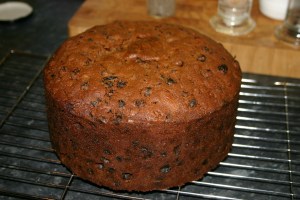
I love Christmas cake, so I thought I would give you the recipe I always use – it is adapted from Jane Grigson’s English Food (click here to see my other pet project) – and it has never failed on me. As I said a couple of posts ago, if you want to eat top-quality food at Christmas, you need to make your own, or spend a fortune at Harrod’s. Plus the cake is made well in advance – I usually make mine 6 weeks before Christmas so it can mature. Once you’ve cooked it, you only have to feed it with a little brandy to make it nice and moist.

This recipe is of course for an English-style Christmas cake; the Scottish, Welsh and Irish have their own versions, all in a similar vein, but with a few differences. I’ll blog about them at some point.

It makes one hefty 8 inch/20 cm cake, for a smaller cake, half the amounts and bake in a 6 inch / 15 cm tin for 2 1/2 hours.

Ingredients:

900 g mixed dried fruit (currants, raisins and sultanas)

125 g of whole roasted almonds (or hazelnuts or walnuts, or a mixture)

125 g chopped candied citrus peel

125 g rinsed glacé cherries quartered or left whole

300 g plain flour

1 1/2 tsp mixed spice

the grated rind of a lemon

250 g salted butter, softened

250 g soft dark brown sugar

1 tsp vanilla extract

1 tbs black treacle (or molasses)

4 eggs

1/2 tsp bicarbonate of soda

1 tbs warmed milk

brandy

Preheat your oven to 140⁰C (275⁰F).

Begin by mixing all the dried fruit, almonds, candied peel and cherries in a large bowl. Next, sift in the flour, turning in and coating the fruit, then mix in the spices and fresh lemon rind.

Now cream the butter sugar in a separate bowl, then mix in the vanilla and black treacle. Beat in four eggs one by one until incorporated, and the mix in the fruit and the flour. For the final stage, dissolve the bicarbonate of soda in the warmed milk, stir it in, and then add enough brandy to slacken the mixture slightly, so that it achieves a dropping consistency – you don’t want a dry cake, now do you?

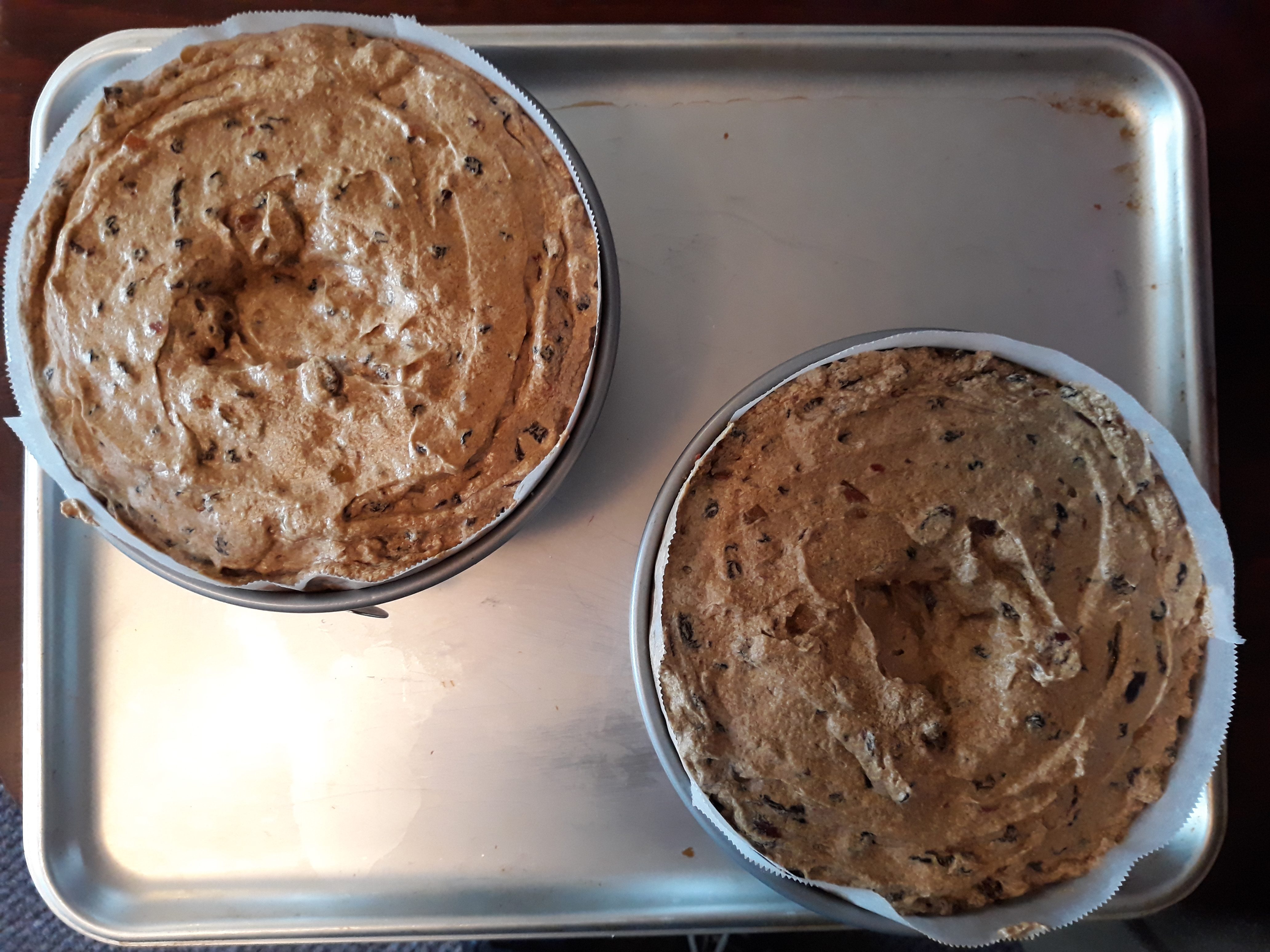
Line an eight inch cake tin with greaseproof paper and pour the mixture in, hollowing the top a little to compensate for it rising in the oven.

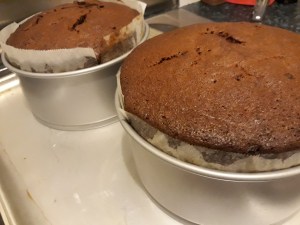
Cover with a layer of brown paper to prevent scorching and bake for 3 to 3 ½ hours. Test it after 3 hours with a skewer. When done, leave to cool in its tin overnight. Wrap in greaseproof paper or foil and keep in an airtight container.

Ideally, the cake should sit for at least a month to mature, but 2 or 3 weeks is also fine. Whilst it sits, you need to feed it with a sprinkle of 2 or 3 tablespoons of brandy, turning the cake each time it is fed.

The cake is ready to eat when sufficiently fed and matured, however, you might want to add a layer of marzipan and royal icing.


If you like the blogs and podcast I produce, please consider treating me to a virtual coffee or pint, or even a £3 monthly subscription: follow this link for more information.


29 Comments

Filed under baking, cake, Christmas, food, history, Puddings, Recipes, Seventeenth Century, Teatime, Uncategorized

Traditional Mincemeat

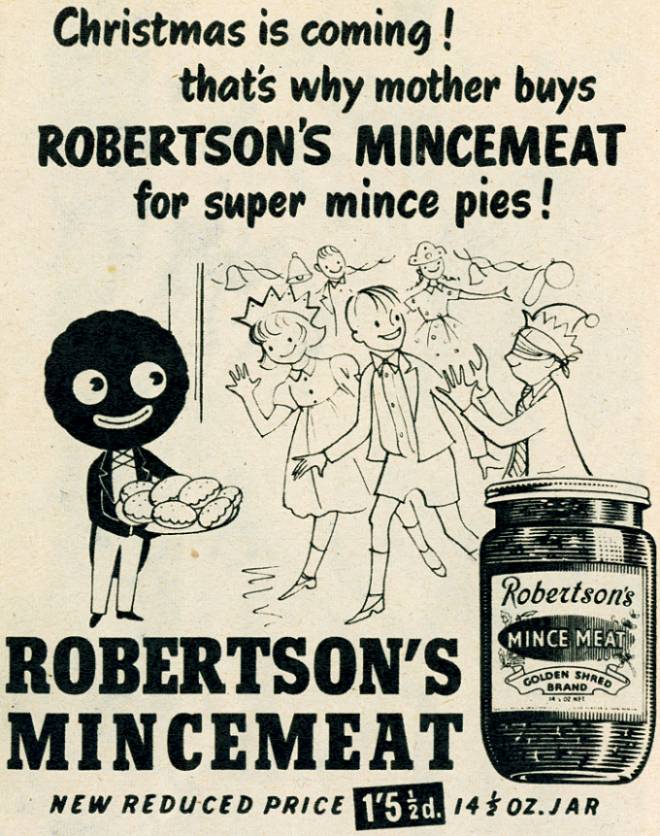
To kick off the Christmas theme for December, I thought I would give you a couple of mincemeat recipes – one sixteenth and one nineteenth century. They cenrtainly different from the Robinson’s jarred stuff my Mum used when I was a child. Robinson’s were a strange brand of preserves with a ‘Golly’ mascot that was still being used in the 2000s. It’s a long story of how this was allowed that requires a whole entry to itself I think…

Modern day mincemeat is a preserve of sugar, dried fruits, nuts and suet used to fill mince pies. It is certainly in no way meaty. In fact, I think vegetarian suet used these days. The further back you travel in time however, the more meaty the recipes become. Originally, the idea was to make a pie filled with minced meat, heavily flavoured with spices and dried fruits. There were two main reasons for this; first it allowed one to show off about how much spice one could afford; and second, the sweet aromatics could overpower any meat that was past its prime. To show you what I mean, here’s how ‘to bake the humbles of a deer’ from The Good Housewife’s Jewel by Thomas Dawson from 1598 (the humbles are the innards by the way):

Mince them very small and season them with salt and pepper, cinnamon and ginger, and sugar if you will, and cloves, mace, dates, and currants and, if you will, mince almonds, and put unto them. When it is baked you must put in fine fat, and sugar, cinnamon and ginger and let it boil. When it is minced put them together.

The last sentence is puzzling, but it seems to be a recipe that is possible to do these days, though in sixteenth century cook books there are never quantities mentioned.

The same cannot be said for the next recipe from Mrs Isabella Beeton. Mrs Beeton was the first recipe writer to have the great idea of listing the ingredients and the quantities before the recipe. In her magnum opus of 1888, Mrs Beeton’s Book of Household Management, she included  recipes for a regular one, an American one and an ‘excellent’ one. I have never tried the latter two recipes, but the regular one makes the best mince pies I have ever eaten in my life, so if you are thing of making your own mincemeat I urge you to give this one a go. It does contain beef which shouldn’t put you off as you can’t taste it, but it does give it amazing delicious qualities. The quanitities Mrs Beeton gives are huge, so it is best to half or even quarter them. Here they are:

2 lbs raisins

3 lbs currants

1 1/2 lbs of lean beeef such as rump

3 lbs of suet – fresh is best, put the packet stuff is also good

2 pounds of soft dark brown sugar

6 oz mixed candied citrus peel (cintron, lemon, orange &c)

1 nutmeg, grated

2 lbs of tart apples such as Cox’s Orange pippins, peeled, cored and grated

the zest of 2 lemons and the juice of one

1/2 pint of brandy

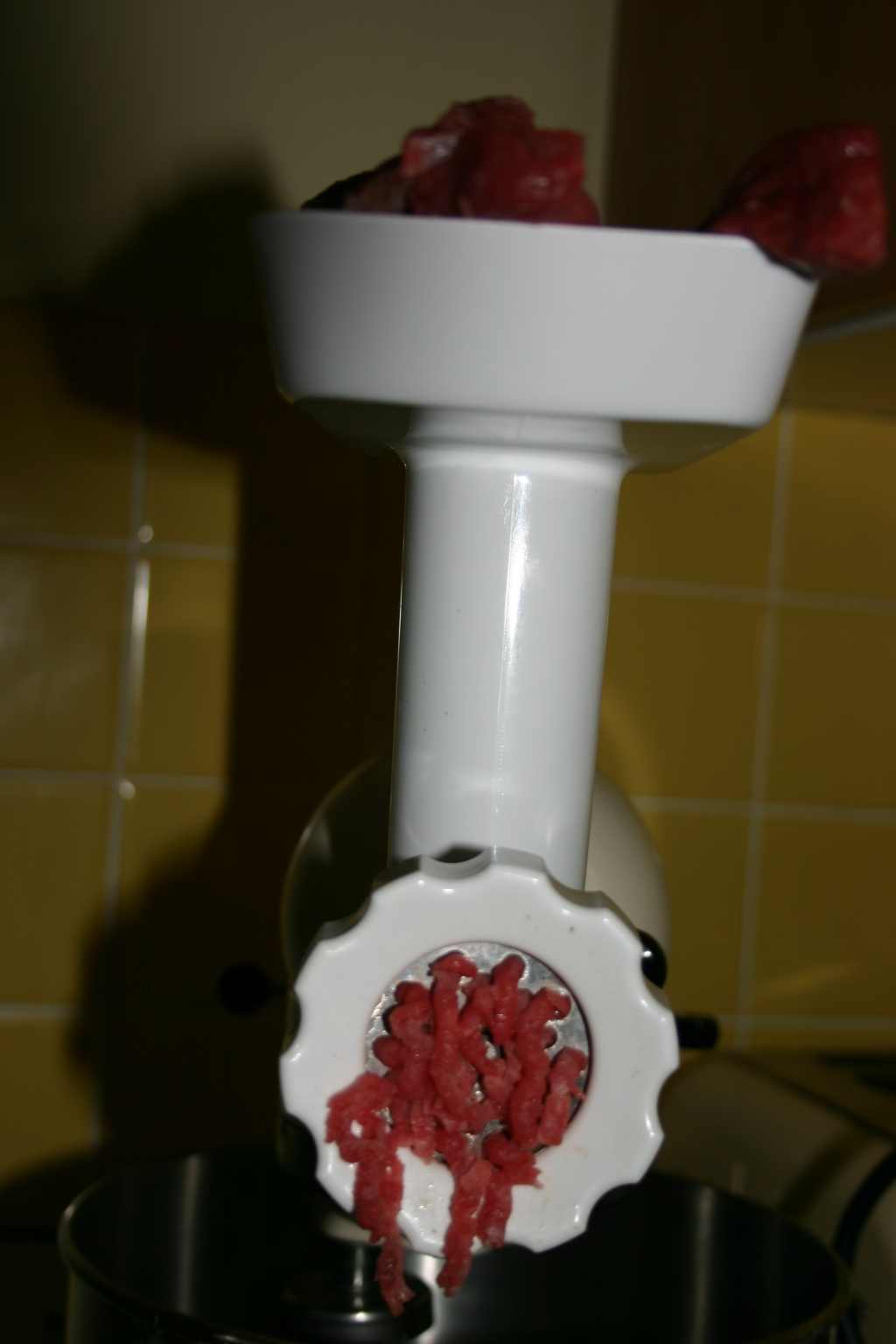
Mince the beef and suet (or get your butcher to do it).

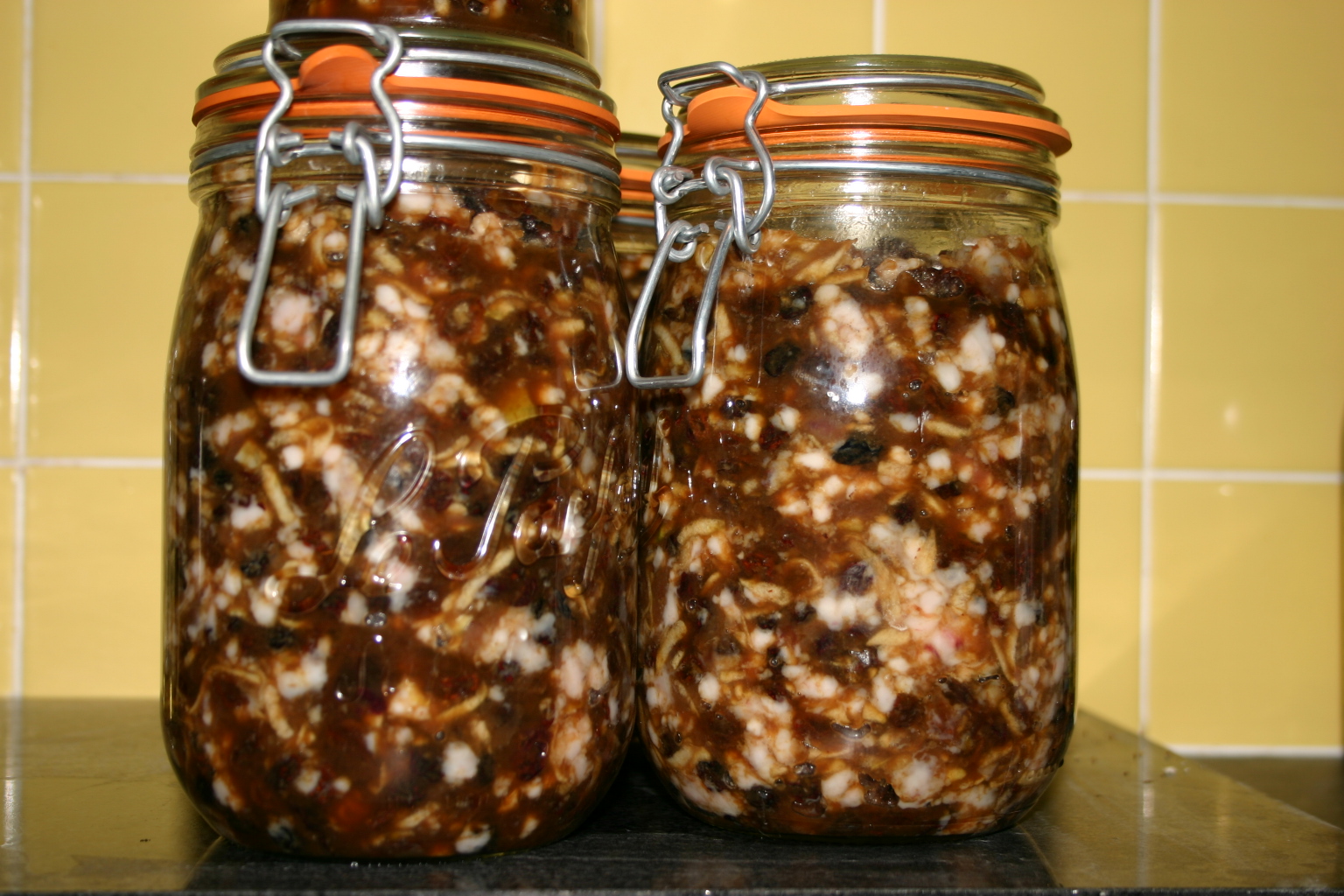
Then, mix all the remaining ingredients together well and pot into sterilised jars, making sure you push it down well to exclude any trapped air bubbles. Leave for at least 2 weeks before you use it. In a couple of weeks, I’ll give you recipe to make the perfect mince pie


If you like the blogs and podcast I produce, please consider treating me to a virtual coffee or pint, or even a £3 monthly subscription: follow this link for more information.


27 Comments

Filed under food, history, Nineteenth Century, Recipes, Sixteenth Century, Teatime, The Victorians

Yorkshire Parkin

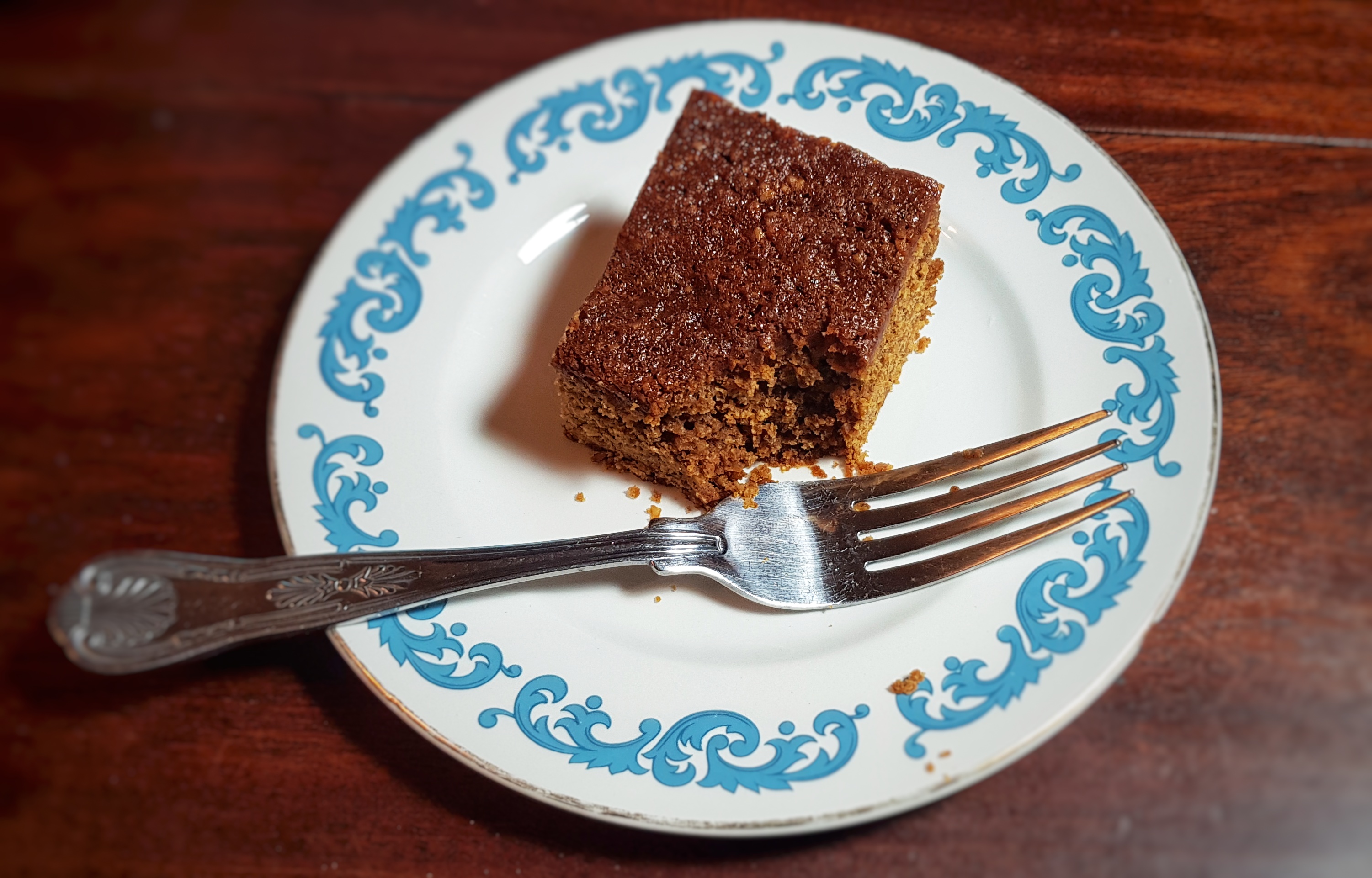
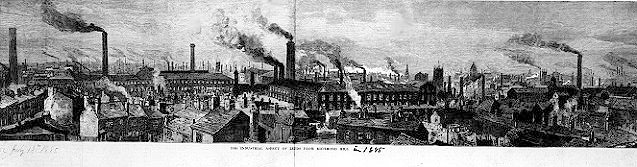
God, I love Yorkshire parkin. If you are not familiar with it, it’s a strongly-spiced sticky gingerbread-cum-cake flavoured with treacle and dark brown sugar that is traditionally eaten on Guy Fawkes Night (the fifth of November, aka Bonfire Night) and for me, it is what makes that day complete. It seems like it should be a recipe that has always been, but the earliest mention of it I can find from a primary source in my research is from 1842; a certain Richard Oastler wrote a letter to Sir Thomas Thornhill (who would later become the High Sherrif of Suffolk and a Tory MP) telling him that  he’d recieved one on the 1st day of March from Mrs John Leach of Huddersfield.  The recipe does go back a little further than that though; most likely created some time during the Industrial Revolution by working-class folk as oats and treacle were important elements of the diet in those times. The word parkin was a popular surname in Yorkshire and means Peter. There are other parkins – such as Lancashire parkin – but it doesn’t contain oats and is not, in my very biased opinion, as good because of it.

Making this cake, really brought memories of Bonfire Night as a child growing up in Yorkshire and I must admit, I did have a massive pang of homesickness. Fireworks and bonfires are all well and good, but for me it is always about the food.

This cake has to be eaten to be believed; it will instantly make you feel a million times better if you are feeling down, now that the clocks have gone back. It has to be eaten with a piping hot cup of tea in one hand, preferable in front of a roaring bonfire. Failing that, a roaring fire inside with the dog.

The ingredients are very important here – any non-Brits may not be aware of two of the key ingedients: black treacle and golden syrup. Black treacle is essentially molasses so you can easily substitute there. However, many recipes that ask for golden syrup suggest using corn syrup as an alternative. Please, please, please do not do that. They are incomparable, find a shop with a British ‘aisle’ and get the real thing. Accept no substitute. The history of Lyle’s Golden Syrup is an interesting one and I shall tackle that in another post soon, along with some more golden syrup-based recipes. The recipe calls for weights of treacle and syrup – the best way to do this without creating a nighmarish sticky mess of a kitchen, is to place your saucepan onto the weighing scales, tare them, and then add the syrup and treacle directly.

One last thing… almost as important as the ingredients, is the aging of the parkin. No matter how tempting it may be, do not eat the parkin on the day you have made it. It needs to be kept in an airtight box or tin for at least three days. The cake needs a bit of time for the flavours and stickiness to develop.


If you like the content I make for the blogs and podcast, please consider supporting me by buying me a virtual coffee, pint or even a subscription : just click on this link.


Ingredients:

225 g butter

110 g soft dark sugar

60 g black treacle (or molasses)

200 g golden syrup

140 g medium oatmeal (often sold sold as quick-oats)

200 g self-raising flour

1 tsp baking powder

4 tsp ground ginger

2 tsp nutmeg

1 tsp mixed spice

2 large eggs, beaten

2 tbs milk

Preheat the oven to 140⁰C (275⁰F) and lightly grease a square (21 x 21 cm) 7 x 7 inch cake tin. In a saucepan, melt together the butter, brown sugar, black treacle and golden syrup. It is important to do this on a medium-low heat, you don’t the sugars to boil, just to meld together.

Whilst they are melding, stir all the dry ingredients in a large mixing bowl and when the syrup mixture is ready, tip it in. Use a wooden spoon to beat the wet ingredients into the dry. Now incorporate the eggs – do this bit-by-bit, or you run the risk of curdling the mixture. Lastly, slacken the mixture with the milk and pour the whole lot into your cake tin.

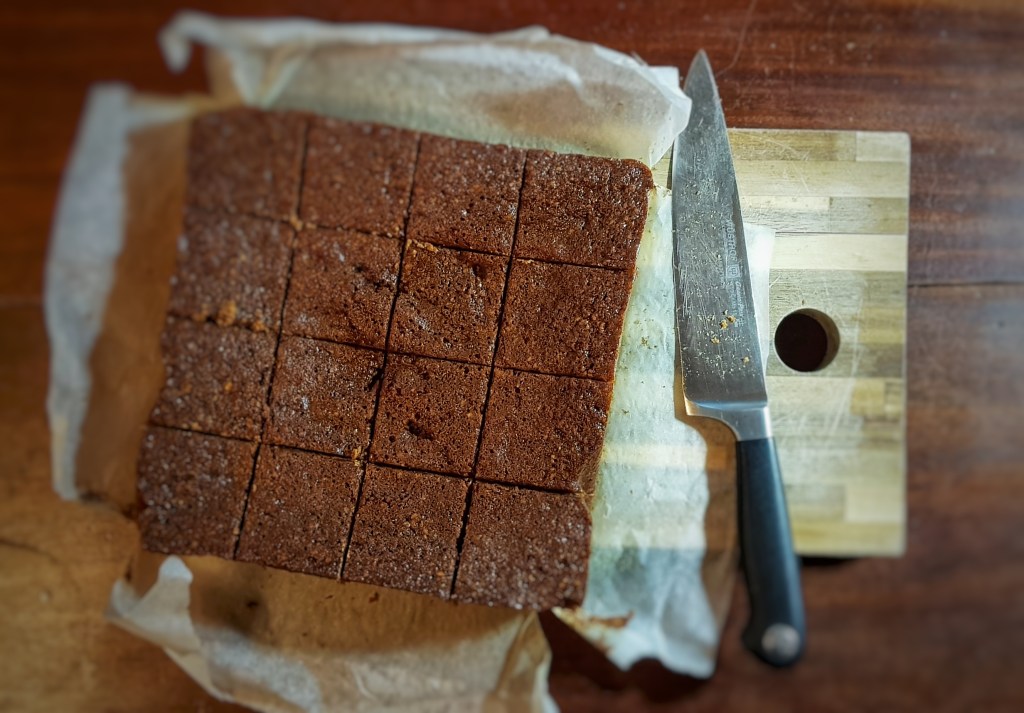
Cook for 1 hour and 30 minutes and cool it in the tin. Once cool, keep the parkin in an air-tight cake tin or tub and keep for at least three days before cutting into squares.

60 Comments

Filed under Biscuits, cake, food, history, Recipes, Teatime