Tag Archives: The British Food History Podcast

Subversive Feasting in Medieval King & Commoner Tales with Mark Truesdale

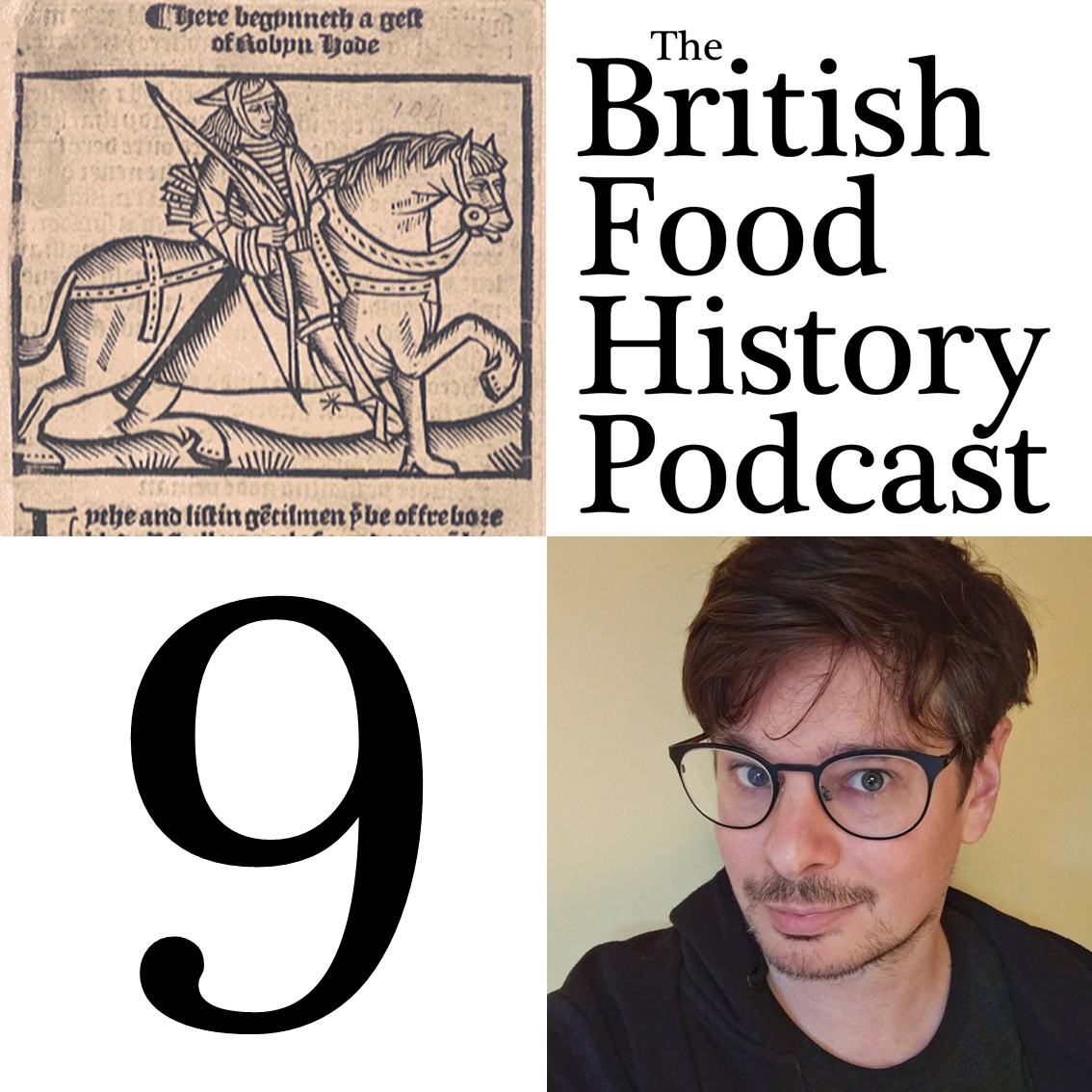
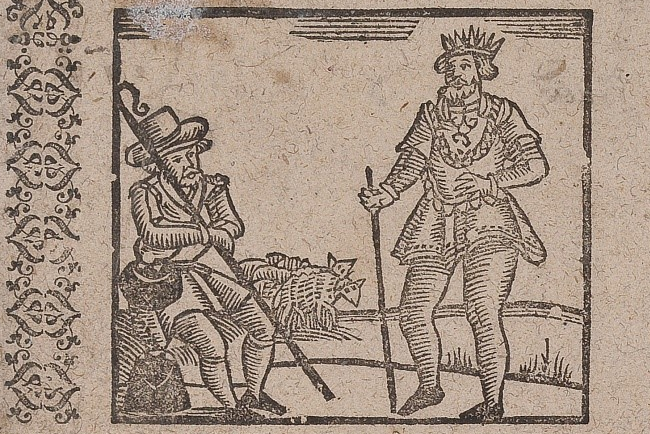
My guest on The British Food History Podcast today is historian Mark Truesdale, scholar of the fifteenth-century King and Commoner tradition and its early modern afterlife and author of The King and Commoner Tradition: Carnivalesque Politics in Medieval and Early Modern Literature, published by Routledge.

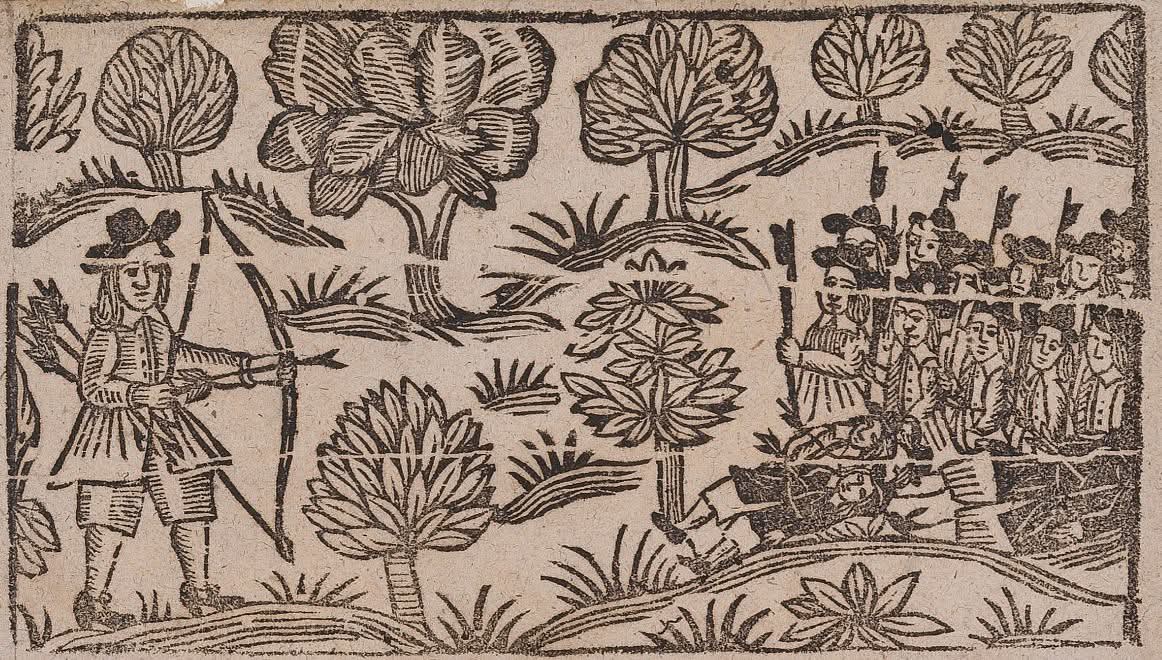
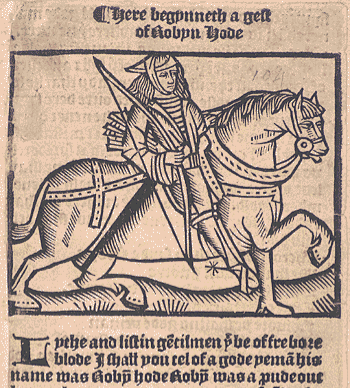
We talk about medieval carnival, the plot of a king and commoner tale, spying foresters, rude monks, the love of eating tiny birds, who the audience might be, and the ridiculousness of baking a venison pasty in Sherwood Forest – amongst many other things.

The British Food History Podcast is available on all podcast apps, YouTube, and can be streamed here via this Spotify embed:

Those listening to the secret podcast can hear about Henry VIII’s love of Robin Hood tales, cowardly herons, and Mark tells me who the king in these tales may (or may not) be referring to.

Remember: Fruit Pig are sponsoring the 9th season of the podcast, and Grant and Matthew are very kindly giving listeners to the podcast a unique special offer 10% off your order until the end of October 2025 – use the offer code Foodhis in the checkout at their online shop, www.fruitpig.co.uk.


If you can, support the podcast and blogs by becoming a £3 monthly subscriber, and unlock lots of premium content, including bonus blog posts and recipes, access to the easter eggs and the secret podcast, or treat me to a one-off virtual pint or coffee: click here.


This episode was mixed and engineered by Thomas Ntinas of the Delicious Legacy podcast.

Things mentioned in today’s episode

The King and Commoner Tradition: Carnivalesque Politics in Medieval and Early Modern Literature by Mark Truesdale

Mark’s article The Medieval Robin Hood: Folk Carnivals and Ballads on Folklore Thursday

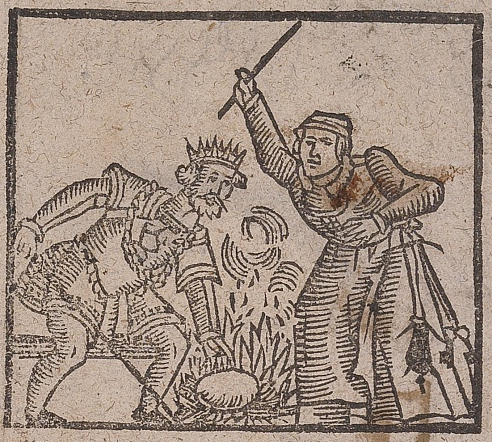
My blog post about King Alfred burning the cakes

The Great Household in Late Medieval England by C.M. Woolgar

Robin Hood and Other Outlaw Tales

Sentimental and Humorous Romances

Ten Bourdes

Serve it Forth website – You can still receive 25% off the ticket price using the code SERVE25 at the checkout!

Serve it Forth Eventbrite page

Previous pertinent podcast episodes

Medieval Meals & Manners with Danièle Cybulskie

Neil’s blogs and YouTube channel

‘British Food: a History’

The British Food History Channel

‘Neil Cooks Grigson’

Neil’s books

Before Mrs Beeton: Elizabeth Raffald, England’s Most Influential Housekeeper

A Dark History of Sugar

Knead to Know: a History of Baking

The Philosophy of Puddings

Don’t forget, there will be postbag episodes in the future, so if you have any questions or queries about today’s episode, or indeed any episode, or have a question about the history of British food please email me at neil@britishfoodhistory.com, or leave a comment, below.

Leave a comment

Filed under food, Game, General, history, Mediaeval Age

Housekeepers & Butlers with Peter Brears

In today’s episode of The British Food History Podcast, I speak with Peter Brears, a world-leading food historian. He was director of both York and Leeds City Museums, and is a consultant to the National Trust, English Heritage and Historic Royal Palaces.

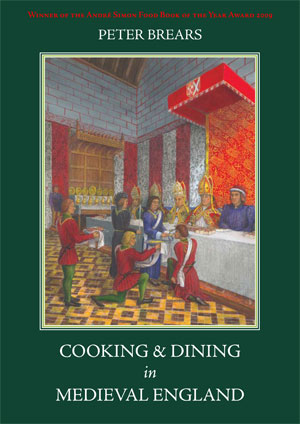
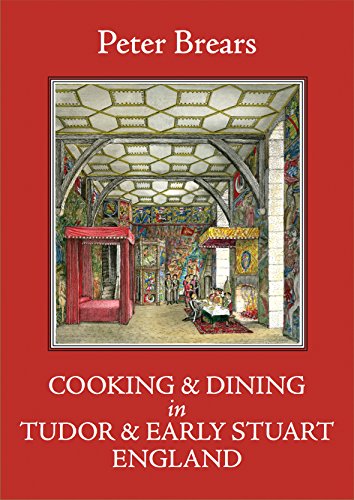
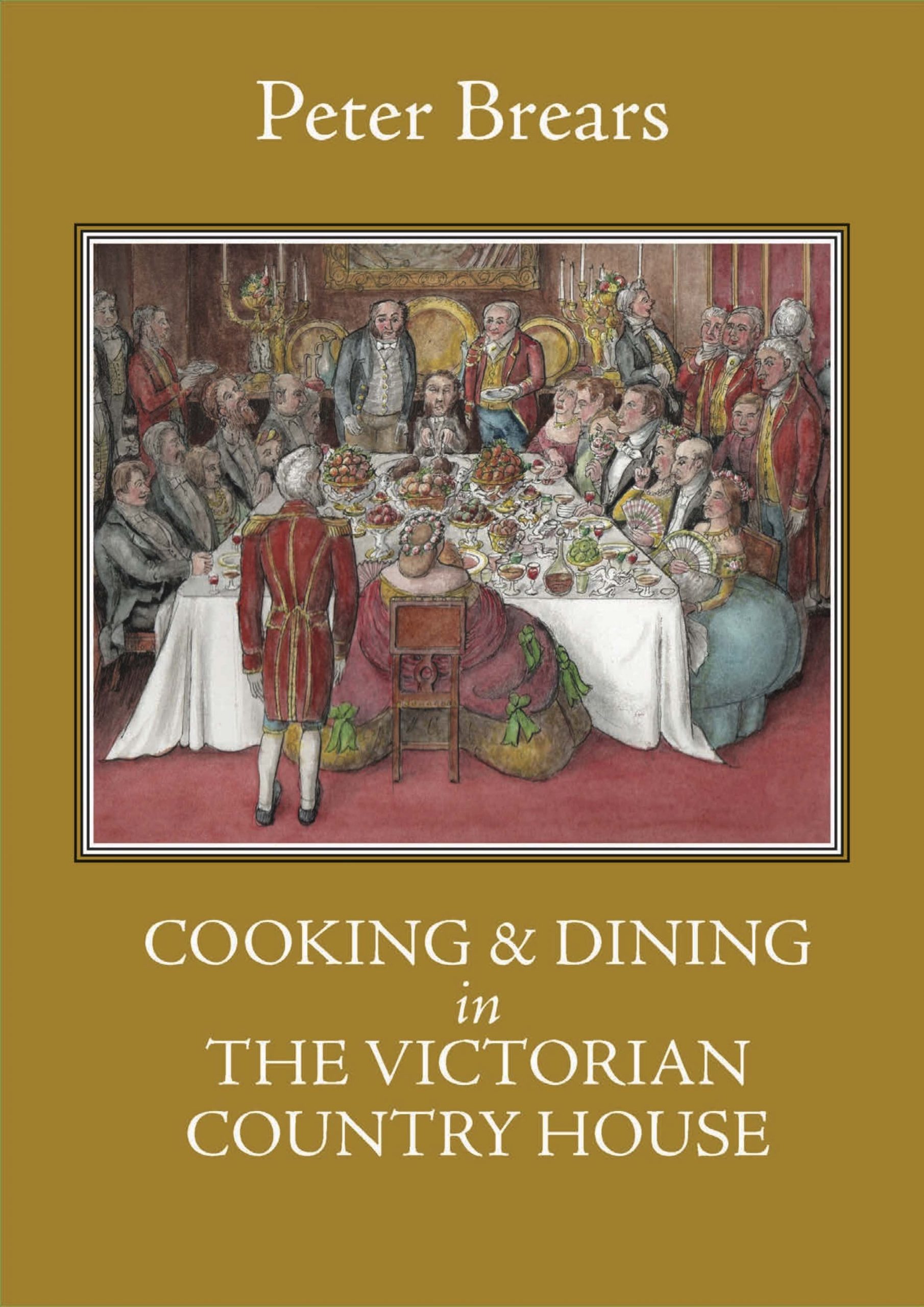
He is the winner of the André Simon award for his book, Cooking and Dining in Medieval England, published in 2012, which is a must-have, as are his other books in the series that focus on upper-class cooking and dining in the Tudor and Early Stuart periods, and most recently in the Victorian country house.

He is also a founding member of the Leeds Symposium of Food History and Traditions, which will have its 40th next year.

Our conversation was recorded in person at his home in Leeds.

We talk about the roles of the housekeeper and butler first in the Victorian period, but then trace their histories back right to the Middle Ages in the case of the butler. Also covered: orchestrating big meals, the drinks prepared by the butler, the mysteries of the stillroom, and the pressures of preparing a baked Alaska – amongst many other things.

The podcast is available on all podcast apps and YouTube. You can also stream it via this Spotify embed:

Those listening to the secret podcast can hear about French and Russian service, when housekeepers are definitely not subservient, the dos and don’ts of displaying porcelain and the contents of the housekeeper’s cupboard.

Remember: Fruit Pig are sponsoring the 9th season of the podcast, and Grant and Matthew are very kindly giving listeners to the podcast a unique special offer 10% off your order until the end of October 2025 – use the offer code Foodhis in the checkout at their online shop, www.fruitpig.co.uk.


If you can, support the podcast and blogs by becoming a £3 monthly subscriber, and unlock lots of premium content, including bonus blog posts and recipes, access to the easter eggs and the secret podcast, or treat me to a one-off virtual pint or coffee: click here.


This episode was mixed and engineered by Thomas Ntinas of the Delicious Legacy podcast.

Things mentioned in today’s episode
Cooking & Dining in Medieval England by Peter Brears (2012)

Cooking & Dining in Tudor & Early Stuart England by Peter Brears (2015)

Cooking & Dining in the Victorian Country House by Peter Brears (2023)

Before Mrs Beeton: Elizabeth Rafflad, England’s Most Influential Housekeeper by Neil Buttery (2023)

Everyday Life in Seventeenth Century Calderdale by Peter Brears (2025)

Peter’s PPC article ‘What the housekeeper kept in her drawers’ (2015) PPC 103, 61-74

Serve it Forth website – You can still receive 25% off the ticket price using the code SERVE25 at the checkout!

Serve it Forth Eventbrite page

Roast Saddle of Lamb on the Neil Cooks Grigson blog

Previous pertinent podcast episodes

18th Century Dining with Ivan Day

Elizabeth Raffald with Neil Buttery & Alessandra Pino

Neil’s other blog and YouTube channel

The British Food History Channel

‘Neil Cooks Grigson’

Neil’s books

Before Mrs Beeton: Elizabeth Raffald, England’s Most Influential Housekeeper

A Dark History of Sugar

Knead to Know: a History of Baking

The Philosophy of Puddings

Don’t forget, there will be postbag episodes in the future, so if you have any questions or queries about today’s episode, or indeed any episode, or have a question about the history of British food please email me at neil@britishfoodhistory.com, or on twitter and BlueSky @neilbuttery, or Instagram and Threads dr_neil_buttery. My DMs are open.

You can also join the British Food: a History Facebook discussion page: https://www.facebook.com/groups/britishfoodhistory

Leave a comment

Filed under Britain, Eighteenth Century, history, Podcast, Uncategorized

Worcester Porcelain with Paul Crane

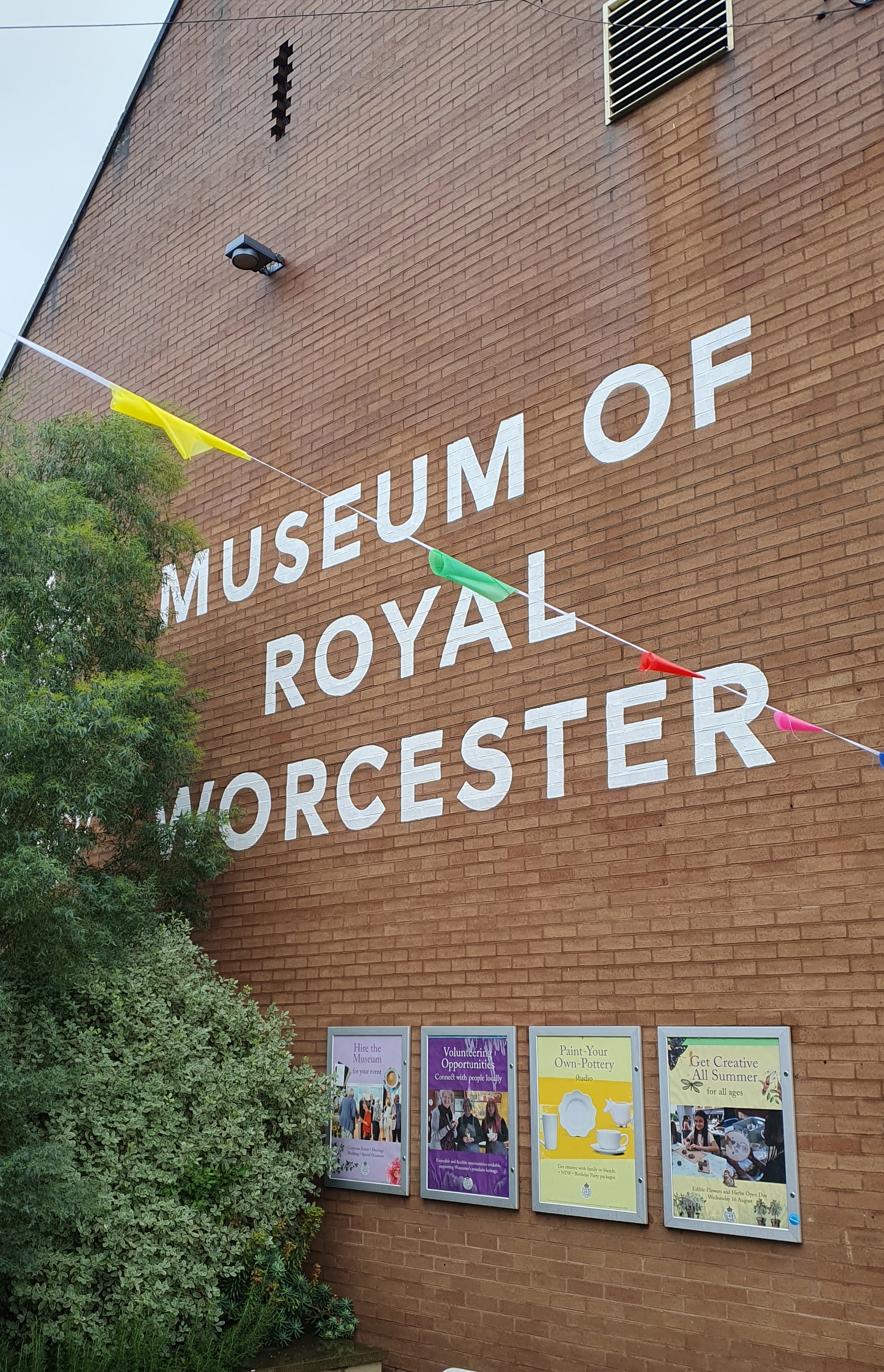
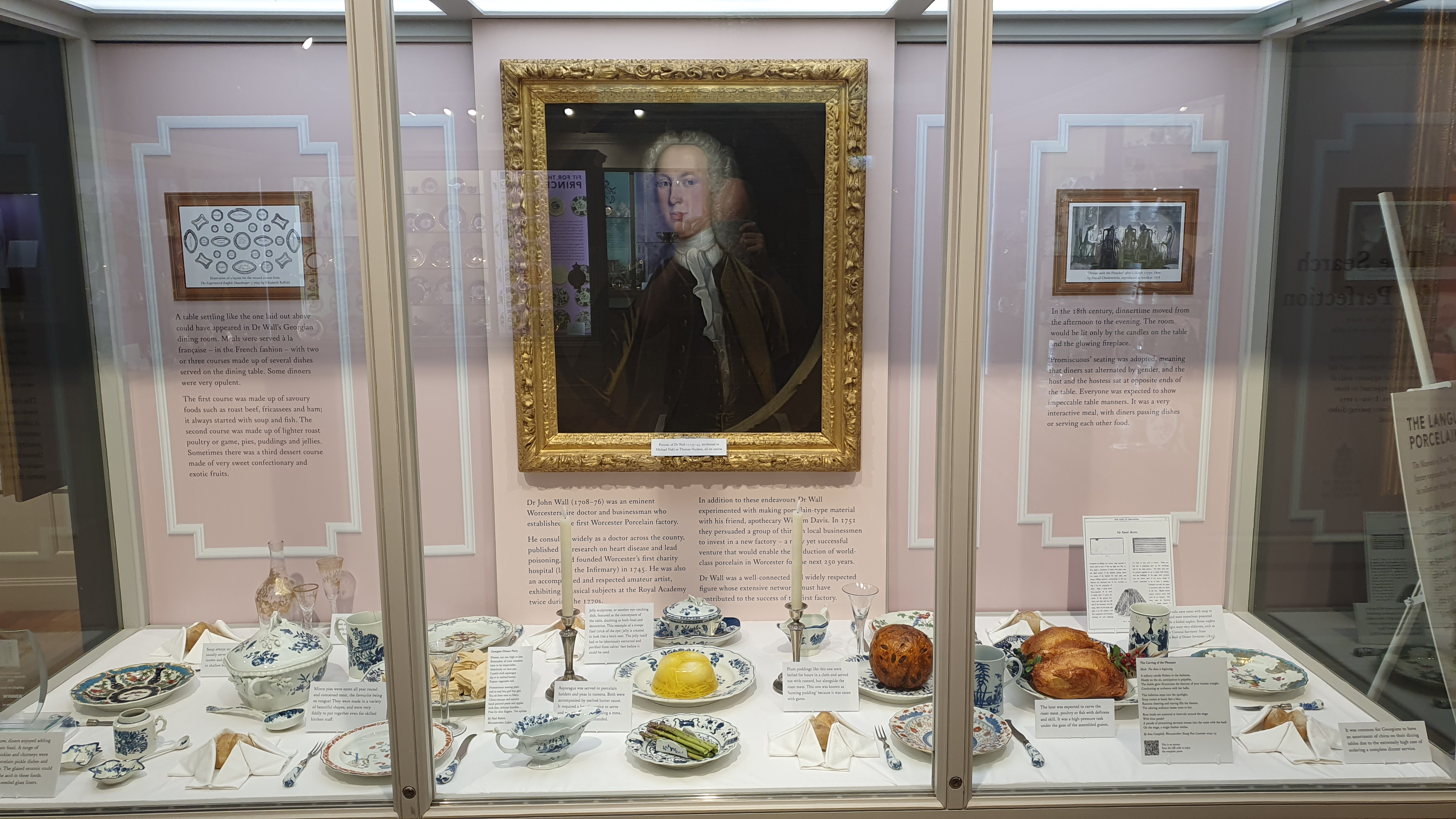
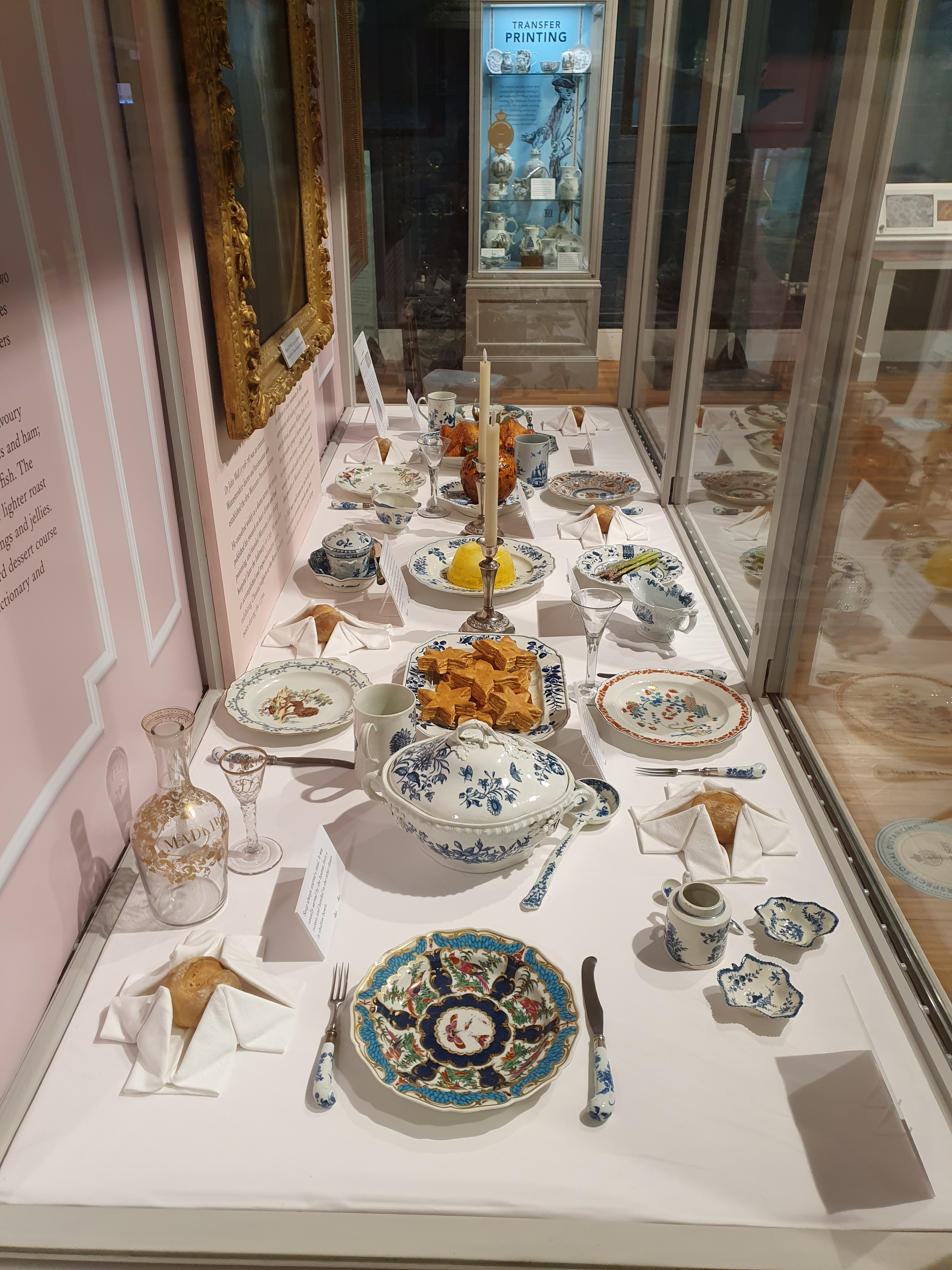
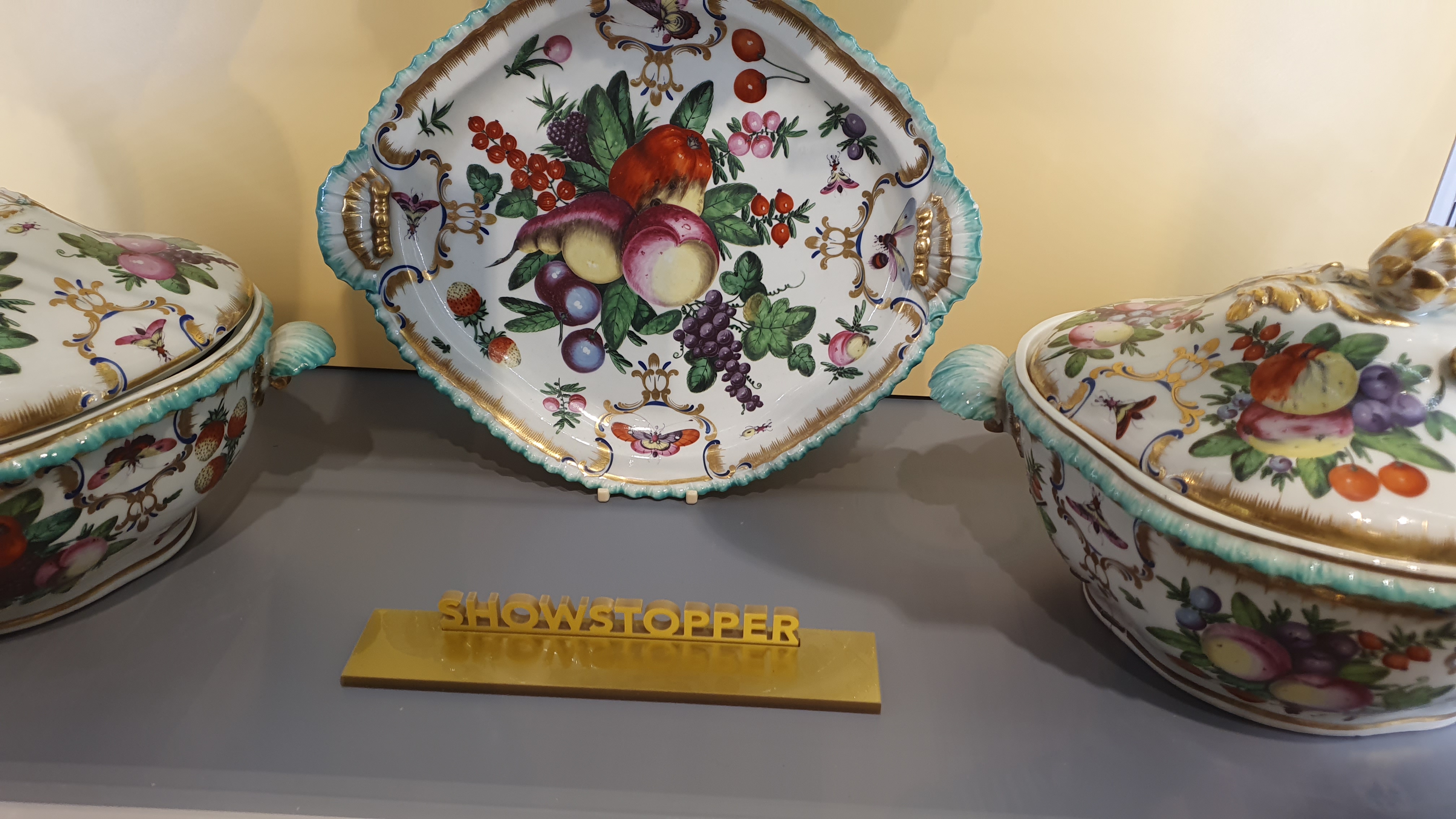
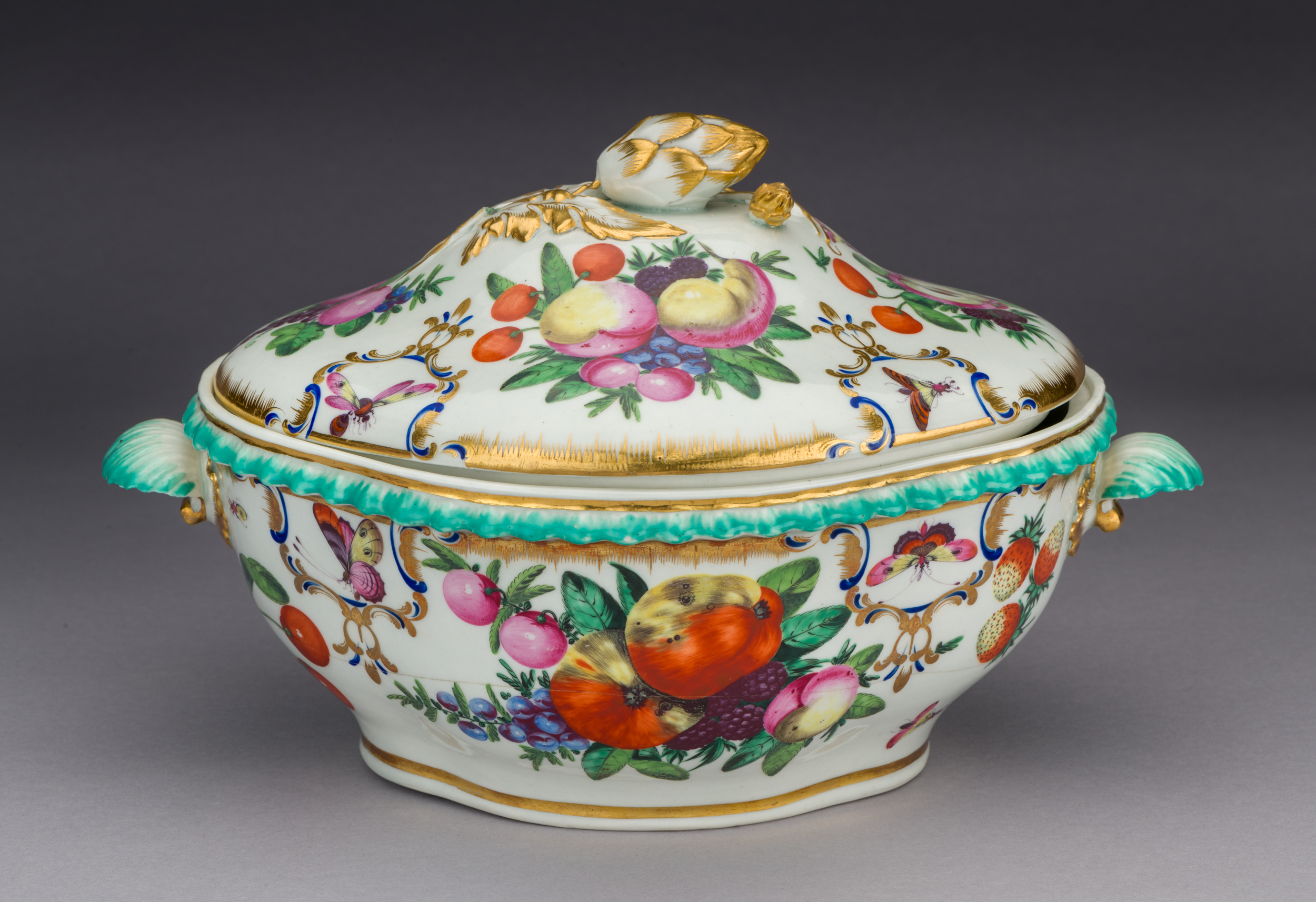
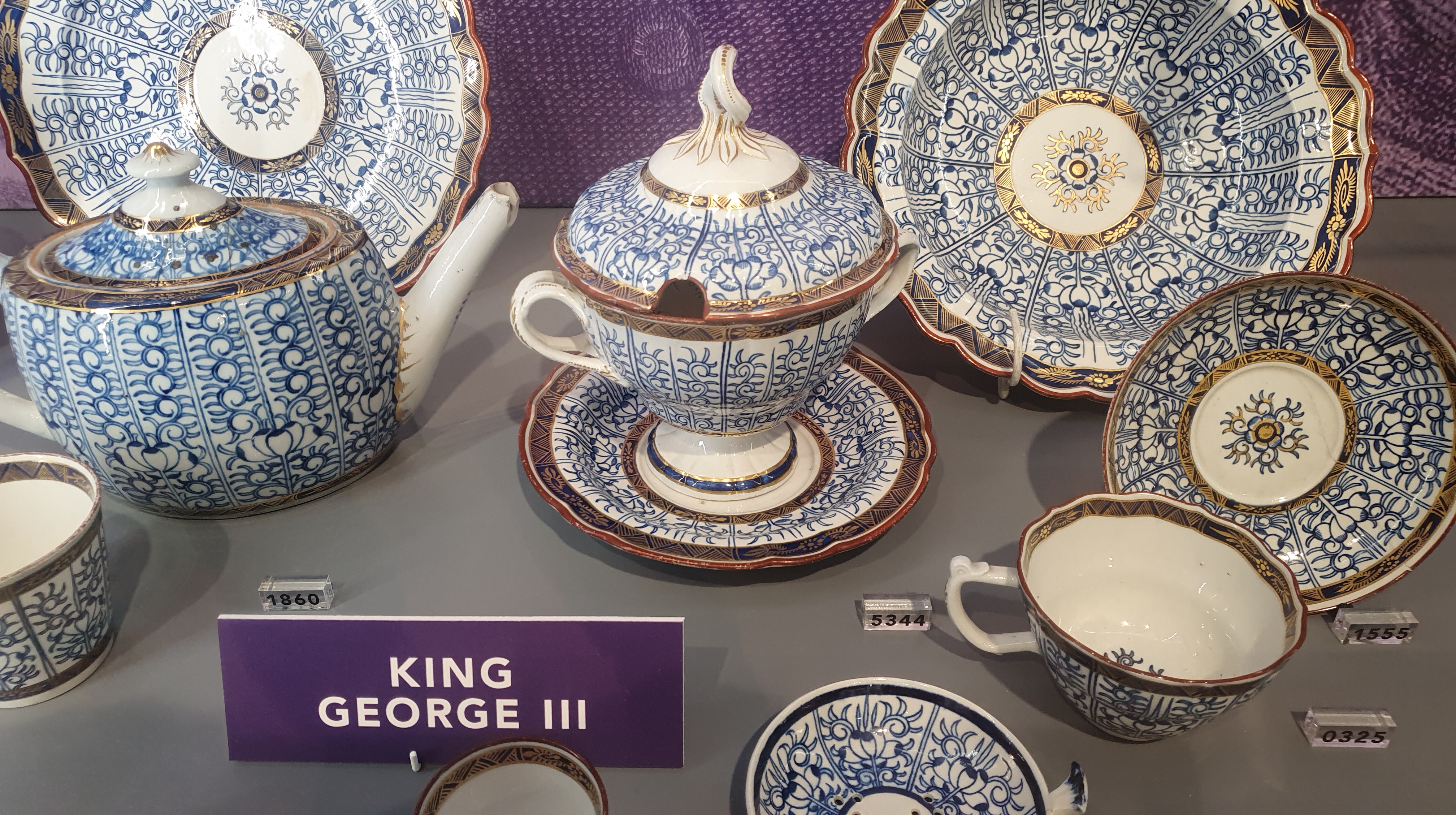
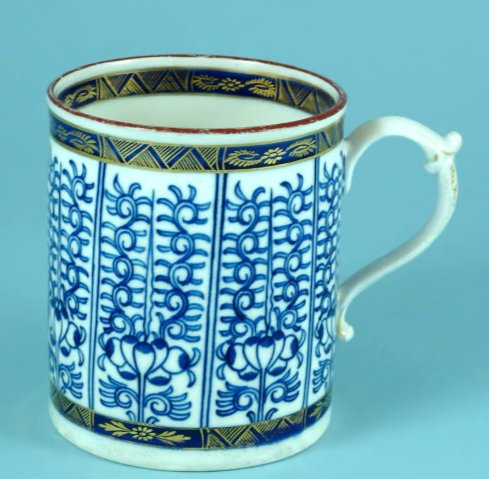
In this episode of the podcast, I talk with ceramics expert Paul Crane FSA about the early years of Worcester porcelain. Paul is a consultant at the Brian Haughton Gallery, St James’s, London, and a specialist in Ceramics from the Medieval and Renaissance periods through to the Eighteenth and Nineteenth Centuries. He presently sits as a Trustee of the Museum of Royal Worcester and is also a Fellow of the Society of Antiquaries, an independent historian and researcher and a Liveryman of the Worshipful Company of Art Scholars.

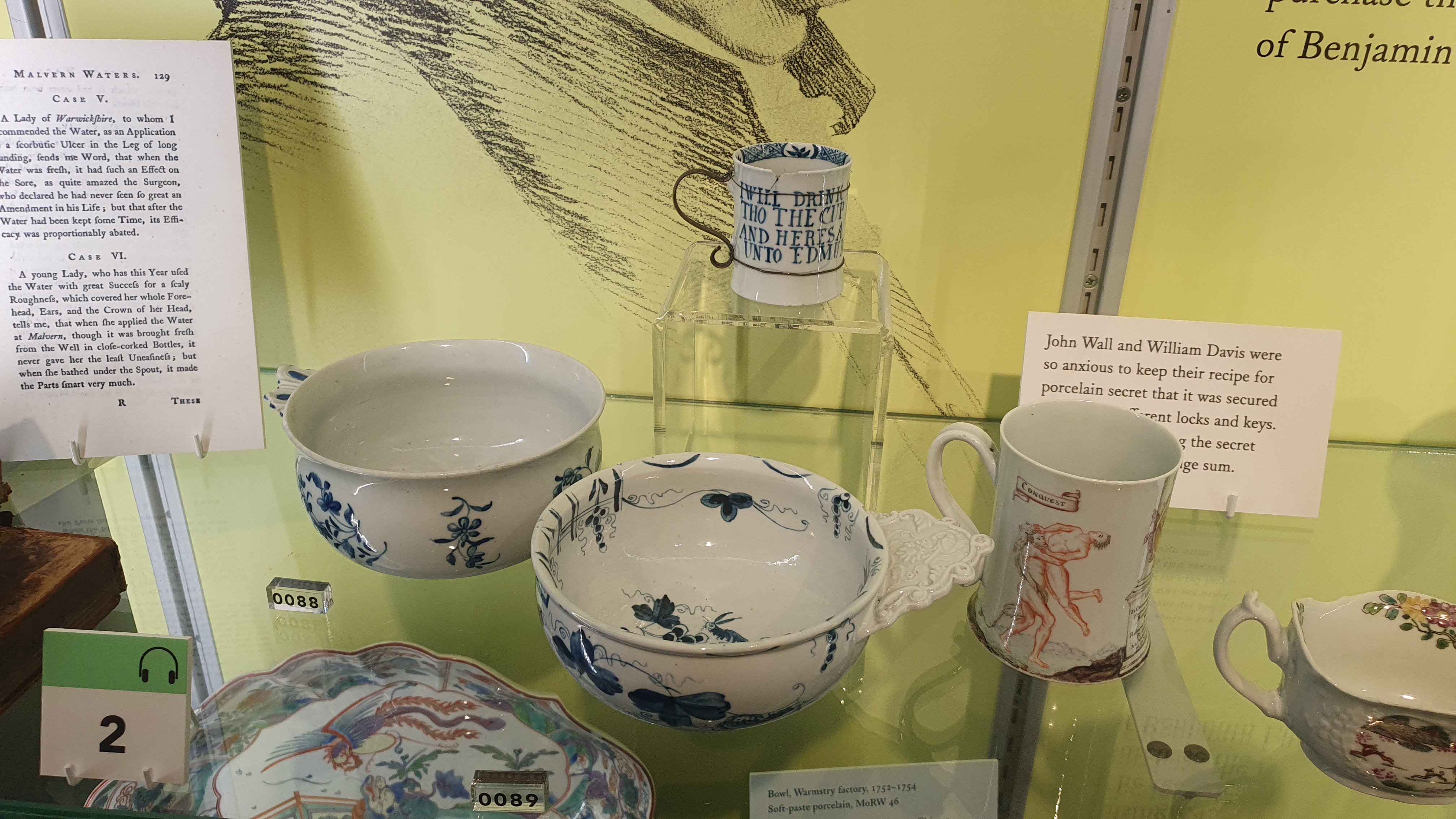
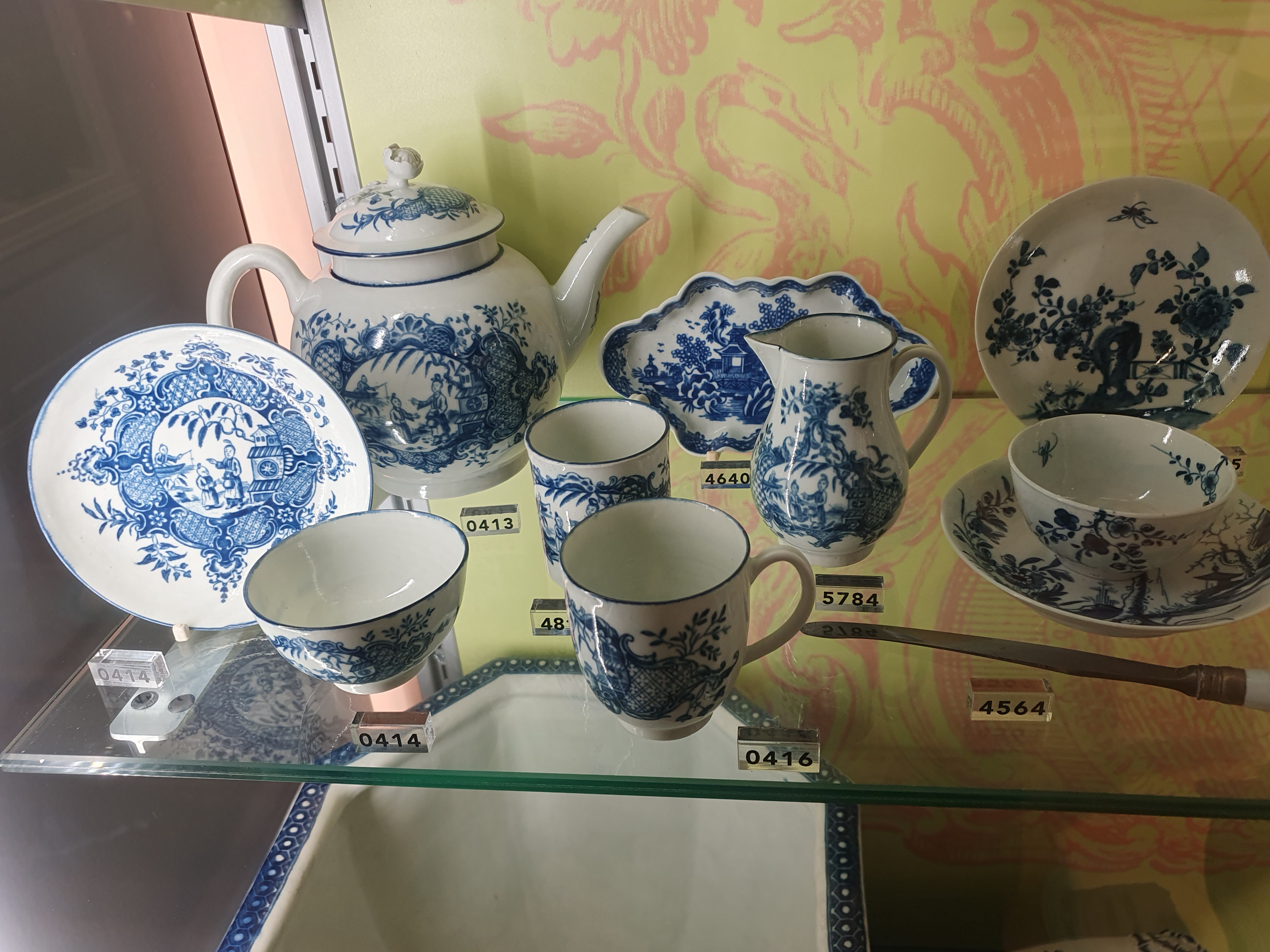
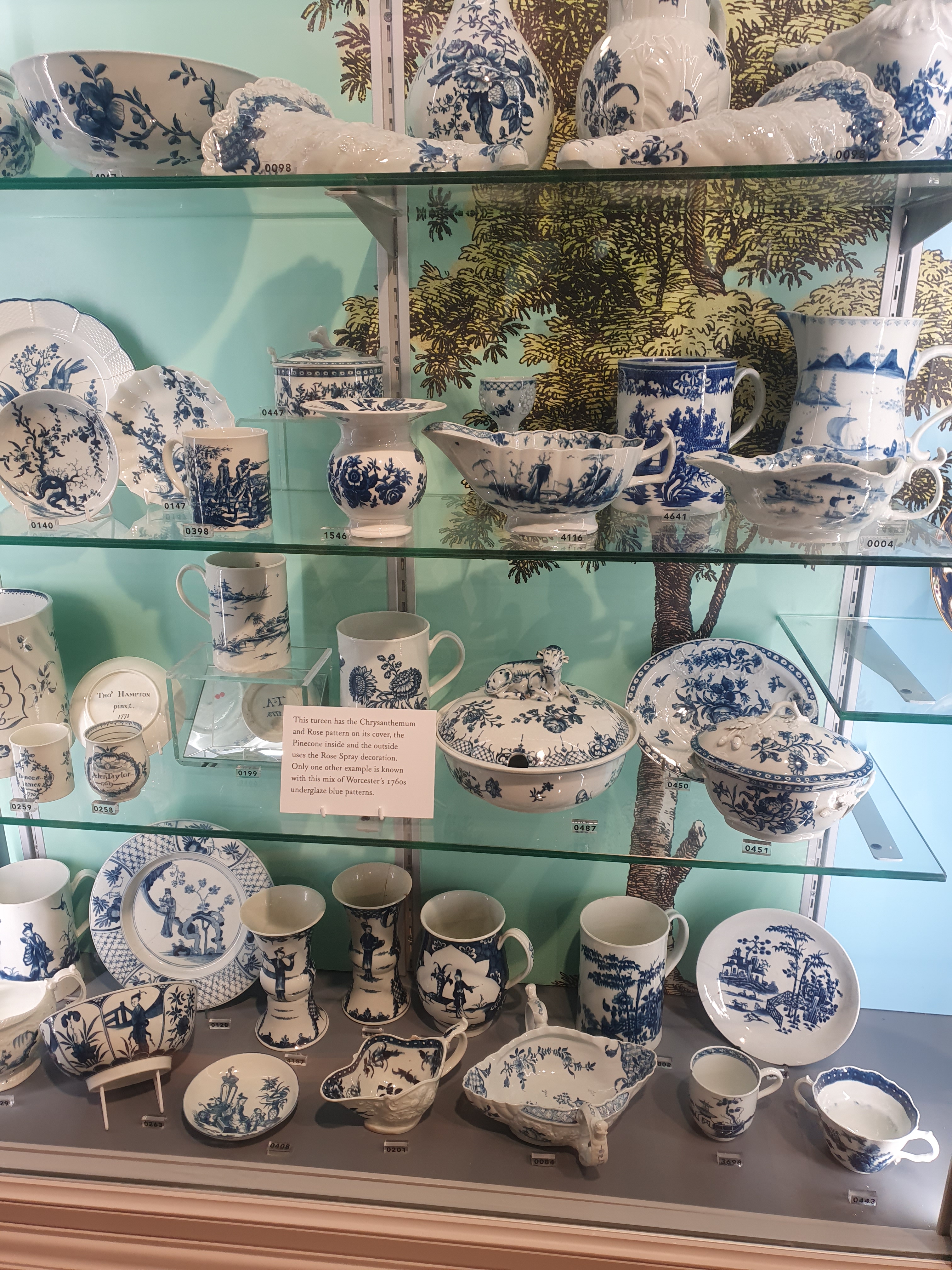
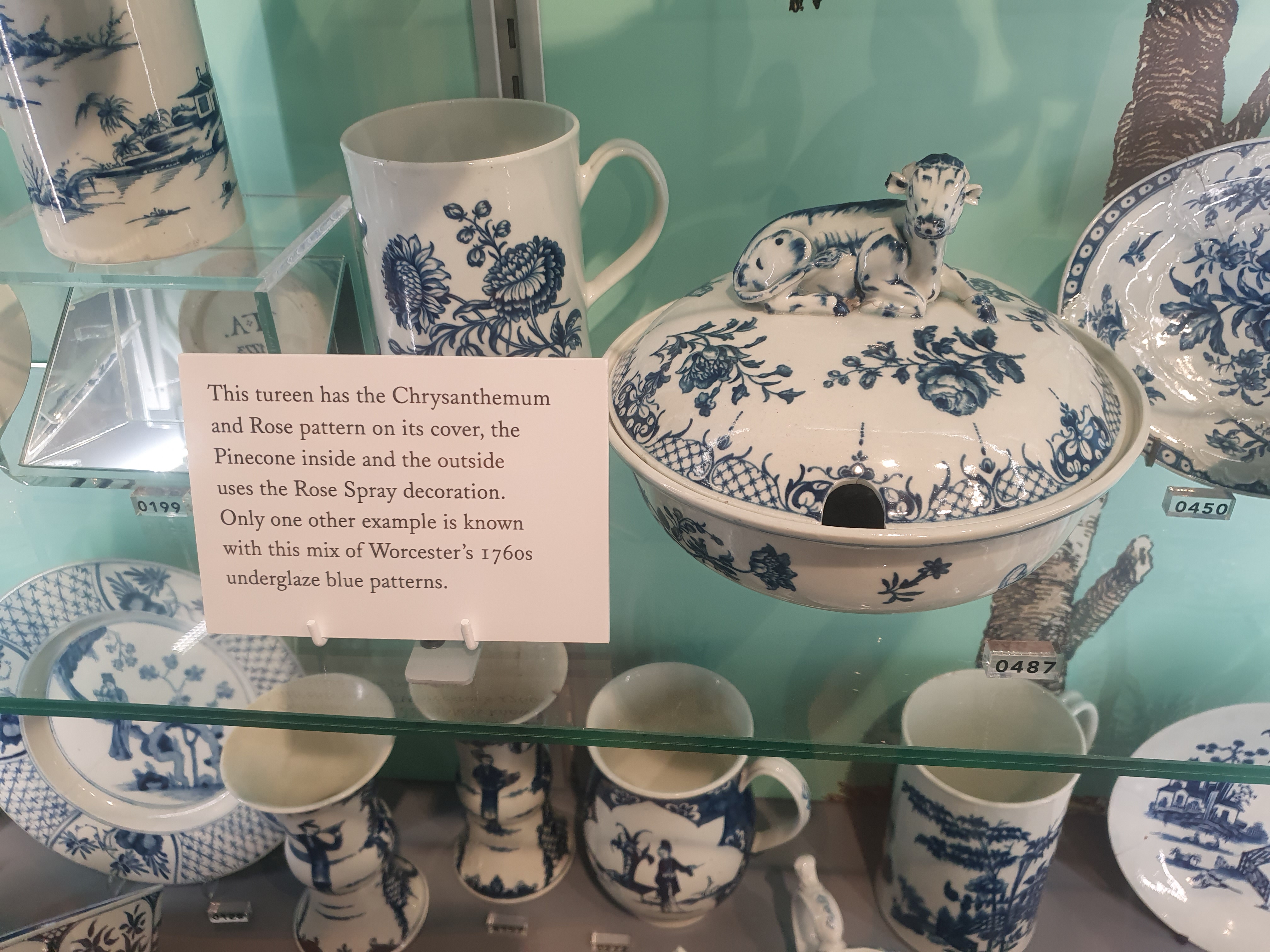
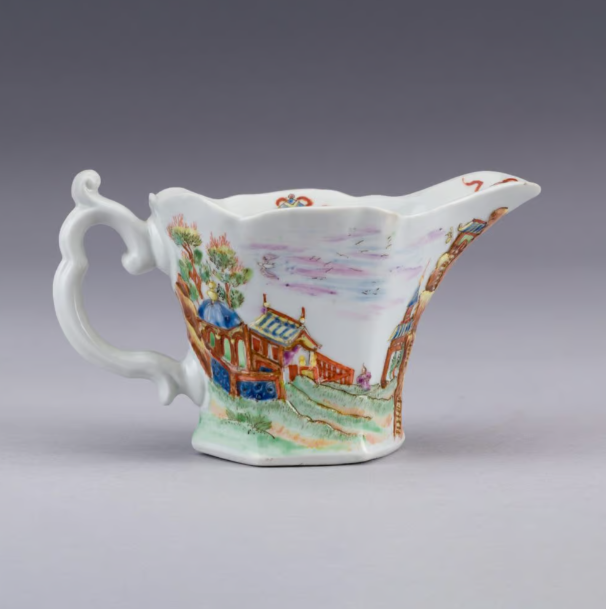
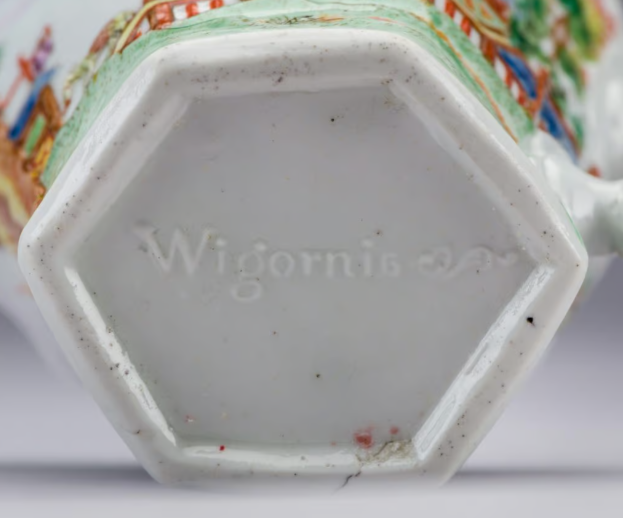
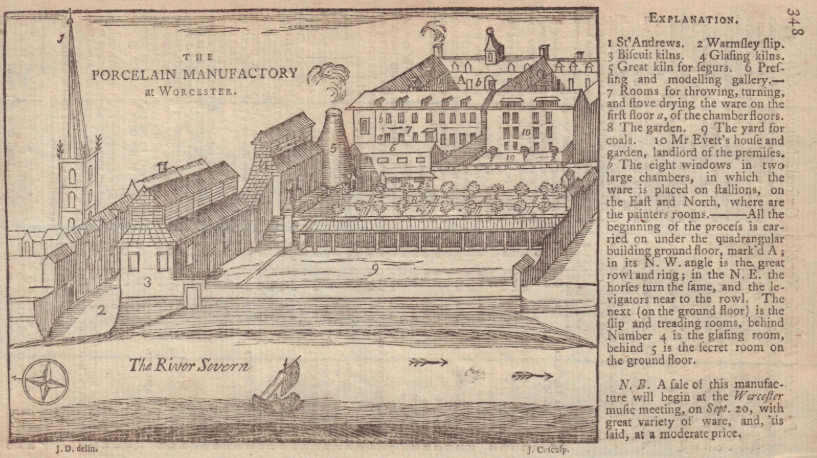
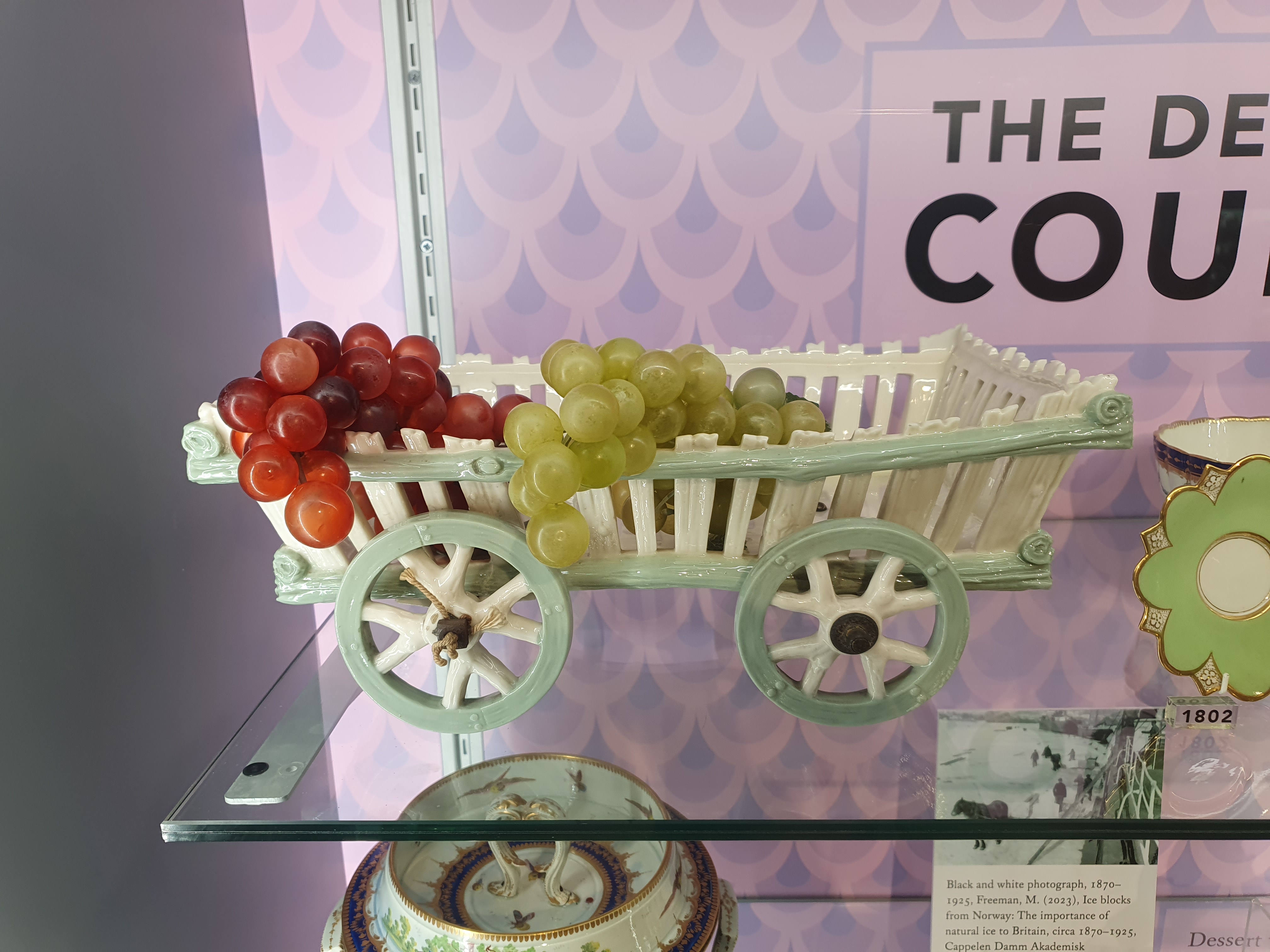
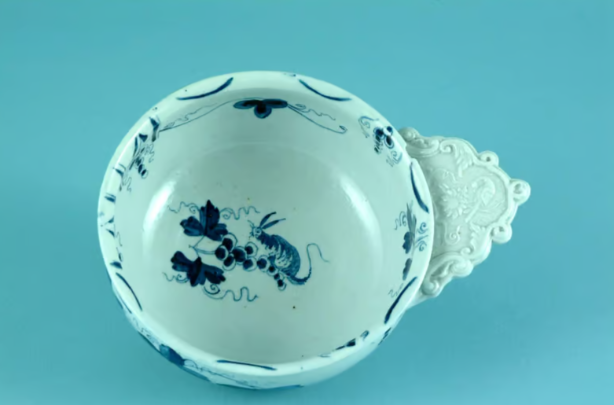
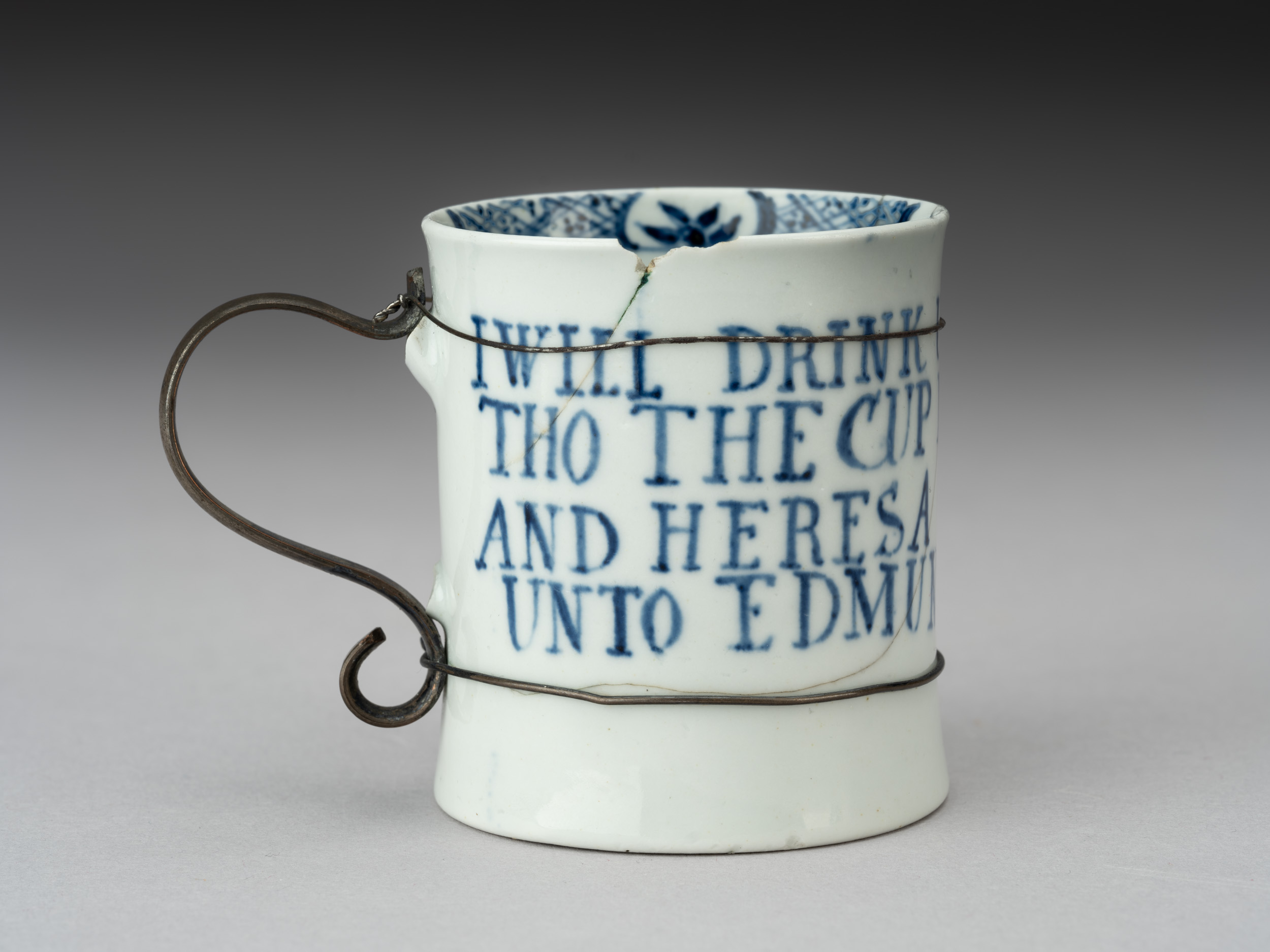
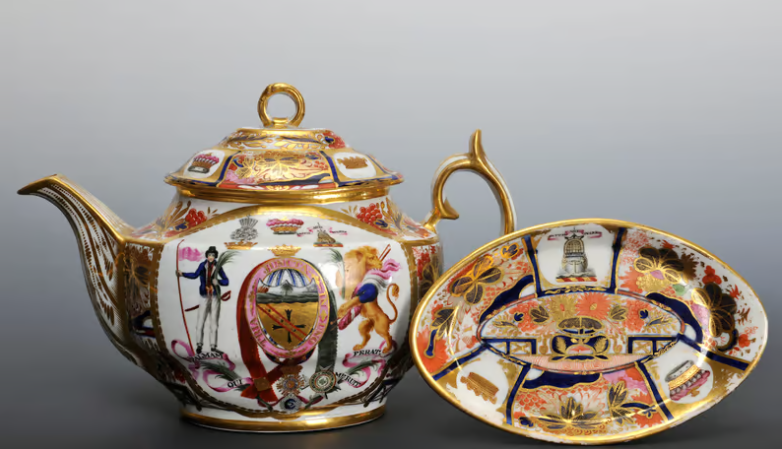
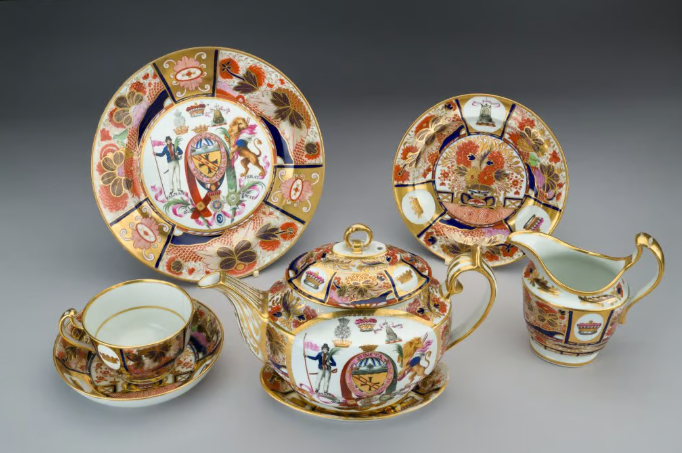
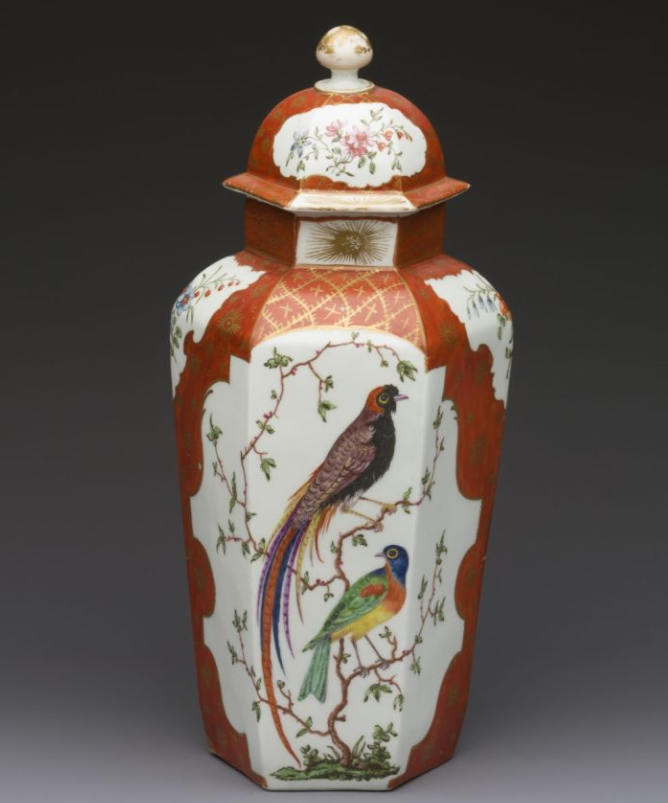
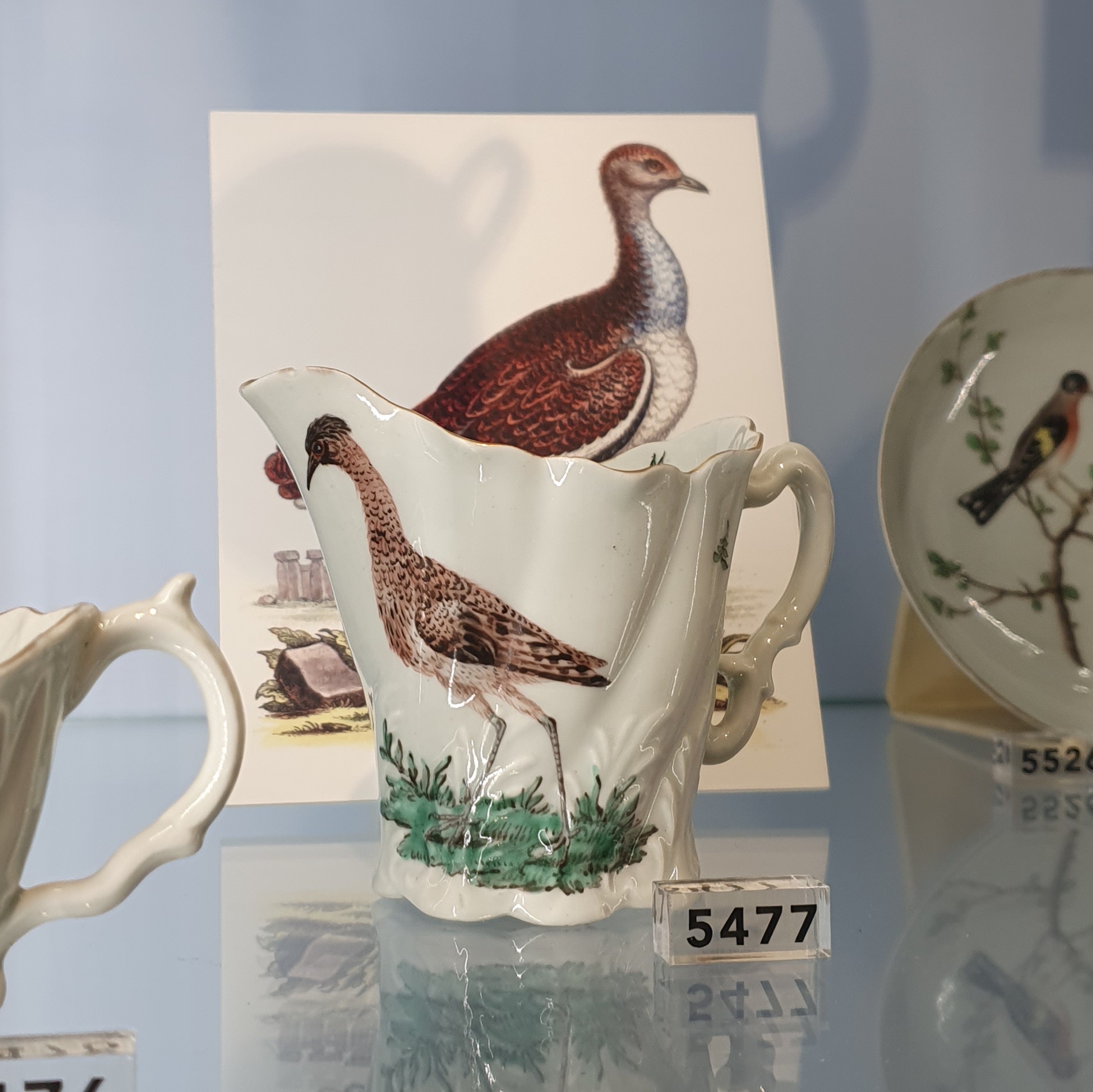
Our conversation was recorded in person at the Museum of Royal Worcester. If you want to see the pieces we discuss, check out this post where I’ve added images of the majority of the items discussed or go to the YouTube channel where I’ve lined up the images with our discussion. Paul and I really do our best to describe the pieces, but of course, it’s best if you can see them for yourself.

The images used are a mixture of my own and those taken from the Museum of Royal Worcester archives. Thank you to the museum for the permission to use them.

The podcast is available on all podcast apps, just search for “The British Food History Podcast”, or stream on this Spotify via this embed:

Alternatively, watch this episode on YouTube to see the images below matched up with the sound.

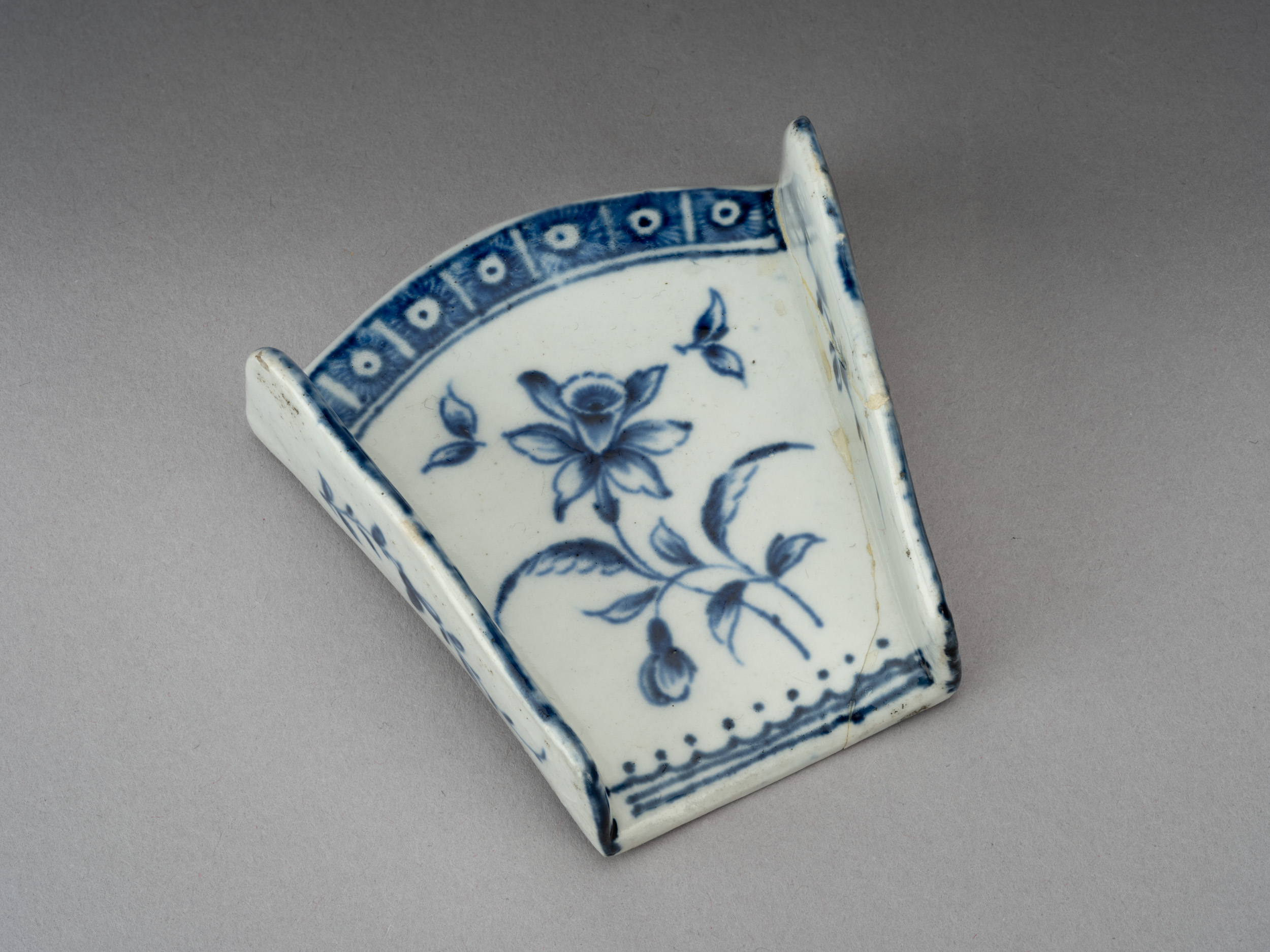
We talk about Dr Wall and how he got the Worcester manufactory up and running, the importance of seeing porcelain by candlelight, asparagus servers, the first piece of porcelain you see when you walk into the museum, the Royal Lily service and how Worcester porcelain attained the Royal warrant, amongst any other things.

Those listening to the secret podcast can hear more about the early blue and white pieces, including a rare bleeding bowl, the first commemorative coronation porcelain mug and the stunning Nelson tea service, plus much more.

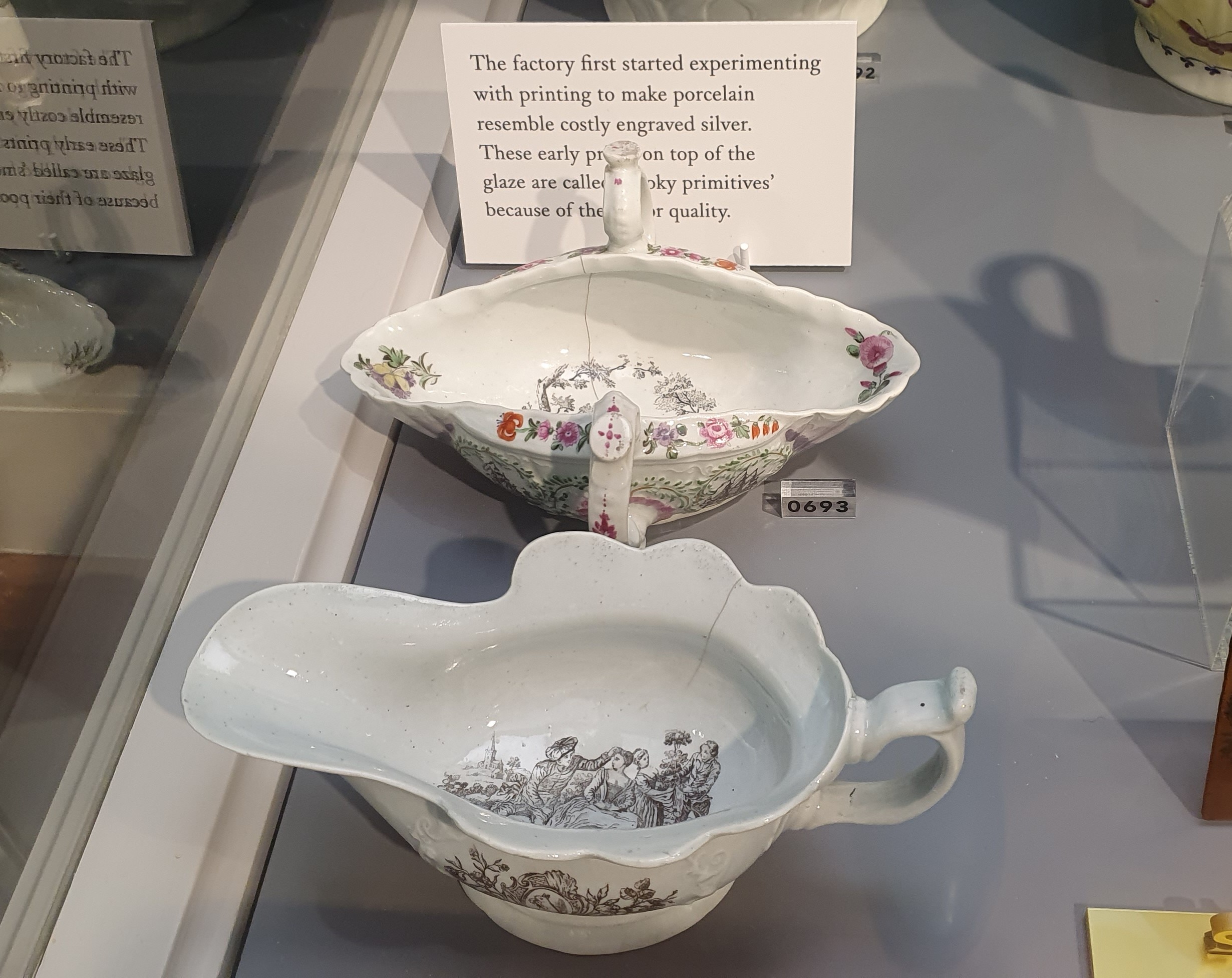
The ‘smoky primitives’ that Paul mentions that attempt to emulate the feel of silverware sparkling in the candlelight.

Remember: Fruit Pig are sponsoring the 9th season of the podcast, and Grant and Matthew are very kindly giving listeners to the podcast a unique special offer 10% off your order until the end of October 2025 – use the offer code Foodhis in the checkout at their online shop, www.fruitpig.co.uk.


If you can, support the podcast and blogs by becoming a £3 monthly subscriber, and unlock lots of premium content, including bonus blog posts and recipes, access to the easter eggs and the secret podcast, or treat me to a one-off virtual pint or coffee: click here.


This episode was mixed and engineered by Thomas Ntinas of the Delicious Legacy podcast.

Things mentioned in today’s episode
YouTube video of the episode with images of the porcelain discussed

Museum of Royal Worcester website

Paul’s YouTube talk called ‘Nature, Porcelain and the Enlightenment’

Paul’s YouTube talk called ‘Early Worcester from Dr Wall to James Giles’

My museum talk about Worcester porcelain and 19th-century dining

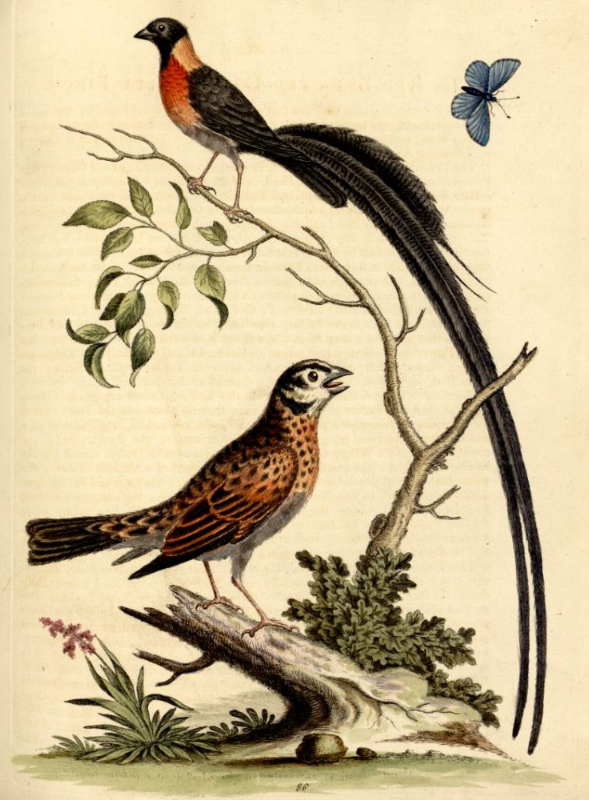
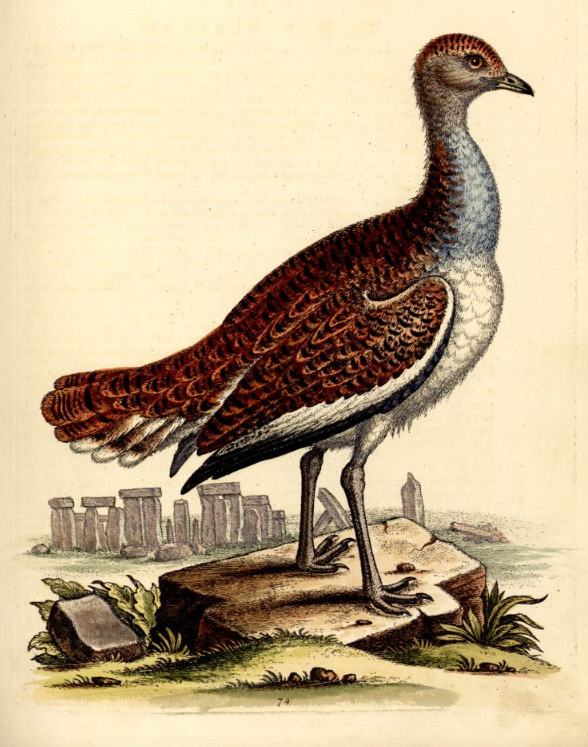
The Natural History of Uncommon Birds by George Edwards

A video about the first project Neil took part in with the Museum of Royal Worcester

Serve it Forth website – You can still receive 25% off the ticket price using the code SERVE25 at the checkout!

Serve it Forth Eventbrite page

Previous pertinent podcast episodes

18th Century Dining with Ivan Day

Neil’s other blog and YouTube channel

The British Food History Channel

‘Neil Cooks Grigson’

Neil’s books

Before Mrs Beeton: Elizabeth Raffald, England’s Most Influential Housekeeper

A Dark History of Sugar

Knead to Know: a History of Baking

The Philosophy of Puddings

Don’t forget, there will be postbag episodes in the future, so if you have any questions or queries about today’s episode, or indeed any episode, or have a question about the history of British food, please email me at neil@britishfoodhistory.com, or leave a comment below.

Leave a comment

Filed under Britain, Eighteenth Century, food, General, history, Podcast, The Royals, Uncategorized

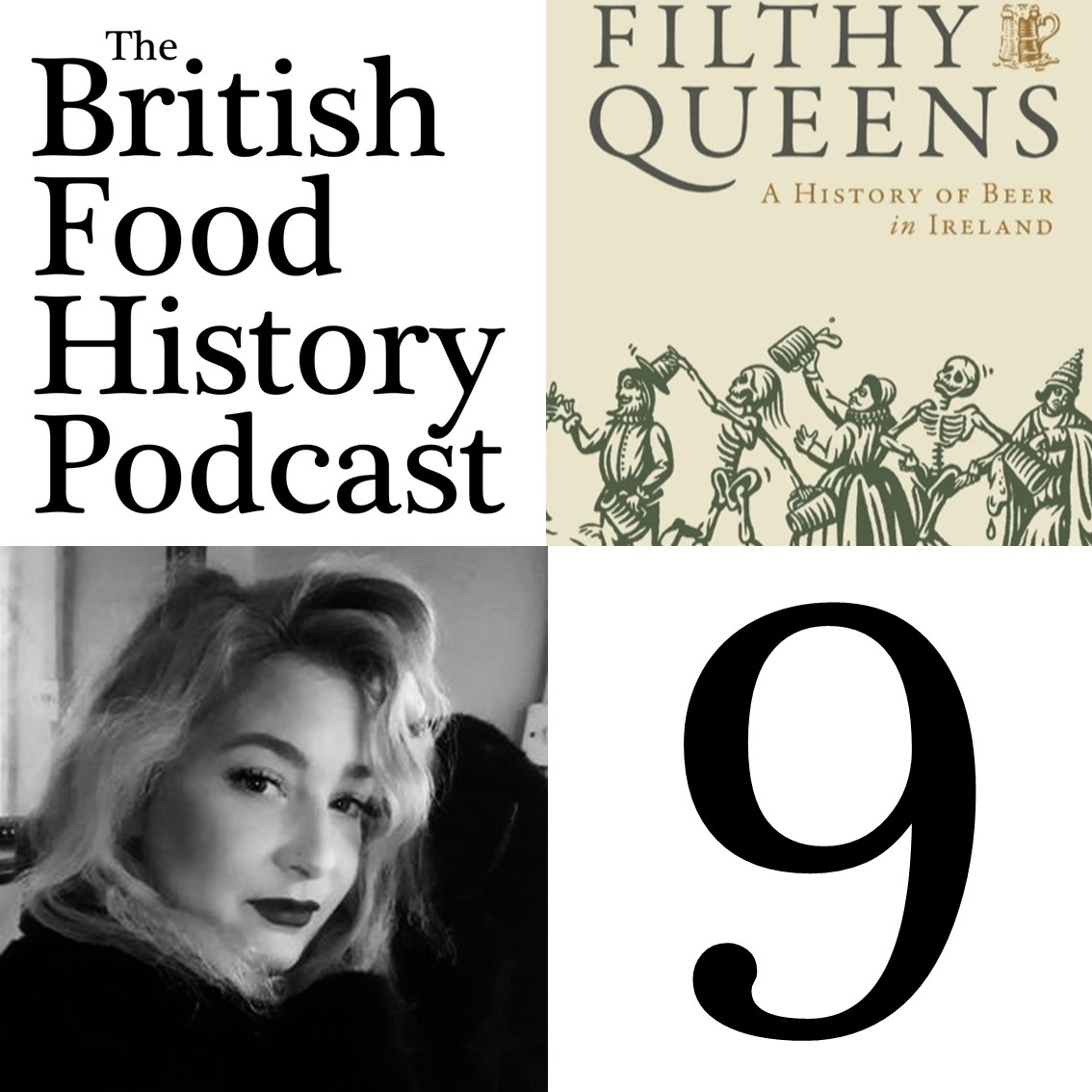
Ireland, Ale & the Colonising British with Christina Wade

In this episode, I speak with Christina Wade, a beer historian specialising in the UK and Ireland, with a particular focus on women. She has written an excellent book, Filthy Queens: A History of Beer in Ireland, which was published by Nine Bean Rows earlier this year (2025).

We talk about ale and beer in Ireland, and how colonisation by the English, and then the British, affected beer production and consumption. Topics include: ale in early medieval Ireland, the man who inspired the title of her book, ale consumption during the Irish Rebellion and the Potato Famine, and the use of human skulls in medicinal ales, amongst many other things.

The British Food History Podcast is available on all podcast apps, but you can also hear it on YouTube or stream it via this embed:

Those listening to the secret podcast can hear about the links between alewives and witchcraft, whiskey and beer consumption, tea kettle brews and more!

Christina’s social media handle on Instagram and Bluesky is @braciatrix.

Christina’s website

Christina’s Substack

Filthy Queens: A History of Beer in Ireland

The Devil’s in the Draught Lines: 1000 Years of Women in Britain’s Beer History

The Beer Ladies Podcast

Remember: Fruit Pig are sponsoring the 9th season of the podcast and Grant and Matthew are very kindly giving listeners to the podcast a unique special offer 10% off your order until the end of October 2025 – use the offer code Foodhis in the checkout at their online shop, www.fruitpig.co.uk.


If you can, support the podcast and blogs by becoming a £3 monthly subscriber, and unlock lots of premium content, including bonus blog posts and recipes, access to the easter eggs and the secret podcast, or treat me to a one-off virtual pint or coffee: click here.


This episode was mixed and engineered by Thomas Ntinas of the Delicious Legacy podcast.

Things mentioned in today’s episode

Serve it Forth website – You can still receive 25% off the ticket price using the code SERVE25 at the checkout!

Serve it Forth Eventbrite page

Neil’s blog post about cock ale/beer

Barnaby Rich’s book The Irish hubbub or, the English hue and crie. 1617

Neil’s blog post about junket for £3 subscribers

Listen to Neil on Around the Table

Previous pertinent podcast episodes

Making Medieval Ale at Home with Alison Kay

Recreating 16th Century Beer with Susan Flavin and Marc Meltonville

Neil’s other blog and YouTube channel

The British Food History Channel

‘Neil Cooks Grigson’

Neil’s books:

Before Mrs Beeton: Elizabeth Raffald, England’s Most Influential Housekeeper

A Dark History of Sugar

Knead to Know: a History of Baking

The Philosophy of Puddings

Don’t forget, there will be postbag episodes in the future, so if you have any questions or queries about today’s episode, or indeed any episode, or have a question about the history of British food please email me at neil@britishfoodhistory.com, or leave a comment below.

Leave a comment

Filed under Books, Brewing, Britain, General, history, Podcast, Uncategorized

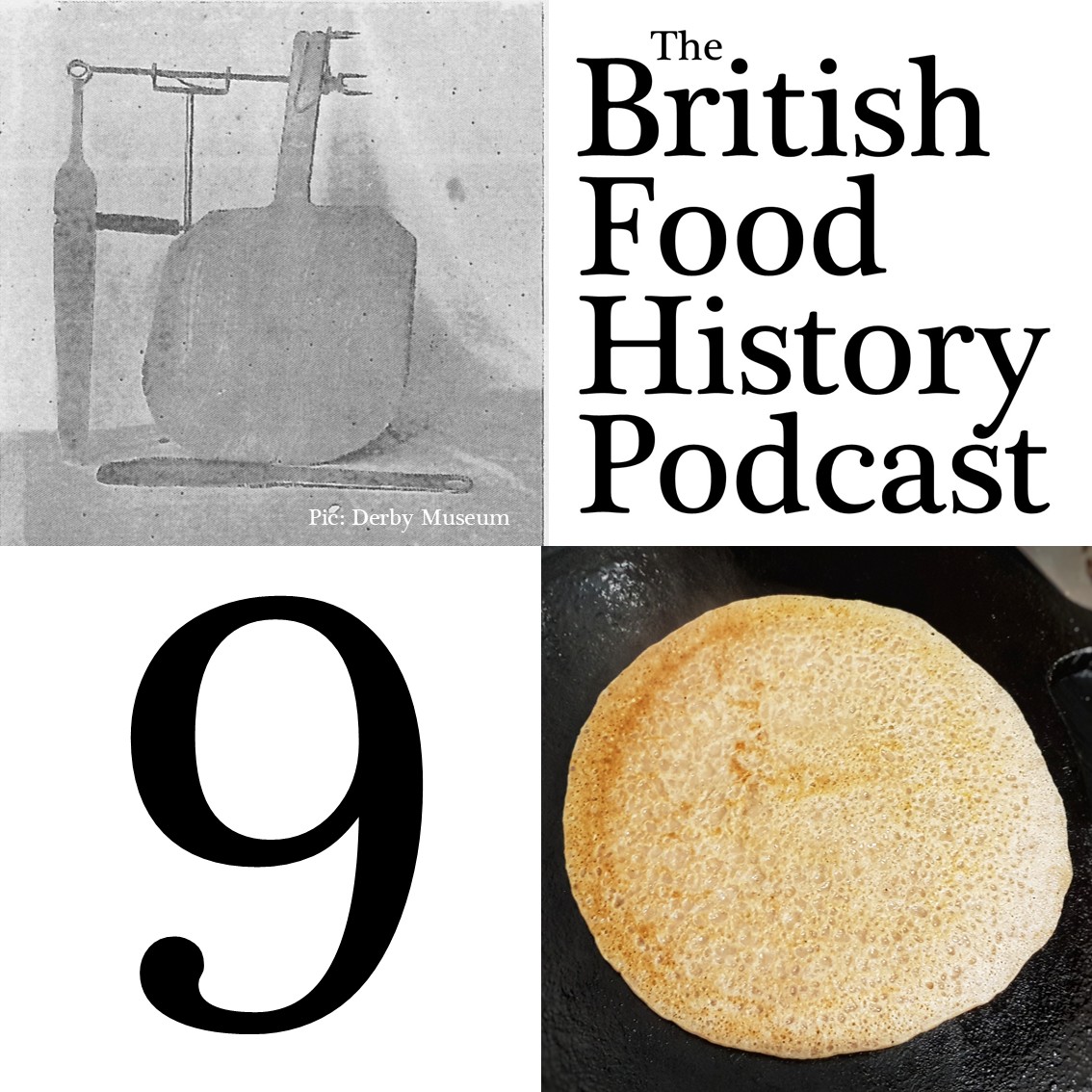
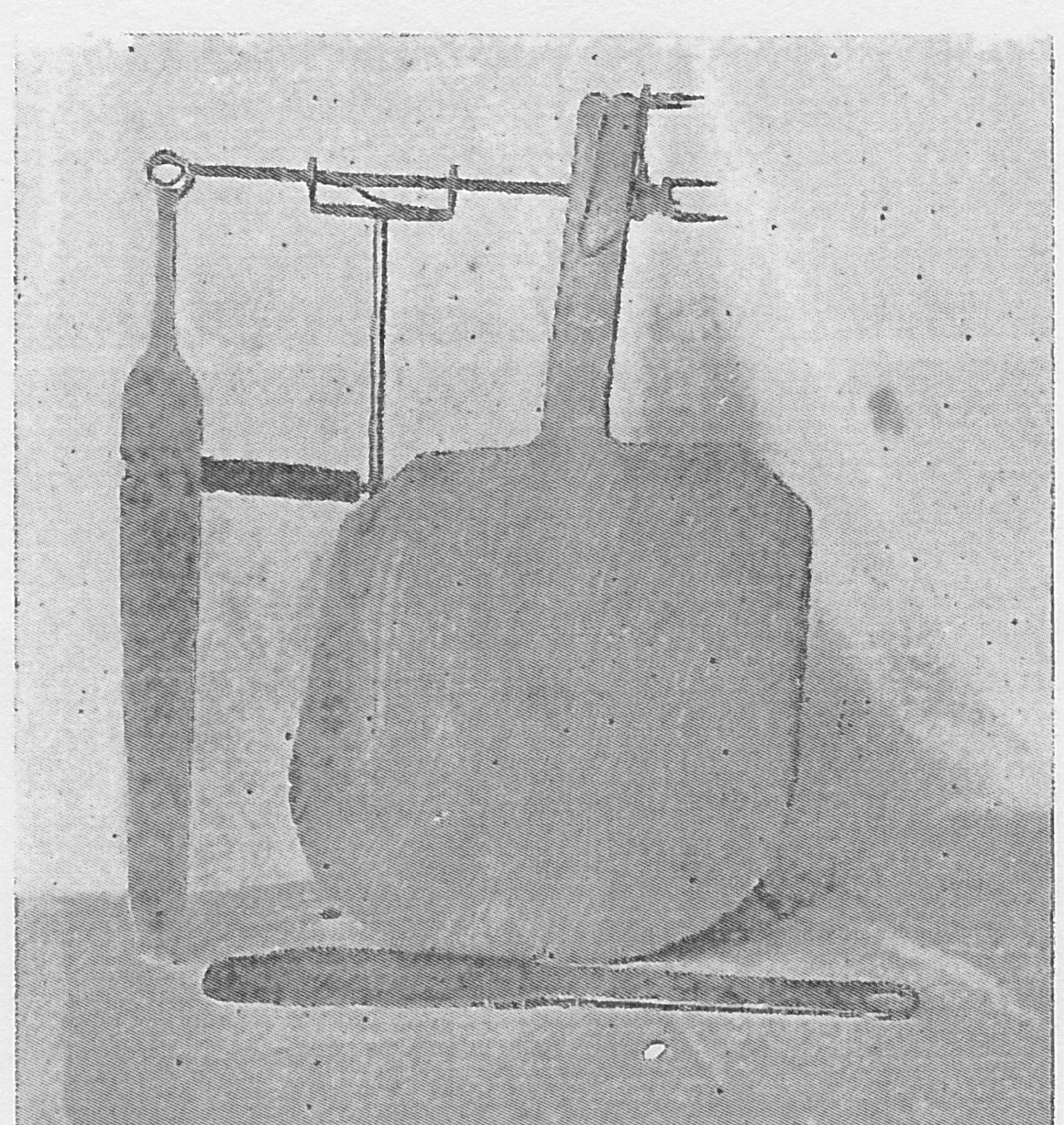
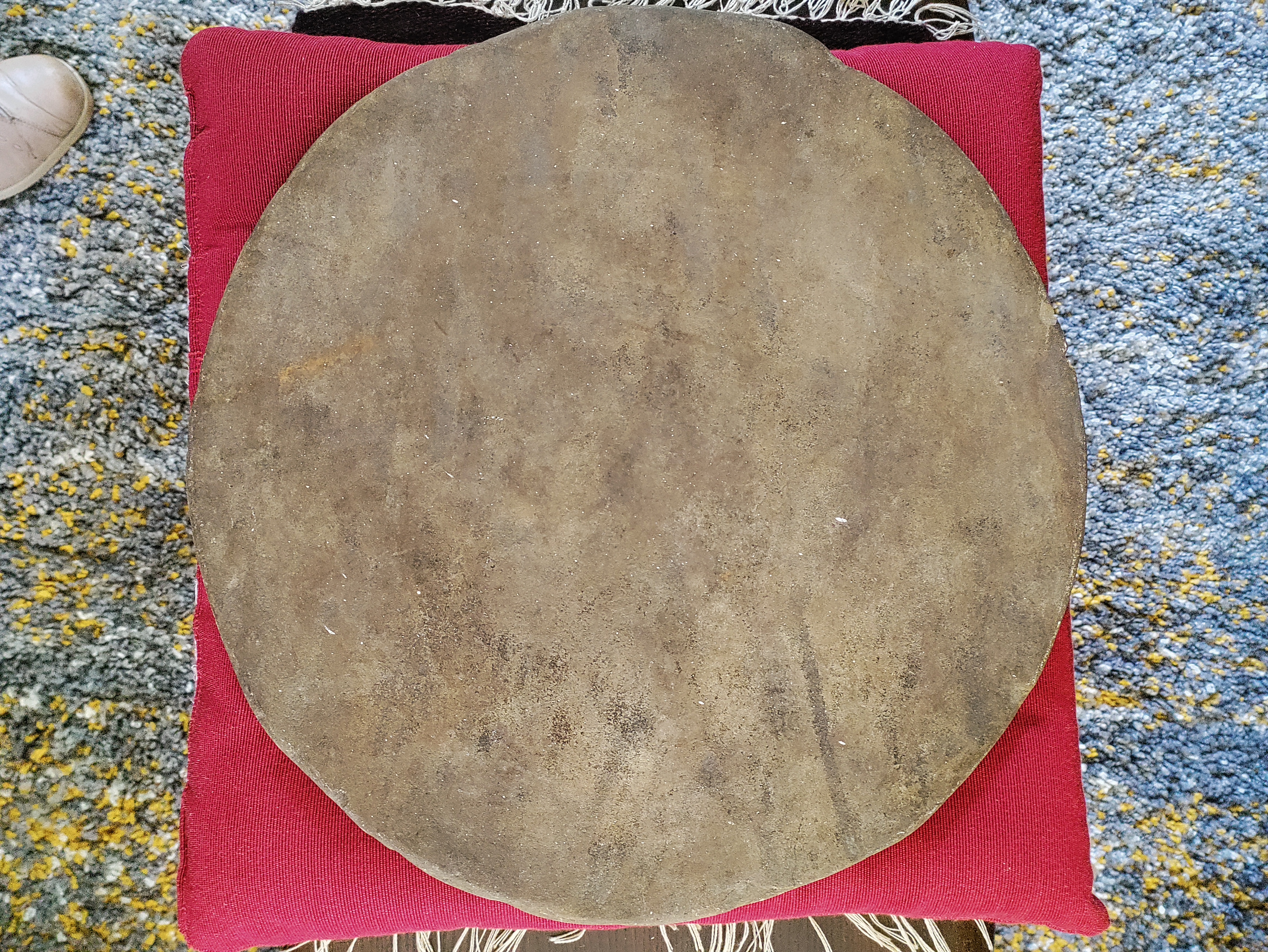
Derbyshire Oatcakes with Mark Dawson

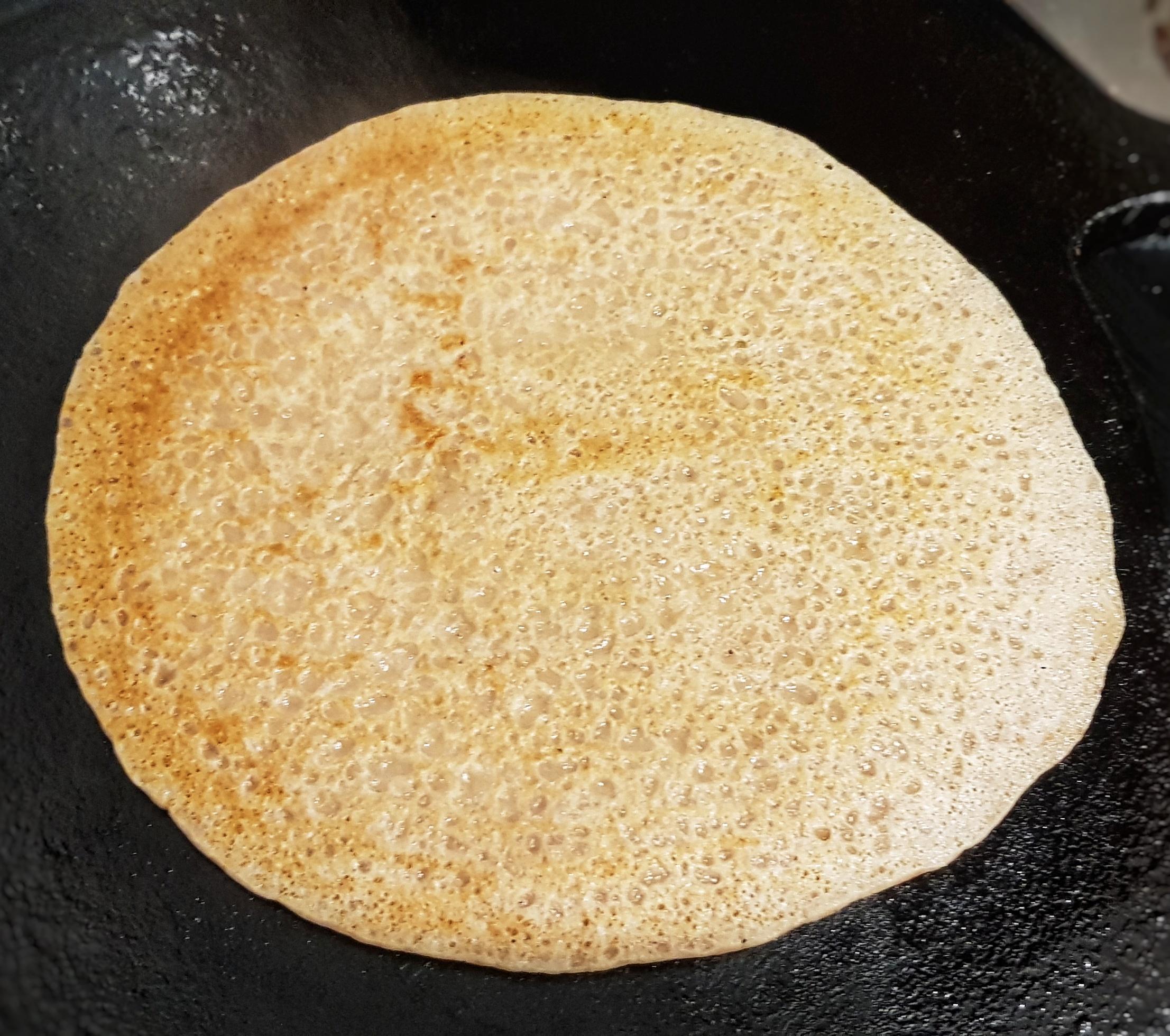
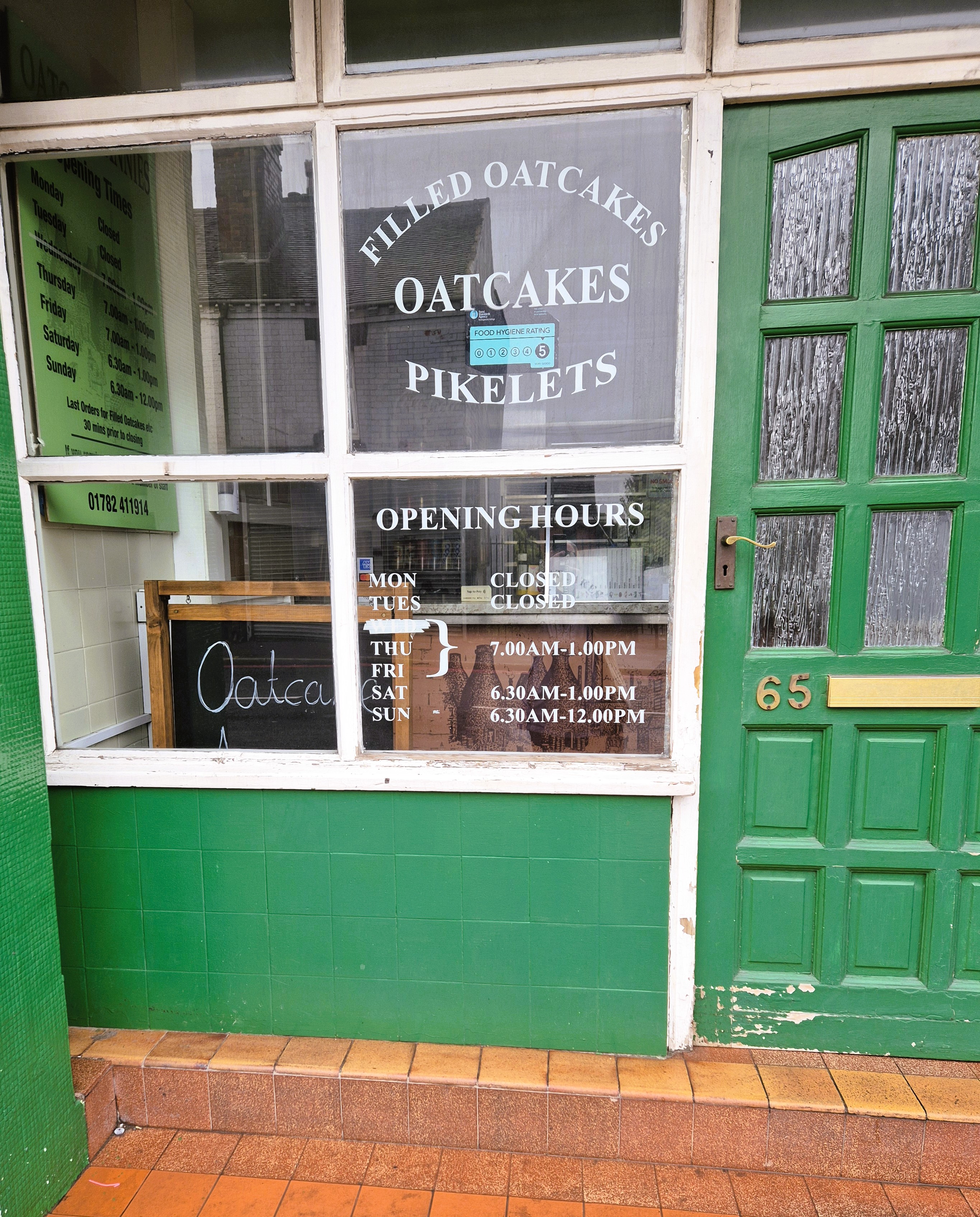
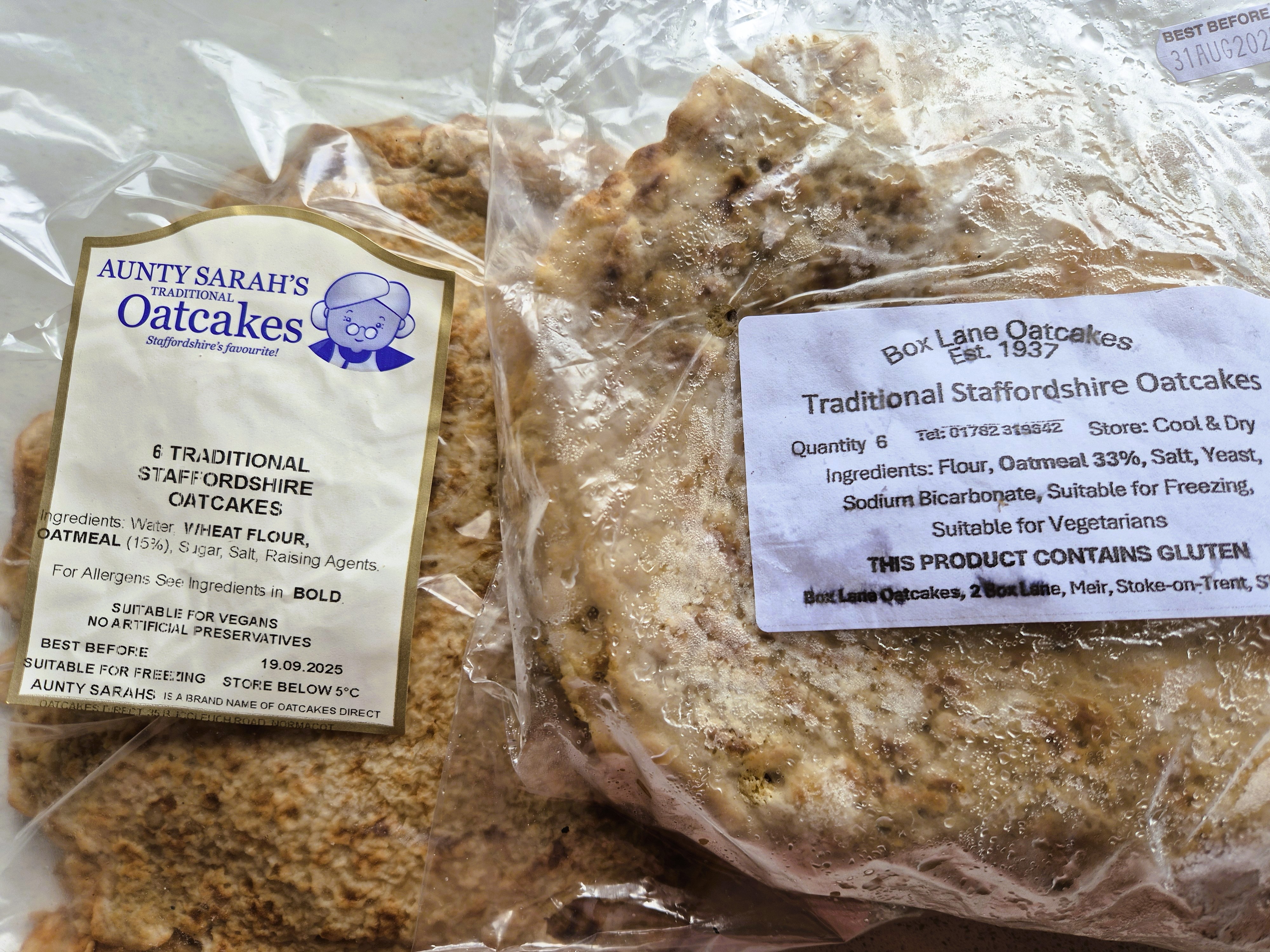
My guest today is Mark Dawson, food historian, specialising in the food of the Tudor period, but also food of Derbyshire. We met up at Mark’s home in Derbyshire to talk all things Derbyshire oatcakes.

Mark and I talk about the oatcakes of Britain, doshens and sprittles, the usefulness of probate inventories, oatcakes as penance, and oatcake goblins – amongst many other things.

It’s available on all podcast platforms and YouTube. If you’re not a podcast/YouTube sort of person, listen here:

Those listening to the secret podcast can hear about other Derbyshire foods made from oats; a discussion about why oatcake is better than porridge; and I grill Mark on one very important matter: just what is the difference between a Derbyshire and a Staffordshire oatcake.

Follow Mark on Instagram @drdobba

Mark’s book Lumpy Tums: Derbyshire’s Food & Drink will be published by Amberley in April 2026

Mark’s previous book Plenti and Grase (2009) is published by Prospect Books

Mark Dawson’s Food History Pages

Mark’s SpeakerNet profile

Remember: Fruit Pig are sponsoring the 9th season of the podcast and Grant and Matthew are very kindly giving listeners to the podcast a unique special offer 10% off your order until the end of October 2025 – use the offer code Foodhis in the checkout at their online shop, www.fruitpig.co.uk.


If you can, support the podcast and blogs by becoming a £3 monthly subscriber, and unlock lots of premium content, including bonus blog posts and recipes, access to the easter eggs and the secret podcast, or treat me to a one-off virtual pint or coffee: click here.


This episode was mixed and engineered by Thomas Ntinas of the Delicious Legacy podcast.

Things mentioned in today’s episode
Serve it Forth website

Serve it Forth Eventbrite page

Find out more about Joan Thirsk

General View of the Agriculture and Minerals of Derbyshire by John Farey (1811)

Mark’s research on oatcakes can be found in Farmers, Consumers, Innovators: The World of Joan Thirsk (2016)

Neil’s other blog and YouTube channel

The British Food History Channel

‘Neil Cooks Grigson’

Don’t forget, there will be postbag episodes in the future, so if you have any questions or queries about today’s episode, or indeed any episode, or have a question about the history of British food please email me at neil@britishfoodhistory.com, or leave a comment on the blog.

Leave a comment

Filed under baking, Britain, cooking, General, history, Podcast

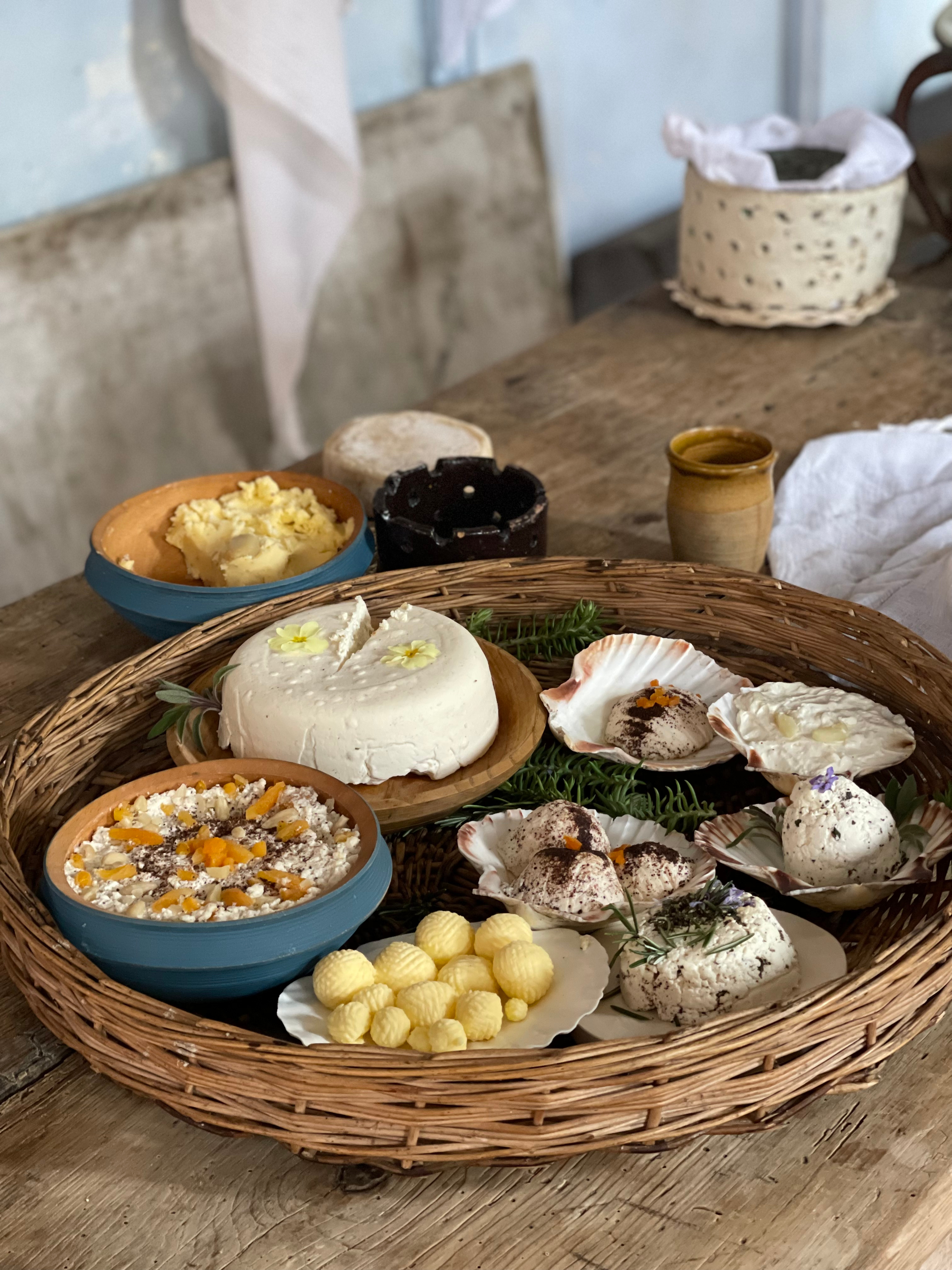
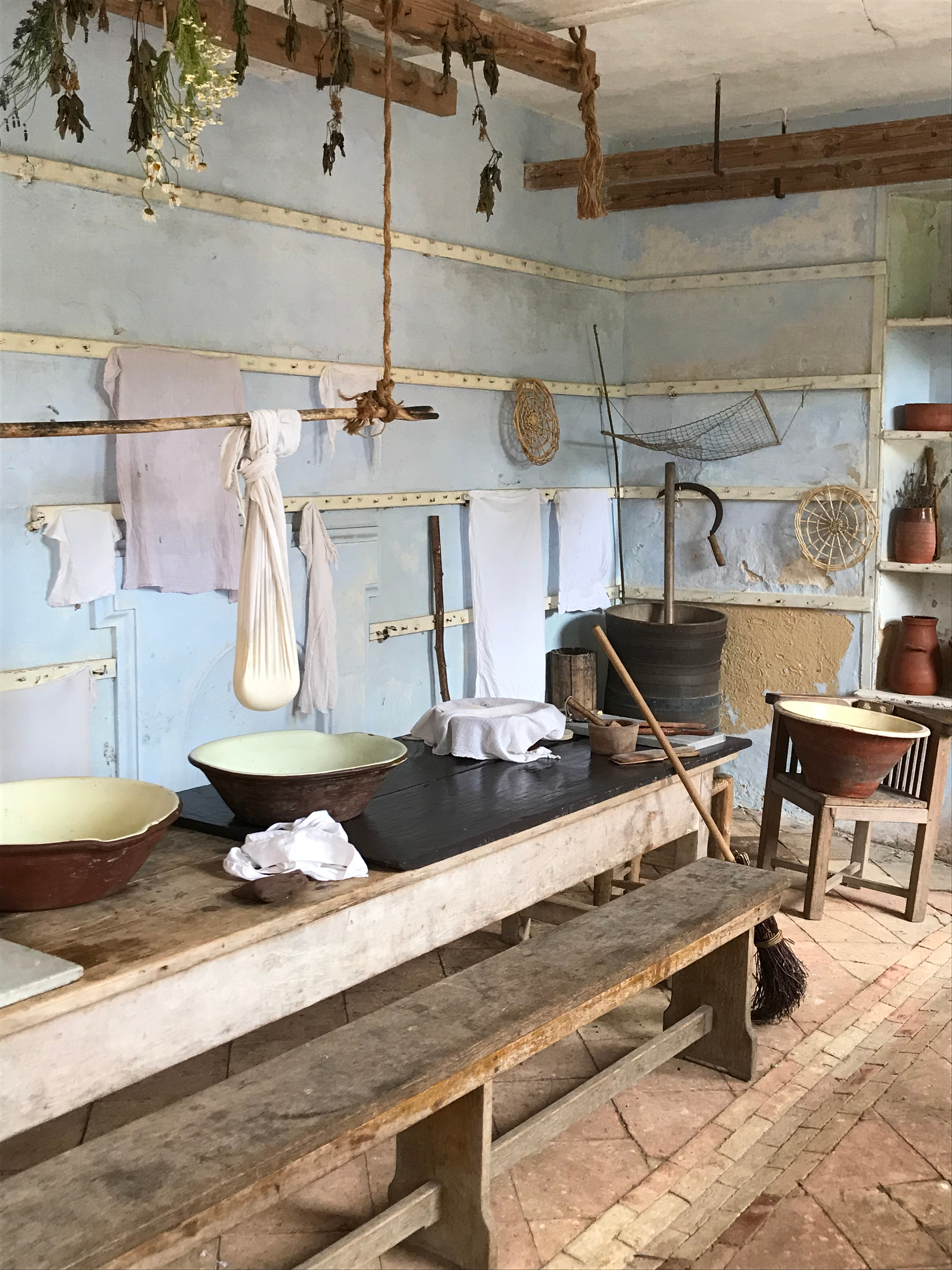
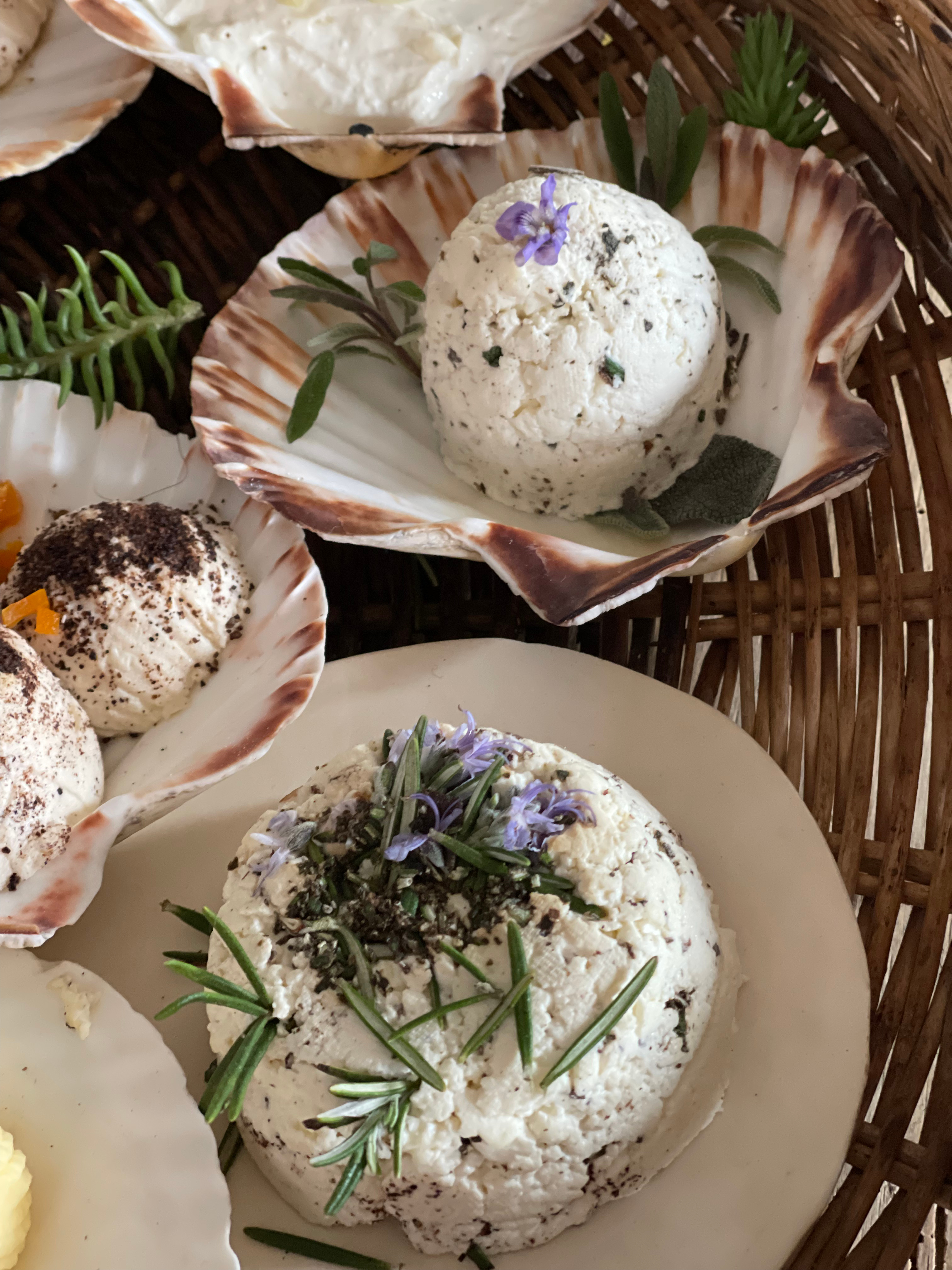
A Rare Early Modern Cheese Manuscript with Alex Bamji

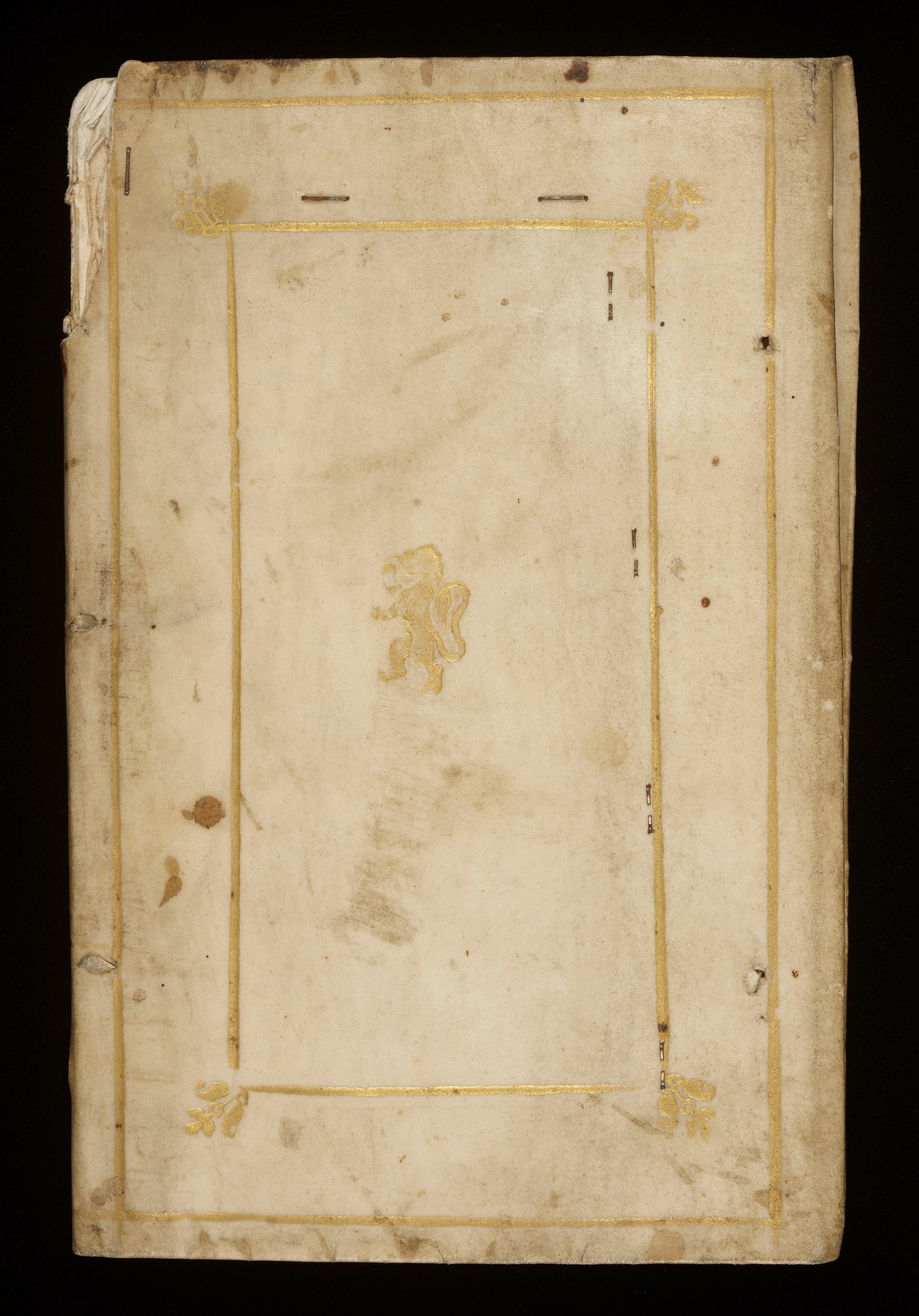
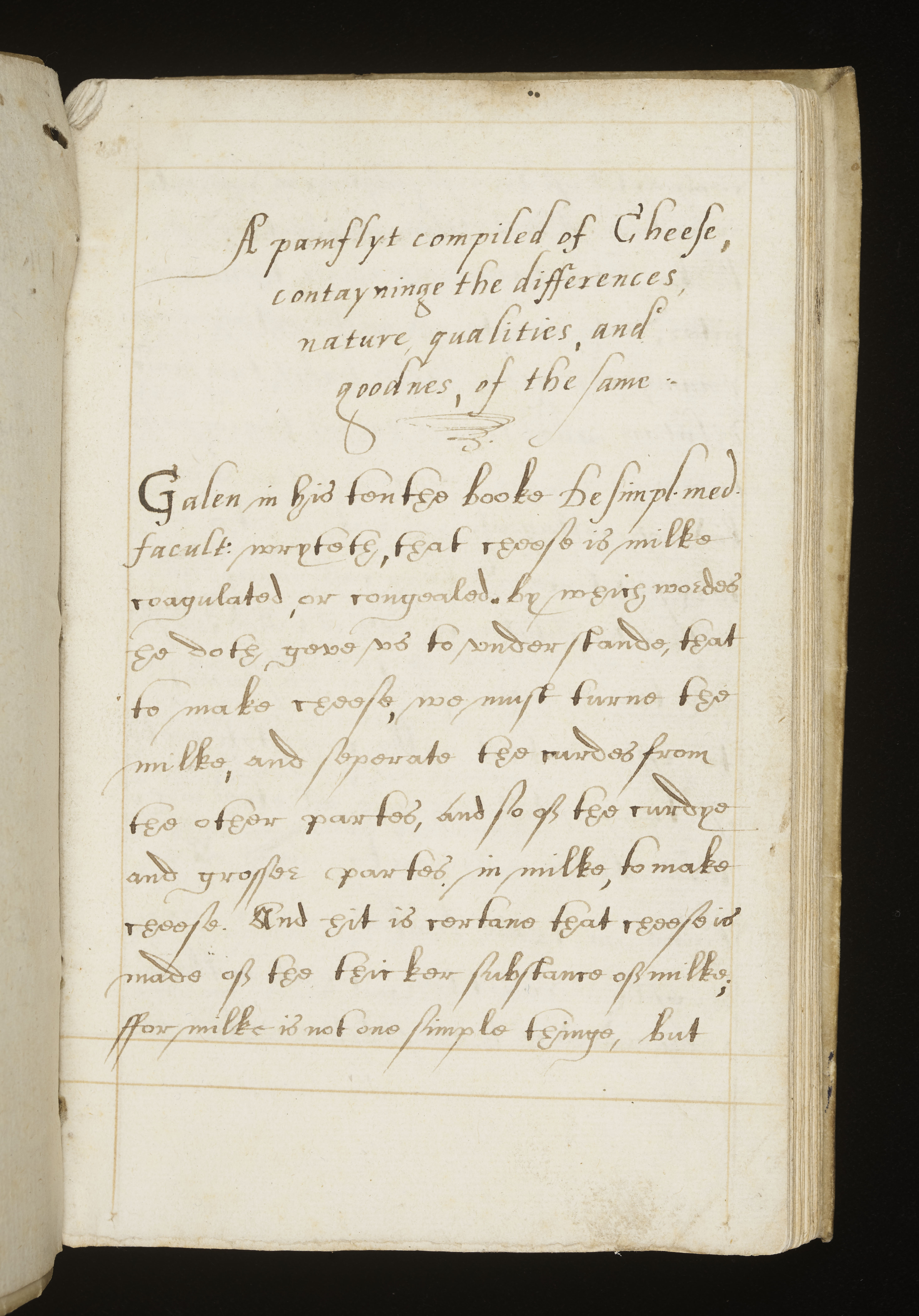
My guest on the podcast today is Alex Bamji, Associate Professor of Early Modern History at the University of Leeds, and we are talking about a rare treatise on cheese dating from the Early Modern Period.

We met up at the Brotherton Library which is home to a fantastic collection of cookery books and manuscripts. We talk about cheese, health and humoral theory; what makes a good cheese; the early modern cheese landscape; cheese as a cure for gout; and cheese haters – plus many other things.

Those listening to the secret podcast: Alex and I talk about why cow’s milk is the best milk, and I wonder whether there any clues as to where their microbes are coming from.

The British Food History Podcast can be heard on your favourite podcast app and on YouTube, or si ply steam via this Spotify embed:

Follow Alex on Twitter, Bluesky and Instagram @alexbamji

Alex’s page on the University of Leeds website

Alex’s LinkedIn page

The digitised manuscript

Ruth Bramley’s transcription

A piece from Leeds University about the ‘pamflyt’ featuring Peter Brears

The Brotherton Library’s cookery collection

Remember: Fruit Pig are sponsoring the 9th season of the podcast and Grant and Matthew are very kindly giving listeners to the podcast a unique special offer 10% off your order until the end of October 2025 – use the offer code Foodhis in the checkout at their online shop, www.fruitpig.co.uk.

The Serve it Forth Food History Festival website is now live and tickets are available on Eventbrite.


If you can, support the podcast and blogs by becoming a £3 monthly subscriber, and unlock lots of premium content, including bonus blog posts and recipes, access to the easter eggs and the secret podcast, or treat me to a one-off virtual pint or coffee: click here.


This episode was mixed and engineered by Thomas Ntinas of the Delicious Legacy podcast.

Things mentioned in today’s episode

Serve it Forth website

Serve it Forth Eventbrite page

Listen to a sample of the Knead to Know audiobook

My recipe for an Early Modern white pudding

Pertinent previous podcast episode

Cheddar & the Cheese Industry with Peter J. Atkins

Tudor Cooking & Cuisine with Brigitte Webster

Neil’s other blog and YouTube channel

The British Food History Channel

‘Neil Cooks Grigson’

Neil’s books:

Before Mrs Beeton: Elizabeth Raffald, England’s Most Influential Housekeeper

A Dark History of Sugar

Knead to Know: a History of Baking

The Philosophy of Puddings

Don’t forget, there will be postbag episodes in the future, so if you have any questions or queries about today’s episode, or indeed any episode, or have a question about the history of British food please email me at neil@britishfoodhistory.com, or on twitter and BlueSky @neilbuttery, or Instagram and Threads dr_neil_buttery. My DMs are open.

You can also join the British Food: a History Facebook discussion page: https://www.facebook.com/groups/britishfoodhistory
Leave a comment

Filed under Britain, Dairy, food, General, history, Preserving, Seventeenth Century, Sixteenth Century, Uncategorized

Bread & Bakers with David Wright

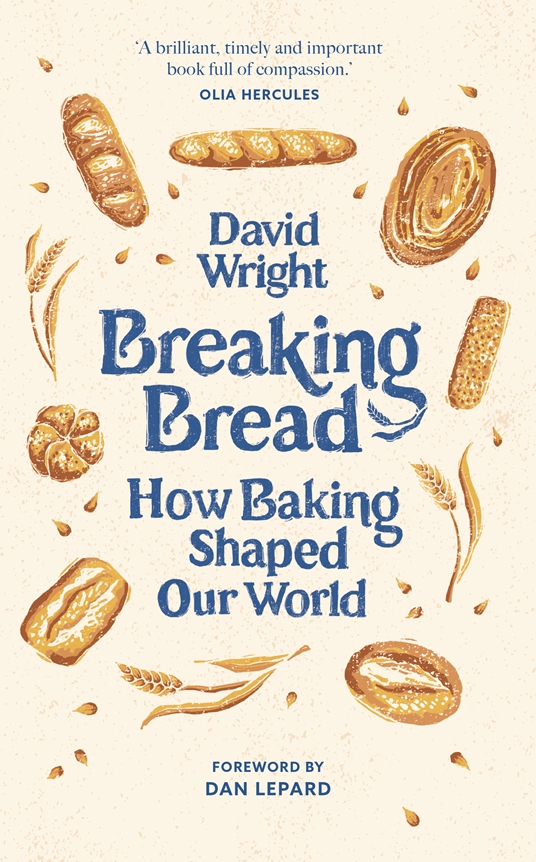
My guest today is third generation baker, writer and teacher David Wright author of the excellent book Breaking Bread: How Baking Shaped our World published by Aurum.

We talk about the social benefits of bread making, milling grain into flour, the anatomy of a grain, roller mills, the Chorleywood process and why gluten can be compared to Arnold Schwarzenegger and Danny DeVito.

Those listening to the secret podcast: you get a little over 15 minutes of bonus material that includes additives that don’t have be named on ingredients lists, flatbreads, the National Loaf, the value of bread and more!

Available on all podcast platforms. If you’re not a podcast person, you can stream the episode via the Spotify embed, below:

Follow David on Instagram @thebreaducator

Breaking Bread: How Baking Shaped Our World is published by Aurum

David’s website

More on the Pump Street workshops

More about David’s Earth’s Crust Bakery at Camp Bestival

Remember: Fruit Pig are sponsoring the 9th season of the podcast and Grant and Matthew are very kindly giving listeners to the podcast a unique special offer 10% off your order until the end of October 2025 – use the offer code Foodhis in the checkout at their online shop, www.fruitpig.co.uk.

The Serve it Forth Food History Festival website is now live and tickets are available on Eventbrite.


If you can, support the podcast and blogs by becoming a £3 monthly subscriber, and unlock lots of premium content, including bonus blog posts and recipes, access to the easter eggs and the secret podcast, or treat me to a one-off virtual pint or coffee: click here.


This episode was mixed and engineered by Thomas Ntinas of the Delicious Legacy podcast.

Things mentioned in today’s episode:

Serve it Forth website

Serve it Forth Eventbrite page

Against the Grain by James C. Scott (2018)

Knead to Know: A History of Baking by Neil Buttery (2023)

My blog post and recipe for a cob

My blog post and recipe for a cottage loaf

Pertinent previous podcast episode:

A History of Baking with Sam Bilton & Neil Buttery

Neil’s blogs and YouTube channel:

‘British Food: a History’

The British Food History Channel

‘Neil Cooks Grigson’

Neil’s books:

Before Mrs Beeton: Elizabeth Raffald, England’s Most Influential Housekeeper

A Dark History of Sugar

Knead to Know: a History of Baking

The Philosophy of Puddings

Don’t forget, there will be postbag episodes in the future, so if you have any questions or queries about today’s episode, or indeed any episode, or have a question about the history of British food please email me at neil@britishfoodhistory.com, or leave a comment below.

You can also join the British Food: a History Facebook discussion page: https://www.facebook.com/groups/britishfoodhistory
Leave a comment

Filed under baking, Books, Britain, General, history, Podcast

Bronze Age Food & Foodways with Chris Wakefield & Rachel Ballantyne

Photo credits: top left: Cambridge Archaeological Unit; bottom right: Cambridge Archaeological Unit using a foreground photographic image supplied by S. Craythorne/Lincolnshire Wildlife Trust

My guests today are archaeologists Chris Wakefield from the Cambridge Archaeological Unit of Cambridge University Rachel Ballantyne from McDonald Institute for Archaeological Research, and they are here to tell me about an absolutely amazing site close to Peterborough that tell us a huge amount about daily life in a late Bronze Age settlement. Prepare to have your minds blown!

We talk about the unique circumstances of how and why the site is so well preserved, kitchen clutter, animal husbandry, querns, frumenty, pike sushi, and whether the English’s love of mustard goes back 3 millennia – among many other things

Those listening to the secret podcast: you get 20 minutes of bonus material that includes the importance of foraging, the evidence for fermentation, Bronze Age recipes, the uses of the whole cereal plant and more!

Available on all podcast apps, just search for ‘The British Food History Podcast’ and hit follow. Or stream via this Spottily embed:

A Must Farm side-view reconstruction (pic: Cambridge Archaeological Unit using a foreground photographic image supplied by S. Craythorne/Lincolnshire Wildlife Trust)

Follow Cambridge Archaeological Unit on Social Media

Facebook: @cambridgearchaeologicalunit

BlueSky: @cambridgearch.bsky.social

Instagram: @cambridgearchaeologicalunit

Follow Cambridge University Department of Archaeology on Social Media

Facebook: @archaeologycambridge

BlueSky: @cam-archaeology.bsky.social

Instagram: @ cambridge_archaeology

Remember: Fruit Pig are sponsoring the 9th season of the podcast and Grant and Matthew are very kindly giving listeners to the podcast a unique special offer 10% off your order until the end of October 2025 – use the offer code Foodhis in the checkout at their online shop, www.fruitpig.co.uk.


If you can, support the podcast and blogs by becoming a £3 monthly subscriber, and unlock lots of premium content, including bonus blog posts and recipes, access to the easter eggs and the secret podcast, or treat me to a one-off virtual pint or coffee: click here.


This episode was mixed and engineered by Thomas Ntinas of the Delicious Legacy podcast.

Things mentioned in today’s episode

The Must Farm website

The Peterborough Archaeology page about the Must Farm site

Neil’s medieval frumenty recipe

Neil’s blogs and YouTube channel

‘British Food: a History’

The British Food History Channel

‘Neil Cooks Grigson’

Neil’s books

Before Mrs Beeton: Elizabeth Raffald, England’s Most Influential Housekeeper

A Dark History of Sugar

Knead to Know: a History of Baking

The Philosophy of Puddings

Don’t forget, there will be postbag episodes in the future, so if you have any questions or queries about today’s episode, or indeed any episode, or have a question about the history of British food please email me at neil@britishfoodhistory.com, or on twitter and BlueSky @neilbuttery, or Instagram and Threads dr_neil_buttery. My DMs are open.

You can also join the British Food: a History Facebook discussion page: https://www.facebook.com/groups/britishfoodhistory
3 Comments

Filed under Britain, food, General, history, Uncategorized

Black & White Pudding with Matthew Cockin & Grant Harper

Welcome to the first episode of season 9 of The British Food History Podcast! I am going to be adding a blog post to complement each new episode of the podcast, to help readers of the blog keep tabs on what is going on.

Today I am talking with Matthew Cockin and Grant Harper of Fruit Pig – the last remaining commercial craft producer of fresh blood black puddings in the UK.

Fruit Pig are sponsoring the 9th season of the podcast and Grant and Matthew are very kindly giving listeners to the podcast a unique special offer 10% off your order until the end of October 2025 – use the offer code Foodhis in the checkout at their online shop, www.fruitpig.co.uk.

We talk about how and why they started up Fruit Pig, battling squeamishness, why it’s so difficult to make fresh blood black puddings, and serving suggestions – amongst many other things

The podcast is available on all podcast apps, aandd now YouTube. Please give it a follow, and if you can, please rate and review. If you’re not a podcasty person, you can listen via this Spotify imbed:

Some serving suggestions

One other thing we talked about was serving suggestions, and of course a slice or two of black and white pudding as part of a full English breakfast is admirable. You can go one better and have the full triple of black pud, white and haggis for a full Scottish! Personally, I believe a slice of fried bread topped with a couple of slices of fried pudding and a poached egg is the breakfast of champions.

These puddings are not just for breakfast, though. In Lancashire, a favourite way of eating black pudding is to poach it again, remove it from the water, drain, split lengthways and spread it with mustard. I have eaten it this way when visiting Bury Market. But my favourite way of eating black and white pudding in a simple way, is to serve fried slices of pudding with mashed potatoes and apple sauce – hot or cold, not too sweet. Here’s how to make a good ‘savoury’ apple sauce:

Peel, core and slice 2 medium-sized Bramley apples, and 2 tart dessert apples (e.g. Cox’s Orange Pippin) and fry in a saucepan with 60 g salted butter and a good few grinds of pepper. When the Bramleys start to soften, add 2 level tablespoons of sugar and 4 or 5 tablespoons of water. Cover and cook on medium heat, stirring occasionally, until the apples are cooked through and the Bramleys have broken down to a puree. Taste and correct seasoning. You need something still very tart to cut through the rich puddings.

Keep a lookout for a proper recipe and some of my experiments with the fresh blood, Matthew and Grant kindly sent me.


If you can, support the podcast and blogs by becoming a £3 monthly subscriber, and unlock lots of premium content, including bonus blog posts and recipes, access to the easter eggs and the secret podcast, or treat me to a one-off virtual pint or coffee: click here.


This episode was mixed and engineered by Thomas Ntinas of the Delicious Legacy podcast.

Things mentioned in today’s episode

Fruit Pig on Jamie & Jimmy’s Friday Night Feast

Fruit Pig on BBC Radio 4’s The Food Programme

The Fruit Pig website

Neil’s appearance on Comfortably Hungry discussing black/blood pudding

Museum of Royal Worcester project wins a British Library Food Season Award

Follow Serve it Forth on Instagram at @serveitforthfest

My YouTube channel

Podcast episodes pertinent to today’s episode

The Philosophy of Puddings with Neil Buttery, Peter Gilchrist & Lindsay Middleton:

18th Century Female Cookery Writers with The Delicious Legacy:

Neil’s books:

Before Mrs Beeton: Elizabeth Raffald, England’s Most Influential Housekeeper

A Dark History of Sugar

Knead to Know: a History of Baking

The Philosophy of Puddings

Don’t forget, there will be postbag episodes in the future, so if you have any questions or queries about today’s episode, or indeed any episode, or have a question about the history of British food please email me at neil@britishfoodhistory.com, or leave a comment below.
2 Comments

Filed under Britain, food, General, Meat, Puddings

The eighth season of The British Food History Podcast has begun!
We’re kicking off the new season with a 3-part special about Jane Grigson and her ground-breaking book English Food – the book that taught me how to cook, write and appreciate England’s diverse and delicious food legacy. You can read allabout that on the other – and original – blog Neil Cooks Grigson.

In the first episode, I speak to Grigson appreciators (and previous guests) Sam Bilton, Ivan Day and Annie Gray, and – new to the pod – publishing legend Jill Norman about the influence of the book, and where she sits in the study and promotion of English food history and traditions.
We talk about the unique way Jane’s book was published, Jane’s approach to research and writing, her attention to detail, her friendship with Elizabeth David, favourite recipes, her frustrations regarding low-quality shepherd’s pie and much more.

If you are not a podcast person, you can listen to the episode here:

If you are a £3 monthly subscriber, you can also hear the full interviews with Sam, Ivan, Annie and Jill – so much had be cut out to keep the episode to reasonable length.


If you like the blogs and podcast I produce and would to start a £3 monthly subscription, or would like to treat me to virtual coffee or pint: follow this link for more information. Thank you.


Next episode I’ll be talking with Jane’s daughter, Sophie – all very surreal.

There will also be episodes on the history of baking, Alexis Soyer, medieval ale, crisps and more!
If you’ve never listened to the podcast before (there are over 60 episodes now) you can find it on your favourite podcast app simply by searching “The British Food History Podcast”. Don’t forget to follow the podcast so that you don’t miss an episode.
Leave a comment

Filed under Britain, cooking, food, General, history, Podcast