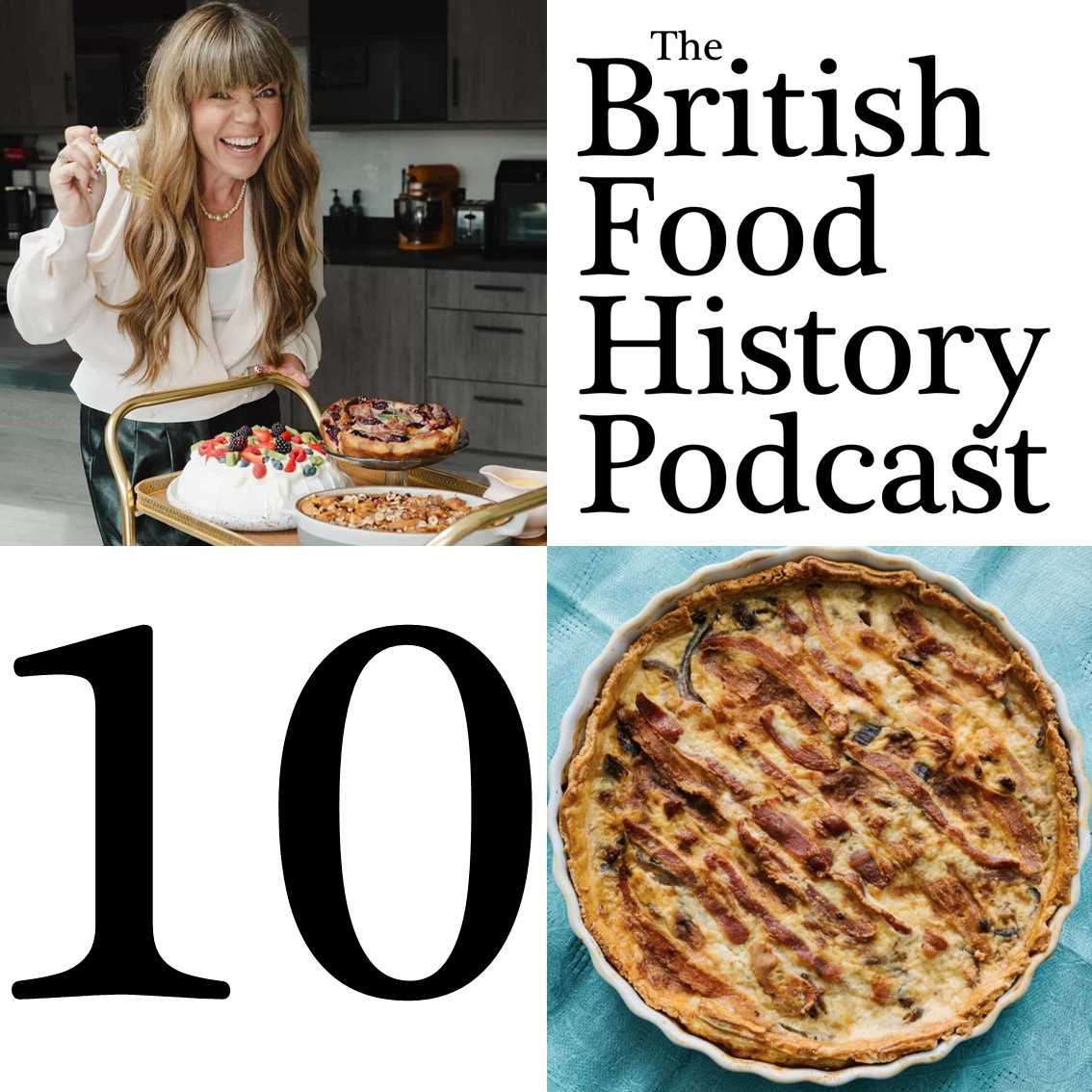
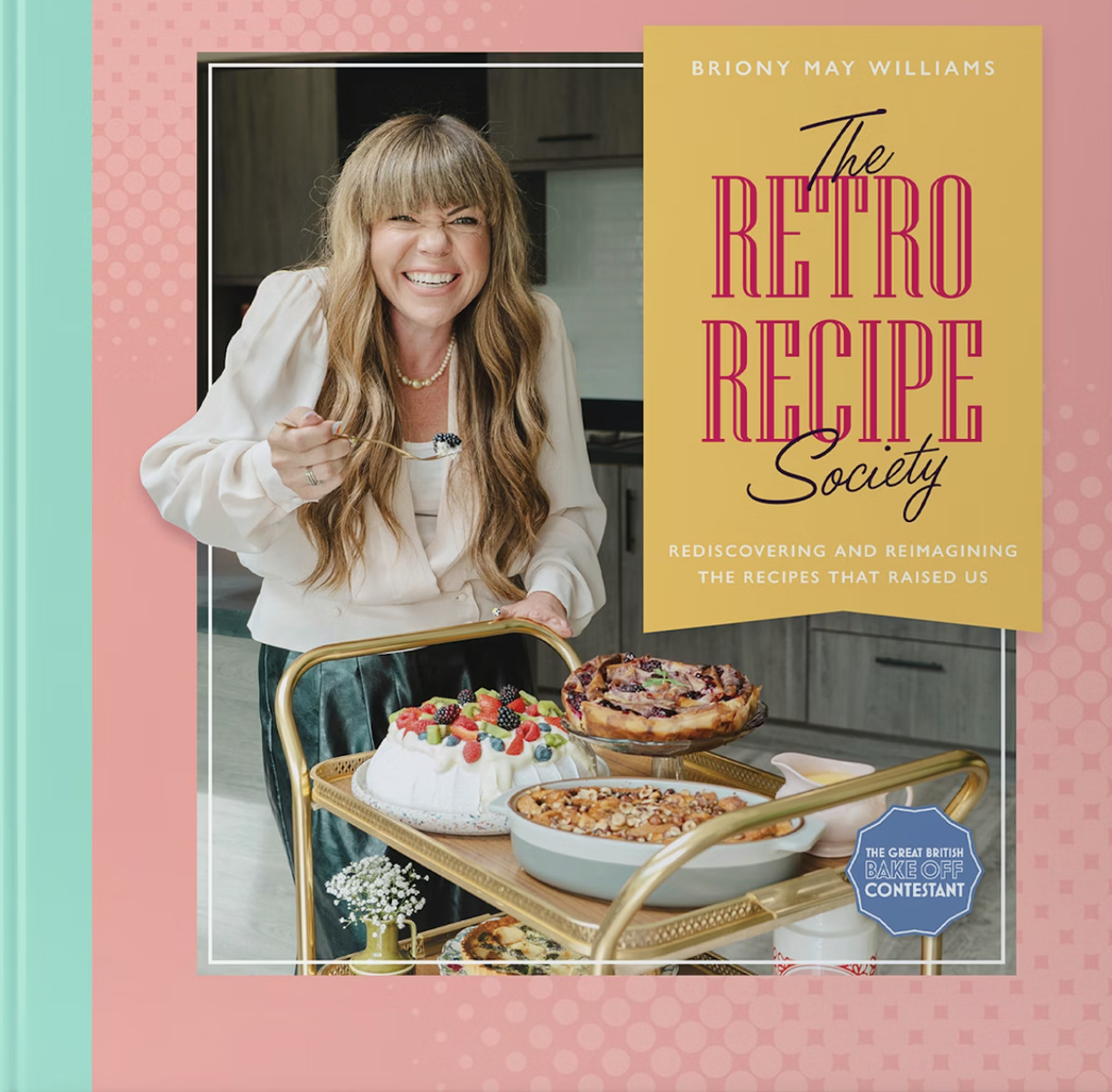
Welcome back to the British Food History Podcast. In today’s episode, I am speaking with Great British Bake Off alumnus Briony May Williams about retro foods. She’s on a mission to bring back some of the foods of the 21st century that are maybe not being enjoyed as much as they should be in the 21st. I am very much in agreement with this – obvs.
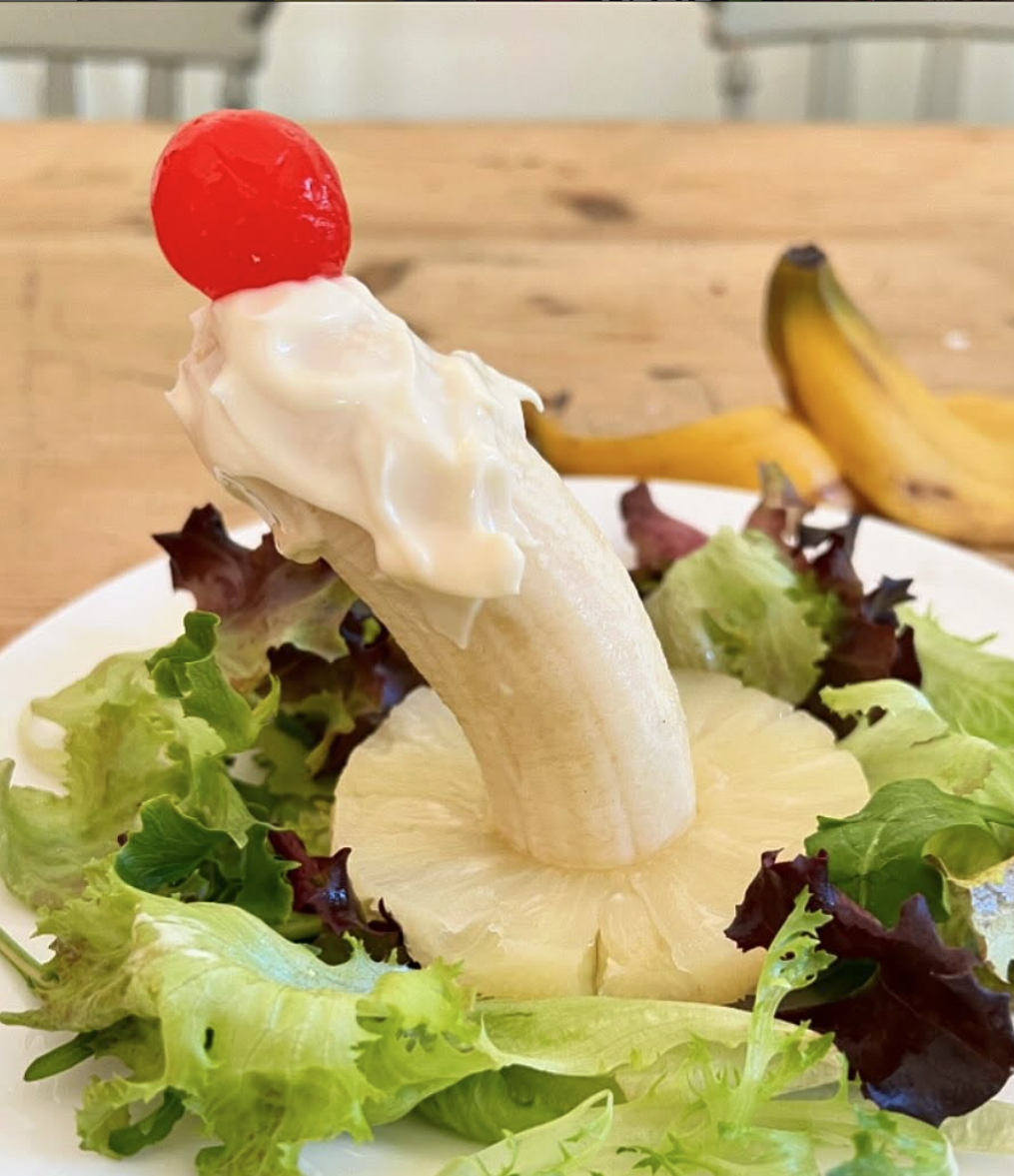
We talk about how Briony became interested in retro foods and historical cooking (we all have an origin story, don’t we?), memories of Bake Off, puddings as comfort food, Waldorf salads, our shared appreciation of frozen peas and Kitchen Aids, plus the infamous banana candle salad.
Listen on your favourite podcast app, or stream the episode via this Spotify embed:
Season 10 of the podcast is sponsored by Netherton Foundry, makers of high-quality kitchen and outdoor cookware. Netherton Foundry ships to several countries outside of the UK, including the USA and Canada. Visit www.netherton-foundry.co.uk to find out more about their wonderful products – approved not just by me but by folk such as Tom Parker-Bowles, Diana Henry and Nigella Lawson.
Sam Bilton’s banana candle salad
If you can, support the podcast and blogs by becoming a £3 monthly subscriber, and unlock lots of premium content, including bonus blog posts and recipes, access to the easter eggs and the secret podcast, or treat me to a one-off virtual pint or coffee: click here.
Don’t forget, there will be postbag episodes in the future, so if you have any questions or queries about today’s episode, or indeed any episode, or have a question about the history of British food please email me at neil@britishfoodhistory.com, or leave a comment below.
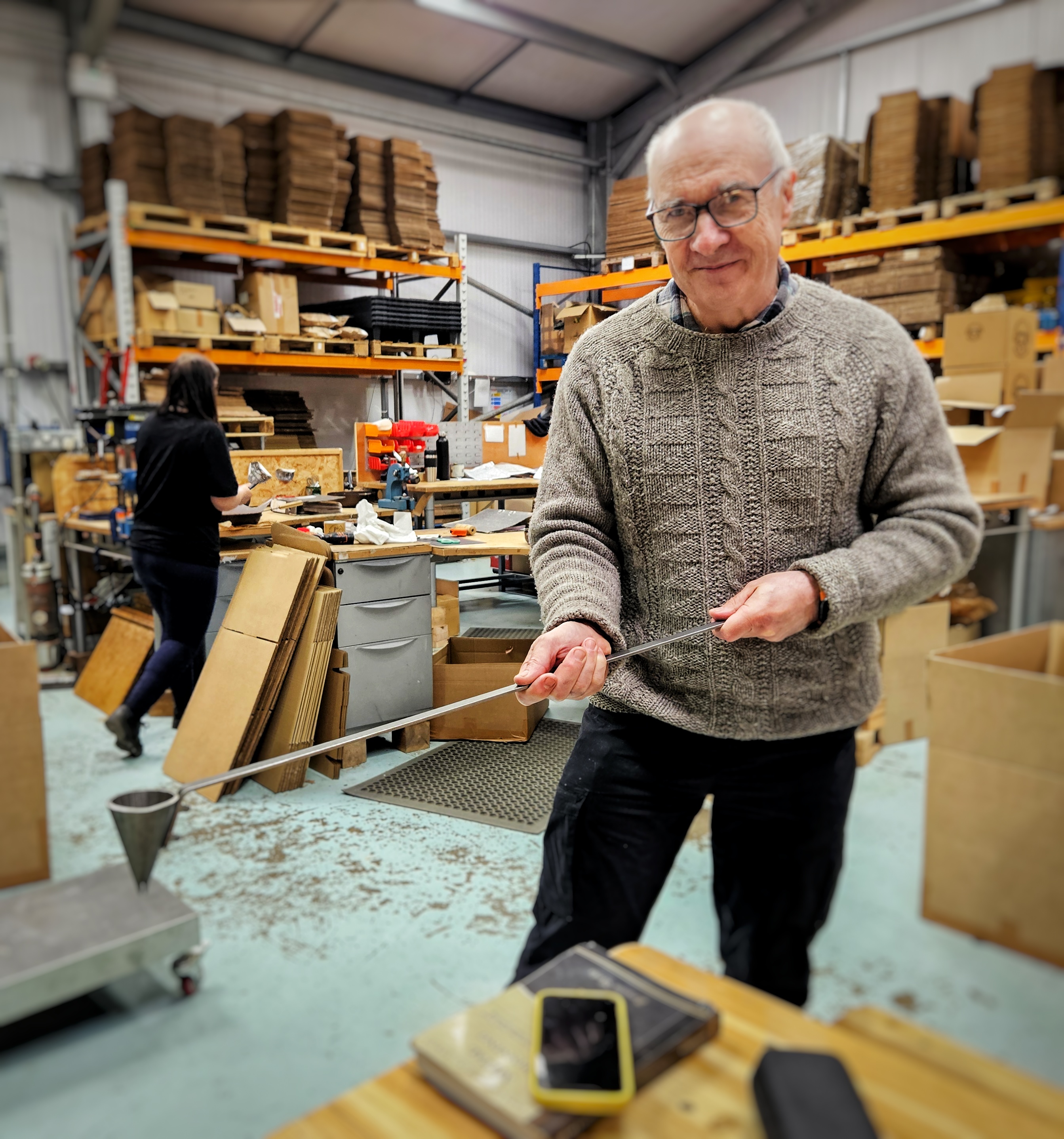
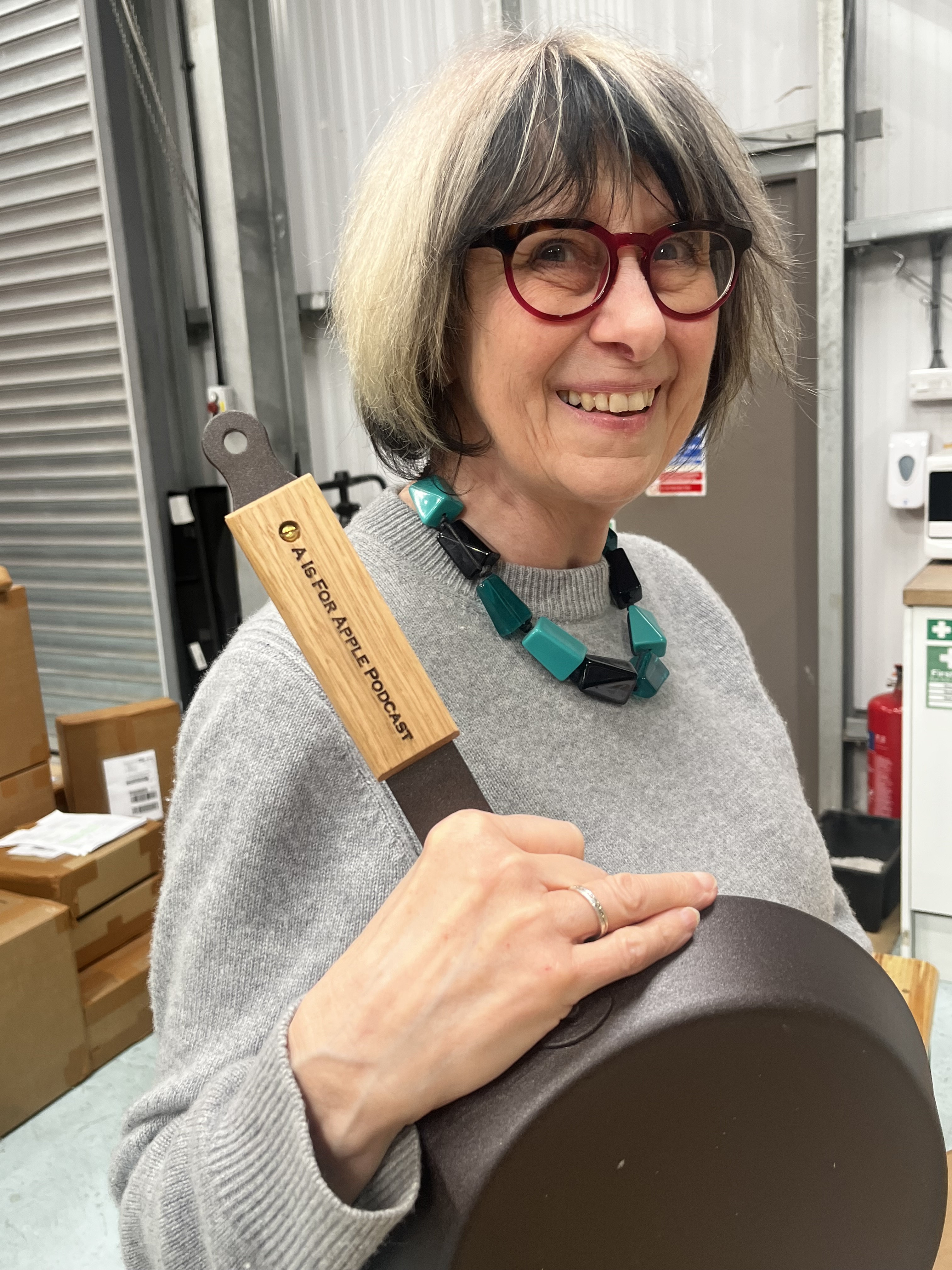
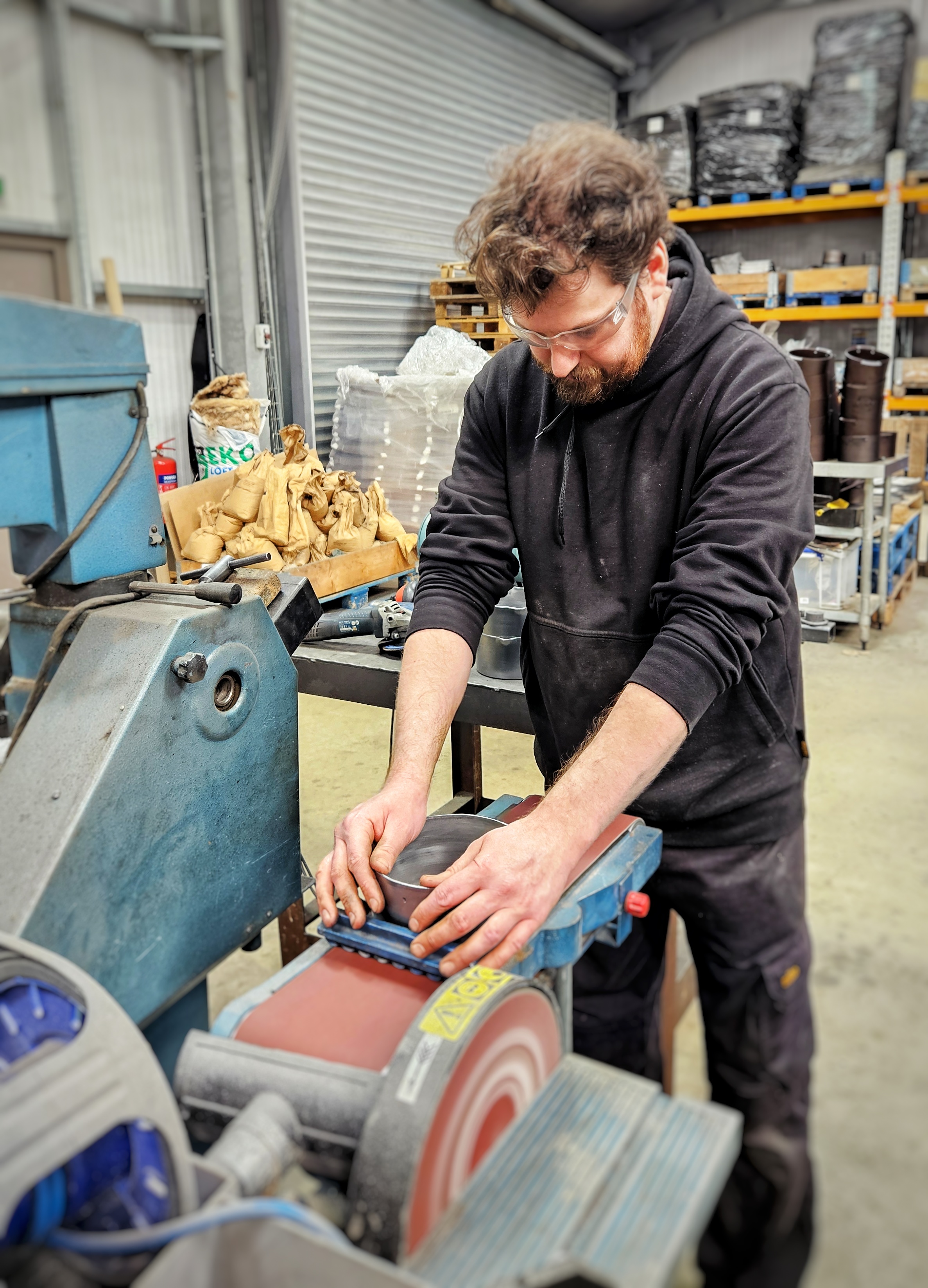
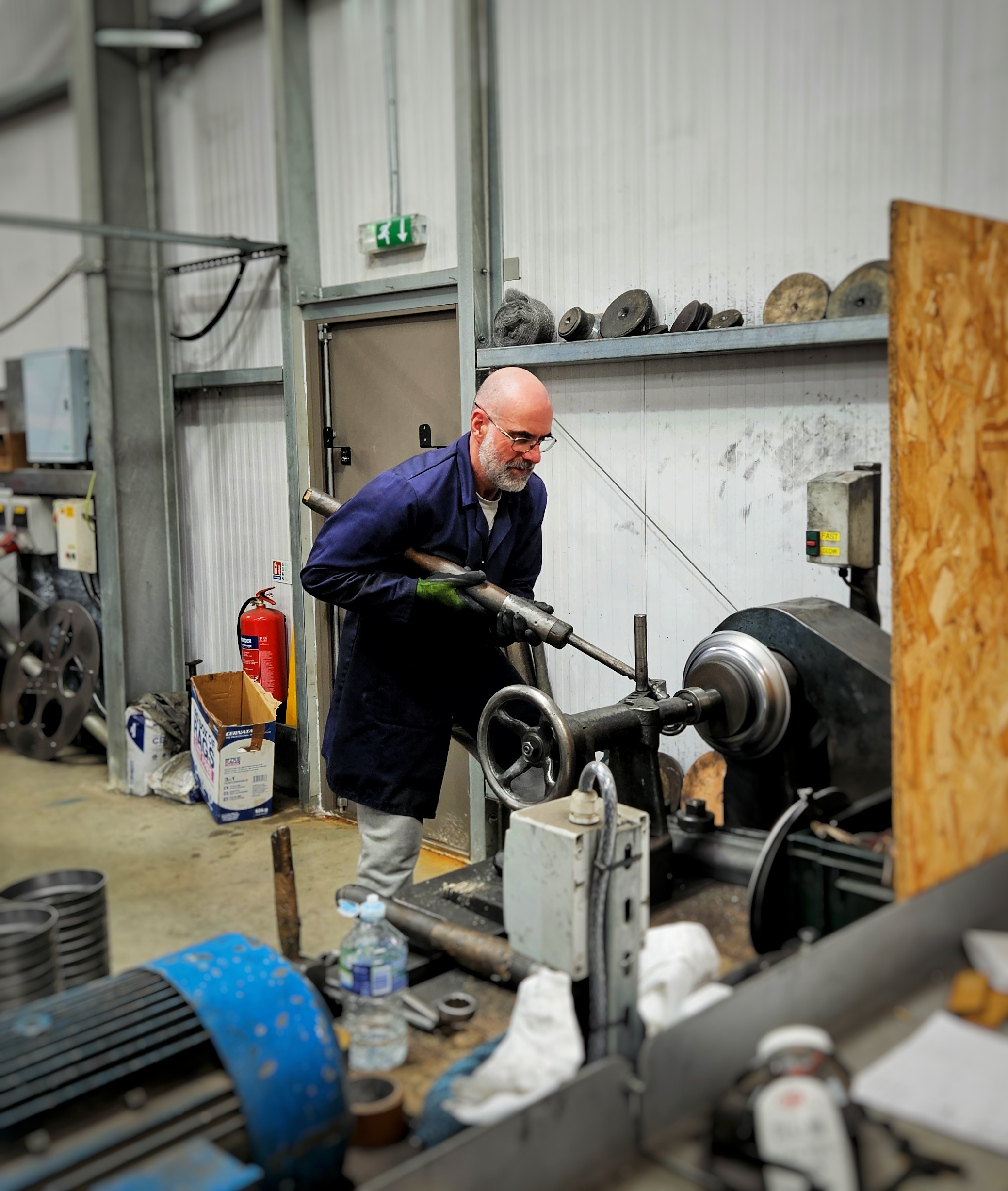
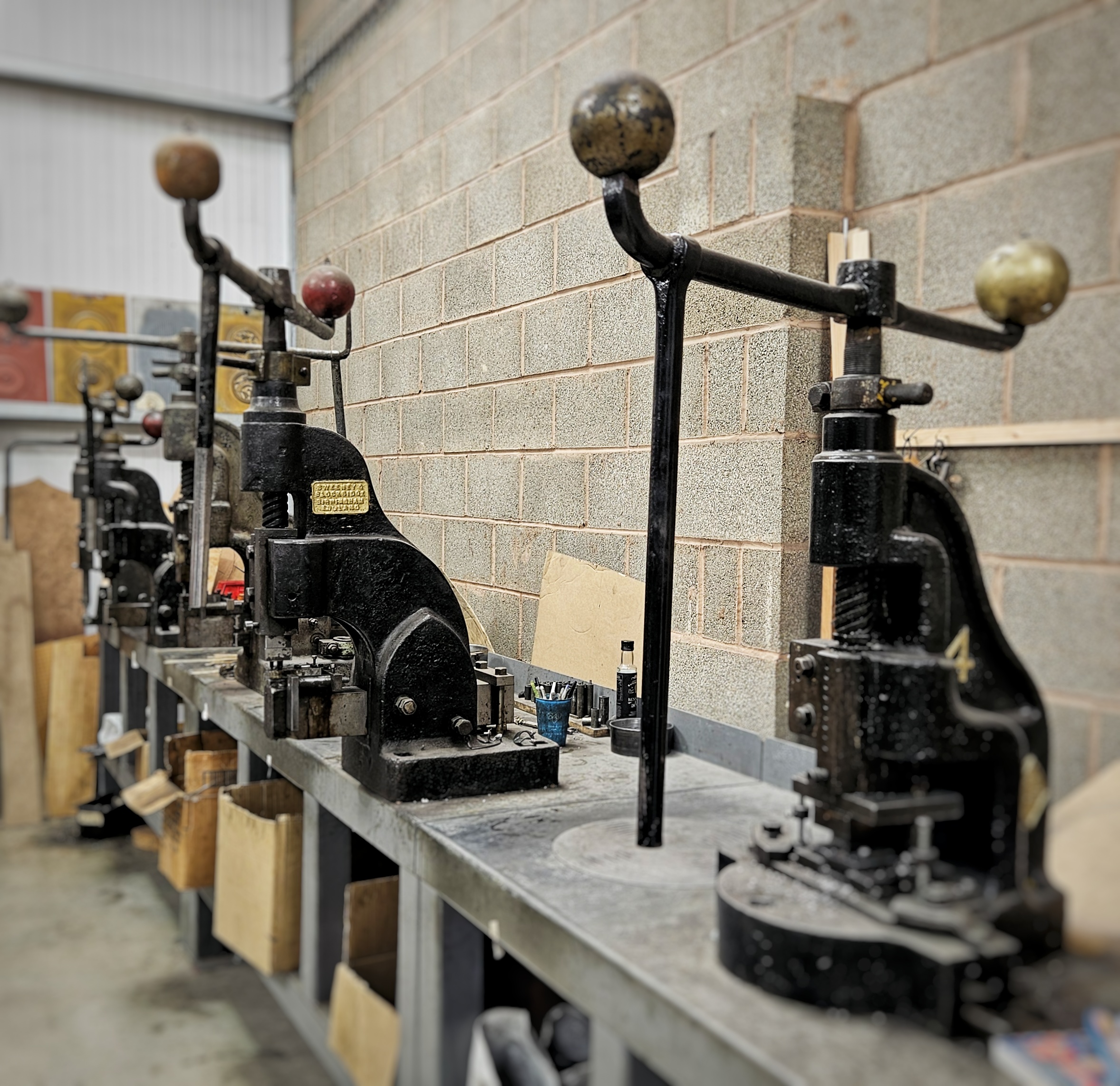
Today, we are going on an excursion to the Netherton Foundry workshop, nestled in the Shropshire countryside, to find out about spun iron cookware – something that was essentially extinct in this country until owners Neil and Sue Currie brought it back.
Neil and Sue are very kindly sponsoring season 10 of The British Food History Podcast makers of high-quality kitchen and outdoor cookware. Netherton Foundry ships to several countries outside of the UK, including the USA and Canada. Visit www.netherton-foundry.co.uk to find out more about their wonderful products – approved not just by me but by folk such as Tom Parker-Bowles, Diana Henry and Nigella Lawson.
We talk about designing the original range (and how the range increased), celebrity requests, why spun iron cookware lost out to aluminium cookware, croustade irons, and how Netherton Foundry cookware brings some extra authenticity to historical foods cooked at home, amongst many other things.
The British Food History Podcast is available on all podcast apps. If you are not a podcast sort of person, you can also watch it on my YouTube channel, or stream it via this Spotify embed:
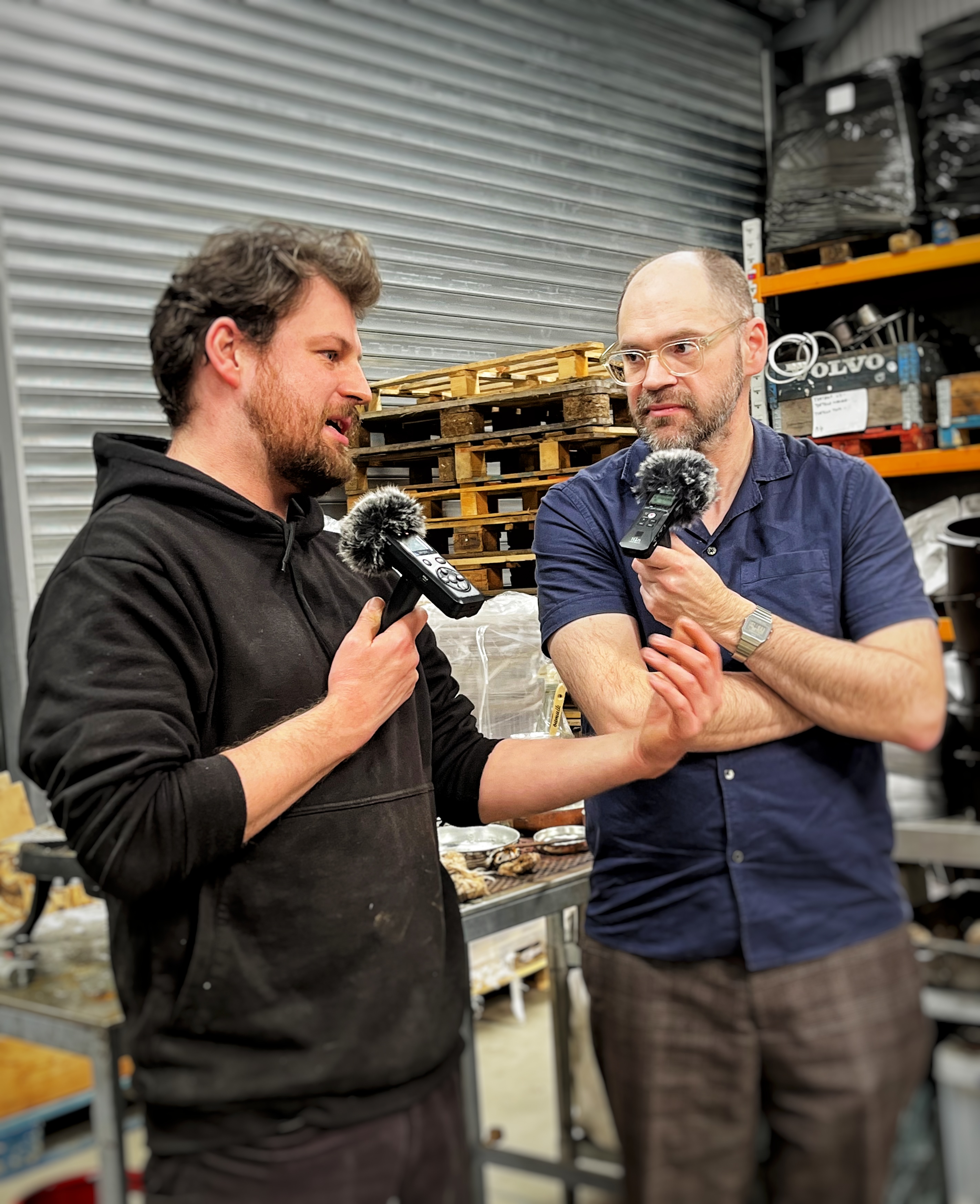
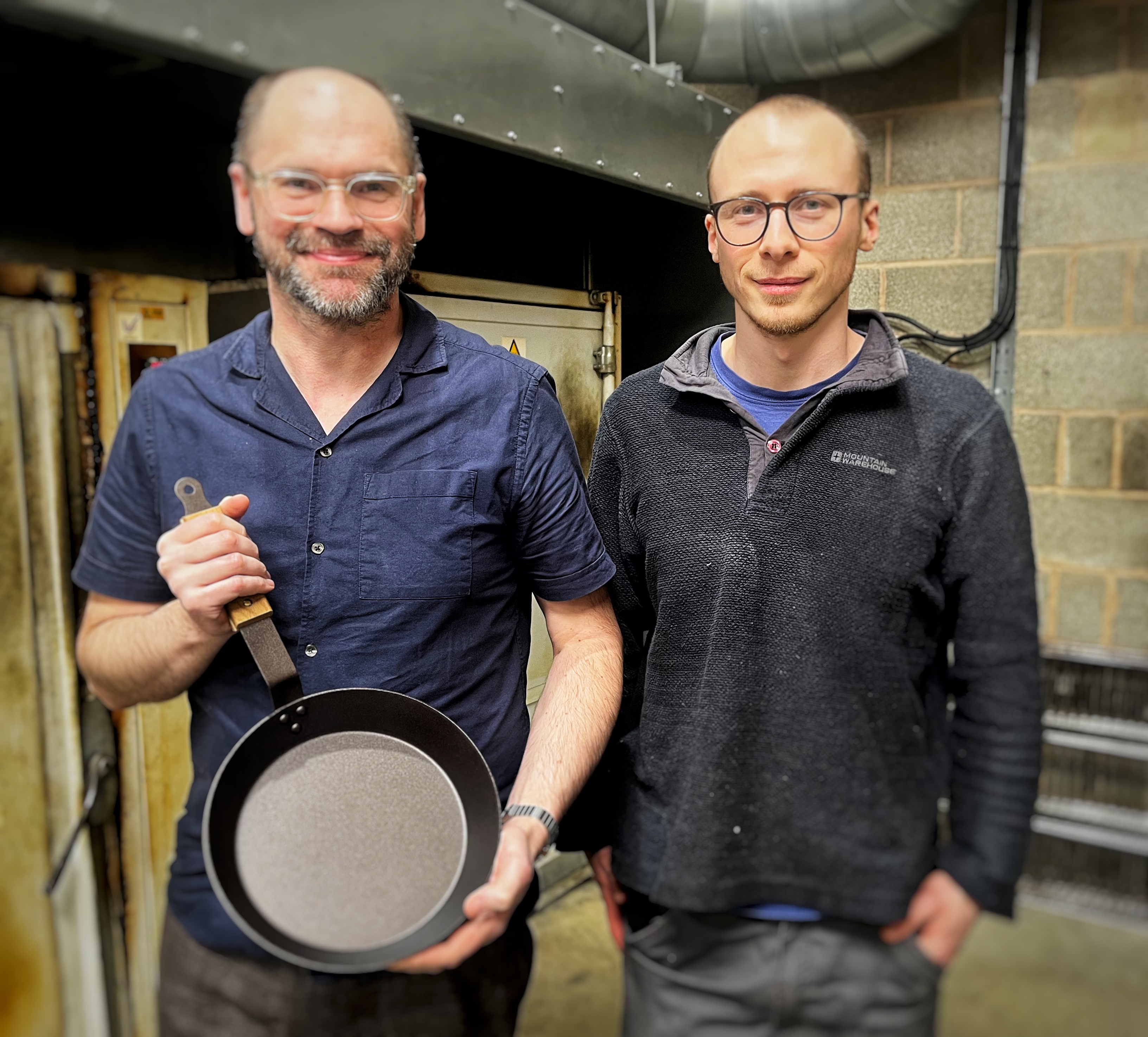
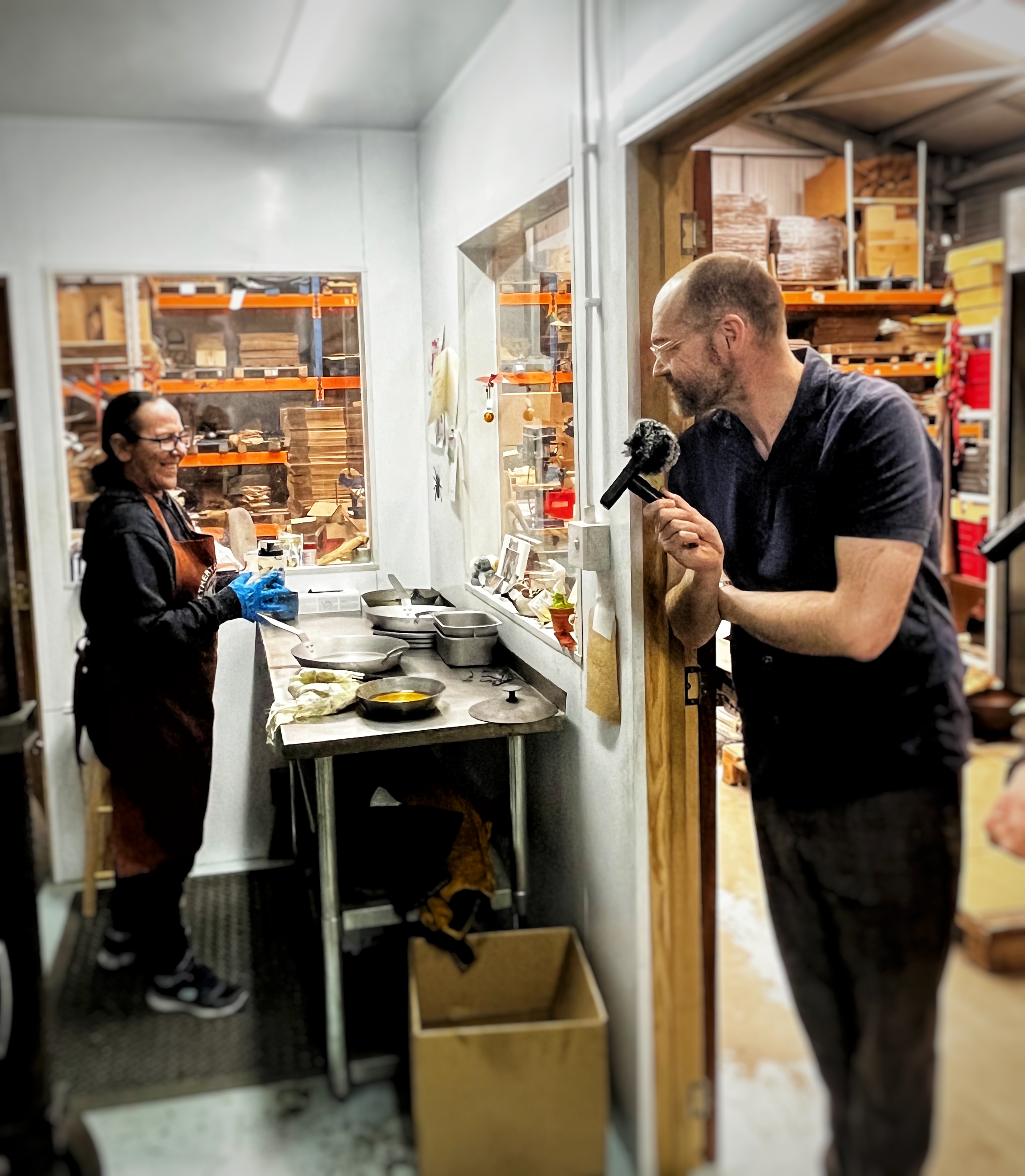
From left to right: recording with Ryan; with Toby and the pan kindly gifted to me!; in the finishing room
Those listening to the secret podcast will hear about the pros and cons of working with copper, how Netherton Foundry go about seeking out their vintage machinery, how their stockpots came to be, their outdoor range, plus more.
Follow Netherton Foundry on social media: Insta/threads @nethertonfoundry; BlueSky @nethertonfoundry.bsky.social; Facebook https://www.facebook.com/NethertonFoundry
Neil models the flambadou, and Sue shows the bespoke frying pan I was gifted (Sam & Sam of A is for Apple will be jealous!)
If you can, support the podcast and blogs by becoming a £3 monthly subscriber, and unlock lots of premium content, including bonus blog posts and recipes, access to the easter eggs and the secret podcast, or treat me to a one-off virtual pint or coffee: click here.
Don’t forget, there will be postbag episodes in the future, so if you have any questions or queries about today’s episode, or indeed any episode, or have a question about the history of British food please email me at neil@britishfoodhistory.com, or leave a comment.
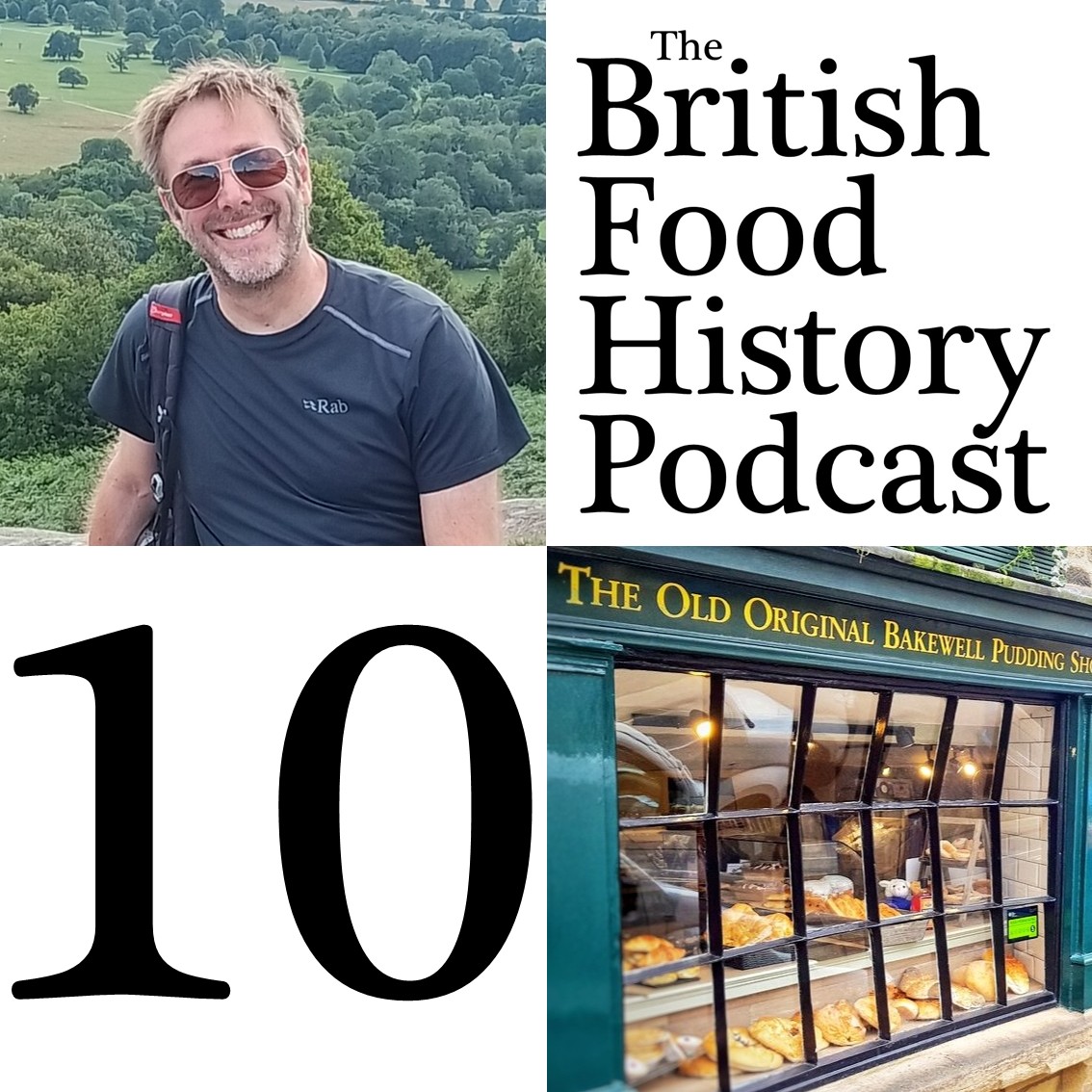
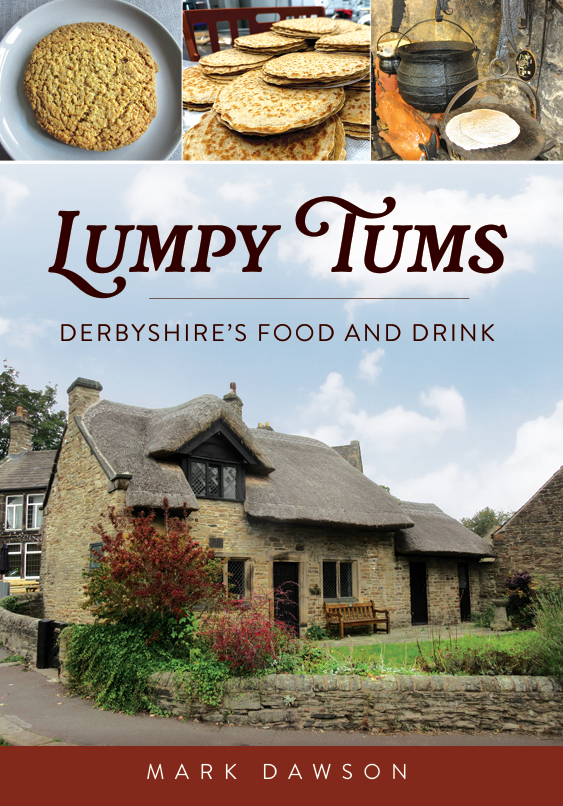
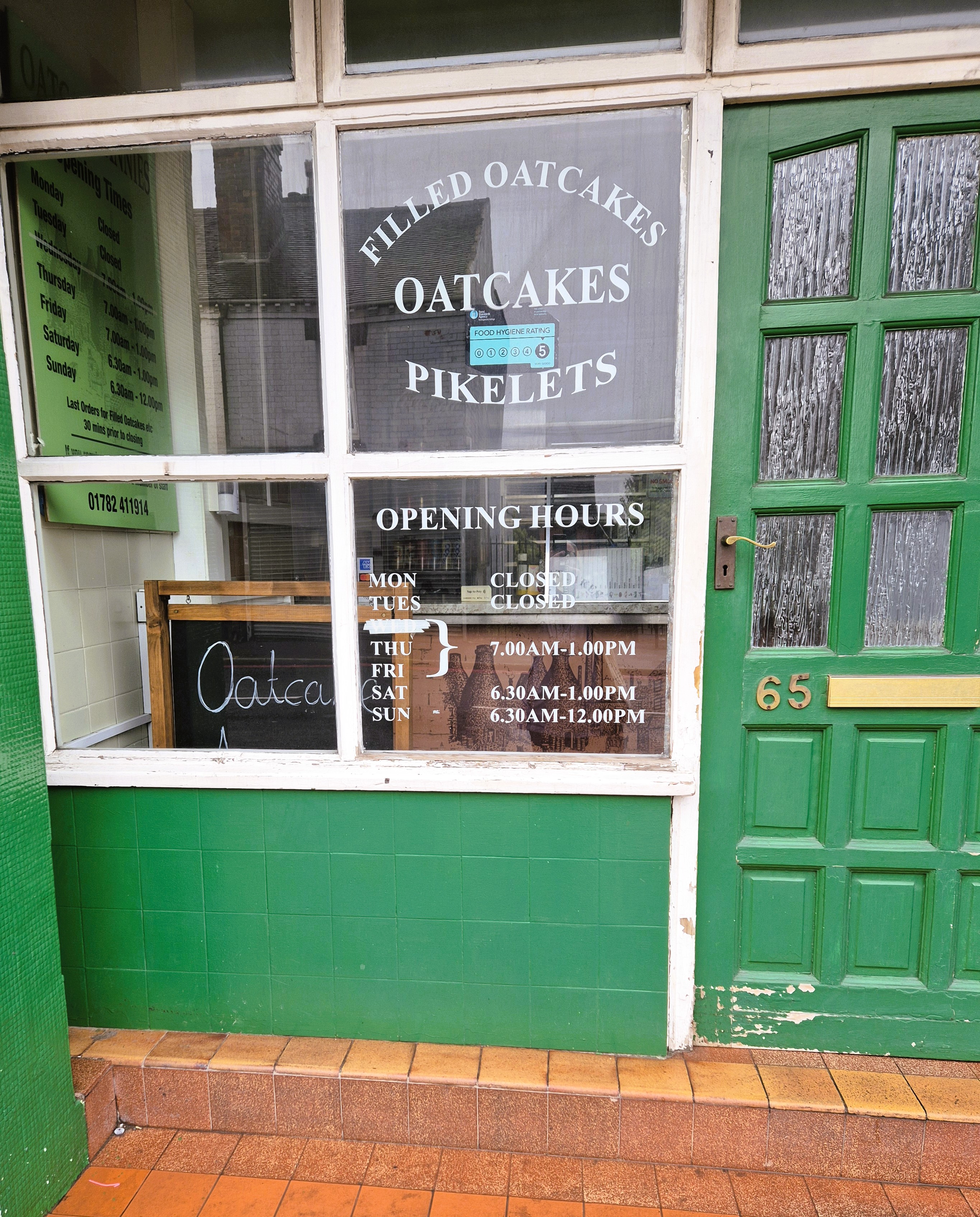
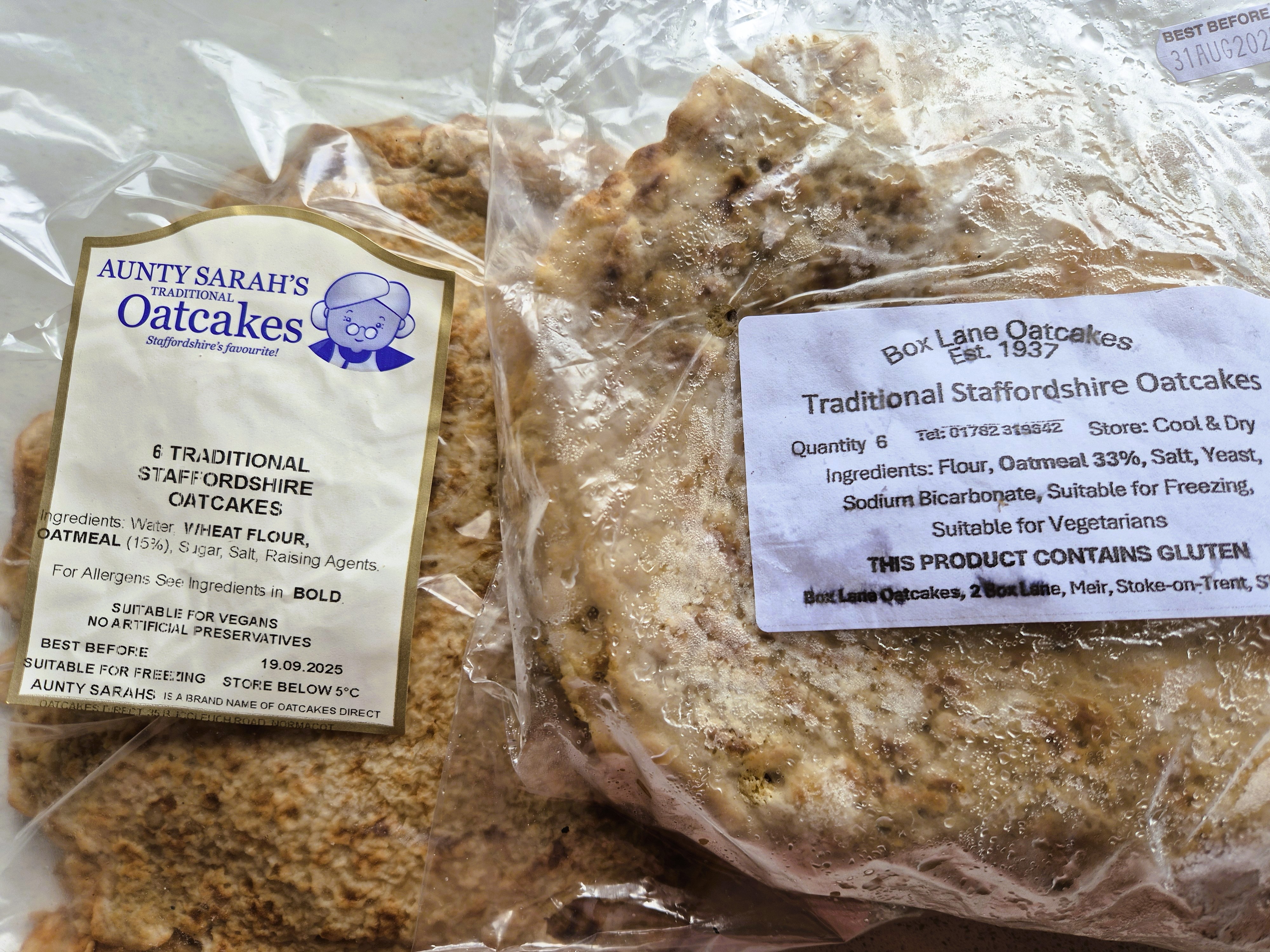
My guest on The British Food History Podcast today is Mark Dawson, a food historian specialising in the food and social history of the early modern period, but also on the regional food of the Midlands. Today we are talking about the traditional food and drink of his home county of Derbyshire.
You may remember he was on last season talking about Derbyshire Oatcakes, well, since then he has written a fantastic book called Lumpy Tums: Derbyshire’s Food & Drink published by Amberley and out in the wild from the 15th April 2026.
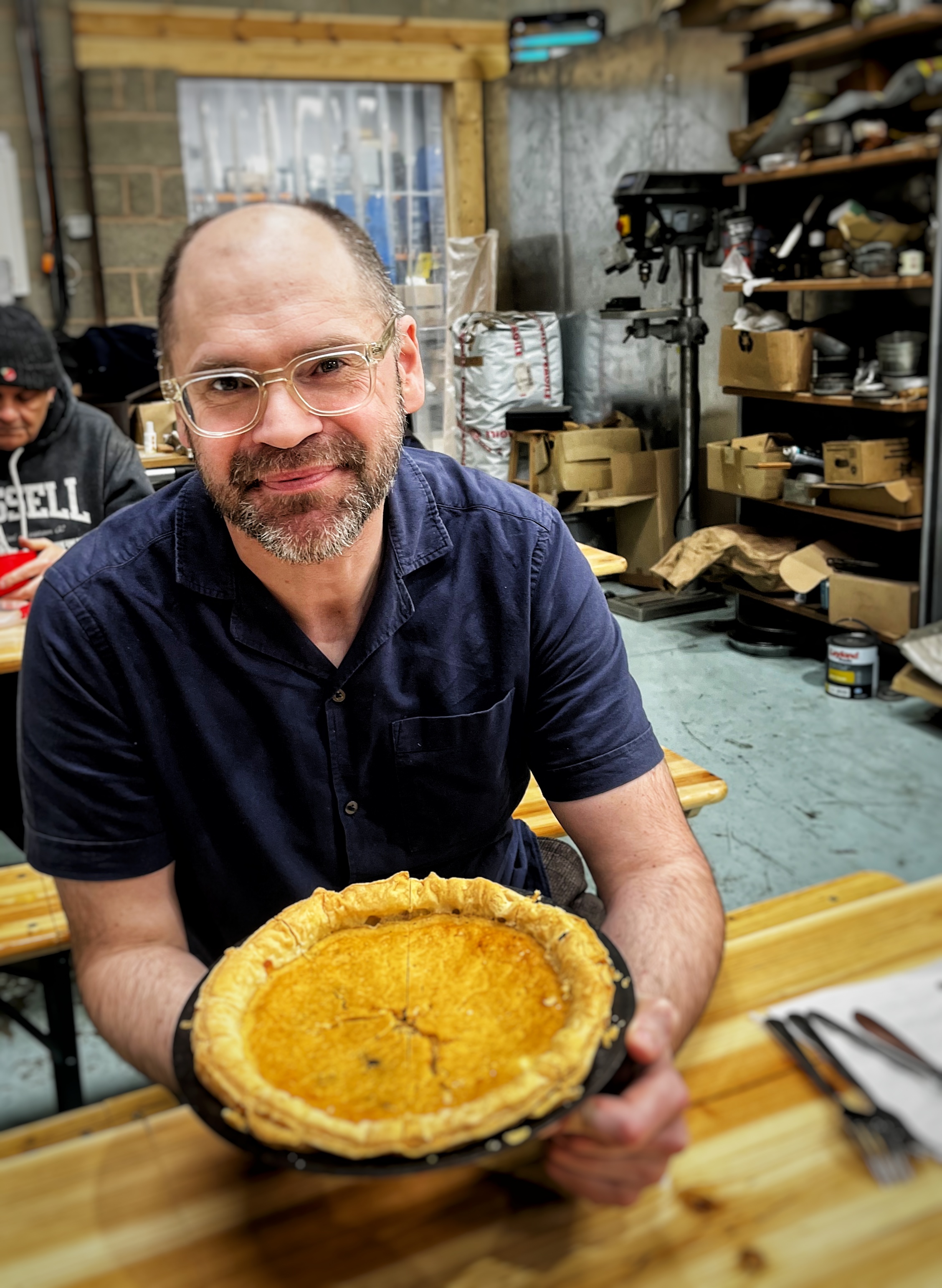
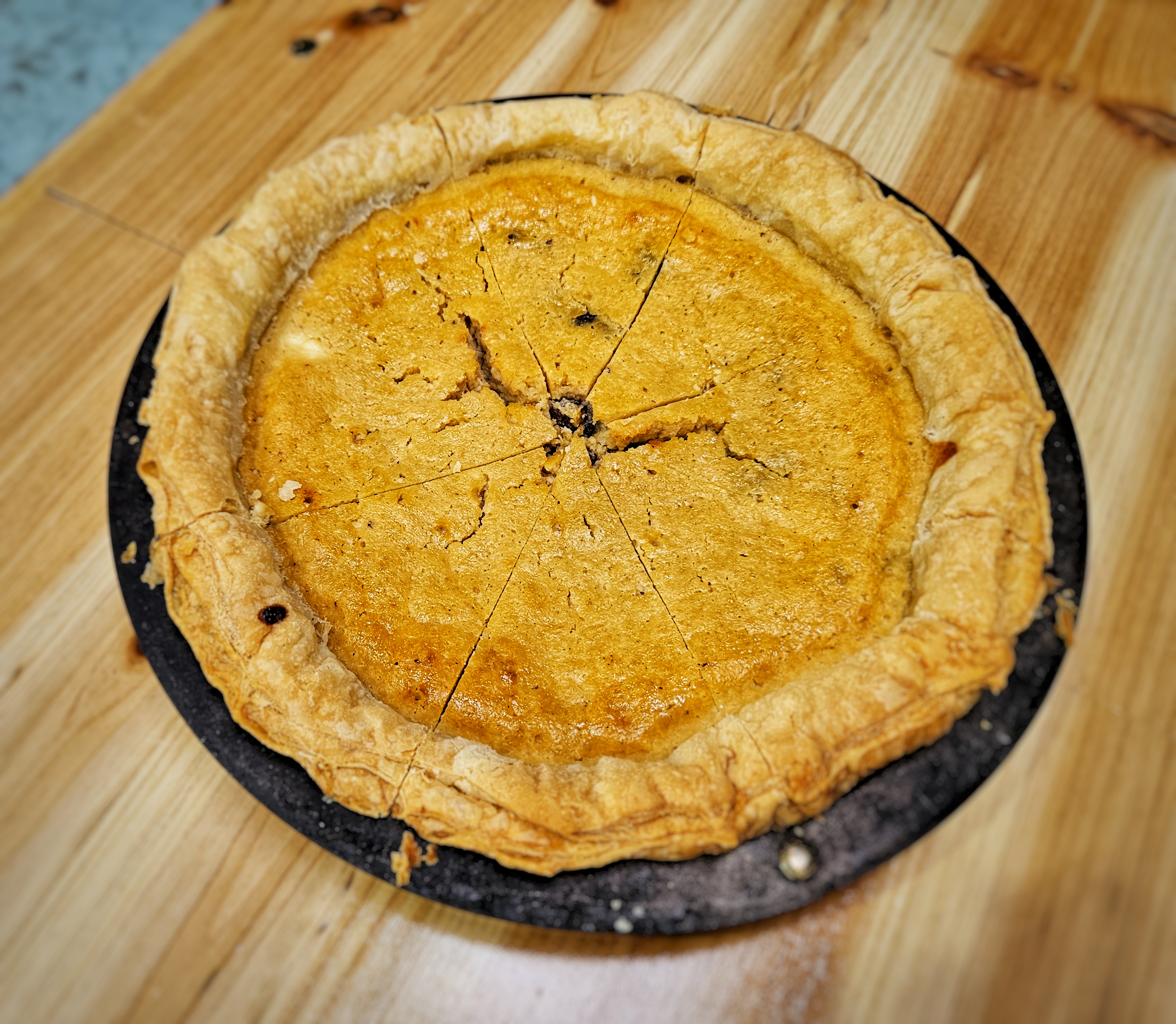
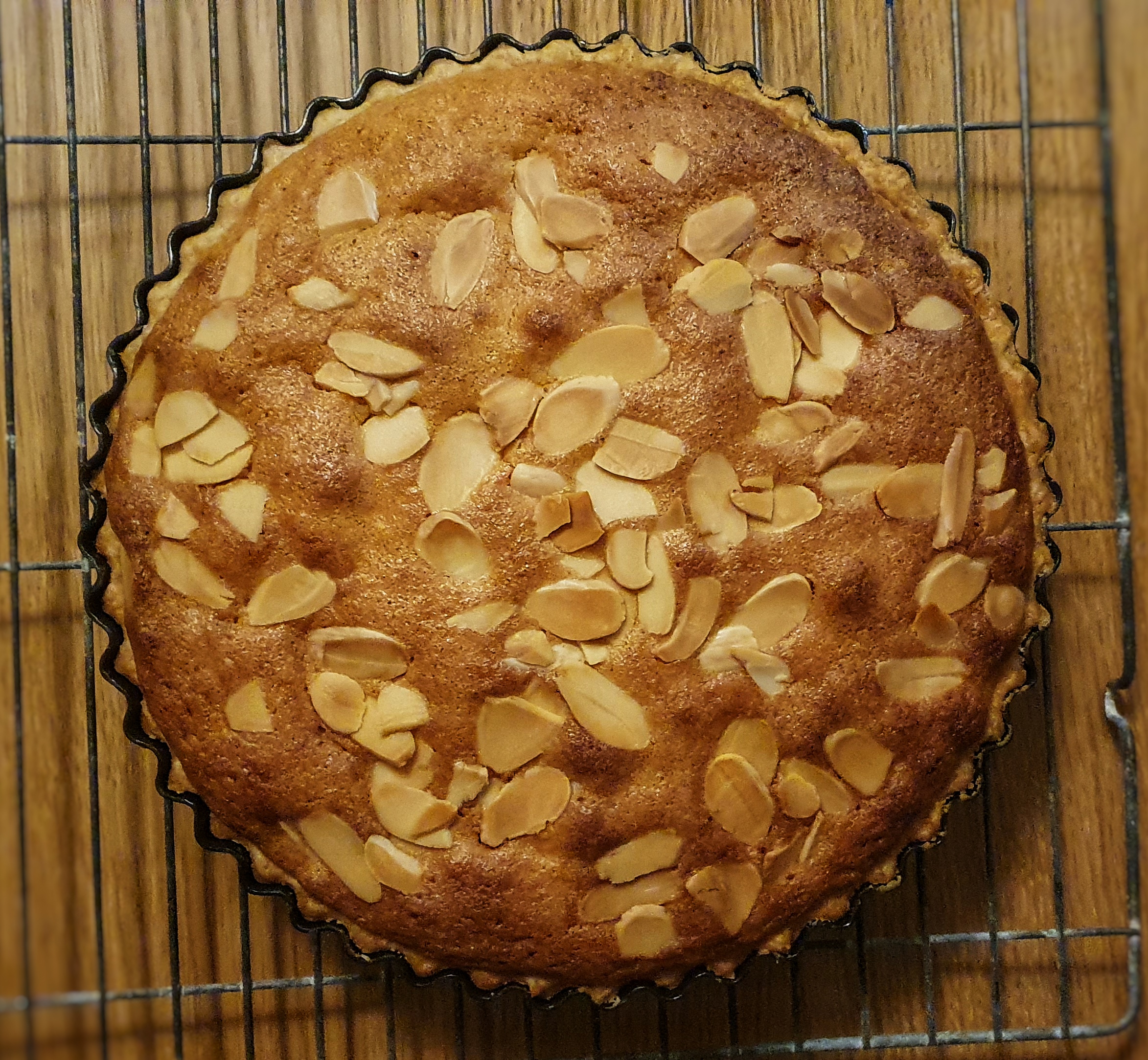
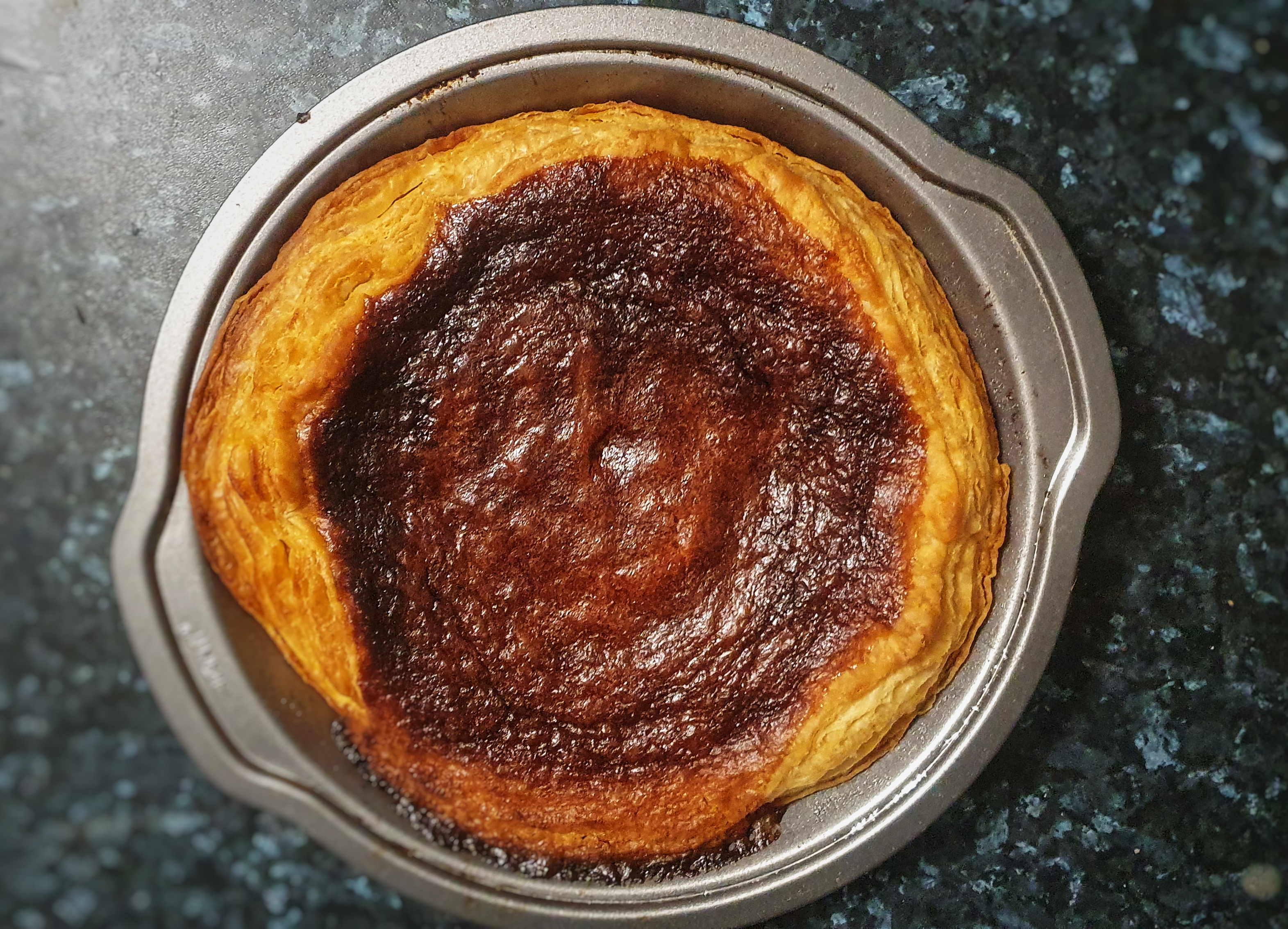
We talk about oat-based foods like thar cakes, which were traditionally eaten on All Souls Day, thin pudding and savoury pudding, the origins of the Bakewell pudding and Derbyshire’s very high proportion of drinking establishments per head, amongst many other things. The British Food History Podcast is available on all apps, or, if you like, you can stream it via this Spotify embed:
Those listening to the secret podcast get more than a quarter of an hour of bonus material where we talk about Derbyshire cheeses, the return of small-scale breweries to the county, wakes cakes and Ashbourne gingerbread.
Season 10 of the podcast is sponsored by Netherton Foundry, who make high-quality kitchen and outdoor cookware. Netherton Foundry ships to several countries outside of the UK, including the USA and Canada. Visit www.netherton-foundry.co.uk to find out more about their wonderful products – approved not just by me but by folk such as Tom Parker-Bowles, Diana Henry and Nigella Lawson.
If you can, support the podcast and blogs by becoming a £3 monthly subscriber, and unlock lots of premium content, including bonus blog posts and recipes, access to the easter eggs and the secret podcast, or treat me to a one-off virtual pint or coffee: click here.
Don’t forget, there will be postbag episodes in the future, so if you have any questions or queries about today’s episode, or indeed any episode, or have a question about the history of British food please email me at neil@britishfoodhistory.com, or leave a comment on the blog.
Welcome to a brand new season of The British Food History Podcast!
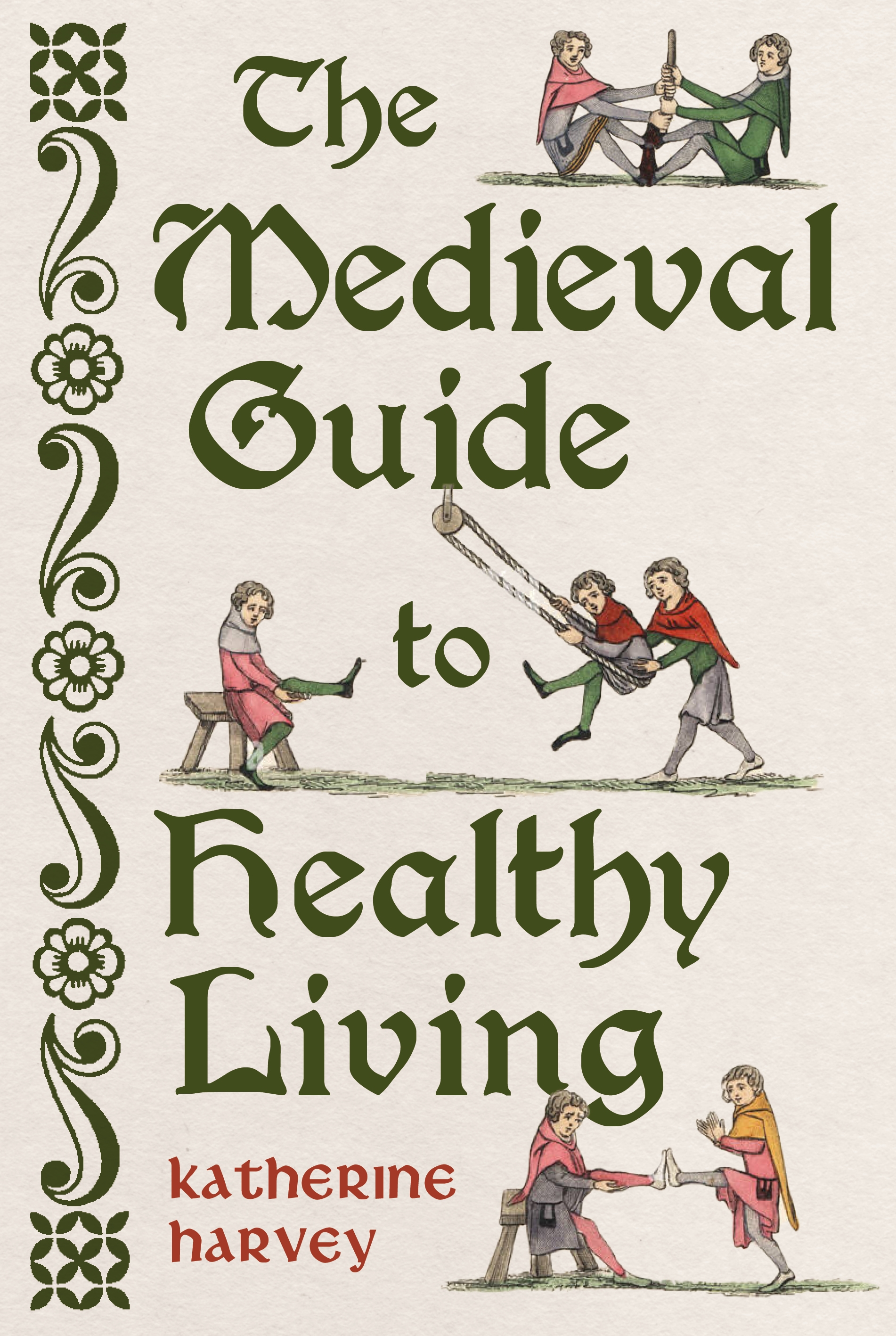
On the podcast today is medieval scholar Katherine Harvey, a scholar specialising in medieval and early modern history.
Kathryn’s new book The Medieval Guide to Healthy Living is out now, published by Reaktion Books.
We talk about humoral theory and health, the dangers of eating fresh fruit and fish, the importance of sauces, drinking and drunkenness, how obesity was viewed by medieval society and the importance of cleanliness amongst many other things.
The British Food History Podcast is available on all podcast apps. Alternatively, you can stream it via this Spotify embed:
Those listening to the secret podcast get bonus material where we talk about the importance of mealtimes when thinking about health, and the poorer members of society who don’t necessarily have much of a choice when it comes to healthy eating.
Follow Katherine on social media: Instagram @katherinee.harvey; X @keharvey2013; Bluesky @katherineharvey.bsky.social
Season 10 of the podcast is sponsored by Netherton Foundry, who make high-quality kitchen and outdoor cookware. Netherton Foundry ships to several countries outside of the UK, including the USA and Canada. Visit www.netherton-foundry.co.uk to find out more about their wonderful products – approved not just by me but by folk such as Tom Parker-Bowles, Diana Henry and Nigella Lawson.
If you can, support the podcast and blogs by becoming a £3 monthly subscriber, and unlock lots of premium content, including bonus blog posts and recipes, access to the easter eggs and the secret podcast, or treat me to a one-off virtual pint or coffee: click here.
Don’t forget, there will be postbag episodes in the future, so if you have any questions or queries about today’s episode, or indeed any episode, or have a question about the history of British food please email me at neil@britishfoodhistory.com, or on twitter and BlueSky @neilbuttery, or Instagram and Threads dr_neil_buttery. My DMs are open.
Just a very quick message to let you all know that the 10th season of The British Food History Podcast starts next month. Check out the trailer, via this Spotify embed.
So, there will be much podcast content to download and listen to over the next few months.
If you don’t already, please subscribe to the podcasts on your favourite podcast app.
Over and out!
Neil xx
If you can, support the podcast and blogs by becoming a £3 monthly subscriber, and unlock lots of premium content, including bonus blog posts and recipes, access to the Easter eggs, a monthly newsletter and the secret podcast, or treat me to a one-off virtual pint or coffee: click here.
Welcome to the second of a two-part podcast special all about Burns Night.
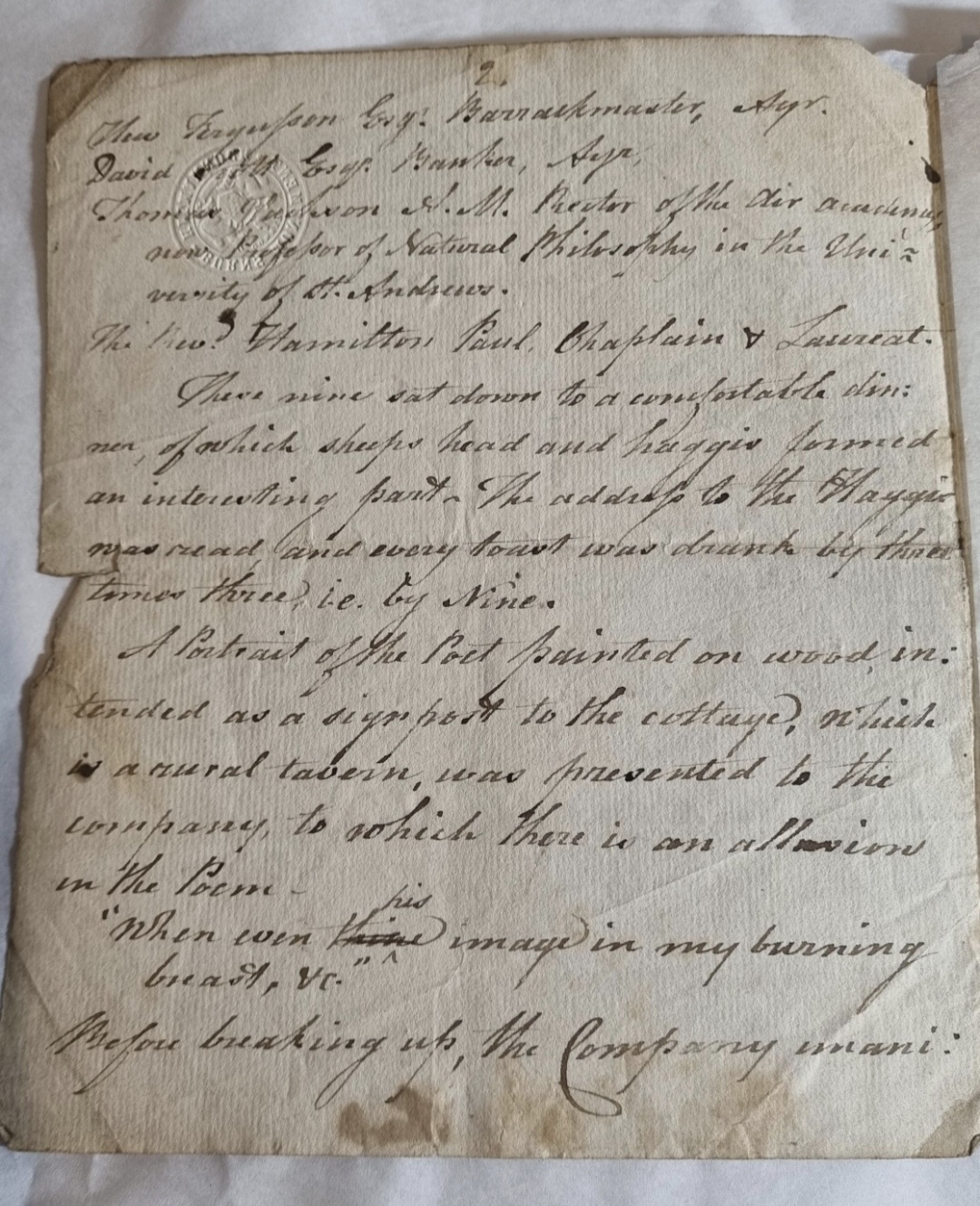
Burns Night, celebrated on Robert Burns’ birthday, 25th January, is a worldwide phenomenon and I wanted to make a couple of episodes focussing upon the night, the haggis, but also the other foods links regarding Scotland’s national poet, Robert Burns.
So, if you’re readying yourself for a Burns supper, I hope this episode gets you even more into the celebratory spirit. If you’re not marking Burns Night? Well, hopefully after listening to this, you will be inspired to get yourself some haggis, neeps, tatties and a dram of whisky.
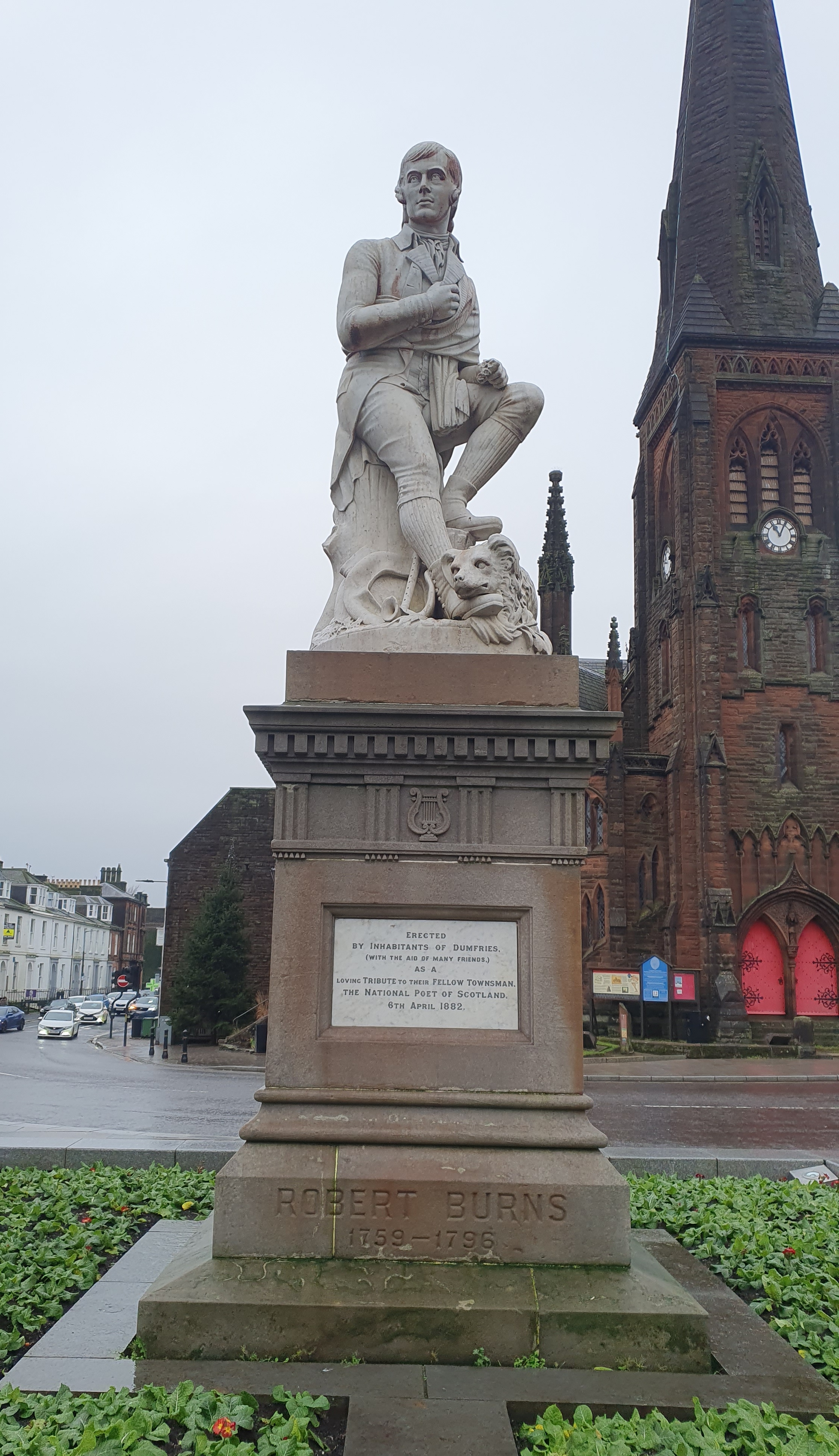
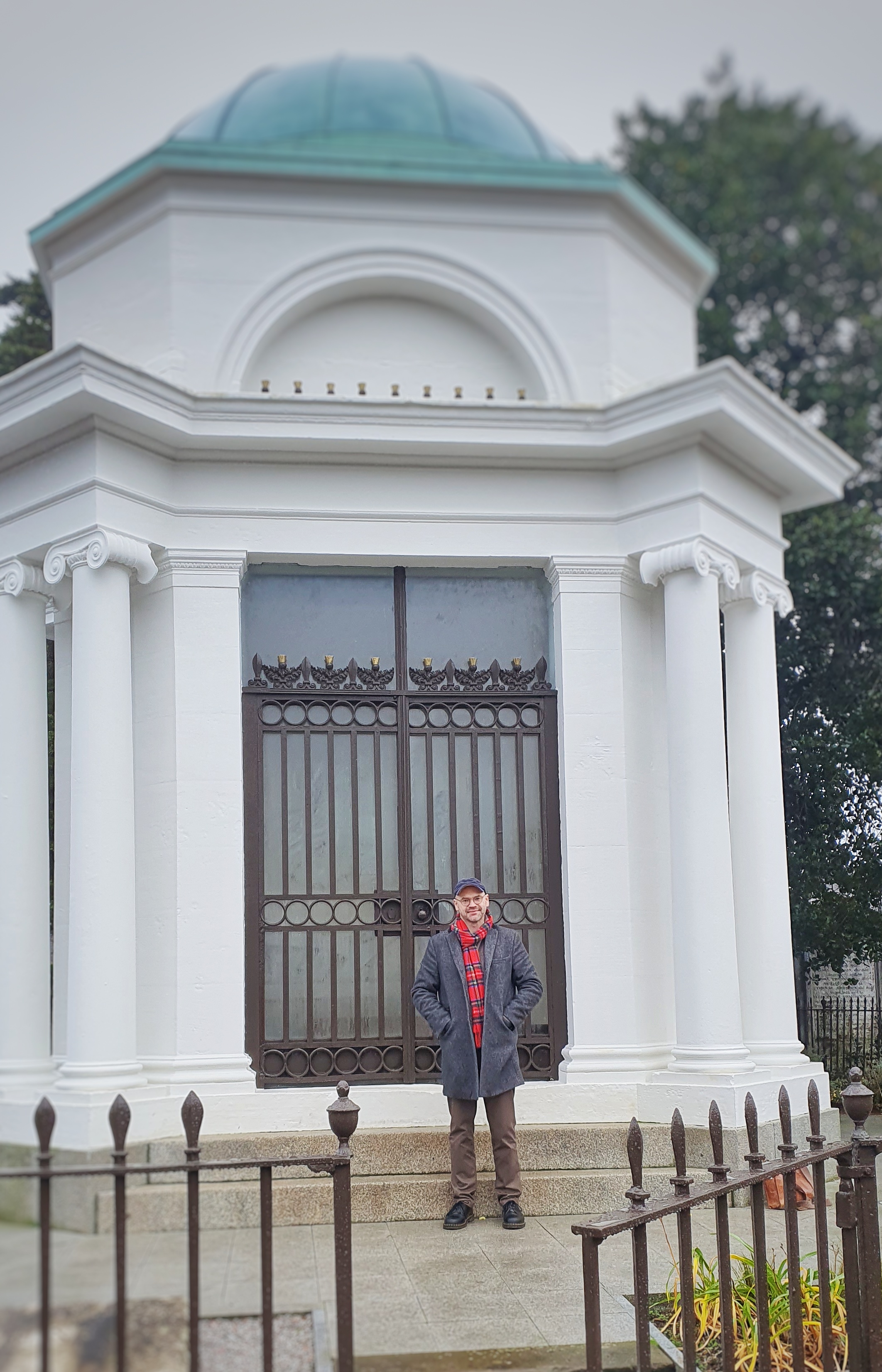
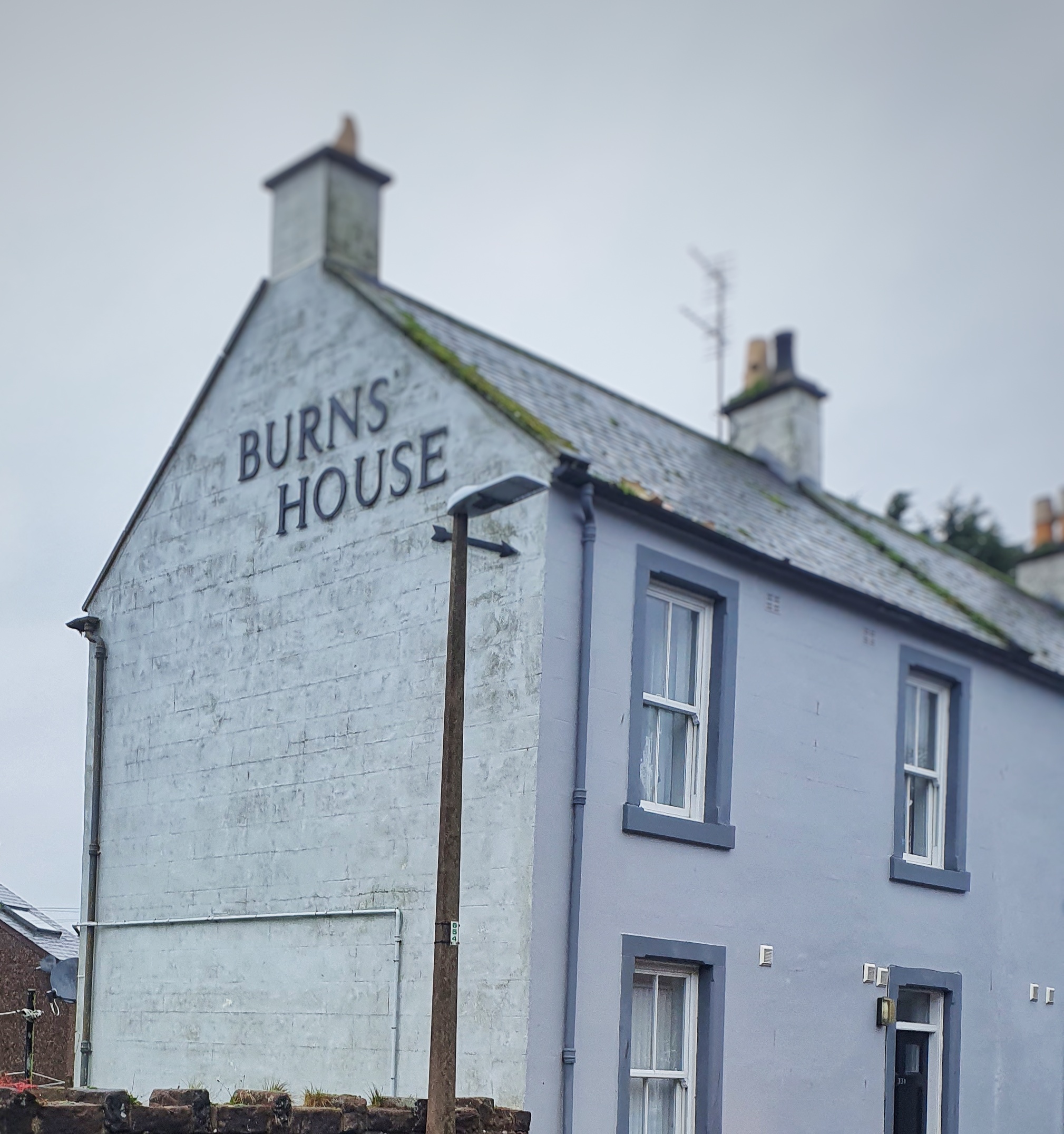
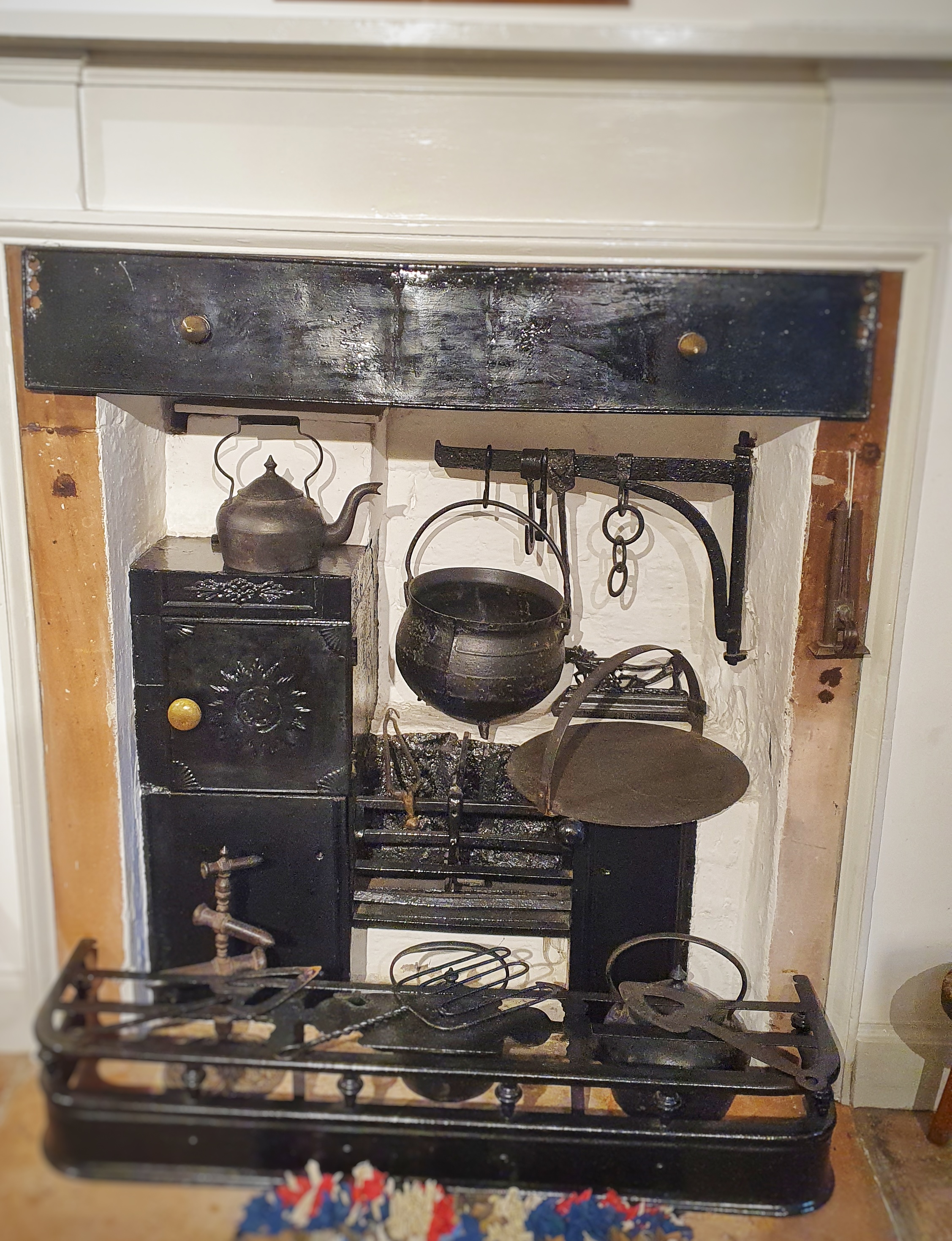
A tour of Dumfries (L-R): Burns’s statue; the Burns mausoleum (with Yours Truly); the exterior of Burns’s house; the fireplace within.
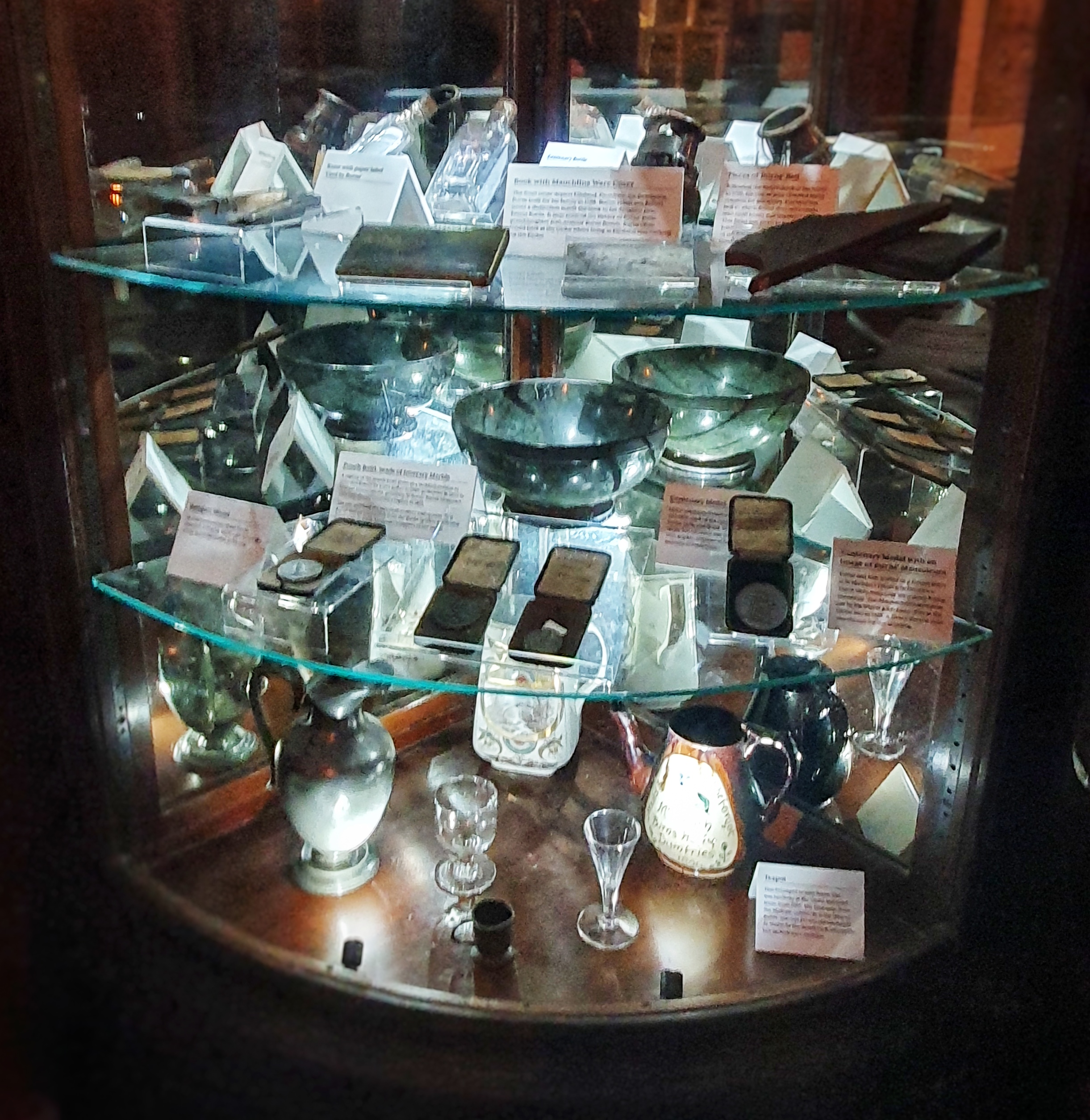
Today’s episode is a jam-packed one where I speak with three guests all about Robert Burns and his links with Dumfriesshire, Southwest Scotland. First of all, I speak with Jane Brown, Honorary President of the Robert Burns World Federation, and ex-manager of The Globe, Robert Burns’s favourite haunt when he lived in Dumfries during the last eight years of his life. Jane has attended and spoken at many Burns Nights all over the world, so there’s no one better to talk about with Burns’s life, which had several links with food and drink: there’s Burns Night and the Address to a Haggis, his time as an exciseman and as a farmer, and his time at the Globe. Then there’s the Globe itself and all of the precious artefacts contained within it that have been painstakingly conserved by owners Teresa Church and David Thomson.
The British Food History Podcast is available on all podcast apps and now YouTube. You can also stream it via this Spotify embed below:
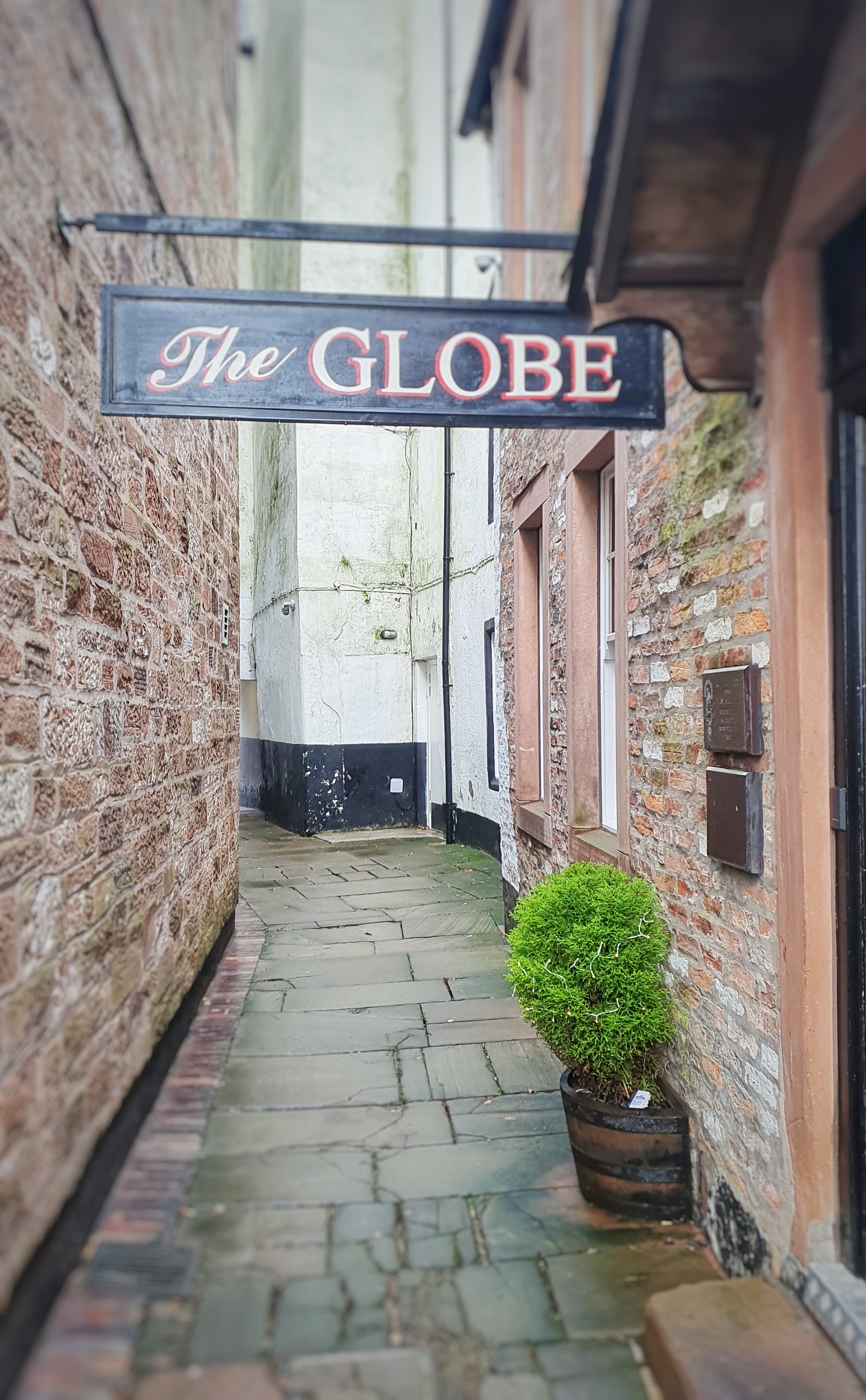
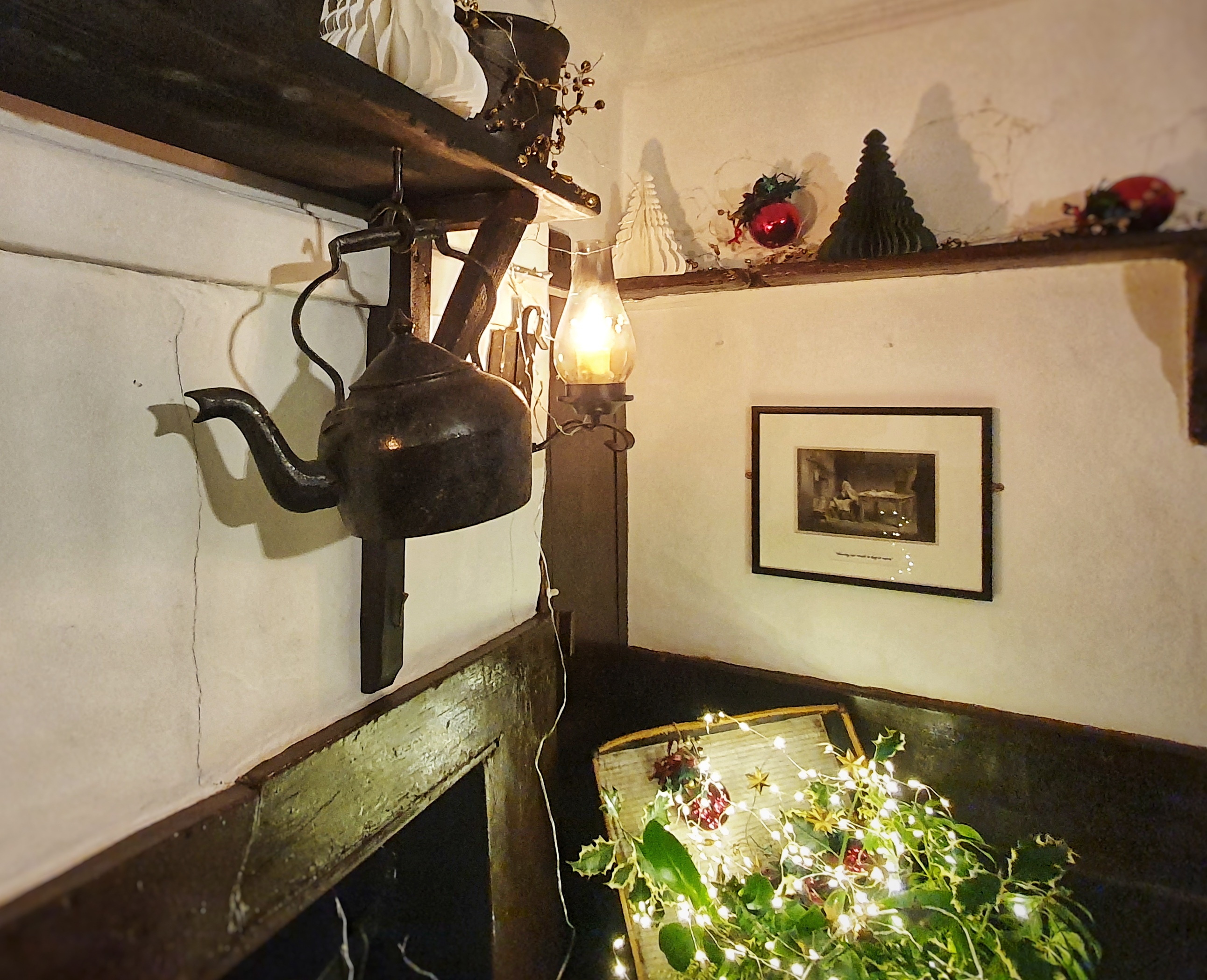
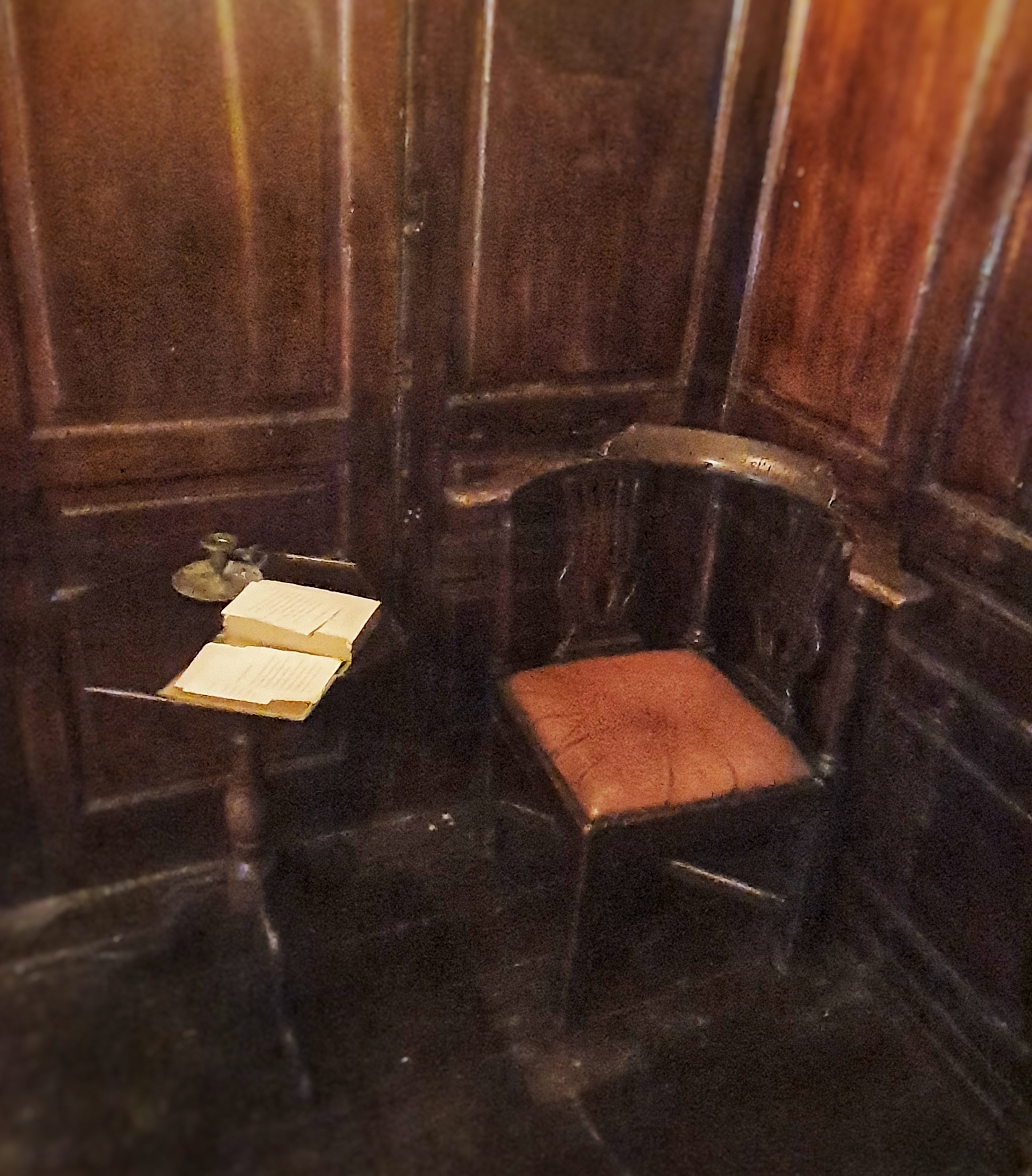
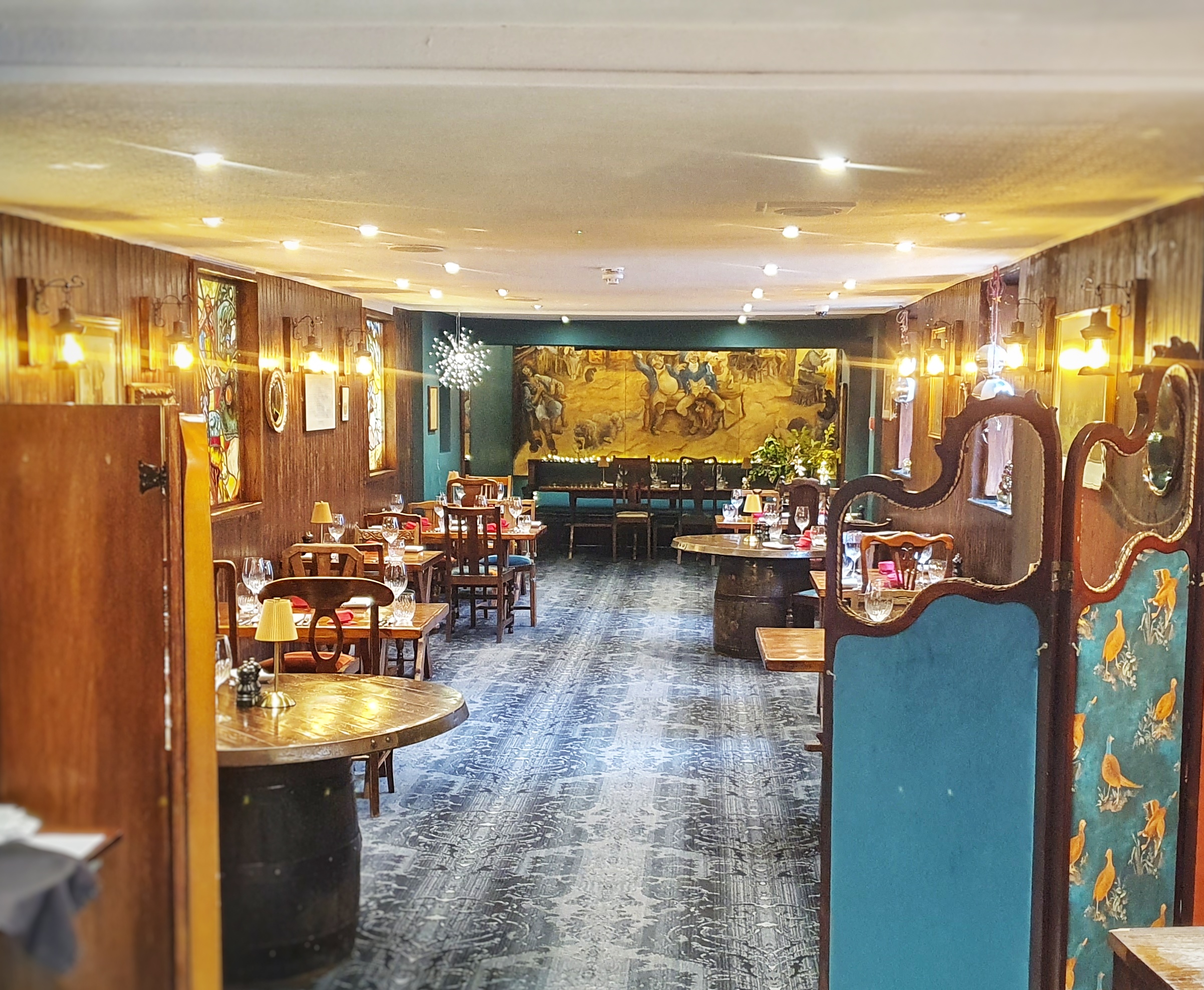
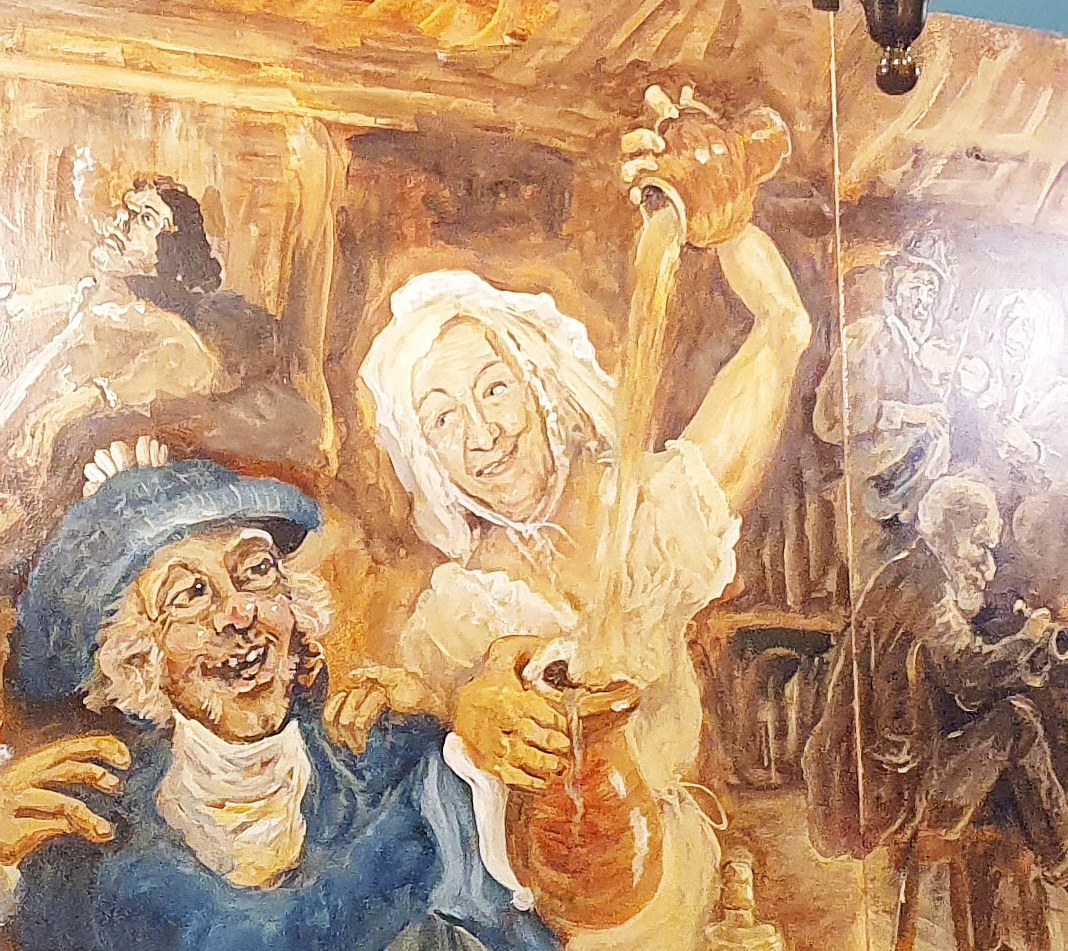
1610 at The Globe Inn. Top row (L-R): The sign of the Globe Inn; the old kitchen; the chair from which I read out a Burns poem. Bottom row (L-R): A selection of the treasures in the old bar; the interior of 1610 at The Globe Inn; Jane Brown immortalised in the mural at the back of the restaurant
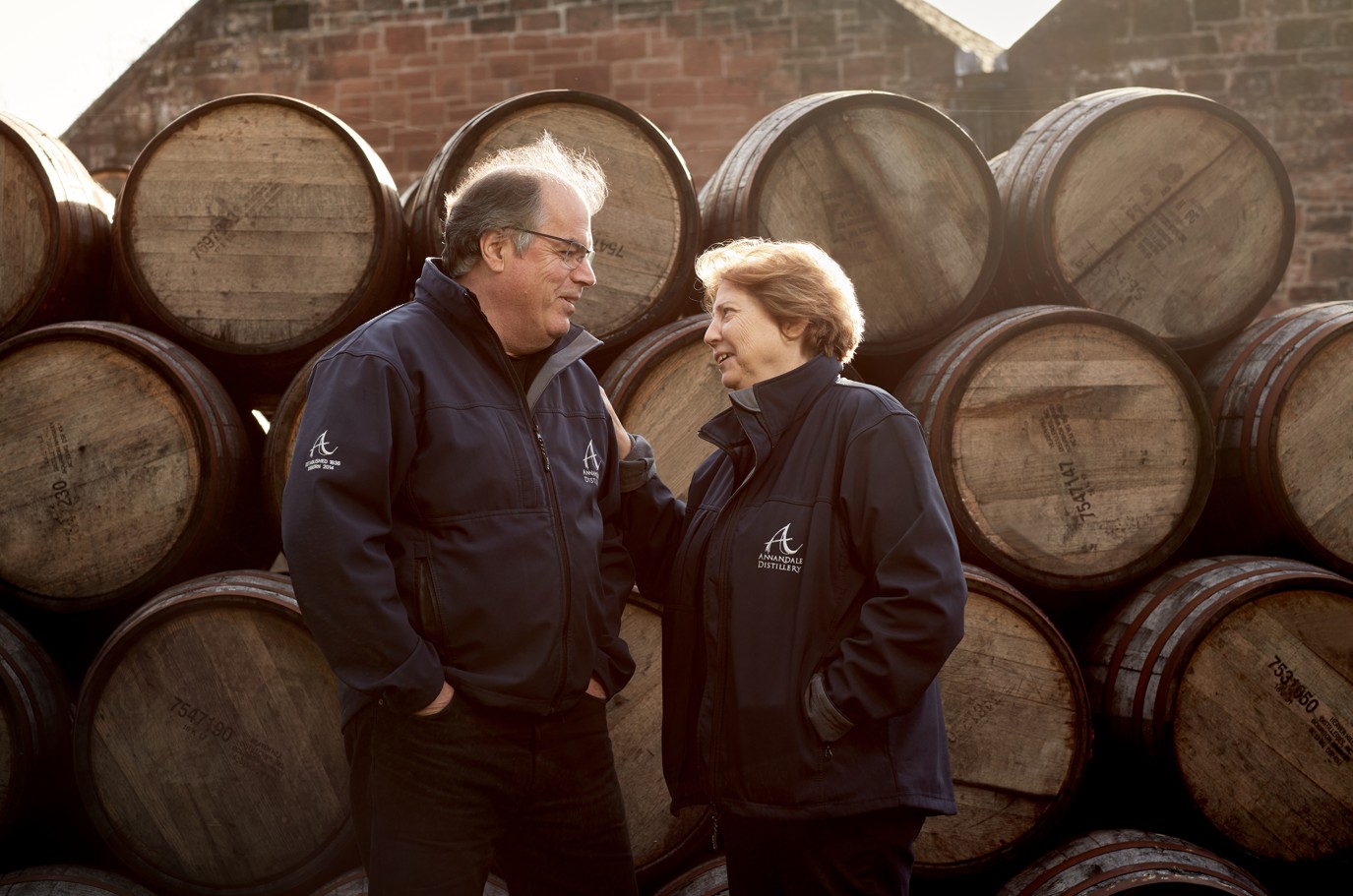
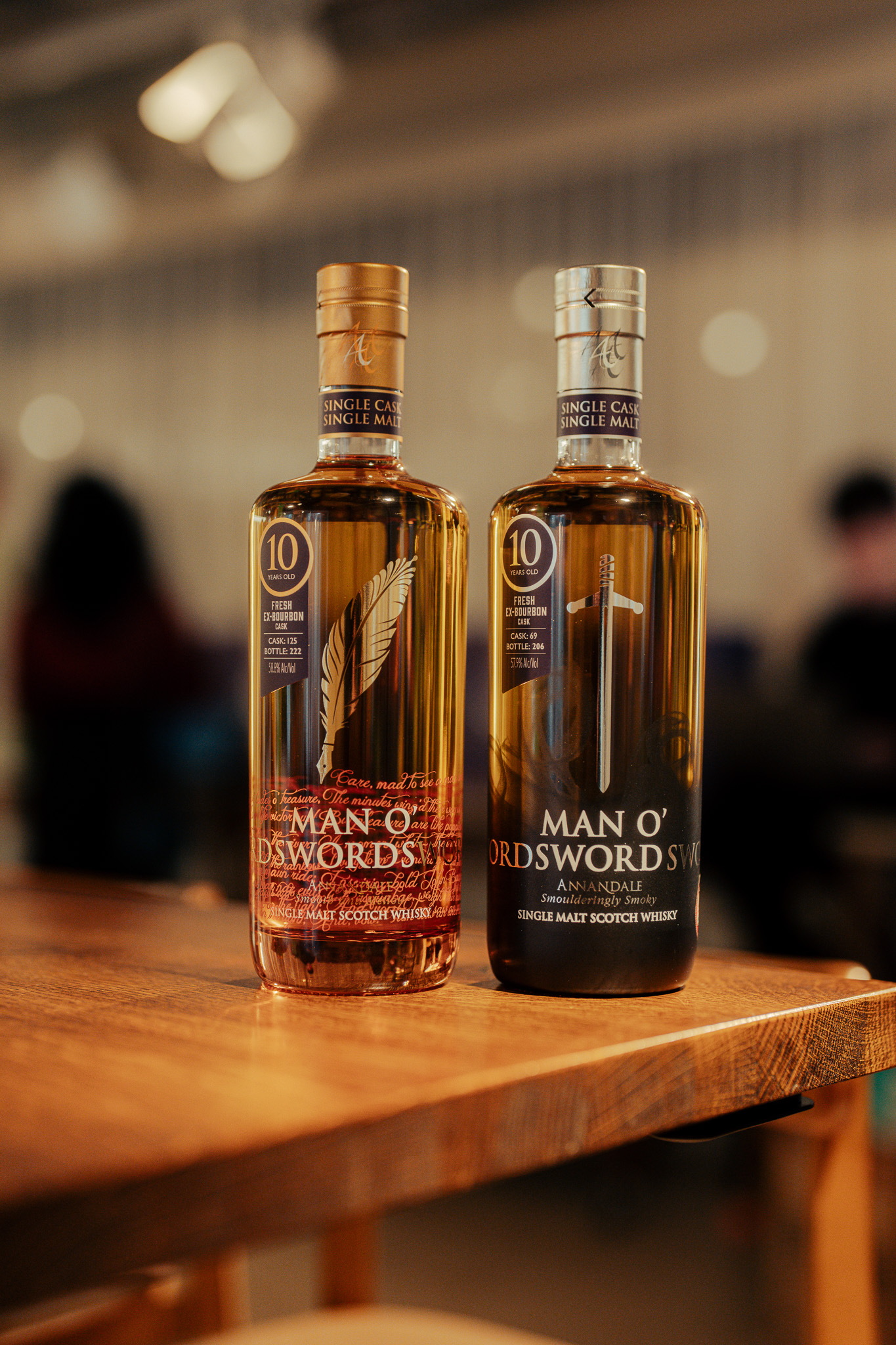
David and Teresa also own the Annandale Distillery, which produces a delicious and unique single malt whisky. It’s available unpeated and called Man O’Words, after Robert Burns, and the other is peated and called Man O’Sword, after the other local historical figure associated with Dumfries, Robert the Bruce. Like the Globe, the old distillery was saved, beautifully conserved and brought back to life by David and Teresa.
In today’s episode, we talk about Burns’s before and after graces, Burns’s penchant for scratching poetry on inn windows, the importance of cask size on the flavour of whisky, and just what exactly possessed David and Teresa to buy the Globe and a falling-down distillery in the first place – amongst many other things.
Don’t forget, there will be postbag episodes in the future, so if you have any questions or queries about today’s episode, or indeed any episode, or have a question about the history of British food, please email me at neil@britishfoodhistory.com, or leave a comment below.
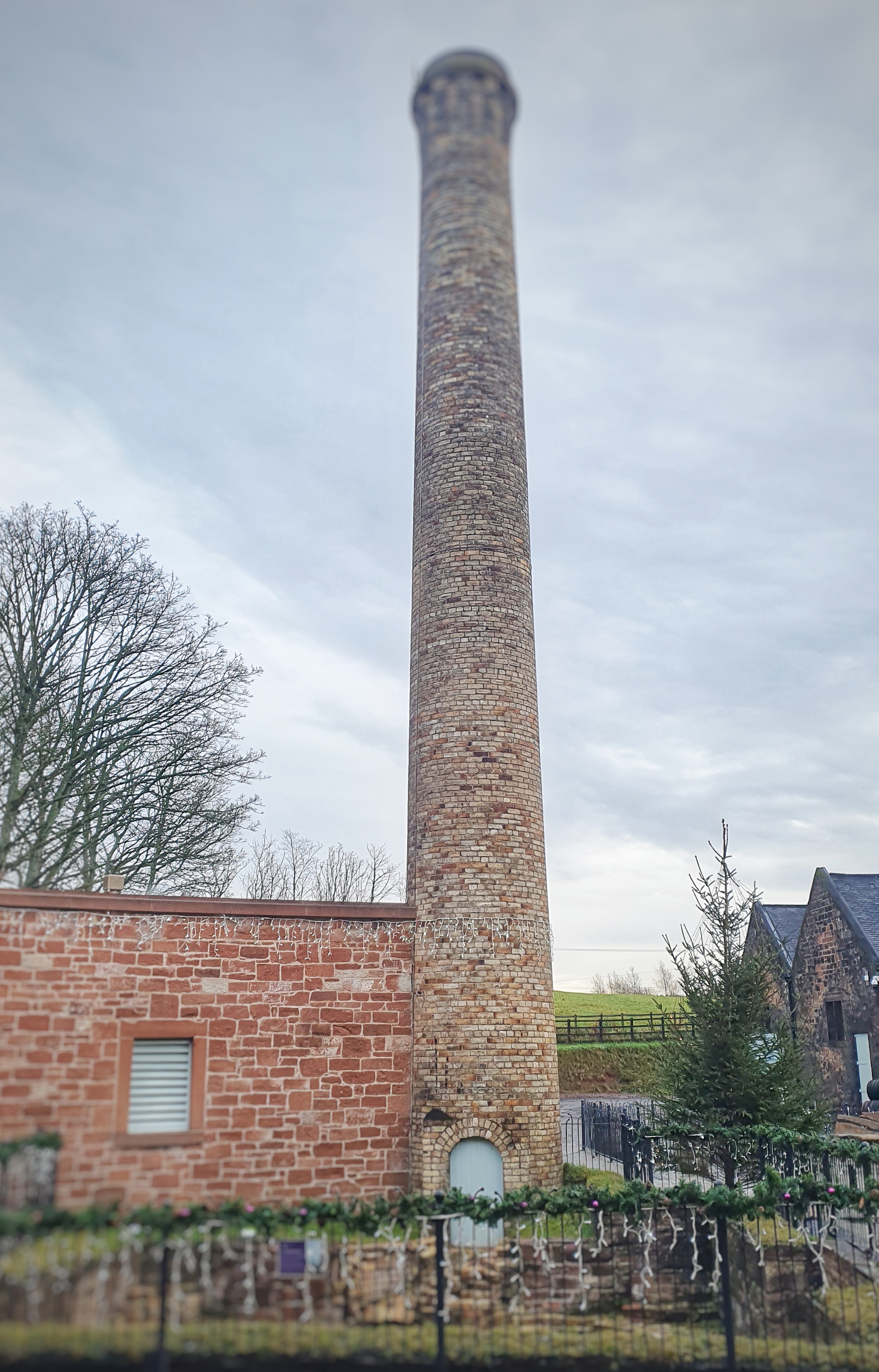
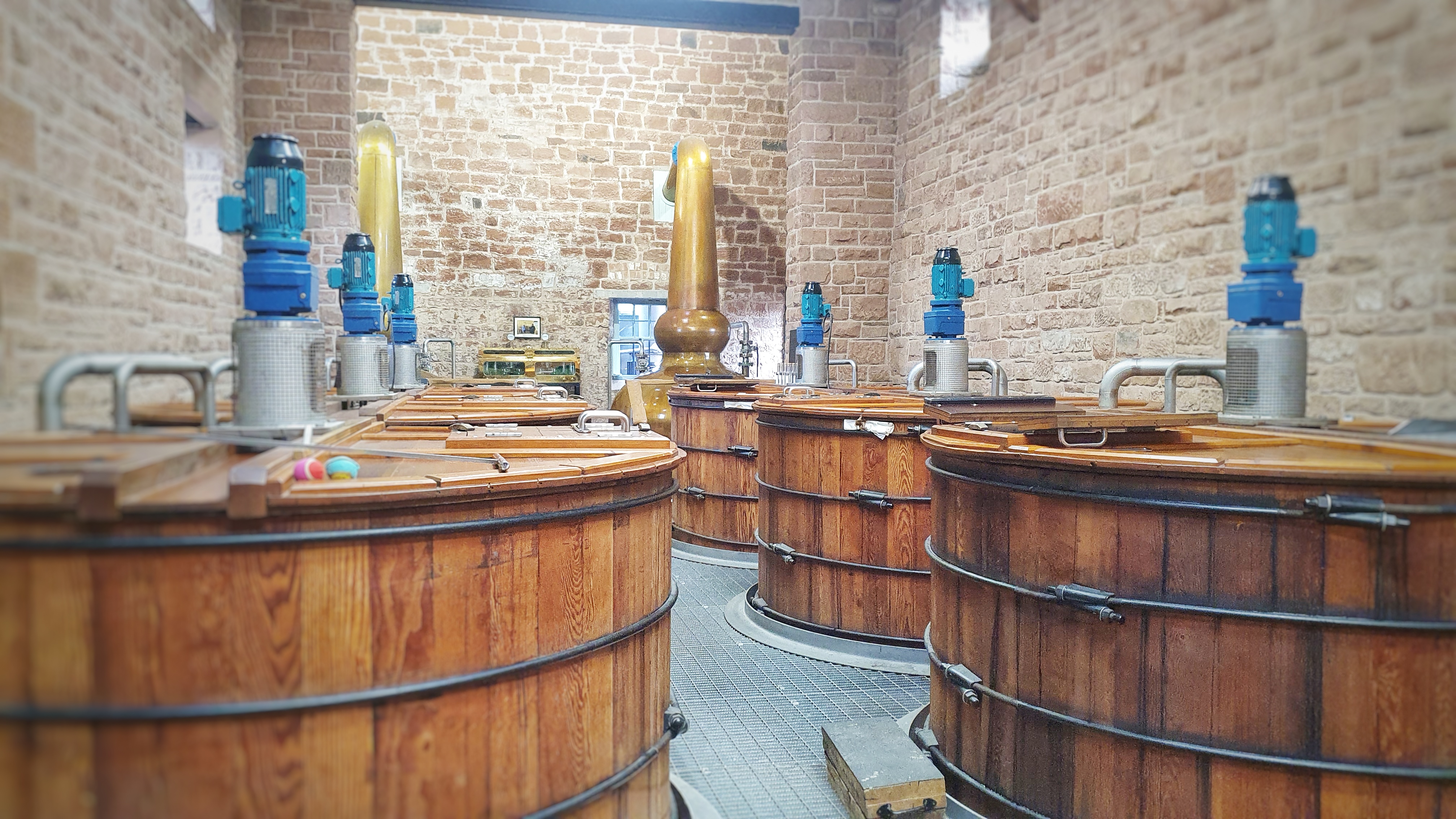
Annandale Distillery (L-R): the beautiful, imposing main chimney; the fermentation and distillery room; David & Teresa stood in front of their many casks; Man O’Swords & Man O’Words single malt whiskies
If you can, support the podcast and blogs by becoming a £3 monthly subscriber, and unlock lots of premium content, including bonus blog posts and recipes, access to the Easter eggs and the secret podcast, or treat me to a one-off virtual pint or coffee: click here.
Welcome to the first of a two-part special all about Burns Night.
Burns Night, celebrated on Robert Burns’ birthday, 25th January, is a worldwide phenomenon and I wanted to make a couple of episodes focussing upon the night, the haggis, but also the other foods links regarding Scotland’s national poet, Robert Burns.
The episode is available on all podcast apps, but can also be streamed here:
Burns was born in Alloway, Ayrshire on 25 January 1759 and he died in Dumfries on 21 July 1796 at just 37 years old.
My guest today is food historian Jennie Hood, who has written an excellent article for the most recent edition of food history journal Petit Propos Culinares, entitled ‘A History of Haggis and the Burns Night Tradition’, so she is the perfect person to speak with on this topic.
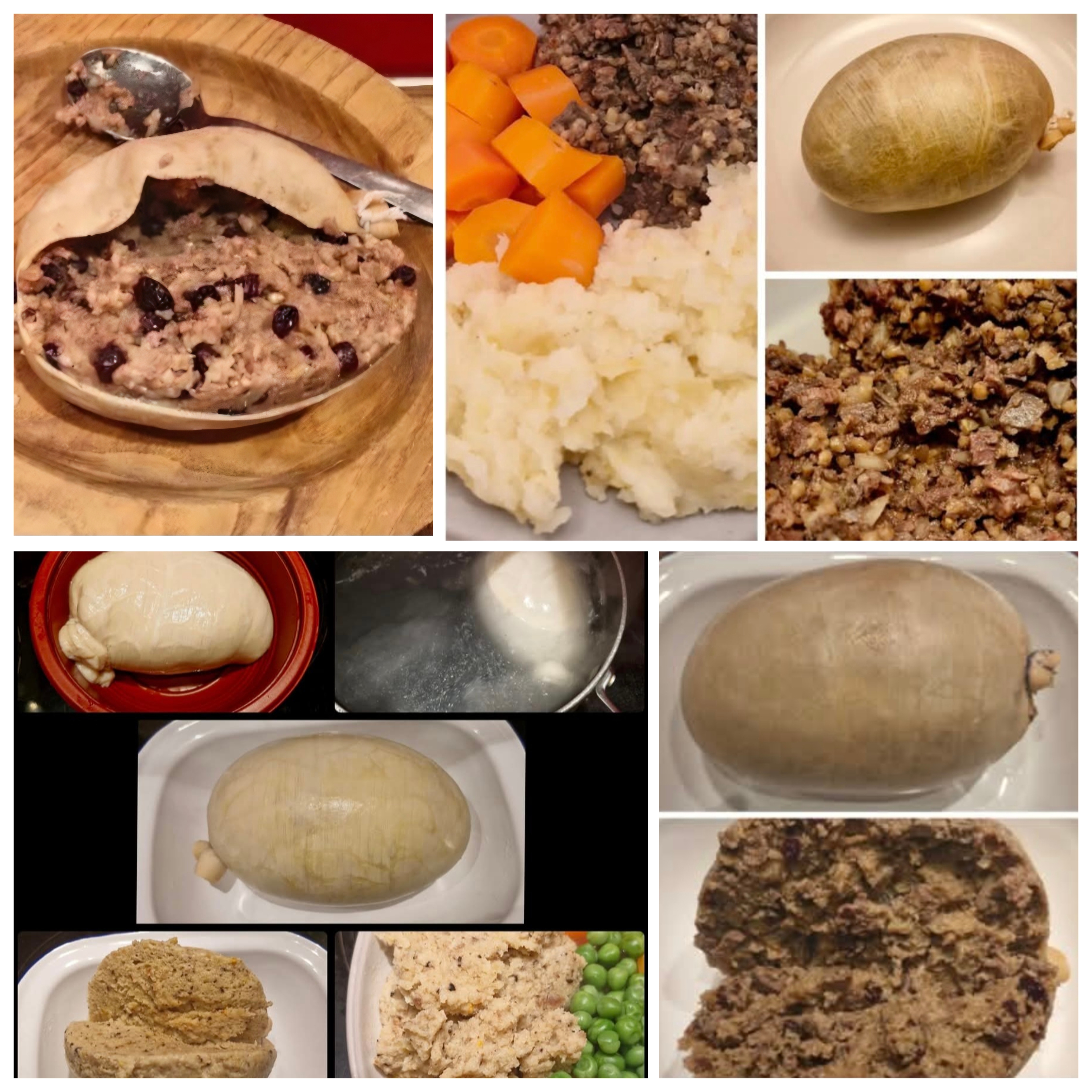
Jennie’s experiments in haggis: It shows (clockwise from top left) Richard Bradley’s 1732 hackin, Mrs MacIver’s 1774 haggis, Henry Blaxton’s 1659 liver pudding and a franchemoyle from Liber Cure Cocorum, English c. 1440. Images: Jennie Hood
Jennie Hood hails from Ayrshire, just like Robert Burns, and we talk about the origin of Burns Night, but we also talk about the medieval origins of the most important food item on the Burns supper plate – the haggis.
Things covered include the first English recipes for haggis, what makes a haggis a haggis (not as easy a thing as you might expect), Burns’s poem Address to a Haggis and what it tells us about haggises in Burns’s day and how the first Burns suppers started and gained such popularity, amongst many other things.
If you can, support the podcast and blogs by becoming a £3 monthly subscriber, and unlock lots of premium content, including bonus blog posts and recipes, access to the easter eggs and the secret podcast, or treat me to a one-off virtual pint or coffee: click here.
Don’t forget, there will be postbag episodes in the future, so if you have any questions or queries about today’s episode, or indeed any episode, or have a question about the history of British food please email me at neil@britishfoodhistory.com, or on twitter and BlueSky @neilbuttery, or Instagram and Threads dr_neil_buttery. My DMs are open.
It’s time for the now traditional end-of-season postbag episode of The British Food History Podcast, where I (attempt to) answer your questions, read out your comments and mull over your queries.
I’ll be disappearing for a couple of months, unless of course, you are a monthly subscriber, where there will be a bonus episode coming up for you to listen to via the website: Keeping Food Traditions Alive with Tom Parker Bowles, which was recorded live at the Serve it Forth Food History Festival on 18 October.
The British Food History Podcast is available on all podcast platforms. Please subscribe, rate and review. Alternatively, stream the episode via this Spotify embed:
If you can, support the podcast and blogs by becoming a £3 monthly subscriber, and unlock lots of premium content, including bonus blog posts and recipes, access to the Easter eggs and the secret podcast, or treat me to a one-off virtual pint or coffee please click here.
Remember: Fruit Pig are sponsoring the 9th season of the podcast. Visit their website www.fruitpig.co.uk to learn more about them, their journey, to find your local stockist and access their online shop.
Don’t forget, there will be postbag episodes in the future, so if you have any questions or queries about today’s episode, or indeed any episode, or have a question about the history of British food please email me at neil@britishfoodhistory.com, or on twitter and BlueSky @neilbuttery, or Instagram and Threads dr_neil_buttery. My DMs are open.
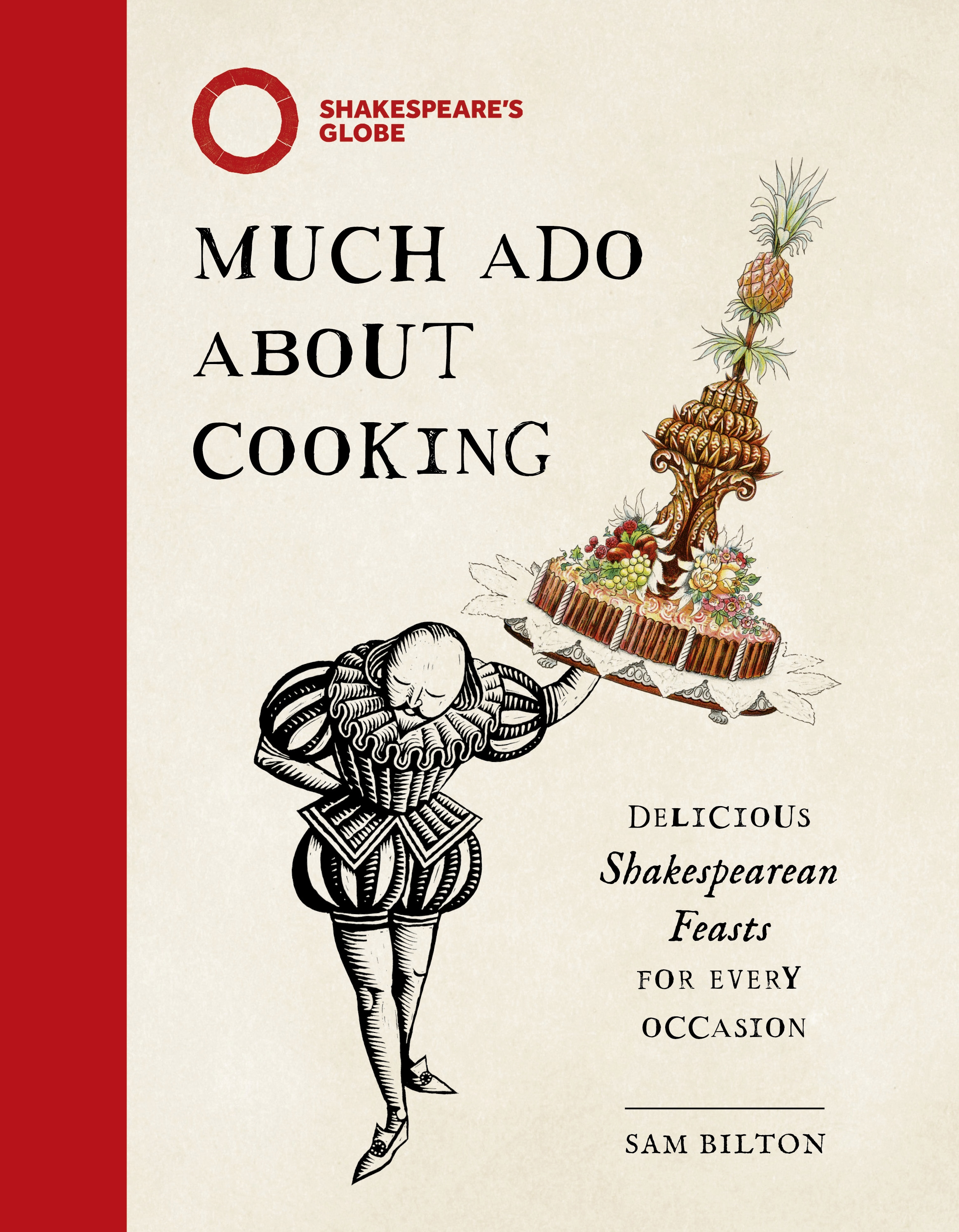
My guest on The British Food History Podcast today is food historian and friend of the show Sam Bilton, podcaster and author of Much Ado About Cooking Delicious Shakespearean Feasts for Every Occasion, published by Headline and commissioned by Shakespeare’s Globe.
It was, of course, a great opportunity to talk about the food of Shakespearean England as well as the food and drink references in Shakespeare’s plays, and what they meant to those watching the plays at the time they were first performed.
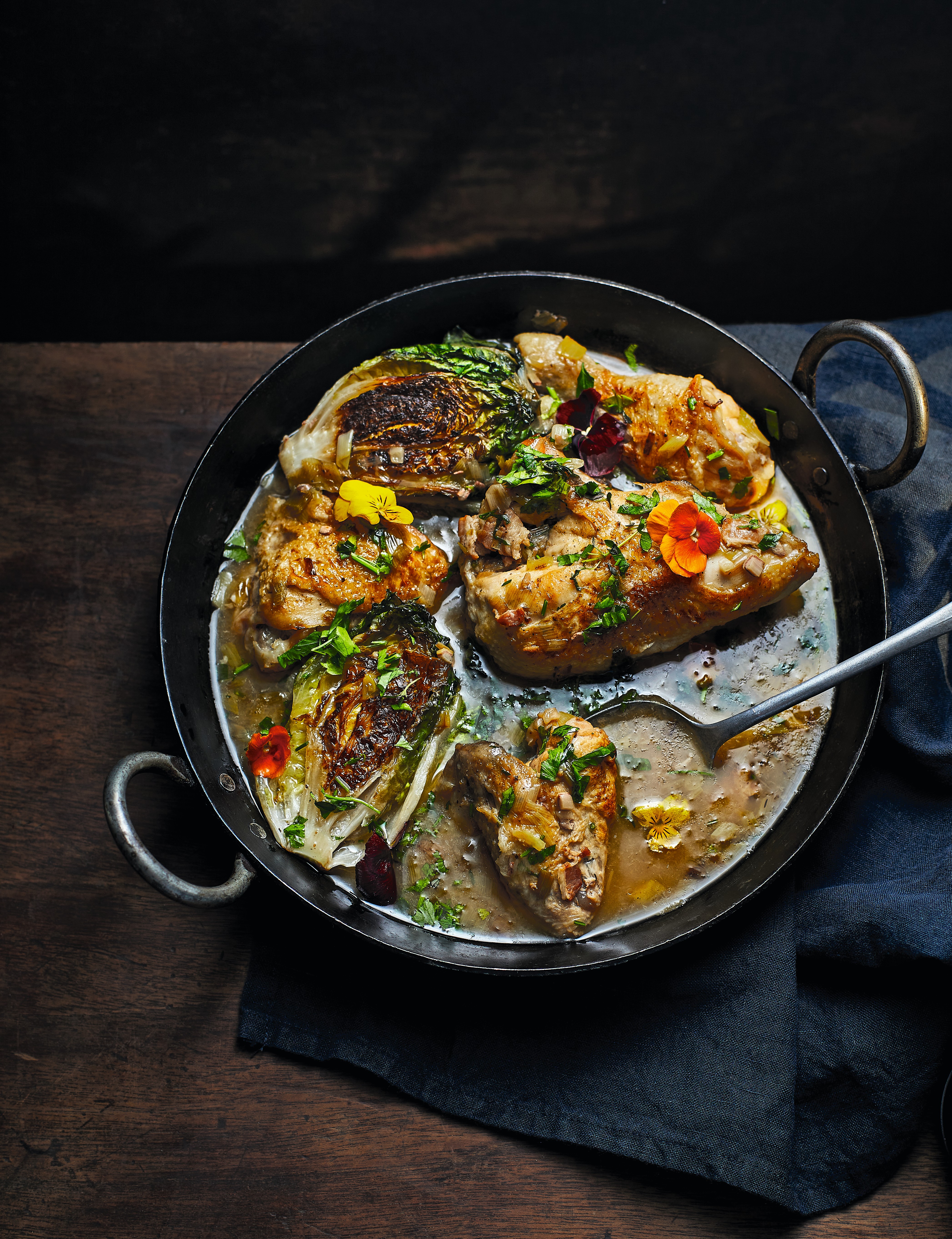
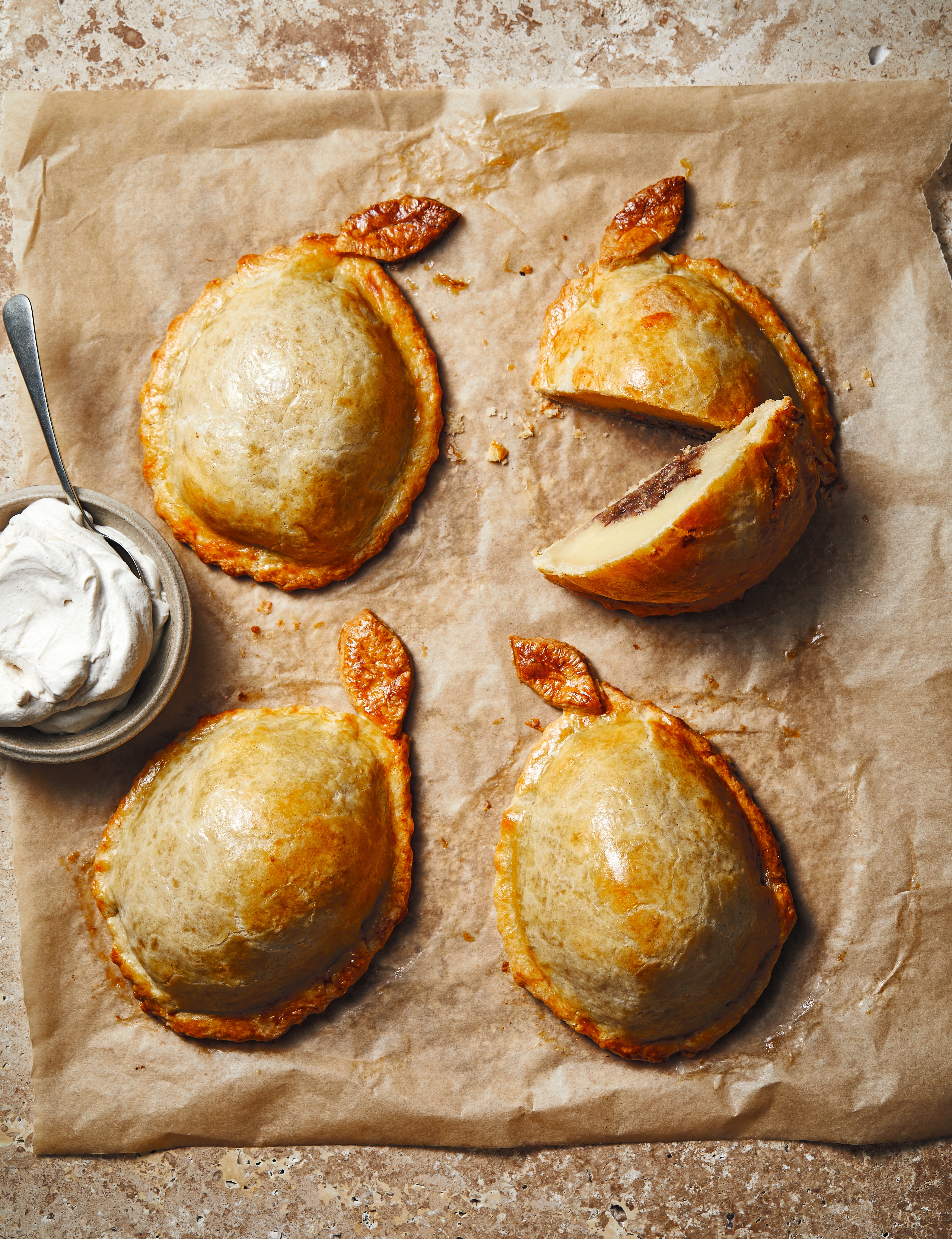
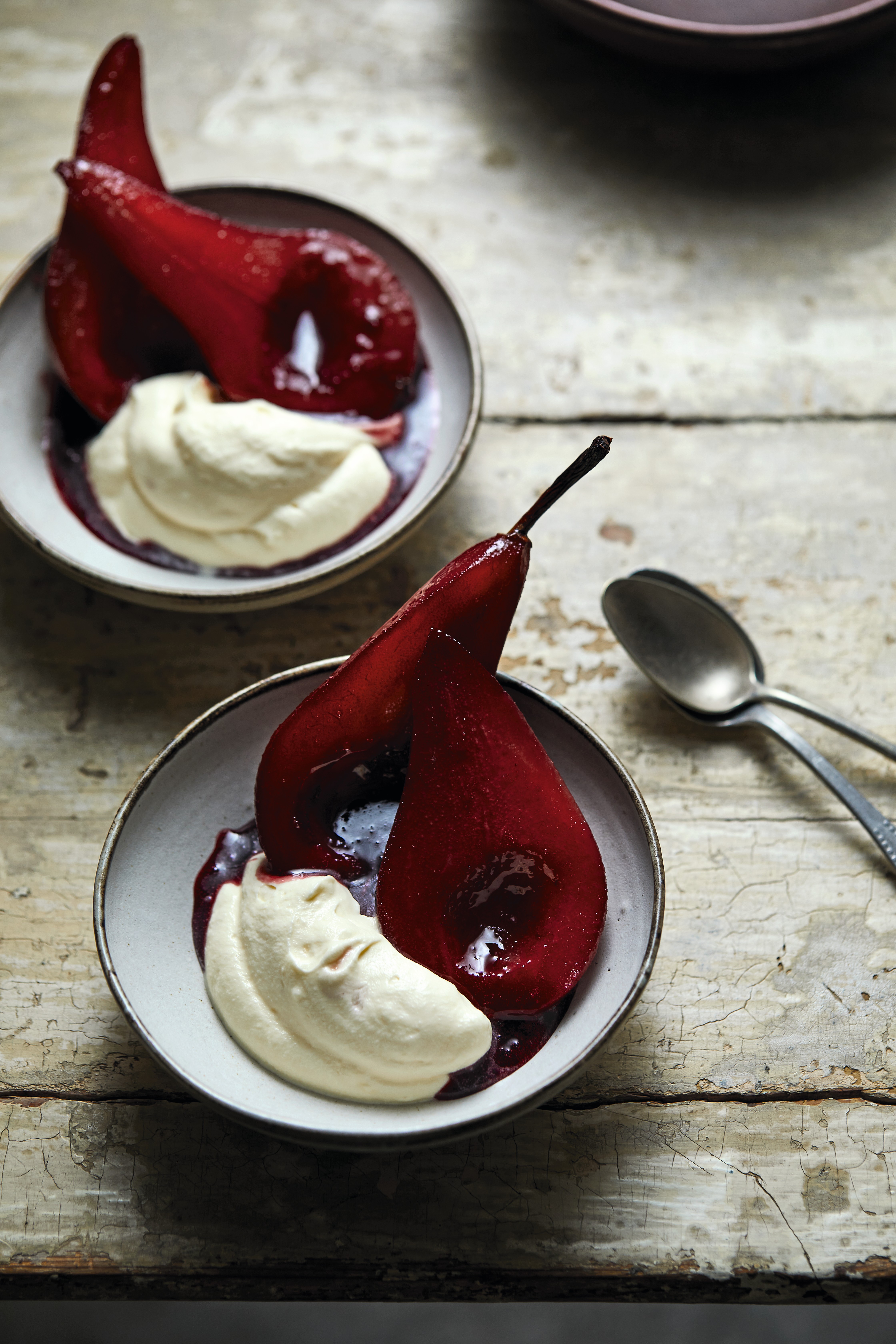
A small selection of the wonderful photography from Sam’s book
We talked about lots of cookery manuscripts, the importance of keeping historical recipes relevant, capons, Early Modern bread and greedy Falstaff’s sack, amongst many other things.
The British Food History Podcast is available on all apps, or stream it here:
Those listening to the secret podcast can hear about horrible, sweet spinach tarts, Early Modern cakes, possets and more!
Remember: Fruit Pig are sponsoring the 9th season of the podcast. Visit their website www.fruitpig.co.uk to learn more about them, their journey, to find your local stockist and access their online shop.
If you can, support the podcast and blogs by becoming a £3 monthly subscriber, and unlock lots of premium content, including bonus blog posts and recipes, access to the easter eggs and the secret podcast, or treat me to a one-off virtual pint or coffee: click here.
Don’t forget, there will be postbag episodes in the future, so if you have any questions or queries about today’s episode, or indeed any episode, or have a question about the history of British food please email me at neil@britishfoodhistory.com, or leave a comment below.
My guest on The British Food History Podcast today is food historian Carwyn Graves, a specialist in the foodways and traditions of Wales, and we are talking about Welsh Sheep and Cattle – and their products.
Carwyn has written a wonderful book called Welsh Food Stories, published in 2022 by Calon, which explores more than two thousand years of history to discover the rich but forgotten heritage of Welsh foods – from oysters to cider, salted butter to salt-marsh lamb. Despite centuries of industry, ancient traditions have survived in pockets across the country among farmers, bakers, fisherfolk, brewers and growers who are taking Welsh food back to its roots, and trailblazing truly sustainable foods as they do so.
We talk about the importance of sheep and cattle in Wales’s physical and cultural landscape, salt marsh lamb, cawl, colostrum puddings, the Welsh and their love of roasted cheese and sheep fancying Cistercian monks – amongst many other things.
Listen via your favourite podcast app, or stream here via this embed:
Those listening to the secret podcast can hear 15 minutes of extra material including flummery, mutton, laverbread sauce, the traditional skills in the collective cultural memory of the Welsh, the etymology of rarebit/rabbit plus more!
Remember: Fruit Pig are sponsoring the 9th season of the podcast, and Grant and Matthew are very kindly giving listeners to the podcast a unique special offer 10% off your order until the end of October 2025 – use the offer code Foodhis in the checkout at their online shop, www.fruitpig.co.uk.
If you can, support the podcast and blogs by becoming a £3 monthly subscriber, and unlock lots of premium content, including bonus blog posts and recipes, access to the easter eggs and the secret podcast, or treat me to a one-off virtual pint or coffee: click here.
Don’t forget, there will be postbag episodes in the future, so if you have any questions or queries about today’s episode, or indeed any episode, or have a question about the history of British food please email me at neil@britishfoodhistory.com, or on twitter and BlueSky @neilbuttery, or Instagram and Threads dr_neil_buttery. My DMs are open.