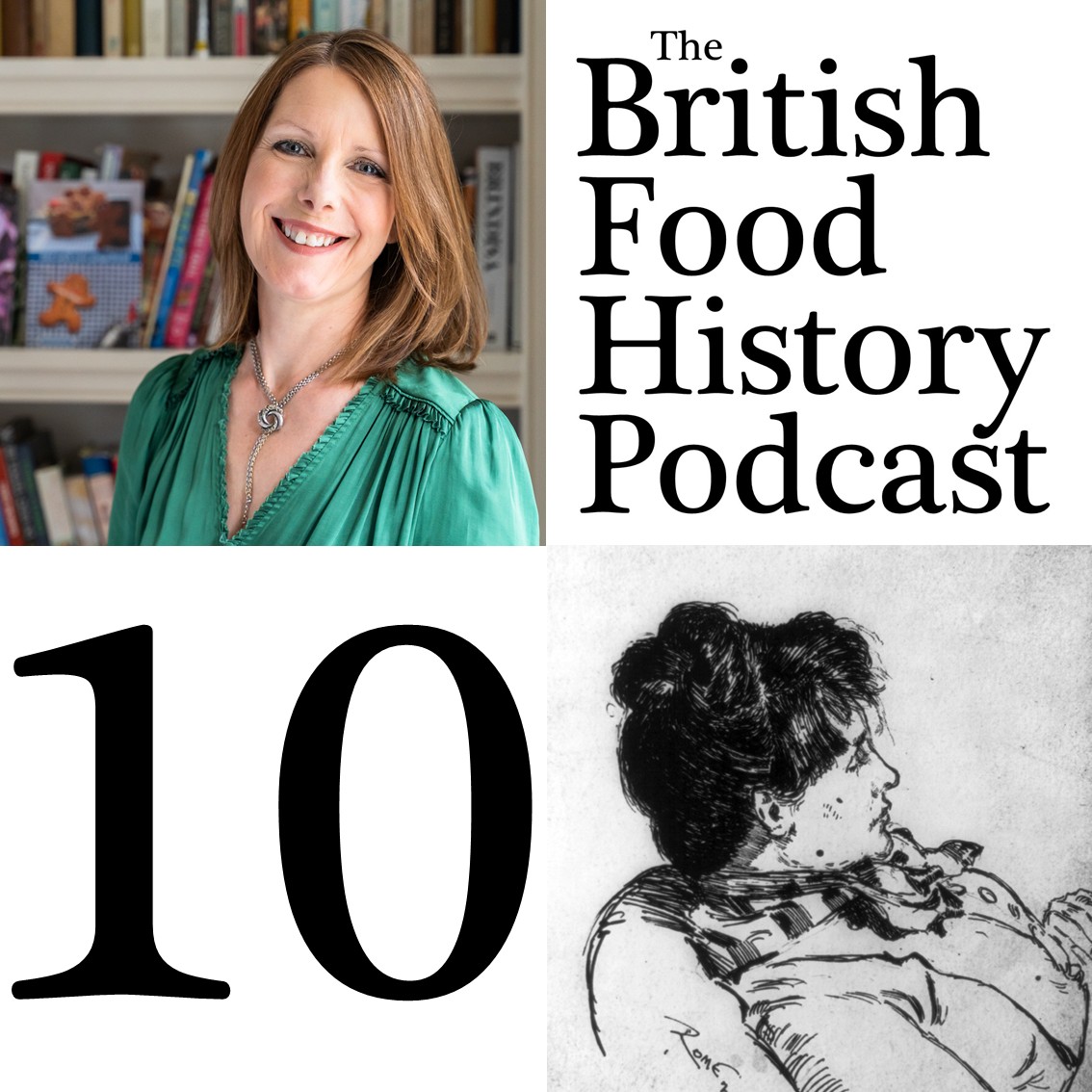
Welcome to this special bonus episode of The British Food History Podcast. I always make an extra episode for my monthly £3 subscribers. I wanted to make an episode where I talk with another food historian about a book. I asked Sam Bilton and she chose The Feasts of Autolycus: The Diary of a Greedy Woman by Elizabeth Robins Pennell (1899). An author I was not familiar with – and I really enjoyed reading the book and having this discussion.
We talk about Elizabeth Robins Pennell and how Sam discovered her, the expectations of women and greediness in the late Victorian period, food and morality, Camp coffee, stirring savouries, magnificent mushrooms, and kidneys – lots and lots of kidneys.
Subscribe to get access
Read more of this content when you subscribe today and unlock lots of premium content, including the secret podcast, bonus blog posts and recipes, my Easter eggs and a monthly newsletter. Please click here for more information.
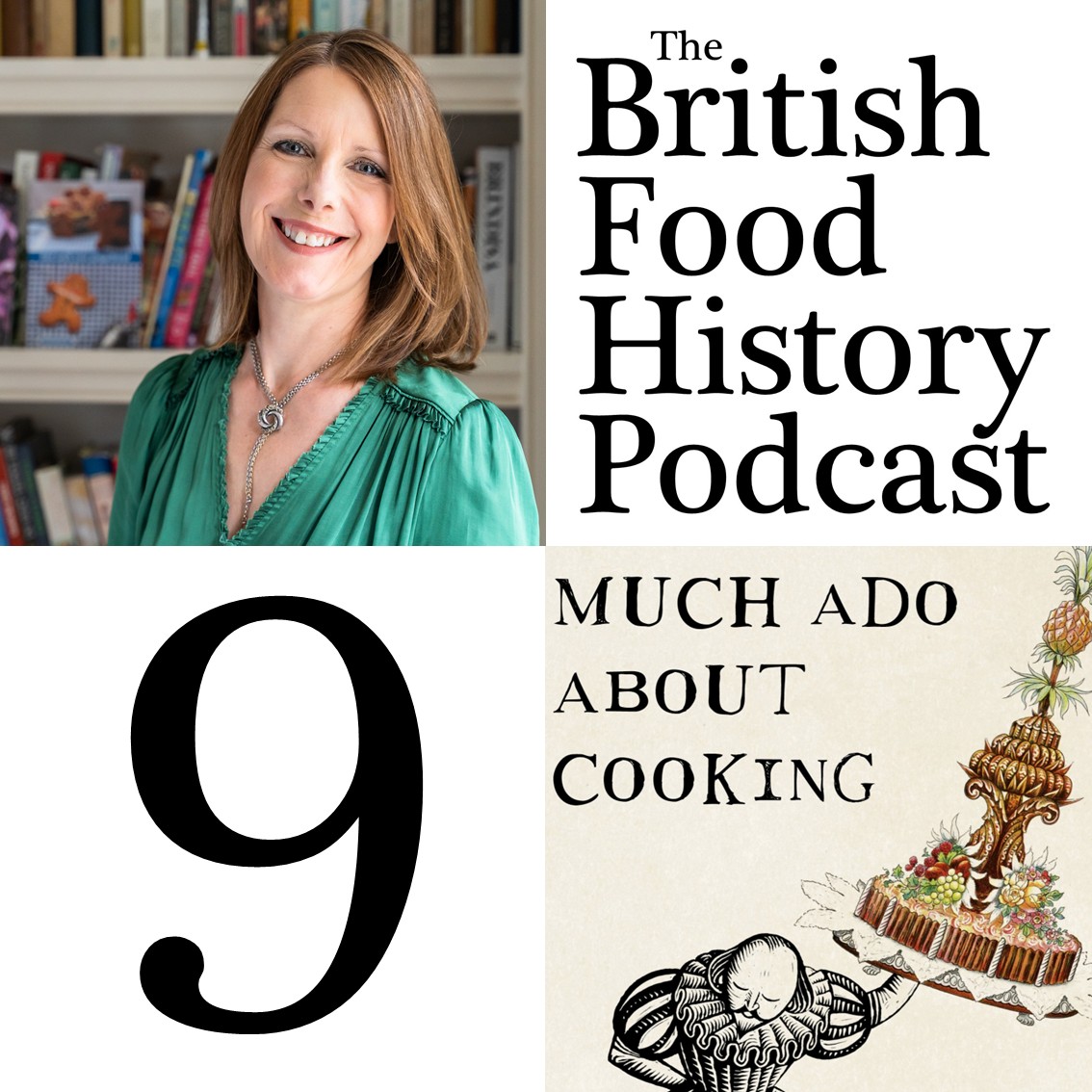
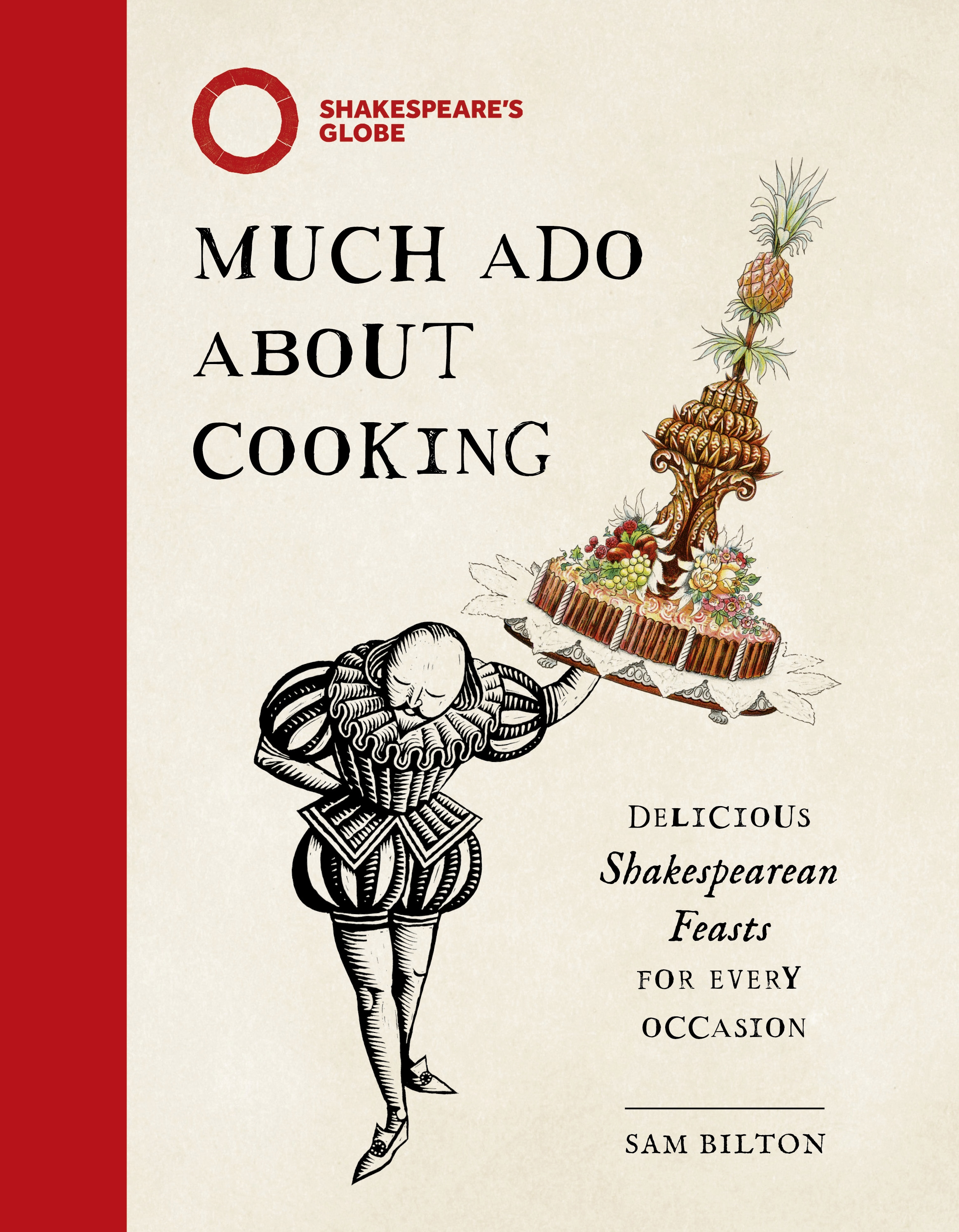
My guest on The British Food History Podcast today is food historian and friend of the show Sam Bilton, podcaster and author of Much Ado About Cooking Delicious Shakespearean Feasts for Every Occasion, published by Headline and commissioned by Shakespeare’s Globe.
It was, of course, a great opportunity to talk about the food of Shakespearean England as well as the food and drink references in Shakespeare’s plays, and what they meant to those watching the plays at the time they were first performed.
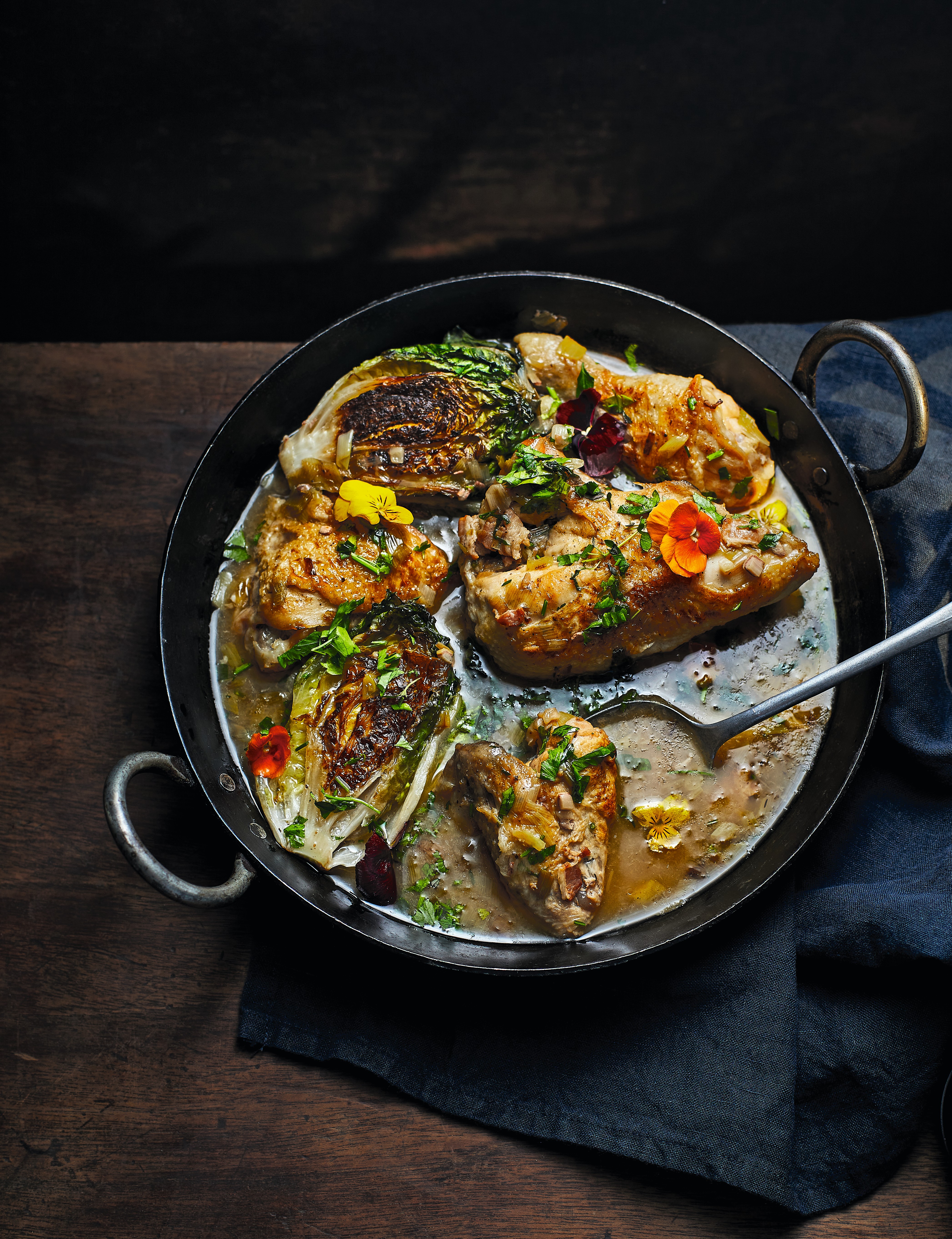
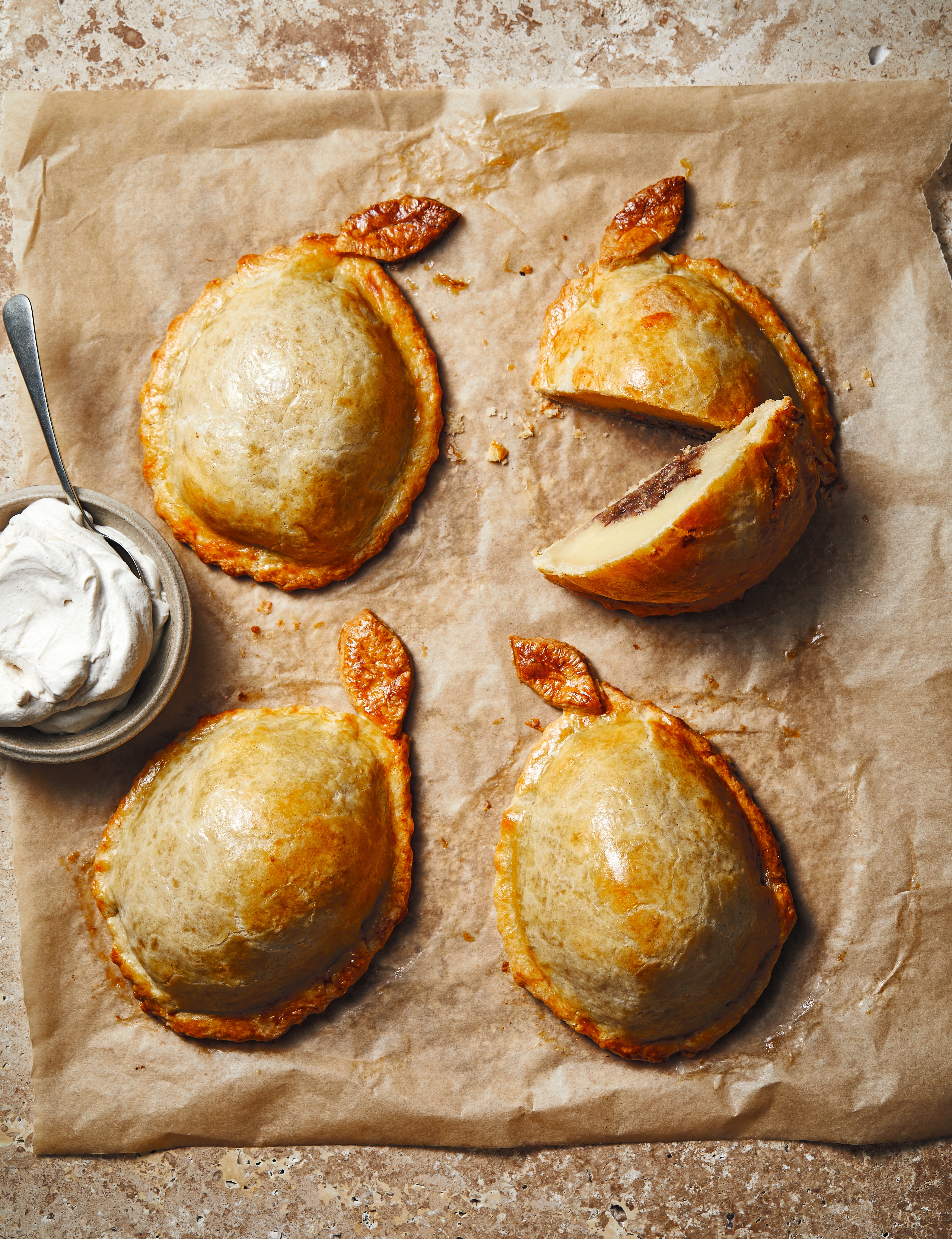
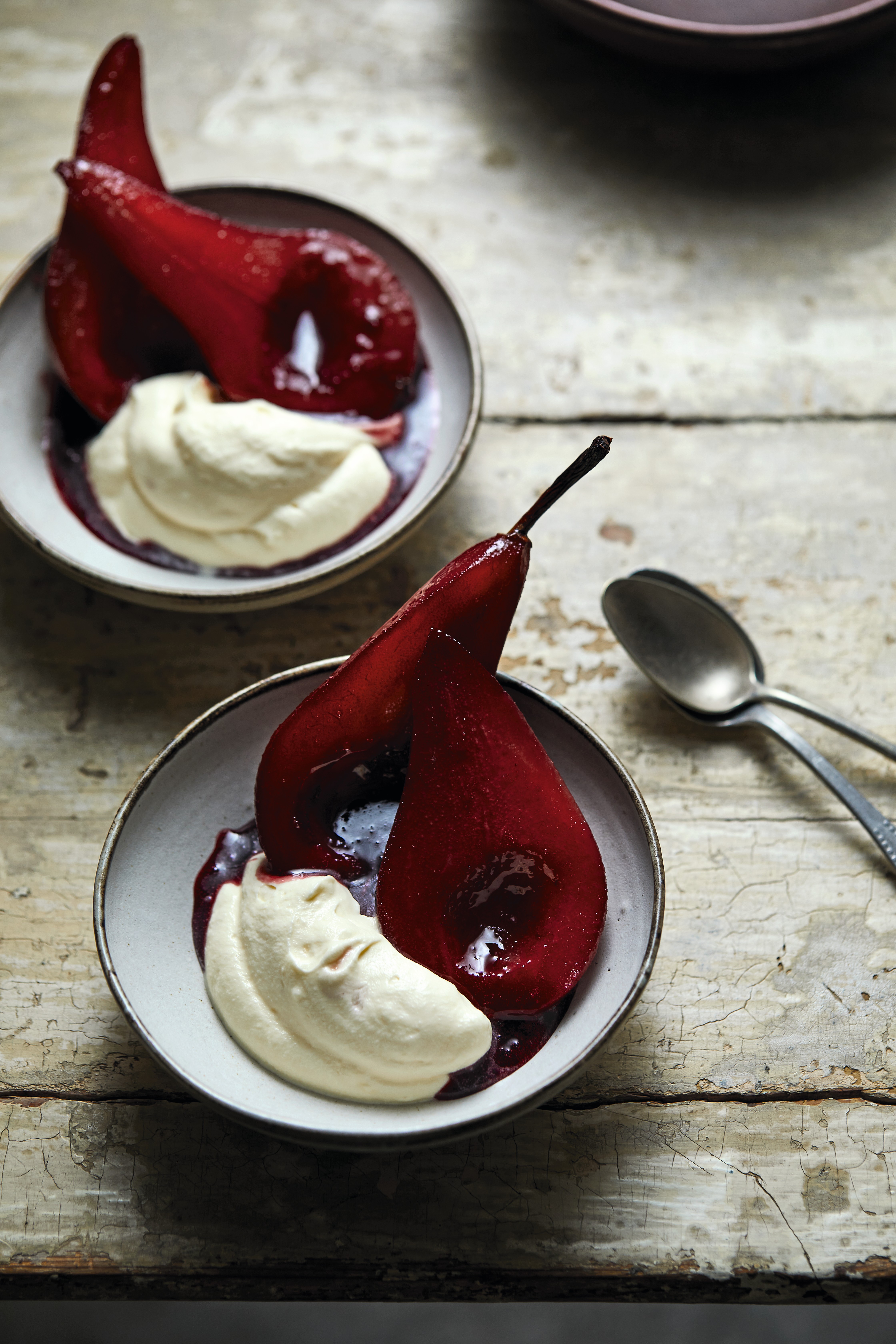
A small selection of the wonderful photography from Sam’s book
We talked about lots of cookery manuscripts, the importance of keeping historical recipes relevant, capons, Early Modern bread and greedy Falstaff’s sack, amongst many other things.
The British Food History Podcast is available on all apps, or stream it here:
Those listening to the secret podcast can hear about horrible, sweet spinach tarts, Early Modern cakes, possets and more!
Remember: Fruit Pig are sponsoring the 9th season of the podcast. Visit their website www.fruitpig.co.uk to learn more about them, their journey, to find your local stockist and access their online shop.
If you can, support the podcast and blogs by becoming a £3 monthly subscriber, and unlock lots of premium content, including bonus blog posts and recipes, access to the easter eggs and the secret podcast, or treat me to a one-off virtual pint or coffee: click here.
Don’t forget, there will be postbag episodes in the future, so if you have any questions or queries about today’s episode, or indeed any episode, or have a question about the history of British food please email me at neil@britishfoodhistory.com, or leave a comment below.
Hello everyone, hope your February isn’t looking too gloomy. Here’s something to cheer you up: news that season B of A is for Apple: An Encyclopaedia of Food & Drink has kicked off.
For those not in the know A is for Apple is a podcast hosted by Sam Bilton, Alessandra Pino and me. Each season we take a letter and focus on it; last time we did A, so now we are doing B. We all present a very short piece about our chosen topic and then discuss it. There’s usually a theme to the episode, but Sam (who was the head host in episode 1) was kind and gave us a free choice. I chose berries, Sam chose the Banting diet, and Alessandra bananas. It’s available to listen to on all podcast apps, just search for “A is for Apple” and hit subscribe. If you’re not a podcasty person, here’s a Spotify inbed for you:
For my piece I interviewed Rachel Webster, Curator of Plants at Manchester Museum, and quickly following episode 1 was the uncut interview talking about berries, flowers and fruits – and comes with some gob-smacking facts! Listen here:
You can also follow the podcast on Substack for free: click this link to check it out. There are bonus recipes and other bits and bobs to be found there.
Next episode Alessandra is in the driving seat and she gave us a theme: Places. What places beginning with B would you choose!?